

Four years ago this week, Colorado’s presidential primary calendar was jam-packed | TRAIL MIX
Until Republican Nikki Haley announced a campaign rally at an airport in Centennial a week before ballots are due, it had looked like Colorado might be flyover territory in the run-up to the Super Tuesday presidential primary.
Haley’s Feb. 27 rally at the Wings Over the Rockies Exploration of Flight center will be the first public campaign event in Colorado featuring a White House contender this election cycle.
Scheduled just three days after the former South Carolina governor faces off with Republican frontrunner Donald Trump in her home state, the rally could spell a fresh chapter in her quest to wrest the GOP nomination from the former president – or it could be the opening notes in her swan song, if it becomes increasingly undeniable that Trump has a lock on a rematch with President Joe Biden.
Although she has yet to win any of the early primary contests – even suffering a landslide loss earlier this month to “None of These Candidates” in a symbolic primary in Nevada that didn’t include Trump on the ballot – Haley vowed this week to stay in the race at least through March 5, when Colorado will be among 16 states and one territory casting ballots on what’s known as Super Tuesday, the busiest day on the presidential primary calendar.
There’s still time for Trump and Biden to schedule stops in Colorado before the votes are counted, but even if they do, this year’s Super Tuesday primary is a far cry from four years ago, when you could hardly swing a yard sign in the state without grazing a presidential hopeful.
While the 2024 GOP primary looked to be up for grabs more than a year ago – Florida Gov. Ron DeSantis led Trump in some polls in late 2022 – it’s quickly dwindled to a two-candidate battle between Trump and Haley, his former U.N. ambassador and fiercest Republican critic.
DeSantis is one of four Republicans who suspended their presidential campaigns after Colorado’s ballots were certified but before they went in the mail last week to voters, along with former New Jersey Gov. Chris Christie, former Arkansas Gov. Asa Hutchinson and Ohio businessman Vivek Ramaswamy. At least another half dozen serious candidates withdrew from the GOP primary last year, including former Vice President Mike Pence, South Carolina Sen. Tim Scott, North Dakota Gov. Doug Burgum and former Texas Rep. Will Hurd.
Colorado GOP Chairman Dave Williams cheered the state’s inclusion in the Super Tuesday lineup when it was announced last year, predicting that Republicans would flock to campaign for Colorado’s delegates, but after charging candidates as much as $40,000 apiece to appear on the primary ballot, the state Republican Party voted in January to endorse Trump, declaring the race all but over in the state.
There’s likely to be even less suspense in the state’s Democratic primary, where Biden faces a smattering of obscure challengers led by Minnesota Rep. Dean Phillips, who mostly dismantled his campaign last week, and bestselling author and spiritual guide Marianne Williamson, who ended her campaign a couple of weeks ago.
If Colorado’s Super Tuesday results produce any news, it might be a strong showing in the Democratic primary for “Noncommitted Delegate,” a new line on the party’s ballot this year, but it’ll take a lot of votes for that option to catch more than passing attention.
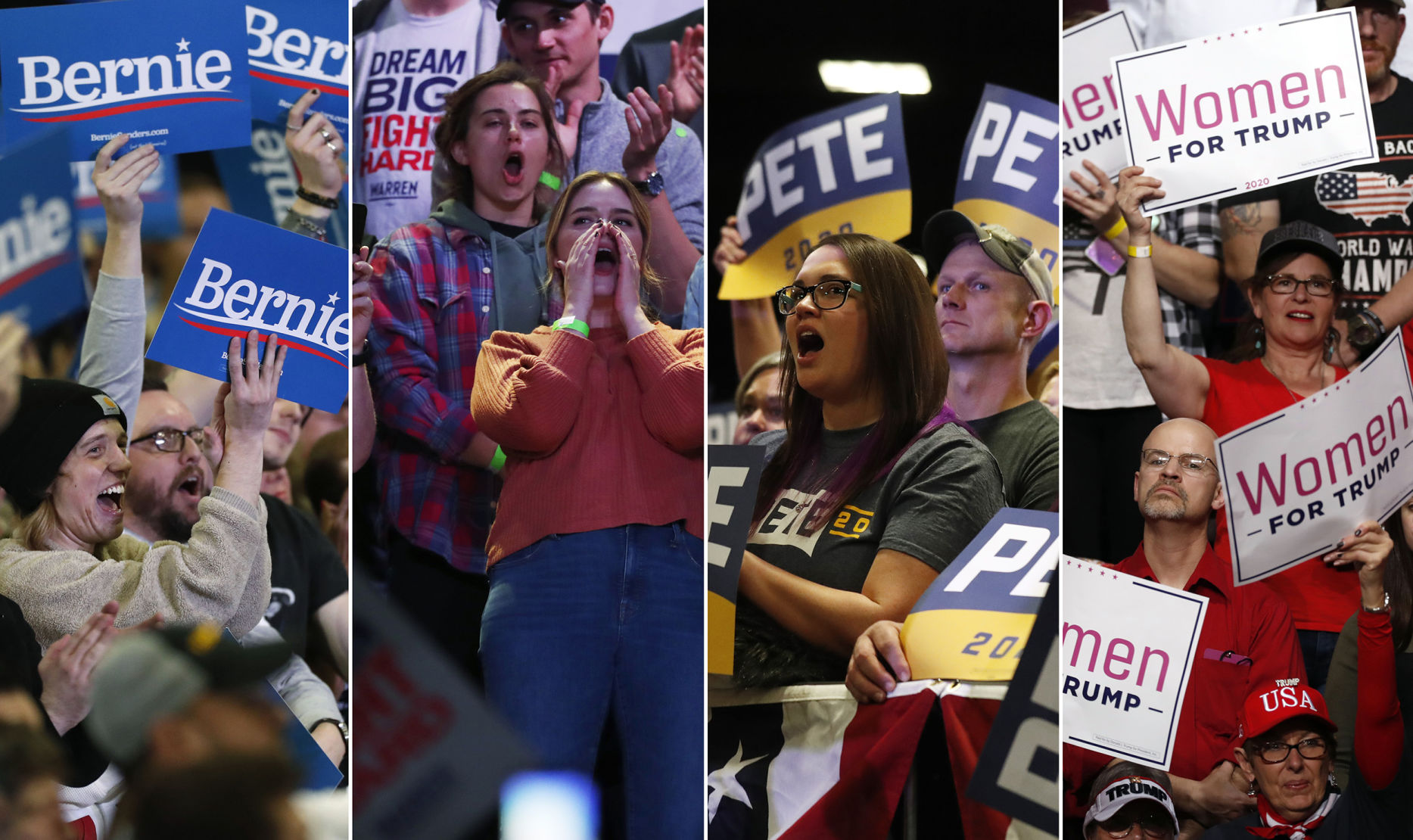
It’s a sharp contrast from the months approaching the state’s 2020 primary, which saw a dozen presidential candidates and their surrogates campaign in Colorado, some filling arenas, parks and vast hotel ballrooms, while others packed living rooms, campaign offices and restaurants.
That’s what happens when a presidential nomination is clearly in play, like the Democrats’ was on the eve of Colorado’s Super Tuesday primary, even though the enormous early field – including two candidates from Colorado, U.S. Sen. Michael Bennet and then-former Gov. John Hickenlooper, who later joined Bennet in the Senate – had winnowed to around 10 serious contenders by the time ballots went in the mail.
In the space of a week four years ago, from Feb. 16-23, as voters began to return ballots, nearly all of the leading candidates in both parties’ 2020 primaries held massive rallies or high-dollar fundraisers in Colorado, bolstering the palpable excitement of a full-blown presidential campaign in a pivotal state.
Even the incumbent Trump, who faced only nominal opposition in the Republican primary, staged one of his trademark rallies in Colorado that week, drawing an estimated 20,000 supporters to a hockey rink and its surrounding parking lots in Colorado Springs, in his first campaign visit to the state since 2016.
Colorado had already become accustomed to Democrats showing up for events for months by then, starting when Hickenlooper launched his short-lived 2020 bid in Denver’s Civic Center in March 2019 with a “hometown sendoff” featuring a concert by soul singer SuCH and Colorado favorites Nathaniel Rateliff & the Night Sweats. A month later, Massachusetts Sen. Elizabeth Warren filled a repurposed airplane hanger in Aurora, where she outlined what she described as “the biggest anti-corruption proposal since Watergate” to a crowd of roughly 1,500 fans.
That summer, as most of the field concentrated their efforts in early-contest states Iowa and New Hampshire, then-California Sen. Kamala Harris revved up supporters inside a Denver high school gymnasium in August, and Vermont Sen. Bernie Sanders, who won Colorado’s caucuses in 2016, called on a crowd of 10,000 people to “wage a political revolution” at a rally in Denver’s Civic Center in September.
Into the new year, Democratic hopefuls held smaller gatherings across the state, including town halls and office openings headlined by Bennet, Minnesota Sen. Amy Klobuchar, former South Bend, Ind., Mayor Pete Buttigieg, billionaire and former New York Mayor Michael Bloomberg and billionaire investor Tom Steyer.
By the time Colorado’s ballots went out in mid-February 2020, the pace was positively frenetic.
The wall-to-wall week kicked off on a Sunday night in Denver on Feb. 16, when Sanders – by then considered the primary frontrunner after what turned out to be a close second-place finish to Buttigieg in the Iowa caucuses and a win in New Hampshire – filled an enormous exhibit hall in the Colorado Convention Center.
“Brothers and sisters, with your help, we are going to win here in Colorado, we are going to win the Democratic nomination, and we are going to defeat the most dangerous president in modern history,” Sanders told the crowd, estimated at 12,000.
The next night, Biden spoke to a much smaller crowd at a private fundraiser at the home of former Interior Secretary and U.S. Sen. Ken Salazar in northwest Denver, where the former two-term vice president said that voters wanted a Democratic nominee willing to “level with the American people” about the cost of their proposals, an obvious jab at Sanders’ health care and climate proposals.
A few days later, still buzzing about being acquitted in his first impeachment trial in the Senate, Trump packed the Broadmoor World Arena on Feb. 20 for a 98-minute speech, declaring, “We are going to defeat the radical Democrats, and we are going to win Colorado in a landslide!” (Although Trump’s campaign insisted for most of the year that Colorado was in play, he lost the state to Biden by 13.5 points that fall.)
That same night in Aurora, fresh from a primary debate the night before in Nevada, Klobuchar spoke to an estimated 1,100 people at Stanley Marketplace, where she talked about what she described as practical proposals to the student debt crisis and high prescription drug prices.
Making her only appearances in Colorado during the primary, Hawaii Rep. Tulsi Gabbard held smaller town halls mid-week at venues in Boulder and Colorado Springs, attracting dozens of supporters to hear her pitch.
On Saturday night, Feb. 22, at a hotel near Denver International Airport, Buttigieg told an estimated 8,500 people that he offered the only alternative to Sanders, who had firmed up his frontrunner status that night with a win in the Nevada caucuses.
“I am here to make a case for a politics that aims higher than replacing one form of divisiveness with another, but rather unifies this country, before it is too late,” Buttigieg said.
The next afternoon, following a disappointing fourth-place finish in Nevada the night before, Warren rallied 3,800 supporters at the Fillmore Auditorium in Denver, vowing to stay in the fight. “It feels to me like Denver is ready for some big structural change!” she said to thunderous cheers.
For the following week, the candidates all set their sights on South Carolina and its crucial primary, leaving their campaign organizations to turn out the vote in Colorado by Super Tuesday.
With days to go before ballots were due, multiple polls showed Sanders with a comfortable, double-digit lead in the state, ahead of Warren, Buttigieg, Biden and Bloomberg, in that order, with Klobuchar and Gabbard trailing in single digits. After Biden scored a resounding win in South Carolina three days before Colorado ballots were due, however, the race reshaped quickly, with Klobuchar and Buttigieg dropping out and endorsing Biden.
When the votes were counted, Trump ran away with the Republican vote, while Sanders won the state’s Democratic primary, finishing about 13 points ahead of Biden, who barely edged out Bloomberg, with Warren coming in fourth and the others back in the pack. On the same night, Biden carried 10 states, though, essentially cementing his lead on a march to the nomination.
Ernest Luning has covered politics for Colorado Politics and its predecessor publication, The Colorado Statesman, since 2009. He’s analyzed the exploits, foibles and history of state campaigns and politicians since 2018 in the weekly Trail Mix column.

Democratic candidate in Colorado’s 4th CD urges long-term water planning
Marianne Goodland
marianne.goodland@coloradopolitics.com
Updated 2 days ago
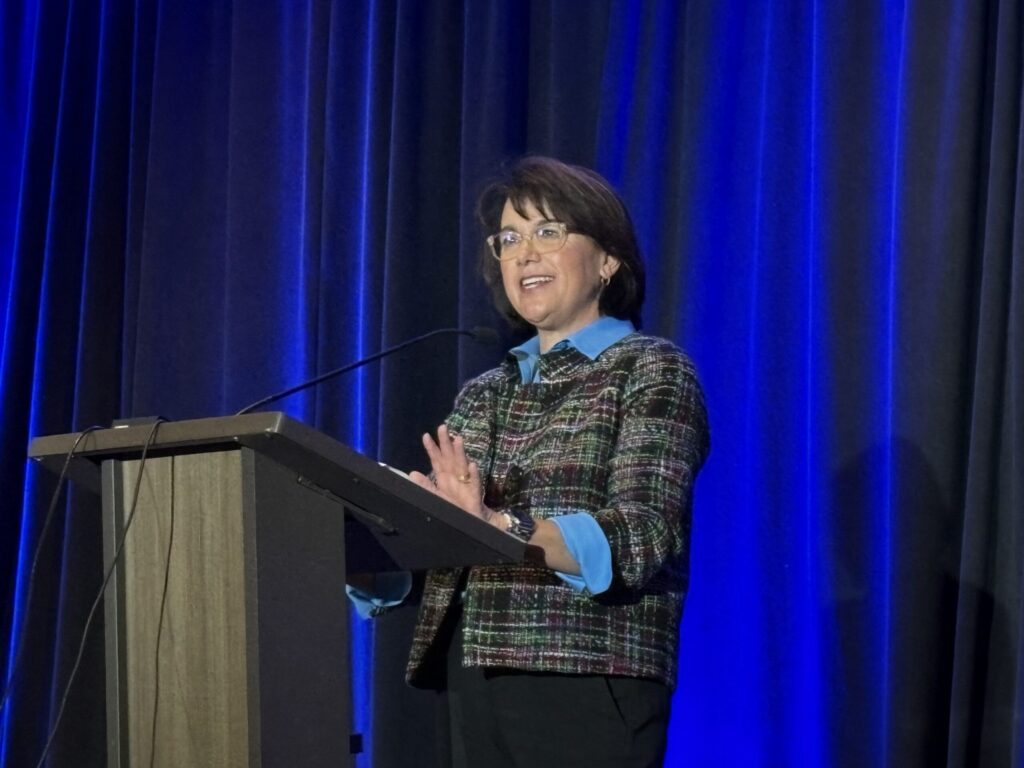
The Democrat hoping to become the next representative of Colorado’s 4th Congressional District on Thursday made her case on the final day of Colorado Water Congress in Steamboat Springs. Eileen Laubacher, who spent 34 years in the U.S. Navy and...
Democratic gubernatorial candidate Phil Weiser promises to appoint rural outreach director, water adviser
Marianne Goodland
marianne.goodland@coloradopolitics.com
Updated 4 days ago
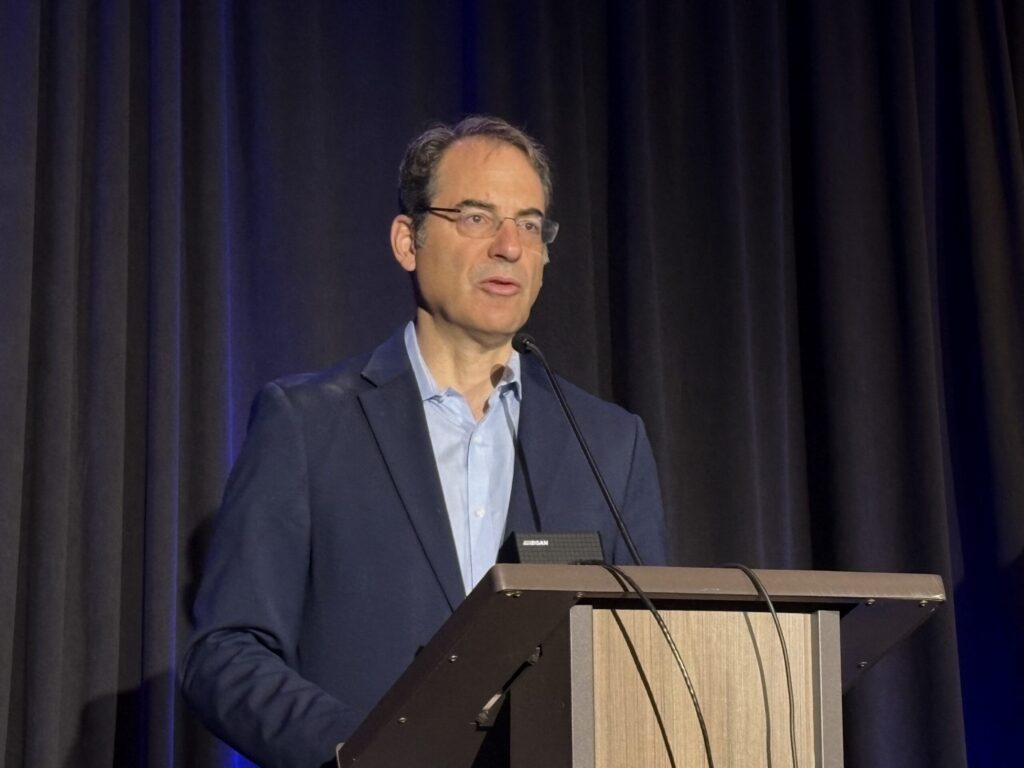
Democratic gubernatorial candidate and current Attorney General Phil Weiser told the Colorado Water Congress Thursday he intends to appoint a rural outreach director and a water policy adviser should he win the election in November. Weiser’s speech at the Steamboat...
Attorney general candidates present priorities at Colorado Water Congress
Marianne Goodland
marianne.goodland@coloradopolitics.com
Updated 3 days ago
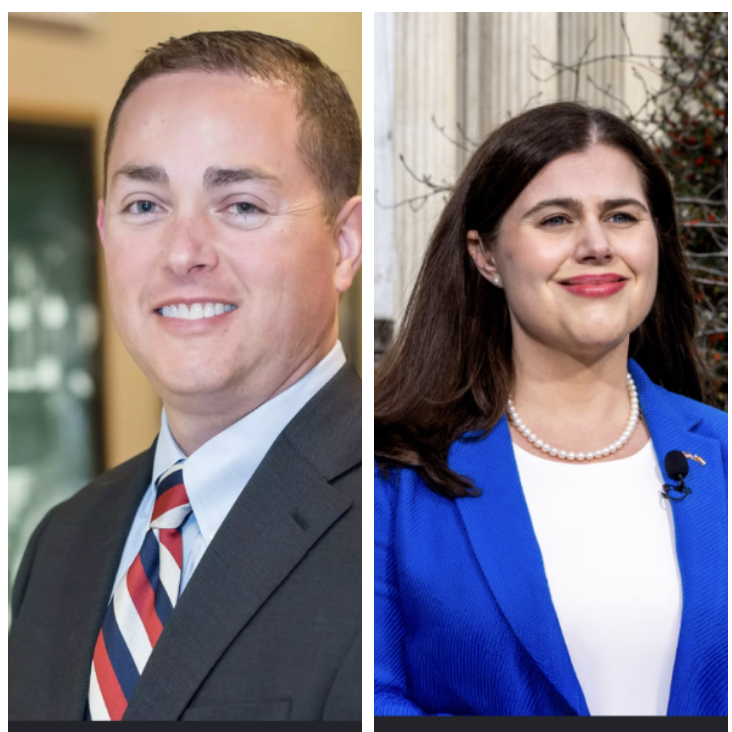
The two major-party candidates for attorney general — Republican Michael Allen, the district attorney for Teller and El Paso counties, and Democratic Secretary of State Jena Griswold — on Thursday outlined their priorities at the Colorado Water Congress. Griswold attended...
Denver named finalist for 2028 Democratic Convention site
Thelma Grimes
thelma.grimes@coloradopolitics.com
Updated 5 days ago
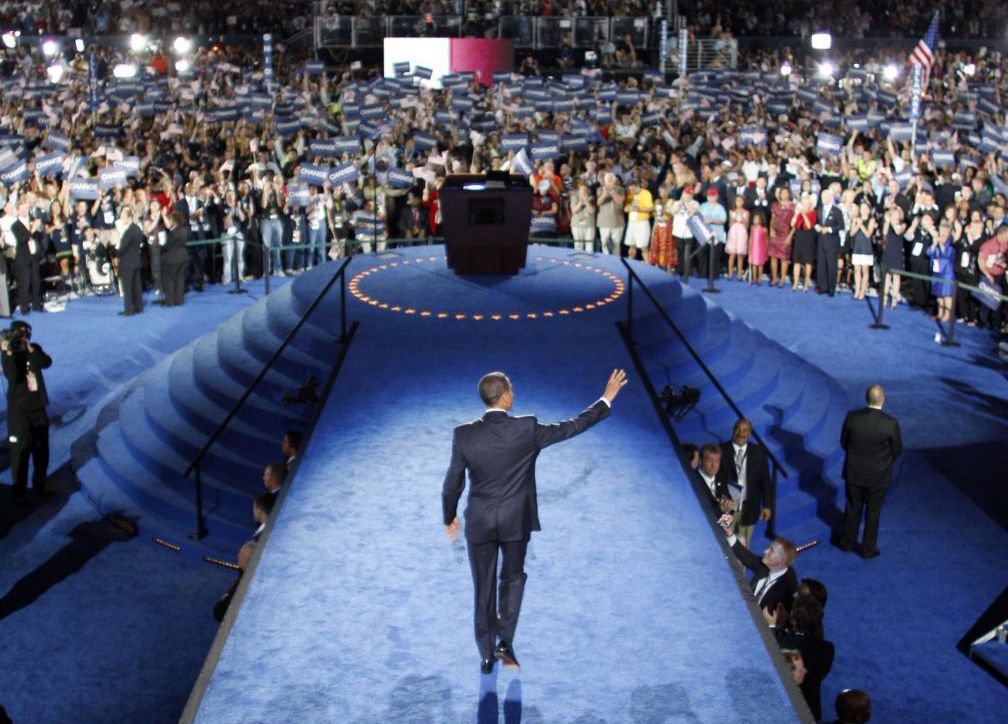
The Mile High City competes with Boston and Philadelphia The list of cities being considered to host the 2028 Democratic National Convention has narrowed even further, with Denver making the cut as one of the final three, along with Boston...
GOP gubernatorial candidate Victor Marx pushes aggressive water-storage expansion at Colorado Water Congress
Marianne Goodland
marianne.goodland@coloradopolitics.com
Updated 5 days ago
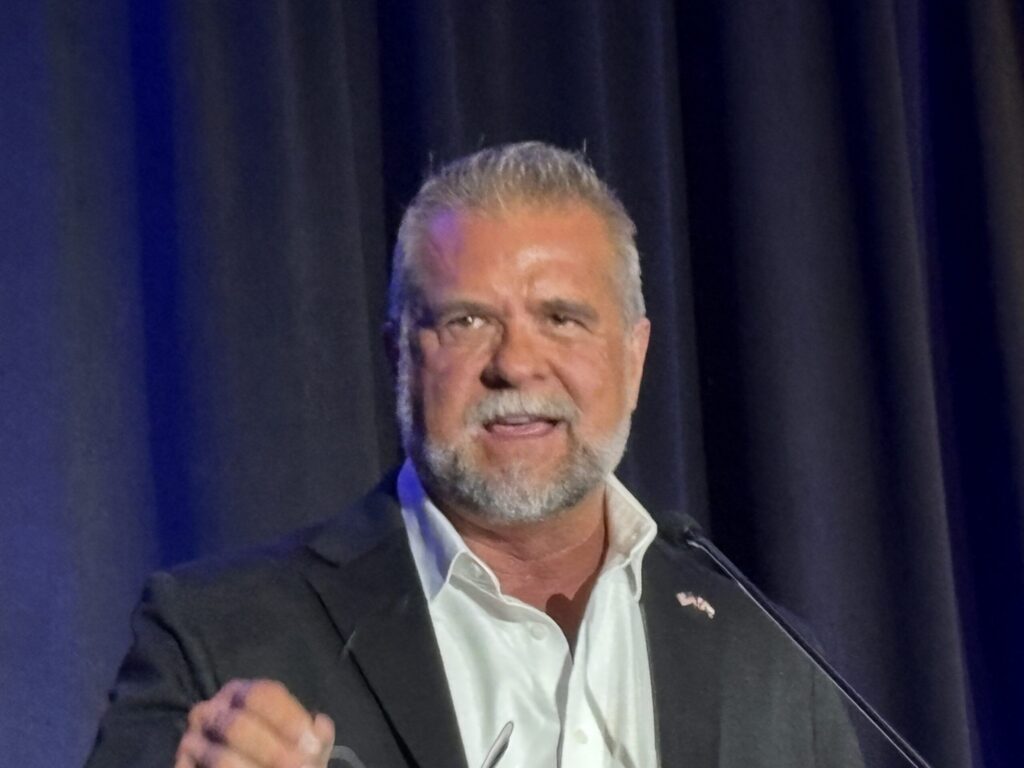
Victor Marx, the Republican nominee for governor, took the spotlight Wednesday during the opening day of the Colorado Water Congress, laying out how he says the state should approach its water future. Marx told the standing-room-only audience in Steamboat Springs...
U.S. Rep. Lauren Boebert stresses storage, forest health and Upper Basin rights at Colorado Water Congress
Marianne Goodland
marianne.goodland@coloradopolitics.com
Updated 5 days ago
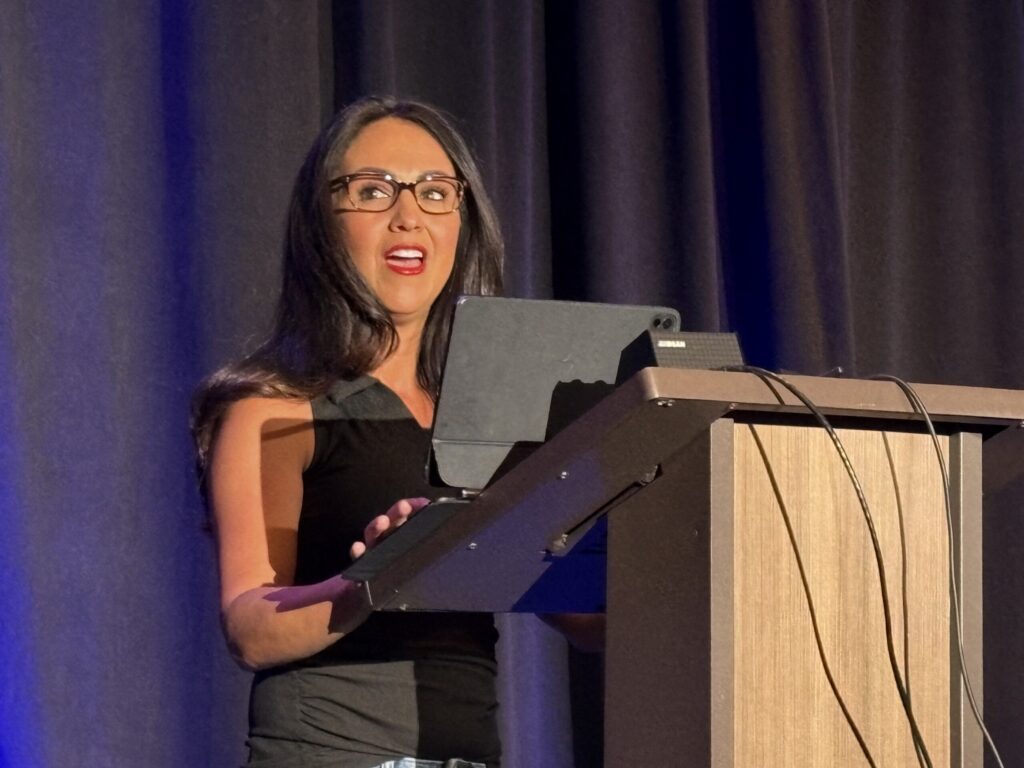
Republican U.S. Rep. Lauren Boebert used her brief Wednesday appearance at Colorado Water Congress to tout her record on delivering water projects for the state and her district. Boebert, who is running for her second term representing the 4th Congressional...
Colorado House Democrats’ caucus finances under scrutiny as ethics case against leader advances
Marianne Goodland
marianne.goodland@coloradopolitics.com
Updated 2 days ago
Democratic lawmakers told a legislative ethics panel that a leader’s management of caucus finances left them with unanswered questions, disputed reimbursements and a breakdown in communication that ultimately triggered a formal complaint. The House Ethics Committee is examining a complaint...

Colorado lieutenant governor candidate Markert says early discipline and key mentors set his course
Marianne Goodland
marianne.goodland@coloradopolitics.com
Updated 1 week ago
Editor’s note: This is the first installment in a three-part series examining Colorado’s candidates for lieutenant governor. In this piece, Colorado Politics speaks with George Markert, the Republican running mate to gubernatorial candidate Victor Marx. Marx is competing against Democrat...
Jeff Crank, Jessica Killin set to face off in 2 debates in Colorado’s 5th Congressional District
Ernest Luning
ernest.luning@coloradopolitics.com
Updated 2 weeks ago
Republican U.S. Rep. Jeff Crank and Jessica Killin, his Democratic challenger, have agreed to debate twice in the weeks leading up to the general election in Colorado’s 5th Congressional District, their campaigns have said. Crank is seeking a second term...

CSI study reviews impacts of Colorado’s mandatory sex‑trafficking sentencing measure
Marissa Ventrelli
marissa.ventrelli@coloradopolitics.com
Updated 1 week ago
A new report by the think-tank Common Sense Institute examines what could happen if Colorado voters approve Initiative No. 108, which establishes mandatory life sentences for offenders convicted of sexual trafficking of a minor. The measure is backed by Protect...
PREV
PREVIOUS

Colorado lawmakers sharply divided over drug abuse bills, bail for first-degree murder defendants; meet Heather Graham, Pueblo's new mayor | WHAT YOU NEED TO KNOW
Today is Feb. 23, 2024, and here’s what you need to know: Colorado lawmakers on Tuesday tackled two proposals that offer convergent – and divergent – approaches to combatting drug abuse during a discussion that starkly illuminated on ideological disagreements at the state Capitol. Both bills emerged out of ad hoc panel, which met over […]
Name change for felons, preferred names for students spark fierce debate in Colorado
Republicans and Democrats clashed over two proposals dealing with names and gender identity in a prolonged debated on Friday that also prompted an intense discussion into a host of social issues, notably the rights of parents and the wishes of transgender students. The first bill, House Bill 1071, would include gender identity as a “good cause” […]