

The uncharted implications of increasing unaffiliateds ahead of Colorado’s primaries | Paula Noonan
The primaries are about 60 days away. The large majority of statewide races will be decided on June 30. Those contests will be between moderate and progressive Democrats and moderate to super-conservative Republicans.
Analysis of voter registrations does not look pretty for either party. Coloradans are not reupping or registering in either party. The sum of Democratic-plus-Republican voters today does not exceed the total number of unaffiliateds.
Here are the numbers:
Total active Democratic voters — 1,003,187
Total active Republicans — 910,438
Total active unaffiliateds — 2,032,366
That’s 118,741-plus to unaffiliated voters over the combination of Democrats and GOPers. Both parties would do back flips for unaffiliated numbers.
The most discouraging element for traditional parties is the registration loss trend. The numbers defecting from both parties have steadily increased since 2024. Every month, the trend line was growth to unaffiliateds and losses to the parties.
Here’s a rundown: Since 2024, the GOP has declined by 16% in enrollments of voters 18-24. The party has lost registrations in every age group except 65-to-75-plus, where Republicans grew by about 3%.
The implications are not good: Republicans are losing registrations big at the young end and slightly winning at the old end when they will ultimately lose voters to death. The total decline among Republicans is 1.7%.
Democrats are doing worse in voters lost, except they have a larger base to begin with. They’ve also lost 16% of registered voters between 18-24 since 2024. Their only gain is among the cohort 75-plus. The total decline among Democrats is 3.7%.
Based on the registration numbers of both Democrats and Republicans, the only voters with some affinity for the parties are older: 65-plus. Both parties are facing a gut check as to how they will attract voters younger than 65 to their blue or red colors.
Unlike the two traditional parties, unaffiliateds have seen growth of 10% among registered voters 18-24. Unaffiliateds are the only cohort among the three dominant categories that has grown in registration in every age category, including a 20.8% growth at 75-plus. The implication here is many older voters are phasing out of their affiliations along with the young.
Some political experts explain the registration shifts are due to offering voter registration at DMVs. That explanation may work for younger voters but it’s unlikely to account for changes in voters 75-plus who have spent most of their years in a two-party regime.
More complications arise when examining registrations by gender. Democrats are currently a party comprising 60% women to 40% men. Republicans and unaffiliateds are closer in registrations by gender: 47% women to 53% men in the GOP; 48% women to 52% men among unaffiliateds. It appears losses of registrations in the Democratic party are mostly among men.
The state House of Representatives will have about 45 to 50 out of 65 seats that lean to one party or the other. These seats will be decided in the primaries. Only half of the state Senate of 35 members is up for re-election this year. Of those seats, a majority will also be decided in primaries.
The suburbs will be where seats will be most competitive in the general election, especially in Jefferson, Larimer and Arapahoe counties. Urban centers, some suburbs and rural districts will likely have the least competitive races. That is, elections in Denver and Boulder will be decided in Democratic primaries, and elections in Weld, El Paso, and Douglas counties and rural areas will mostly be decided in Republican primaries. Pueblo, which used to be a Democratic stronghold, will be up for grabs, as will parts of Adams County.
The governor’s race in the Democratic Party will likely decide the general election. U.S. Sen. Michael Bennet and Attorney General Phil Weiser are duking it out for the nomination.

Their challenge is to give Democrats and unaffiliateds who choose to vote in the Democratic primary a reason to support them as the party hasn’t done enough to provide impetus. At this time, it appears the Republican primary will be closed to unaffiliateds.
A recent poll conducted by Colorado Polling Institute shows Coloradans have soured on whether the state is on the right or wrong track. Only 6% say “definitely” right track; 31% say “definitely” wrong track.
Voters don’t like the cost of living, cost of housing and cost of taxes. These issues have no doubt gotten worse for voters with the war on Iran and consequent rising prices. A large majority of voters do like TABOR as a control on taxes or as a tool to let them vote on tax increases.
The issues connecting the cost of living and cost of housing are challenging, especially given the state’s budget situation. Health care is a significant driver of cost of living, and residential density restrictions affect housing costs. Candidates from both parties will have to decide how ambitious they will be on attacking these problems. Coloradans seem ready for big ideas, not change by quarter inches.
Paula Noonan owns Colorado Capitol Watch, the state’s premier legislature tracking platform.


Colorado can’t forget the lessons of COVID | Jon Caldara
Jon Caldara
jon-caldara@coloradopolitics.com
Updated 3 days ago
We are finally getting a clearer picture of what happened during COVID. Not because the people who locked us up, masked our faces and forced unproven chemicals into our bodies have suddenly become transparent, but because Anthony Fauci’s COVID-era diary...
Historic preservation supporters organize to oppose Trump changes | Bob Loevy
Tom Cronin
tom-cronin@coloradopolitics.com
Updated 2 days ago
Historic preservation organizations in Colorado Springs, the remainder of Colorado and across the nation are organizing to resist a recent effort to relax and weaken historic preservation laws in the United States. In Washington, D.C., the Advisory Council on Historic...
At conservative summit, Colorado Republican leaders concede Democrats’ election edge
Marissa Ventrelli
marissa.ventrelli@coloradopolitics.com
Updated 1 day ago
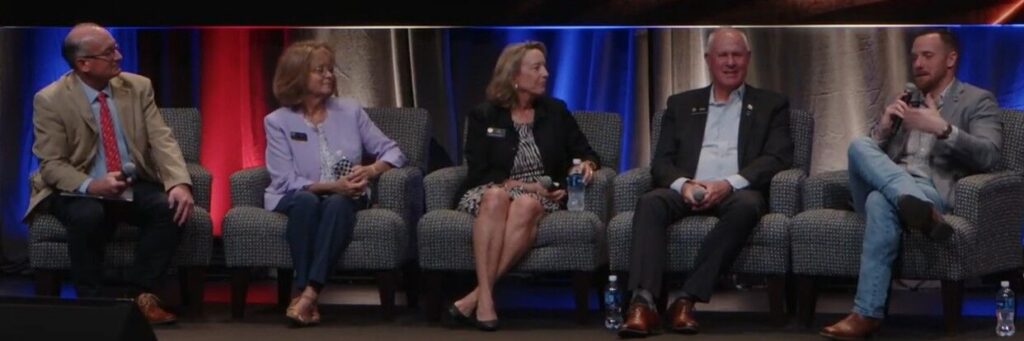
Four Republican state lawmakers told attendees at a gathering of conservative leaders on Friday they doubt their party can win statewide races, noting that Colorado’s electorate has been shifting toward Democrats but adding they see an opening in several pockets....
Q&A with Mike Pence | Former vice president says GOP’s populist turn from conservatism isn’t permanent
Ernest Luning
ernest.luning@coloradopolitics.com
Updated 1 day ago
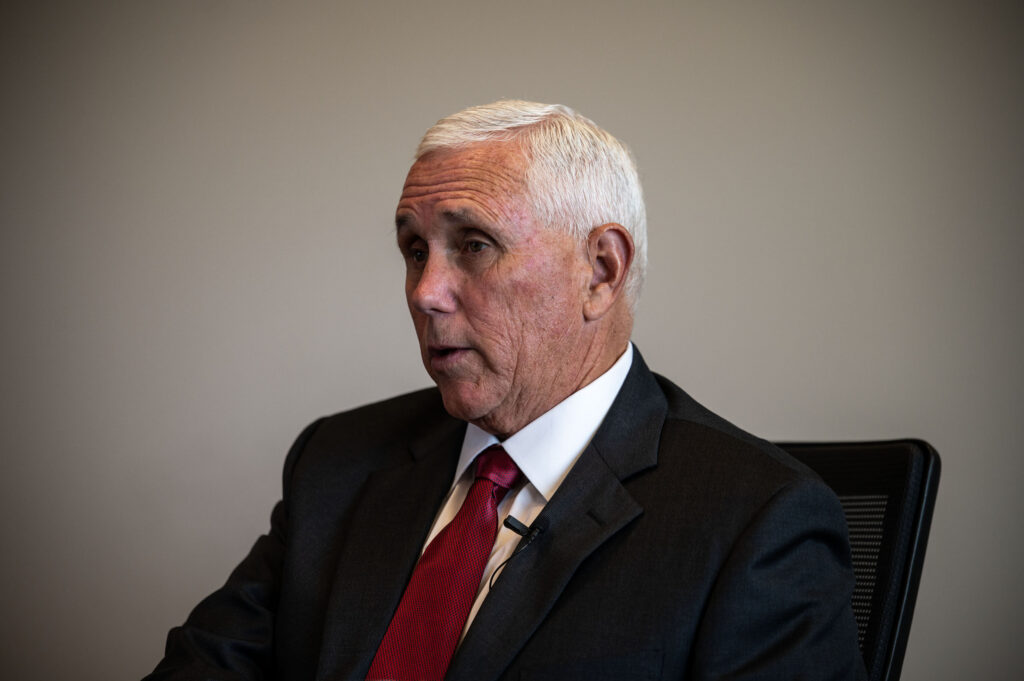
Former Vice President Mike Pence says he’s concerned that the Republican Party has taken a populist turn away from bedrock conservative principles during President Donald Trump’s second term, but he believes the party will return to its roots when Trump...
Republican Victor Marx taps George Markert as his lieutenant governor pick in Colorado’s gubernatorial race
Ernest Luning
ernest.luning@coloradopolitics.com
Updated 2 days ago
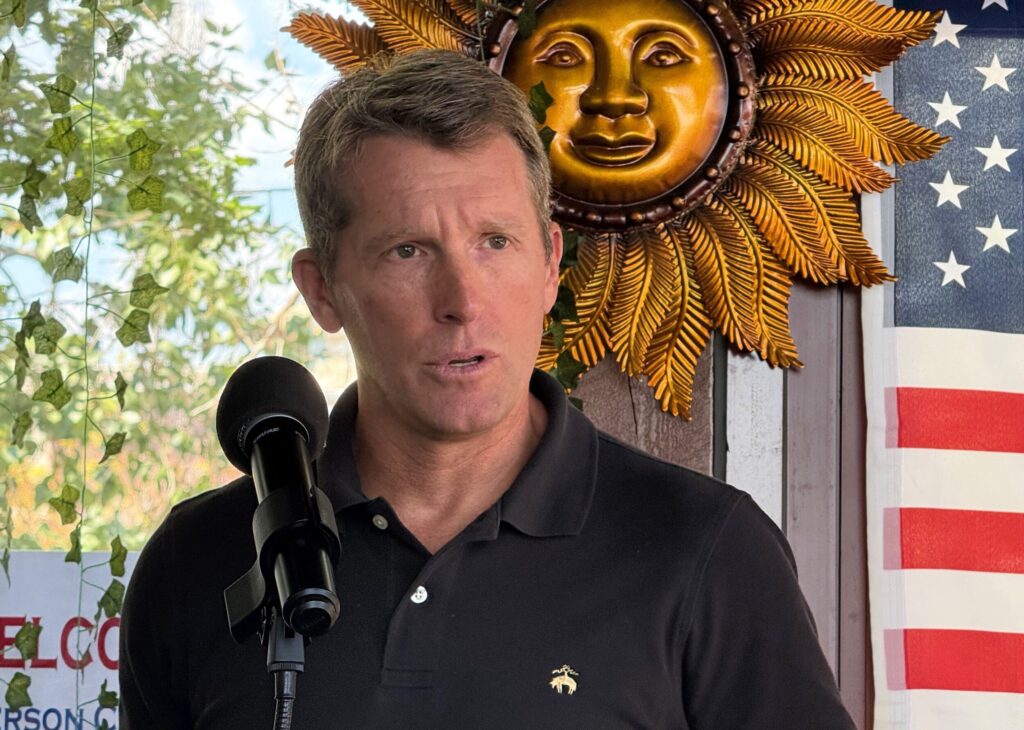
Colorado Republican gubernatorial nominee Victor Marx named George Markert, a retired Marine colonel, as his running mate for lieutenant governor Friday morning, saying the former U.S. Senate candidate will bring “exceptional character, proven leadership and a lifetime of serving others”...
Pueblo mayor, council concoct Trumpian Texas Two-Step | Dennis Maes
Dennis Maes
dennis-maes@coloradopolitics.com
Updated 3 days ago
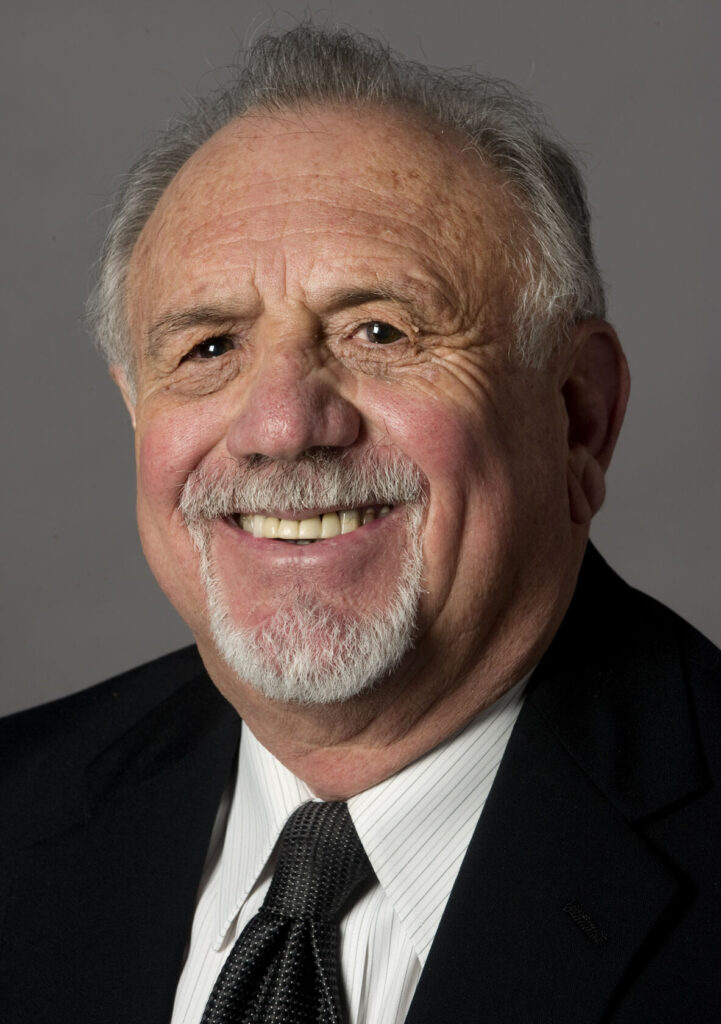
Several weeks ago, an article was published positing Pueblo Mayor Heather Graham is a disciple of the calamitous Donald Trump school of governance — specifically as it related to questionable ethical practices and the misuse of public funds. Recently, Graham...

Colorado can’t afford to turn its back on proven public safety technology | GUEST COLUMN
Colorado Politics
colorado-politics@coloradopolitics.com
Updated 3 days ago
By Samuel G. Michael I recently saw a report that said Colorado is leading the way in artificial intelligence adoption for businesses. Across our state, more business owners and employees than ever before use AI for their everyday functions —...
Colorado lawmakers start crafting strategy to manage $200 million in federal rural health funds
Marissa Ventrelli
marissa.ventrelli@coloradopolitics.com
Updated 4 hours ago
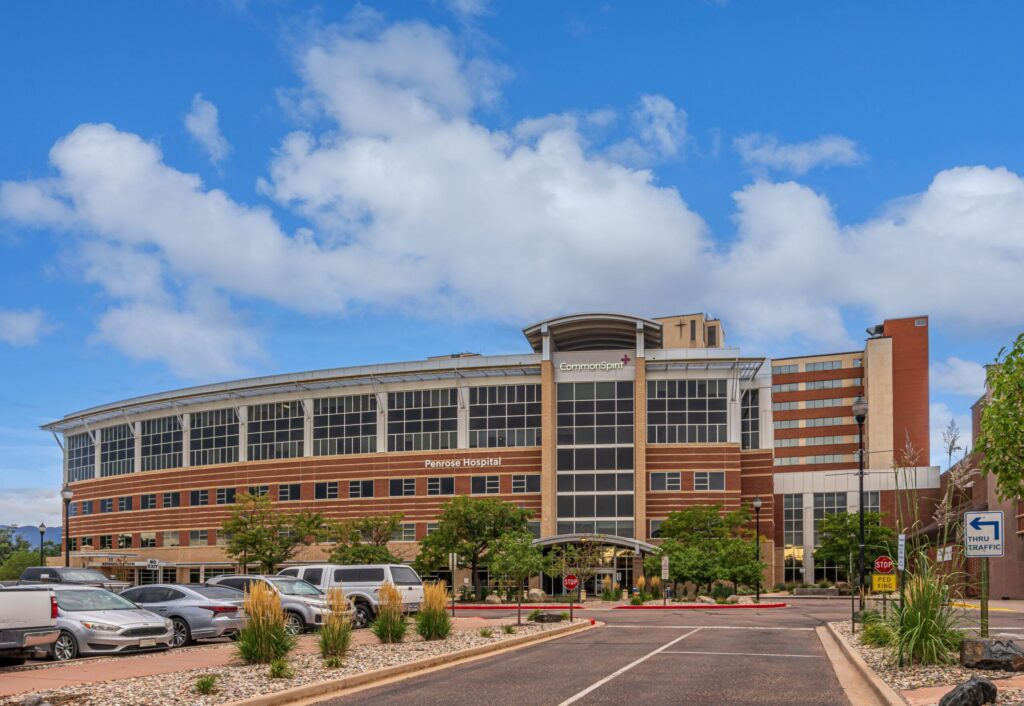
Colorado officials have begun to strategize as the state is set to receive hundreds of millions of dollars from a federal program meant to boost rural health. Cristen Bates, deputy Medicaid director at the Department of Health Care Policy and...

Democrat Jessica Killin’s internal poll shows dead heat with U.S. Rep. Jeff Crank in Colorado’s 5th CD
Ernest Luning
ernest.luning@coloradopolitics.com
Updated 3 days ago
Jessica Killin, the Democratic nominee in Colorado’s 5th Congressional District, is in a statistical tie with Republican U.S. Rep. Jeff Crank, according to an internal poll released this week by Killin’s campaign. The poll of likely general election voters, conducted...

Colorado’s 72-hour social media warrant law takes effect Aug. 12
Marissa Ventrelli
marissa.ventrelli@coloradopolitics.com
Updated 3 days ago
A law requiring social media platforms to respond to search warrants within 72 hours goes into effect on Aug. 12. Senate Bill 011 also requires platforms to create a staffed hotline for Colorado law enforcement agencies to contact regarding pending...
PREV
PREVIOUS

All Coloradans should have a say at the Public Utilities Commission | GUEST COLUMN
By Emma Pinter I have a sticky note in my kitchen that reminds me of Xcel Energy’s peak hours, when they charge higher rates for electricity. From 5 p.m. to 9 p.m., I avoid running the laundry or the dishwasher because energy is already the highest bill I pay for my family. I have to […]
Colorado eyes licensure, new oversight body for autism therapy providers
A panel of Colorado legislators on Wednesday approved a bill establishing a new regulatory body and licensure requirements for professionals who provide therapy for children on the autism spectrum, as well as for the facilities in which they work. House Bill 1425 creates the Colorado Behavior Analyst Board within the Department of Regulatory Agencies and […]