

‘Move fast and break things’ not way to fix Colorado’s roads | GUEST COLUMN

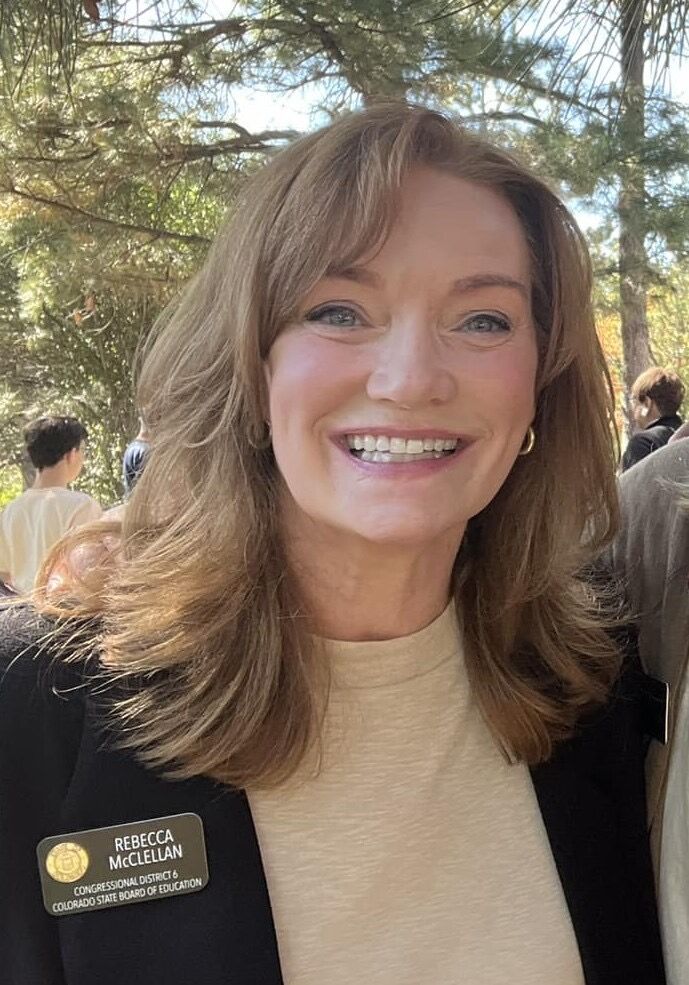
By Donna Lynne, Kelly Nordini and Rebecca McClellan
This month, after the effects of federal H.R. 1 hit Colorado’s budget like a sledgehammer, Colorado lawmakers had to cut more than $1.5 billion from our state budget, leaving virtually no corner untouched. Critical programs for health care, the environment and education felt the effects. We do not envy the Joint Budget Committee, as they had to make tough decisions to slash programs leaders on both sides of the aisle care about in order to balance our budget. Unfortunately, we could be in for more of the same, especially if the Colorado Contractors Association gets its way at the ballot this fall.
Right now, they are collecting signatures on Initiative 175, a measure that promises to improve Colorado’s roads without raising taxes. If that sounds too good to be true, that’s because it is. This effort simply diverts existing funds from existing programs — especially critical programs like Medicaid, K-12 education, and higher education. These three programs constitute nearly 71% of the state’s General Fund and Initiative 175 would divert more $540 million from the general fund.
This measure is not exactly a grassroots, citizen-led effort to fix our roads. The initiative is backed by corporations that stand to benefit financially from more highway construction. In other words, it takes money that currently supports Colorado’s kids, families and seniors and redirects it toward projects that benefit the contractors backing the measure.
Roughly 20% of Coloradans’ get their health coverage through Medicaid and Colorado’s budgetary constraints are already affecting access to health care for Coloradans. Beginning in 2027, H.R. 1 will also drop tens of thousands of Colorado Medicaid patients from the program — resulting in delays or even avoidance in getting needed care and additional costs to health care providers. Initiative 175 would make this much, much worse and cuts that disproportionately affect Coloradans with disabilities, seniors and children are inevitable.
Proposition 175 would threaten new funding for at-risk and rural K-12 students and put Colorado’s ability to meet constitutional education funding requirements out of reach. Colorado already ranks as one the lowest states for higher education funding in the nation. Initiative 175 would surely secure our spot at the bottom. Students at Colorado universities, community colleges and technical colleges will face higher tuition costs due to Initiative 175.
Initiative 175 decimates Medicaid, K-12 and education funding by design. But it also has less obvious consequences. The measure diverts $156 million from 10 cash funds that fund driver licensing, Emergency Medical Services licensing and certification, law enforcement officer licensing, and other critical programs. Another $257.9 million would be diverted from transportation fees from enterprises, which fund transit and electric vehicles. These are important programs; if they are defunded, the legislature would likely need to find additional funds to keep them up and running, which means even more strain on the General Fund.
That’s right, the backers of this initiative are saying building highways is more important than ambulances, drivers’ licensing services and certifying law enforcement officers for duty. We saw what reckless and poorly executed cuts do when Elon Musk’s DOGE team made cuts without understanding what they were cutting or the consequences of their decisions. “Move fast and break things” is not the solution we need here in Colorado.
Colorado deserves a serious conversation about how to fund transportation while protecting the schools, health care systems and services people rely on every day. Proposition 175 isn’t the solution. The proponents should withdraw Initiative 175 and come back with a plan that actually fixes transportation without breaking everything else.
Donna Lynne is chief executive of Denver Health. Kelly Nordini is chief executive of Conservation Colorado. Rebecca McClellan has served the 6th Congressional District on the state Board of Education since 2017.

Colorado lawmakers start crafting strategy to manage $200 million in federal rural health funds
Marissa Ventrelli
marissa.ventrelli@coloradopolitics.com
Updated 4 hours ago
Members of the Colorado legislature’s new Commission on Medicaid raised concerns Wednesday about the federal Rural Health Transformation Program created under H.R. 1. The bipartisan, bicameral commission, created in the last legislative session to guide implementation of Medicaid changes under...
Democrat Jessica Killin’s internal poll shows dead heat with U.S. Rep. Jeff Crank in Colorado’s 5th CD
Ernest Luning
ernest.luning@coloradopolitics.com
Updated 2 hours ago
Jessica Killin, the Democratic nominee in Colorado’s 5th Congressional District, is in a statistical tie with Republican U.S. Rep. Jeff Crank, according to an internal poll released this week by Killin’s campaign. The poll of likely general election voters, conducted...

Colorado’s 72-hour social media warrant law takes effect Aug. 12
Marissa Ventrelli
marissa.ventrelli@coloradopolitics.com
Updated 12 hours ago
A law requiring social media platforms to respond to search warrants within 72 hours goes into effect on Aug. 12. Senate Bill 011 also requires platforms to create a staffed hotline for Colorado law enforcement agencies to contact regarding pending...
As education conflicts abound across Colorado, who puts the kids first? | Paula Noonan
Paula Noonan
paula-noonan@coloradopolitics.com
Updated 1 day ago
Elected school boards and the Colorado Department of Education (CDE) have hit the headlines with fired superintendents, superintendent resignations, failures of oversight, and misdirected dollars. Cherry Creek School District’s superintendent was fired. Jefferson County Schools’ superintendent found a less stressful...

Victor Marx says he’ll only debate Phil Weiser once in Colorado governor’s race — without a moderator
Ernest Luning
ernest.luning@coloradopolitics.com
Updated 5 hours ago
Colorado Republican gubernatorial nominee Victor Marx said on Tuesday that he will participate in only one debate with Attorney General Phil Weiser before the November election — and he challenged the Democratic nominee to hold the event without a moderator....

Clock is ticking on Colorado’s new AI rules | PODIUM
Colorado Politics
colorado-politics@coloradopolitics.com
Updated 1 day ago
By Aashis Luitel On Jan. 1, organizations using covered automated systems must begin complying with Senate Bill 26-189, Colorado’s new Automated Decision-Making Technology Act. They can identify those systems and start building the processes the statute clearly requires. What they...
Atop taxes, here’s how much each Colorado resident pays in fees
Marissa Ventrelli
marissa.ventrelli@coloradopolitics.com
Updated 2 days ago
Each Colorado resident paid nearly $5,000 in state-sanctioned fees last year, according to a report by a policy think tank. The report, which analyzed how fees have affected Colorado’s economy, found that fee revenue has more than tripled since 2008...

Gov. Polis celebrates Colorado’s first-place education ranking by U.S. News
Marianne Goodland
marianne.goodland@coloradopolitics.com
Updated 1 day ago
Colorado officials said they have something to celebrate this week, in addition to the state’s sesquicentennial birthday on Saturday. U.S. News & World Report on Tuesday gave Colorado its top ranking for education efforts from pre-K to postsecondary, though it...
Independent gubernatorial candidate Greg Lopez, a former GOP congressman, qualifies for Colorado ballot
Ernest Luning
ernest.luning@coloradopolitics.com
Updated 2 days ago
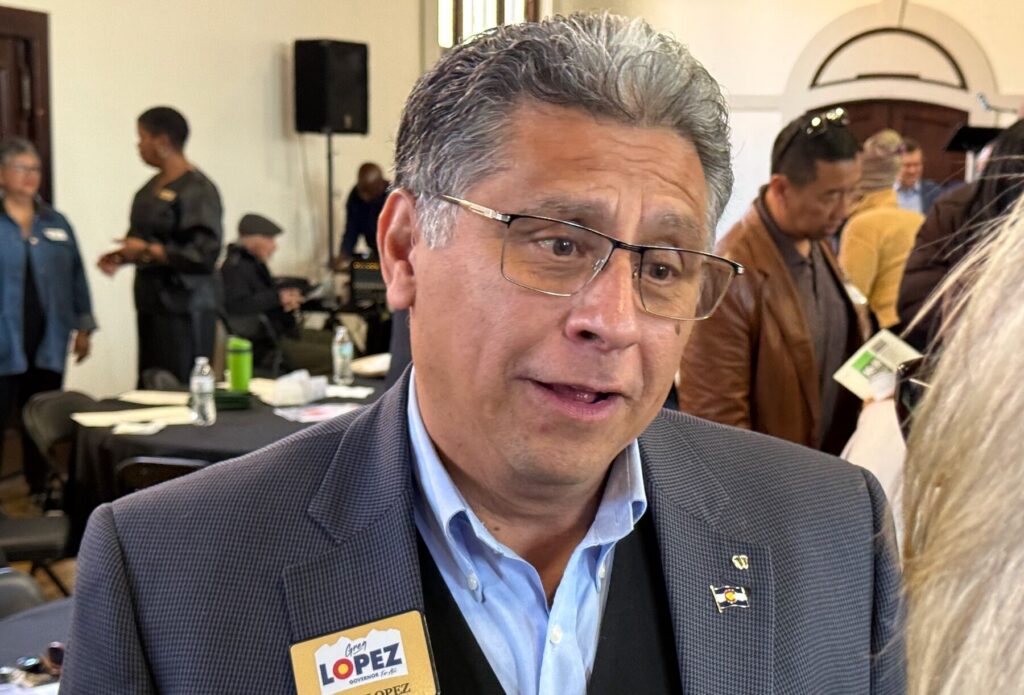
Unaffiliated gubernatorial candidate Greg Lopez, a former Republican congressman from Elizabeth who left the GOP to run as an independent, has qualified for the ballot by submitting enough petition signatures, the Colorado Secretary of State’s Office said Tuesday. He’ll face...
Meghan Shay on recovery, responsibility and second chances | The OpEdge Podcast
Tony Olivero
tony.olivero@gazette.com
Updated 2 days ago
Step Denver and Step Springs CEO Meghan Shay joins The OpEdge to explore addiction recovery, homelessness, and the role of accountability in lasting change. Shay tells host and investigative columnist Jimmy Sengenberger why she believes recovery is built on personal...
PREV
PREVIOUS

Amid Colorado's new rail moment, losing digital infrastructure an economic death sentence | GUEST COLUMN
By Taylor Henderson In 1867, former Colorado territorial Gov. John Evans looked at a room of Denver merchants and delivered a blunt warning: the city was “too dead to bury.” At the time, the Union Pacific Railroad bypassed Denver, and Colorado in effect, in favor of Cheyenne, threatening to turn our now-thriving capital into a […]

Aurora mental health nonprofit cuts 100-plus jobs after Colorado agency reduces reimbursement rate
A nonprofit that provides services through 11 mental health centers in Aurora announced Thursday that it is eliminating 111 jobs effective June 30, the result of federal and state budget reductions. Aurora Mental Health & Recovery said the positions being eliminated are mostly administrative and support service jobs. That includes 91 jobs currently held by […]