Colorado taxpayers would lose thousands in TABOR refunds under Democrats’ proposed ballot measure
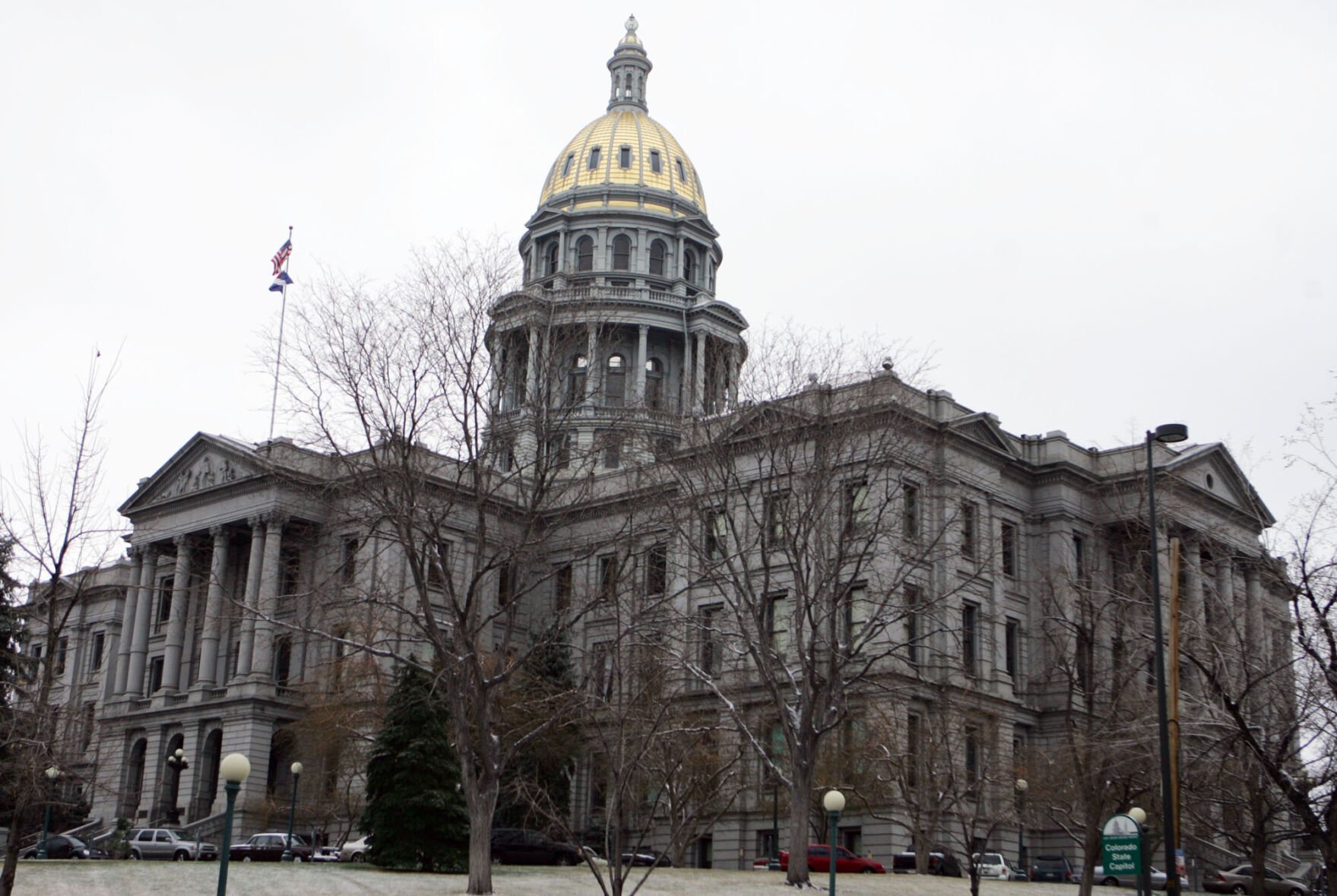
A nonpartisan analysis of a proposed ballot measure that seeks to increase public education spending by tapping Taxpayer’s Bill of Rights refunds shows that about 75% of what would otherwise go to Colorado residents wouldn’t actually go to K-12 schools.
Instead, those dollars would go into the state’s general fund pot — to be used by lawmakers for whatever purposes they choose.
The analysis said that arrangement could start as soon as the 2028-29 fiscal year.
What that means, according to the analysis, is that every taxpayer would lose $7,381 in TABOR refunds between the 2026-27 and 2036-37 fiscal years.
At its core, TABOR requires a public vote in order to raise taxes. It also limits revenue growth. Notably, it requires excess revenue to be refunded to taxpayers.
The sponsor of the proposed ballot referral, Sen. Jeff Bridges, D-Greenwood Village, countered that, without Senate Bill 135, the state will have to cut billions out of the budget.
K-12 education, he said, could be in the crosshairs for those cuts.
He also insisted that the portion of revenue that won’t go to K-12 education under the proposal will take care of children — whether that covers anticipated federal funding cuts in the Children’s Health Plan Plus or pays for pre-school, child care, higher education, or services for kids with disabilities.
Two analyses, conducted by the principal fiscal and school finance analyst for the legislative council, were conducted at the request of Sen. Barbara Kirkmeyer, R-Brighton.
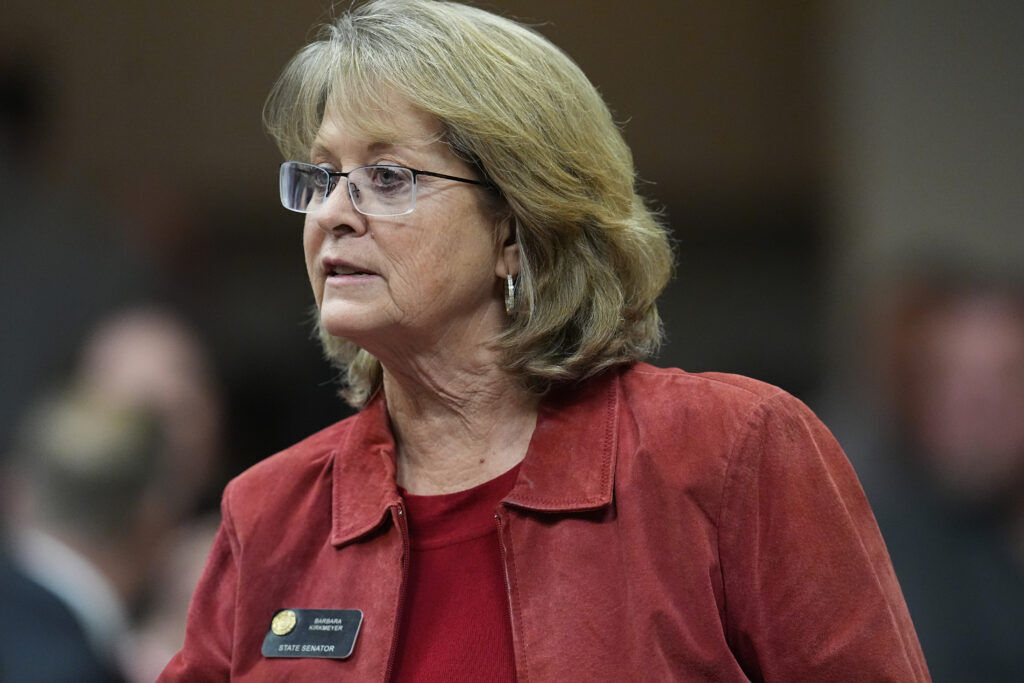
One looks at two simulations of the fiscal impacts of SB 135 over the next 10 years. The other looks at the TABOR refunds that would be eliminated in that same time period.
The Democrat-backed SB 135 would allow the state to create a new TABOR limit above the existing TABOR cap.
In its current form, the TABOR cap is known as a Ref C cap — named for the ballot measure that, approved by voters in 2005, raised the cap on the amount of revenue the state was allowed to collect from taxes instead of refunding it to taxpayers.
In the first five years of Ref C, the state was required to spend those extra dollars on education, transportation and health care, including during the 2008 Great Recession, when the money helped to avert large budget cuts.
Under SB 135, the cap would sit above the Ref C cap, increased by the amount the state spends on K-12 education every year.
That is in effect a “debrucing” of education, according to Senate Republicans.
In Colorado, “debrucing” means allowing a government to retain and spend tax revenue that exceeds the TABOR spending limits. To “debruce” requires the vote of the public, something that local governments and other taxing jurisdictions have done.
How will the revenue be spent?
The language in the proposed ballot measure points to how some of the money collected would be spent.
The analysis estimated that in 2026-27, total revenue collected under TABOR would be around $20.7 billion. Under SB 135, $4.6 billion would go to K-12 education — and that’s the amount the cap would increase by.
Of that amount, $167.5 million in TABOR refunds would actually go to K-12 education.
In the following year, almost $1 billion would go to K-12 — again paid for with TABOR refunds.
However, in the third year, the TABOR surplus, from which refunds are paid, would start going into the “Excess Revenues Account in General Fund,” which is part of SB 135.
At the time, about $1.8 billion would come out of the surplus, with $553 million going to education and $233.3 million going into the general fund. The surplus would also pay for the homestead property tax reimbursement to seniors and disabled veterans.
By the end of 10 years, education would get about $9 billion in additional funding. The general fund, on the other hand, would gain more than $28.5 billion.
That is, only about 24% of the money would go toward K-12 education; legislators would have the discretion to use the rest.
A second scenario, based on the state’s previous 10 years, showed the general fund portion would be about $19.5 billion, while education would get about $9 billion.
The TABOR refunds during that same 10-year period would stand at $5,708 per taxpayer.
Bridges dismissed the analyses, telling Colorado Politics that predicting Colorado’s economy 10 years from now is not possible. He said economists don’t project out that far.
Shall state investment in K-12 public education increase two percent each year for
the next ten years, with investments used to increase teacher pay, improve teacher retention, lower class sizes, and increase access to career and technical courses, without raising taxes but instead funded by raising the annual limit on state fiscal year spending only by the amount the state spends on public K-12 education as a voter-approved revenue change, and requiring an annual publicly released, independent audit to show how the new investments are spent?
Republican legislator: Fees could increase by $3 billion
During a strategy session Thursday, Kirkmeyer explained to her Republican colleagues the revenue from the proposed ballot measure directed to K-12 education would not go to base per-pupil funding for K-12. If it went into the base, that amount would have to automatically increase by inflation, as required by Amendment 23.
Kirkmeyer pointed to another potential under SB 135: So long as revenues remain below the new cap, there’s another source of funding that lawmakers could tap — fees.
When the state is above the current TABOR cap, lawmakers don’t hike fees because that increases the TABOR surplus, which means money that needs to be refunded to taxpayers.
So long as the state stays below the cap, lawmakers could more than double the amount of fees that exist now, she said. Currently, the state generates about $3 billion per year in fees, which by law must go to specific purposes.
There’s enough space in the new cap to increase fees by another $3 billion, she said.
That’s a tax by another name, she indicated.
“So much for affordability in the state of Colorado,” she said.
Bridges offered a counter to the Republicans’ claims.
He said the analysis is a “best case” scenario that doesn’t show what would occur in case of a recession, something state economists say has about a 50-50 chance of taking place in the next couple of years.
If lawmakers do nothing, he said, the state will not be able to fully fund education under the school finance formula, which they approved in 2024.
“We do not have the funds to increase K-12 funding,” he said Thursday.
And it gets worse from there, the Democrat said.
Democrat: Without proposal, K-12 will take a hit
Bridges said budget writers anticipate a $1 billion general fund shortfall every year, and without SB 135, at some point, K-12 education will take a hit.
“I think the most likely scenario is that if we don’t pass something like this … we get another negative factor back. We fought that tooth and nail this year, and we managed to increase funding for K-12 as required by Amendment 23,” he said.
That included implementing a little more of the new school finance formula, but it also meant massive Medicaid cuts, he said, referring to the budget reductions lawmakers are proposing for the next fiscal year in order to fill a deficit of more than $1 billion.
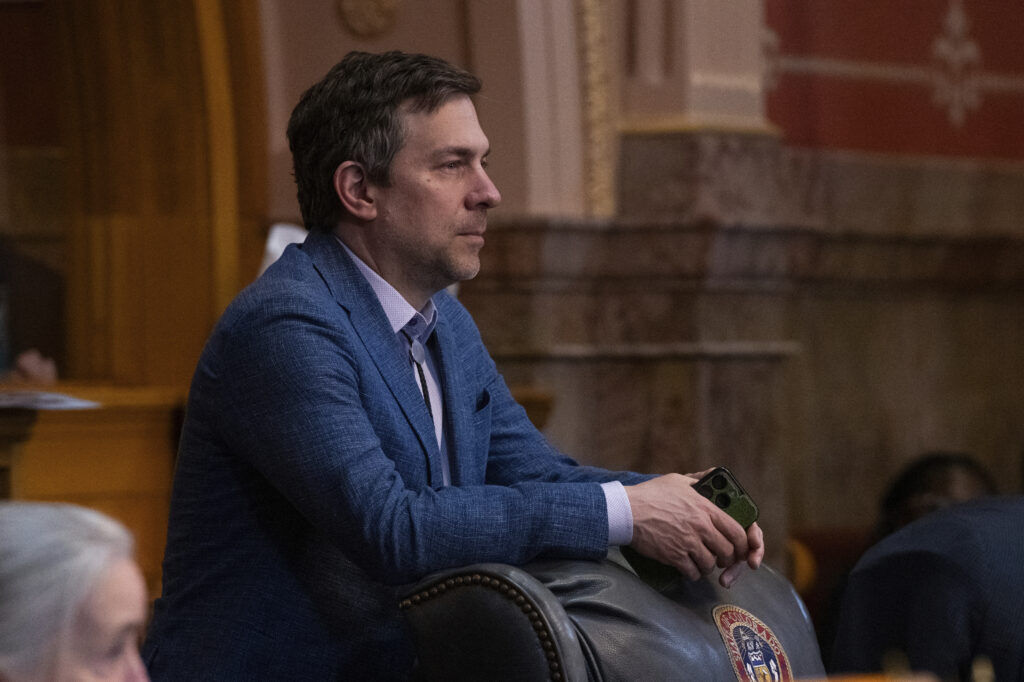
Bridges said school superintendents have told him they’re bracing for next year because “it’s going to be their turn” for cuts.
Even in the most optimistic scenario, Bridges said, the state will have to continue to make cuts in Medicaid, given that spending in that area has nearly doubled over the past eight years.
Much of the state’s deficit is driven by rising costs in the state Medicaid program, which is also beset by allegations of fraud and abuse.
What SB 135 will do, he said, is to guarantee that the primary beneficiary of dollars above the existing Ref C cap is K-12 public education. It also ensures that, if the economy grows, funding for education will rise along with it, he added.
He said an amendment will change the name of the Excess Revenues Account to something that reflects a benefit for children, although it will not say just how those funds would be used.
Bridges said that’s because doing so would violate the single subject rule, and so the plans for those dollars will be included in another piece of legislation.
The legislator said the options are limited, given the size of the deficit and the state’s Medicaid woes. Bridges said lawmakers, in their quest to balance the budget, could consider spending reductions in higher education, K-12 classrooms or human services.
“Maybe we stop Meals on Wheels” — or cut funding for food banks, he said.
The state will face a $1 billion shortfall every year for providing the same level services, with costs going up much faster than inflation, he added.
And in the not-so-distance-future, he said, K-12 education will feel that pain.
The issue is not that only $9 billion out of some $29 billion would go toward K-12 education under the proposed ballot measure — it’s that, without the revenue injection, the state won’t have that amount at all and would be forced to make cuts, he said.
“My concerns are not on the upside,” Bridges said — if SB 135 fails to pass. “My concerns are on the potential downside.”
SB 135 is scheduled to be debated in the Senate on Friday.

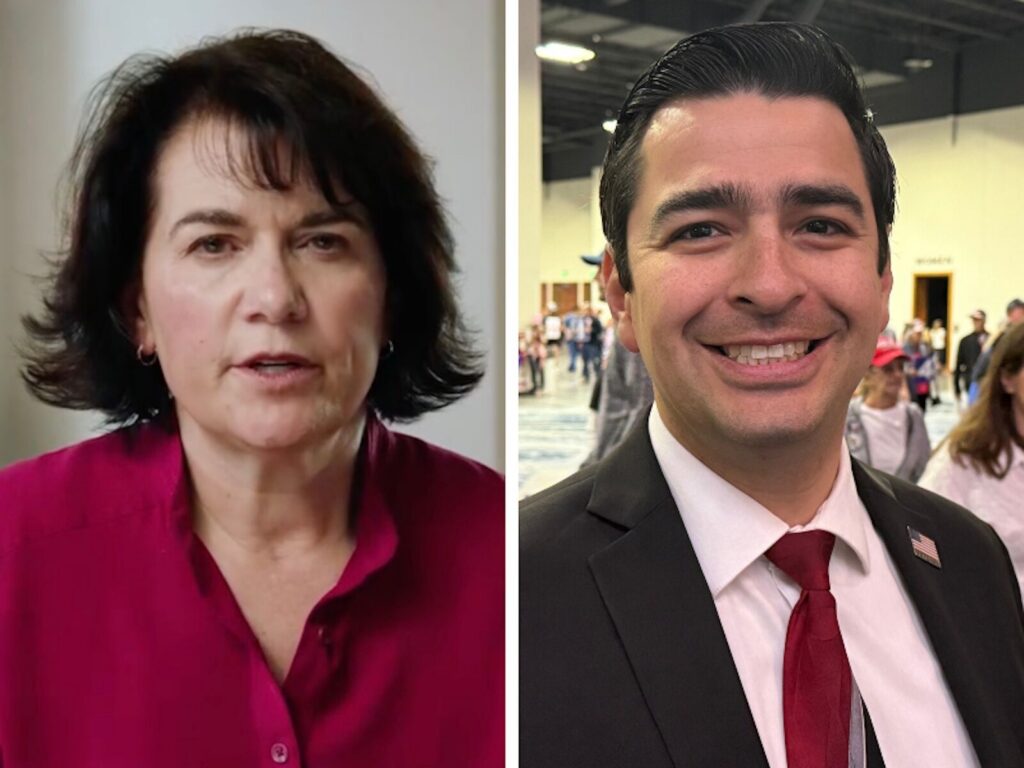
Boebert challenger Eileen Laubacher, Republican Gabe Evans lead Colorado’s quarterly House fundraising
Ernest Luning
ernest.luning@coloradopolitics.com
Updated 4 hours ago
The Democrat challenging U.S. Rep. Lauren Boebert in Colorado’s most solidly Republican congressional district again posted the state’s biggest fundraising numbers for the most recent quarter, while Republican U.S. Rep. Gabe Evans, who is defending the state’s lone toss-up seat,...

Federal shift on medical cannabis draws praise and concern in Colorado
Marianne Goodland
marianne.goodland@coloradopolitics.com
Updated 4 hours ago
Colorado’s response to the federal reclassification of medical cannabis ranged from industry leaders celebrating the development to youth advocacy groups warning that the change heightens the need for stronger protections for children. The U.S. Justice Department and the Drug Enforcement...
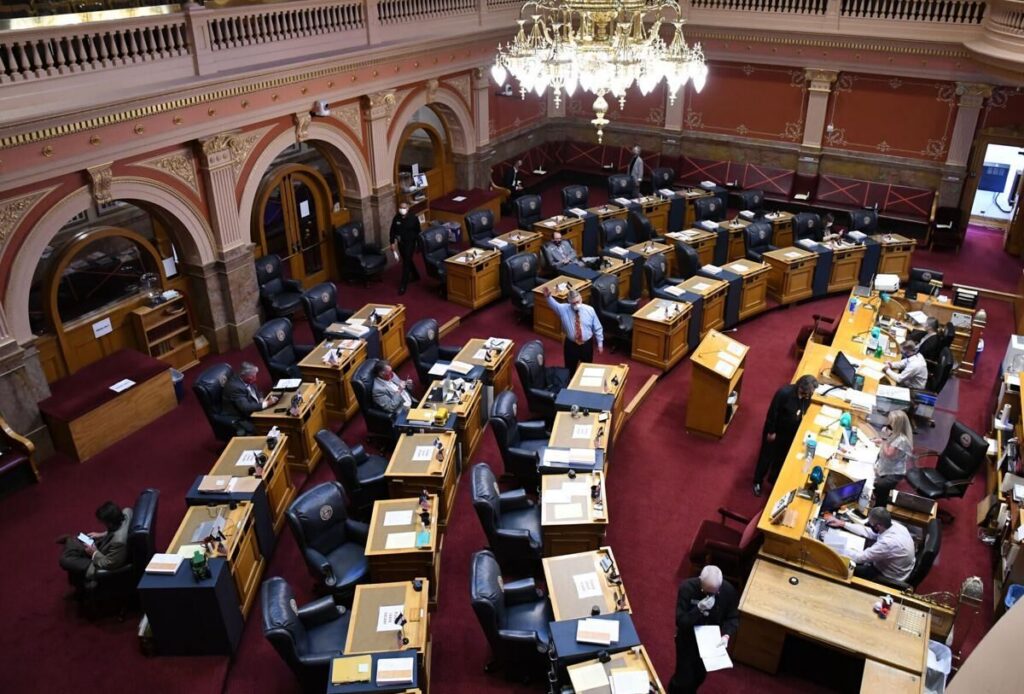
Bill prohibiting Colorado legislators from holding multiple elected offices heads to governor’s desk
Marissa Ventrelli
marissa.ventrelli@coloradopolitics.com
Updated 8 hours ago
A bill that would prohibit members of the General Assembly from holding multiple offices narrowly passed through the House on Wednesday, clearing its path to the governor’s desk. Senate Bill 059, sponsored by Democratic Sens. Matt Ball, D-Denver, and Lisa...
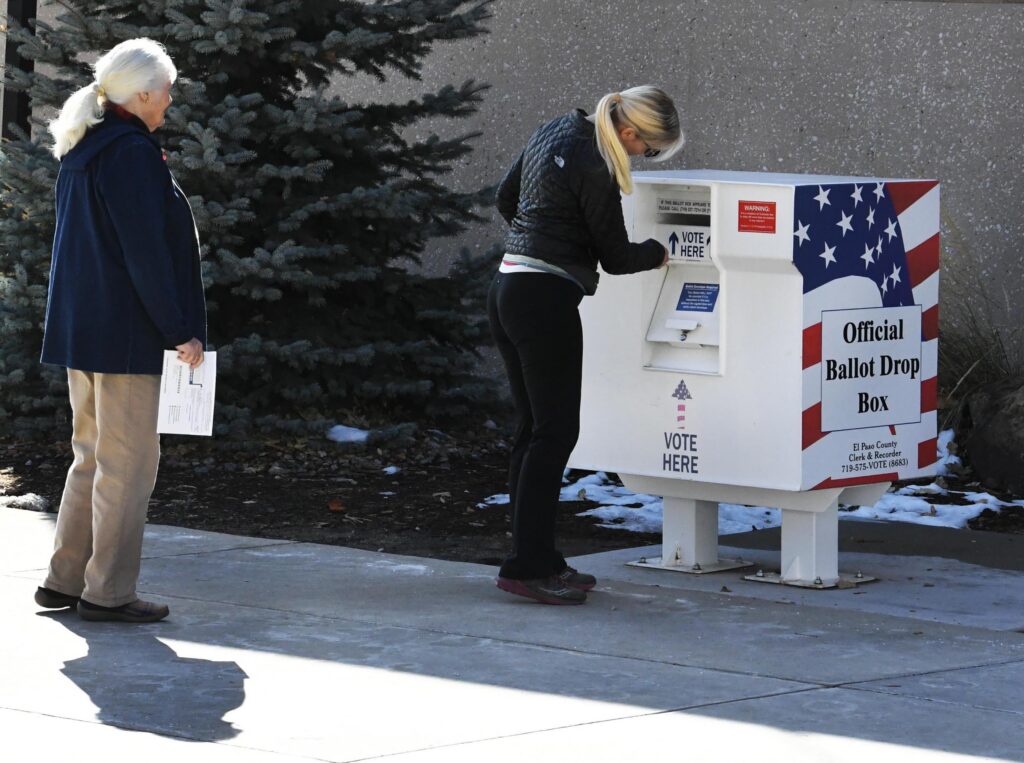
Colorado data‑privacy bill fails after sponsors shift it to a ballot measure
Marissa Ventrelli
marissa.ventrelli@coloradopolitics.com
Updated 10 hours ago
A Colorado bill aimed at restricting law enforcement and private companies from purchasing personal data without a warrant failed to advance Wednesday after a 6–5 vote in the House Judiciary Committee. The proposal, originally titled the “Fourth Amendment Is Not...
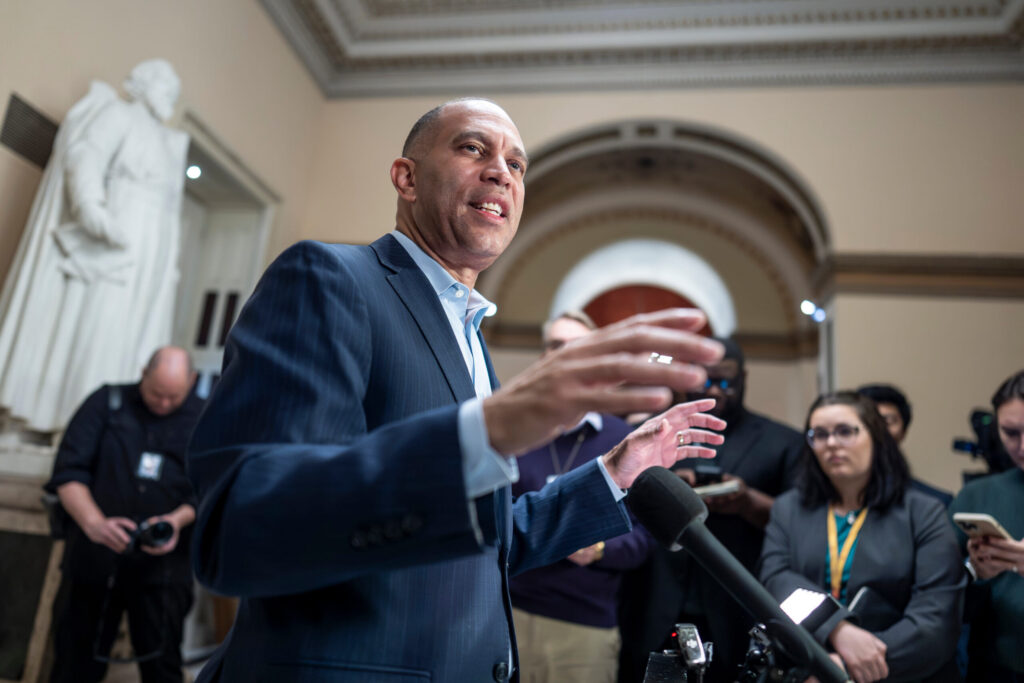
Colorado congressional elections see over $9M in ad reserves from House Democrats’ super PAC
Ernest Luning
ernest.luning@coloradopolitics.com
Updated 13 hours ago
The leading House Democratic super PAC is booking more than $9 million in fall TV and digital advertising across three Colorado media markets as part of an aggressive move to win control of the chamber in this year’s midterm elections....
Inmates will get $100, 30-day bus pass upon release under this Colorado proposal
Marissa Ventrelli
marissa.ventrelli@coloradopolitics.com
Updated 3 hours ago
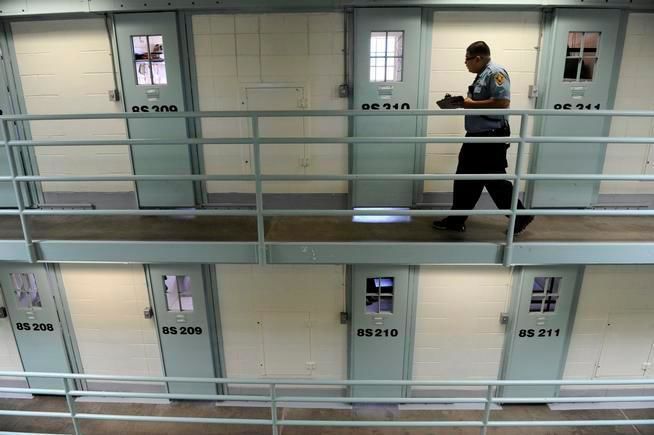
A measure working its way through the Colorado legislature seeks to provide all inmates money, a transit pass and identification upon release from Department of Corrections facilities. Proponents, including former prisoners, said it will reduce recidivism and provide people with...
Colorado panel rejects 2 of 3 Polis appointees to wildlife body
Marianne Goodland
marianne.goodland@coloradopolitics.com
Updated 9 hours ago
A contentious hearing Wednesday saw two out of three of Gov. Jared Polis’ picks for the Colorado Parks and Wildlife Commission rejected by a panel of legislators. The Senate Agriculture and Natural Resources Committee approved, on a 7-0 vote, the...

University of Denver closes in on carbon neutrality goals
Deborah Grigsby
deborah.smith@denvergazette.com
Updated 9 hours ago
The University of Denver has notched some pretty big goals recently, and they are closing in on another. But this time, it’s off the ice. The goal? Over the next 12 to 24 months, DU, in partnership with Pivot Energy,...

Colorado Aeronautical Board greenlights millions in airport funding
Deborah Grigsby
deborah.smith@denvergazette.com
Updated 9 hours ago
Many of Colorado’s public-use airports can now begin or complete key projects that enhance aviation safety and support the state’s transition to cleaner aviation fuels. Last week, the Colorado Aeronautical Board approved $7.3 million in grants from the Colorado Aviation...
Colorado House ethics panel reviews complaint alleging misuse of Democratic caucus money
Marianne Goodland
marianne.goodland@coloradopolitics.com
Updated 3 hours ago
Colorado’s House Ethics Committee has begun reviewing a complaint accusing Rep. Mandy Lindsay of improperly handling Democratic caucus money, setting in motion a weeks‑long inquiry into her role and responsibilities as caucus co‑chair. The complaint was filed in January by...