

Colorado data‑privacy bill fails after sponsors shift it to a ballot measure
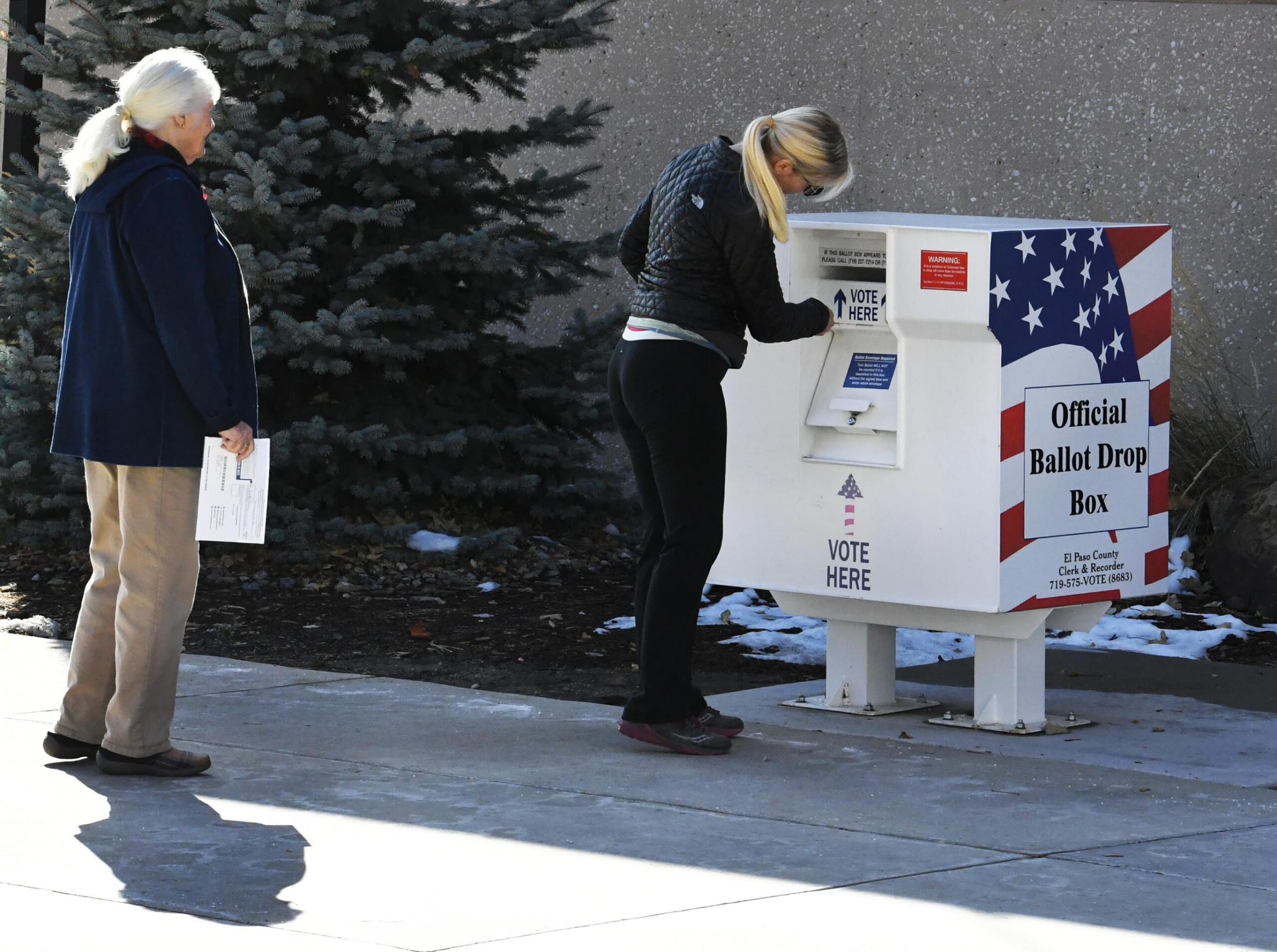
A Colorado bill aimed at restricting law enforcement and private companies from purchasing personal data without a warrant failed to advance Wednesday after a 6–5 vote in the House Judiciary Committee.
The proposal, originally titled the “Fourth Amendment Is Not For Sale Act,” had drawn rare support from groups that seldom agree on policy, including the ACLU and Rocky Mountain Gun Owners.
As introduced, House Bill 1037 would have barred government agencies and businesses from buying private personal information from third‑party data brokers. Sponsor Rep. Ken DeGraaf, R‑Colorado Springs, argued in February that the measure was needed to prevent the state from “enabling a surveillance state.”
But nearly two months after its initial hearing, DeGraaf and co‑sponsor Assistant Majority Leader Jennifer Bacon, D‑Denver, returned with a dramatically revised version of the bill. Their amendment stripped the bill’s original language and replaced it with a proposal to send the question to voters in November.
“We have turned into the commodity,” Bacon said. “People are making money off of our actions and our data, and now we’re at the place where we need to know — and I think it’s a fair question on behalf of all of our neighbors — where is this information going?”
Two states have already adopted constitutional privacy protections for personal data, and Bacon said voters are increasingly aware of how their information is collected and used.
“We have an opportunity to let our constituents decide,” she said.
Committee members from both parties raised concerns about the abrupt shift. Rep. Matt Soper, R‑Delta, called the amendment a “major pivot” and said he was uneasy voting on a measure without new testimony. He warned that a poorly drafted ballot measure could unintentionally set the state back in an area of law already heavily litigated.
“I’m just a little bit concerned, the more I’ve thought about it, that if this were to go the wrong way, because there’s always a lot of ifs when you go to the ballot box,” Soper said.
Other lawmakers, including Rep. Yara Zokaie, D‑Fort Collins, argued that the state must confront the growing volume of data collected about residents. She said she would have preferred to keep the issue as state legislation rather than send it to voters, but appreciated the sponsors for elevating the debate.
Supporters pointed to the limits the U.S. Supreme Court placed on the third‑party doctrine in 2018, ruling that police must obtain a warrant to access historical cellphone location data.
Opponents, including district attorneys and law enforcement groups, countered that the bill misinterpreted the Fourth Amendment. They argued that public information — such as names, addresses, and phone numbers — is not constitutionally protected and can be accessed or purchased by investigators.
“This bill would just prevent sworn officers…from getting the information that allows them to do their jobs,” said Jessica Dotter of the Colorado District Attorneys Council.


At conservative summit, Colorado Republican leaders concede Democrats’ election edge
Marissa Ventrelli
marissa.ventrelli@coloradopolitics.com
Updated 13 hours ago
Four Republican state lawmakers told attendees at a gathering of conservative leaders on Friday they doubt their party can win statewide races, noting that Colorado’s electorate has been shifting toward Democrats but adding they see an opening in several pockets....
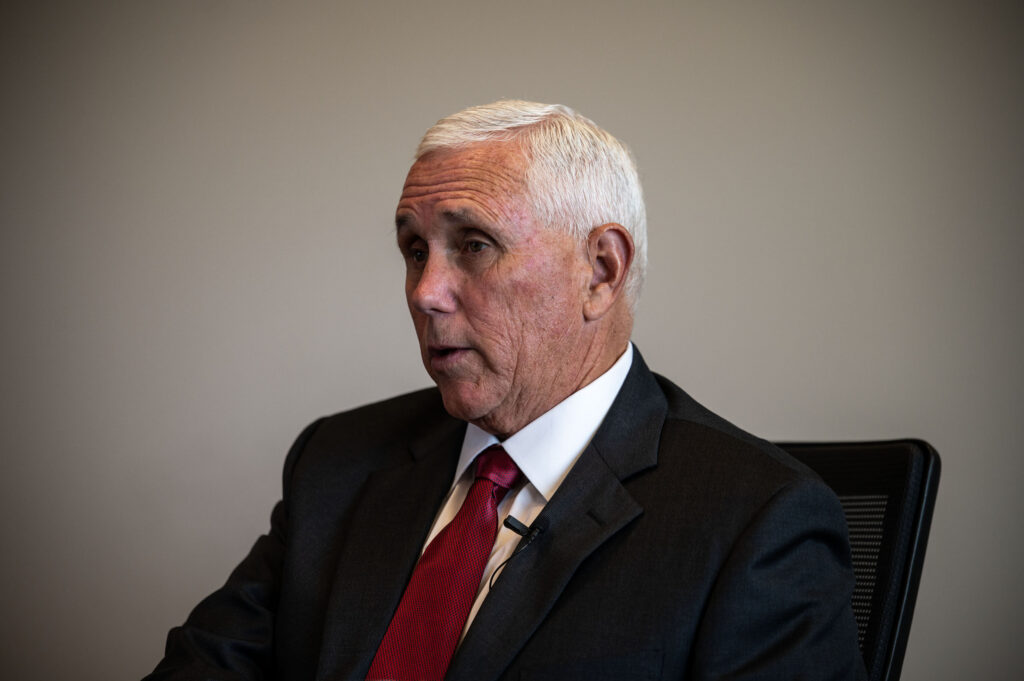
Q&A with Mike Pence | Former vice president says GOP’s populist turn from conservatism isn’t permanent
Ernest Luning
ernest.luning@coloradopolitics.com
Updated 10 hours ago
Former Vice President Mike Pence says he’s concerned that the Republican Party has taken a populist turn away from bedrock conservative principles during President Donald Trump’s second term, but he believes the party will return to its roots when Trump...
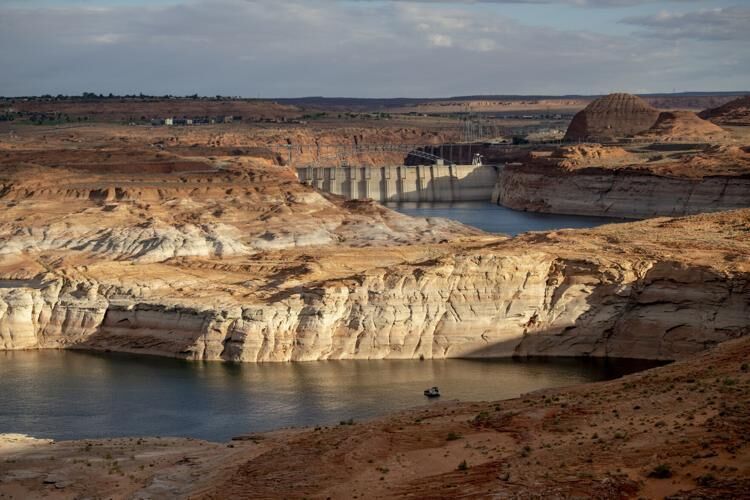
New federal plan sets short-term rules for Colorado River management
Marianne Goodland
marianne.goodland@coloradopolitics.com
Updated 1 day ago
Interior Department’s plan spares Colorado from mandatory cuts for now After years of stalled negotiations among the seven states that rely on the Colorado River, the federal government on Friday released its own plan for managing the drought-strained system. Calling...

Colorado is spared mandatory cuts under federal Colorado River proposal
The Associated Press
the-associated-press@coloradopolitics.com
Updated 2 days ago
California, Arizona and Nevada to take less water under plan While Colorado has been spared from mandatory reductions, Arizona, California and Nevada would take less water from the Colorado River under a proposal announced Friday by the federal government to...

Republican Victor Marx taps George Markert as his lieutenant governor pick in Colorado’s gubernatorial race
Ernest Luning
ernest.luning@coloradopolitics.com
Updated 1 day ago
Colorado Republican gubernatorial nominee Victor Marx named George Markert, a retired Marine colonel, as his running mate for lieutenant governor Friday morning, saying the former U.S. Senate candidate will bring “exceptional character, proven leadership and a lifetime of serving others”...

Boulder County coroner IDs body found over 50 years ago
Matt Kyle
matt.kyle@denvergazette.com
Updated 2 days ago
After nearly 55 years, a body found in Boulder County has been identified. The Boulder County Coroner’s office on Thursday announced it has identified a set of remains found in Bluebell Canyon in August 1971 as Douglas Sumner, 22. The...

Democrat Jessica Killin’s internal poll shows dead heat with U.S. Rep. Jeff Crank in Colorado’s 5th CD
Ernest Luning
ernest.luning@coloradopolitics.com
Updated 2 days ago
Jessica Killin, the Democratic nominee in Colorado’s 5th Congressional District, is in a statistical tie with Republican U.S. Rep. Jeff Crank, according to an internal poll released this week by Killin’s campaign. The poll of likely general election voters, conducted...

Federal biotech commission examines Colorado’s role in critical minerals production
Scott Weiser
scott.weiser@gazette.com
Updated 2 days ago
China’s dominance over critical mineral supplies has left U.S. manufacturers vulnerable. Colorado’s biotech and research community is working to ease that dependence. Leaders from the National Security Commission on Emerging Biotechnology met last week at the Colorado School of Mines...

Douglas County schools to consolidate administrative offices into $29M headquarters to cut costs
Nicholas Fogleman
nicholas.fogleman@denvergazette.com
Updated 2 days ago
The Douglas County School Board is moving forward with a $29 million plan to consolidate district administrative operations into a new headquarters. It’s part of an effort to reduce annual costs as the district faces ongoing budget pressures. In June,...

Veo scooter clutter, sidewalk riders frustrate Denverites
Deborah Grigsby
deborah.smith@denvergazette.com
Updated 2 days ago
Denver resident Mike Miller was on a downtown sidewalk recently when a Veo scooter rider traveling at full speed passed him as the scooter blasted a “do not ride on sidewalks” warning. In a letter to Veo Policy and Partnerships...
PREV
PREVIOUS

Lawmakers introduce bipartisan ‘Hot Rotisserie Chicken Act’ to put the poultry on food stamps
In today’s hyper-partisan Congress, there is at least one thing that can quickly bring Democrats and Republicans to the same table: rotisserie chicken. A bipartisan group of senators introduced the “Hot Rotisserie Chicken Act” this week, a bill that would allow Supplemental Nutrition Assistance Program participants to purchase the hot, spinning poultry with food stamps. […]
Bill prohibiting Colorado legislators from holding multiple elected offices heads to governor's desk
A bill that would prohibit members of the General Assembly from holding multiple offices narrowly passed through the House on Wednesday, clearing its path to the governor’s desk. Senate Bill 059, sponsored by Democratic Sens. Matt Ball, D-Denver, and Lisa Cutter, and Rep. Mandy Lindsay, passed on a 26-9 vote in the Senate. In the […]