

Colorado lawmakers push limits on data-driven pricing as critics push back

Colorado lawmakers are weighing a proposal to restrict the use of algorithms in setting prices and wages, as advocates warn the technology enables hidden discrimination while business groups argue the bill overreaches and interferes with legitimate data‑driven practices.
House Bill 1210 would prohibit using a “price or wage setting algorithm” to determine the amount charged to a consumer or the wage offered to a worker. The bill passed through the House last month on a vote of 39-24 vote, with all Republicans and two Democrats voting in opposition.
Supporters argue that corporations are using artificial intelligence to determine different prices and wages for Colorado consumers and workers for the same products and services.
Critics of the measure argue that companies are deploying artificial intelligence to better understand their customers, and that the proposal means the government is injecting itself into pricing and offerings.
Critics added that there is no evidence to support claims that data surveillance is being used against consumers.
“This bill establishes a concerning precedent,” Rebecca Hernandez of the Denver Metro Chamber of Commerce said during a House committee hearing. “It opens the door for government to limit how businesses compete on price and what types of offers they can make to their customers.”
Kouri Marshall of the Chamber of Progress also argued there is no actual evidence of data surveillance being used to harm consumers.
“No one has demonstrated that consumers are being systematically overcharged through personalized pricing,” he said.
Sen. Iman Jodeh, D-Aurora, who is sponsoring the legislation in the Senate alongside fellow Aurora Democrat Sen. Mike Weissman, said the bill not only protects workers and consumers, but also small businesses like her family’s.
“Our phones are becoming extensions of who we are,” she said. “Everything that we need, want, and know is in our pockets. They hold our most personal information — our searches, our messages, and our locations, and companies are collecting that data to use it to decide how much to charge each of us individually.”
Corporations shouldn’t be allowed to charge a mom more for diapers or medication because they know she needs them and will pay whatever they charge her, Jodeh said on Tuesday.
Likewise, Jodeh said rideshare companies shouldn’t be able to get away with paying one driver less than another for the same ride just because they know that one of their bank accounts is overdrawn.
The bill exempts normal price adjustments based on market fluctuations or loyalty programs, Jodeh said, but when individuals are charged or paid different amounts based on personal data, it’s predatory.
“There’s no transparency, no accountability, and no way for consumers to know what’s happening behind the curtain,” Jodeh said.
The Senate Business, Labor and Technology Committee will hear HB 1210 early this week.


A tale of two debates | Vince Bzdek
Vince Bzdek
vince.bzdek@gazette.com
Updated 3 hours ago
Ballots go out Monday as the June 30 state primary elections bear down on us. As a result, it is suddenly the season of proliferating political debates, and there have been some doozies already. I had the chance to see two very...

Six incumbents face challengers in primary
Marissa Ventrelli
marissa.ventrelli@coloradopolitics.com
Updated 5 hours ago
With Colorado’s primary election just weeks away, voters will see plenty of new names on their ballots when they’re sent out next week. There will be some old names, too, as several incumbents are running opposed. Six lawmakers — one...

Colorado, Nevada water negotiators split on federal 10-year river management plan
Marianne Goodland
marianne.goodland@coloradopolitics.com
Updated 6 hours ago
Two of the seven Colorado River negotiators weighed in Friday on a decade-long management framework unveiled a day earlier by the federal government. With the seven states along the Colorado River failing to reach an agreement, the U.S. Bureau of...

With no 7-state deal, federal agency turns to 10-year Colorado River strategy
Marianne Goodland
marianne.goodland@coloradopolitics.com
Updated 6 hours ago
The U.S. Department of the Interior is moving forward with a 10-year framework for managing the Colorado River after 2026, outlining a plan to issue new operating guidelines every two years as the seven basin states remain unable to reach...
After prison release, Tina Peters faces tight parole limits, ongoing legal troubles
Marianne Goodland
marianne.goodland@coloradopolitics.com
Updated 24 hours ago
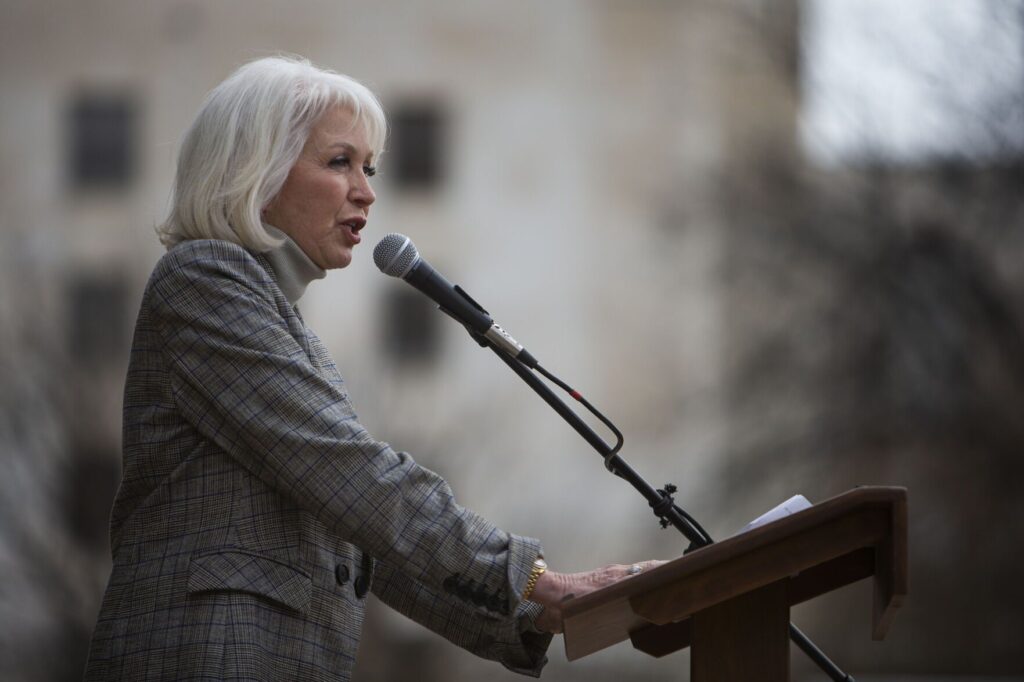
Released from prison this week, former Mesa County Clerk Tina Peters now begins a parole term that outlines strict limits on her movements and conduct, while separate ethics and campaign‑finance cases continue to move forward. Peters’ parole, as first reported...

‘The program’: Using the homeless to reap Medicaid millions is not new
David Migoya
david.migoya@gazette.com
Updated 1 day ago
Editor’s Note: This article is part of a Colorado Watch series that looked into how homeless people were offered housing and “donations” from a church in return for becoming clients of a home health care agency that billed Medicaid millions. Read the other...

‘The program’: Church’s cash ‘donations’ are an anomaly; requests to attend services were ignored
David Migoya
david.migoya@gazette.com
Updated 1 day ago
Editor’s Note: This article is part of a Colorado Watch series that looked into how homeless people were offered housing and “donations” from a church in return for becoming clients of a home health care agency that billed Medicaid millions. Read the other...

Democrats Bennet, Weiser square off in spirited Colorado gubernatorial primary debate
Ernest Luning
ernest.luning@coloradopolitics.com
Updated 2 days ago
The two Democrats running for governor of Colorado agreed on nearly every policy-related topic but vehemently clashed over which of them is best equipped to lead the state through what one described as an “existential moment” in a televised debate...

WATCH: Bennet, Weiser face off in Colorado Politics, 9NEWS debate
9News
9news@coloradopolitics.com
Updated 2 days ago
The Denver Gazette and Colorado Politics are hosting the debate in partnership with the University of Denver and 9NEWS. DENVER — Candidates vying to be the next governor of Colorado will face off in debates hosted by The Denver Gazette,...
Advocates tout new Colorado law targeting child exploitation
Nicholas Fogleman
nicholas.fogleman@denvergazette.com
Updated 2 days ago
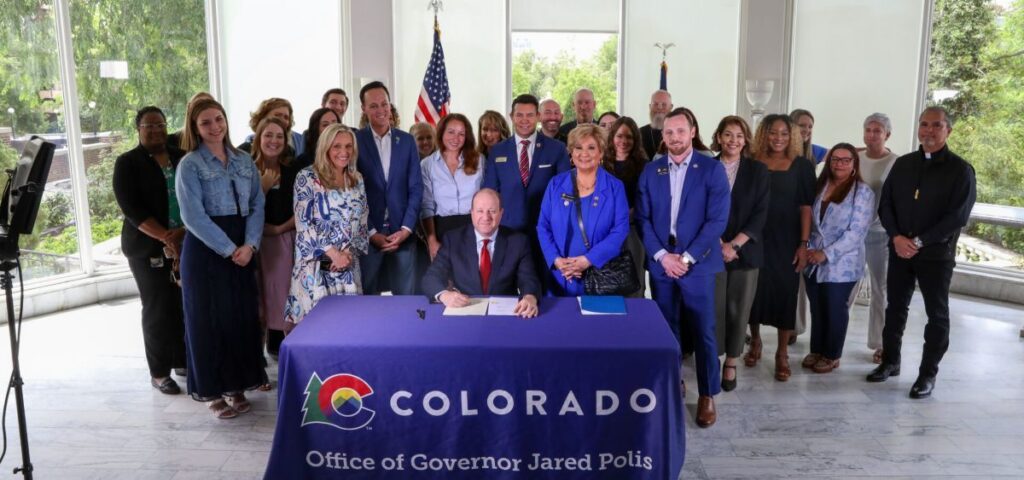
Douglas County officials and advocates celebrated the passage of a bipartisan bill Wednesday aimed at strengthening penalties for sexual crimes against children. House Minority Leader Jarvis Caldwell, a sponsor of Senate Bill 26-015, said the measure addresses gaps that previously...
PREV
PREVIOUS

10th Circuit upholds verdict against Denver, officer for protest-related violations
The Colorado-based federal appeals court on Tuesday turned aside multiple challenges to a 2022 jury verdict that found Denver and one of its officers violated the constitutional rights of protesters and were liable for $14 million. In the first of many lawsuits culminating in a jury trial, 12 plaintiffs largely succeeded in arguing that Denver’s […]

It's time Colorado built back to affordability | OPINION
By Samuel G. Michael The price of calling Colorado home has climbed faster than its fourteeners, and not everyone can keep up. Our beloved state is an increasingly unaffordable place to live, pricing out the very people who make it thrive. Without decisive legislative action, we risk losing the essence of what makes Colorado special. […]