

Colorado body reviews redistricting proposals as battle heats up nationwide
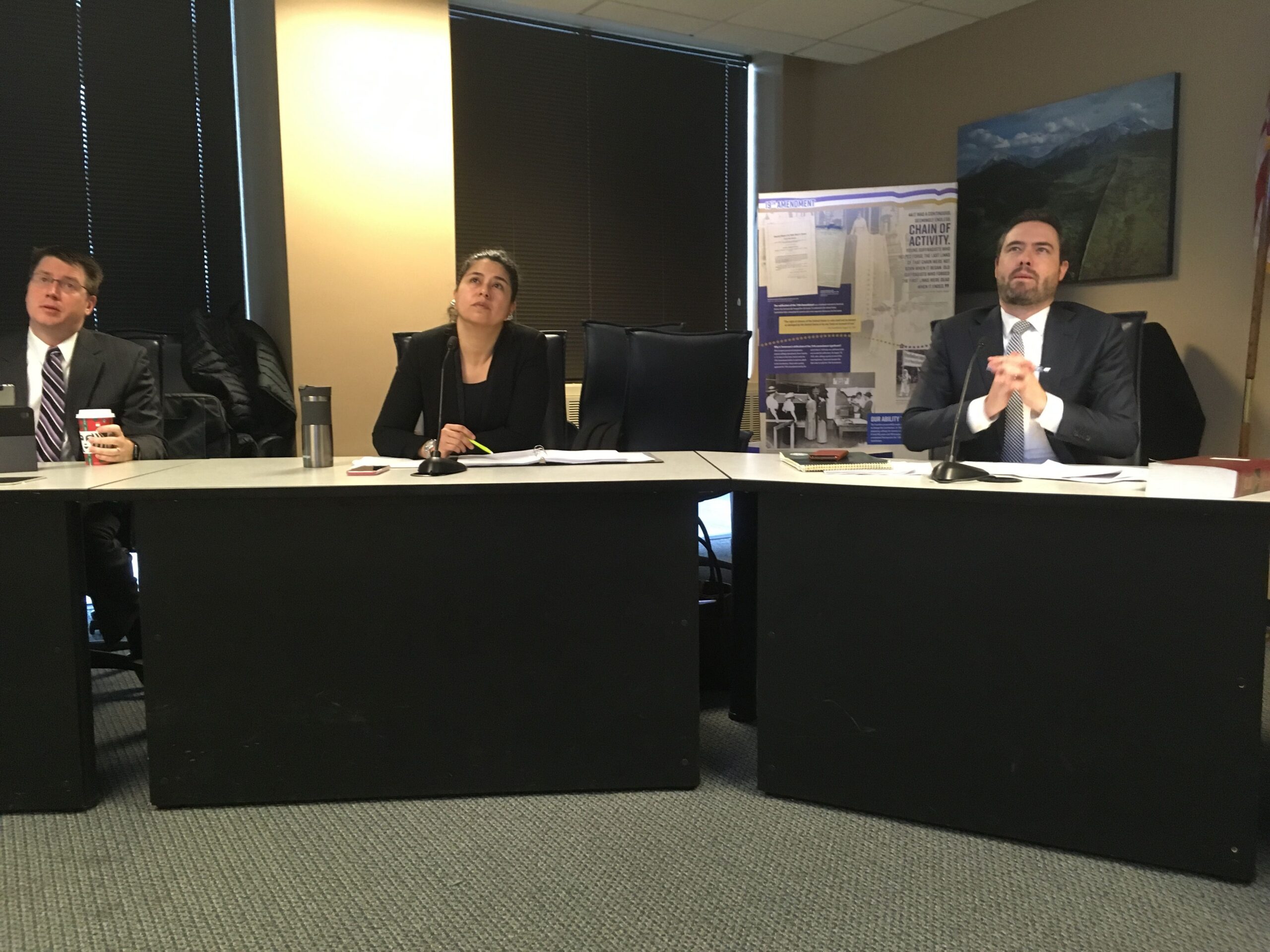
With 60 proposals on the April 15 agenda, Colorado’s title board wrapped up its final initial hearing for the 2026 election cycle, sending forward a slate of measures that could reshape workers’ compensation and reignite partisan battles over congressional redistricting.
After the title board approves the wording of a proposed initiative, supporters must collect 124,000 signatures for it to qualify for the 2026 election ballot.
Pinnacol measures advance
Five measures have already been approved for the 2026 general election, and another five have cleared the petition‑language process and are now moving on to signature gathering. Among them is a proposal that would allow Pinnacol Assurance to separate from the state.
Colorado Succeeds, the proponent behind the already approved measure, submitted a second version that also won title‑board approval last week. The key difference between approved measure No. 249 and the newly approved No. 317 is that the latter keeps Pinnacol as the state’s workers’ compensation insurer of last resort, requiring it to cover any employer that needs the insurance, regardless of risk. Under the proposal, Pinnacol would remain in that role until Jan. 1, 2029.
It will now be up to Colorado Succeeds to decide which version will move forward.
Congressional redistricting measures
The title board also reviewed several potential congressional redistricting measures, an issue gaining traction in many states ahead of 2026. Across the country, states are advancing ballot proposals to redraw legislative districts in ways that could advantage either Democrats or Republicans.
Colorado is no exception. The board previously approved six congressional redistricting proposals: three backed by Democrats that would redraw maps in ways they hope could shift three of Colorado’s four Republican‑held U.S. House seats, and three countermeasures from Advance Colorado aimed at prohibiting gerrymandering.
Two additional redistricting proposals reviewed last week would apply only to the 2028 and 2030 elections, after which authority would revert to an independent congressional redistricting commission.
4 GOP‑backed measures approved
The board also approved four Republican‑backed ballot measures. Because all four would amend the state constitution, they must receive 55% voter approval and gather signatures from 2% of voters in each of Colorado’s 35 Senate districts.
Three of the measures — Nos. 324 325, and 326 — would change the criteria used in congressional redistricting without requiring new maps for the 2028 and 2030 elections. These proposals focus on redefining geographic “communities of interest” and eliminating the use of partisan voter‑registration data and partisan electoral performance as redistricting criteria.
The proposed communities of interest divide the state into seven regions:
- Eastern Plains
- Western Slope
- Denver
- Boulder and Larimer counties
- Douglas and Elbert counties
- El Paso County
- Pueblo County and the San Luis Valley counties
Measure No. 326 would also require “precise mathematical equality between districts,” based on citizen population counts from the U.S. Census Bureau.
The fourth measure, No. 327, contains a new congressional map that would take effect for the 2028 and 2030 elections. Proponents say it will only move forward if the Democratic‑backed map proposals also make the ballot.


Reagan’s PATCO Showdown ignited Colorado labor backlash | A LOOK BACK
Rachael Wright, Special to Colorado Politics
rachael.wright@coloradopolitics.com
Updated 4 days ago
Forty-five years ago this week: “It’s the old Nixon reaction as far as I’m concerned. He thinks he’s the Great God Almighty and can do no wrong … in the eyes of the public,” said Zelda Bransted, spokesman of the...
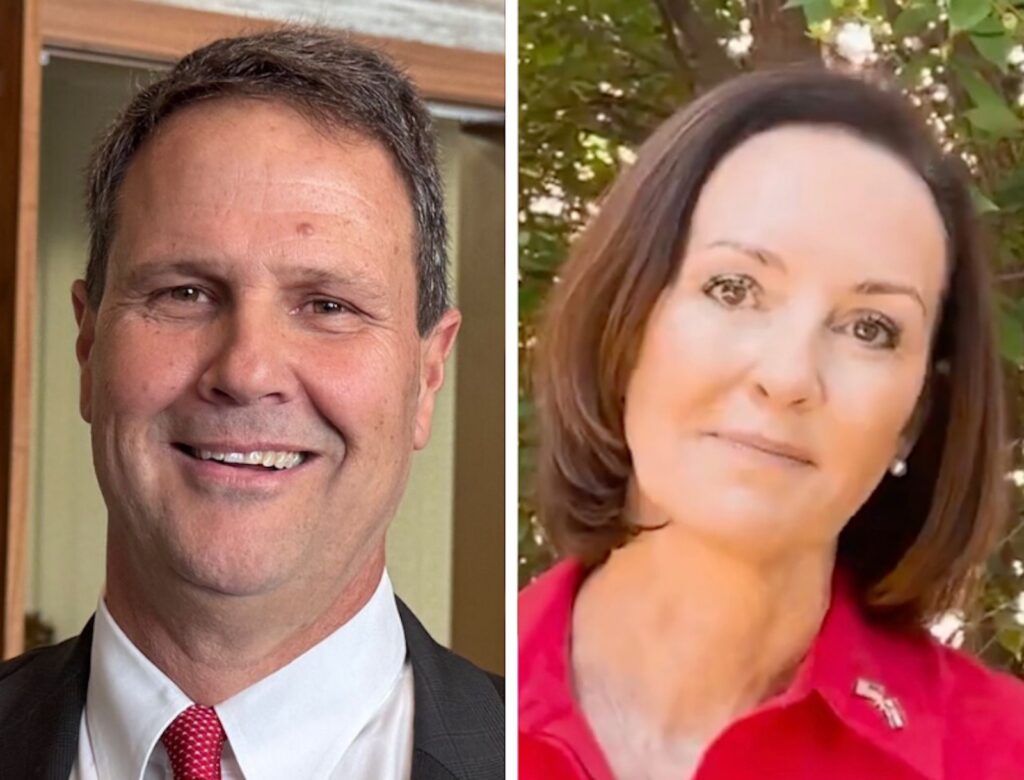
Jeff Crank, Jessica Killin set to face off in 2 debates in Colorado’s 5th Congressional District
Ernest Luning
ernest.luning@coloradopolitics.com
Updated 3 days ago
Republican U.S. Rep. Jeff Crank and Jessica Killin, his Democratic challenger, have agreed to debate twice in the weeks leading up to the general election in Colorado’s 5th Congressional District, their campaigns have said. Crank is seeking a second term...
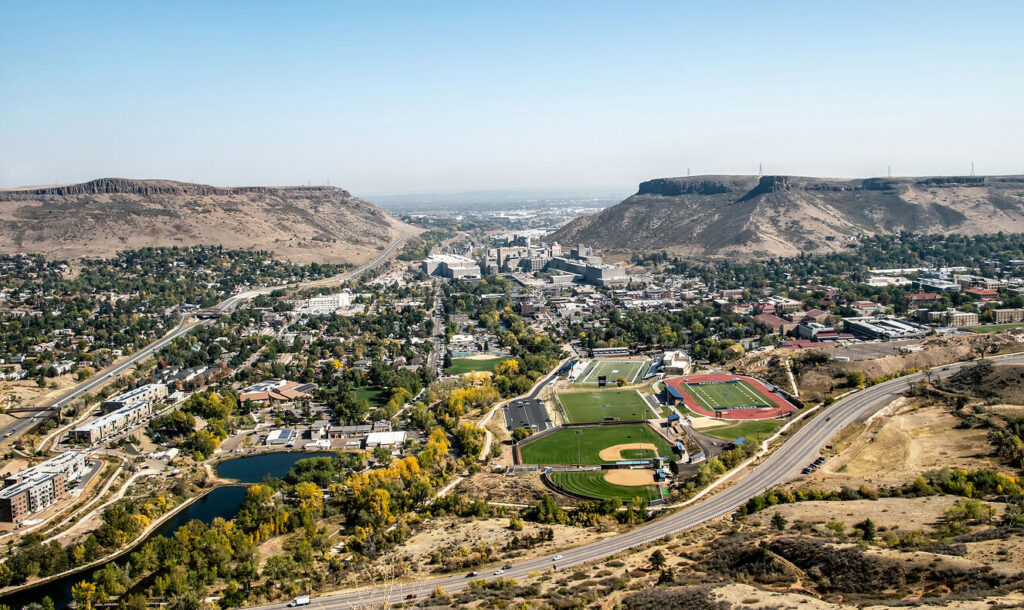
Golden fire chief fired days after city manager as city investigates ‘racist incident’
Matt Kyle
matt.kyle@denvergazette.com
Updated 3 days ago
The City of Golden has terminated its fire chief days after terminating the city manager due to a “racist incident” earlier this year at a city fire station. City officials said that in March, a “Snoop on a Stoop” doll,...

Ikon Pass company cuts jobs in Denver and beyond amid several changes
Bernadette Berdychowski
bernadette.berdychowski@denvergazette.com
Updated 3 days ago
As the ski resort company behind the Ikon Pass and the operator of Steamboat Springs, Arapahoe Basin and Winter Park Resort is going through a phase of changes, the Denver-based company is now cutting jobs. Alterra Mountain Co. has laid...
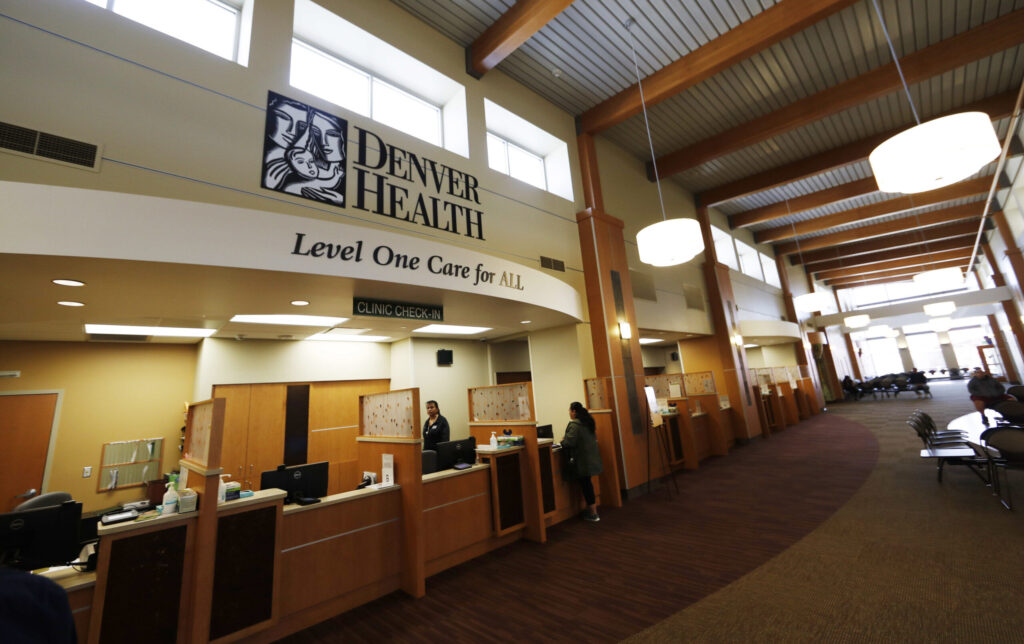
Healthcare Freefall: Finger‑pointing intensifies as Colorado’s healthcare system strains under rising costs, shrinking coverage
Thelma Grimes
thelma.grimes@coloradopolitics.com
Updated 8 minutes ago
Editor’s Note: Colorado’s healthcare system is entering a period of accelerating instability — a “tsunami,” as multiple leaders describe it — driven by collapsing hospital finances, shrinking Medicaid reimbursements, disappearing services and a political fight over who is responsible for...

DPS board sends $44 million tax increase to Denver voters
Nico Brambila
nico.brambila@denvergazette.com
Updated 3 days ago
The Denver Public Schools board on Thursday unanimously voted to place a mill levy override on the November ballot that — if approved by voters — would raise taxes by $43.9 million annually, largely to fund employee raises. The request...

General charged with Golden Dome raises alarm over future funding
Mary Shinn
mary-shinn@coloradopolitics.com
Updated 3 days ago
The general leading the efforts to develop the new Golden Dome missile defense system raised concerns this week that the next phase of funding might not come through. Gen. Mike Guetlein spoke about Golden Dome funding during the Space and...

Fort Carson garrison commander says staff cuts created ‘uncertainty and fear’
Mary Shinn
mary-shinn@coloradopolitics.com
Updated 4 days ago
The Fort Carson garrison commander departed Wednesday after what he described as a difficult 18 months for installation and garrison staff. “I know the last 18 months has been marked by profound uncertainty and fear, but you weathered the storm...

After a snowless winter, agents say summer is luring second-home buyers to the mountains
Mark Samuelson Special to The Denver Gazette
mark.samuelson@denvergazette.com
Updated 3 days ago
Last winter was a terrible growing season in Grand County for what arguably is its most important crop: snow. The county 60 miles west of Denver over the top of Berthoud Pass saw a record-low snowpack — poor enough that...

Aurora police officer resigns after taking narcotics found during traffic stop
Kyla Pearce
kyla.pearce@gazette.com
Updated 4 days ago
An Aurora Police Department officer resigned after investigators found that he took narcotics that were collected as evidence during a traffic stop. Michael Gallagher violated several agency policies, including substance abuse, tampering with evidence and lying in a criminal investigation,...
PREV
PREVIOUS
Colorado sees surge in new business filings, but economy still faces major risks
New business filings in Colorado grew in the first quarter of the year, despite several concerning economic trends across the state, according to a new report released Monday. There were nearly 55,000 new businesses registered in the state during the first three months of the year, up 12.3% year-over-year, the report from the University of […]

Polis administration awards $12.4 million for geothermal projects in Colorado
The Polis administration is awarding another $12.4 million in state energy tax credits and cash to advance geothermal energy development in Colorado, supporting seven new projects for building heating and cooling systems as well as electricity generation. The funding, announced by the Colorado Energy Office in a news release, brings the state’s total investment through […]