Trump’s judicial nominee orders bond in wave of cases after 10th Circuit rejects government’s position
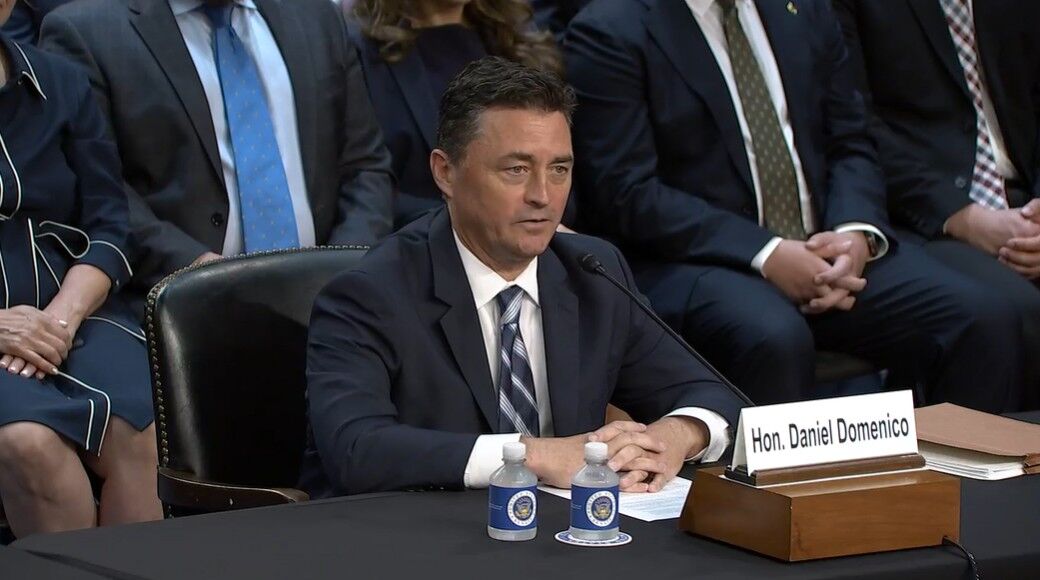
Within 24 hours of the Denver-based federal appeals court rejecting the government’s expansive view of its immigration detention authority, the lone judge in Colorado to embrace that view ordered bond hearings for detainees in at least 20 cases.
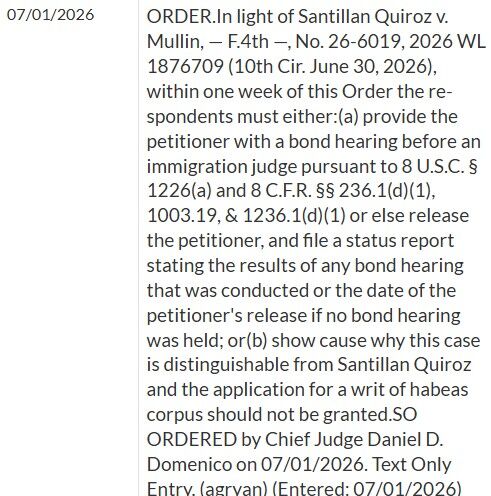
U.S. District Court Chief Judge Daniel D. Domenico issued a wave of identical orders on Wednesday instructing the government to either give people bond hearings, release them within one week, or explain why the decision by the U.S. Court of Appeals for the 10th Circuit did not apply.
“I like that he issued the order right away. Literally, within 24 hours,” said Florida-based attorney Fairuze Sofia. “Because it was great for my client.”
However, other attorneys believed there was a conflict of interest in Domenico’s handling of their cases. After Domenico authored a decision in April siding with the government’s view of its mandatory detention authority, President Donald Trump nominated Domenico for a seat on the 10th Circuit that had long been of interest to him.
“Despite the warrantless arrest and lack of jurisdiction, my client remained detained without a bond hearing for months while Judge Domenico did not rule on his petition,” said attorney Ciara Fernandez Faber, who added that her client’s cousin had a case before a different judge and was granted relief within one month of filing.
“The difference in treatment between their two cases with similar fact patterns could not be more stark. Now I understand why my client’s case was delayed,” said Fernandez Faber. “Justice delayed is not justice served.”
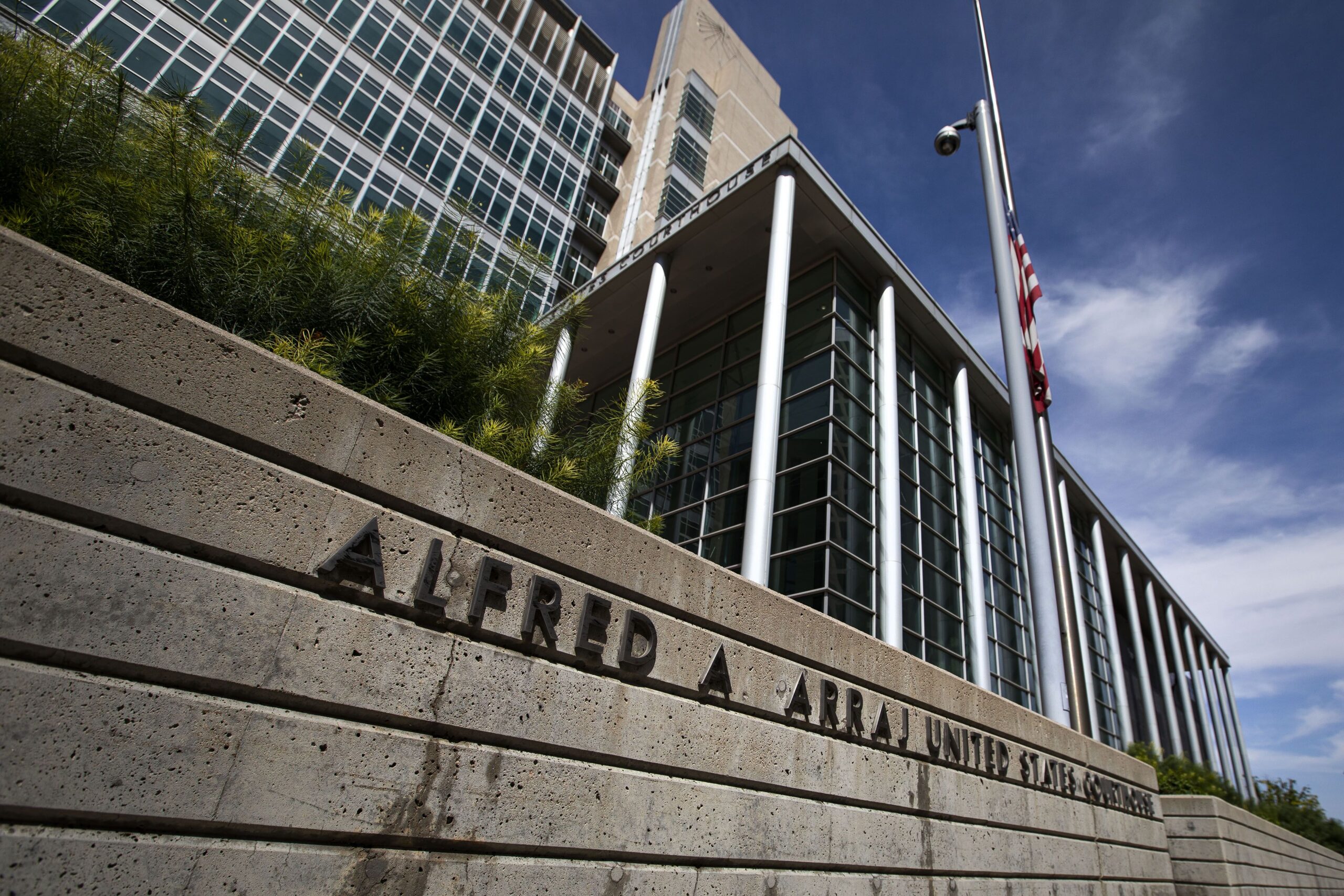
Colorado’s federal trial court has faced a flood of “habeas corpus” petitions from those in immigration custody. The most common allegation is that the government is improperly denying bond hearings to people who are eligible by law. The dispute arose after the appellate body for immigration cases, which is part of the executive branch, agreed last summer that the mandatory detentions authorized for those “seeking admission” to the country applied to those who have been present in the United States for an extended period.
Colorado’s judges, like the vast majority of their peers nationwide, have almost uniformly agreed that the government is improperly detaining people without the opportunity for release. Domenico was a self-acknowledged outlier, ruling in favor of the government’s position as he was undergoing vetting by the White House for a 10th Circuit vacancy.
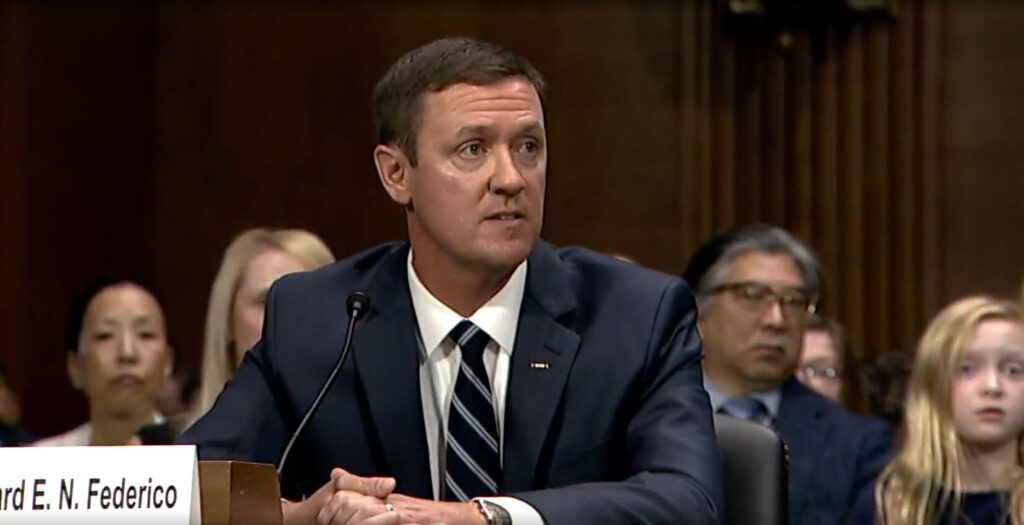
During his appearance before the U.S. Senate Judiciary Committee last week, he faced questions about his view of the law.
“I have ruled in favor of petitioners in a number of those cases on separate bases. So, I take those cases very seriously,” Domenico said. “I think the best interpretation (of the government’s detention authority) is the one that I’ve adopted. On other issues, I have, in fact, ruled against the federal government’s position and granted petitions a number of times.”
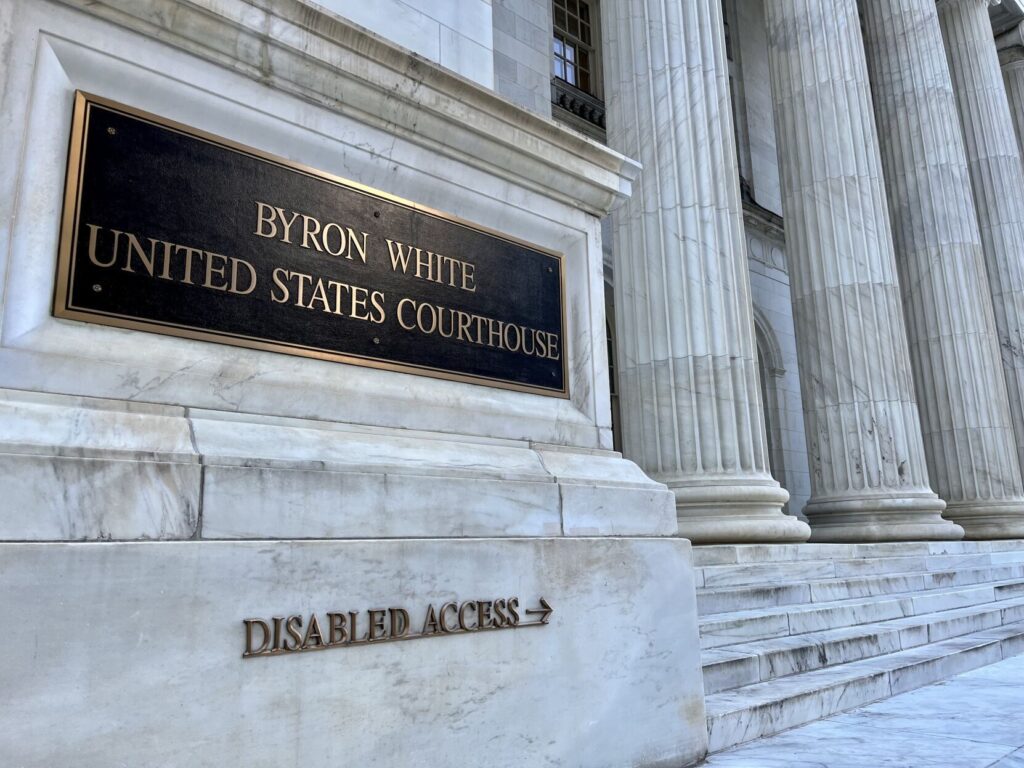
On June 30, the 10th Circuit rejected the argument embraced by the government and Domenico.
Quickly, judges in Colorado incorporated the case in their orders granting bond hearings for petitioners.
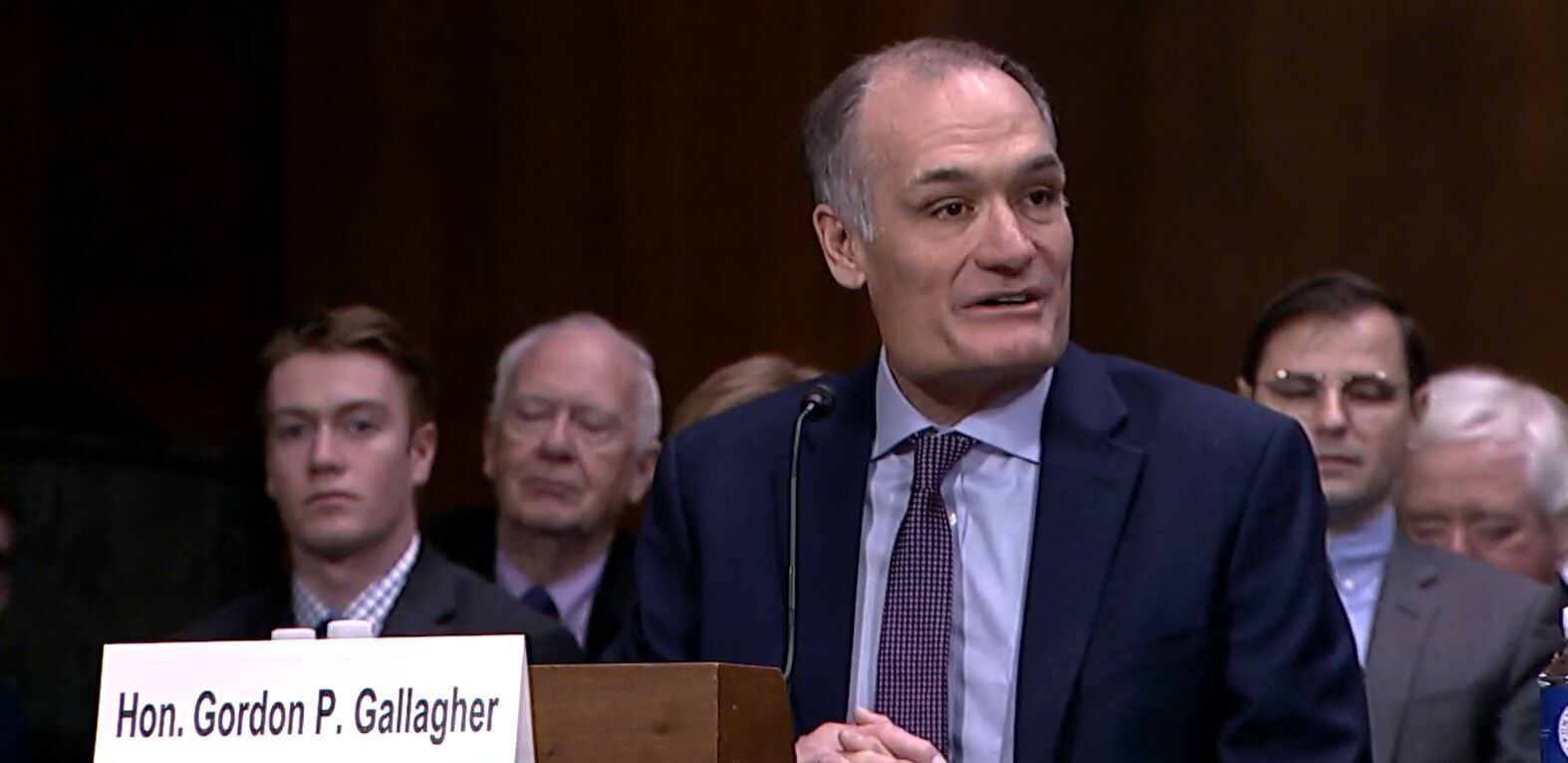
“The Tenth Circuit has now conclusively resolved the interpretation of this statute in favor of Petitioner,” wrote U.S. District Court Judge Gordon P. Gallagher, not waiting for a response from the government before ruling.
The 10th Circuit has “spoken and articulated in great detail the reasons why noncitizens ‘in the country’s interior,’ like Petitioner, are not subject to
mandatory detention,” wrote U.S. District Court Judge Regina M. Rodriguez.
Domenico responded differently.
At the time of Domenico’s nomination to the 10th Circuit in mid-May, Colorado Politics reported that he had decided far fewer habeas petitions, took longer to do so, and denied them more often compared to other judges on his court. The day after the 10th Circuit’s decision, however, he released a large batch of decisions, at least 20 in total, ordering bond hearings in accordance with the appellate ruling.
“Chief Judge Domenico respectfully declines to provide any comment on these matters,” Jeffrey P. Colwell, the district court’s clerk, told Colorado Politics.
For lawyers whose cases Domenico decided, reactions were mixed.
“My client, who’s now been detained for probably eight months, should’ve had a bond hearing. And he should’ve had a bond hearing about five months ago. But he’s had to stay in custody without a bond hearing against his constitutional rights because this judge is an outlier,” said Jose F. Rosales III, who filed a habeas case in April. “But if my client would’ve had a different federal judge in the same jurisdiction, he would’ve had a bond hearing.”
He contended that it is “unethical” for a judge to refrain from issuing an order while a person remains improperly detained.
Attorney Hans Meyer said it was reasonable for Domenico to hold off on issuing orders if the 10th Circuit’s ruling was imminent, as contrary decisions from a trial judge would be reversed on appeal. At the same time, delaying an order could negatively affect the person in custody.
“Obviously, ruling adverse to the administration at the time of his nomination would not be viewed favorably by the Trump administration,” said Meyer. “I think there may be a dynamic at play there where a nomination to the 10th Circuit can create what I think are a possibility of conflicts of interest.”
He added that the better practice, in his view, would have been for Domenico to recuse himself from immigration habeas cases after his nomination — a path Domenico himself seemed to explore initially.
“I was awaiting advice from the ethics office about whether I should handle similar matters,” Domenico wrote to the Senate Judiciary Committee after his nomination, referring to his recusal from several immigration habeas cases in March without elaborating on the circumstances.

Attorney Nathan W. Jeppsen said he was glad Domenico acted in his client’s case so soon after the 10th Circuit’s ruling.
“Because of his prior interpretations of the law he almost certainly would have denied the petition,” said Jeppsen, “and because he waited for the 10th Circuit to rule it did save us some potential procedural headaches.”
Russell Carparelli, a retired judge on the state’s Court of Appeals, did not believe Domenico’s interest in a 10th Circuit nomination warranted his recusal from immigration habeas petitions.
“Because he was already under consideration, he was actively under consideration, maybe that brings it a little bit closer. But even then, you’ve got a job to do,” said Carparelli. “One could say, ‘Well, he should’ve just made the decision and let the system work through it.’ Yeah, you could say that. But I don’t think you can say it’s something you can judge him on. He’s doing his job.”
Sofia, the Florida attorney, said she experienced a federal judge in Mississippi holding on to many more petitions than Domenico without a ruling.
“I think there were a lot of judges who were doing something similar,” she said. “I’d rather it take longer if it’s gonna result in the client winning in the end.

10th Circuit agrees Colorado satisfied jury award after intercepting money for restitution
Michael Karlik
michael.karlik@coloradopolitics.com
Updated 1 hour ago
The Denver-based federal appeals court agreed last week that Colorado satisfied its obligations by not paying a man directly for violating his rights, but rather crediting the jury’s multimillion-dollar award toward the crime victim restitution he still owed in his...
Colorado justices ponder whether insurer should save company from asbestos suits
Michael Karlik
michael.karlik@coloradopolitics.com
Updated 5 hours ago
Some members of the Colorado Supreme Court appeared skeptical last week that an insurance policy that reaches beyond the limits and coverage of a company’s other policies must “step down into the shoes” of those policies after they become insolvent....
Colorado justices weigh ‘extreme’ proposals for civil jury trial requests
Michael Karlik
michael.karlik@coloradopolitics.com
Updated 1 day ago
Members of the Colorado Supreme Court grappled last week with two vastly different proposals for evaluating when it is appropriate for a civil litigant to ask for a jury trial, as opposed to a bench trial before a judge. The...
Colorado justices weigh ‘extreme’ proposals for civil jury trial requests
Michael Karlik
michael.karlik@coloradopolitics.com
Updated 22 hours ago
Members of the Colorado Supreme Court grappled last week with two vastly different proposals for evaluating when it is appropriate for a civil litigant to ask for a jury trial, as opposed to a bench trial before a judge. The...
10th Circuit reverses perjury conviction, warns prosecutors to watch their questioning
Michael Karlik
michael.karlik@coloradopolitics.com
Updated 21 hours ago
The Denver-based federal appeals court reversed a defendant’s perjury conviction last week, warning prosecutors that it is better to follow up on imprecise or unclear answers than to criminally charge a witness for their response. A jury convicted Lori Milliron...
10th Circuit rebuffs government, rules against shift to mandatory immigration detention
Michael Karlik
michael.karlik@coloradopolitics.com
Updated 1 day ago
The Denver-based federal appeals court ruled on Tuesday against the government’s broad assertion of authority to keep people in immigration custody without the opportunity to demonstrate their suitability for release on bond. Although the regional appeals courts have reached different...

Appeals court revives tenants’ lawsuit over landlords’ illegal fee demands
Michael Karlik
michael.karlik@coloradopolitics.com
Updated 2 days ago
Colorado’s second-highest court revived a proposed class-action lawsuit against landlords and other entities last month, concluding that state law did not permit the practice of demanding that tenants pay attorney fees in certain eviction proceedings. In 2021, lawmakers enacted a...
Appeals court reverses Jeffco assault convictions due to omitted jury instruction
Michael Karlik
michael.karlik@coloradopolitics.com
Updated 2 days ago
Colorado’s second-highest court agreed last month that a Jefferson County defendant’s assault convictions could not stand because his jury should have been allowed to consider whether he used force against a bar patron to defend his girlfriend from inappropriate touching....
Colorado Supreme Court tosses man’s lawsuit over daughter’s traffic death
Michael Karlik
michael.karlik@coloradopolitics.com
Updated 2 days ago
The Colorado Supreme Court applied a confusing matrix of conditions and deadlines in state law to conclude on Monday that a man waited too long to sue after his daughter was rendered unconscious and later died from a vehicle accident....
U.S. Supreme Court upholds state laws banning transgender girls and women from school athletic teams
Nico Brambila
nico.brambila@denvergazette.com
Updated 2 days ago
WASHINGTON • The U.S. Supreme Court on Tuesday upheld state laws barring transgender girls and women from playing on school athletic teams. The court’s conservative majority ruled that state bans in Idaho and West Virginia don’t violate the U.S. Constitution...