

Colorado justices weigh ‘extreme’ proposals for civil jury trial requests
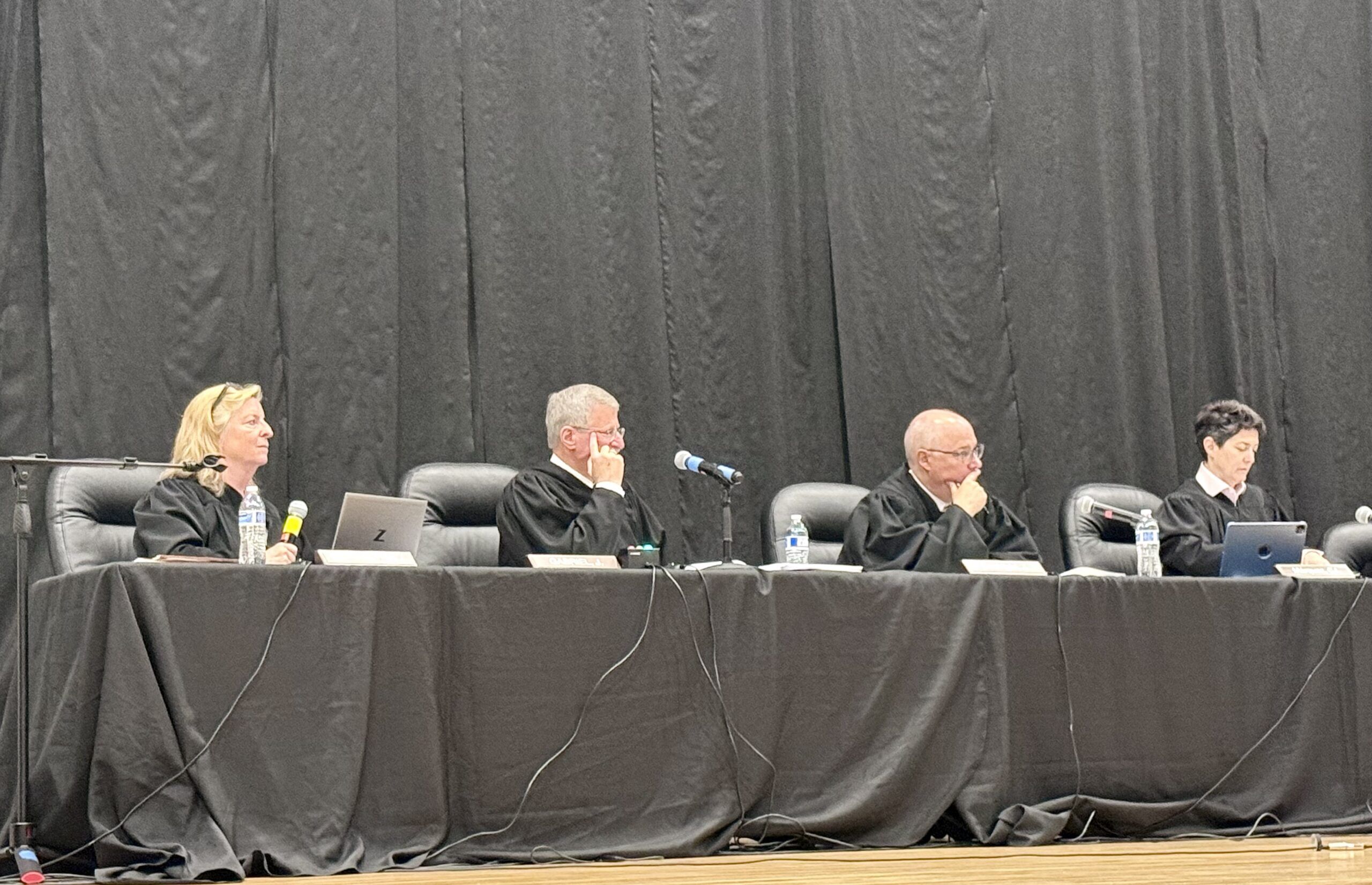
Members of the Colorado Supreme Court grappled last week with two vastly different proposals for evaluating when it is appropriate for a civil litigant to ask for a jury trial, as opposed to a bench trial before a judge.
The Colorado Constitution does not contain the right to a jury trial in civil cases. Instead, in instances where the law allows for a jury trial on an issue, a litigant may demand one at any time after a case is filed, “but not later than 14 days after the service of the last pleading directed to such issue.”
In a corporate dispute out of Denver, the two sides had different ideas about whether a plaintiff could request a jury trial when they amended their complaint several months outside the deadline.
“A party could do what plaintiffs did here: Wait until just before trial, dress up their existing claims with new titles, and assert a jury demand for issues upon which they had long since waived their demand to a jury,” Theresa Wardon Benz, an attorney for defendant Mountain Cement Company, said during the June 23 oral arguments. “If they have a jury-eligible claim from the beginning … that’s not a newly triable issue.”
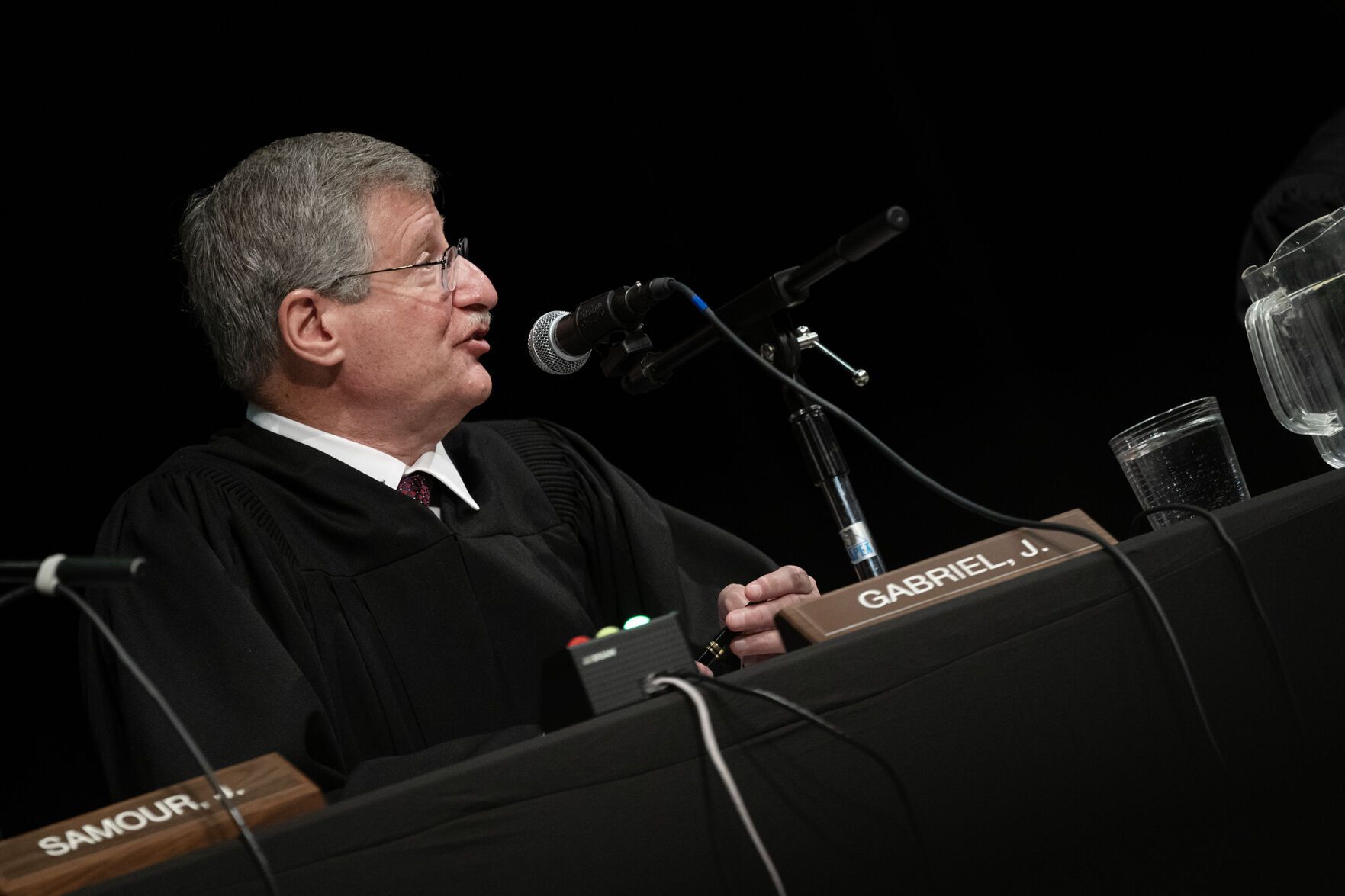
Suppose a plaintiff files a negligence case over a car accident, said Justice Richard L. Gabriel, and they believe a bench trial is sufficient but they discover evidence during the case suggesting the defendant acted intentionally.
“I could say, ‘Well, now I want a jury because now I got some of the emotional appeal there that makes a difference.’ And it seems like your argument is, ‘Well, it’s the same car accident, so we don’t get to amend,'” said Gabriel. “It’s not just the legal theory, it’s different facts. This is now, ‘I know that they intentionally rammed me.’”
“You’re deciding who caused the harm in the car accident. Whether it’s intentional or negligence, whatever the theory, it’s the same issue,” said Wardon Benz.
Plaintiffs’ attorney Kendra N. Beckwith, representing the owners of the Source Hotel, argued for broad acceptance of a party’s request for a jury trial after a case has begun. She said the disadvantage to a litigant in switching from a judge to a jury cannot, by itself, be a reason for rejecting the demand.
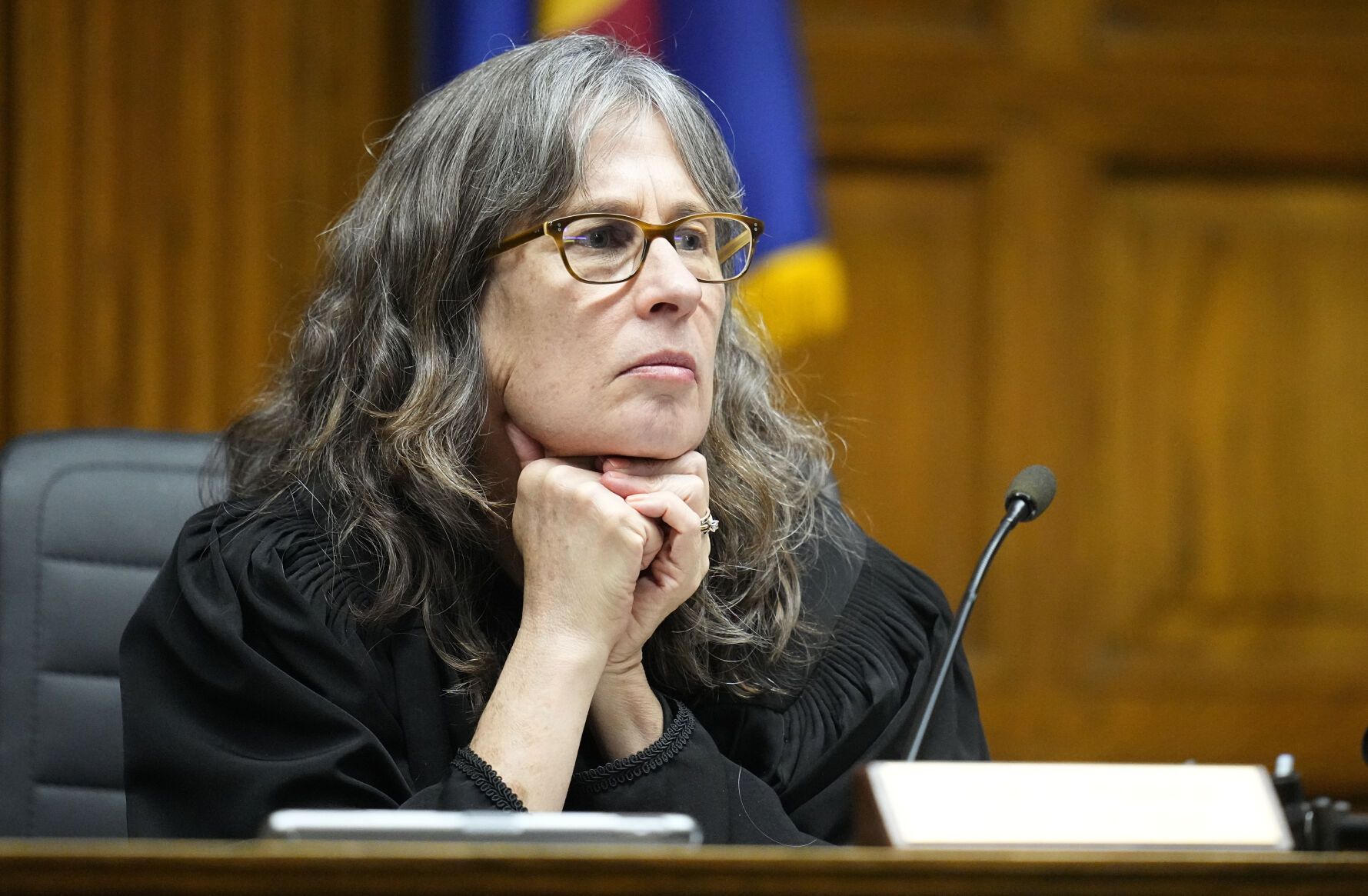
“The notion that folks can sort of come rolling in and seek to amend basically any old time, and also ask at that time to make a jury demand, that seems to be its own potential chaos,” said Justice Maria E. Berkenkotter. “Help me understand why we shouldn’t be concerned about that.”
“Both sides’ rules, I think, are going to extremes,” observed Gabriel.
The owners of the Source Hotel filed a civil complaint against nearby Mountain Cement for dust emissions that allegedly infiltrated the hotel’s property. Neither side asked for a jury trial.
Seven months after the plaintiffs’ deadline to amend their complaint passed, they moved to amend and, among other things, to include a demand for a jury trial.
District Court Judge Sarah B. Wallace permitted the amendment. She acknowledged that Colorado’s rules appeared to give parties “a second chance to file a jury demand.”
“We have litigated this case and prepared the case as if it’s going to be tried to the bench,” attorney Mark E. Champoux, representing Mountain Cement, argued to Wallace. “It’s a very, very different thing to now prepare this case for a jury.”
Wallace dismissed the concern, but added that, “if I was master of the universe, there wouldn’t have been an amendment.”
Mountain Cement turned to the Supreme Court, alleging the plaintiffs had waited to change course until Wallace denied their motion for a preliminary injunction and after the defense made critical decisions in anticipation of a trial to Wallace.
The Colorado Defense Lawyers Association and Colorado Civil Justice League submitted a brief in support of Mountain Cement, arguing for a hardline prohibition on belated jury demands. The groups cited significant differences between preparing for a jury trial and preparing for a bench trial.
“First, there is the significant cost savings preparing for a bench trial versus preparing for a jury trial. In anticipation of a bench trial, counsel may strategically choose to only depose certain witnesses, streamline particular depositions, or not depose other witnesses at all,” they wrote. “And a judge is less likely to be swayed by unreliable expert testimony, leaving little concern that ‘junk science’ will taint the judge like it may a jury.”
The plaintiffs countered that cases naturally evolve, and it is exceedingly rare for jury demands to surface after the original case filings.
Justice Brian D. Boatright wondered why it would not be harmful to a party to change the adjudicator midway through a case.
“You’ve been preparing for a case to be a trial to the court. Help me understand, then, how do we define prejudice if it’s not just the change in the factfinder?” he asked.
Meanwhile, Justice Susan Blanco appeared taken aback by Wardon Benz’s suggestion that parties “think hard” at the outset about whether they want a jury trial or risk forfeiting a jury on their existing claims forever.
“In a time where our courts are so inundated,” she said, “do you really mean to suggest that part of the case would be heard by a jury and then the other part would have to be a court trial? And where is the efficiency in that?”
For instances where parties learn new information during the case, Blanco added, “How do you permanently waive (a jury trial) on everything? I mean, that does not seem fair in that kind of scenario.”
The case is SCP 3330 Brighton OpCo, LLC v. Mountain Cement Company LLC.

Federal judge green-lights excessive force, retaliation claims for trial against Fort Collins officers
Michael Karlik
michael.karlik@coloradopolitics.com
Updated 1 day ago
A federal judge green-lit a jury trial last week against multiple Fort Collins police officers on claims that they used excessive force on one man who was standing unarmed in his underwear, and retaliated against another man for exercising his...
10th Circuit revives wage violation lawsuit against Papa John’s operator
Michael Karlik
michael.karlik@coloradopolitics.com
Updated 2 days ago
The Denver-based federal appeals court on Tuesday reinstated a former Papa John’s delivery driver’s lawsuit alleging violations of federal and state wage law. Steve Mighell worked for one month at a Denver Papa John’s location in summer 2023. He alleged...
Colorado appeals judge’s delays in releasing opinions noted by performance commission
Michael Karlik
michael.karlik@coloradopolitics.com
Updated 2 days ago
The citizen-led performance commission that provides guidance to voters about whether to retain members of Colorado’s second-highest court raised concerns by judges and attorneys that Judge Elizabeth L. Harris sometimes struggles with releasing opinions promptly. Harris, who joined the Court...
Colorado judge explores sanctions against DOJ, ICE for rearresting man 4 days after release on bond
Michael Karlik
michael.karlik@coloradopolitics.com
Updated 3 days ago
A federal judge in Colorado is considering sanctions against the government after immigration agents rearrested a man four days after an immigration judge found him suitable for release on bond. On July 28, U.S. Magistrate Judge N. Reid Neureiter ordered...
Divided disciplinary panel censures Montezuma County judge after agreement reached
Michael Karlik
michael.karlik@coloradopolitics.com
Updated 3 days ago
A disciplinary panel formally imposed a public censure, suspension, and further training on Montezuma County Court Judge Ian J. MacLaren on Tuesday by a 2-1 vote. Under constitutional Amendment H, which voters adopted in November 2024, MacLaren was set to...
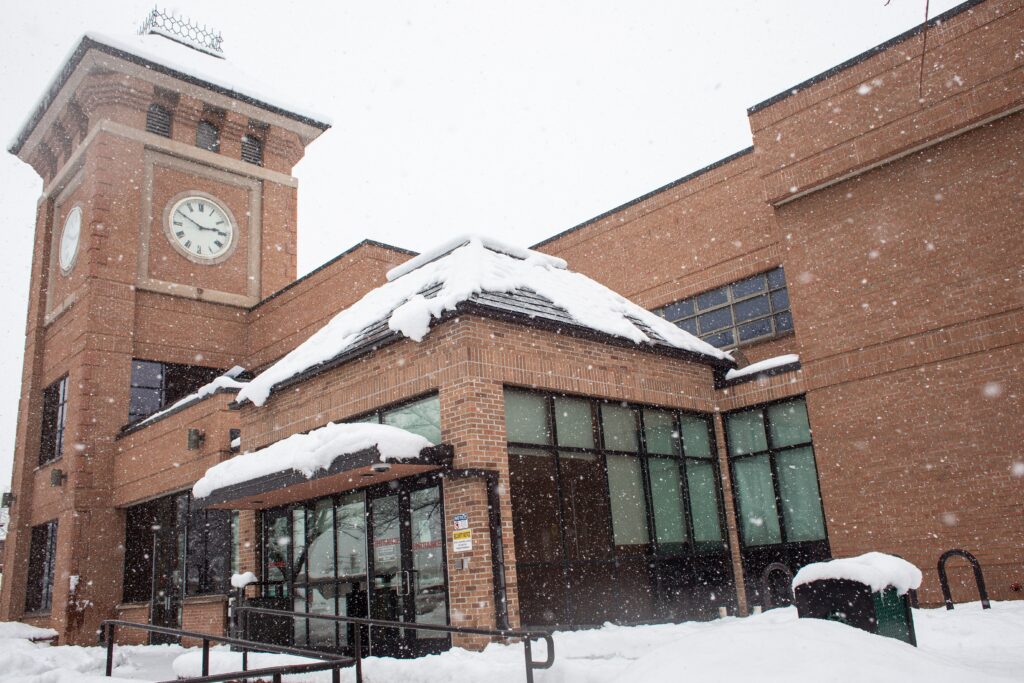
Colorado’s Western Slope magistrate judges describe unique role in federal judiciary
Michael Karlik
michael.karlik@coloradopolitics.com
Updated 4 days ago
Two of Colorado’s federal judges stationed on the Western Slope spoke to lawyers on Wednesday about their unique roles, the ways their workloads differ, and the need for more criminal defense lawyers to take cases outside the Front Range. “Here...

Denver sues Philip Morris, other tobacco companies over cigarette butt litter
Deborah Grigsby
deborah.smith@denvergazette.com
Updated 3 days ago
Denver is demanding that some of the biggest tobacco companies in the world pay for the cleanup of discarded cigarette butts on its streets, following a similar campaign that cities in other states have pursued. Denver’s lawsuit, filed this week...
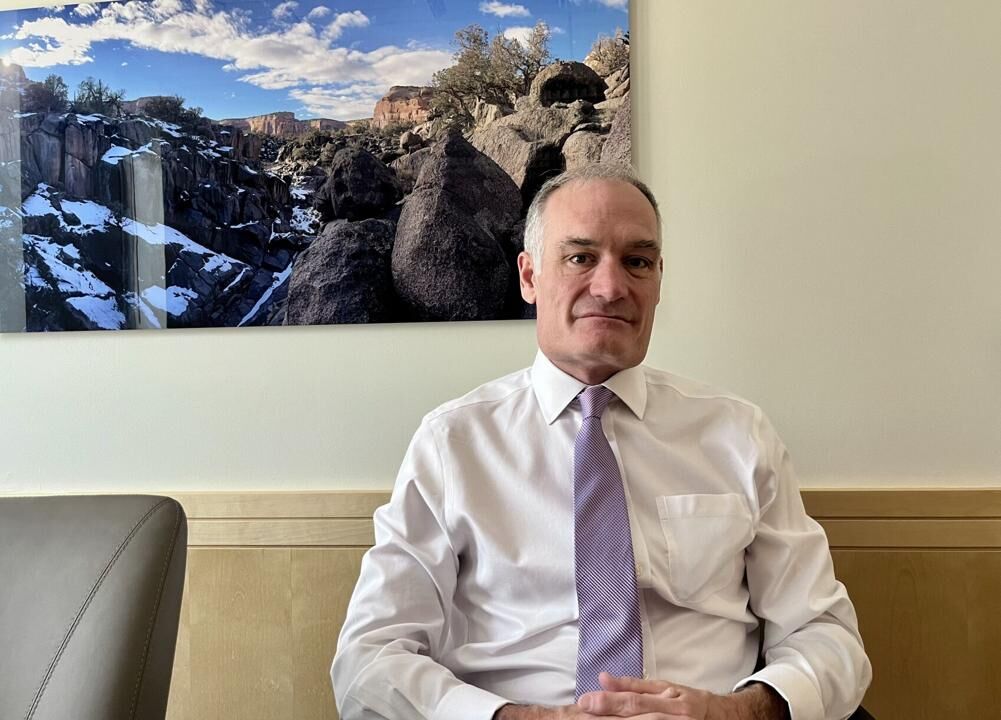
Federal judge rules that request for bond hearing not necessary to challenge immigration detention
Michael Karlik
michael.karlik@coloradopolitics.com
Updated 3 days ago
A federal judge in Colorado ruled last week that it is not mandatory for a person to seek a bond hearing with an immigration judge before they challenge the lawfulness of their detention in federal court. For the past year,...

Boulder Valley School District introduces new policies following antisemitism lawsuit
Marissa Ventrelli
marissa.ventrelli@coloradopolitics.com
Updated 3 days ago
The chief of Boulder Valley School unveiled new policies for the 2026-2027 school year following a lawsuit filed on behalf of a student alleging antisemitic harassment. In June, the Anti-Defamation League filed a federal civil rights complaint against the school...

Colorado NRA chapter seeks injunction against new gun‑training requirement
Marissa Ventrelli
marissa.ventrelli@coloradopolitics.com
Updated 4 days ago
The Colorado chapter of the National Rifle Association is seeking an injunction to stop the state from enforcing a new law that took effect earlier this month. The new law requires anyone buying or selling certain firearms to first complete...
PREV
PREVIOUS

Colorado justices weigh 'extreme' proposals for civil jury trial requests
Members of the Colorado Supreme Court grappled last week with two vastly different proposals for evaluating when it is appropriate for a civil litigant to ask for a jury trial, as opposed to a bench trial before a judge. The Colorado Constitution does not contain the right to a jury trial in civil cases. Instead, […]

How Melat Kiros pulled Democratic Party left in upset win over Diana DeGette
“It’s time for change,” Democratic congressional candidate Melat Kiros, a political newcomer and self-described democratic socialist, said in her campaign’s TV ad. On Tuesday night, primary voters in Denver agreed, giving the nomination to the 29-year-old, while at the same time handing 29-year incumbent U.S. Rep. Diana DeGette her walking papers. Kiros’ commanding win — […]