

Colorado justices ponder whether insurer should save company from asbestos suits
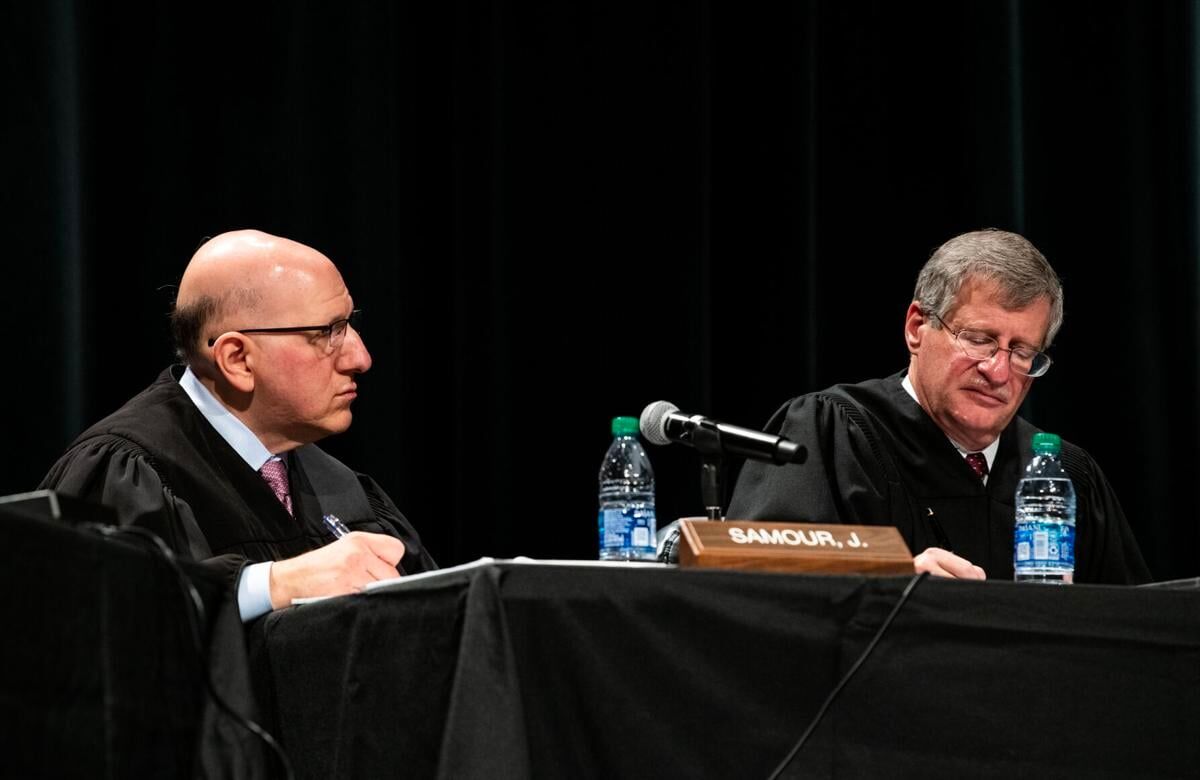
Some members of the Colorado Supreme Court appeared skeptical last week that an insurance policy that reaches beyond the limits and coverage of a company’s other policies must “step down into the shoes” of those policies after they become insolvent.
The case reached the Supreme Court in an unusual way, after a federal judge asked the justices to interpret a key question of state law in an insurance dispute.
Commerce City-based A.R. Wilfley & Sons, Inc. manufactured asbestos-containing products and, as a result, has been sued numerous times for asbestos exposure. Wilfley received primary insurance coverage to defend against those claims until they reached their payment limits or the insurers became insolvent.
Federal Insurance Company issued Wilfley an “umbrella” policy that obligated it to defend the company on claims “not covered by the underlying policies.” Federal argued it was not required to act as the primary insurer under the circumstances, where Wilfley did have coverage through underlying — insolvent — policies.
Last year, U.S. Magistrate Judge N. Reid Neureiter, who is handling Wilfley’s federal lawsuit against Federal, agreed with the insurance company.
No “ordinary insured could reasonably read the Federal Umbrella Policies to mean that, in the event of the insolvency of the scheduled underlying insurers, Federal would be required to drop down and step into the shoes of the insolvent insurers, both in providing a defense and paying first-dollar indemnity,” he wrote in April 2025.
Wilfley asked Neureiter to reconsider, and requested that he send the question to the Colorado Supreme Court for review. Initially, Neureiter declined.
But after further reflection, Neureiter withdrew his previous order and agreed to transmit the question to the state’s highest court.
“The issue of an excess insurer’s obligations to its insured when the underlying carrier becomes insolvent is an important question of state insurance law that impacts not only the litigants in this case but also how Colorado insurers and excess insurers may behave in the future,” he wrote in September. “Moreover, this is a complex insurance issue which may not ever reach the Colorado Supreme Court for a decision. The reality is that most Colorado insurance disputes end up in federal court.”
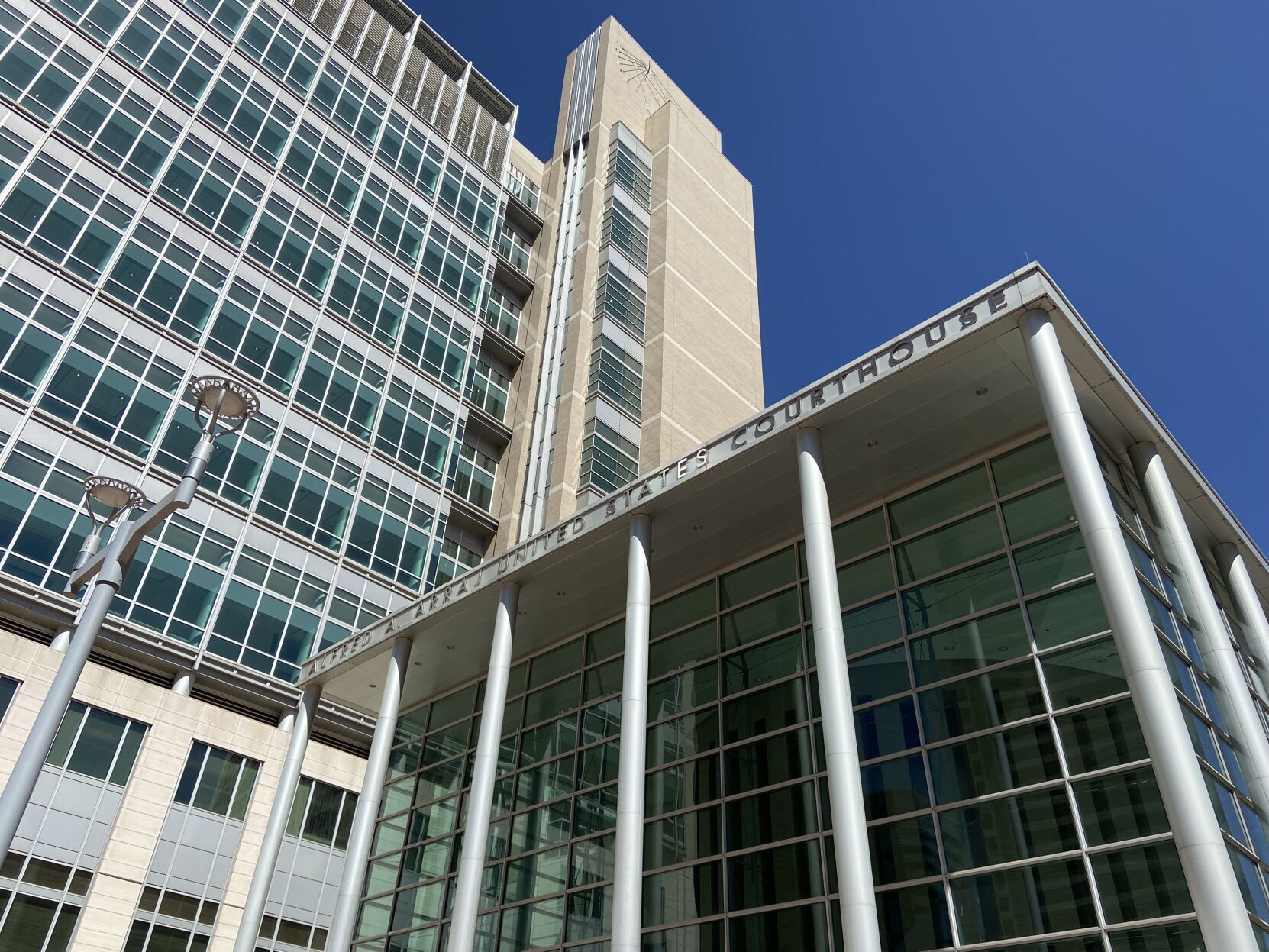
During the June 23 oral arguments to the Supreme Court, Wilfley’s attorney said that “one of Colorado’s oldest companies” would not survive if Federal could not defend it against the ongoing asbestos injury claims.
“We readily acknowledge certain courts have said that ‘not covered’ means the scope of coverage of the underlying policies or whether it’s covered by the terms and conditions of the underlying policies,” said attorney Nelson A. Waneka. But from Wilfley’s perspective, the “underlying policies provide no coverage whatsoever. So there’s, first, this really visceral reality-based argument that there is no coverage here.”
“I guess I’m having trouble seeing how ‘not covered’ is ambiguous. To me, not covered, just plain language, would mean what’s in the scope of coverage,” responded Justice Richard L. Gabriel. “Your position would make an excess insurer a guarantor of the financial health of the underlying insurers that your client selected.”
He also cautioned that there is a distinction between claims that are not covered under a policy and claims that cannot be collected upon, in Wilfley’s case, because of insolvency.
“You agree that the policy covered against this risk, it’s just that there’s nothing there to collect,” said Justice Carlos A. Samour Jr.
“We absolutely dispute that,” countered Waneka.
The Complex Insurance Claims Litigation Association wrote in support of Federal, echoing the view that Federal’s umbrella policy could not bail out Wilfley from a problem with its underlying policies.
“Here, the claims at issue are within the scope of underlying policies issued by insolvent carriers. Because the claims were within the scheduled underlying policies’ coverage, Federal’s policy is excess with respect to those liabilities,” the trade group wrote.
Still, Wilfley “got insurance. It got excess insurance. And so why should Wilfley be the one stuck with the bad result here?” wondered Samour.
“Nobody’s thinking they’re morally culpable or should have done something differently,” said attorney Jon Hacker for Federal. “But what they did is enter into a policy that this court and every court we’re aware of says has to be enforced by its terms.”
The case is A.R. Wilfley & Sons, Inc. v. National Union Fire Insurance Company of Pittsburgh, PA.

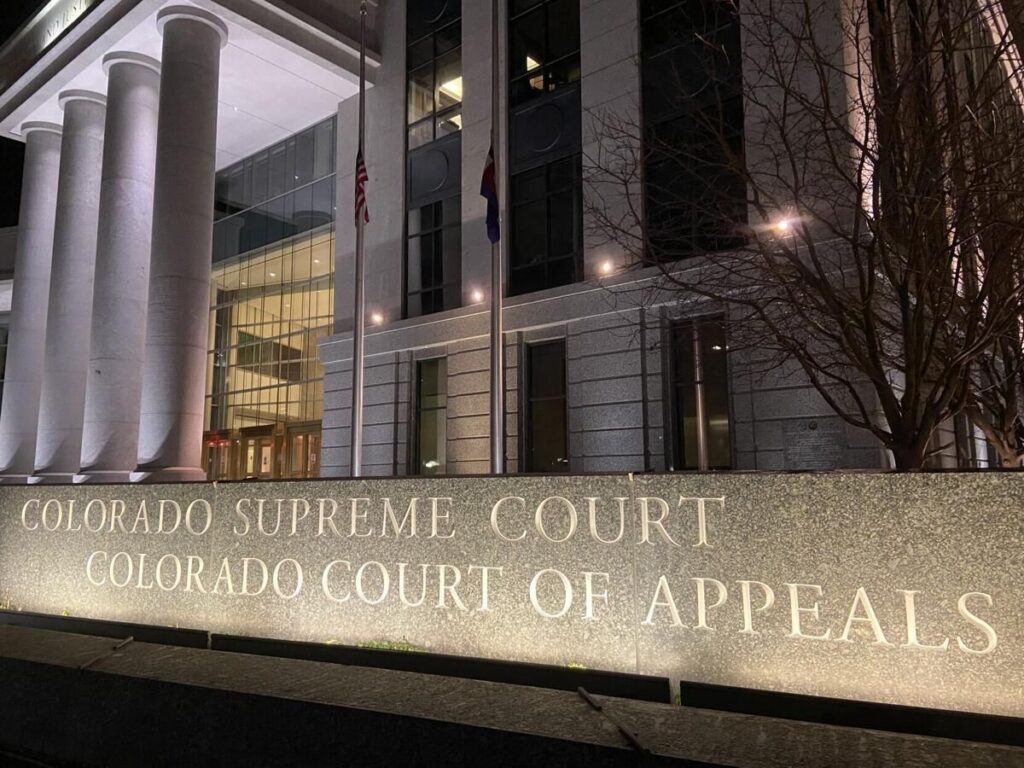
Schoolchildren’s presence at child sex-related trial did not harm Arapahoe County defendant, appeals court says
Michael Karlik
michael.karlik@coloradopolitics.com
Updated 3 hours ago
Colorado’s second-highest court decided on Thursday that the presence of a group of schoolchildren on the first day of a child sexual exploitation trial did not violate an Arapahoe County defendant’s constitutional right to a fair trial. Prosecutors charged Jerry...
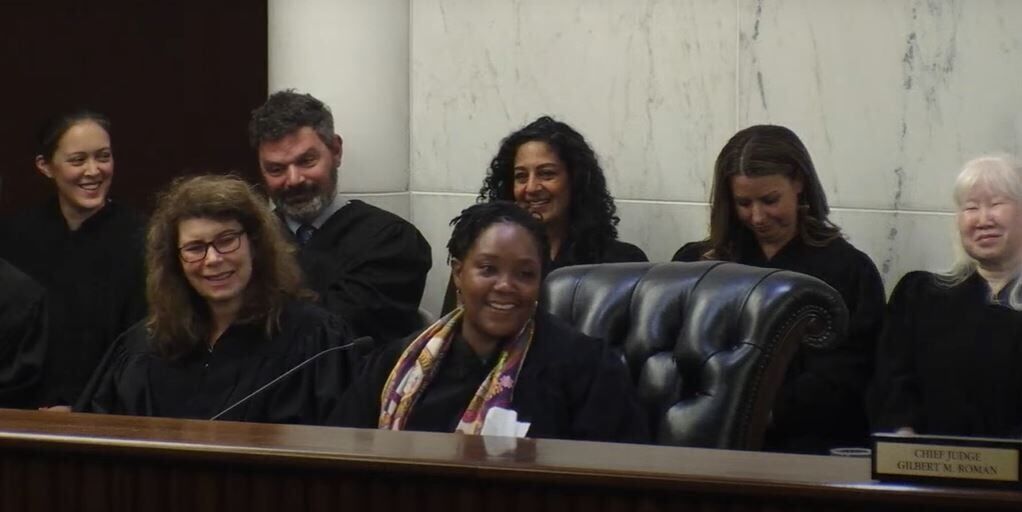
Appeals court cites week-old Colorado law to reinstate child neglect case at child, father’s request
Michael Karlik
michael.karlik@coloradopolitics.com
Updated 1 day ago
Colorado’s second-highest court invoked a new state law for the first time on Thursday and reinstated a child neglect case that both the child and her father wished to reopen. House Bill 1227 took effect on Aug. 12, reversing a...
Colorado Supreme Court names William Hood as next chief justice
Michael Karlik
michael.karlik@coloradopolitics.com
Updated 1 day ago
The Colorado Supreme Court has selected Justice William W. Hood III to be the next chief justice, the judicial branch announced on Friday. Hood will succeed Chief Justice Monica M. Márquez, who took over the role in July 2024. “I...
Appeals court upholds Park County trophy hunting conviction
Michael Karlik
michael.karlik@coloradopolitics.com
Updated 1 day ago
Colorado’s second-highest court clarified on Thursday that a defendant may stand convicted under the state’s trophy hunting laws if he abandons a bear carcass but returns later to remove the meat. Under Colorado law, it is a felony to detach...
Judge grants partial injunction to GEO in fight against state health inspection law
Kyla Pearce
kyla.pearce@gazette.com
Updated 2 days ago
A judge ruled Thursday that The GEO Group does not have to follow parts of a new state law requiring more frequent health and safety inspections at the U.S. Immigration and Customs Enforcement processing center in Aurora. Under the order...

Parker man faces 20 years to life for serial sexual assaults
Nicholas Fogleman
nicholas.fogleman@denvergazette.com
Updated 2 days ago
A 25-year-old Parker man who sexually assaulted three women in 2025 pleaded guilty Wednesday and will serve 20 years to life in prison. Javier Rodriguez-Andrade pleaded guilty to charges stemming from three sexual assaults involving women ages 19 to 24. ...
Divided appeals court upholds warrantless DNA collection in Colorado cold case, cautions of government overreach
Michael Karlik
michael.karlik@coloradopolitics.com
Updated 2 days ago
Colorado’s second-highest court upheld the warrantless collection of a suspect’s DNA from a discarded soda can as constitutional on Thursday, while warning about potential abuse of DNA privacy in the absence of further guardrails. By 2-1, a three-judge Court of...
Man charged in Northglenn homicide of wife
Matt Kyle
matt.kyle@denvergazette.com
Updated 2 days ago
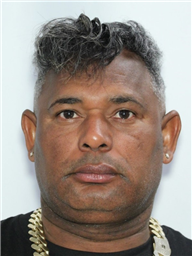
A man has been formally charged with murder and burglary relating to a homicide last week in Northglenn. Alexei Munive-Rodriguez, 48, was arrested Sunday after he was at large following the homicide, which occurred Friday. Police were dispatched around 10:30...
10th Circuit grants immunity to officers for fatal Manitou Springs shooting
Michael Karlik
michael.karlik@coloradopolitics.com
Updated 2 days ago
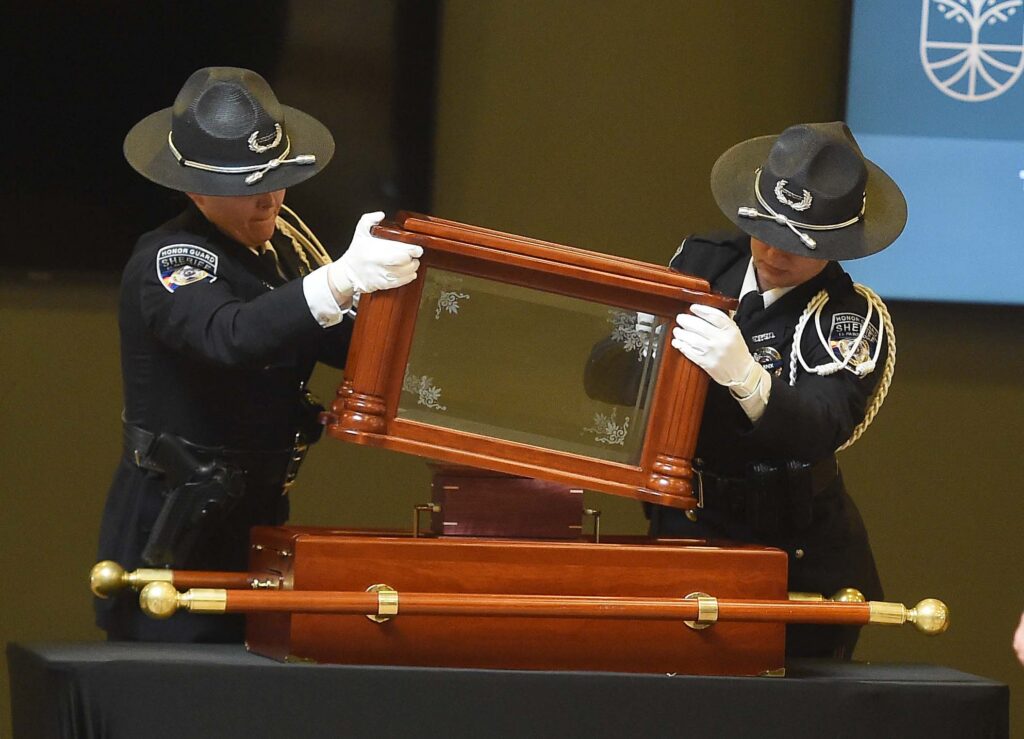
The Denver-based federal appeals court ruled on Wednesday that responding officers from Manitou Springs and El Paso County cannot be held constitutionally liable for shooting and killing a man after a 20-minute standoff. Wilford Deweese allegedly pulled out a gun...

10th Circuit rejects invitation for full-court review of tax-avoidance case
Michael Karlik
michael.karlik@coloradopolitics.com
Updated 3 days ago
The Denver-based federal appeals court declined to reconsider the standards for holding entities liable for their tax-avoidance schemes, with a majority of judges voting against full-court review on Monday. In April, a three-judge panel of the U.S. Court of Appeals...
PREV
PREVIOUS

Colorado business confidence improves but still pessimistic
Halfway into the year, business confidence across Colorado has improved but is still negative, a new report found. The Leeds Business Confidence Index, a measurement of how business leaders across Colorado feel about the future of the national and state economy, increased by one point to a score of 43, according to a report released […]
10th Circuit agrees Colorado satisfied jury award after intercepting money for restitution
The Denver-based federal appeals court agreed last week that Colorado satisfied its obligations by not paying a man directly for violating his rights, but rather crediting the jury’s multimillion-dollar award toward the crime victim restitution he still owed in his criminal case. A three-judge panel of the U.S. Court of Appeals for the 10th Circuit […]