

RTD to reconsider service priorities as cuts, budget deficit loom
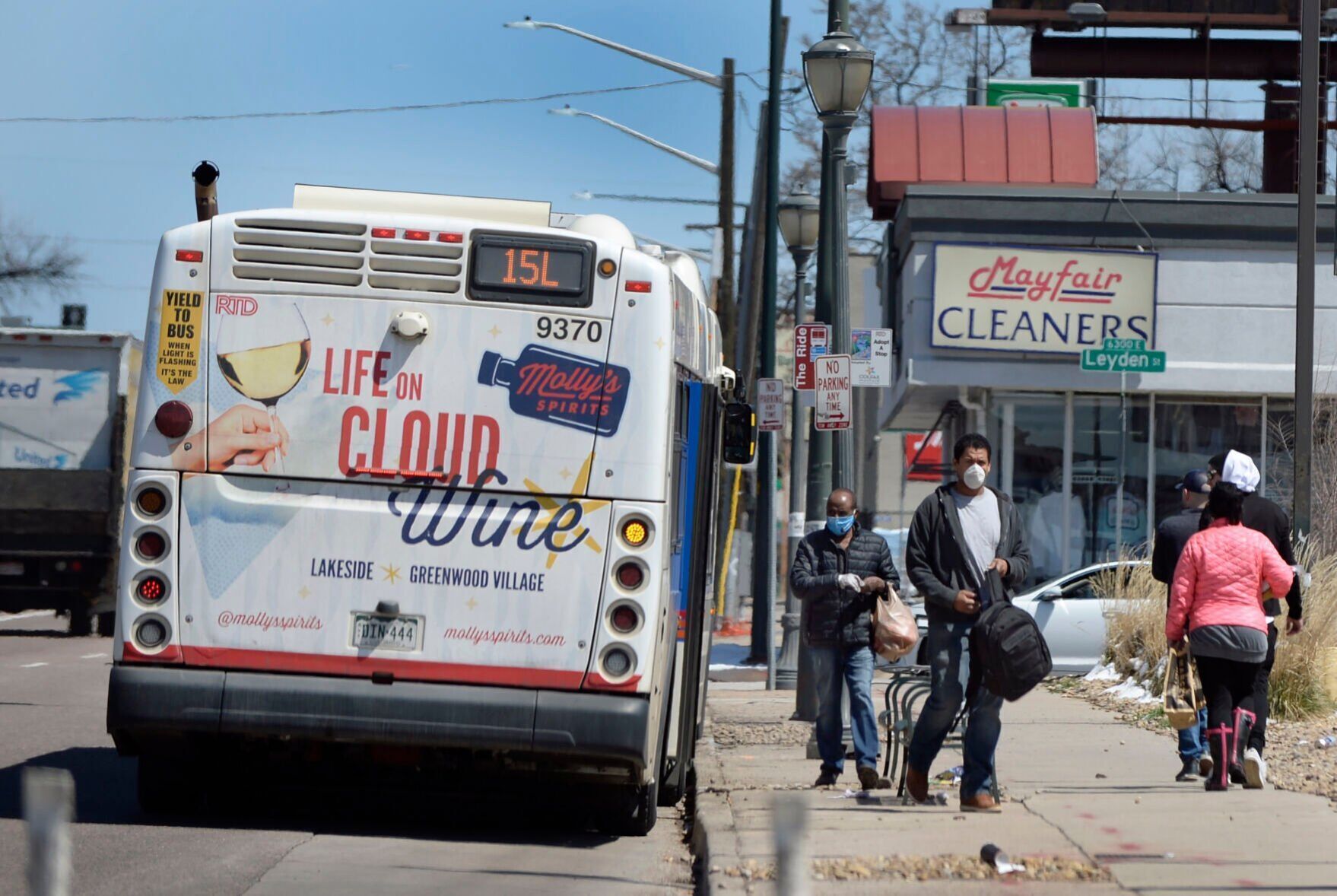
Should the Regional Transportation District aim to maximize ridership or system coverage?
That question sat at the heart of the RTD Board of Directors’ first Comprehensive Operations Analysis briefing on Thursday afternoon.
With the Denver transit agency facing a budget deficit of over $200 million next year, the analysis aims to re-evaluate the RTD’s entire network assuming a 20% service reduction — a mark the agency is modeling but has not yet finalized.
“Pretty much everything is on the table,” said RTD planner Kiernan Maletsky. “The point here is to start basically from a blank map.”
Thursday’s initial briefing, led by transit design firm Jarrett Walker and Associates — the lead consultant on the project — focused on the dichotomy between two main priorities for transit: ridership and coverage.
Prioritizing ridership would mean focusing agency resources on providing a high service volume and frequency in a densely populated area, said Walker, the firm’s founder and principal associate, in the briefing. It would also be the solution to maximize transit revenue and usefulness for the “average” rider.
Prioritizing coverage, on the other hand, would ensure everyone, even those relatively far from the city center, would have some level of accessible transit service.
“The percent of population near any transit is always lower in the ridership concept and higher in the coverage concept; the percent of population near frequent transit is always higher in the ridership concept and lower in the coverage concept,” Walker said.
Currently, about 60% of the district’s services are ridership-oriented and 35% are coverage-oriented, Walker said. The remaining 5% are services such as FlexRide and Free MetroRide that are superimposed over other routes.
Agency directors on the call largely stated their preference for prioritizing ridership during the analysis, with some noting external pressures to reverse what has been stagnant growth since the COVID-19 pandemic.
District E Director Matt Larsen noted that the state, local advocates and the board itself have identified increasing ridership as a top priority for the agency, but acknowledged the potential for pushback against a high-ridership, low-service area concept map.
“What I really want to know is: will those preferences be sustained after somebody sees a map that doesn’t include their community in it?” Larsen asked.
While the analysis is still in its initial assessment phase, draft concepts will be made publicly available later in the year to gather feedback on the proposed changes.


Court snuffs out challenge to Denver’s flavored tobacco ban
Deborah Grigsby
deborah.smith@denvergazette.com
Updated 1 hour ago
The smoke finally cleared in Denver’s battle over a citywide ban on flavored tobacco products when a Denver court dismissed a challenge from local vape shop owners seeking to declare the ordinance unconstitutional and block its enforcement. On Wednesday, Denver...
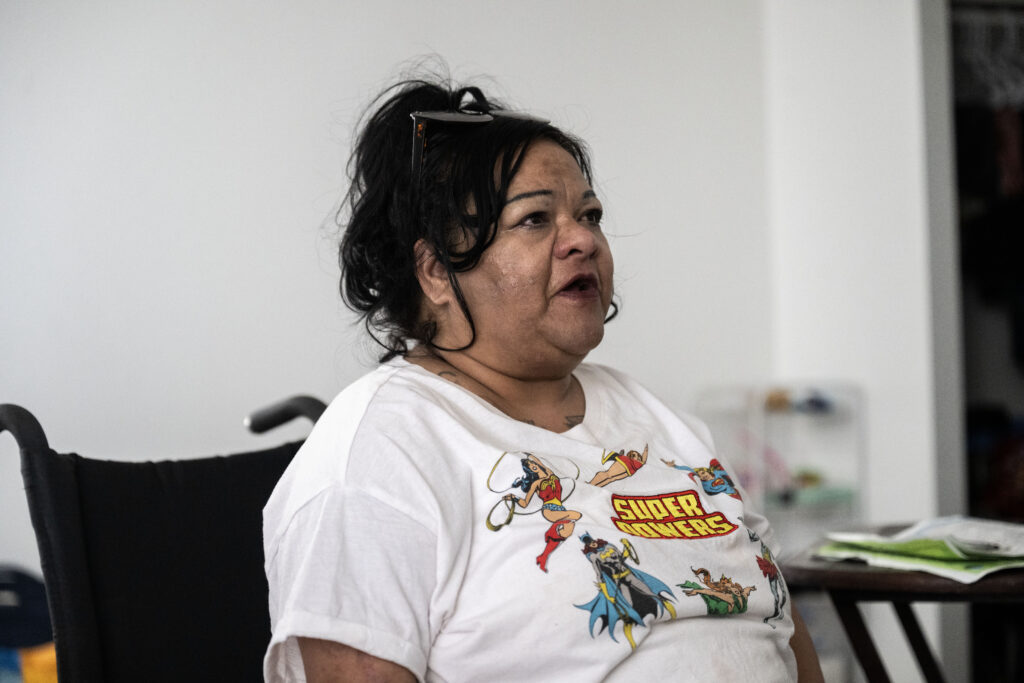
Medicaid suspends agency behind ‘The Program,’ citing ‘credible’ fraud allegations
David Migoya
david.migoya@gazette.com
Updated 3 days ago
The agency overseeing Colorado’s federal Medicaid program has suspended an Aurora home-health agency that is the focus of an investigation into an enterprise that lured dozens of homeless people with promises of free housing and cash and reaped tens of...

Municipal sentencing bill in Denver moves forward
Deborah Grigsby
deborah.smith@denvergazette.com
Updated 3 days ago
The Denver City Council introduced legislation Monday aimed at aligning municipal penalties with state law to “stop criminalizing poverty.” The bill, which was heavily revised and amended, was moved forward on a 10 to 2 vote, with Councilmembers Darrell Watson...

Denver City Council committee delays vote to advance biennial budget
Deborah Grigsby
deborah.smith@denvergazette.com
Updated 1 week ago
Members of the Denver City Council Governance and Intergovernmental Relations Committee delayed a vote that would advance a proposed ballot measure allowing the city to adopt an optional biennial budget cycle because three of the seven voting members were out...

Colorado primary for governor: Meet the Democratic and Republican candidates
Thelma Grimes
thelma.grimes@coloradopolitics.com
Updated 1 week ago
Colorado’s race for governor is wide open this year, with Gov. Jared Polis term‑limited and unable to seek reelection. Five candidates are competing for a spot on the November ballot, setting up one of the most closely watched primaries in...
Denver City Council eyes lobbying regulations, restriction
Deborah Grigsby
deborah.smith@denvergazette.com
Updated 2 weeks ago
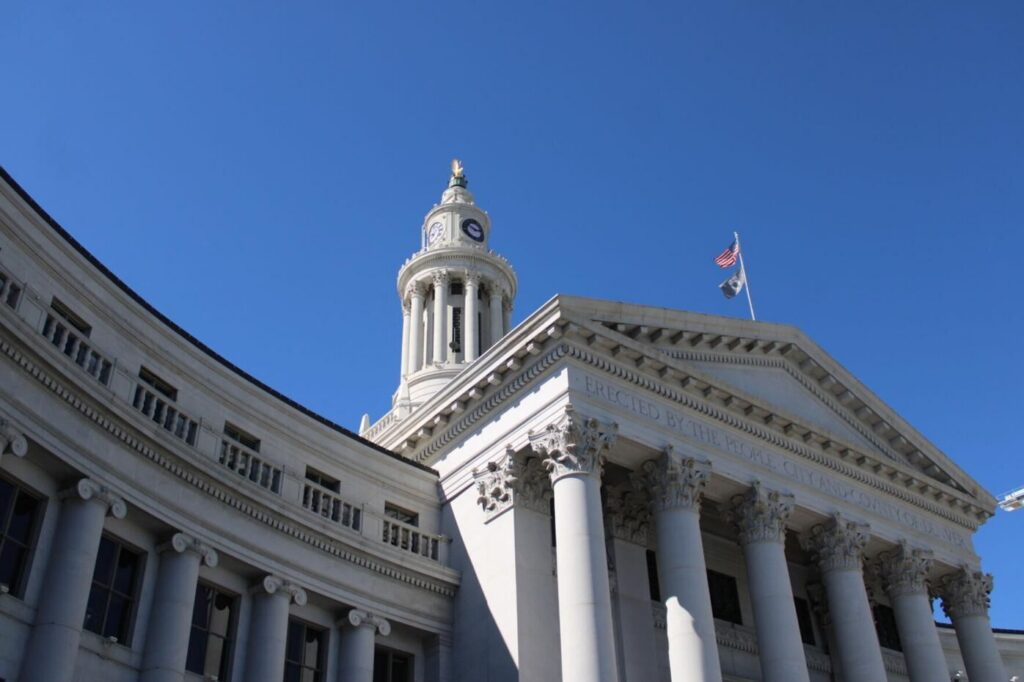
Topping the agenda for the Denver City Council’s Monday’s regular meeting is a proposal that, if adopted, would amend the Denver Revised Municipal Code to increase regulation of lobbyists. This will be the second reading for Council Bill 26-0686. High-profile...

WATCH: Bennet, Weiser face off in Colorado Politics, 9NEWS debate
9News
9news@coloradopolitics.com
Updated 3 weeks ago
The Denver Gazette and Colorado Politics are hosting the debate in partnership with the University of Denver and 9NEWS. DENVER — Candidates vying to be the next governor of Colorado will face off in debates hosted by The Denver Gazette,...

Polis declares statewide drought emergency
Luige DelPuerto
luige.delpuerto@gazette.com
Updated 3 weeks ago
Gov. Jared Polis on Thursday declared a statewide drought emergency, citing the record-low snowpack and prolonged warmer temperatures across Colorado. He also activated the next phase of the state’s drought response plan. Polis had placed Colorado under Phase 2 in...
Colorado governor vetoes union dues bill — again
Colorado Politics
colorado-politics@coloradopolitics.com
Updated 4 weeks ago
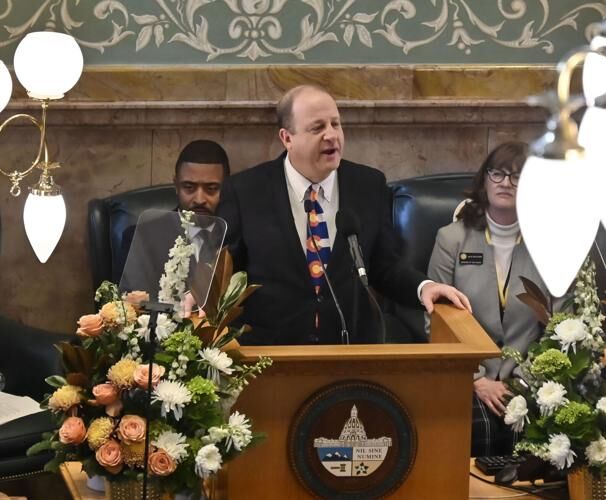
Gov. Jared Polis on Friday vetoed yet again legislation that would have made it easier for labor organizations to impose dues on non-union members, a decision long expected after the legislature approved the measure without securing the buy-in of businesses....
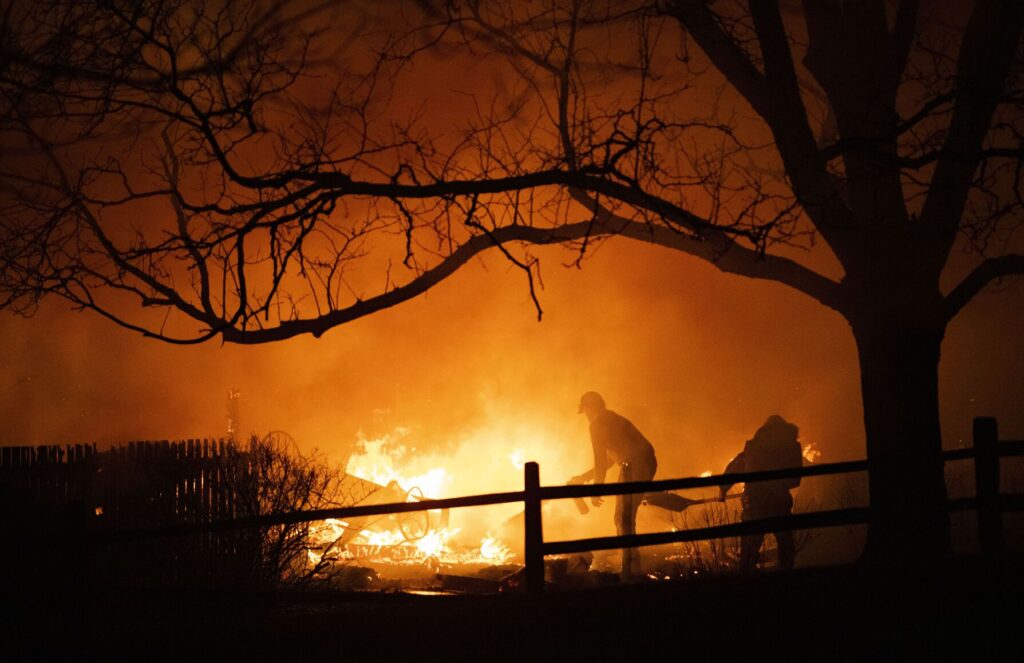
Tapped: As fire risk climbs, Colorado faces threat to drinking water
Thelma Grimes
thelma.grimes@coloradopolitics.com
Updated 4 weeks ago
Specialists surveying Colorado’s forests know this year will be challenging. Snow melted too quickly, strong winds dried out the trees, and the early signs of danger are already settling across the landscape. Wildfire season is no longer confined to a...
PREV
PREVIOUS

Mobolade, city leaders say election date lawsuit is attack on local voters
Mayor Yemi Mobolade and other city leaders will fight to keep Colorado Springs elections in April in the face of a new lawsuit. Mobolade, the mayor’s Chief of Staff Wayne Williams and City Councilmember Roland Rainey addressed the lawsuit in a news conference Thursday morning. The lawsuit filed on Wednesday argued that holding municipal elections […]
Colorado to participate in Great American State Fair in Washington
Visitors to Washington, D.C., for the country’s 250th anniversary will have the opportunity to learn about Colorado’s natural beauty and culture during the Great American State Fair, a World’s Fair-style event that opened Thursday at the National Mall. While all 56 U.S. states and territories will be represented in the fair, at least seven states […]