

Polis declares statewide drought emergency
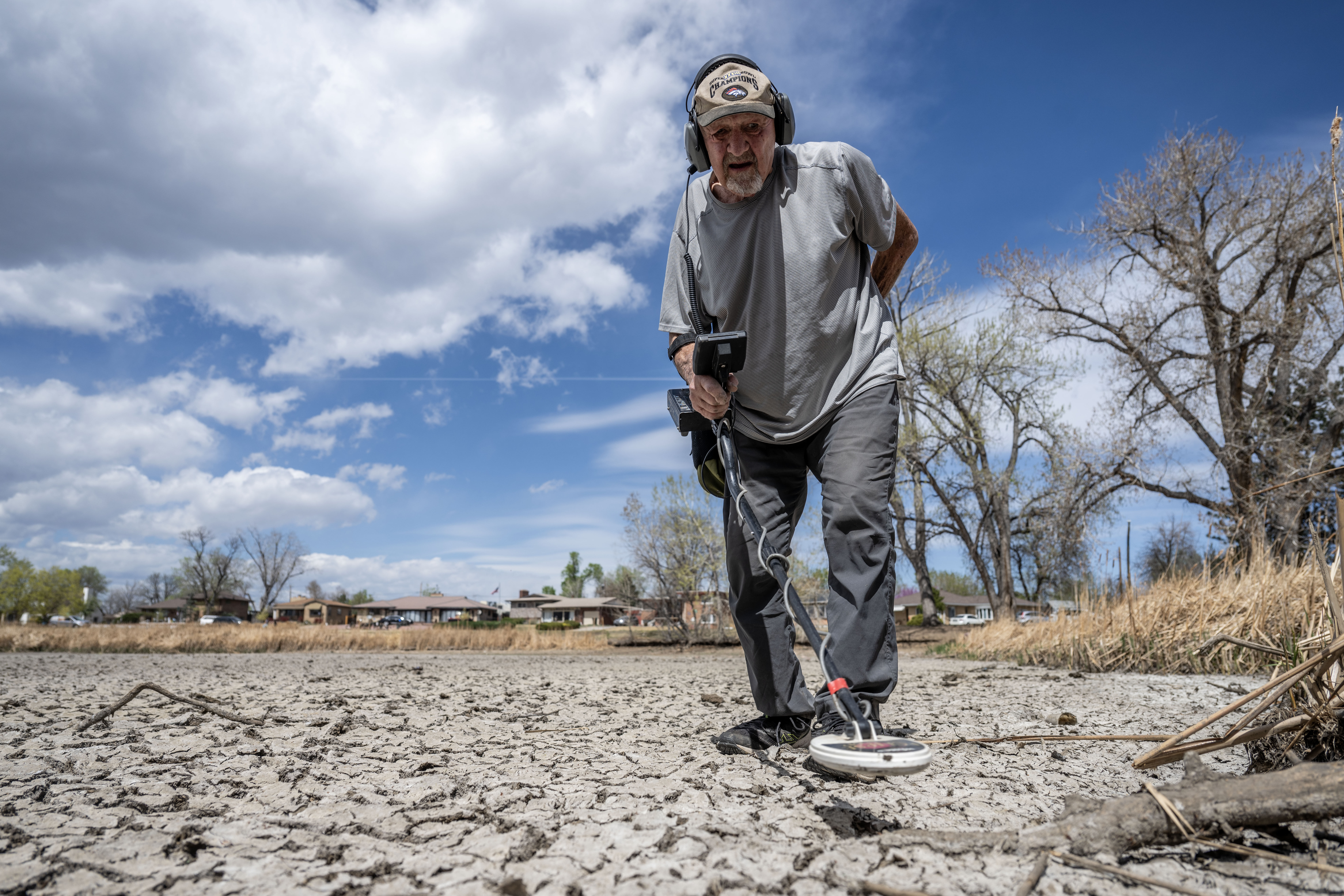
Gov. Jared Polis on Thursday declared a statewide drought emergency, citing the record-low snowpack and prolonged warmer temperatures across Colorado.
He also activated the next phase of the state’s drought response plan. Polis had placed Colorado under Phase 2 in March.
“Today, I am issuing a statewide drought emergency to support Coloradans, our economy, farmers and ranchers, and outdoor enthusiasts in the face of one of the most severe droughts in Colorado’s recorded history. With every county in the state experiencing drought conditions, activating Phase 3 of our Drought Response Plan allows us to better coordinate agencies, prepare for worsening conditions, and support Colorado communities, agriculture, water users, and our environment,” he said in a statement. “State agencies will do their part to reduce water usage at state facilities and I encourage every Coloradan to use water wisely.”
Colorado is the second state to declare a drought emergency in the last few days. Late last month, record-breaking drought conditions also led Utah Gov. Spencer Cox to declare a state emergency.

In Colorado, snowpack had peaked at about 58% of normal — and weeks earlier than usual. An unusually warm March accelerated the melt, and parched soils will absorb much of that runoff before it ever reaches streams and reservoirs — leaving less water flowing downstream.
The system is so stressed that managers along the Front Range are moving water around just to keep reservoirs functioning. Earlier this month, Denver Water began draining the Antero Reservoir to save the roughly 5,000-acre feet of water that would be lost to evaporation.
In his announcement, Polis noted a report from the U.S. Drought Monitor, which said all 64 counties in Colorado are currently experiencing abnormally dry conditions, while nearly 93% of the state is in moderate to exceptional drought.
The state’s Drought Response Task Force voted to seek the statewide declaration at its June 1 meeting.
The state has had a drought response plan since 1980. Authorities first activated it in 1994. A few years ago, the governor activated the drought response task force with a Phase 2 declaration in 2020, which then went to Phase 3 in November 2020 that lasted through mid 2021.
A statewide drought emergency declaration has a 30-day life span, although it can be extended. At Phase 3, the governor can seek a presidential declaration for drought.
Under the response plan, Phase 2 is triggered when most of the state is in D2 — severe drought. Phase 3 occurs when the state enters into either widespread D3 or D4 — extreme or exceptional drought.
As of June 4, nearly 36% of the state is in D3-D4, which is occurring entirely in the north central counties of Colorado from Routt and Grand to northern Gunnison County and western Park County, according to the U.S. Drought Monitor.
The impacts at a Phase 3 drought could include major crop or pasture loss, and more restrictions on water use. It also anticipates water shortages at the state’s reservoirs.
Denver, Aurora, Boulder, Thornton and Arvada have all imposed watering restrictions. On the Western Slope, the Colorado River Water Conservation District has asked towns to reduce watering to one day a week.
The statewide drought emergency comes just as Colorado is starting to see a small glimmer of help following strong storms over much of Colorado during the past week. That’s the result of the West moving into an El Nino weather pattern, which generally has meant stronger storms in most of the state, except for the northern counties that are already experiencing the worst drought.
Brad Udall, the senior water and climate research scientist at Colorado State University’s Colorado Water Center, said people should not count on an El Niño year to get out of drought.
He pointed out that, of more than 120 years of data, only three times in that period has an El Niño year resulted in drought relief.
“It’s necessary and appropriate” for the Phase 3 declaration, he told Colorado Politics on Thursday.
“There’s almost no correlation between El Niño status and Colorado drought. It’s not a great optimistic outlook.”
James Eklund, a water rights attorney with Taft/Sherman & Howard, earlier said the drought is worse than in 2002, a benchmark dry year that reshaped water planning across the West.
“The reservoir storage is still incredibly anemic,” Eklund said.
Eklund has previously served on the Colorado Water Conservation Board and as Colorado’s commissioner on the Upper Colorado River Commission. He also helped write the state’s drought response plan.
The effects are evident in Lakes Powell and Mead, the two largest reservoirs in the United States. Years of drought and heavy use have left these reservoirs so depleted that a single average runoff year would not be enough to refill them, experts have said.

Colorado joins lawsuit challenging changes to Endangered Species Act
Marissa Ventrelli
marissa.ventrelli@coloradopolitics.com
Updated 1 hour ago
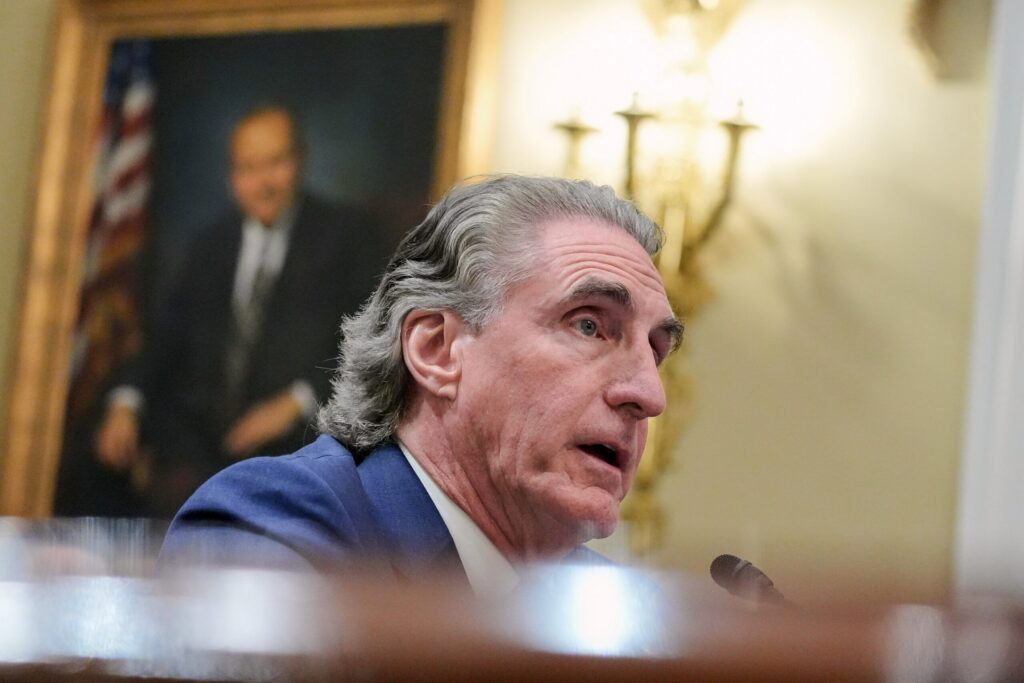
Colorado once more joined a coalition of states challenging the Trump administration — this time on proposed rules regarding the Endangered Species Act. The pair of lawsuits challenge new rules made under Interior Secretary Doug Burgum, who earlier said the...

Boebert challenger Eileen Laubacher says she’ll ‘break through the noise’ in Democrat’s 1st TV ad
Ernest Luning
ernest.luning@coloradopolitics.com
Updated 2 hours ago
Democratic congressional candidate Eileen Laubacher says she’ll take a different approach than her opponent in a campaign ad released by Wednesday that opens with a cacophonous series of videos featuring Republican U.S. Rep. Lauren Boebert. “Eileen’s had enough of the...
Colorado congressman asks DOJ to investigate violent student ICE walkout
Nico Brambila
nico.brambila@denvergazette.com
Updated 47 minutes ago
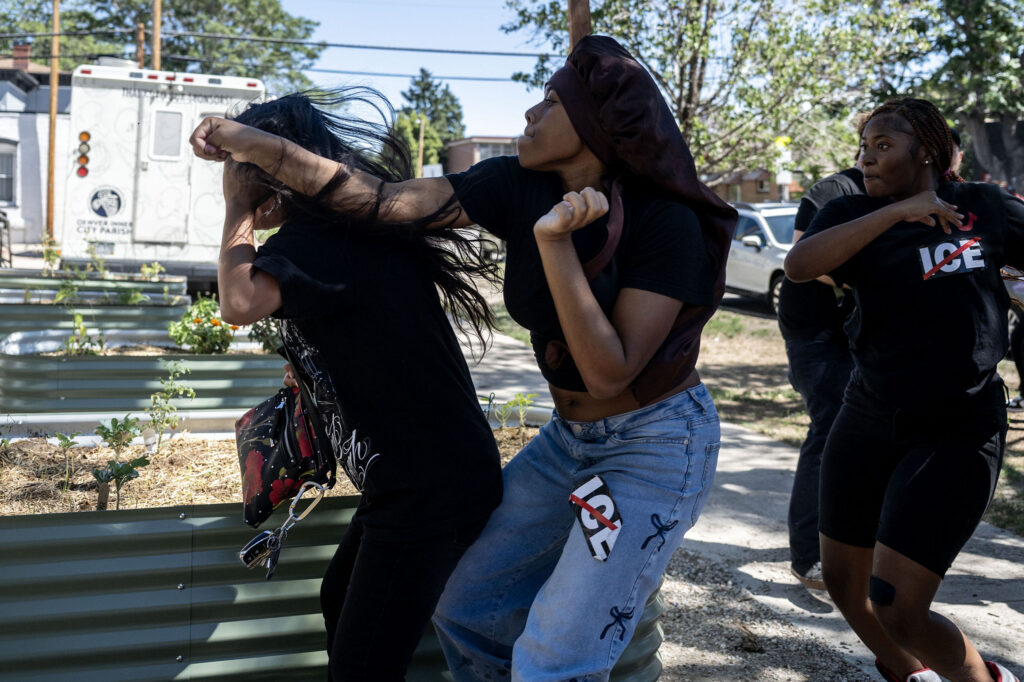
U.S. Rep. Jeff Crank is asking the Justice Department to investigate violence at last week’s anti-ICE student walkout in Denver, including whether outside organizations helped organize, fund, or influence the demonstration. Crank sent a letter Tuesday requesting the investigation to...
Two more wolves killed by Colorado wildlife staff
Marianne Goodland
marianne.goodland@coloradopolitics.com
Updated 1 day ago
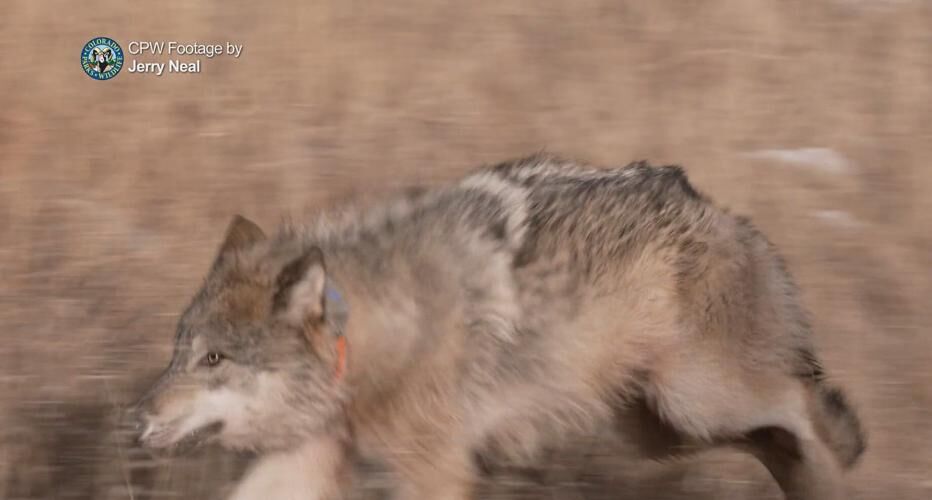
Two yearling wolves from the Copper Creek and Three Creeks packs in Pitkin and Rio Blanco counties, respectively, were killed by Colorado Parks and Wildlife staff on Monday. That brings to 19 the number of wolves that have died under...

Federal judge dismisses Douglas County’s challenge to collective bargaining law
Nicholas Fogleman
nicholas.fogleman@denvergazette.com
Updated 9 hours ago
A federal judge dismissed claims brought by the Douglas County Board of Commissioners alleging that a state law granting county employees the right to organize and join labor unions violates free speech protections and conflicts with federal labor law. Douglas...
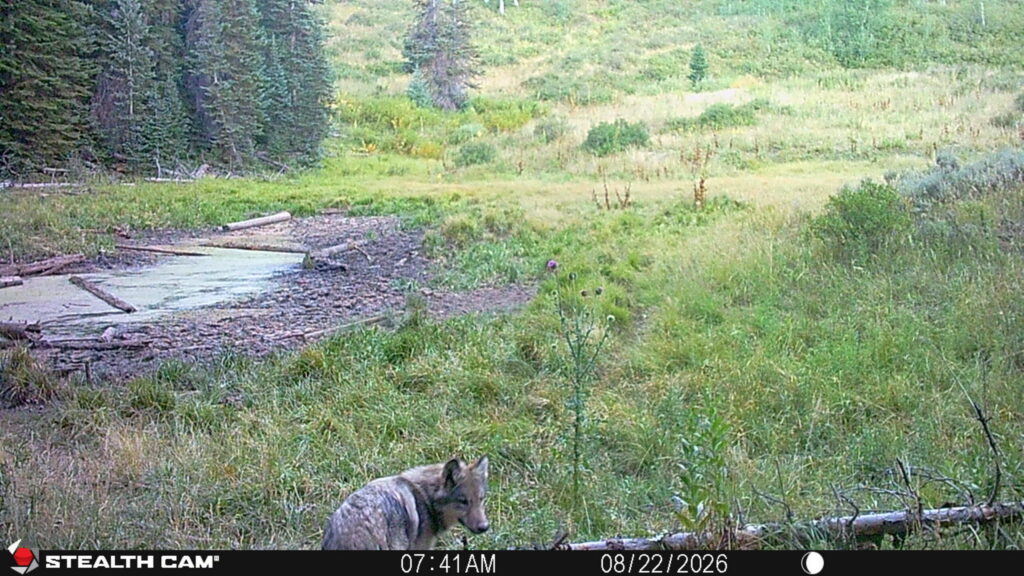
U.S. Rep. Lauren Boebert calls Trump’s 90-day wolf-delisting review ‘real progress’
Marianne Goodland
marianne.goodland@coloradopolitics.com
Updated 23 hours ago
President Donald Trump has directed Interior Secretary Doug Burgum to launch a 90-day review on whether gray wolves and Mexican wolves should be removed from Endangered Species Act protections. The order drew mixed reactions for Colorado’s wolf-reintroduction effort, with ranchers...
Jeffco Public Schools eliminated 350 jobs as part of budget cuts
Matt Kyle
matt.kyle@denvergazette.com
Updated 9 hours ago
Jeffco Public Schools eliminated 350 full-time positions as part of ongoing budget cuts between last school year and this school year. The district has operated in a budget deficit in the range of tens of millions of dollars over the...
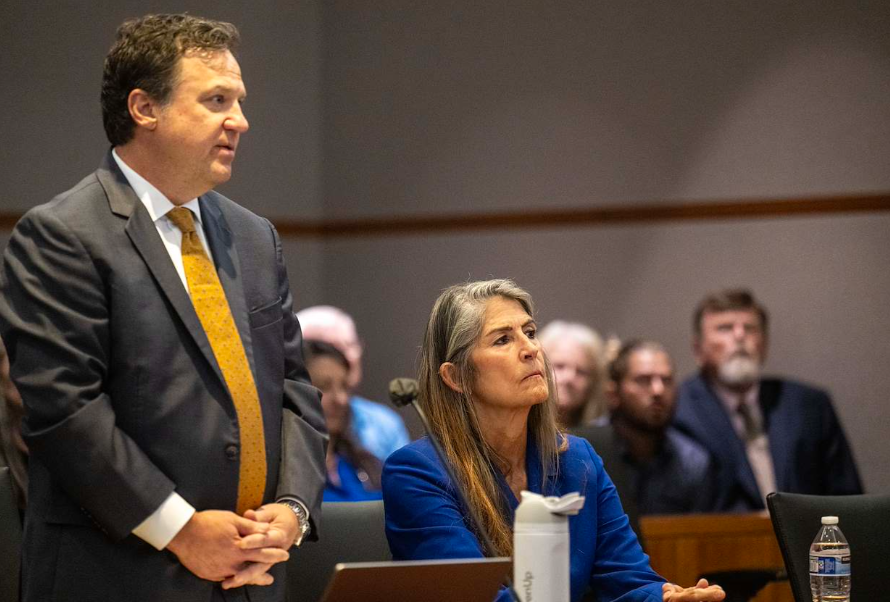
Disgraced ex-CBI analyst Missy Woods sentenced to prison in DNA scandal
Jenny Deam
jenny.deam@gazette.com
Updated 1 day ago
A Jefferson County district court judge on Tuesday sentenced a disgraced former Colorado Bureau of Investigation DNA analyst to a decade in prison for altering and deleting data in scores of criminal cases over several years. Jefferson County District Judge...
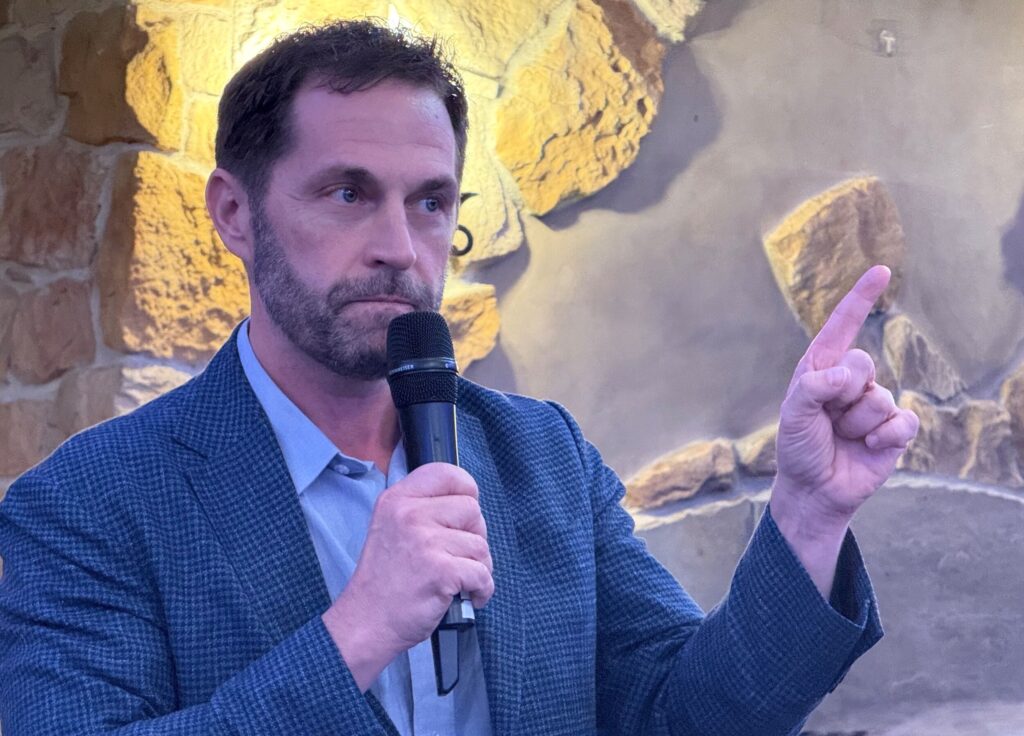
Jason Crow endorses Democrats up and down Colorado’s ballot, chips in $100K for campaign efforts
Ernest Luning
ernest.luning@coloradopolitics.com
Updated 1 day ago
Democratic U.S. Rep. Jason Crow on Tuesday formally endorsed more than 60 Democrats running up and down Colorado’s ballot and said he’s putting $100,000 into statewide and county campaigns and organizing programs to drive turnout in the fall election. Crow,...
With its water source dry, a southeast Colorado town’s clock is ticking
Savannah Eller
savannah-eller@coloradopolitics.com
Updated 1 day ago
The Cucharas is not a mighty river, but the people of La Veta knew they had a problem brewing when it ran dry at the beginning of June. “We’re getting by,” said La Veta Mayor Doug Brgoch. “It’s not great.”...
PREV
PREVIOUS

Behind Lake Powell's low water levels, a canyon is coming back to life
The Colorado River Basin is often described in terms of crisis — drought, warmer climate and failed water-sharing talks. Yet beneath Lake Powell’s retreating shoreline, Glen Canyon is quietly experiencing one of the largest natural restorations in the river’s history. The focus on the Colorado River has centered on the historic drought, overallocation and the […]

Colorado will soon require age-bracket verification for online platforms
Colorado will soon require apps and online services to verify users’ approximate age under a new law Gov. Jared Polis signed Thursday, creating a statewide framework that sponsors said would shield minors from inappropriate content while limiting how companies can share age‑related data. Senate Bill 051 — sponsored by Sens. Matt Ball, D‑Denver, and Larry […]