

Federal judge narrows athlete’s claims against Olympic, Paralympic committee for sex abuse
A federal judge on Monday dismissed some of the claims lodged against the U.S. Olympic & Paralympic Committee by a swimmer who alleges the organization negligently failed to protect him from a fellow athlete’s sexual assaults.
Parker Egbert, who has an intellectual disability and autism spectrum disorder, competed in the Tokyo Paralympic Games in 2021. He alleged that while there, and during Egbert’s subsequent stay at the Olympic & Paralympic Training Center in Colorado Springs, teammate Robert Griswold subjected him to “violent abuse and rape.”
Egbert filed suit in federal court, accusing Griswold of assault, battery and infliction of emotional distress. Against the committee, Egbert advanced claims of negligence, fraud, premises liability and conspiracy.
In a Sept. 16 order, U.S. District Court Judge S. Kato Crews addressed the committee’s motion to dismiss several of the claims against it. The committee argued Egbert’s allegations under the Colorado Premises Liability Act nullfied all other claims for injuries he sustained at the training center, which the committee operated.
The committee also argued there were insufficient allegations of a conspiracy and that it had no “duty to warn” Egbert of any past allegations against Griswold made to the U.S. Center for SafeSport, an investigative body.
“There is no rule, law, or regulation imposing on USOPC a duty to disclose investigative materials to persons not involved in an investigation,” wrote the committee’s lawyers. “Requiring USOPC to disclose such information would open a Pandora’s box of possible problems, including USOPC exposing itself to possible defamation claims, USOPC interfering in SafeSport’s investigative and adjudicatory functions, and the trampling of privacy rights.”
Crews agreed with the committee in part. He found Colorado law foreclosed Egbert from pursuing several theories of negligence related to the training center, but the lawsuit could continue on grounds that the committee allegedly failed to adequately supervise, adequately train its personnel and adequately protect Egbert.
Otherwise, Crews found the committee did not have a duty to warn Egbert about “mere allegations or unconfirmed reports accusing Griswold of criminal behavior.” He also concluded there was no plausible “meeting of the minds” between the committee and SafeSport to cover up prior abuse allegations.
Griswold has not moved to dismiss the claims against him. His lawyers have denied the allegations and asserted other parties, including Egbert, were to blame for any injury.
Griswold “looks forward to his day in Court when he can clear his name of these unfounded accusations,” attorney John Chanin told The Washington Post.
The New York Times reported last month that SafeSport has not yet concluded its own proceedings into Egbert’s abuse claims. The organization’s chief executive told Congress earlier this year that SafeSport was coordinating with the parties in Egbert’s lawsuit to gain access to materials.
Egbert, who is from South Carolina, alleged Griswold began “grooming” him in 2021 and eventually grew to control “all aspects of his life.” The committee represented to his parents that the training center would be a safe environment where Egbert would be protected and supervised.
But even with knowledge of a prior misconduct allegation against Griswold, the committee allowed him to “train, travel, and live with” Egbert, his attorney wrote.
The case is Egbert v. Griswold et al.

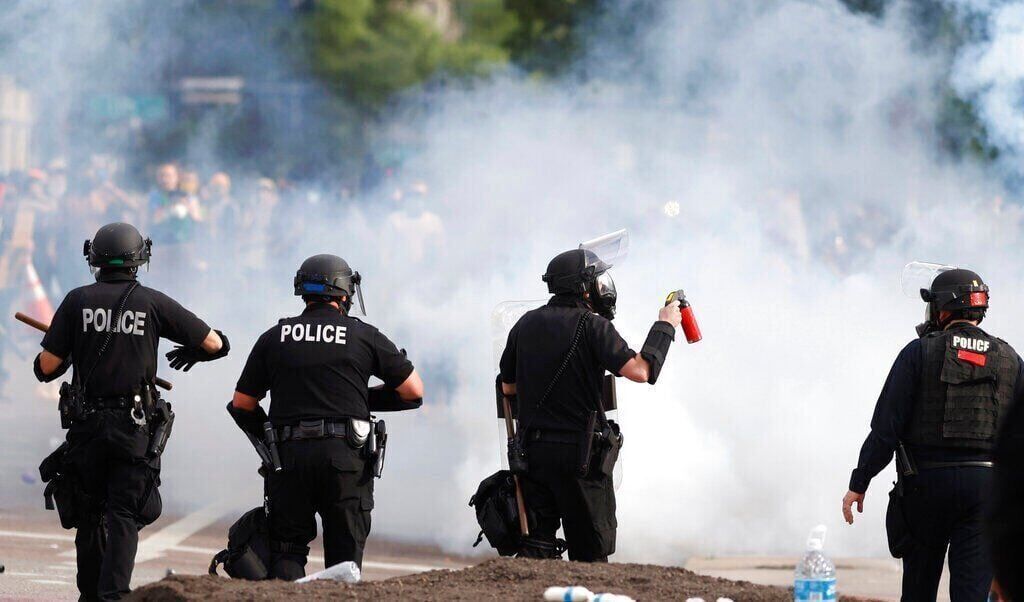
10th Circuit upholds verdict against Denver, officer for protest-related violations
Michael Karlik
michael.karlik@coloradopolitics.com
Updated 9 hours ago
The Colorado-based federal appeals court on Tuesday turned aside multiple challenges to a 2022 jury verdict that found Denver and one of its officers violated the constitutional rights of protesters and were liable for $14 million. In the first of...
Divided 10th Circuit takes no issue with surprise police encounter with suspect
Michael Karlik
michael.karlik@coloradopolitics.com
Updated 6 hours ago
Police officers who unexpectedly encountered a Durango-area man while they were preparing to search his nearby home did not commit a constitutional violation by seizing his phone during the ensuing traffic stop, the Denver-based federal appeals court ruled last week....
10th Circuit rules State Farm not required to pay benefits in I‑25 swerving crash
Michael Karlik
michael.karlik@coloradopolitics.com
Updated 14 hours ago
The Denver-based federal appeals court concluded last week that two vehicle occupants who were injured while swerving to avoid a man in the middle of Interstate 25 are not entitled to insurance benefits. Plaintiffs Stephanie Mazur and Julia Wunder were...
U.S. Supreme Court will hear challenge from Colorado Catholic preschools on state funding exclusion
Lindsay Whitehurst
lindsay.whitehurst@associatedpress.com
Updated 1 day ago
WASHINGTON (AP) — The Supreme Court will hear from Catholic preschools that say Colorado violated their religious rights by excluding them from a state-funded “universal” pre-kindergarten program over their admission policies. The court agreed on Monday to take up the...
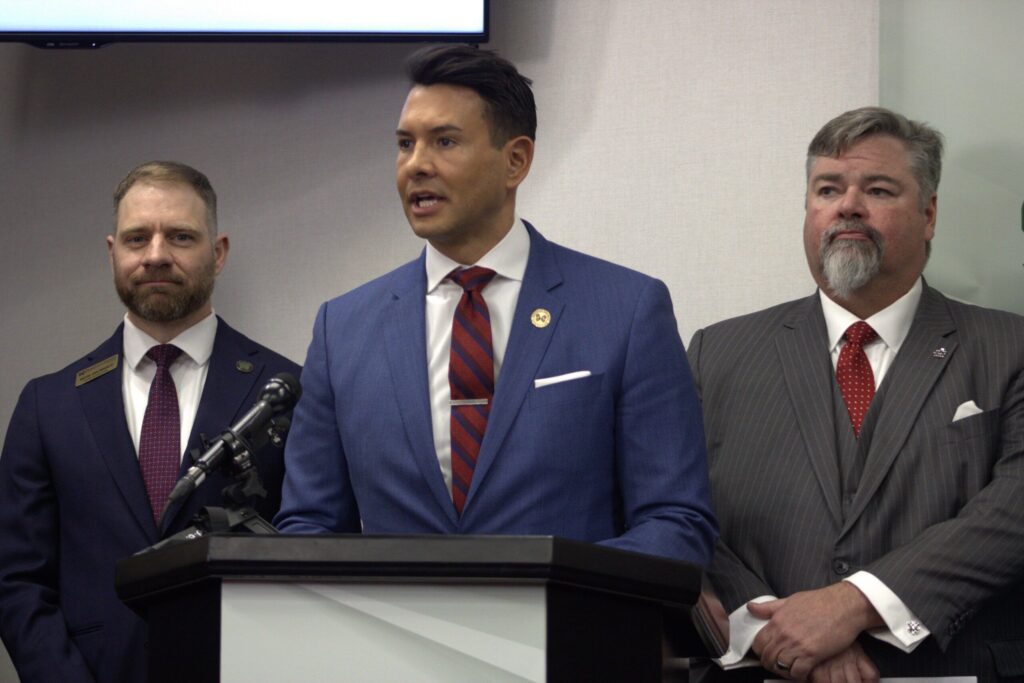
DougCo commissioners challenging open meetings violation
Nicholas Fogleman
nicholas.fogleman@denvergazette.com
Updated 1 day ago
The Douglas County Board of Commissioners is challenging a recent court decision that found the board violated Colorado Open Meetings Law. County commissioners filed a petition Thursday seeking a rehearing from the Colorado Court of Appeals. On April 2, the...
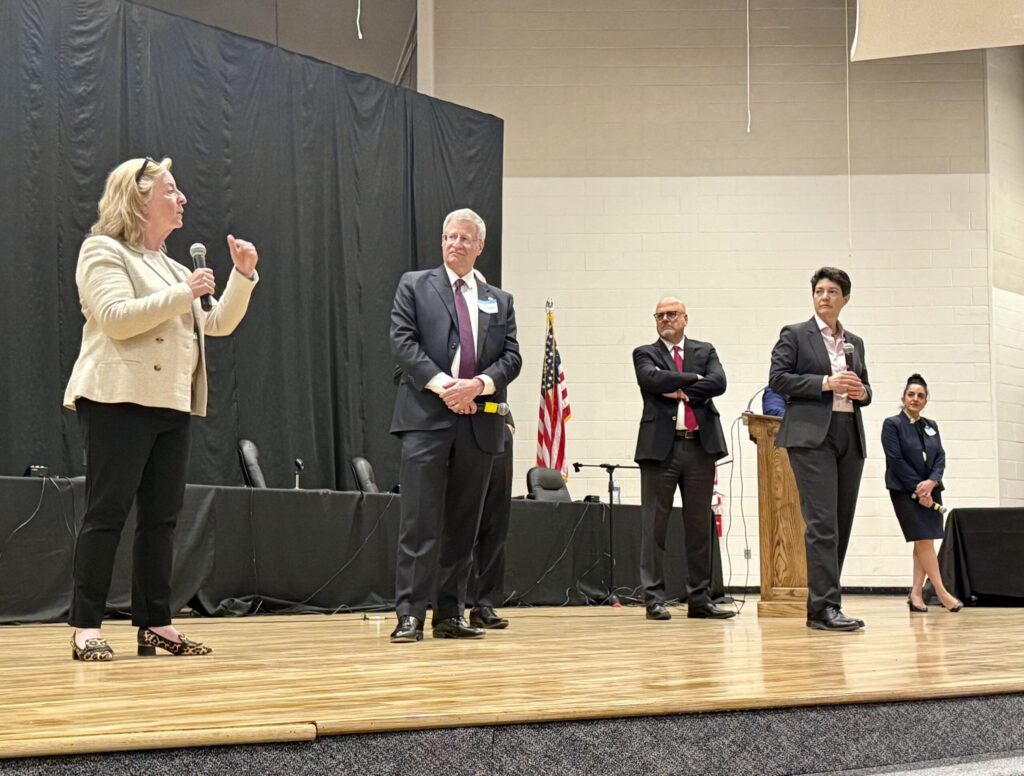
Colorado justices, lawyers speak with rural students through outreach program
Michael Karlik
michael.karlik@coloradopolitics.com
Updated 4 days ago
Members of the Colorado Supreme Court appeared before students from eight rural schools on Thursday to hear a pair of cases, field questions, and mark the first time the state’s newest justice participated in the long-running program. “I had such...
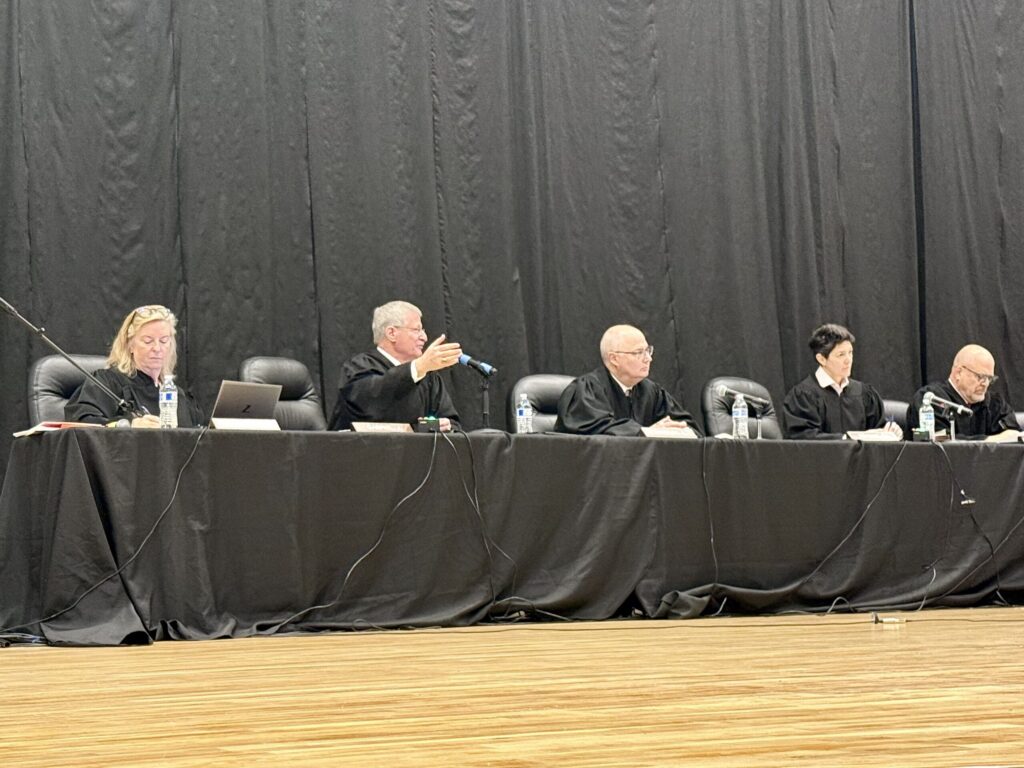
Colorado justices skeptical of snowboarder’s bid to revive injury lawsuit after signing new waiver
Michael Karlik
michael.karlik@coloradopolitics.com
Updated 4 days ago
The Colorado Supreme Court seemed to agree on Thursday that a plaintiff is not entitled to continue his snowboarding injury lawsuit because he purchased another pass in the middle of litigation that released all past legal claims. “It says you’re...
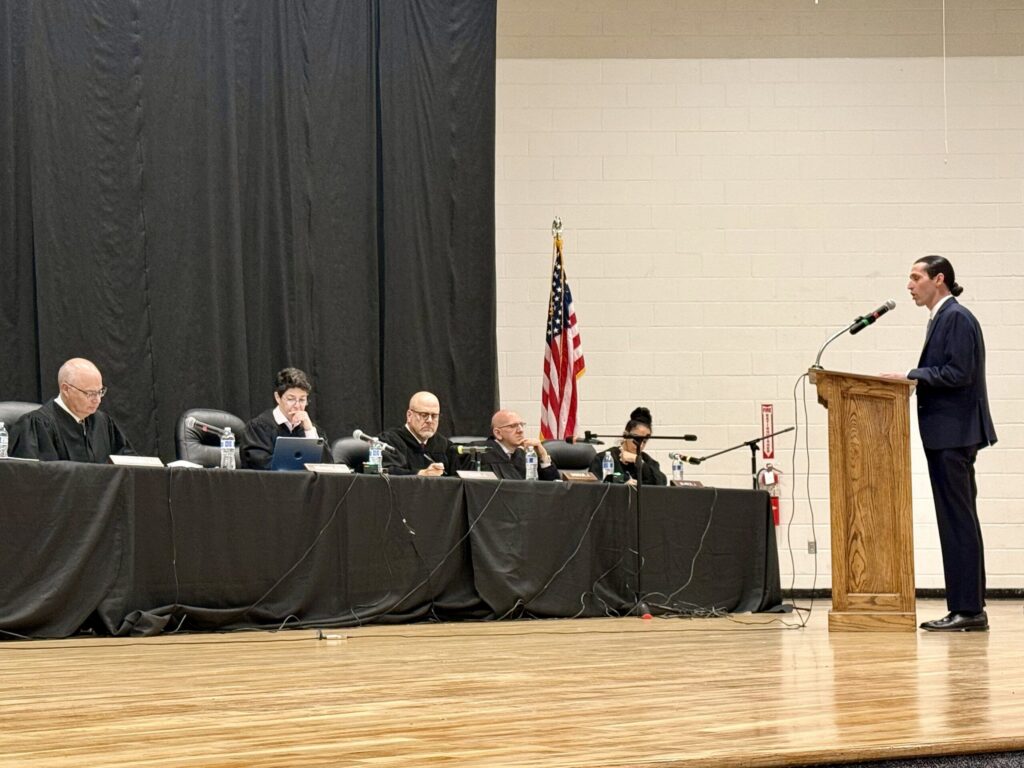
Colorado Supreme Court appears OK with revised ‘reasonable doubt’ instruction
Michael Karlik
michael.karlik@coloradopolitics.com
Updated 3 days ago
The Colorado Supreme Court appeared largely comfortable on Thursday with the recently revised definition of “reasonable doubt” that is now part of the template jury instructions for criminal cases. To date, multiple Court of Appeals decisions have endorsed the constitutionality...
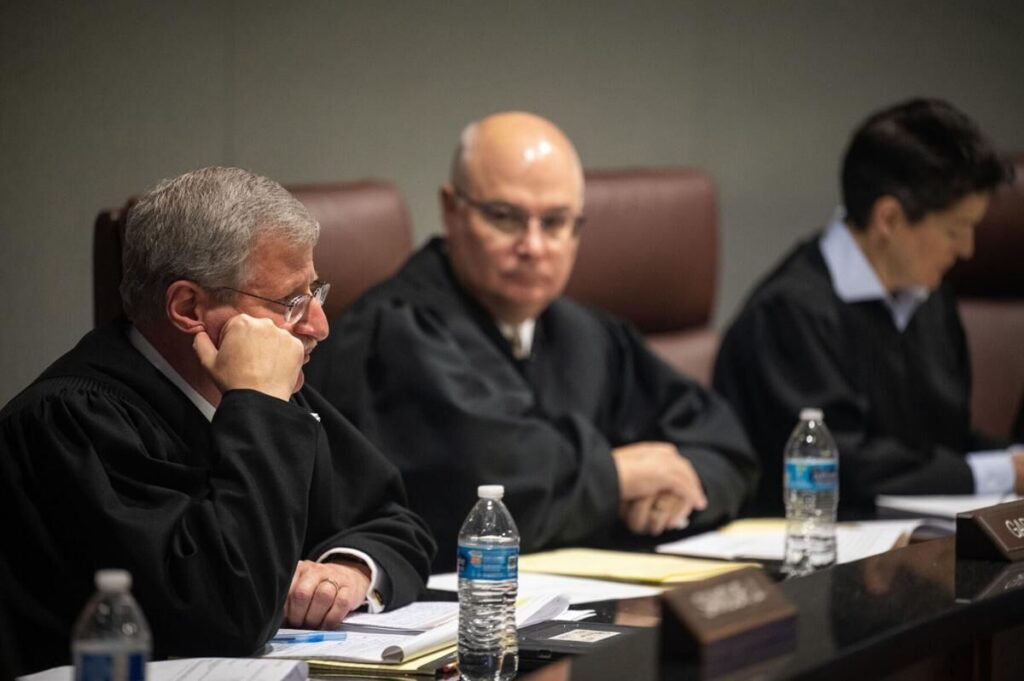
Colorado Supreme Court concerned about police overreach in interrogations
Michael Karlik
michael.karlik@coloradopolitics.com
Updated 5 days ago
Some members of the Colorado Supreme Court appeared hesitant on Tuesday to endorse the ability of police to interrogate a suspect after they have obtained a court order authorizing only the collection of physical evidence. Under Colorado’s criminal rules, law...
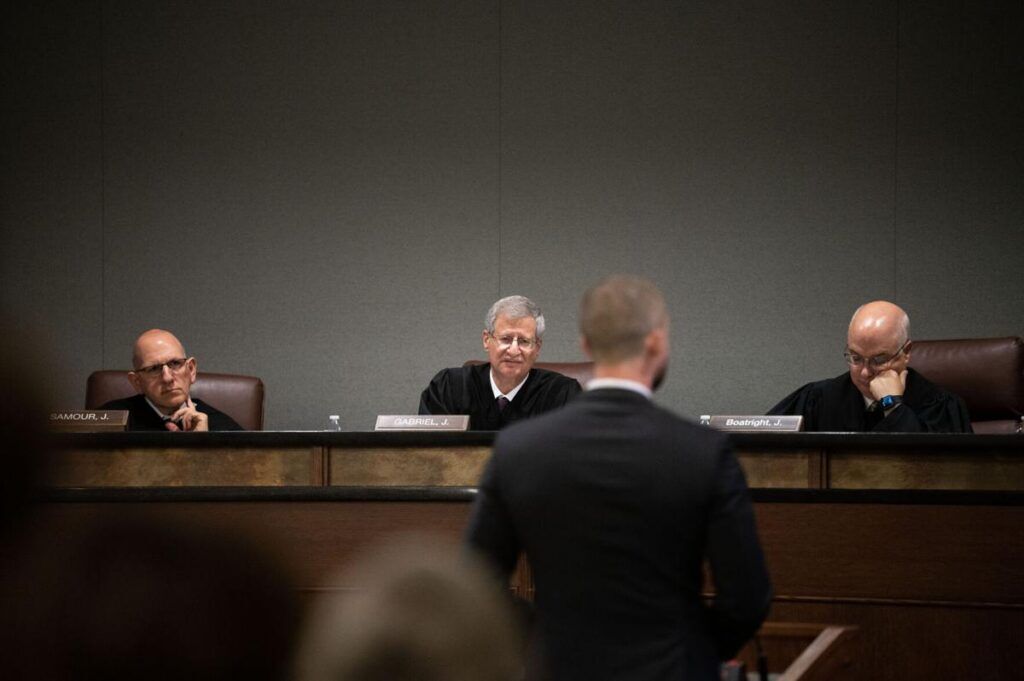
Colorado Supreme Court considers new requirement for leaving-the-scene convictions
Michael Karlik
michael.karlik@coloradopolitics.com
Updated 1 day ago
In 2006, the Colorado Supreme Court ruled that leaving the scene of an accident resulting in serious injury is a “strict liability” offense, meaning a person is guilty solely through their conduct, without the need for prosecutors to prove the...