

Colorado justices skeptical of snowboarder’s bid to revive injury lawsuit after signing new waiver
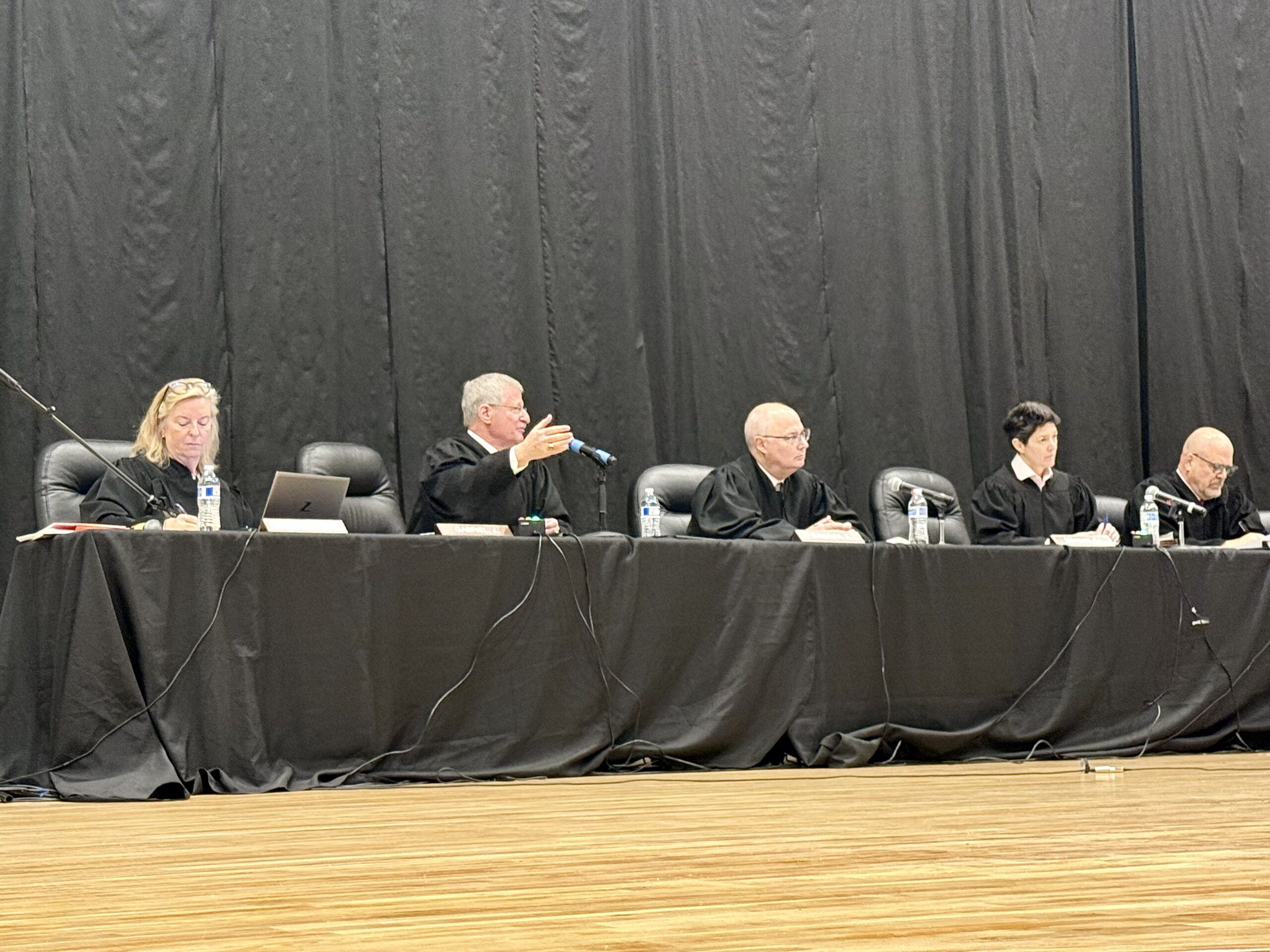
The Colorado Supreme Court seemed to agree on Thursday that a plaintiff is not entitled to continue his snowboarding injury lawsuit because he purchased another pass in the middle of litigation that released all past legal claims.
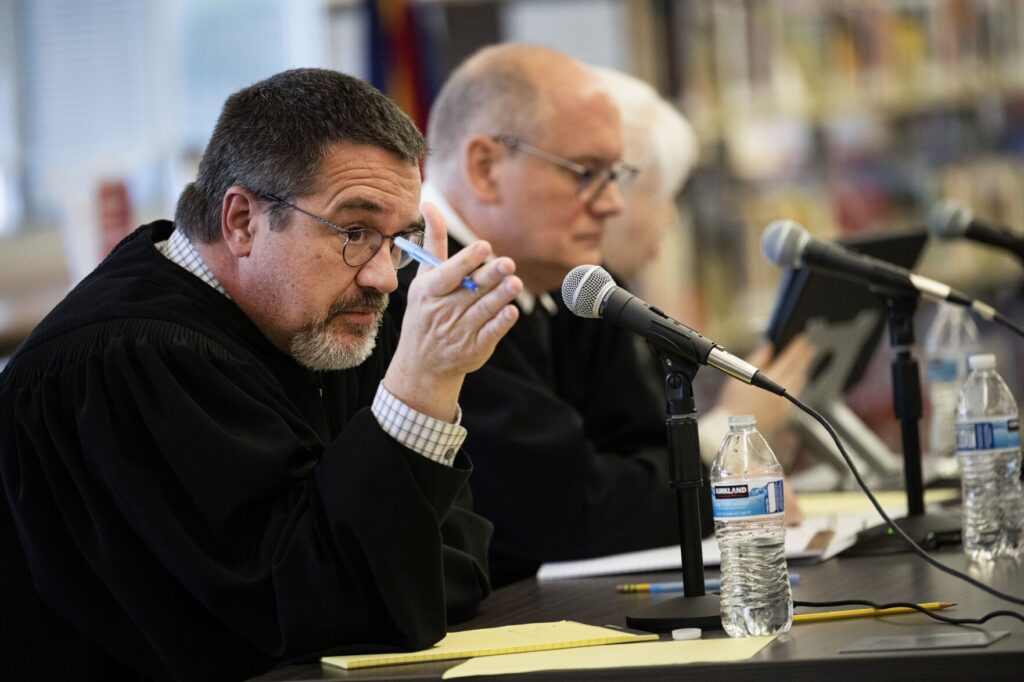
“It says you’re releasing anything which has happened up to now. It seems pretty plain language what it is that you’re releasing. How would that be confusing for your client?” asked Justice Susan Blanco during oral arguments.
Attorney Trenton J. Ongert, representing plaintiff John Litterer, argued ski resorts cannot absolve themselves of legal claims based on obligations imposed by state law. A snowmobile operator who acted in alleged violation of the law and injured Litterer cannot be shielded by the terms and conditions of a ski pass, contended Ongert.
“It’s up to this court. The legislature’s not gonna act here. The legislature has ignored every recent attempt to improve skier safety and ski area accountability,” he said.
However, that argument raised the eyebrows of multiple justices.
“We’re not a policymaking branch of government. Why do we dip our toes into that then?” asked Justice Brian D. Boatright.
“That seems like you’re asking us to do the legislature’s work for it,” added Chief Justice Monica M. Márquez.
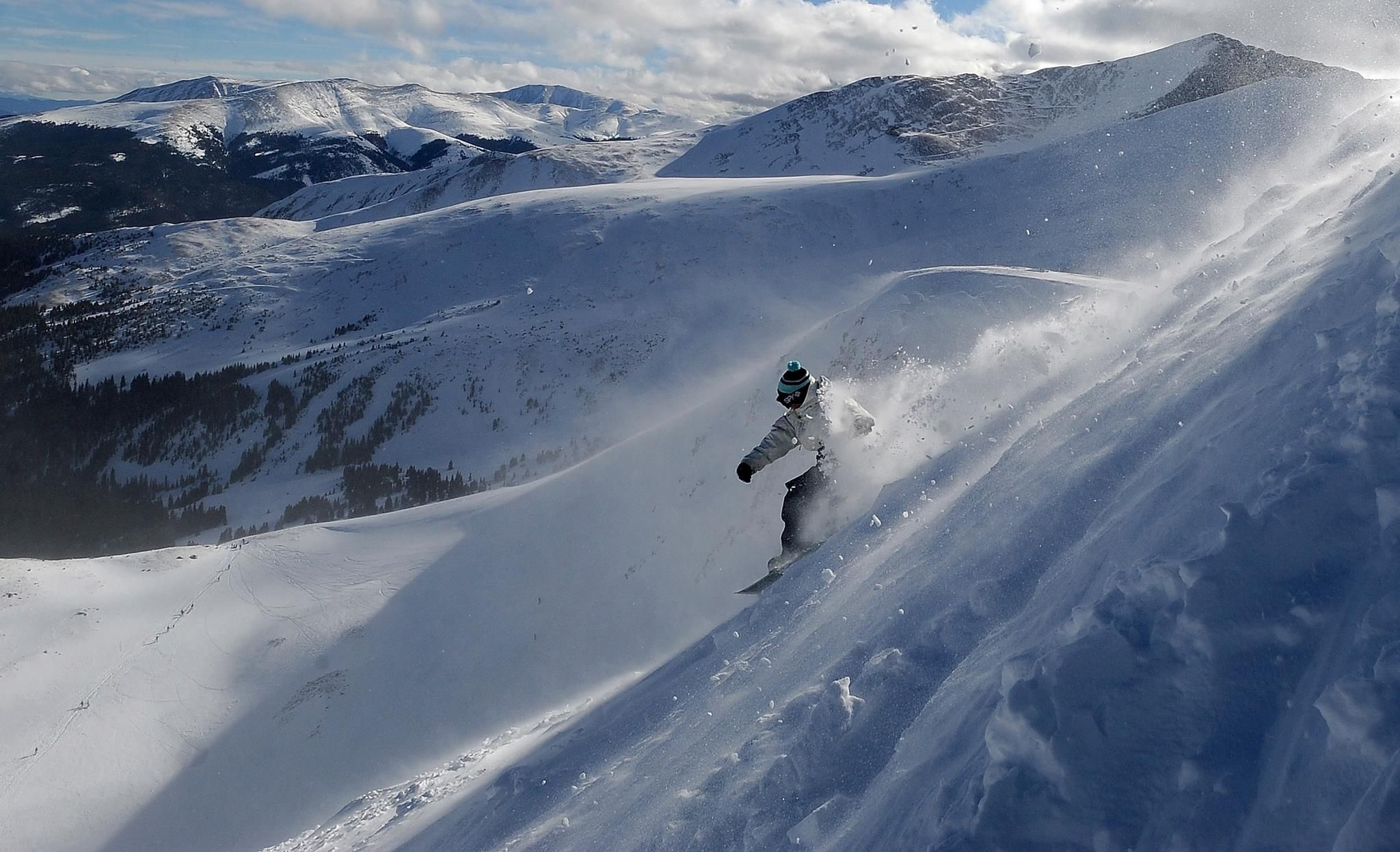
Litterer, of Texas, was snowboarding at Breckenridge Ski Resort in December 2020 when he collided with an employee operating a snowmobile. In 2022, Litterer filed suit against the employee and Vail Summit Resorts, raising negligence and other claims.
Summit County District Court Judge Reed W. Owens resolved the case in the defendants’ favor without a trial. He noted that when Litterer bought his Epic Pass in 2020, there was a waiver of liability requiring the customer to assume all risks related to snowboarding. Those specifically included “collisions with … snowmobiles.”
Also, after Litterer filed his negligence lawsuit, he bought another Epic Pass in 2022, in which he agreed to “RELEASE AND GIVE UP ANY AND ALL CLAIMS AND RIGHTS THAT I MAY NOW HAVE” resulting from “ANYTHING WHICH HAS HAPPENED UP TO NOW.”
Owens noted that few prior court cases addressed Litterer’s situation, where he seemingly waived his existing claims after the accident by buying a new pass. But Owens concluded Litterer’s purchase of the 2022 Epic Pass did, in fact, surrender his right to sue.
Last year, a three-judge Court of Appeals panel agreed that, regardless of Litterer’s understanding of the release, his 2022 Epic Pass barred the claims related to his 2020 injuries.
“Absent an assertion of fraud, a party who signs a contract is presumed to know its contents and is bound by all the conditions within the contract, even if the party did not read the contract,” wrote Judge Pax L. Moultrie.
She added that the appellate panel did not need to address Litterer’s reliance on a 2024 Supreme Court decision finding a ski operator’s “statutory and regulatory duties” meant an injured skier could not waive certain claims.
Members of the Supreme Court struggled to understand where Litterer wanted them to draw the line after his lawyer contended that claims based on a ski resort operator’s state-law obligations can “never be released or waived.”
“Under that theory, no party can settle a claim,” said Justice Richard L. Gabriel.
“Even if we agree with you from a public policy standpoint that skiers need greater protection in this area,” said Márquez, “I’m struggling to hear you articulate a rule that would be limited to just the ski industry. The language you’re proposing would govern every release in every other kind of context.”
The court also questioned the defendants’ attorney about the broad sweep of the release that Litterer signed. Justice Carlos A. Samour Jr. noted that the waiver began with a discussion about the risks of skiing.
“If you buy an Epic Pass, the average person will say, ‘I’m aware it’s dangerous, so there’s no incentive to keep reading,'” he said. “You’re not expecting that, in here, there’s a waiver of a claim that exists from the past that you have against the resort.”
“There’s something that seems fundamentally unfair,” said Justice William W. Hood III. “I think most folks would say that feels like Vail pulling a fast one.”
“Someone who has an existing injury, I think, would read this and would read it with a lot of interest to see whether he or she is giving up a claim to an existing injury,” responded attorney Michael J. Hofmann.
He added that if Litterer wanted to patronize a ski resort and continue his lawsuit, he could have bought a ski pass through another company.
“The last people who need the court’s help are people who have an injury, know what it is, have brought a lawsuit, have lawyers, know about the existence of a release, and have the freedom to decide to choose it or not,” Hofmann said.
Boatright said he understood that line of reasoning, but “I’m just saying, is there any point at which it becomes too much? It releases too much?”
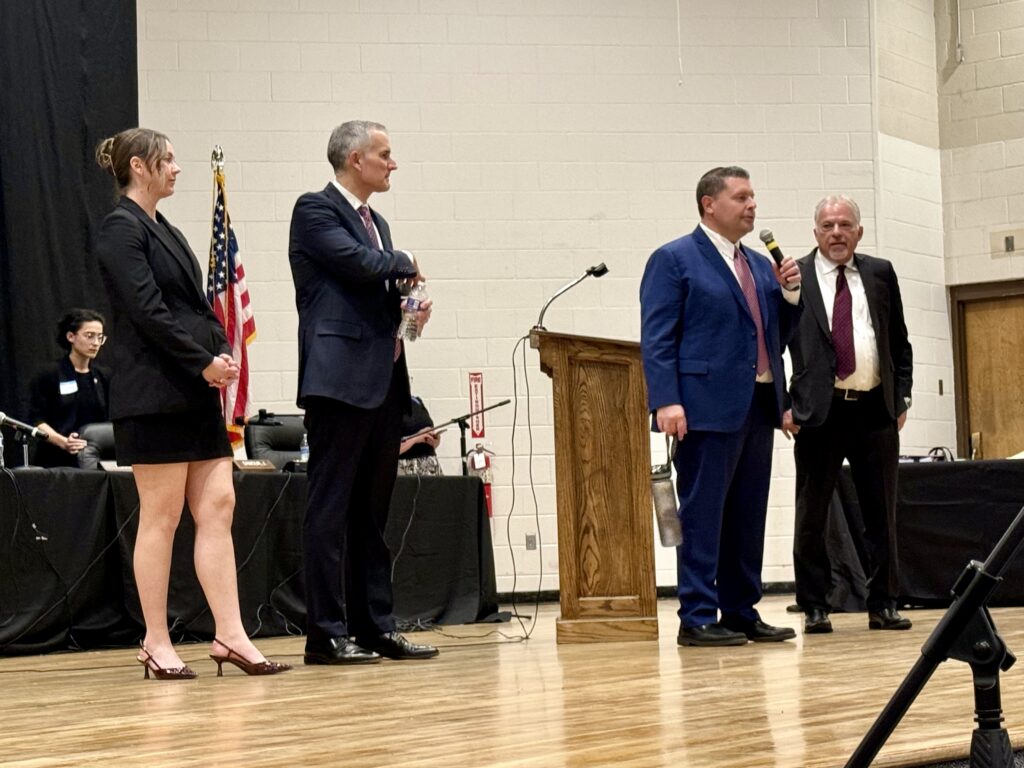
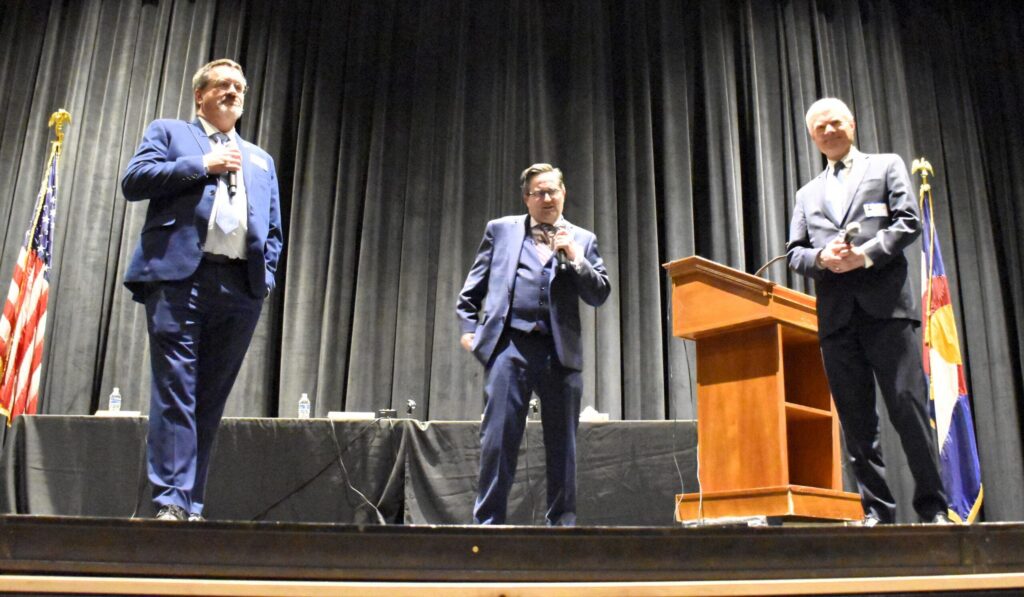
The oral arguments occurred at Holyoke Junior/Senior High School in Phillips County as part of the Supreme Court’s “Courts in the Community” program.
The case is Litterer v. Vail Summit Resorts, Inc. et al.


Parenting from prison: Inmates hope to be present in their children’s lives, while physically absent
Marianne Goodland
marianne.goodland@coloradopolitics.com
Updated 4 hours ago
The room was decorated with balloons, the tables sparking bright with colors as the smell of pizza and cake wafted through the air. As did music. This was, after all, a father-daughter dance. Except this was not a typical father-daughter...
Appeals court confirms Colorado judges can compel electronic records from out of state
Michael Karlik
michael.karlik@coloradopolitics.com
Updated 1 day ago
Colorado’s second-highest court clarified on Thursday that judges are empowered to compel out-of-state companies to produce electronic records under state law. El Paso County jurors convicted Mischa Jargowsky on three counts of money laundering and one violation of Colorado’s organized...
10th Circuit upholds finding of no racial discrimination against family at Denver Chili’s
Michael Karlik
michael.karlik@coloradopolitics.com
Updated 3 days ago
The Denver-based federal appeals court agreed on Wednesday that a Black plaintiff failed to show that a Chili’s manager’s request for her family to provide valid payment at the outset of their meal amounted to racial discrimination. Markesha Futrell-Smith filed...
Appeals court reinstates Mesa County defendant’s request for DNA testing under new Colorado law
Michael Karlik
michael.karlik@coloradopolitics.com
Updated 4 days ago
Colorado’s second-highest court revived a Mesa County defendant’s petition for DNA testing in his three-decade-old attempted murder case on Thursday, concluding that a trial judge wrongly interpreted a recent Colorado law in dismissing the request outright. Jurors convicted Billy Joe...
Appeals court reverses Denver juvenile’s conviction due to improper expert testimony
Michael Karlik
michael.karlik@coloradopolitics.com
Updated 2 days ago
Colorado’s second-highest court reversed a juvenile defendant’s conviction for unlawful sexual contact on Thursday after an expert witness’s testimony improperly suggested the child victim was telling the truth. The defendant, identified as S.H-S., was around 16 years old when he...

Judge orders home confinement for Barry Morphew
Dennis Huspeni
dennis.huspeni@gazette.com
Updated 4 days ago
An Alamosa County district judge has ordered home confinement for Barry Morphew, who is accused of murdering his wife. Barry Morphew, 59, faces a first-degree murder charge in the death of his wife, Suzanne Morphew, who disappeared Mother’s Day weekend...
Appeals court says jury does not need to view porn to determine if it’s ‘obscene’
Michael Karlik
michael.karlik@coloradopolitics.com
Updated 2 days ago
Colorado’s second-highest court ruled for the first time on Thursday that a jury does not always need to view pornographic material to determine if it meets the criteria for obscenity. Mesa County jurors found Shayla Ann Simpson guilty of child...
10th Circuit disagrees Sterling officer had no basis to arrest motorist who lacked insurance details
Michael Karlik
michael.karlik@coloradopolitics.com
Updated 5 days ago
The Denver-based federal appeals court disagreed on Tuesday with a trial judge’s decision to bar evidence from a pat-down search from being used against a defendant. Federal prosecutors obtained an indictment of Jorge Sigala-Baray for being a felon in possession of a...

Colorado Springs officers’ tasing, threats prompt federal judge to block use of suspect’s statements
Michael Karlik
michael.karlik@coloradopolitics.com
Updated 5 days ago
A federal judge blocked the government last month from using some of a defendant’s statements as evidence, reasoning that the defendant made them involuntarily as Colorado Springs officers tased him five times and one officer threatened to kill him. Officers...
Appeals court rejects CDOT employee’s discrimination, retaliation claims
Michael Karlik
michael.karlik@coloradopolitics.com
Updated 3 days ago
Colorado’s second-highest court agreed last week that a Colorado Department of Transportation employee had not shown that his employer discriminated and retaliated against him due to his religion and national origin. Ayman Salloum, who described himself as a 70-year-old Muslim...
PREV
PREVIOUS
Colorado Supreme Court appears OK with revised 'reasonable doubt' instruction
The Colorado Supreme Court appeared largely comfortable on Thursday with the recently revised definition of “reasonable doubt” that is now part of the template jury instructions for criminal cases. To date, multiple Court of Appeals decisions have endorsed the constitutionality of the new phrasing, which resembles the instruction given in Colorado’s federal trial court. U.S. […]

Governor's wildlife commission picks face pushback ahead of Colorado Senate hearing
Colorado’s largest coalition of hunters, anglers, and wildlife conservation groups is urging state lawmakers to reject two of Gov. Jared Polis’ latest nominees to the Colorado Parks and Wildlife Commission, setting up a contentious confirmation hearing before the Senate Agriculture and Natural Resources Committee next week. Gaspar Perricone, speaking for the Colorado Wildlife Conservation Project, […]