

How a CU Boulder law school program helped free a Denver man after 27 years in ‘shaken baby’ murder case

From the first time she looked at Stephen Martinez’s case, Boulder attorney Jeanne Segil knew she had a shot at getting him released from prison.
Martinez, 58, spent 27 years behind bars for a crime he now says never happened.
Four-month-old Heather Lynn Mares, the daughter of Martinez’s roommate, died Oct. 17, 1998 after she started choking while in Martinez’s care. Prosecutors said her injuries were consistent with “shaken baby syndrome,” a diagnosis aided by a confession Martinez made while being questioned by Denver police. His lawyers at the time didn’t try to contest that baby Heather died from being shaken, but rather posited that her death was an accident, not a deliberate killing.
Martinez was convicted of first-degree murder in January 2000, about 14 months after Heather took her last breath. He was sentenced to life in prison without the possibility of parole. He had already exhausted all of his appeals.
Martinez wrote to the University of Colorado Boulder’s Korey Wise Innocence Project, pleading for the group to take his case. His application, one of a few hundred KWIP receives every year, sat for almost a decade, forgotten to the point where even he didn’t remember what he wrote.
That’s until Segil picked it up in 2022. It was the first case she looked at after starting at the organization.
Heather Mares’ death
The following account of the baby’s death and Martinez’s arrest has been compiled from the arrest affidavit, court records, and media accounts at the time.
It was a Saturday around noon. Martinez called 911 after he found Heather choking. He was living with the baby’s mother, Kimberly Valverde, at the time, and was watching the baby while she ran a quick errand to the bank.
Gone for only 15 minutes, Valverde returned to see paramedics loading Heather into an ambulance. She died hours later.

Martinez quickly became a suspect. Valverde told Denver Police Department Det. Matthew Murray that Martinez was jealous of her children and got angry when Heather cried. Doctors who treated Heather told Murray that the child had suffered from a fractured skull and intracranial bleeding. The emergency room’s attending physician said the injury was most likely caused by Heather’s head being struck against a flat, hard surface.
The Denver Medical Examiner’s office agreed. Heather’s cause of death was ruled as complications from blunt force trauma to the head. Her death was ruled a homicide.
A warrant for Martinez’s arrest was issued the same day Heather died. In a room with Murray, he gave the detective his version of events. He said when Heather started crying, he gave her a bottle to quiet her down, but a few minutes later, she started choking. He tried to clear her throat, but she coughed up watery blood. Then he called 911.
Martinez also told Murray that a few weeks prior, he had tripped while holding the baby, which scraped her nose. In the weeks since, Heather had been crying more than usual and waking up in the middle of the night.
After talking with Martinez for nearly an hour, Murray started applying pressure. The detective told Martinez his story didn’t add up, pointing to the fractured skull, which Martinez said happened when he tripped while holding her. Murray also questioned Martinez about the sheet in Heather’s crib being missing, which was found in the washing machine, stained with blood.
Eventually, Martinez told Murray he had shaken Heather, and during that, her head hit the side of her crib. This confession, which Martinez would later say was false, was a major part of his conviction at trial in January 2000. Martinez received a life sentence, and while the Colorado Court of Appeals would reverse Martinez’s sentence in 2001, the Colorado Supreme Court reversed the appeals court ruling in 2003 and affirmed the conviction.
Korey Wise Innocence Project’s involvement
At CU Boulder’s Law School, the Korey Wise Innocence Project holds a small office on the second floor.
The project gets its name from Korey Wise, one of five teens falsely convicted of the 1989 rape of a jogger in Central Park. Wise spent 13 years incarcerated before he was released, and later, along with the other four convicted, sued the City of New York, resulting in a $41 million settlement. Wise then made a large donation to CU Boulder’s Innocence Project in 2015, which renamed itself to honor Wise’s contribution.
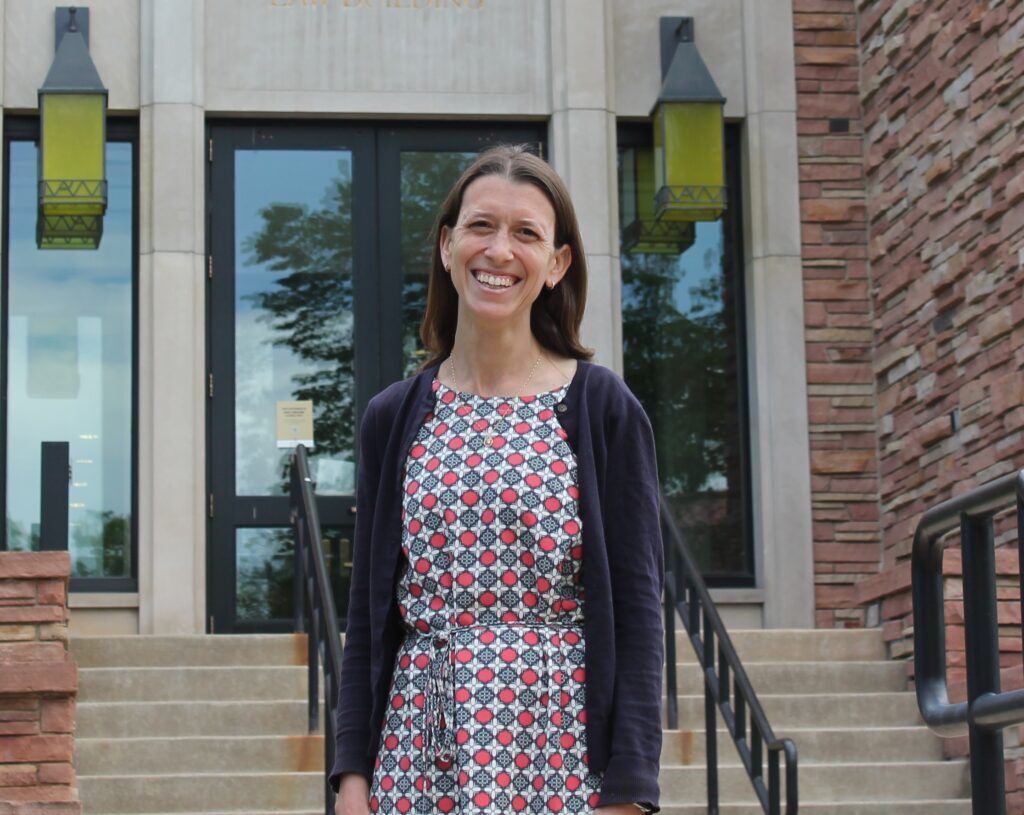
Segil joined KWIP in the fall of 2022. Originally from the Chicago area, when she first came to Colorado, it was to do work as a public defender. She had always found herself drawn to cases of wrongful convictions, first sparked by the case of Rubin “Hurricane” Carter, a boxer whose wrongful conviction for murder inspired a 1975 Bob Dylan song and a 1999 film starring Denzel Washington.
Martinez wrote to KWIP about a decade earlier, before it was known by the current acronym. The project in 2025 received more than 340 applications, so there is a pretty large backlog of applications waiting to be read.
His application was the very first one Segil looked at when she started combing through the backlog. While she doesn’t recall exactly what he wrote, she remembers he wrote about the false confession and submitted articles regarding shaken baby syndrome and how the scientific diagnosis around it had changed since his conviction.
Segil wrote back to Martinez and told him she would take his case. She met with him. Despite losing his leg and parents while in prison, Martinez had remained hopeful, she said.
“As soon as I met with him, I just believed him,” Segil said. “At that point, I said I had no idea if we could help him. We really didn’t know much about his case yet. I didn’t know what we’d find, what we’d be able to prove. And he said, ‘If just learning about this issue can help somebody else, even if it can’t help me, at least I’ll feel like what I went through in my life has some purpose’.”
The first step was to obtain Heather’s medical records, though the age of the case complicated things. Segil said the X-rays — as well as many CT scans from Heather’s hospital stay — were lost. Without them, some experts were unwilling to look at the case due to a lack of material.
However, Segil was able to retain a number of medical experts, including the coroner who performed Heather’s autopsy, to take a look at the records and present their findings. Collectively, the experts determined that pneumonia was a likely cause of death for Heather. That conclusion was reached by analyzing her medical records, which showed Heather had suffered from respiratory illnesses during her short life, which included stays in the Neonatal Intensive Care Unit at birth, an upper respiratory infection when she was two months old and an urgent care visit for a viral infection at three months old.
Lung tissue samples of Heather were also analyzed, which showed evidence of pneumonia, according to the medical expert reports.
Amy Martin, the coroner who performed Heather’s autopsy, wrote in an affidavit that she no longer believed shaking could have caused Heather’s injuries. She also said evidence regarding Martinez allegedly tripping while holding Heather, and also said Heather’s medical history, was not available to her at the time of the autopsy.
At the time of Martinez’s trial and conviction, “shaken baby syndrome” was a diagnosis used to explain brain injuries in babies or toddlers, attributing their injuries to having been shaken. However, in the years since his trial, the diagnosis has come under medical scrutiny and has even been labeled a pseudoscience. A number of people convicted of child injury and even murder in shaken baby cases have been exonerated in recent years due to the scientific challenges.
Another argument Segil relied on was ineffective assistance of counsel on the basis that Martinez’s attorneys did not attempt to introduce Heather’s medical records into evidence or posit an alternative theory as to how Heather died.
Segil said KWIP was unable to get much information from Martinez’s original attorneys. One has since died, and the other told Segil he had no recollection of the case, so she doesn’t know why the medical evidence was not introduced during the original trial.
According to the original trial transcripts, Martinez’s lawyers argued that Heather’s death was an accident. Forrest Lewis, one of Martinez’s attorneys, argued that when Heather was shaken, Martinez hit her head on the crib by accident, and that it was not an intentional murder.
“This is not first-degree murder,” Lewis said during the trial’s opening statements. “He accepts responsibility. It’s tragic. It’s awful. He is empty. We’re all empty. Heather’s crib is empty. Kim’s life is empty of her child. There is a huge emptiness here. That does not make a murder in the first degree.”
Ian Farrell, an assistant professor at the University of Denver College of Law, told The Denver Gazette that the constitutional right to counsel includes the right that the lawyer be effective during the trial. He said historically, proving one’s counsel was ineffective requires two things: proving that the lawyer did or did not do things that a reasonable attorney would have done, and that evidence available but not introduced into the case, such as Heather’s medical history, could have changed the outcome of the trial.
Commonly, Farrell said arguments for ineffective assistance of counsel have included attorneys not presenting all available evidence, making concessions they don’t have to make, or not investigating correctly and, thus, missing key evidence. All of these failures from a lawyer can mean someone’s right to a fair trial can be infringed upon, Farrell said.
Farrell also said the focus on shaken baby syndrome from the original prosecutors likely played a big role in convicting Martinez, despite the recent challenges to the diagnosis. He said scientific theories are often presented to juries as absolute fact, when in actuality, many of the theories have been challenged or since debunked.
“You’ve got an innocent little baby who has died, and you’re going to want to blame somebody,” Farrell said. “So, if you’re on the jury and an expert comes out and says, ‘Based on this forensic evidence, the only explanation for death is this,’ then you’ve got to believe it.”
“Like 90% of forensic evidence is junk science,” he said.
After years of research, Segil presented all the new evidence to the Denver District Attorney’s office. The office’s post-conviction review team took its own review and joined KWIP in asking for Martinez’s conviction to be vacated.
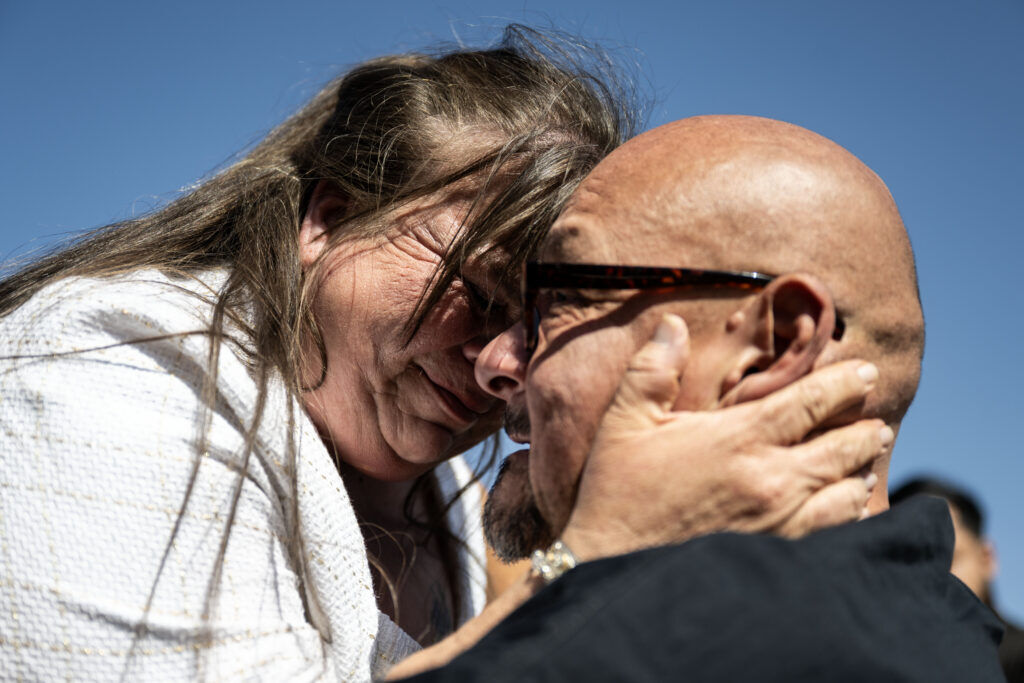
After a hearing on April 21, Martinez’s conviction was overturned and the charges against him were dismissed with prejudice — meaning they cannot be refiled.
Later that day, as the sun shone down on him, with Segil by his side, Martinez was wheeled out of prison and got to hug his wife.
“As a lawyer, it feels like a dream to be able to have somebody come home and walk out of the prison gates and reunite with their family. It’s kind of why we do the work. It’s why we get up every day,” Segil said. “There’s really no better feeling.”
The aftermath
Following his release from prison, Martinez united with his wife, whom he married while incarcerated, and has relocated away from the Denver area. In an interview with The Denver Gazette’s news partner 9NEWS following his release, Martinez insisted he is innocent, saying Murray, the detective, pressured him into a false confession during questioning.
While Segil considers the vacation of Martinez’s sentence an exoneration, Denver District Attorney John Walsh stopped short of saying Martinez was innocent during a news conference after the hearing. He said his office concluded it could not meet the burden of proving guilt beyond a reasonable doubt had the pneumonia evidence been introduced at Martinez’s original trial.
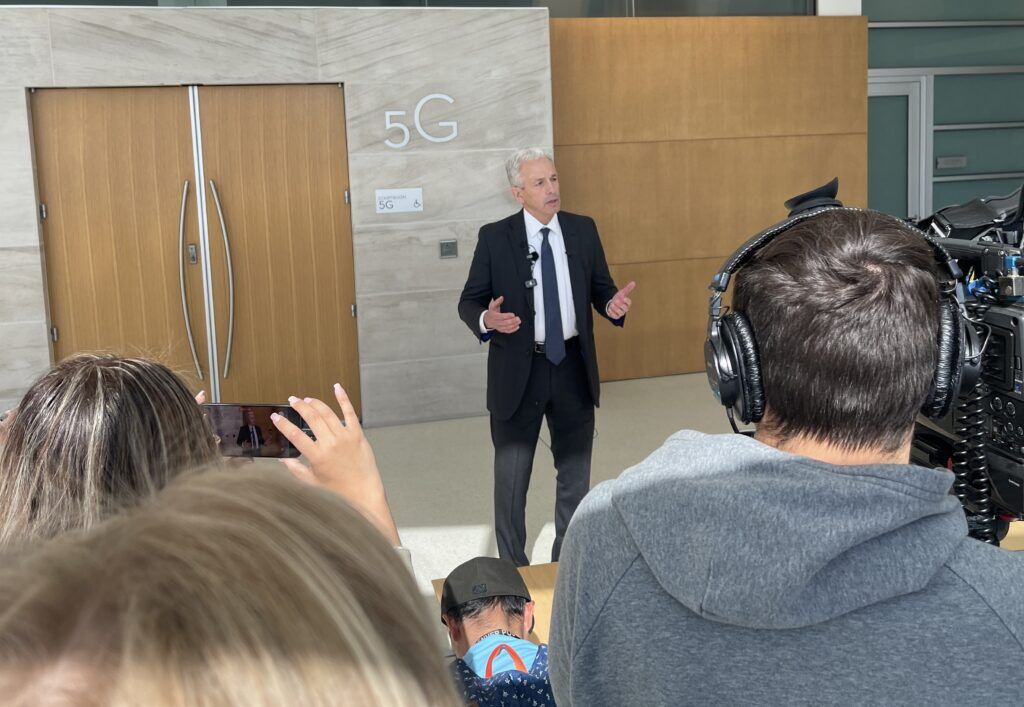
Heather’s family has expressed anger and frustration that Martinez was released.
Mares’ mother, now known as Kim Estrada, as well as Andre Mares, a cousin of the baby’s father, spoke at a hearing in April, when District Judge Andrew Luxen ultimately decided to vacate Martinez’s conviction.
Mares told Luxen that Heather’s death has destroyed her family, robbing them of her life’s milestones. Mares also questioned how Heather could have died from pneumonia, given her fractured skull. Estrada, through tears, called Martinez a monster and said releasing him could endanger other children. She begged Luxen to keep Martinez in prison.
“My life was stopped 27 years ago, along with my family’s,” she said. “Please, your honor, please. I beg you. Don’t let him out.”
In an interview with 9News, Estrada reaffirmed her belief that Martinez killed her daughter.
“I believe it 100%, 1,000%, a million percent,” she said. Estrada said the criminal justice system failed her and her daughter, giving Martinez a slap on the wrist for murder, and also disputed that Heather had been sick before she died.
In court, Segil said Heather’s death was a tragedy, but not a crime. When asked about the response from Heather’s family to the conviction being overturned, Segil reaffirmed that KWIP believed Heather’s death — and Martinez’s imprisonment — was a “horrible tragedy.”
“This was such a tragedy on every account, and our hearts go out to her and to her family,” Segil said. “That’s really all I have to say.”
After Luxen vacated the sentence, Heather’s family talked among themselves.
A victim advocate with the DA’s office attempted to comfort them, saying she knew what they were going through.
“Really? You know what it feels like to lose a child?” Heather’s father, Chris Mares. replied.
The Denver Gazette’s news partners 9NEWS contributed to this report.


Atop taxes, here’s how much each Colorado resident pays in fees
Marissa Ventrelli
marissa.ventrelli@coloradopolitics.com
Updated 1 hour ago
Each Colorado resident paid nearly $5,000 in state-sanctioned fees last year, according to a report by a policy think tank. The report, which analyzed how fees have affected Colorado’s economy, found that fee revenue has more than tripled since 2008...

Colorado National Guard, Swiss Armed Forces celebrate partnership
Marissa Ventrelli
marissa.ventrelli@coloradopolitics.com
Updated 3 hours ago
Colorado’s National Guard marked a year of partnership with the Swiss Armed Forces at the Governor’s Mansion on Monday. “This anniversary marks one strong year of friendship and collaboration between the State of Colorado and Switzerland,” said Gov. Jared Polis....

Gov. Polis celebrates Colorado’s first-place education ranking by U.S. News
Marianne Goodland
marianne.goodland@coloradopolitics.com
Updated 60 minutes ago
Colorado officials said they have something to celebrate this week, in addition to the state’s sesquicentennial birthday on Saturday. U.S. News & World Report on Tuesday gave Colorado its top ranking for education efforts from pre-K to postsecondary, though it...

Denver City Council sends Xcel franchise deal to voters
Deborah Grigsby
deborah.smith@denvergazette.com
Updated 5 hours ago
This November, Denver voters will decide whether to renew the city’s longstanding franchise agreement with Xcel Energy. Members of the Denver City Council approved on Monday sending a proposed 20-year franchise agreement with Xcel that would deliver more than $180...
Independent gubernatorial candidate Greg Lopez, a former GOP congressman, qualifies for Colorado ballot
Ernest Luning
ernest.luning@coloradopolitics.com
Updated 1 hour ago
Unaffiliated gubernatorial candidate Greg Lopez, a former Republican congressman from Elizabeth who left the GOP to run as an independent, has qualified for the ballot by submitting enough petition signatures, the Colorado Secretary of State’s Office said Tuesday. He’ll face...

At Colorado’s 150th anniversary, leaders offer birthday wishes
Thelma Grimes
thelma.grimes@coloradopolitics.com
Updated 7 hours ago
As Colorado’s 150th anniversary approaches, leaders from across the state reflect on the spirit that binds the plains, mountains, Western Slope and Front Range — a shared commitment, they underscored, to opportunity, community, stewardship and personal freedom. Their tributes highlight...

Denver weighs permanent restriction on low-level traffic stops
Deborah Grigsby
deborah.smith@denvergazette.com
Updated 10 hours ago
A Denver City Council committee is considering permanently limiting certain types of low-level traffic stops used to investigate unrelated crimes and requiring better public reporting about why such stops happen. Members of the Budget and Policy Committee on Monday were...
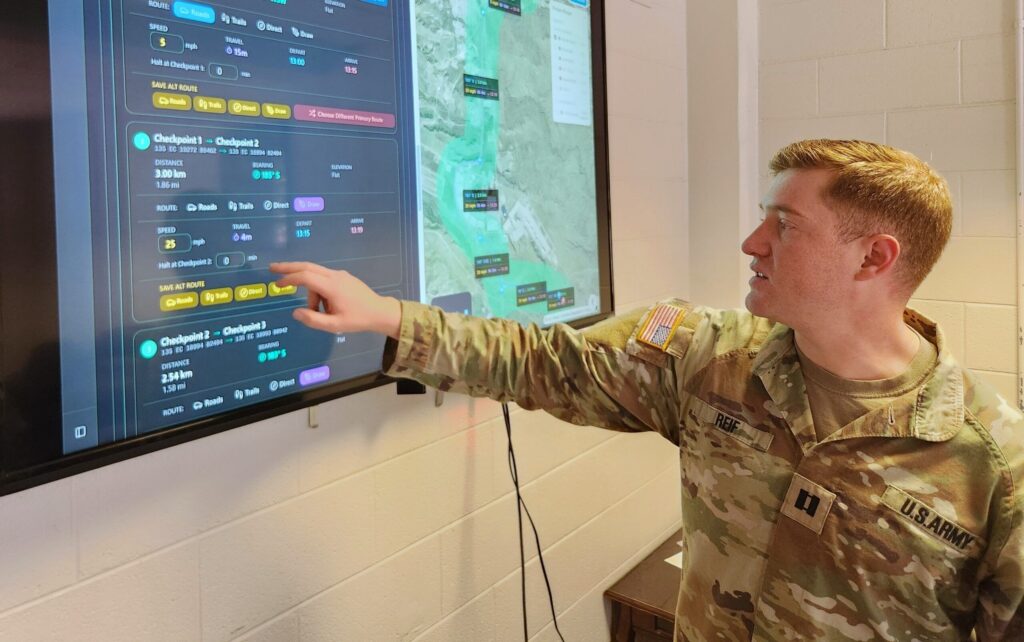
Fort Carson soldiers develop app to plan convoys as part of Next Generation Command and Control
Mary Shinn
mary-shinn@coloradopolitics.com
Updated 9 hours ago
Planning the details of a military convoy with numerous vehicles, personnel, weapons, radios and other details can take a platoon leader three days. In addition to plotting a safe route, leaders need to map out checkpoints to track the convoy’s...
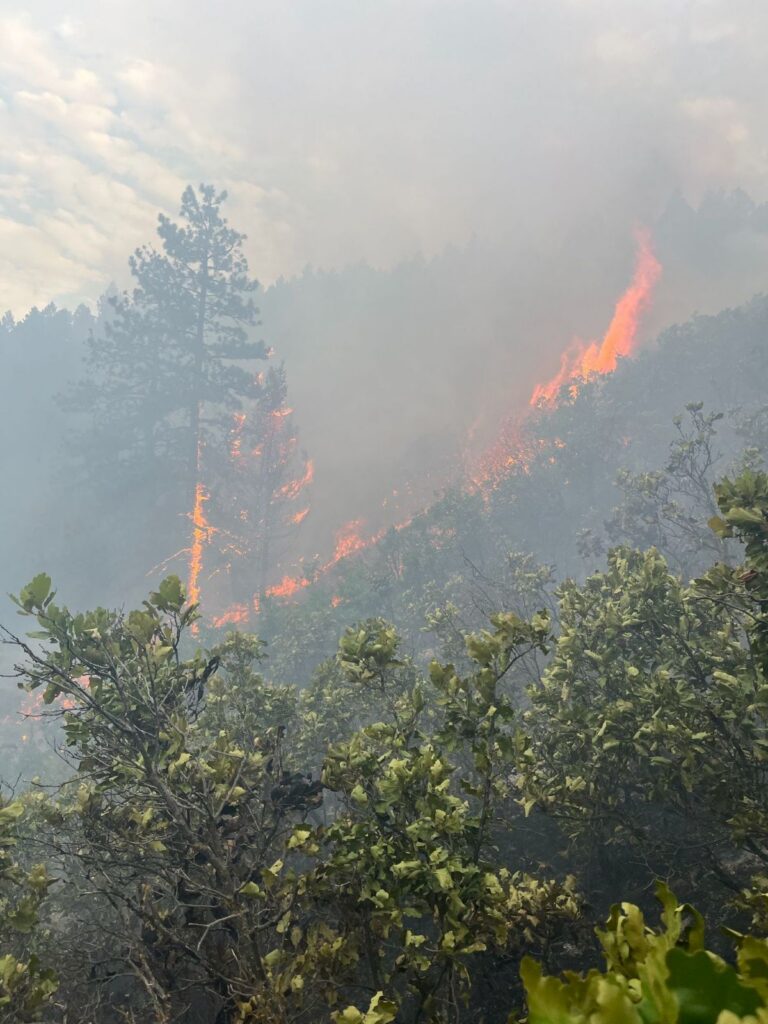
Penley fire near Sedalia reaches 75% containment
Nicholas Fogleman
nicholas.fogleman@denvergazette.com
Updated 9 hours ago
Fire crews battling the Penley fire west of Sedalia made significant progress overnight, holding the wildfire at about 3 acres and reaching 75% containment Monday, according to Douglas County officials. The fire, which sparked Sunday west of Sedalia, prompted evacuation...
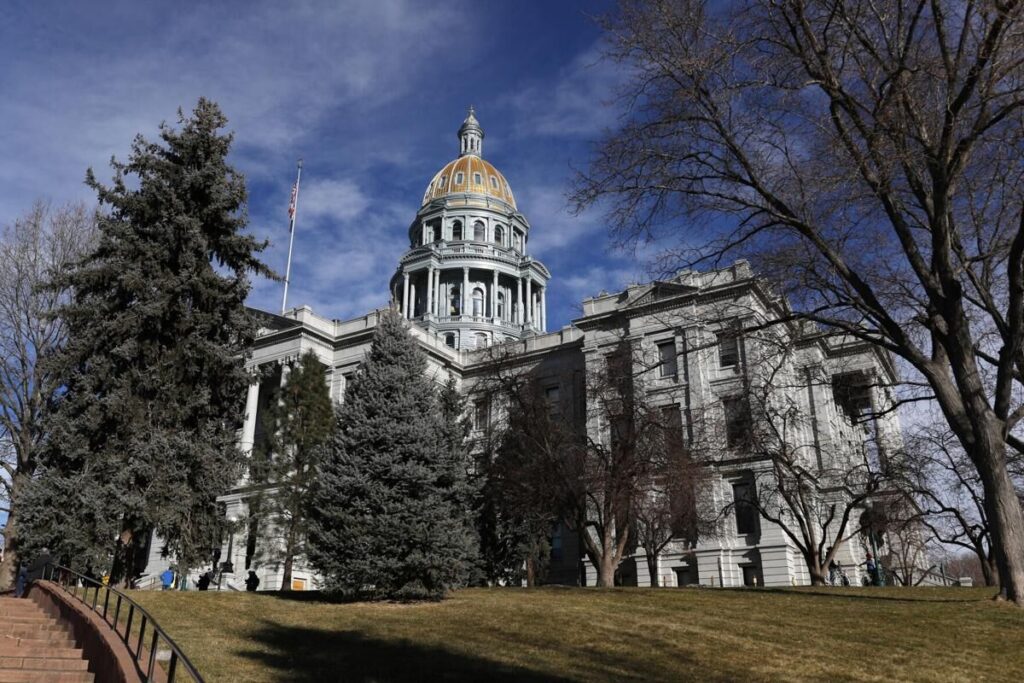
Colorado board permits state to appeal injunction against arthritis drug price cap
Marissa Ventrelli
marissa.ventrelli@coloradopolitics.com
Updated 9 hours ago
A Colorado board voted Friday to allow the Attorney General’s Office to fight an injunction against a price cap on a drug that treats arthritis. A U.S. district court judge had granted the company Amgen a preliminary injunction, temporarily blocking...
PREV
PREVIOUS

Aurora communication policy changes raise concerns for public safety, press freedom
Proponents argue arestees have a right to privacy until adjudicated An Aurora City Council decision to alter social media policies for the police department has raised concerns from press freedom and public safety advocates, who worry that limiting what police can release to the public will impact safety and limit media professionals’ ability to access […]
Appeals court reinstates murder case despite ex-DA Linda Stanley's conduct
Colorado’s second-highest court reinstated the murder and child abuse charges on Thursday against a Fremont County defendant, reasoning that the former district attorney’s misconduct did not warrant dismissal of the charges. A judge previously dismissed the criminal case against defendant William Jacobs after former elected District Attorney Linda Stanley spoke in derogatory terms about Jacobs […]