

Tapped: Denver residents face hotter, costlier summer under new drought rules
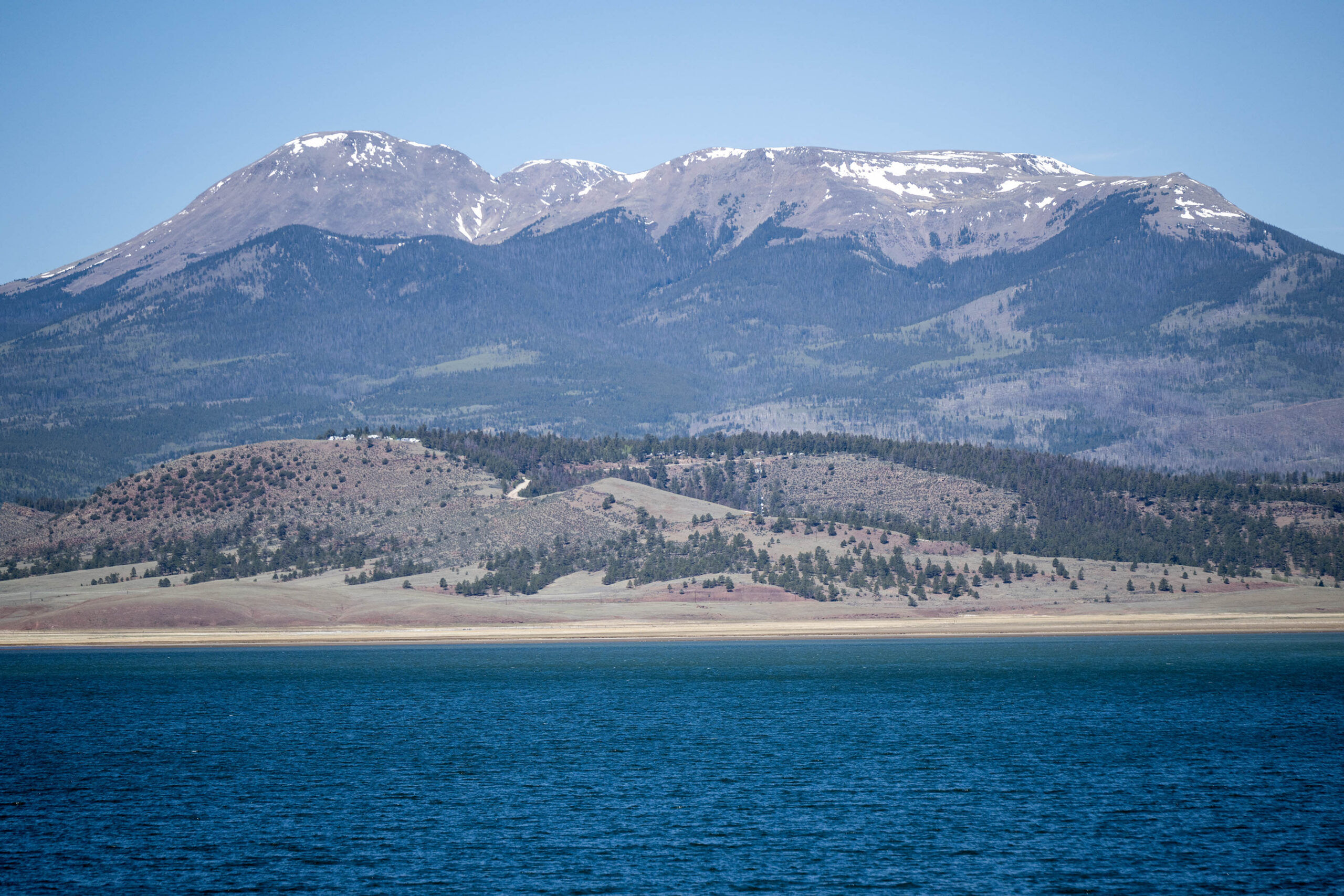
Editor’s note: The Denver metro region sits at the center of one of the American West’s most complex and consequential water challenges. This series examines the interconnected systems that determine how the region secures, stores, and conserves its water while navigating the competing demands of fast‑growing urban communities and the increasingly unpredictable mountain snowpack that underpins the entire system.

A winter of historic warmth and meager snow has pushed Denver into Stage One drought conditions, with water managers warning that unprecedented snowpack lows and fast‑vanishing runoff will leave the city relying on restrictions and higher outdoor water rates to stretch limited supplies.
Denver residents are preparing for a summer that will be both hot and expensive, as drought restrictions and temporary rate hikes take effect in response to extreme dryness, historically low snowpack and weak spring runoff.
Denver Water, which serves more than 1.5 million people, depends entirely on surface water collected from a 4,000‑square‑mile area across the state.
In Colorado, all water in natural streams is a public resource. Individuals, municipalities, and organizations do not “own” the water itself, but rather hold legal water rights to use it, according to a peer-reviewed report on decreed water rights by the Colorado State University Extension Office.
Water for the Mile High City, as well as surrounding municipalities, is captured in mountain watersheds and reservoirs on both sides of the Continental Divide, then moved by streams, tunnels, canals, and pipes to the metro area for treatment.
The water is then treated at local plants, including the Foothills and Marston facilities, and delivered to customers through the distribution system, using gravity and pumps, to homes and businesses.
Snowpack levels remain among the worst ever recorded in Denver Water’s two primary watersheds, officials said in late March. The Colorado River Basin is at 55% of normal, and the South Platte River Basin is at 42% of normal, and both are at record lows for this time of year.
“Current conditions indicate that this is going to be an exceptionally challenging year for our water supply,” said Nathan Elder, Denver Water’s manager of water supply. “Snow pack levels are at historic lows, and they’re melting earlier and more rapidly than normal.”
Restrictions and fees applied
In March, the Denver Water board declared Stage One drought conditions and implemented mandatory watering restrictions. This month, Denver Water will ask its board to consider premium pricing for outdoor water use.
The restrictions, for now, which include a 20% reduction in water use, effective immediately, result from a historic low snowpack and early melt, Denver Water officials said, and underscore the need for customers to save water to manage supply constraints.
The 20% reduction will apply to all Denver Water residential and commercial customers.
“A tremendous amount of thought and care went into this declaration, and it is the right decision for our organization and for our community,” said Tyrone Gant, president of the Denver Board of Water Commissioners. “This is not our first drought, and we will get through this challenging time, but we need everyone to help out this summer in case drought conditions persist into next year and beyond.”
In April, Denver Water began charging premium rates for outdoor water use. The drought pricing applies to water used in May and will appear on June bills. It will remain in effect through April 30, 2027, unless the board decides otherwise.
The proposed 11-month tiered drought pricing, according to officials, is designed to incentivize water-use reductions by encouraging water consumption and ensuring “that higher-usage customers pay more.”
Tier 1 use, which covers essential indoor water use for bathing, cooking, and flushing toilets, will be exempt from the temporary drought charge.
Officials said that under the temporary rate hike, residential customers will see a drought charge of $1.10 per 1,000 gallons for Tier 2 water use. Tier 3 will have a drought charge of $2.20 per 1,000 gallons.
The drought charges will be tacked onto the customer’s existing 2026 water rates.
Unprecedented conditions
Denver Water experts warned that this year’s dry spell may be a difficult one.
“Current conditions indicate that this is going to be an exceptionally challenging year for our water supply,” Elder said. “Snowpack levels are at historic lows, and they’re melting earlier and more rapidly than normal.”
As of April 13, officials said Denver Water’s snowpack levels, which indicate how much water is expected to melt and enter reservoirs this spring, remain at the lowest levels observed in the past 40 years.
Snowpack and melting conditions are unprecedented, officials noted at a recent meeting of the Denver Board of Water Commissioners, adding that unusually warm March temperatures accelerated melting.
Streamflow runoff levels are expected to be 10-40% of normal in 2026.
Reservoir storage conditions are below average, experts also said
“While in reasonably good shape for the time being, far less snowpack is available to help refill them,” Denver Water officials reported. “As of April 13, 2026, reservoirs were 80% full, compared with an average of 84% at this time.”
Read more from the Tapped series here:
Tapped: As fire risk climbs, Colorado faces threat to drinking water
Tapped: Denver residents face hotter, costlier summer under new drought rules
Tapped: Is water a problem for data centers in Colorado?
Tapped: Aurora cracks down on water use as reservoirs fall, runoff shrinks
Tapped: Douglas County looks to diversify water supply as population grows
Tapped: Colorado River overallocation collides with record drought conditions
Tapped: Golden tightens water rules as Clear Creek snowpack falters
Tapped: As snowpack levels shrink, Jefferson County cities take divergent paths on water
Tapped: Colorado River overallocation collides with record drought conditions
Tapped: Parker makes strides toward renewable supply


2 Colorado State troopers shot near Woodland Park; suspect killed
DEBBIE KELLEY
debbie-kelley@coloradopolitics.com
Updated 13 hours ago
Two Colorado State Patrol troopers were hospitalized, and a suspect is dead after a shooting during a traffic stop Tuesday. The initial incident happened at about 7:15 a.m., when a resident reported suspicious activity in the area near milepost 286...

Aurora moves forward with data center regulations
Kyla Pearce
kyla.pearce@gazette.com
Updated 13 hours ago
The Aurora City Council approved moving forward with two new regulations on data centers and directed staff to come back at the next study session with others. At a council meeting in early August, council members directed city management to...

Aurora City Council considers stricter food truck regulations
Kyla Pearce
kyla.pearce@gazette.com
Updated 13 hours ago
The Aurora City Council is considering passing laws to limit the number of food trucks on properties in the city and how and when they operate. Councilmember Angela Lawson, who sponsored the ordinance, said she understands the importance of food...
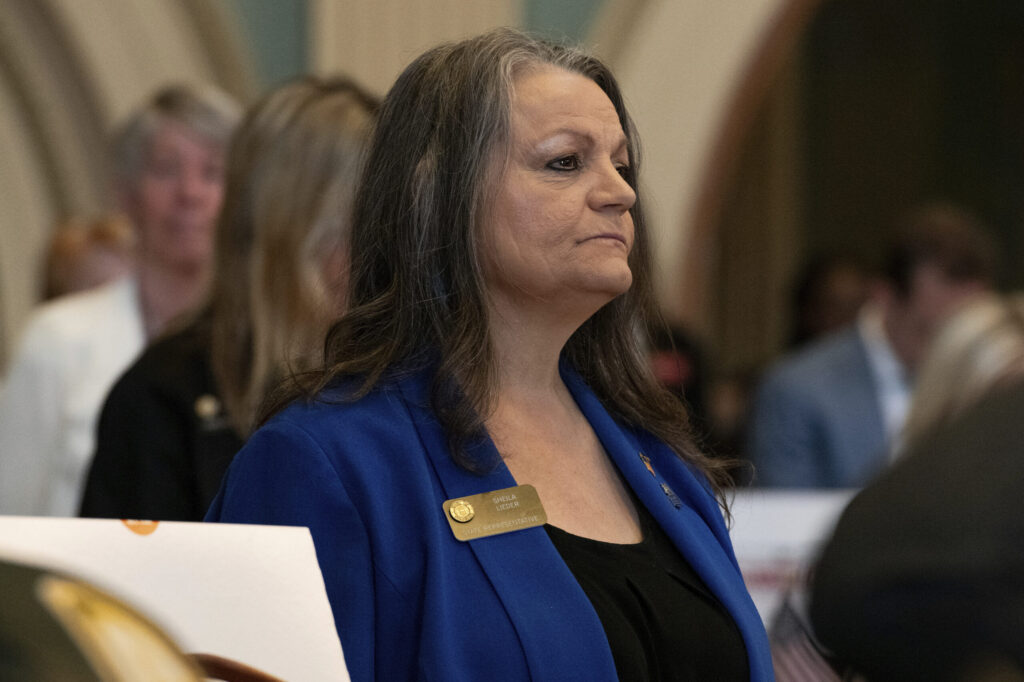
Colorado lawmaker, House leaders named in workplace-retaliation lawsuit
Marianne Goodland
marianne.goodland@coloradopolitics.com
Updated 14 hours ago
A former legislative aide has filed a lawsuit alleging she was mistreated, illegally directed to perform campaign work and harmed by a House leadership structure she charged was fragmented, politicized and ineffective at protecting employees. The lawsuit, filed by Jennifer...
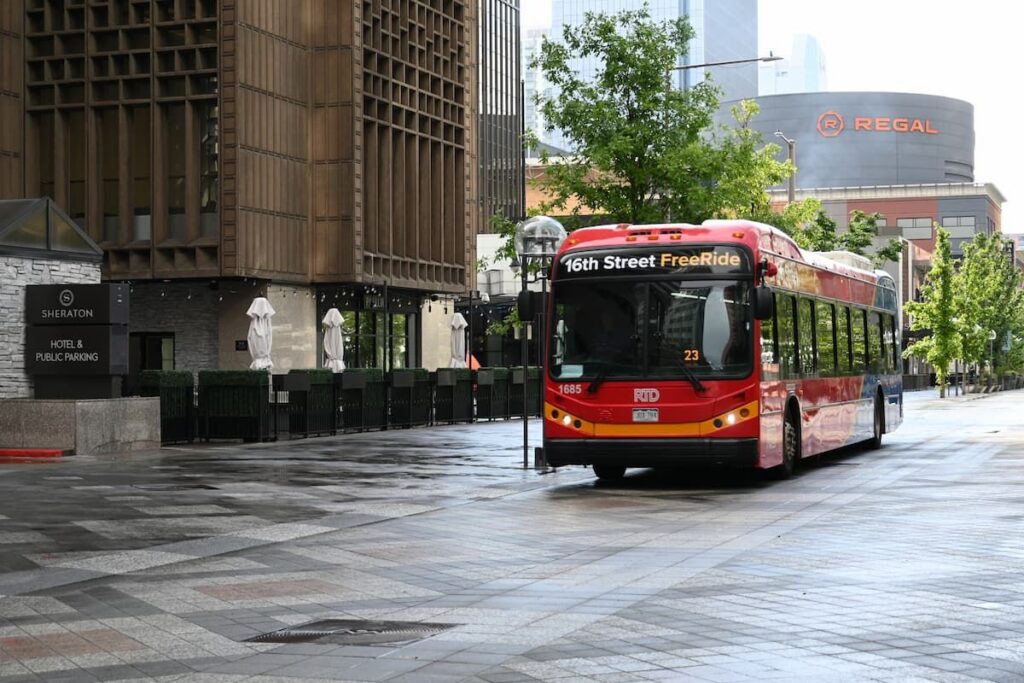
Denver auditor finds oversight failures in $175.6M 16th Street project
Nico Brambila
nico.brambila@denvergazette.com
Updated 13 hours ago
Surprise historic sewer discovery delayed completion a year, cost $18M The Denver Auditor recently found significant oversight and contracting problems with the $175.6 million 16th Street Improvement Project, including an $18 million contract increase and a nearly one-year extension that...

Denver Public Schools welcomes 89,000 students back to the classroom
Elizabeth Pond
elizabeth.pond@denvergazette.com
Updated 13 hours ago
A swarm of students — some happily greeting teachers and reuniting with friends, others nervously clinging to their parents’ legs and rubbing bleary eyes — kicked off the first day of the new school year on Monday at Newlon Elementary...

Healthcare Freefall: Longer drives, fewer options for maternity care in Colorado
Thelma Grimes
thelma.grimes@coloradopolitics.com
Updated 2 days ago
Editor’s Note: Colorado’s healthcare system is entering a period of accelerating instability — a “tsunami,” as multiple leaders describe it — driven by collapsing hospital finances, shrinking Medicaid reimbursements, disappearing services and a political fight over who is responsible for...
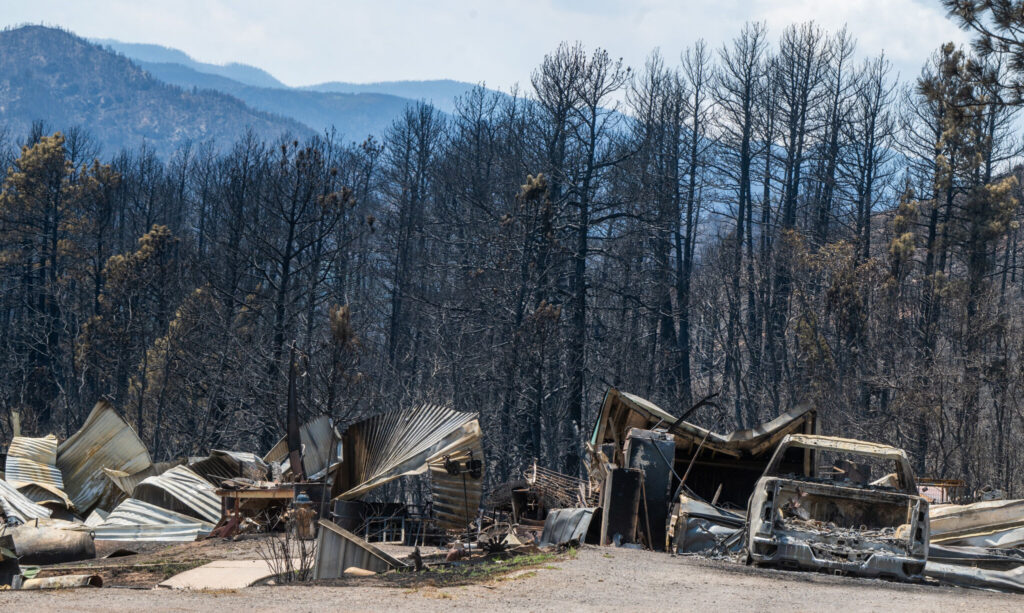
Polis requests federal disaster declaration for Colorado wildfires and floods
9News
9news@coloradopolitics.com
Updated 1 day ago
On Sunday, Gov. Jared Polis officially requested a Major Disaster Declaration from President Donald Trump and the Federal Emergency Management Agency to support recovery from two wildfires and the subsequent flooding and debris flows on both burn scars. Polis requested a declaration...

Operation Foster helps ensure troops can return home to their pets
Mary Shinn
mary-shinn@coloradopolitics.com
Updated 2 days ago
As more troops have been sent overseas, more pets are in need of temporary care while they await their owner’s return home. Operation Foster, a nationwide nonprofit, helps provide some of that care by connecting service members with volunteers willing...
Operation Foster helps ensure troops can return home to their pets
Mary Shinn
mary-shinn@coloradopolitics.com
Updated 2 days ago
As more troops have been sent overseas, more pets are in need of temporary care while they await their owner’s return home. Operation Foster, a nationwide nonprofit, helps provide some of that care by connecting service members with volunteers willing...
PREV
PREVIOUS
Tapped: Colorado River overallocation collides with record drought conditions
Editor’s Note: The Denver metro region sits at the center of one of the American West’s most complex and consequential water challenges. This series examines the interconnected systems that determine how the region secures, stores and conserves its water while navigating the competing demands of fast‑growing urban communities and the increasingly unpredictable mountain snowpack that […]

Tapped: Golden tightens water rules as Clear Creek snowpack falters
Editor’s note: The Denver metro region sits at the center of one of the American West’s most complex and consequential water challenges. This series examines the interconnected systems that determine how the region secures, stores, and conserves its water while navigating the competing demands of fast‑growing urban communities and the increasingly unpredictable mountain snowpack that […]