

‘Explosive’ diarrhea among symptoms as parasitic illness hits Colorado
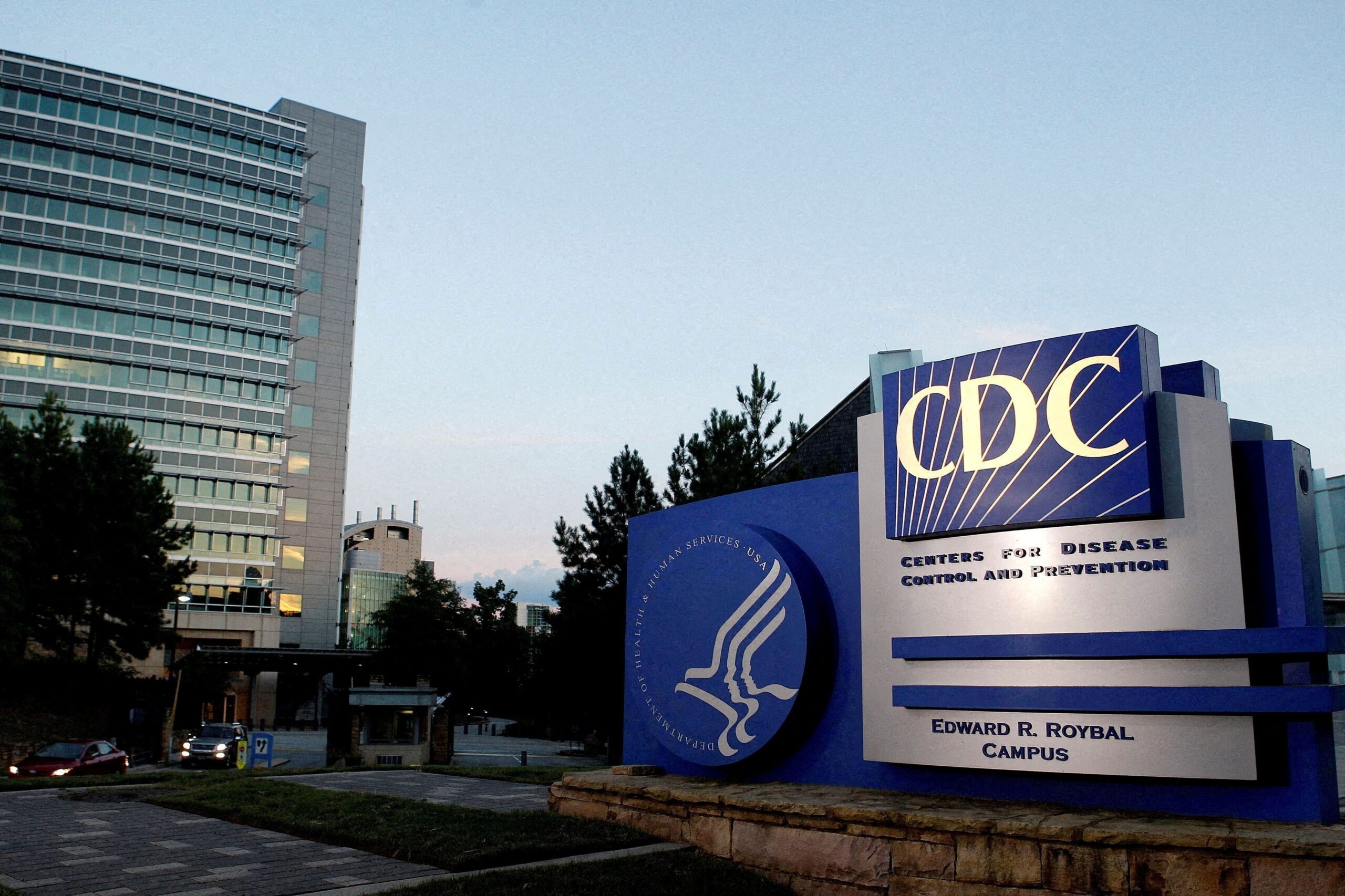
A fecal parasite that can contaminate food and water is causing “explosive” diarrhea across more than a dozen states, including Colorado, health officials said Tuesday.
Preliminary data show Colorado has recorded 90 cases of cyclosporiasis since January, Hope Shuler, a spokesperson for the Colorado Department of Public Health and Environment, said in an email.
That’s about 23% higher than this time last year, when Colorado had recorded 73 cases. The state reported 204 cases in all of 2025.
The five-year average in Colorado is 160.
“The majority of Colorado cyclosporiasis cases reported international travel,” Shuler said.
She added that Colorado cases are not clustered in any particular region of the state.
Nationally, about 145 cases in 17 states — including Colorado — were reported to the Centers for Disease Control and Prevention during the first six weeks of cyclosporiasis season, which starts May 1 and typically runs through the end of summer.
The national and Colorado figures cover different time periods.
Colorado’s count includes cases reported since January, while the CDC figure covers cases reported since May 1.
States reporting cases include Texas, Florida, Illinois, Pennsylvania and New York.
Health officials believe the actual number of cases is likely higher because some people may have recovered without seeking medical care or being tested.
Those sickened range in age from 5 to 86. The median age is 42, and 6 in 10 are female.
No deaths have been reported.
Colloquially referred to as “cyclo,” cyclosporiasis is an intestinal illness caused by the microscopic parasite Cyclospora cayetanensis.
The most common symptom is watery diarrhea with frequent “explosive” bowel movements, according to the state Health Department. Other symptoms can include loss of appetite, weight loss, increased gas, abdominal cramps, bloating, nausea and fatigue.
Vomiting, body aches, headaches and other flu-like symptoms may also occur.
The incubation period averages about seven days but can range up to 14 days or longer. If left untreated, symptoms can linger for a month or longer.
People become infected by ingesting food or water contaminated with the parasite.
The parasite found in stool is not immediately infectious, meaning person-to-person transmission is unlikely.
In the U.S., previous outbreaks have been linked to fresh produce, according to the CDC. Cyclosporiasis is typically treated with a combination antibiotic known as TMP-SMX, along with rest and hydration.
The CDC recommends washing hands with soap and water before and after handling or preparing raw fruits and vegetables.
Consumers should also thoroughly wash fruits and vegetables and scrub firm produce, such as melons and cucumbers, with a clean produce brush. Damaged or bruised areas should be cut away before preparing or eating produce.
Washing produce can reduce contamination but may not completely eliminate Cyclospora.

Healthcare Freefall: Telluride mother’s roadside birth underscores shrinking access to OB care in Colorado
Rachael Wright, Special to Colorado Politics
rachael.wright@coloradopolitics.com
Updated 21 hours ago
Editor’s Note: Colorado’s healthcare system is entering a period of accelerating instability — a “tsunami,” as multiple leaders describe it — driven by collapsing hospital finances, shrinking Medicaid reimbursements, disappearing services and a political fight over who is responsible for...

Healthcare Freefall: Longer drives, fewer options for maternity care in Colorado
Thelma Grimes
thelma.grimes@coloradopolitics.com
Updated 50 minutes ago
Editor’s Note: Colorado’s healthcare system is entering a period of accelerating instability — a “tsunami,” as multiple leaders describe it — driven by collapsing hospital finances, shrinking Medicaid reimbursements, disappearing services and a political fight over who is responsible for...
Healthcare freefall: Breast cancer survivor shares strain of rural treatment travel
Hap Fry, Special to The Gazette
hap-fry@gazette.com
Updated 21 hours ago
Editor’s Note: Colorado’s healthcare system is entering a period of accelerating instability — a “tsunami,” as multiple leaders describe it — driven by collapsing hospital finances, shrinking Medicaid reimbursements, disappearing services and a political fight over who is responsible for...
State health department directs GEO to assist in tuberculosis investigation at ICE facility
Kyla Pearce
kyla.pearce@gazette.com
Updated 6 days ago
The Colorado Department of Public Health and Environment issued a public health order directing the GEO Group to participate in the ongoing tuberculosis investigation at the Aurora ICE Processing Center. The Adams County Health Department confirmed an active case of...
Healthcare freefall: Once built on federal investment, rural hospitals today fight to survive
Thelma Grimes
thelma.grimes@coloradopolitics.com
Updated 2 days ago
Editor’s Note: Colorado’s healthcare system is entering a period of accelerating instability — a “tsunami,” as multiple leaders describe it — driven by collapsing hospital finances, shrinking Medicaid reimbursements, disappearing services and a political fight over who is responsible for...
Healthcare freefall: Subsidy cuts, insurance gaps reshape how Coloradans will seek care
Thelma Grimes
thelma.grimes@coloradopolitics.com
Updated 1 day ago
Editor’s Note: Colorado’s healthcare system is entering a period of accelerating instability — a “tsunami,” as multiple leaders describe it — driven by collapsing hospital finances, shrinking Medicaid reimbursements, disappearing services and a political fight over who is responsible for...
Healthcare Freefall: Finger‑pointing intensifies as Colorado’s healthcare system strains under rising costs, shrinking coverage
Thelma Grimes
thelma.grimes@coloradopolitics.com
Updated 1 day ago
Editor’s Note: Colorado’s healthcare system is entering a period of accelerating instability — a “tsunami,” as multiple leaders describe it — driven by collapsing hospital finances, shrinking Medicaid reimbursements, disappearing services and a political fight over who is responsible for...

Colorado shifts vaccine authority to state as Trump administration revises childhood framework
Marissa Ventrelli
marissa.ventrelli@coloradopolitics.com
Updated 2 weeks ago
As the Trump administration rolls out a revised childhood vaccine framework, Colorado’s law allowing the state to set its own immunization schedule has now taken effect. Issued Monday, President Donald Trump’s executive order separates childhood and adolescent vaccines into three...

Colorado’s troubled guardianship office pursues ‘cultural reset’
Marianne Goodland
marianne.goodland@coloradopolitics.com
Updated 2 weeks ago
Colorado’s guardianship program, long criticized for mismanagement and high staff attrition, is undergoing a “cultural reset,” as its new director works to repair partnerships and prepare for a major expansion under recent legislation. Created by lawmakers in 2017, the Office...

New Colorado laws going into effect cover AI disclosures, medical marijuana access and gambling limits
Marissa Ventrelli
marissa.ventrelli@coloradopolitics.com
Updated 2 weeks ago
More than 100 new Colorado laws take effect Aug. 12, bringing changes to chatbot safety rules, psychedelic research, campus wellness checks and sports betting restrictions. Here is a look at some of those laws set to take effect. The law:...
PREV
PREVIOUS

Independent candidate launches late campaign against Melat Kiros for CD1
Democratic Socialist Melat Kiros’ surprising defeat of 15-term Congresswoman Diana DeGette may be creating a void within Denver’s voter base — and at least one latecomer is jumping into that gap, petitioning to get himself on the November ballot as an independent candidate. Dr. Shimon Blau told The Denver Gazette he spent the weekend stewing […]

Colorado Supreme Court accepts child neglect, unlawful search appeals
The Colorado Supreme Court recently announced that it will decide whether a series of missteps led an El Paso County judge to improperly terminate a father’s parental rights, and whether a police officer defendant bears the burden of proving that his warrantless vehicle search was legally justified. At least three of the court’s seven members […]