

CSU expert shares air awareness strategies amid rising smoke, ozone risks
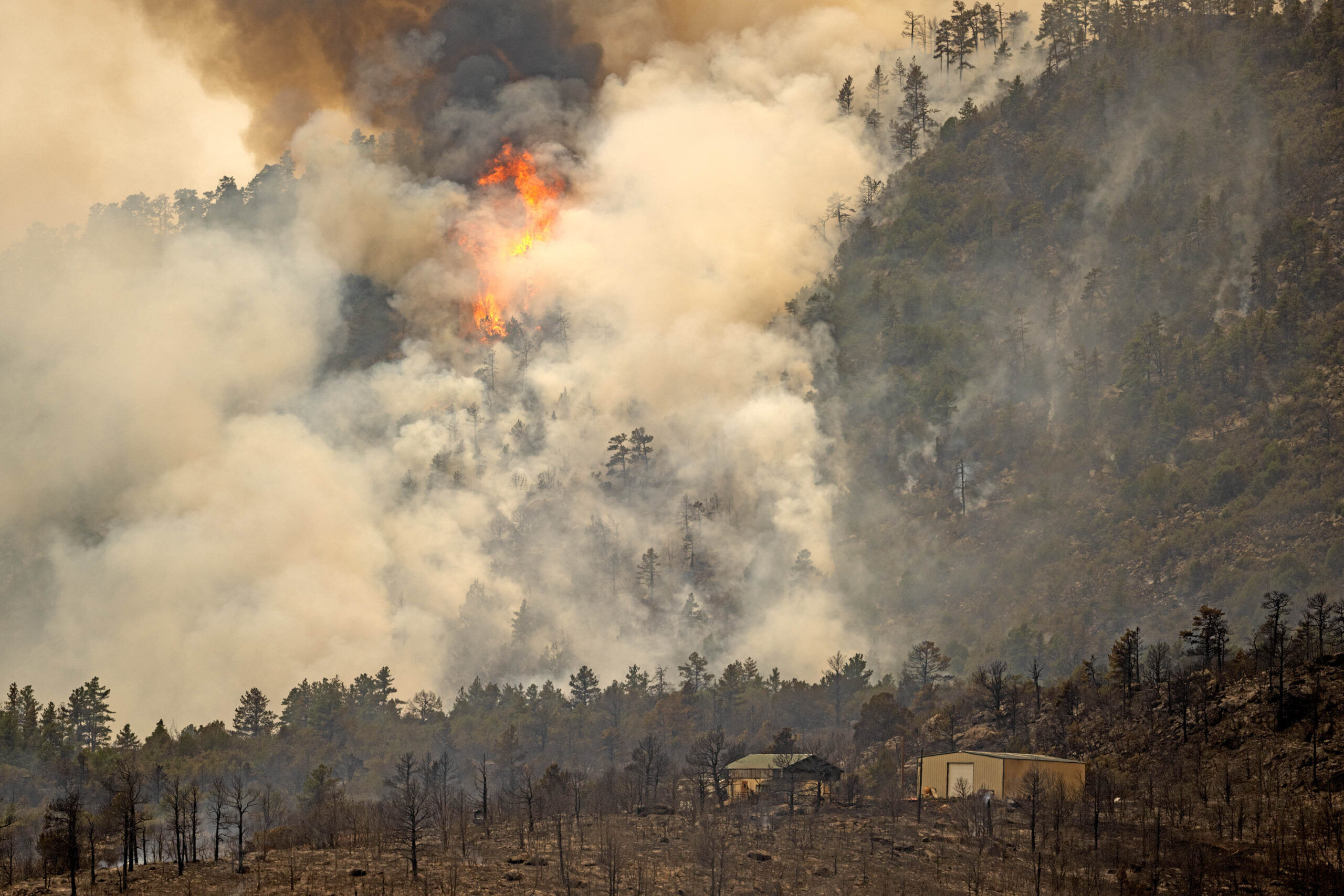
Wildfire smoke is blanketing parts of Colorado this summer following a dry winter, with large fires such as the Aspen Acres fire burning tens of thousands of acres and sending plumes across the state.
Combined with frequent high-ozone days on the Front Range, poor air quality is threatening public health.
The metro Denver area and north Front Range is a severe nonattainment area for federal ozone standards. Ground-level ozone forms when nitrogen oxides and volatile organic compounds react in heat and sunlight. Wildfire smoke adds precursors that can amplify this process, leading to more Ozone Action Days.
Colorado State University public health researcher Sheryl Magzamen tracks the impacts of smoke and urges residents to stay air aware. Her work includes studies on cardiopulmonary effects from local and transported wildfire smoke in the Front Range, according to a CSU news release.
Magzamen leads a NASA-funded project with the U.S. Department of Veterans Affairs examining how smoke affects veterans with chronic obstructive pulmonary disease and explores long-term and chronic exposure risks.
“We have two goals for this study, which is asking questions that we haven’t been able to look at extensively before,” Magzamen said in the release. “First, what happens to a person’s health over the long term after a wildfire smoke event? And second, what happens to people’s health when we now have chronic exposure to smoke – when we may be exposed to wildfire smoke season after season? Can we start to put a number on that?”
She and colleagues call smoke a “silent epidemic.” Particles from distant fires can travel far and infiltrate indoors.
Magzamen recommends these steps:
Prepare an evacuation plan for fires, including pets and livestock, when authorities issue orders.
Monitor air quality at Airnow.gov or CDPHE resources. The Air Quality Index ranges from 0 to 500. Readings above 100 are unhealthy for sensitive groups. Readings above 150 are unhealthy for everyone. On Monday, Denver’s Current Air Quality stood at 129, according to Airnow.gov
Protect vulnerable populations. Smoke and ozone hit hardest among the elderly, young children, pregnant women and those with asthma, COPD, heart disease or diabetes. Avoid intense outdoor activity on high AQI days.
Maintain indoor systems. Change air filters every six months. Swamp coolers do not filter air and can pull smoke inside.
Check on neighbors. Offer help to those without cooling or in at-risk groups. Public spaces such as recreation centers or libraries provide relief.

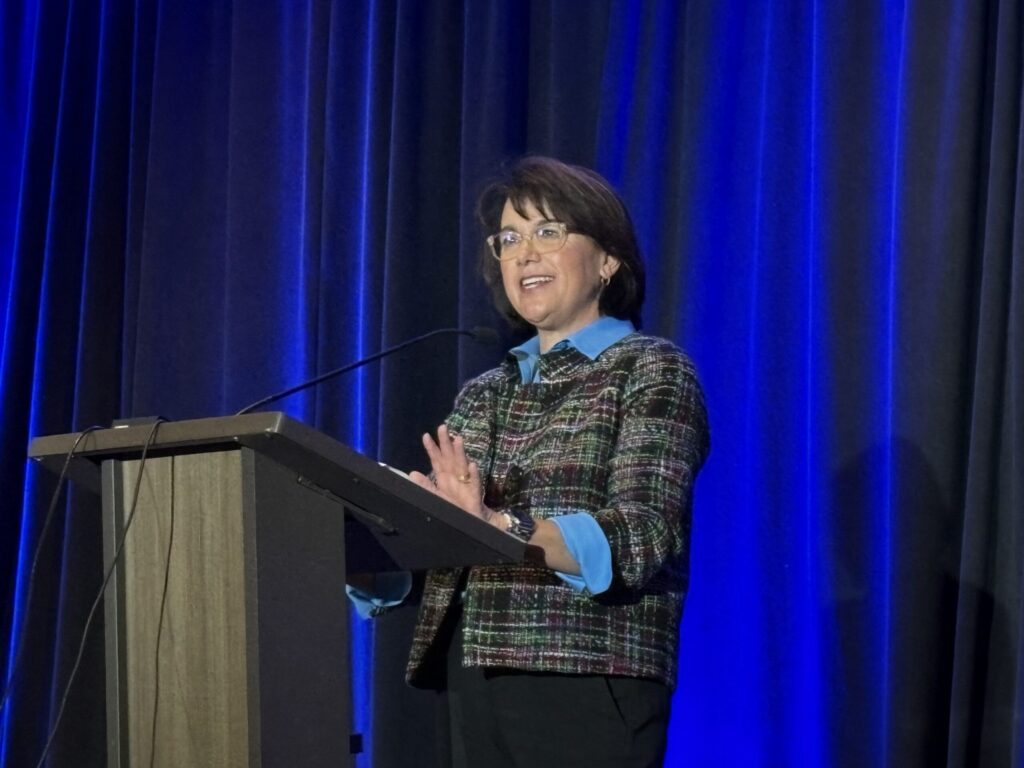
Democratic candidate in Colorado’s 4th CD urges long-term water planning
Marianne Goodland
marianne.goodland@coloradopolitics.com
Updated 23 hours ago
The Democrat hoping to become the next representative of Colorado’s 4th Congressional District on Thursday made her case on the final day of Colorado Water Congress in Steamboat Springs. Eileen Laubacher, who spent 34 years in the U.S. Navy and...

Castle Rock council declines to censure member accused of misconduct
Nicholas Fogleman
nicholas.fogleman@denvergazette.com
Updated 2 days ago
A Castle Rock Town Council meeting Tuesday became consumed by allegations that a councilmember attempted to trade a town policy decision for the withdrawal of a recall effort against him. The allegations against Councilmember Mark Davis surfaced during public comment...

Proposal to cap Colorado income tax rate qualifies for November ballot
Thelma Grimes
thelma.grimes@coloradopolitics.com
Updated 11 hours ago
Election officials on Thursday confirmed that the proposal to cap the state’s income tax at the current rate submitted signatures and voters will consequently decide its fate this November. The fight over tax rates is part of the tug and...

Healthcare Freefall: Telluride mother’s roadside birth underscores shrinking access to OB care in Colorado
Rachael Wright, Special to Colorado Politics
rachael.wright@coloradopolitics.com
Updated 1 day ago
Editor’s Note: Colorado’s healthcare system is entering a period of accelerating instability — a “tsunami,” as multiple leaders describe it — driven by collapsing hospital finances, shrinking Medicaid reimbursements, disappearing services and a political fight over who is responsible for...

Healthcare Freefall: Longer drives, fewer options for maternity care in Colorado
Thelma Grimes
thelma.grimes@coloradopolitics.com
Updated 12 hours ago
Editor’s Note: Colorado’s healthcare system is entering a period of accelerating instability — a “tsunami,” as multiple leaders describe it — driven by collapsing hospital finances, shrinking Medicaid reimbursements, disappearing services and a political fight over who is responsible for...
Healthcare freefall: Breast cancer survivor shares strain of rural treatment travel
Hap Fry, Special to The Gazette
hap-fry@gazette.com
Updated 1 day ago
Editor’s Note: Colorado’s healthcare system is entering a period of accelerating instability — a “tsunami,” as multiple leaders describe it — driven by collapsing hospital finances, shrinking Medicaid reimbursements, disappearing services and a political fight over who is responsible for...

Judge grants partial injunction to GEO in fight against state health inspection law
Kyla Pearce
kyla.pearce@gazette.com
Updated 3 days ago
A judge ruled Thursday that The GEO Group does not have to follow parts of a new state law requiring more frequent health and safety inspections at the U.S. Immigration and Customs Enforcement processing center in Aurora. Under the order...

Parker man faces 20 years to life for serial sexual assaults
Nicholas Fogleman
nicholas.fogleman@denvergazette.com
Updated 3 days ago
A 25-year-old Parker man who sexually assaulted three women in 2025 pleaded guilty Wednesday and will serve 20 years to life in prison. Javier Rodriguez-Andrade pleaded guilty to charges stemming from three sexual assaults involving women ages 19 to 24. ...
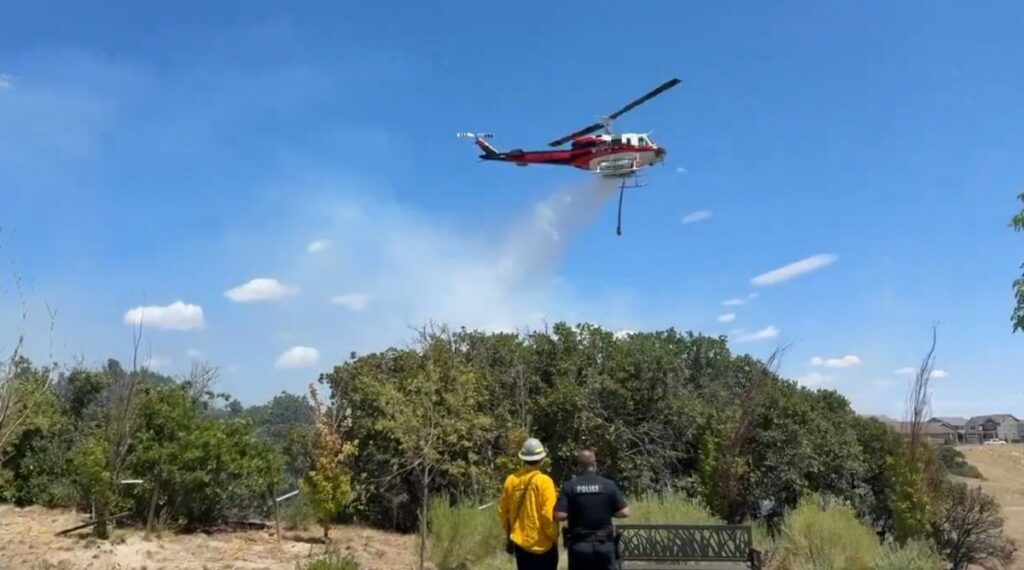
Douglas County moves to Stage 1 fire restrictions following recent rain
Nicholas Fogleman
nicholas.fogleman@denvergazette.com
Updated 3 days ago
Douglas County has downgraded its fire restrictions from Stage 2 to Stage 1 on Thursday following recent rainfall and moderate fire conditions, according to the Douglas County Sheriff’s Office. The change applies to unincorporated Douglas County, as well as the...

Democratic gubernatorial candidate Phil Weiser promises to appoint rural outreach director, water adviser
Marianne Goodland
marianne.goodland@coloradopolitics.com
Updated 2 days ago
Democratic gubernatorial candidate and current Attorney General Phil Weiser told the Colorado Water Congress Thursday he intends to appoint a rural outreach director and a water policy adviser should he win the election in November. Weiser’s speech at the Steamboat...
PREV
PREVIOUS

10th Circuit revives Colorado voter intimidation lawsuit due to judge’s error
The Denver-based federal appeals court on Monday reversed a trial judge’s finding that the leaders of an “election integrity” effort had not illegally intimidated Colorado voters through an organized door-to-door canvassing project to search for election fraud in the wake of the 2020 presidential race. A three-judge panel of the U.S. Court of Appeals for […]

Prosecutor plans to enter physical abuse evidence in Barry Morphew murder trial
The prosecutor in the Barry Morphew murder trial told a judge on Monday that she plans to introduce evidence of physical abuse in the couple’s marriage, which ended when Suzanne Morphew disappeared on Mother’s Day in 2020. Morphew has been charged with first-degree murder in the case, which was originally set for trial in October. […]