

Aurora police communication policy changes raise concerns for public safety, press freedom

Proponents argue arestees have a right to privacy until adjudicated
An Aurora City Council decision to alter social media policies for the police department has raised concerns from press freedom and public safety advocates, who worry that limiting what police can release to the public will impact safety and limit media professionals’ ability to access crime information.
City Council members and local activists who support the policy changes, however, say they are not intended to limit information sharing, but rather to protect due process and limit what they describe as “harmful editorializing” in police communications.
The resolution, which passed Monday with four “no” votes from the city’s conservative lawmakers, would bar Aurora Police Department officials from posting jail booking photographs, often referred to as mug shots, and suspect names on social media and in press releases until a suspect is convicted or pleads guilty. That can often take months, or years.
It aligns the APD’s communication policies and procedures with those of every other city department, meaning all communications are required to go through the city manager’s office before being made public, according to the ordinance language.
Exceptions will be made for certain emergency situations to be outlined in the policies, City Attorney Pete Schulte said Monday.
Such situations could include police looking for a wanted person, an arrest in which police are looking for further victims, or a situation in which there is an imminent public threat, he said.
Those in support of the resolution, including Schulte and the city’s progressive councilmembers, said the police department often editorializes social media posts in ways that pose legal challenges.
Posting mug shots and names of suspects who have not had due process can label people criminals for life, even if their charges get dropped, supporters of the resolution said.
“(APD) can still showcase what they’re doing, except it doesn’t have that impact on a person’s life because they could be acquitted later,” Schulte said.
Those in opposition to the resolution, including Aurora’s police chief, the Colorado Association of Chiefs of Police, the Aurora Police Association and the Colorado Freedom of Information Coalition’s executive director, worry that limiting what police can share with the public will lead to safety issues, misinformation and confusion.
Press freedom
Colorado Freedom of Information Coalition’s Executive Director Jeff Roberts said added restrictions to department communications will make it harder for the media to access crime information.
“It used to be that reporters could listen to police scanners and find out in real time what was happening and use it to ask questions,” Roberts said. “It’s gotten a lot harder for the news media to find out about crime unless the police tell them about it because they’ve encrypted things.”
City Manager Jason Batchelor said mug shots and suspect names are still subject to the Colorado Criminal Justice Records Act and would therefore be given to members of the media or others who make requests.
However, if members of the media don’t know about the crimes that are happening, they won’t know to make those requests, Roberts said.
“We don’t need any more limitations for what information can be put out there to the press and public when crime happens,” he said.
The Colorado Criminal Justice Records Act specifies that “an individual’s criminal history arrest record” are public records.
It also specifies that “booking photos and mug shots are generally considered public records. However, there are strict access rules, anti-extortion protections, and specific procedures” for releasing them. County jails, for example, typically release adult booking photos upon request.
The direction given is not for the department to stop posting about crime, however, Schulte said. In fact, they can post about crime the way they post about crime involving minors currently, which requires withholding the identity of the minor, he added.
In emergency situations, the department will still post photos and suspect names, Schulte said.
Police push back
The resolution “stifles the speech of our police chief,” Councilmember Francoise Bergan said.
“I think getting information out to residents right away is transparency and often is in the interest of safety,” she said. “I believe our chief and our commanders are individually qualified to speak about crime.”
Aurora Police Chief Todd Chamberlain will comply with the new policies, he said in a Monday statement, but does not agree with them.
“My department has been nothing but professional and to suggest otherwise by silencing us all should gravely concern Aurora residents,” Chamberlain wrote in the statement. “The community deserves timely facts and direct communication from the professionals closest to these incidents and operational realities.”
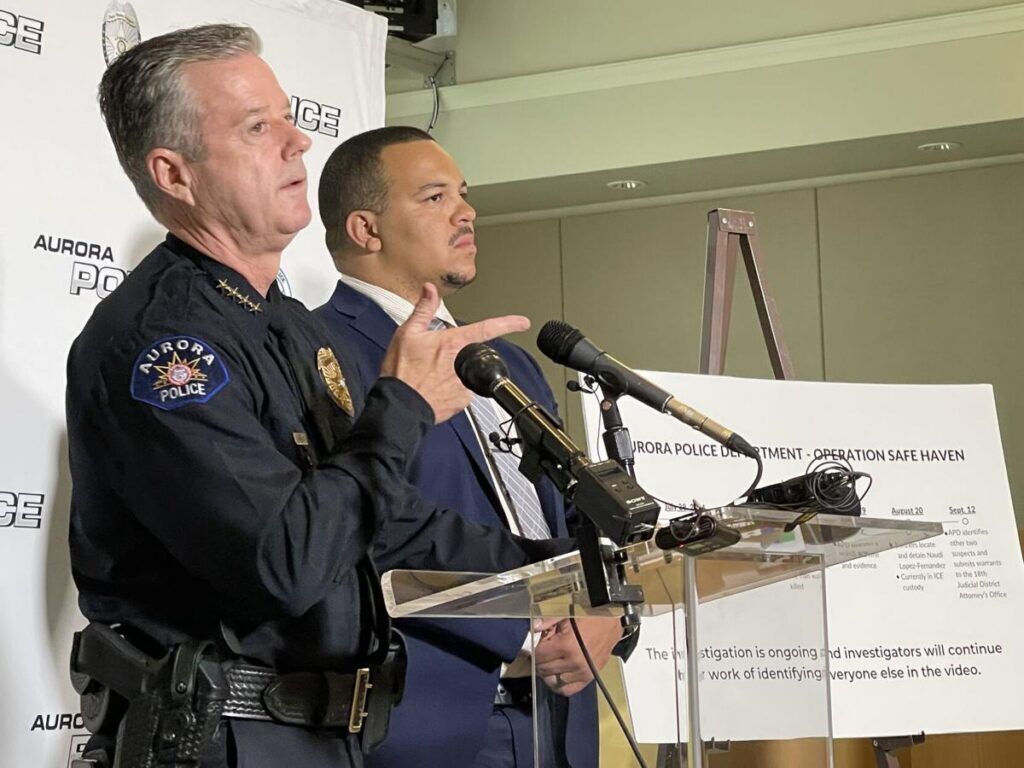
Councilmember Angela Lawson said her constituents worry about the public safety implications of the resolution.
“In my neighborhood, if something’s going on and we can’t have information about the person who allegedly committed the crime, we’re putting our neighborhood into a situation where it could be my next-door neighbor,” she said. “Without putting out any kind of mug shots, I think that’s a disservice to our neighborhoods and public safety.”
Aurora Police Association President David Exstrom wrote a letter to the council Monday sharing “concerns” about the resolution.
“We rely on the local media to amplify our messaging to help keep our community safe and informed,” Exstrom wrote in the letter. “If we are restricted by what we can share with our community, our local media will similarly be left in the dark.”
The Colorado Association of Chiefs of Police opposed the resolution as well, saying in a statement Monday that it risks “delay, confusion and reduced transparency” in public safety communications, “the very opposite of what communities deserve.”
“Police chiefs have a responsibility to support thorough investigations while also keeping their communities informed during critical incidents and evolving public safety situations,” the statement said. “Clear communication helps prevent misinformation, reduce unnecessary community tension and provide important context.”
Police transparency
The resolution comes at a tumultuous time in Aurora, as the city’s consent decree with the Colorado Attorney General’s Office enters its final year. The decree was intended to implement sweeping changes to policing, notably in the use of force and transparency.
In recent years, protestors have pushed for more transparency, particularly when it comes to officers’ use of force and the release of body camera footage from such incidents.

Many of those same protesters attended Monday’s council meeting to speak in support of the resolution, saying it would help protect suspects who have not had due process.
Aurora councilmembers who have supported efforts to improve transparency from the police department are also the ones who proposed the resolution.
Councilmember Gianina Horton, who is leading efforts to create a police oversight office and co-sponsored the resolution, said the point of it is to protect due process and promote clear communication from the police.
She worries about the misinformation that has spread about the resolution’s purpose, which is not to chip away at transparency or the department’s ability to share public safety information, but rather to protect people from being labeled as criminals before they are found guilty of their crimes, she said.
Protecting due process
Former Denver Public Schools board member Auon’tai Anderson, who has spoken at every City Council meeting since an APD officer shot and killed Kilyn Lewis in 2024, supported the resolution Monday night, citing due process.
“Nobody elected APD to publicly try people before they ever see a courtroom, but for years that’s exactly what has happened, mug shots posted before convictions, names blasted across social media before due process,” Anderson said. “Once the government posts your face online and labels you as a criminal, the damage is already done even if the charges disappear.”
City Attorney Schulte said legal challenges in court have arisen from “editorializing” done in APD social media posts.
He pointed to a specific post that called a suspect’s criminal history “extensive … the largest I’ve ever seen.”
“That is the issue we’re talking about here,” Schulte said. “None of the conversations I’ve had with the city manager or councilmembers has been about stopping APD from doing their good work or putting out factual information, we just don’t need the added editorializing.”
Mayor Pro Tem Alison Coombs said APD posts have a “tone of innuendo, of opinion, of personal bias … that undermines public trust and absolutely torches any credibility that we may have had over the incredible amount of work that members of our department and city staff have put into the consent decree.”
City Manager Batchelor is working on the new policies and Schulte said he is taking concerns from the public and police into account.
It is not immediately clear when those policies will be implemented.


How a CU Boulder law school program helped free a Denver man after 27 years in ‘shaken baby’ murder case
Matt Kyle
matt.kyle@denvergazette.com
Updated 2 hours ago
From the first time she looked at Stephen Martinez’s case, Boulder attorney Jeanne Segil knew she had a shot at getting him released from prison. Martinez, 58, spent 27 years behind bars for a crime he now says never happened....

Tina Peters thanks Polis for shortening her sentence, calls Colorado Democrats’ censure a ‘travesty’
Ernest Luning
ernest.luning@coloradopolitics.com
Updated 4 days ago
Two days after the Colorado Democratic Party formally condemned Gov. Jared Polis over his decision last week to shorten Tina Peters’ prison sentence for tampering with election equipment, Peters heaped praise on the term-limited Democrat and slammed his party for...

Colorado Democrats launch petition to censure Gov. Jared Polis for releasing Tina Peters
Marianne Goodland
marianne.goodland@coloradopolitics.com
Updated 7 days ago
Hundreds of Democrats, including party officials and current and former legislators, have signed a petition urging their party to formally censure Gov. Jared Polis over his decision to grant clemency to Tina Peters. The governor’s decision means Peters, the former...
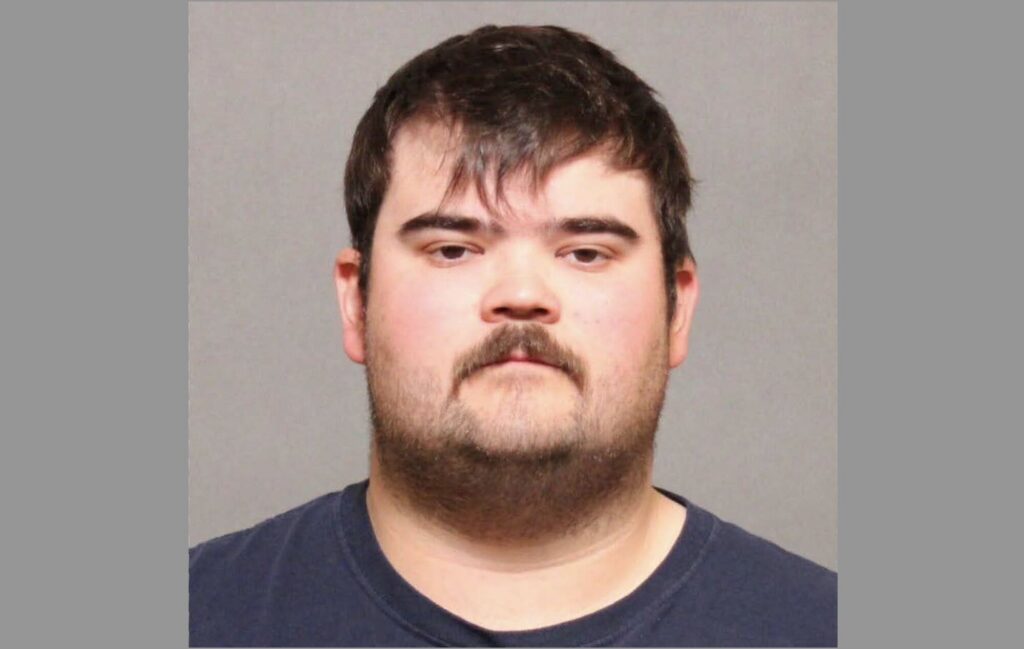
Colorado county Republican chair arrested in sting on allegations he tried to pay for sex with a child
Ernest Luning
ernest.luning@coloradopolitics.com
Updated 1 week ago
Hunter Rivera, the 24-year-old chairman of the Weld County Republican Party, was one of two men arrested Thursday on suspicion of trying to buy sex from Larimer County Sheriff’s Office investigators who posed as minors as part of an operation...
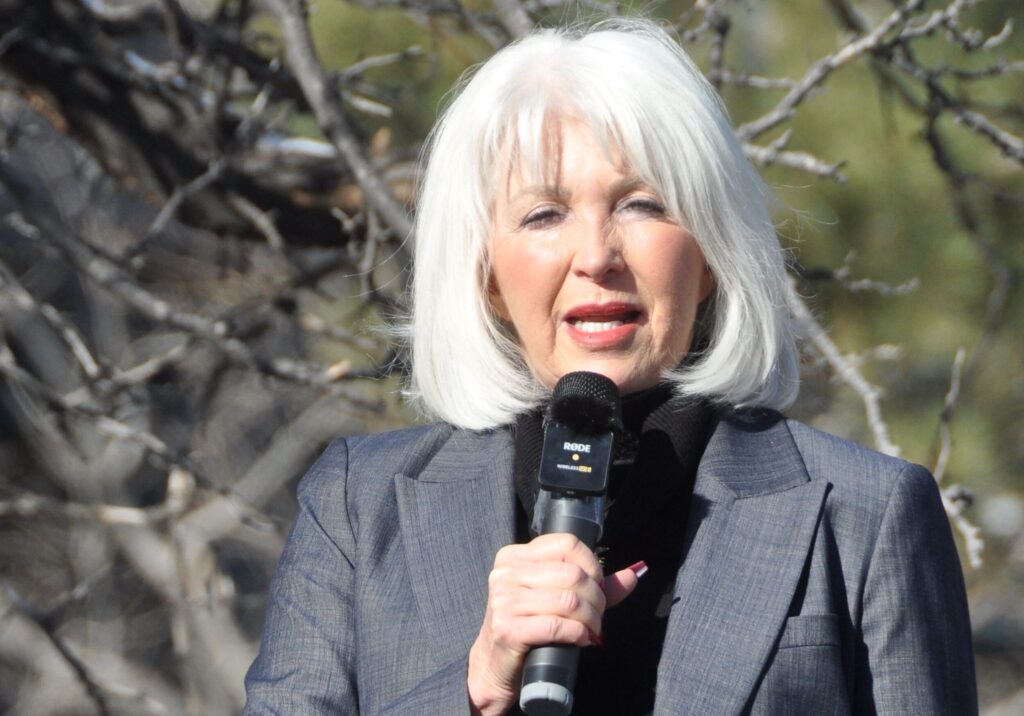
Colorado Gov. Jared Polis grants clemency to Tina Peters, makes her eligible for release from prison
Ernest Luning
ernest.luning@coloradopolitics.com
Updated 2 weeks ago
Colorado Gov. Jared Polis on Friday granted clemency to Tina Peters and made the former Republican county clerk eligible for release from state prison as soon as early June, capping months of speculation that the Democratic governor would shorten a...
Colorado legislators pass bill that sponsors say would strengthen sex crime victim protections
Jenny Deam
jenny.deam@gazette.com
Updated 2 weeks ago
A Colorado bill that supporters say would strengthen victim protections and mandate law enforcement training on how trauma can affect survivors of sex crimes and domestic violence is on its way to Gov. Jared Polis’ desk for signing. Senate Bill...
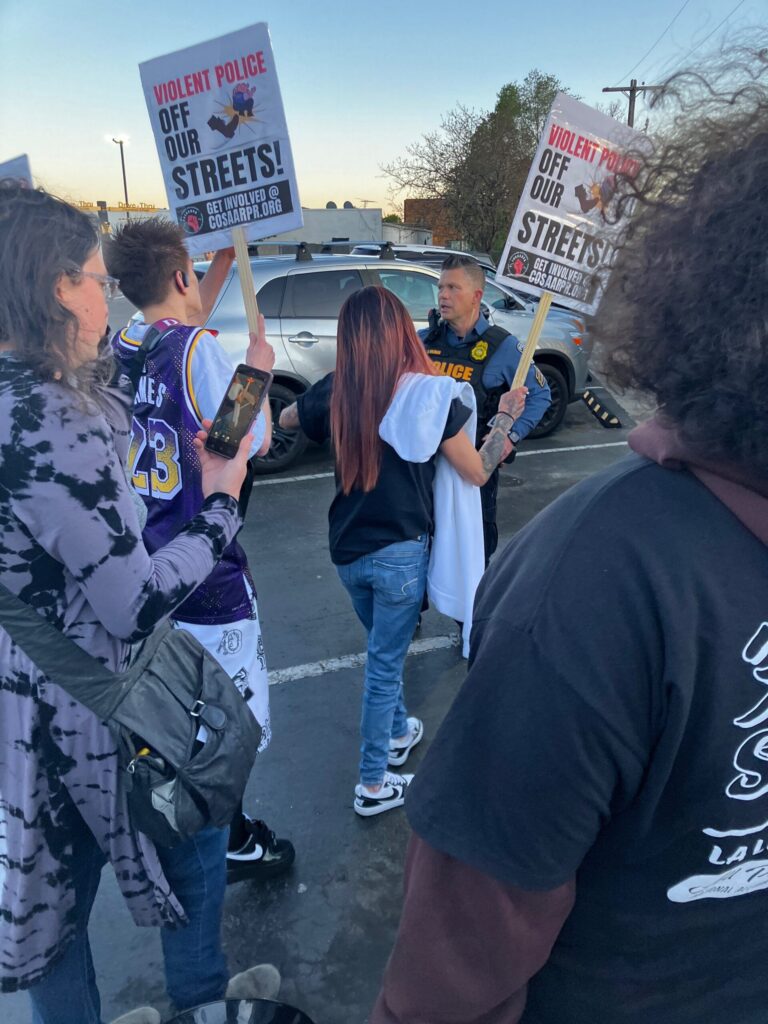
3 protesters face charges following demonstration in east Colorado Springs
O'Dell Isaac
odell.isaac@gazette.com
Updated 3 weeks ago
Three people face charges after a protest outside a Colorado Springs fast food restaurant reportedly got out of hand Saturday evening, according to city police. Brandon Rincon, Jacob Lesterlund and Frances Archuleta are expected to be charged with trespassing and...

Dismissal sought in Michael Clark’s second trial
Jenny Deam
jenny-deam@coloradopolitics.com
Updated 3 weeks ago
The murder conviction of Michael Clark should be dismissed due to a 32-year delay that led to crucial evidence being lost or destroyed, a bungled police investigation and “outrageous conduct” at the state crime lab, according to defense motion filed...

Colorado Springs family released from Texas ICE facility following judge’s order
Nick Smith
nick-smith@coloradopolitics.com
Updated 1 month ago
Nearly a year after an antisemitic attack in Boulder, a federal judge ordered Thursday that the suspect’s Colorado Springs-area family immediately be released from a Texas immigration detention center. Hayam El Gamal and her five children, Egyptian nationals, were taken...

Inmates will get $100, 30-day bus pass upon release under this Colorado proposal
Marissa Ventrelli
marissa.ventrelli@coloradopolitics.com
Updated 1 month ago
A measure working its way through the Colorado legislature seeks to provide all inmates money, a transit pass and identification upon release from Department of Corrections facilities. Proponents, including former prisoners, said it will reduce recidivism and provide people with...
PREV
PREVIOUS
Tapped: Colorado River overallocation collides with record drought conditions
Editor’s Note: The Denver metro region sits at the center of one of the American West’s most complex and consequential water challenges. This series examines the interconnected systems that determine how the region secures, stores and conserves its water while navigating the competing demands of fast‑growing urban communities and the increasingly unpredictable mountain snowpack that […]

How a CU Boulder law school program helped free a Denver man after 27 years in ‘shaken baby’ murder case
From the first time she looked at Stephen Martinez’s case, Boulder attorney Jeanne Segil knew she had a shot at getting him released from prison. Martinez, 58, spent 27 years behind bars for a crime he now says never happened. Four-month-old Heather Lynn Mares, the daughter of Martinez’s roommate, died Oct. 17, 1998 after she […]