

Colorado’s creative economy needs a business structure that actually fits | OPINION
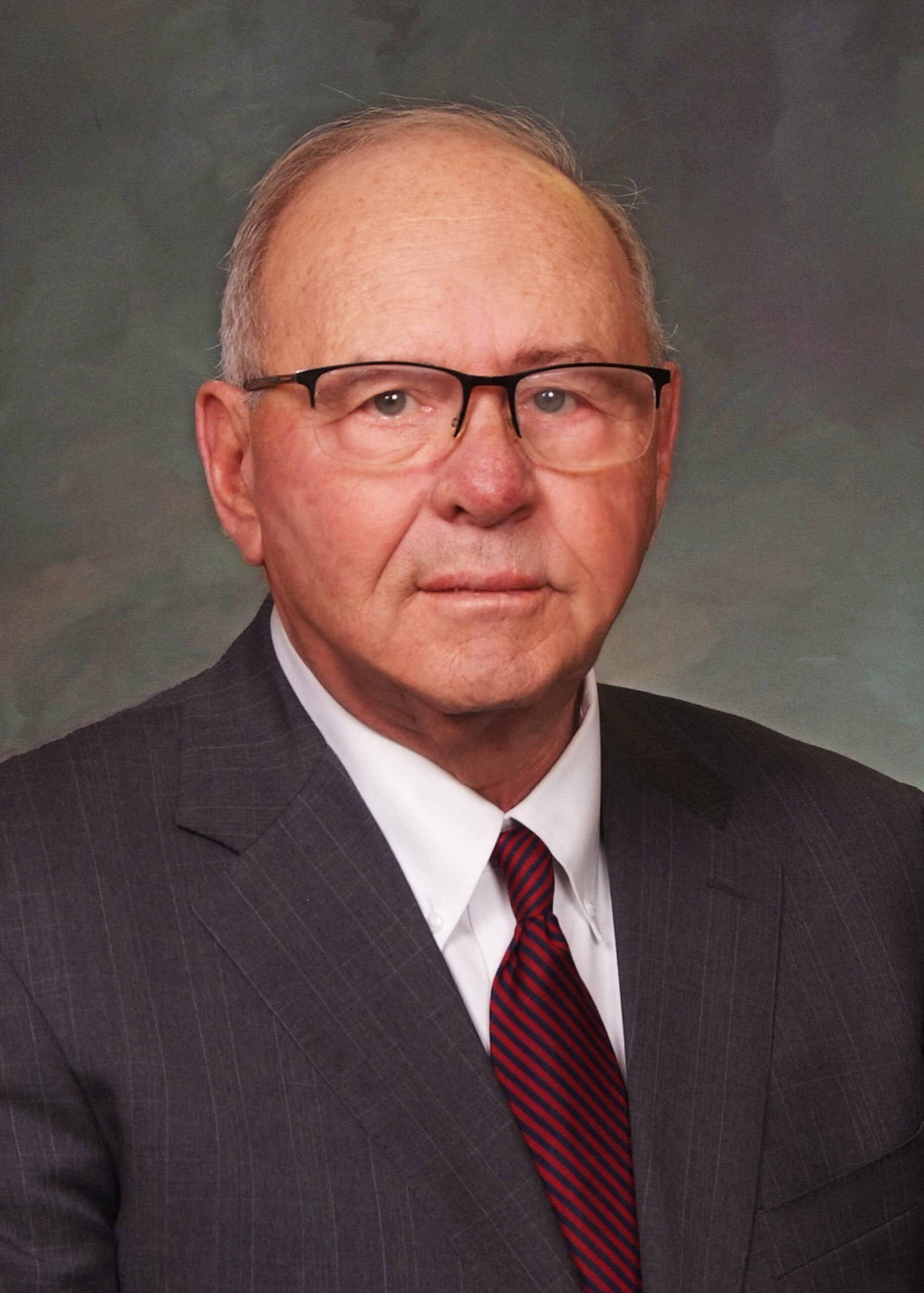
By Marc Catlin
Across Colorado, people are building something from the ground up.
I’ve seen it my whole life. I grew up on a farm in Montrose County, and I’ve spent my career working in agriculture, water, banking and small business. No matter the industry, the basics are the same. If you want something to last, you need a system that matches how the work actually happens.
Right now, that is not the case for many artists and creative professionals in Colorado.
Across the Western Slope and beyond, we have people building real businesses in music, design, film and visual arts. They are contributing to their communities in places like Aspen and Crested Butte, and in smaller towns like Paonia, Marble, and Lake City. These are not hobbies. These are livelihoods.
But when these folks try to set up a business, the options available to them do not fit how their work is created or shared. This bill represents a thoughtful effort to modernize Colorado’s business framework by recognizing the unique needs of artist-driven enterprises. By creating a tailored LLC structure, the legislation allows artists to collaborate, raise capital, and manage intellectual property in a way traditional business entities often fail to accommodate.
Creative work is often collaborative. It is built around intellectual property, and it can generate value over time. Existing business structures were not designed with that in mind. What we hear from people is they either have to spend a lot of money on lawyers to piece something together, or they end up in deals where they give up too much control of their work just to get started. That is not a good long-term model for individuals or for our economy.
The Colorado Artist Company Act is a practical, optional solution to that problem. It gives people another way to organize their business so it reflects how their work actually operates. It allows artists to contribute their work, share ownership, and set the terms for how that work is used and how income from it is shared.
Just as important, it helps people keep control of what they create.
This bill is not about creating a new mandate or adding complexity. It is about offering a tool people can choose to use if it fits their needs. It is built to work within Colorado’s existing business framework and to be practical to implement.
At its core, this is about supporting people trying to build something real.
In rural Colorado, we talk a lot about keeping industries strong and making sure the next generation has a path forward. That applies here too. If we want creative industries to grow and stick around, we need to give people a way to build something they can keep, grow and pass on.
This is a bipartisan effort because it is a common-sense idea.
If someone is doing the work, they should have a fair shot at building a business around it and keeping control of what they create.
That is what this bill does.
Colorado state Sen. Marc Catlin represents the seven counties of Delta, Eagle, Garfield, Gunnison, Hinsdale, Montrose and Pitkin. Sen. Catlin is a member of the Agriculture & Natural Resources; Transportation & Energy; and Business, Labor, & Technology Committees. Sen. Catlin also serves as a member on the Colorado Tourism Board.

Colorado housing laws take effect, expanding tools for affordable and workforce housing
Marissa Ventrelli
marissa.ventrelli@coloradopolitics.com
Updated 15 minutes ago
New housing laws taking effect on Aug. 12 in Colorado aim to boost affordability, improve homelessness response and ensure safer water systems for mobile‑home communities. The first bill, Senate Bill 001, allows municipalities to sell county- or town-owned property to...
Democrat Phil Weiser names Jeffco Commissioner Lesley Dahlkemper as his gubernatorial running mate
Ernest Luning
ernest.luning@coloradopolitics.com
Updated 2 hours ago
Colorado Attorney General Phil Weiser, the Democratic nominee for governor, on Wednesday named Jefferson County Commissioner Lesley Dahlkemper to be his lieutenant governor running mate in the general election. Weiser, who is facing Republican nominee Victor Marx for the seat...
Details emerge after teen motorcycle parental consent bill is set to become law in Colorado
Marianne Goodland
marianne.goodland@coloradopolitics.com
Updated 2 hours ago
Gov. Jared Polis this year signed a bill that requires minors to obtain parental consent for a motorcycle instruction permit — legislation inspired by a young man who almost died in a crash last year. The measure, House Bill 26-1079,...
Protecting Colorado from wildfire starts before fire arrives | PODIUM
Colorado Politics
colorado-politics@coloradopolitics.com
Updated 32 minutes ago
By Rick Cables Colorado is once again being reminded of how significantly wildfires can affect the people and places we love. In southern Colorado, the Aspen Acres fire has burned through the Wet Mountains near Beulah and Rye, quickly becoming...
Stop making business the health care scapegoat | GUEST COLUMN
Colorado Politics
colorado-politics@coloradopolitics.com
Updated 5 days ago
By John Carson It is perhaps a sad commentary in the wake of our nation’s 250th birthday to note even in this hyper-polarized age, one thing nearly every American can agree on is American health care is a mess. But...
The CPW Commission’s act of courage | GUEST COLUMN
Colorado Politics
colorado-politics@coloradopolitics.com
Updated 5 days ago
By Eric Washburn Winston Churchill once said: “Courage is rightly esteemed the first of human qualities because, as has been said, it is the quality which guarantees all others.” Until this year, CPW has allowed hunters to kill as many...
The CPW Commission’s act of courage | GUEST COLUMN
Colorado Politics
colorado-politics@coloradopolitics.com
Updated 5 days ago
By Eric Washburn Winston Churchill once said: “Courage is rightly esteemed the first of human qualities because, as has been said, it is the quality which guarantees all others.” Until this year, Colorado Parks & Wildlife has allowed hunters to...

Survey: Voters in Colorado’s 8th Congressional District back federal AI regulations
Marissa Ventrelli
marissa.ventrelli@coloradopolitics.com
Updated 24 hours ago
A majority of both Democrats and Republicans in one of Colorado’s most competitive congressional districts say they support federal regulations on artificial intelligence, according to a recent survey. Members of both major parties residing in the state’s 8th Congressional District...
Colorado Republicans will have to live with the consequences of their candidate of choice | Miller Hudson
Miller Hudson
miller-hudson@coloradopolitics.com
Updated 5 days ago
Two surprising election results this year in Colorado and Maine’s 2026 primaries compel us to examine the role of voters. It’s usually regarded as impolite, if not insulting, to question the judgment of voters. Democratic theory often implies the collective...

Colorado Commission prioritizes feelings over science | Rachel Gabel
Rachel Gabel
rachel-gabel@coloradopolitics.com
Updated 5 days ago
The Colorado Parks and Wildlife Commission voted Thursday and prioritized feelings over science-based management. Meanwhile, Rancher X is the beneficiary of those feelings-driven decisions. Well played, Governor. The newest appointees to the CPW Commission are just the parting gift you...
PREV
PREVIOUS

It's time Colorado built back to affordability | OPINION
By Samuel G. Michael The price of calling Colorado home has climbed faster than its fourteeners, and not everyone can keep up. Our beloved state is an increasingly unaffordable place to live, pricing out the very people who make it thrive. Without decisive legislative action, we risk losing the essence of what makes Colorado special. […]
Drug-induced abortions open a can of worms on campus | PODIUM
By Tom Perille Why mandate drug-induced abortion access at Colorado’s colleges and universities? At a time of unprecedented Colorado state budget challenges, you would think state legislators would be laser focused on creating and funding those programs where there is broad public consensus and demonstrated need. They would avoid measures driven primarily by tribal and […]