

Colorado governor nixes bills on swipe fees, suing feds and firefighter benefits
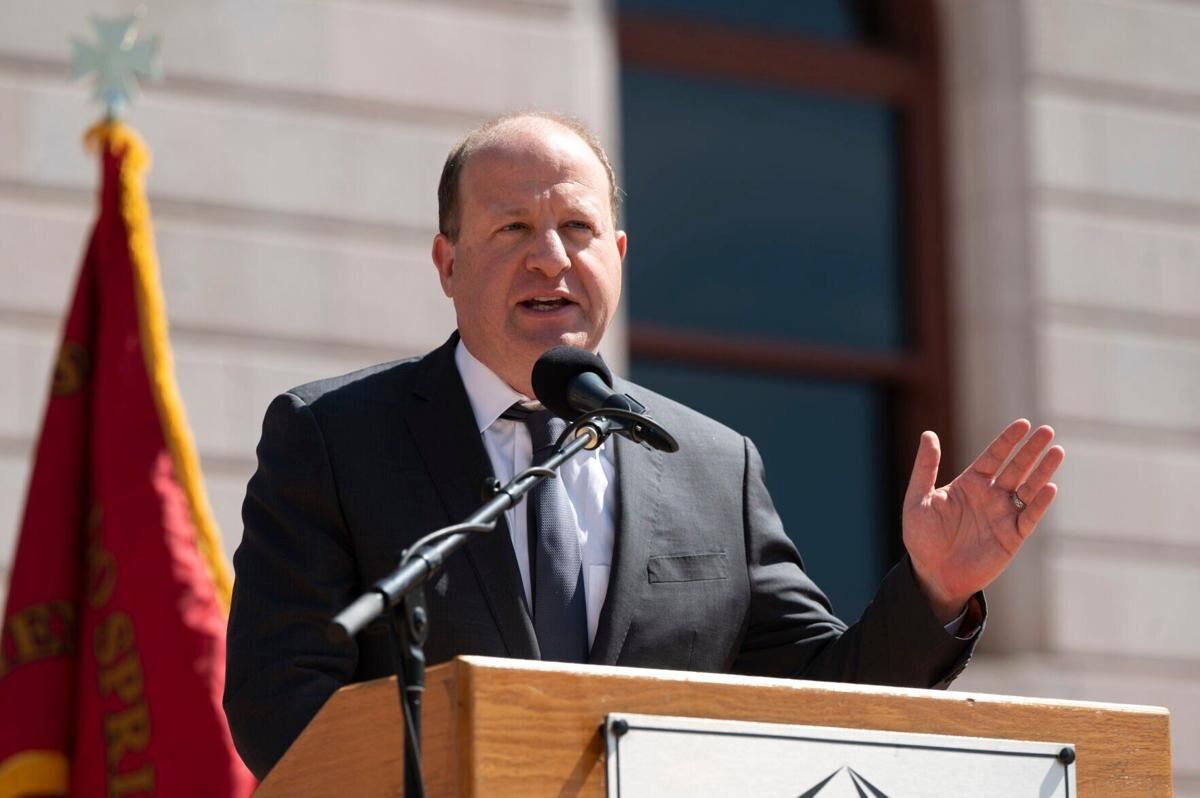
Gov. Jared Polis vetoed three bills Wednesday, rejecting measures on credit‑card swipe fees, immigration enforcement lawsuits, and firefighter cancer coverage.
In doing so, the governor set a new personal record for vetoes in a single session, having now rejected 12 bills that were passed this year.
Among those bills was Senate Bill 134, which would have prohibited credit card companies from charging businesses a transaction fee based on the amount of sales tax. That is, they may not include the sales tax portion of a transaction when calculating the percentage-based “swipe” fee.
The bill, a reincarnation of a similar measure that failed from the year before, received significant attention from lobbying groups. The Secretary of State’s website showed 175 lobbyists and lobbying firms signed up to work on the bill, with about half in support and half opposed.
“Swipe fees are lining the pockets of Wall Street banks while Colorado’s small businesses struggle to make ends meet,” said bill sponsor Majority Leader Monica Duran. “Every dollar matters for a small business, which is why I’m sponsoring this legislation to eliminate swipe fees on sales tax.“
In his veto letter, Polis said he is open to the bill’s “core concept” and the problem it seeks to address, but that he is worried about its potential impact on small businesses. He said he believes the issue is better suited for the federal government to tackle.
“Ultimately, the bill presents too much legal risk to Colorado’s business environment and consumers, with limited upside for small businesses, for me to be comfortable signing,” he wrote, adding that it is “quite possible” that the bill would never go into effect, as the Illinois legislature has repeatedly delayed implementation of a similar law due to ongoing litigation.
“Even if the bill were to survive legal scrutiny and go into effect in our state, it is questionable whether this bill is fully implementable or operationally feasible,” Polis wrote. “This would be a Colorado-specific carve-out to the national and global integrated payments system and it is unclear to me how the state would implement it.”
The Electronic Payments Coalition, which represents banks, credit unions, and credit card networks, celebrated the veto.
“Governor Polis made the prudent and responsible decision for Colorado,” said Richard Hunt, the group’s executive chairman. “This bill would have created chaos for merchants and consumers alike, threatened popular credit card rewards programs millions of Coloradans rely on, and placed community banks and credit unions in an impossible position.”
Polis vetoes bill allowing residents to sue federal agents
Polis also vetoed Senate Bill 005, which would have allowed individuals to sue immigration officers if they believe their constitutional rights were violated.
The legislation is among the latest in a string of proposals from Democrats, who have positioned Colorado’s state government and jurisdictions they dominate in a more confrontational stance against the federal government particularly when it comes to illegal immigration. Notably, Colorado has long adopted “sanctuary” policies, which refer to laws or ordinances that limit or prohibit cooperation with federal immigration authorities.
Sen. Mike Weissman, D-Aurora, who sponsored the legislation, said it “stands for the basic principles that government agents must follow the law like everyone else.”
“This legislation reaffirms the civil rights of all Coloradans,” he added.
Meanwhile, Rep. Carlos Barron, R-Fort Lupton, said he fears it would inhibit immigration agents from doing their job, with serious repercussions for public safety in Colorado.
“By limiting these federal agents and having them fear of breaking this state law is allowing for actual illegal alien criminals to roam our state and our country, plotting their next attack,” he said.
The bill passed on a party-line vote in both chambers.
Polis sided with the other side of the aisle in opposing the measure, though not for the same reasons.
He said while he agreed that no one is above the law and that the country has seen examples of constitutional rights violations during immigration enforcement operations, he ultimately decided that the bill’s narrow language carried too many legal risks.
“If struck down by a court, it could weaken protections for vulnerable community members,” Polis wrote in his veto letter. “This concern stems from the bill’s narrow focus on civil immigration enforcement — the only circumstances under which constitutional rights are protected by SB26-005.”
The bill covered only civil actions, meaning individuals whose rights are violated during a criminal immigration investigation would not be able to seek justice, Polis said.
“It’s that narrow focus that unfortunately creates legal jeopardy,” he wrote. “I believe Colorado has a chance to get this right — and we must pass a broader version of this bill that protects all constitutional rights, including in the immigration context, that will serve to truly hold public officials accountable.”
Polis rejects bill on workers compensation for firefighters
The governor’s third veto of the day was for Senate Bill 184, which would have updated the Workers’ Compensation Act of Colorado to expand the types of cancer that are considered occupational diseases for firefighters.
Under the Workers’ Compensation Act, firefighters who are believed to have contracted certain cancers while on the job are eligible for workers’ compensation benefits.
“Firefighters save lives — often by entering burning buildings full of toxins and cancer-causing substances,” said Senate Majority Leader Robert Rodriguez, D-Denver, who sponsored the legislation. “Gaps in existing law lead to denied claims and leave firefighters without the coverage they need. We must ensure they receive care if diagnosed with cancer or a neurological disorder that they very likely got due to their work as a firefighter.”
In his veto letter, Polis said he was asked to reject the bill by the state’s fire chiefs, local governments, and special districts, which argued it would diminish the Colorado Firefighter Trust’s durability and exclude state-employed firefighters.
Polis said the bill would make it less likely that fire districts participate in the trust, which provides cardiac, cancer and behavioral health benefits to professional and volunteer firefighters in the state.
“Decreased participation in the Trust might make it harder for those who do participate to receive the expedited access to benefits and services they deserve,” he wrote. “It will also both raise costs for the fire districts and delay benefits to firefighters. Raising costs for fire districts is also problematic at a time when we need every resource possible to help with fire preparedness and response.”
Polis noted that more than 200 state-employed firefighters were excluded from the bill “simply to avoid a fiscal note.”
“Our state firefighters should not be treated differently than any other firefighter, as they face many of the same health-related risks,” he said. “It is precisely because we value the service of firefighters and recognize the unique health risks they face that I am vetoing this bill.”
Polis encouraged further dialogue between firefighters, local governments, and workers’ compensation stakeholders, and requested an update on those conversations by Sept. 1.
“We should do everything we can to ensure that the system works well for these heroes,” he wrote. “However, this bill takes us in the wrong direction.”
Marianne Goodland contributed to this story.
Editor’s Note: This story was corrected to reflect who supported some measures


Immigration reporting measure fuels debate over Colorado’s role with ICE
Marissa Ventrelli
marissa.ventrelli@coloradopolitics.com
Updated 5 hours ago
A coalition of advocacy groups and several district attorneys rallied outside the Colorado Capitol on Thursday to oppose a ballot measure that, if approved by voters in November, would require state and local law enforcement to cooperate with federal immigration...

Ballot measure aims to shift Colorado sporting goods tax revenue to land, water and wildfire projects
Marissa Ventrelli
marissa.ventrelli@coloradopolitics.com
Updated 50 seconds ago
Colorado voters this November will decide whether to direct a share of sales tax revenue from sporting goods — including bicycles and skiing equipment — toward land and water conservation, wildfire prevention and expanding outdoor recreation. Supporters say the measure...

Fighting for every Colorado rural hospital on the eastern plains | GUEST COLUMN
Colorado Politics
colorado-politics@coloradopolitics.com
Updated 2 days ago
By Lauren Boebert After touring Melissa Memorial Hospital in Holyoke and Wray Community District Hospital — two of more than a dozen rural hospitals in my district — I was again reminded why I fight for them in Washington. The...

Fix Colorado without shortchanging taxpayers | GUEST COLUMN
Colorado Politics
colorado-politics@coloradopolitics.com
Updated 1 day ago
By Lisa Frizell If we truly want to fix Colorado, we must respect taxpayers, demand accountability and prioritize classroom results. Proposition NN fails the test. The far left put forth this measure, presenting it as the only way to fund public...

New anti-gun legislation is about preventing firearm ownership, not safety | GUEST COLUMN
Colorado Politics
colorado-politics@coloradopolitics.com
Updated 2 days ago
By Ava Flanell It’s been a little more than a month since the most radical anti-gun legislation went into effect in Colorado history: Senate Bill 25-003. Originally intended as an “assault weapons ban,” Colorado Democrat sponsors settled for a complicated...
Denver sues Trump to block armed ICE agents from polling sites
Deborah Grigsby
deborah.smith@denvergazette.com
Updated 2 days ago
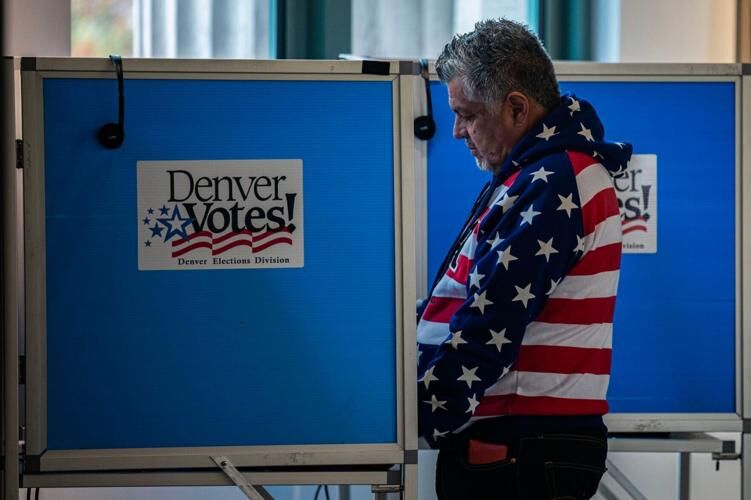
The city of Denver, along with several groups, sued the Trump administration Thursday, seeking to block U.S. Immigration and Customs Enforcement officers who are armed from polling sites during the upcoming midterm elections. In fact, there are no official orders...
Colorado doctors, dentists challenge state law on gender‑transition services in new federal lawsuit
Marissa Ventrelli
marissa.ventrelli@coloradopolitics.com
Updated 18 hours ago
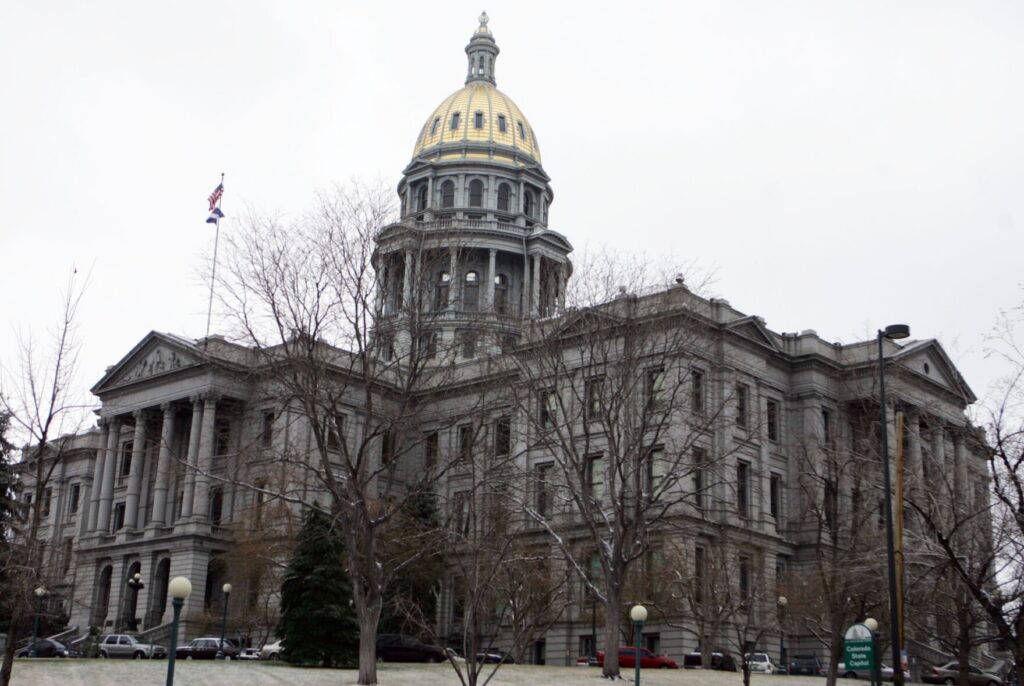
A group of Christian doctors and dentists has filed a federal lawsuit challenging a Colorado law they say requires them to provide gender‑transition services that conflict with their religious and ethical beliefs. The lawsuit, filed by the Christian Medical and...
Colorado ed department must up its competence to prevent waste, fraud, abuse | Paula Noonan
Paula Noonan
paula-noonan@coloradopolitics.com
Updated 2 days ago
The Colorado Department of Education let $24 million fly from its checking accounts from January 2017 through June 2026 to CHE, aka Colorado Homeschool Enrichment. The details show how easily CHE and Education Re-Envisioned BOCES re-envisioned how to convert public...
Remember the injustice of forced unionism | GUEST COLUMN
Colorado Politics
colorado-politics@coloradopolitics.com
Updated 2 days ago
By Mark Mix This Labor Day we celebrated the men and women whose hard work keeps the country running. But in Colorado, many of those same workers face a real threat: pay union dues or lose their job. That’s because...

Should we always blame voters for low civic participation in elections? | GUEST COLUMN
Roland Halpern
roland-halpern@coloradopolitics.com
Updated 3 days ago
This year, like every election cycle, we hear the same complaints — enough citizens don’t vote. Voter turnout is too low. People are disengaged. Citizens are shirking their civic responsibility. If only voters cared more, democracy would work better. Fair...
PREV
PREVIOUS

Bennet wants to be Colorado's next governor | Cronin and Loevy
U.S. Sen. Michael Bennet is considered the front-runner in the Colorado Democratic Party primary contest for governor. His major opponent is current Colorado Attorney General Phil Weiser. The Democratic primary election is June 30. Registered Democrats and unaffiliated voters who choose to can vote in this election. Ballots are being mailed out starting Monday. Michael F. Bennet, 61, was born in New Delhi, India, where his father […]

CPW has a weighty decision to make on a recent wolf kill | Rachel Gabel
Gov. Jared Polis made three new appointments to the Colorado Parks and Wildlife Commission and reappointed both Richard Reading, at-large representative, and vice chair Gabriel Otero, sportspersons representative who resides west of the Continental Divide. Appointed as a production agriculture representative residing west of the Continental Divide, John LeCoq of Silverthorne, is, according to a release, a longtime landowner of 400 acres of grazed land that is […]