

Bennet wants to be Colorado’s next governor | Cronin and Loevy

U.S. Sen. Michael Bennet is considered the front-runner in the Colorado Democratic Party primary contest for governor. His major opponent is current Colorado Attorney General Phil Weiser.
The Democratic primary election is June 30. Registered Democrats and unaffiliated voters who choose to can vote in this election. Ballots are being mailed out starting Monday.
Michael F. Bennet, 61, was born in New Delhi, India, where his father was an aide to the U.S. ambassador.
He was educated at St. Albans, a well-known private preparatory school in Washington, D.C. He graduated from Wesleyan University and went on to Yale Law School, where he was editor-in-chief of the Yale Law School Journal.
Bennet won a law clerkship with a U.S. Court of Appeals judge and later served on the staff of a deputy attorney general in the Clinton administration Justice Department.
He came to Colorado in the late 1990s and spent seven years working for the Anschutz Investment Co. He helped restructure distressed companies, and he reorganized the Regal Entertainment Group.
This business experience paid Bennet well, especially in stock and stock options. It helped Bennet gain business skills and private-sector experience.
He then was hired by Denver Mayor John Hickenlooper as chief of staff. Two years later, he was selected as superintendent of Denver Public Schools, serving 2005-2009. Bennett won a reputation as a public school reformer.
Gov. Bill Ritter appointed Bennet to the U.S. Senate after Sen. Ken Salazar was appointed by President Barack Obama as Secretary of the Interior.
Bennet won elections to the Senate in 2010, 2016 and 2022. He won by about 30,000 votes in 2010, then won reelection by 155,000 votes in 2016 and an impressive 365,000 votes in 2022.
Bennet ran an early and unsuccessful campaign for the Democratic Party nomination for president in 2020. He dropped out in February 2020 before major presidential primaries and caucuses had been held.
He told us in a recent interview that, in campaigning for president he learned that most of the country is similar to Colorado — that most people in the country share our Colorado-common-sense values.
Bennet is married to an attorney and is the father of three daughters. He says that it was his wife’s decision to come to Colorado, and that he was, in many respects, the “trailing spouse.”
His brother, James Bennet, has been a prominent journalist with The New York Times and more recently with The Economist magazine.
Senator Bennet likes to portray himself as a collaborative, bipartisan legislator, who enjoys working with fellow senators on important immigration, health care and inflation issues.
He was one of a group of eight senators who crafted a highly regarded bipartisan immigration reform bill a few years ago. It failed to win passage in the U.S. House.
Bennet takes credit for helping to write some portions of the Expanded Child Tax Credit Act of 2021, the Inflation Reduction Act of 2022 and a drug supply-chain security initiative.
Despite being in the Senate for several years, Bennet has not especially won attention as a leader there. He is not identified as a major voice in major policy reforms. Still, several of his fellow senators have endorsed him for Colorado governor.
He has also been endorsed by fellow Colorado senator Hickenlooper, and U.S. Reps. Jason Crow, Joe Neguse and Brittany Pettersen. He has been endorsed by Denver Mayor Mike Johnston and by major labor unions in Colorado.
It is noteworthy that Bennet has two more years left in his current six-year term in the Senate. If he fails to win the Democratic nomination for governor or the general election against a Republican in November, he will still remain a U.S. senator for the next two years. If he is elected governor, he will appoint his replacement in the U.S. Senate.
Bennet says he has not made a list of the people he might select to replace him in the Senate. He told a televised debate audience last week that he is likely to pick someone under age 50.
We asked Bennet what his priorities would be if he is elected governor. He emphasized that making Colorado more affordable was a top priority. He noted that it’s the third-most-expensive state to live in. He said his goal would be to encourage building more affordable housing in Colorado.
In addition, Bennet said that Colorado must make itself more competitive –to keep businesses in the state and attract new ones. Coloradans, he said, are living in a “blue state drowning in red tape.”
Bennet is proud of his work with the energy and aerospace industries in Colorado. He says we must do more to make Colorado business-friendly, yet he is a bit vague about what exactly this means.
He said current Gov. Jared Polis has done a good job, but it will take more than one governor to do what is needed. He praises Polis’ early childhood program, but faults Polis for vetoing regulations on social media.
When we asked Bennet about building of data centers in Colorado, he allowed he would favor them, if they did not take water and electricity away from their localities.
Bennet also says we need to do much more on child care and youth mental health. He says he wants to be governor because he believes more problems can be solved at the state level than in the fractious, stalemated political environment of Washington. And, he said, he didn’t see any potential candidates for governor who had the abilities he has to provide new leadership, especially on the cost of living.
Observers have questioned Bennet’s desire to leave the Senate at a time when he is gaining significant seniority, which means a lot on Capitol Hill. This is true, but he is doubtless frustrated with the hyper-partisan atmosphere in the Senate and in the nation.
Bennet describes himself as an “anti-Trumper.” He is proud of fighting against President Donald Trump’s efforts to sell off national forests. He is proud of helping to reverse Health and Human Services Secretary Robert F. Kennedy Jr.’s positions on flu and measles vaccines.
Bennet is trying to portray himself as more anti-Trump than his opponent Weiser. But Bennet’s TV ads and debate comments on the subject are more strained than persuasive.
Both candidates promise to do much more: Build affordable housing, protect against wildfires, lower the crime rate, improve Pena Boulevard, provide better mental health treatment programs and conserve water. There is little or no mention of cutting existing programs or raising taxes. Voters don’t like to hear about those things, and the candidates know this.
Bennet, as governor, would have to balance the state budget. But in the years he has been a senator, the national debt has more than tripled. He tells us this is “outrageous,” and he is obviously sensitive about it. He had one of his aides send us a memo about his efforts to curb the surging national debt. Few of these were effective. The debt in 2009 was about $12 trillion. Today, it is about $40 trillion. Presidents Obama, Biden and Trump and elected Democrats and Republicans share responsibility.
Bennet’s strengths are his experience in business and as an effective leader of Colorado’s largest public school district. He has won three statewide elections and has been a “player” in many major national policy debates. He is a good debater, though not especially known as a public speaker. His opponent has been more effective as a fundraiser in Colorado, but Bennet has more out-of-state money and a huge contribution from former New York City Mayor Michael Bloomberg.
Bennet liked playing baseball in his youth; he now enjoys climbing Colorado mountains. He mentioned climbing Mount Elbert a couple years ago. And, like most of us, he is a Denver Nuggets fan.
Pundits, polls and prediction markets continue to see Bennet as the probable Democratic nominee. But Weiser has run a solid campaign. He did not, however, score a decisive blow in several debates.
Much can happen in the final three weeks. Bennet and Weiser now must convince Colorado Democrats and independents that they have the leadership intelligence and governing skills to help solve Colorado’s major public policy problems.
News columnists Tom Cronin and Bob Loevy write regularly about politics. They are co-authors of “Colorado Politics: Governing a Purple State.”


A tale of two debates | Vince Bzdek
Vince Bzdek
vince.bzdek@gazette.com
Updated 19 hours ago
Ballots go out Monday as the June 30 state primary elections bear down on us. As a result, it is suddenly the season of proliferating political debates, and there have been some doozies already. I had the chance to see two very...
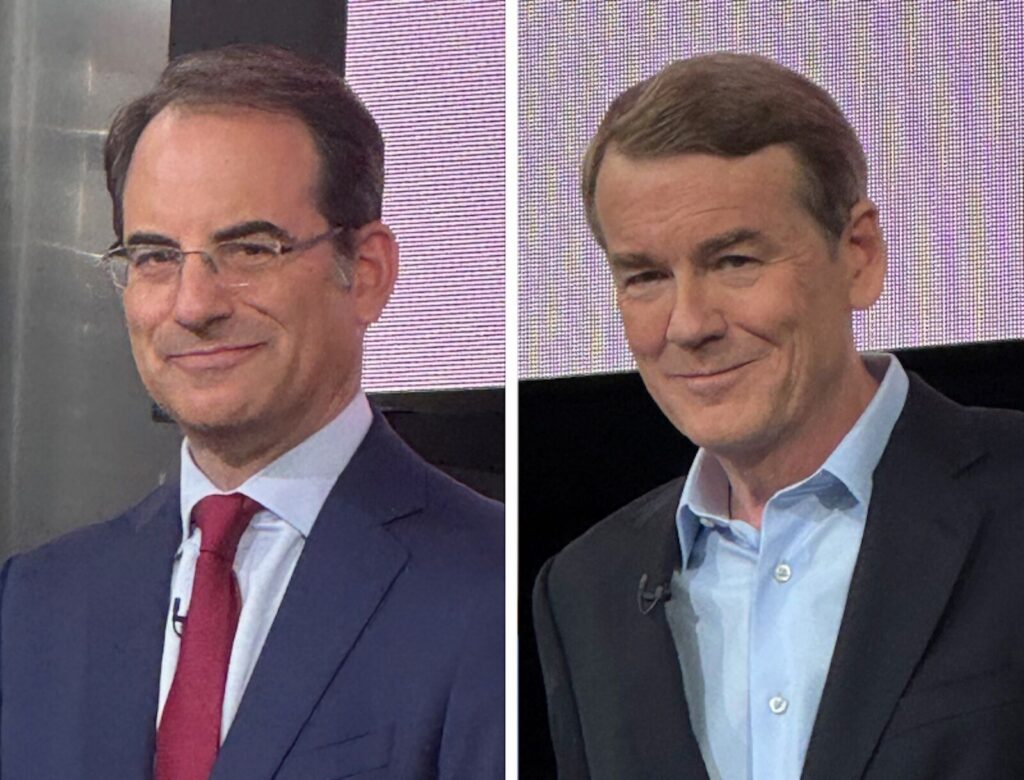
Democrats Bennet, Weiser square off in spirited Colorado gubernatorial primary debate
Ernest Luning
ernest.luning@coloradopolitics.com
Updated 2 days ago
The two Democrats running for governor of Colorado agreed on nearly every policy-related topic but vehemently clashed over which of them is best equipped to lead the state through what one described as an “existential moment” in a televised debate...
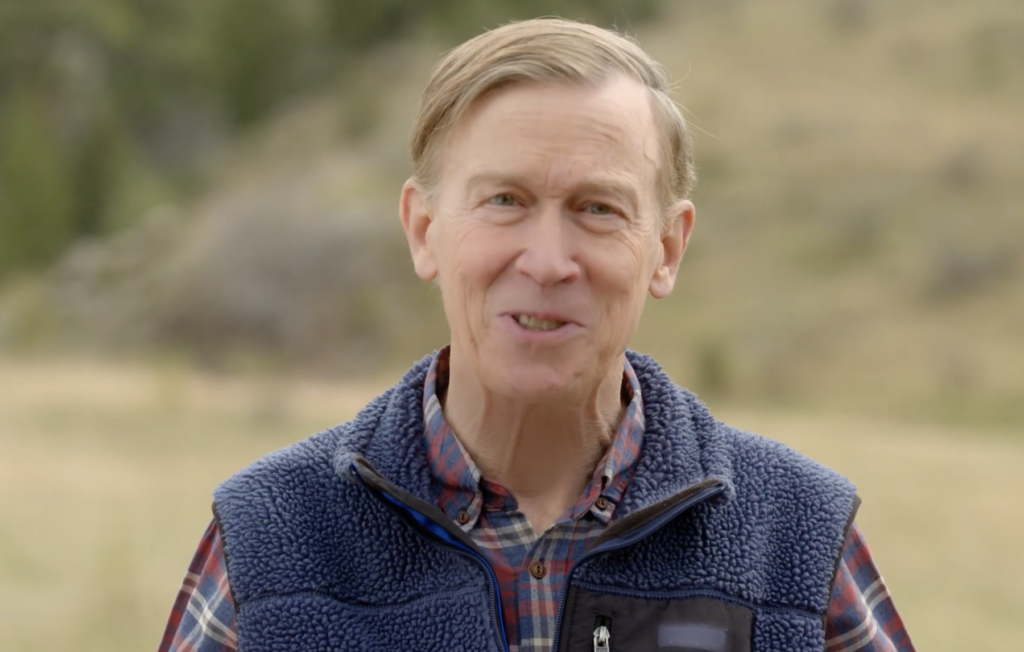
Hickenlooper hits airwaves with 1st TV ad in Colorado’s Democratic US Senate primary
Ernest Luning
ernest.luning@coloradopolitics.com
Updated 5 days ago
U.S. Sen. John Hickenlooper launched his reelection campaign’s first TV ad Tuesday, a week before Colorado voters start receiving primary ballots, with a spot taking aim at the Trump administration’s foiled plans to sell public lands. Hickenlooper is facing a...
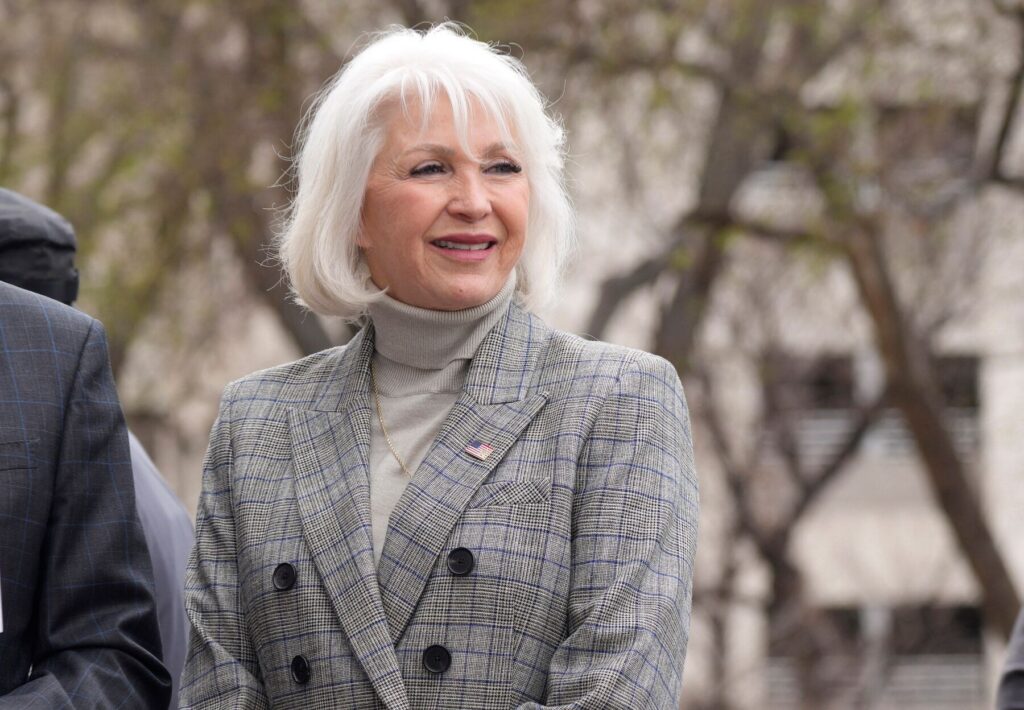
Colorado Democrats slam Tina Peters’ release, while Republicans cheer
Ernest Luning
ernest.luning@coloradopolitics.com
Updated 6 days ago
Tina Peters, the former Colorado county clerk convicted of breaching her county’s secure voting equipment, drew cheers from fellow Republicans upon her release from prison Monday after Democratic Gov. Jared Polis commuted her sentence. Other state Democrats, however, said remarks...
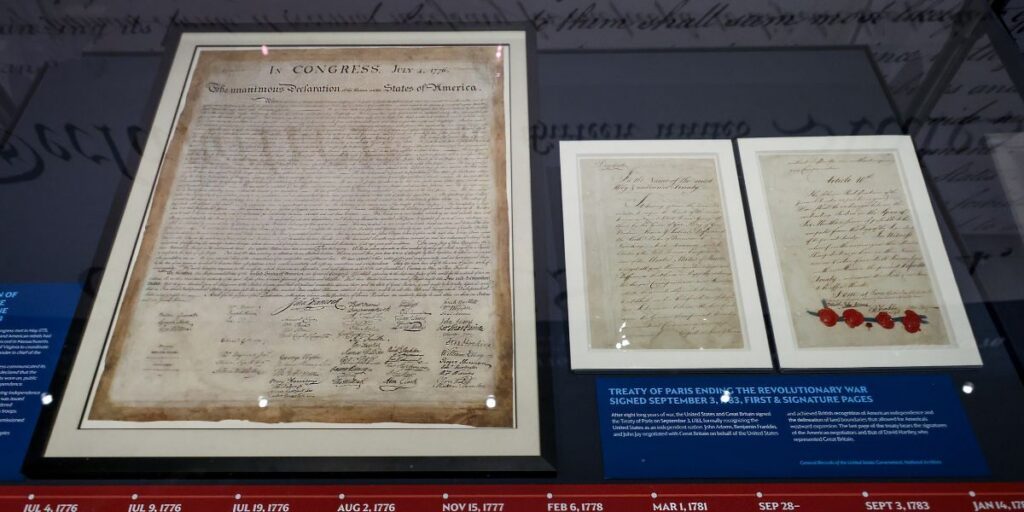
Founding documents reconnect us to our shared American roots – and rebelliousness | Vince Bzdek
Vince Bzdek
vince.bzdek@gazette.com
Updated 1 week ago
When you first lay eyes on the actual founding documents of our country that, for the first time in history, have traveled together from their gilded cages in Washington to visit us out here in the hinterlands, you’re struck not...

Democrat Evan Munsing suspends campaign in primary to challenge Gabe Evans in Colorado’s 8th CD
Ernest Luning
ernest.luning@coloradopolitics.com
Updated 2 weeks ago
Democratic congressional candidate Evan Munsing announced Wednesday that he is suspending his campaign to challenge Republican U.S. Rep. Gabe Evans in Colorado’s most competitive U.S. House district, saying his bid to run as an outsider committed to reform has been...
Trump administration releases $40 million for Colorado water project
Marianne Goodland
marianne.goodland@coloradopolitics.com
Updated 2 weeks ago
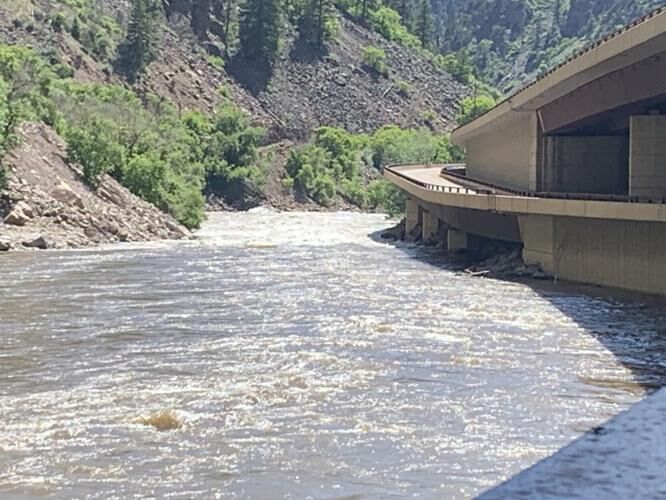
The Trump administration on Friday released $40 million, clearing the way for a water district and its partners to finish funding the purchase of some of the state’s most senior Colorado River water rights, Gov. Jared Polis announced. Federal funding...
Democrat John Hickenlooper launches 1st ad in Colorado’s US Senate primary
Ernest Luning
ernest.luning@coloradopolitics.com
Updated 3 weeks ago
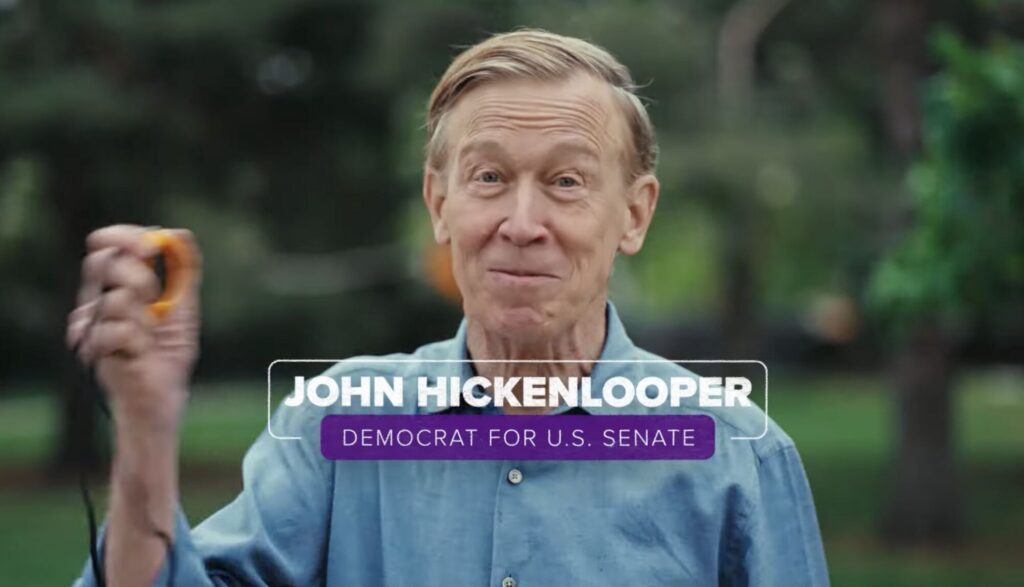
U.S. Sen. John Hickenlooper hits screens Tuesday with his reelection campaign’s first statewide ad, recounting highlights of the Colorado Democrat’s business and political career. The 30-second spot, set to air on digital and streaming platforms, lands six weeks before the...
Colorado county Republican chair arrested in sting on allegations he tried to pay for sex with a child
Ernest Luning
ernest.luning@coloradopolitics.com
Updated 3 weeks ago
Hunter Rivera, the 24-year-old chairman of the Weld County Republican Party, was one of two men arrested Thursday on suspicion of trying to buy sex from Larimer County Sheriff’s Office investigators who posed as minors as part of an operation...
Colorado Gov. Jared Polis grants clemency to Tina Peters, makes her eligible for release from prison
Ernest Luning
ernest.luning@coloradopolitics.com
Updated 3 weeks ago
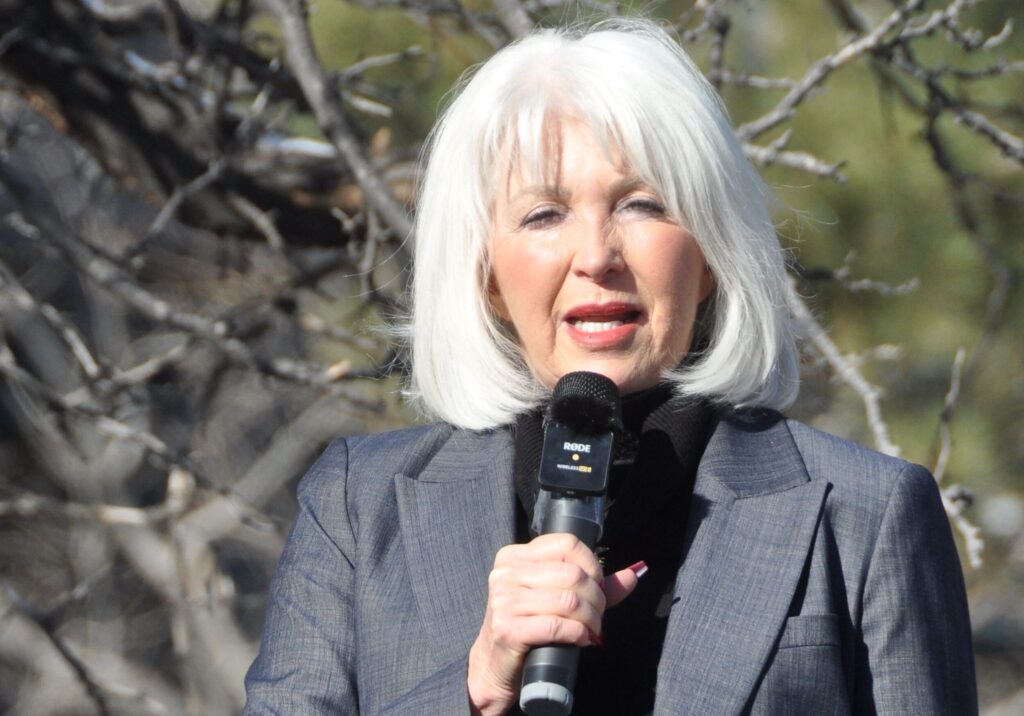
Colorado Gov. Jared Polis on Friday granted clemency to Tina Peters and made the former Republican county clerk eligible for release from state prison as soon as early June, capping months of speculation that the Democratic governor would shorten a...
