

Divided 10th Circuit upholds Colorado congestion fee on car rentals

The Denver-based federal appeals court concluded on Monday that a 2024 “congestion impact fee” that lawmakers imposed on short-term vehicle rentals did not conflict with a federal prohibition on certain airport-related charges.
Beginning in the 1970s, Congress began limiting the types of taxes or fees that state or local governments could impose at airports. Originally, Congress prohibited taxes on individual passengers and commerce, then it expanded the prohibition to taxes “exclusively” on airport businesses.
Finally, in 2018, Congress forbade states and localities from unreasonably burdening or discriminating against interstate commerce by imposing charges upon airport businesses that are “not generally imposed” on other activities. There was an exception for revenues that would be “wholly utilized for airport or aeronautical purposes.”
The question for the U.S. Court of Appeals for the 10th Circuit was whether a daily charge on car rentals, which disproportionately occur at airports, ran afoul of the 2018 prohibition. By 2-1, a three-judge panel determined it did not.
Colorado’s legislation refers to “fee payers,” wrote Judge Scott M. Matheson Jr. in the July 27 opinion. While lawmakers did not define that term, the majority believed the fee payers were the people renting cars, not the airport businesses.
The federal law “prohibits a fee ‘upon any business located at a commercial service airport.’ It therefore does not apply to the Fee and does not preempt the Colorado law,” wrote Matheson for himself and Judge Joel M. Carson III.
Case: American Car Rental Association v. Humphreys
Decided: July 27, 2026
Jurisdiction: U.S. District Court for Colorado
Ruling: 2-1
Judges: Scott M. Matheson Jr. (author)
Joel M. Carson
Allison H. Eid (dissent)
Judge Allison H. Eid dissented, believing Congress’ prohibition applied to the congestion impact fee.
“By focusing on the phrase ‘fee payers,'” she wrote, “the majority overlooks the broader statutory framework supporting the Congestion Impact Fee — a scheme that operates upon airport businesses, not on their customers. Most importantly, car rental companies have no obligation under Colorado law to pass the Congestion Impact Fee on to their customers.”
Senate Bill 184 directed the state to impose a congestion impact fee on short-term vehicle rentals, capped at $3 per day, that is “reasonably calculated to generate only the amount of revenue needed to pay the overall costs of providing the services to fee payers.” The bill specified that financial investments in rail and transit would decrease the congestion that rental drivers encounter.
The American Car Rental Association challenged the fee, arguing federal law preempted the charge as designed. It sought to declare the fee invalid, but only for vehicle rentals occurring at airports.
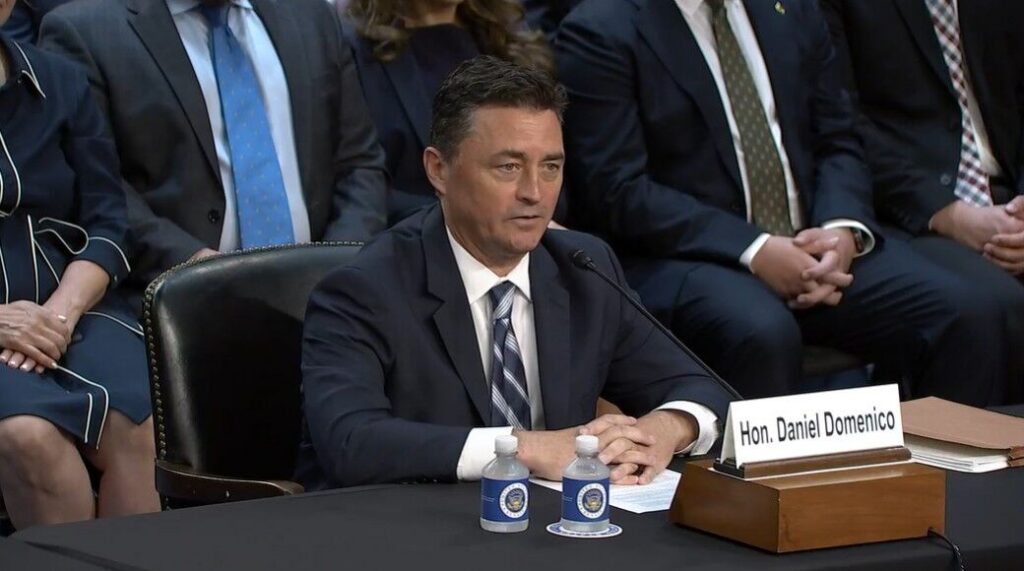
In May 2025, U.S. District Court Chief Judge Daniel D. Domenico sided with the state. He acknowledged that rental car drivers account for a small portion of miles traveled, and the fee would disproportionately affect rentals at airports. But he concluded that the plaintiffs should not be able to create an exclusive carve-out from the fee for airport rentals.
“If Colorado were to pass a new fee on sales of plastic water bottles, for example, (as it has done with plastic grocery bags, much to my chagrin) Plaintiff’s statutory construction would require that this fee not apply to any plastic water bottles sold at airport locations,” he wrote. “This would result in a strange state of affairs where consumers of certain goods would have an affirmative financial incentive to purchase them at airports. Far from simply preventing discrimination towards interstate commerce, this would result in discrimination in favor of airport businesses, at the expense of commercial activity happening in the rest of the state.”
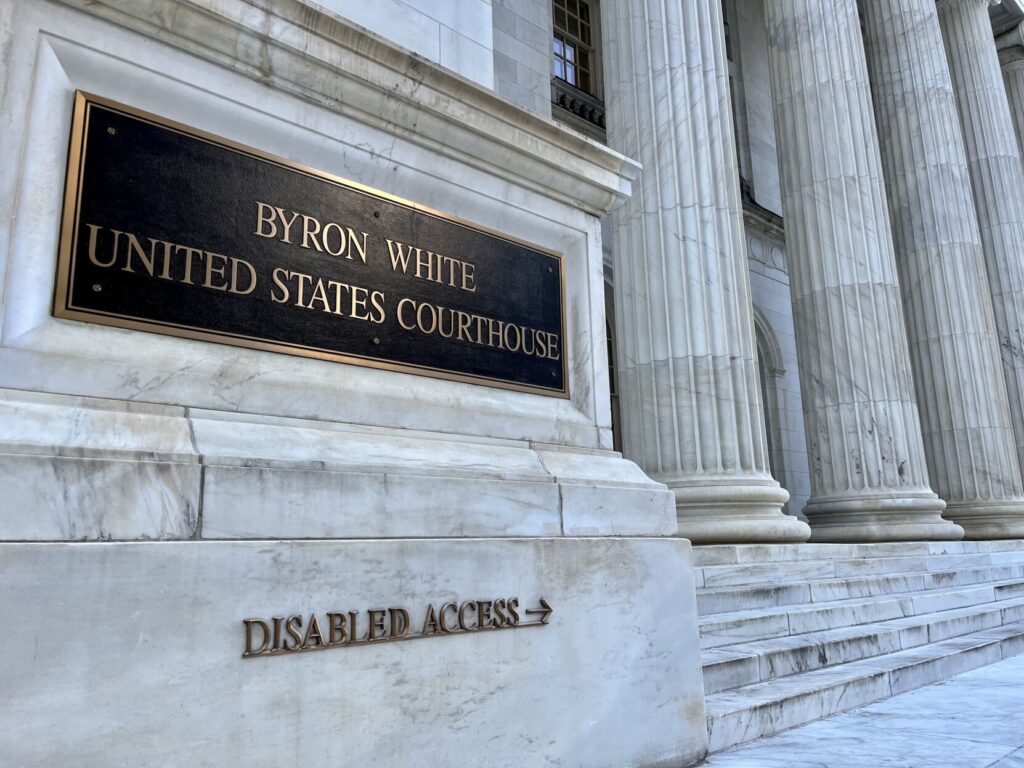
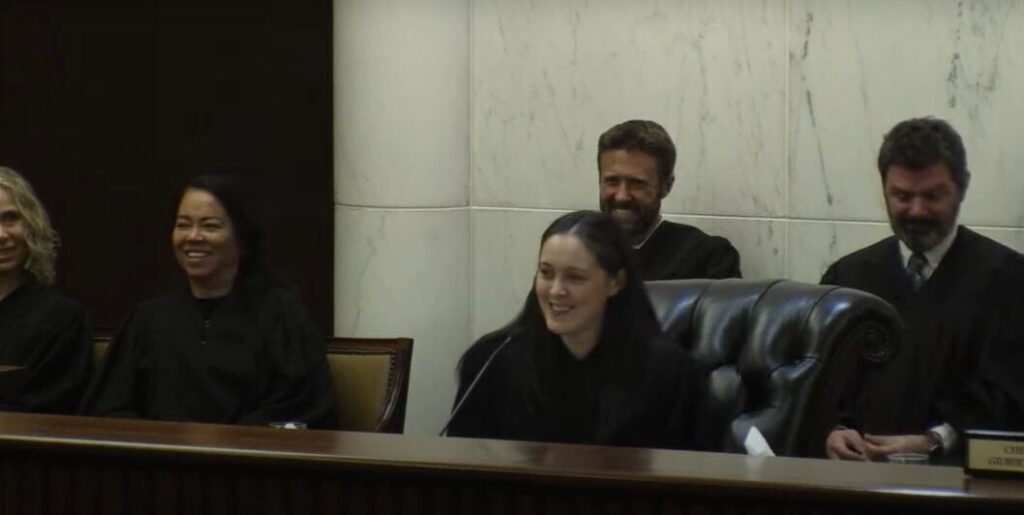
On appeal, shortly before oral arguments, the 10th Circuit panel asked the parties to respond to a different question: Did Colorado impose the congestion impact fee on car rental businesses? Or car rental customers?
“Although rental businesses may pass the Fee on to their customers, the business remains liable for the Fee regardless of whether it passes it on and regardless of whether the customer pays it,” wrote attorneys for the car rental association. “Consequently, the Fee is ‘levied’ or ‘collected’ on rental businesses located at the airport.”
“It is levied on and collected from consumers,” countered the Colorado Attorney General’s Office. Companies “are simply middlemen that forward the Fee collected from their customers.”
The panel’s majority agreed with the state.
“Those persons, not car rental businesses, will benefit from the ‘services’ provided by the ‘surface transportation infrastructure projects’ funded by the Fee,” wrote Matheson.
Eid, in dissent, argued that lawmakers imposed the fee “directly and exclusively upon car rental companies.” She would have concluded the fee was not “generally imposed” as required under federal law and, therefore, it was invalid.
The case is American Car Rental Association v. Humphreys et al.

Colorado board permits state to appeal injunction against arthritis drug price cap
Marissa Ventrelli
marissa.ventrelli@coloradopolitics.com
Updated 25 minutes ago
A Colorado board voted Friday to allow the Attorney General’s Office to fight an injunction against a price cap on a drug that treats arthritis. A U.S. district court judge had granted the company Amgen a preliminary injunction, temporarily blocking...

Federal judge rejects constitutional claims, ‘expressions of hatred’ by Club Q defendant
Michael Karlik
michael.karlik@coloradopolitics.com
Updated 2 hours ago
A federal judge rejected a defendant’s claims that he received constitutionally ineffective assistance of counsel while facing federal hate crime and firearms charges for murdering five people at a Colorado Springs LGBTQ nightclub in 2022. Anderson Lee Aldrich is serving...
10th Circuit dismisses woman’s lawsuit following 10-year attempt to undo restraining order
Michael Karlik
michael.karlik@coloradopolitics.com
Updated 3 days ago
The Denver-based federal appeals court rejected a woman’s challenge on Friday to a restraining order imposed on her more than a decade ago, finding that she cannot credibly claim she will be prosecuted for violating the restraining order through her...
10th Circuit dismisses woman’s lawsuit following 10-year attempt to undo restraining order
Michael Karlik
michael.karlik@coloradopolitics.com
Updated 3 days ago
The Denver-based federal appeals court rejected a woman’s challenge on Friday to a restraining order imposed on her more than a decade ago, finding that she cannot credibly claim she will be prosecuted for violating the restraining order through her...
Colorado equal pay law does not require plaintiffs to allege gender-based retaliation, appeals court finds
Michael Karlik
michael.karlik@coloradopolitics.com
Updated 2 days ago
The 2019 Colorado law aimed at rooting out pay discrimination on the basis of sex does not require a plaintiff to allege their employer retaliated against them for sex- or gender-related reasons, the state’s second-highest court decided on Thursday. Lawmakers...
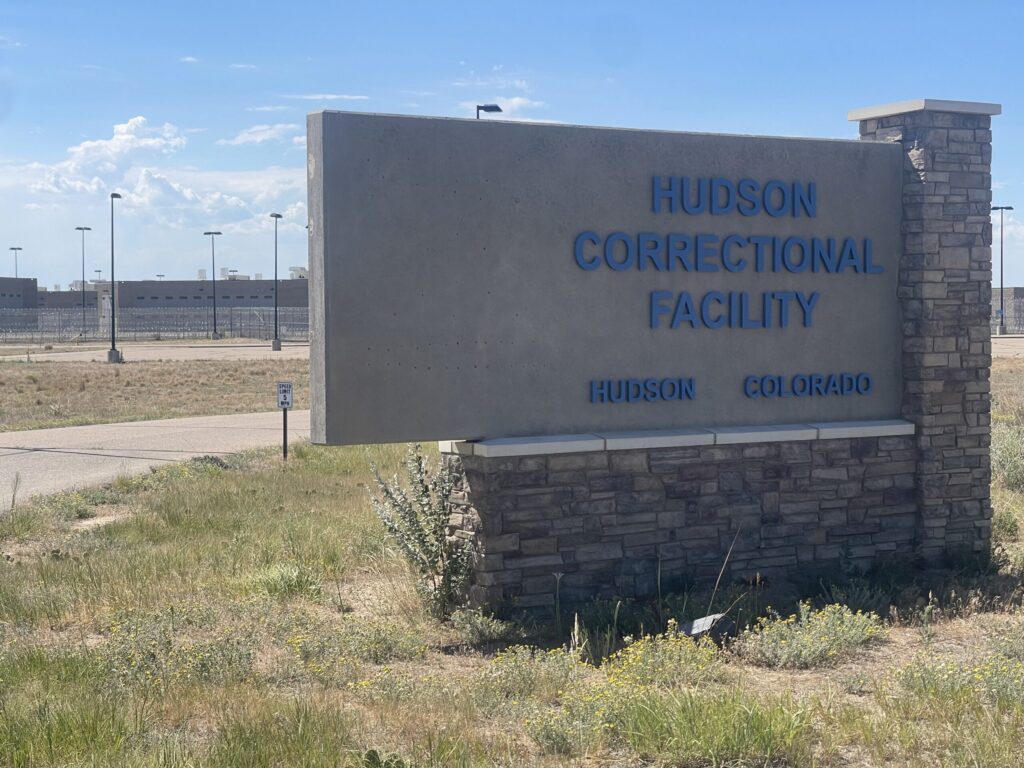
Hudson faces lawsuit over ICE detention facility
Nicole C. Brambila
nicole-c-brambila@coloradopolitics.com
Updated 3 days ago
A nonprofit organization filed a lawsuit against the Town of Hudson Wednesday, challenging plans to reopen a former federal prison in the town as a U.S. Immigration and Customs Enforcement detention facility. Together Colorado, along with Janet E. Carlson, filed...
Senate committee advances Trump’s 10th Circuit nominee, as Domenico responds to questions about delays
Michael Karlik
michael.karlik@coloradopolitics.com
Updated 3 days ago
The U.S. Senate Judiciary Committee advanced President Donald Trump’s nominee to the Denver-based federal appeals court on Thursday by a party-line vote of 12-10. U.S. District Court Judge Daniel D. Domenico, who was Trump’s first-term appointee to Colorado’s federal trial...
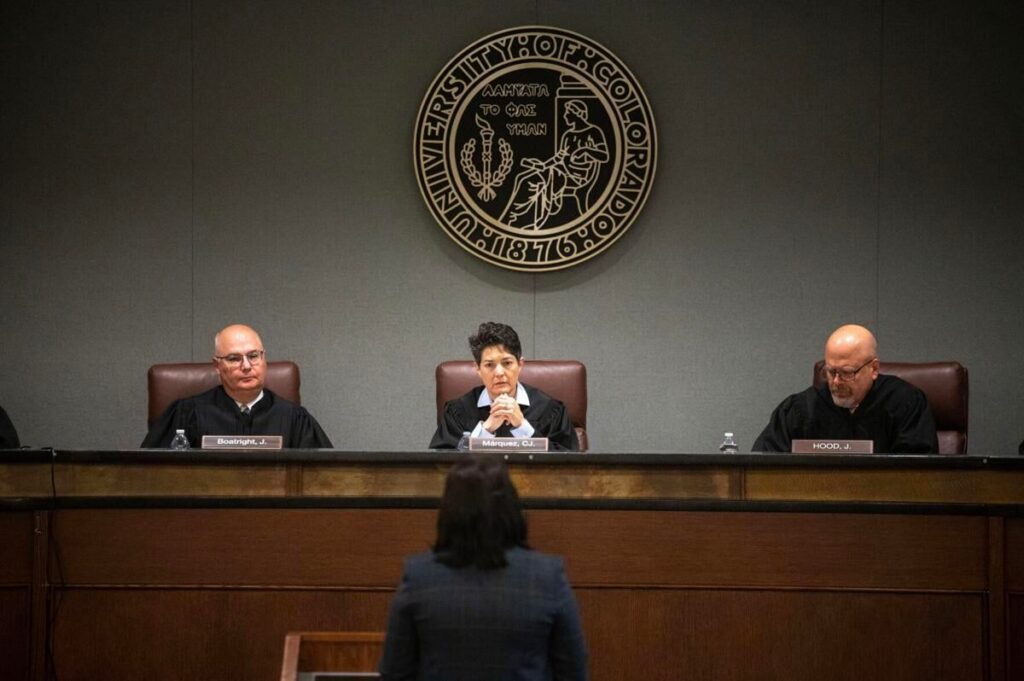
Colorado justices to hear embryonic donation dispute
Michael Karlik
michael.karlik@coloradopolitics.com
Updated 4 days ago
The Colorado Supreme Court announced on Monday that it will decide whether lower court judges properly applied its framework for adjudicating disputes over the fate of pre-embryos, in which one person wants to use them to become a parent and...
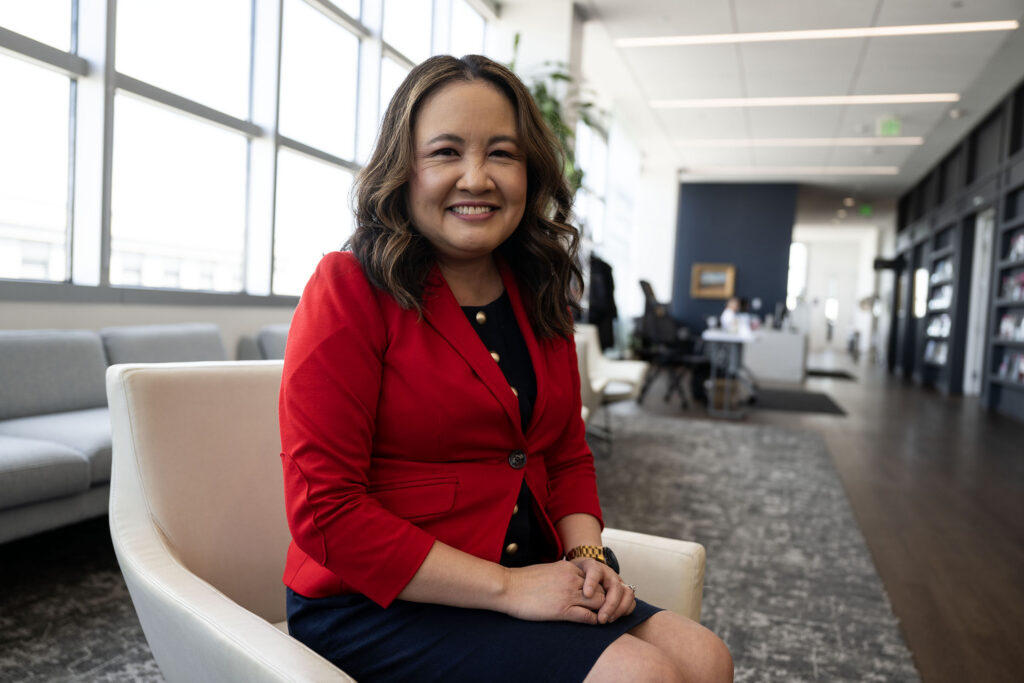
Isolation, emotion, persona: Colorado judicial programming prepares people for life on the bench
Michael Karlik
michael.karlik@coloradopolitics.com
Updated 4 days ago
As a trial judge and now as a member of the Colorado Supreme Court, Justice Carlos A. Samour Jr. has heard the view that being a judge is isolating. “In neither court have I felt isolated. I’ve always interacted a...

Federal judge dismisses Colorado county sheriff’s challenge to law limiting immigration cooperation
Michael Karlik
michael.karlik@coloradopolitics.com
Updated 2 days ago
A federal judge dismissed a challenge from Mesa County Sheriff’s Office leaders last week to a Colorado law limiting public employees’ cooperation with immigration authorities, concluding that the plaintiffs did not allege they engage in any conduct that the law...
PREV
PREVIOUS

Space Force should measure workforce needs as it prepares to double in size, GAO report says
The Space Force needs more people. It’s just not precisely sure how many more. A Government Accountability Office report released earlier this month found that the youngest and smallest military branch does not have a process to consistently or accurately determine how many people it needs. The Space Force agreed and said it would work […]

Federal judge rejects constitutional claims, 'expressions of hatred' by Club Q defendant
A federal judge rejected a defendant’s claims that he received constitutionally ineffective assistance of counsel while facing federal hate crime and firearms charges for murdering five people at a Colorado Springs LGBTQ nightclub in 2022. Anderson Lee Aldrich is serving multiple lifetime sentences in prison on state murder charges, plus an effective life sentence for […]