

Drug-induced abortions open a can of worms on campus | PODIUM
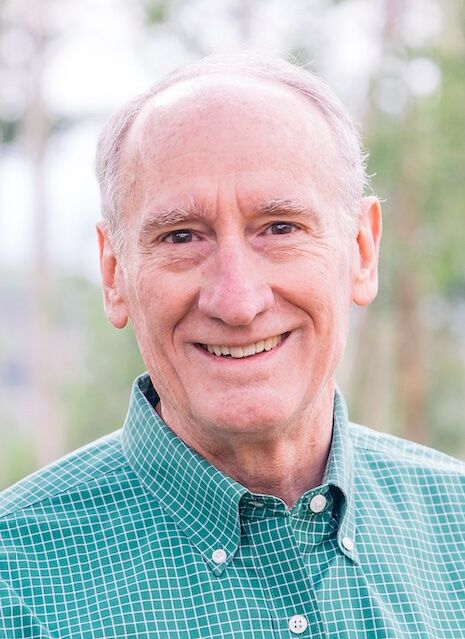
By Tom Perille
Why mandate drug-induced abortion access at Colorado’s colleges and universities?
At a time of unprecedented Colorado state budget challenges, you would think state legislators would be laser focused on creating and funding those programs where there is broad public consensus and demonstrated need. They would avoid measures driven primarily by tribal and ideological considerations that would further compromise the state budget.
You would be wrong.
House Bill 26-1335 passed its first House committee challenge on April 16 and will be soon headed for the Colorado Senate. The bill creates an unfunded mandate for state colleges and universities to establish and fund drug-induced abortion services at their campus health centers.
Though the fiscal note claims there would be no cost to the state, this is ludicrous. In states like California, where this has been adopted, millions of dollars were set aside to establish the program, and there was recognition there would be a substantial long-term financial commitment by the state.
Colorado taxpayers already fund 10% to 30% of public university budgets. When the state imposes new mandates without funding, those costs do not disappear. In the short term, they can be either shifted to students through fees and tuition or absorbed through cuts to other critical educational services. But ultimately, they will be paid by the state in the form of increased funding.
Mandating abortion provision transforms student health centers beyond their traditional scope. Student health centers are designed for primary care, preventative services and limited outpatient management of common diseases. They are not equipped to deal with complex reproductive health services that commonly require follow-up and surgical interventions. During the hearing on HB26-1335, there was no testimony from those institutions directly affected by the measure.
Selecting eligible women for a drug-induced abortion is not as simple as it seems and introduces risk to a campus-based abortion service. Approximately 2% to 4% of patients may be incorrectly classified as eligible for medication abortion using self-assessment methods. To mitigate this risk, campus health centers should have ultrasound capabilities which introduce another layer of clinical expertise and cost that would be required.
Even when executed based on clinical best practices, drug-induced (mifepristone/misoprostol) abortions carry substantial risk. Mifepristone can be anticipated to cause significant adverse effects. According to the FDA package insert, 85% of women can anticipate an adverse reaction. Though serious adverse effects are uncommon, the FDA cites a 0.3% to 0.5% requirement for transfusion, 0.2% incidence of sepsis, 2.6% requirement for surgical intervention, 2.9% to 4.6% utilization of emergency departments and 0.04% to 0.6% need for hospitalization. Higher frequency and higher acuity emergencies are more common after drug-induced abortions than following surgical abortion or live birth. This will affect many women seeking abortion services on Colorado campuses ill-equipped to deal with this level of physical harm.
The introduction of drug-induced abortion services on college campuses will exacerbate an already endemic mental health crisis amongst young adults. Studies of mental health in college student populations demonstrate an alarming incidence of mental health problems. The Colorado Assembly should not be proposing mandates known to exacerbate existing mental health problems and precipitate problems in otherwise mentally healthy students. Recent research suggests a markedly increased incidence of hospitalization for psychiatric disorders (81% higher), substance abuse disorders (157% higher) and suicide attempts (116% higher) in women who had abortions. This adds to a growing body of international literature on the adverse mental health effects of abortion.
The bill does nothing to address the abuse of drug-induced abortion by partners and sexual traffickers. HB26-1335 does not require in-person dispensing which increases the risk coercion on campuses will not be detected and an abortion might be the choice of partners or traffickers and not the woman.
Hemorrhage is the most common and anticipated result of the drug-induced abortion procedure. They will increase the risks of exposure to biohazards in college dormitories. Students and staff will be unprepared for the additional exposure to bloodborne pathogens and medical waste that accompanies drug-induced abortions. This introduces a whole new source of jeopardy to the student body and increases state financial liability.
Mandated abortion services on campus draw college roommates into an emotional/physical drama without their consent. They may be woefully unprepared to deal with the sequelae.
The notion without abortion, women’s educational and professional lives would be irreversibly affected has credibly been debunked by 240 professional women, scholars and feminists. College women can be better served by policies and programs that make academic and logistical accommodations for pregnant women in the academic environment.
Abortion is morally repugnant to a sizable minority of Coloradans and mandating the procedure on campuses is an affront to those sensibilities. The bill does not include conscience objections. It flagrantly violates Hippocratic tenets of medical professionals and the moral principles of approximately 40% of the state’s population.
There is no reason to make our 32 state colleges and universities purveyors of drug-induced abortion when it is widely available off campus. Legislators should reject this bill which comes with both negative budgetary implications at a great personal cost to our students. Instead, let’s focus on those things we can agree on that we know lead to individual and community flourishing.
Tom Perille, M.D., is a member of American Association of Pro-Life OBGYNS of Colorado and Democrats for Life of Colorado.


Jena Griswold’s record: corruption, incompetence | Dick Wadhams
Dick Wadhams
dick-wadhams@coloradopolitics.com
Updated 2 days ago
There is no statewide elected official going back decades who is as breathtakingly corrupt and incompetent as Secretary of State Jena Griswold, who is now running for attorney general of all things. And compliant ruling Democrats know it. Their silence...

Kiros exudes why Colorado’s political times are a-changin’ at annual Denver Dems gala | Miller Hudson
Miller Hudson
miller-hudson@coloradopolitics.com
Updated 2 days ago
Among Colorado’s few remaining bipartisan rituals are county and state party dinners. I was particularly intrigued by last week’s Denver Democratic Party’s 2026 Annual Gala, a “New Deal for a New Era.” Their glossy program featured an artist’s Technicolor rendering...

Livestock grazing regulations need flexible updates | Rachel Gabel
Rachel Gabel
rachel-gabel@coloradopolitics.com
Updated 2 days ago
The Bureau of Land Management last updated their livestock grazing regulations the year I graduated from high school. I am 49. Assessing rangeland health can’t be done once and not revisited. This year is a prime example that managers must...

Taxpayers donate to tax increase campaign | Jon Caldara
Jon Caldara
jon-caldara@coloradopolitics.com
Updated 3 days ago
Give the man his due. President Donald Trump has undeniable talents. Colorado politicians are learning. Chief among The Don’s skills is taking the self-serving, ethically dubious behavior of previous politicians and putting it on steroids. Or, to borrow from the...
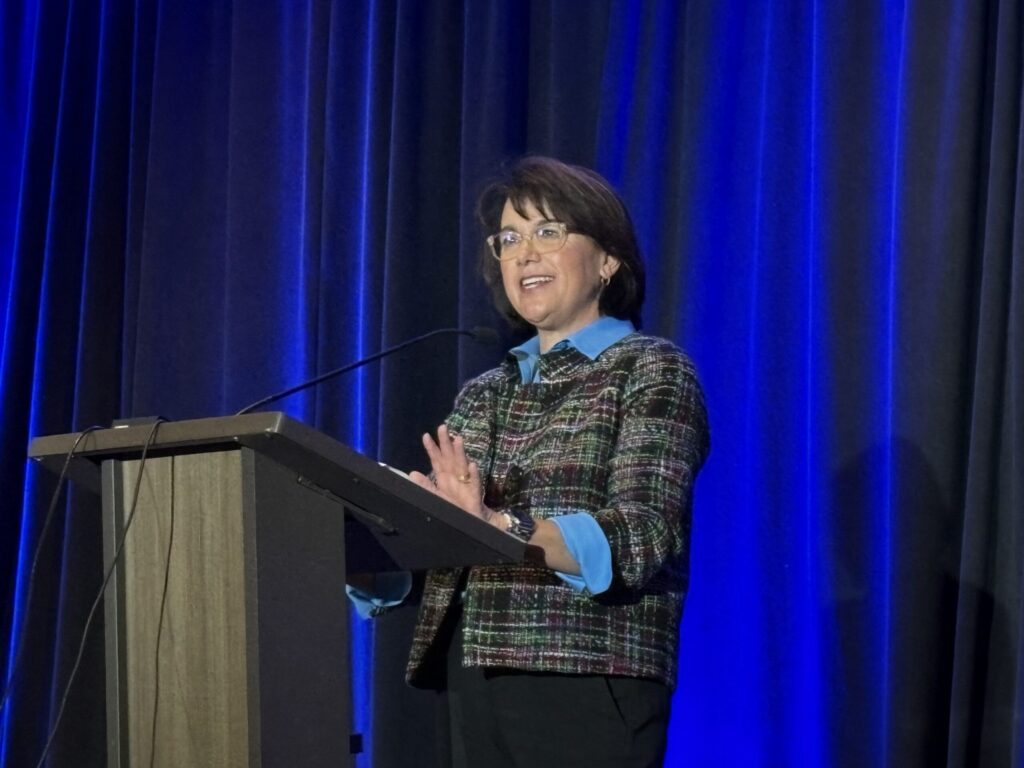
Democratic candidate in Colorado’s 4th CD urges long-term water planning
Marianne Goodland
marianne.goodland@coloradopolitics.com
Updated 1 day ago
The Democrat hoping to become the next representative of Colorado’s 4th Congressional District on Thursday made her case on the final day of Colorado Water Congress in Steamboat Springs. Eileen Laubacher, who spent 34 years in the U.S. Navy and...

Proposal to cap Colorado income tax rate qualifies for November ballot
Thelma Grimes
thelma.grimes@coloradopolitics.com
Updated 21 hours ago
Election officials on Thursday confirmed that the proposal to cap the state’s income tax at the current rate submitted signatures and voters will consequently decide its fate this November. The fight over tax rates is part of the tug and...
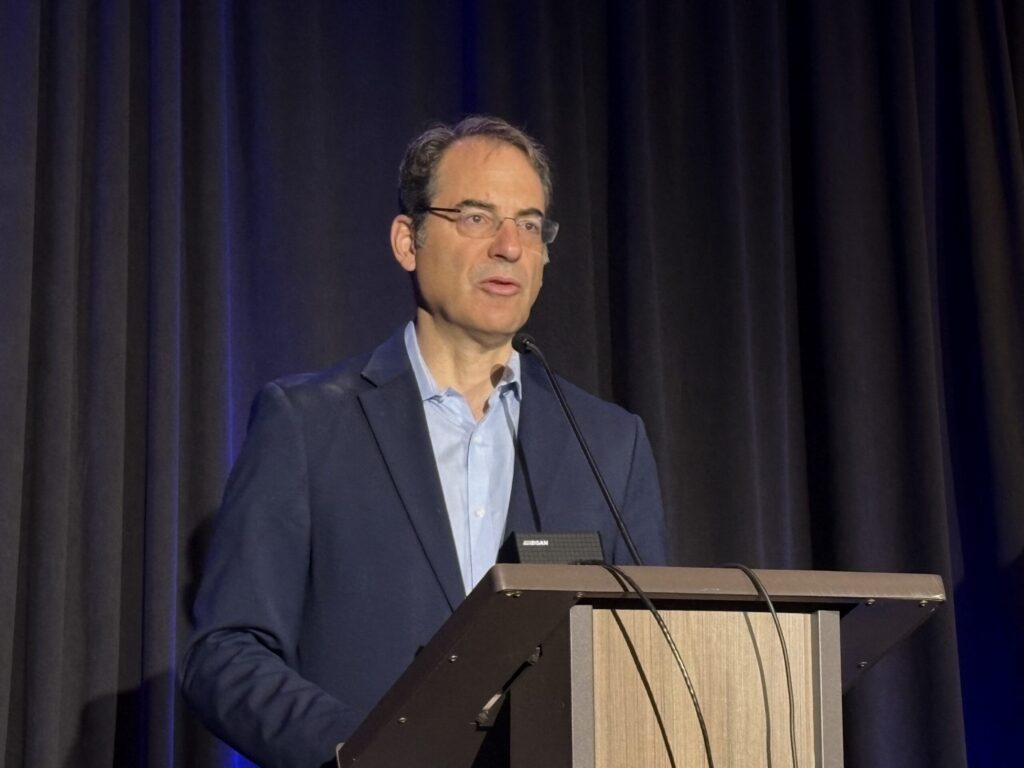
Democratic gubernatorial candidate Phil Weiser promises to appoint rural outreach director, water adviser
Marianne Goodland
marianne.goodland@coloradopolitics.com
Updated 3 days ago
Democratic gubernatorial candidate and current Attorney General Phil Weiser told the Colorado Water Congress Thursday he intends to appoint a rural outreach director and a water policy adviser should he win the election in November. Weiser’s speech at the Steamboat...
Attorney general candidates present priorities at Colorado Water Congress
Marianne Goodland
marianne.goodland@coloradopolitics.com
Updated 2 days ago
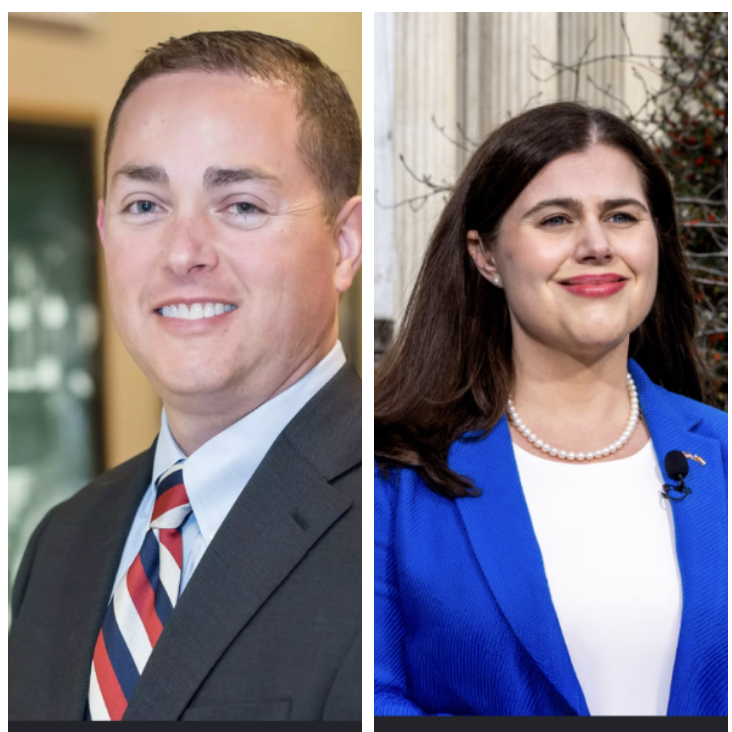
The two major-party candidates for attorney general — Republican Michael Allen, the district attorney for Teller and El Paso counties, and Democratic Secretary of State Jena Griswold — on Thursday outlined their priorities at the Colorado Water Congress. Griswold attended...
State money diversion scheme the unsurprising downfall of ERBOCES scam | Paula Noonan
Paula Noonan
paula-noonan@coloradopolitics.com
Updated 4 days ago
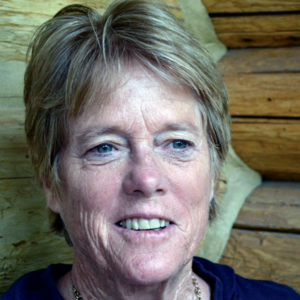
Falcon School District 49, aka El Paso County School District 49, has finally cut bait, thrown the fishing pole into the lake and sunk the canoe. The longtime enabler of the Education Reenvisioned BOCES’ (ERBOCES) schemes to fund private Christian...
GOP gubernatorial candidate Victor Marx pushes aggressive water-storage expansion at Colorado Water Congress
Marianne Goodland
marianne.goodland@coloradopolitics.com
Updated 4 days ago
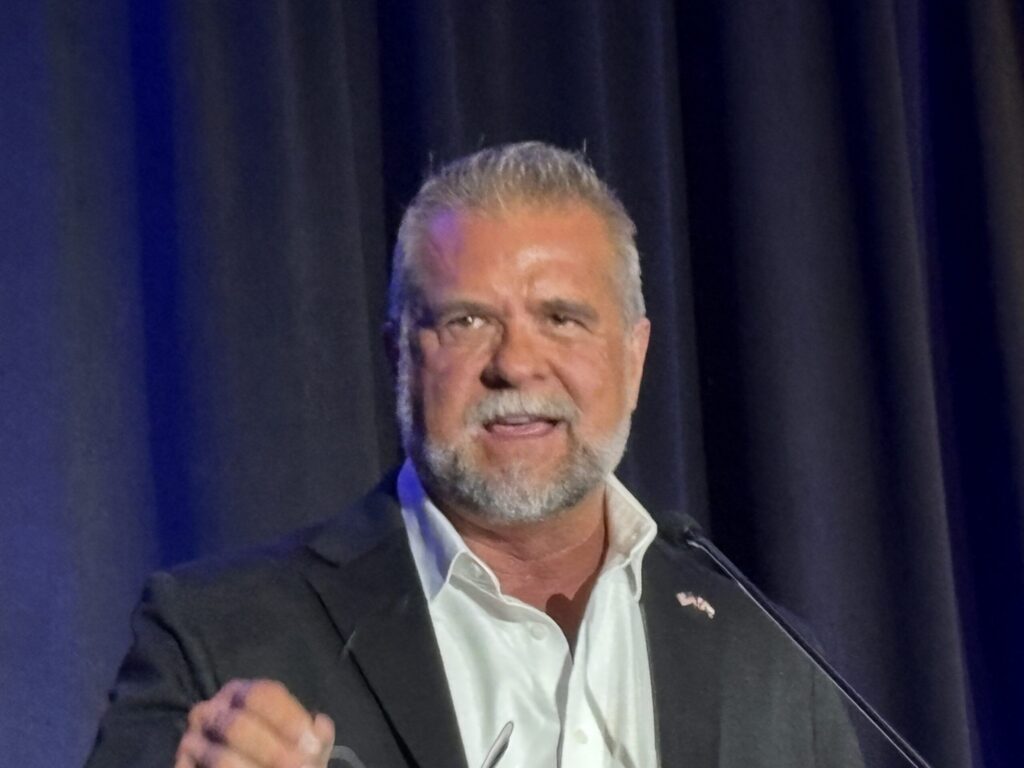
Victor Marx, the Republican nominee for governor, took the spotlight Wednesday during the opening day of the Colorado Water Congress, laying out how he says the state should approach its water future. Marx told the standing-room-only audience in Steamboat Springs...
PREV
PREVIOUS

Colorado’s creative economy needs a business structure that actually fits | OPINION
By Marc Catlin Across Colorado, people are building something from the ground up.I’ve seen it my whole life. I grew up on a farm in Montrose County, and I’ve spent my career working in agriculture, water, banking and small business. No matter the industry, the basics are the same. If you want something to last, […]

Colorado GOP asks judge to bar state from sending Republican primary ballots to unaffiliated voters
The Colorado Republican Party on Monday asked a federal judge to issue an emergency injunction to prevent the state’s unaffiliated voters from being able to cast ballots in the GOP’s upcoming primary election. Lawyers for the party argue in a motion filed in U.S. District Court for the District of Colorado that requiring Republicans to […]