

Q&A with Frances Koncilja | Longtime player in judicial nominations speaks about selection process
Over the past three years, Colorado’s federal trial court has seen extensive turnover, with President Joe Biden appointing four members of the seven-judge district court and a fifth nominee awaiting confirmation in the U.S. Senate.
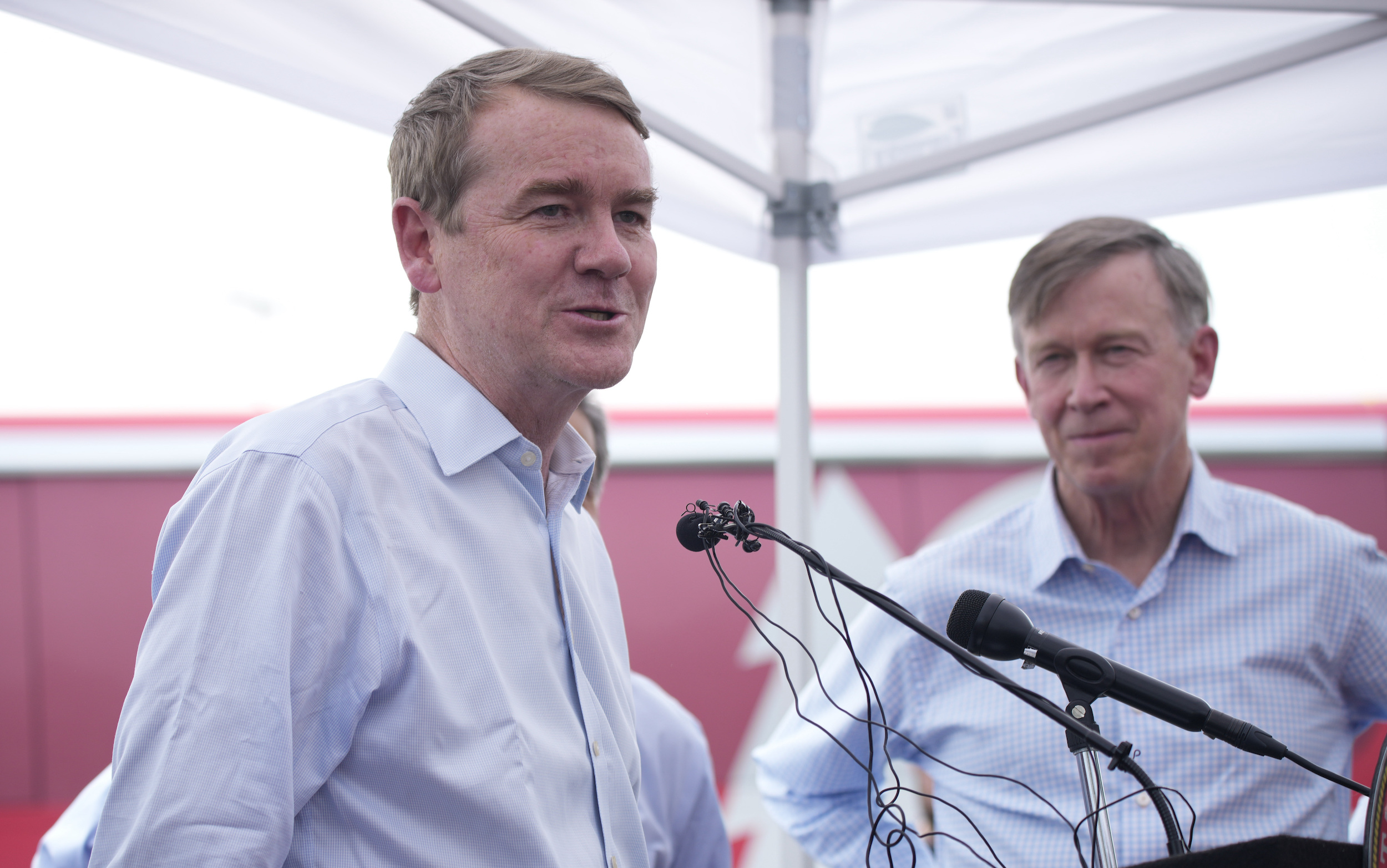
By tradition, senators wield enormous power over district judge appointments in their states. Early in Biden’s presidency, U.S. Sens. Michael Bennet and John Hickenlooper formed a committee to assist with interviewing and screening applicants to recommend to the White House.
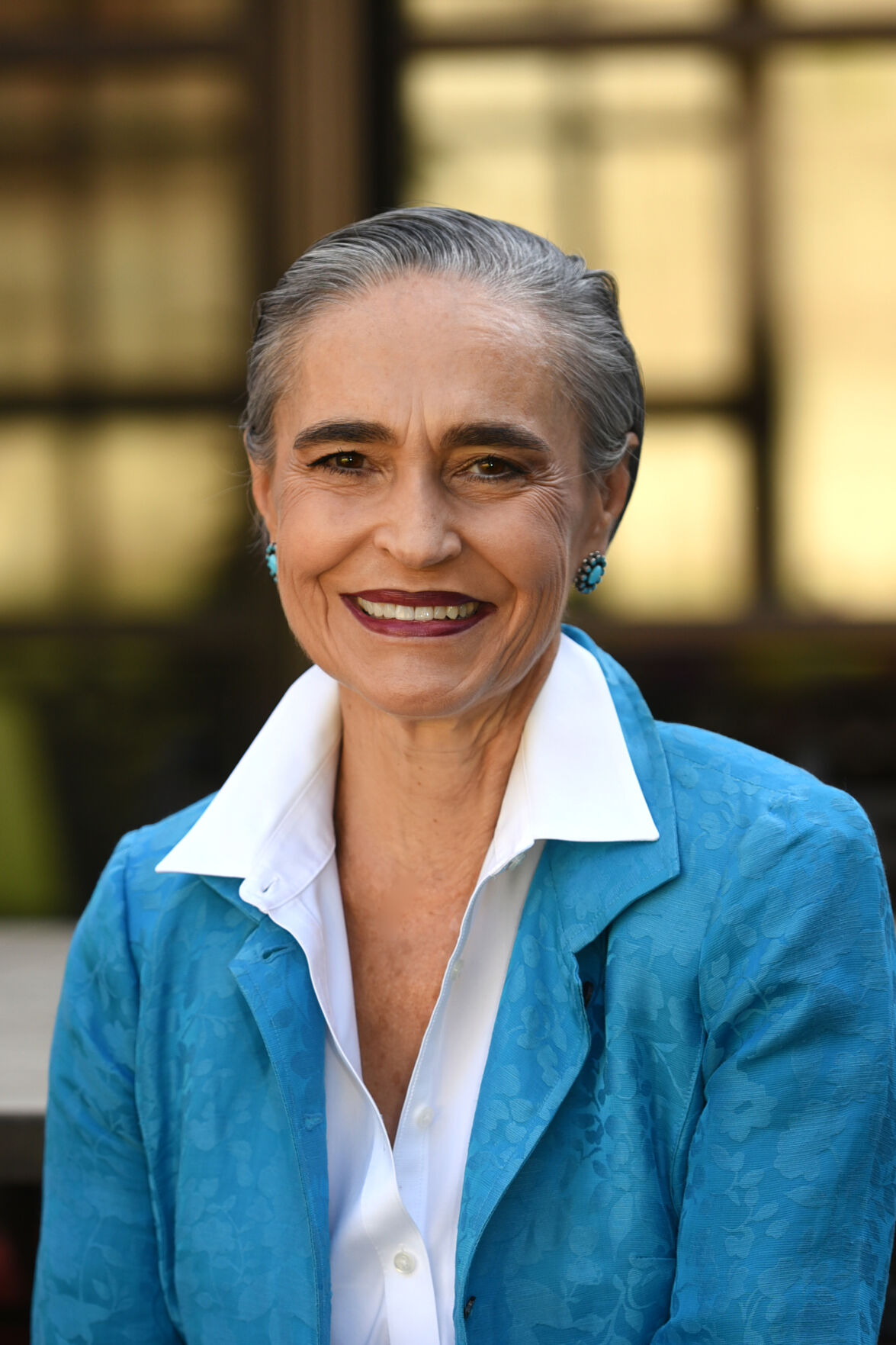
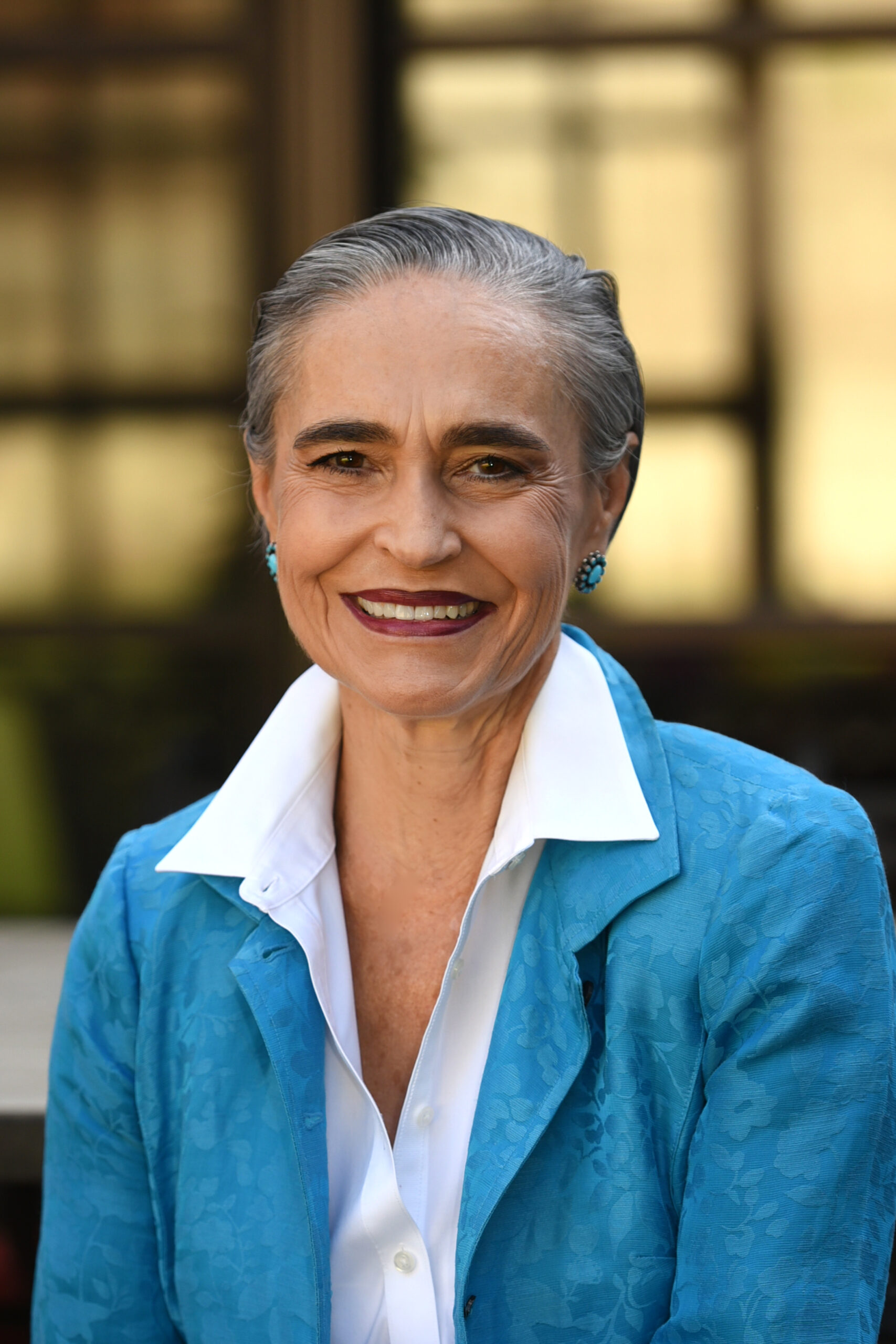
One of the committee’s members is Frances A. Koncilja, who formerly sat on the Colorado Public Utilities Commission and now focuses on clean energy policy in her law practice. Koncilja has been a participant in state and federal judicial selection processes over many years. She spoke with Colorado Politics about her work on the current advisory committee and what it accomplished.
FAST FACTS:
-
Frances Koncilja was a member of the Colorado Public Utilities Commission between 2016-2020.
-
She has served as president of the Colorado Bar Association and was a founding member of the Colorado Women’s Bar Association.
-
Koncilja focuses on clean energy policy in her law practice.
-
Her family is from Pueblo.
Colorado Politics: Why did you want to join the judicial advisory committee for Sens. Bennet and Hickenlooper?
Frances Koncilja: I have been involved in judicial selection for a number of years and in different ways. I was a member of several of Sen. (Ken) Salazar’s nominating committees, as well as an earlier committee for Sen. Bennet. I served on the Colorado Supreme Court and Court of Appeals nominating committee. I also served as the 10th Circuit representative on the American Bar Association Standing Committee on the Judiciary.
Those experiences have given me insight into how to approach the interviews as well as a lengthy historic perspective on the federal court in Colorado.
CP: Did the senators go over their expectations with the committee? Or were you allowed to create your own process for reviewing and recommending judicial candidates?
FK: Each senator met with the committee on Zoom before we began our work. The only directions that we were given was to find the best candidates to recommend and also to take into account President Biden’s request that we recommend the types of lawyers that have not been historically federal judges – meaning public defenders, criminal defense attorneys, candidates of color, candidates from diverse backgrounds.
One of our members made a presentation on unconscious bias and the lack of diversity on the bench at our first meeting. That was helpful to all of us, as we were able to discuss those concerns and share our own experiences with the court. We discussed that there were no members of the LGBTQ community on the bench, no Asians and no Native Americans.
Also, in the past, the federal bench had several members from the Jewish community. There had been no members of the Jewish community on the bench for years.
All of us were committed to implementing a fair process – asking each candidate similar questions, but also allowing us to follow up with additional questions if an answer suggested that.
CP: Did you have any expectation there would be five vacancies that needed filling on Colorado’s district court in just two years?
FK: I did. About 15 years ago, the former chief judge, Marcia Krieger, recognized that there would be a wave of retirements at this time because of the age of the bench. She had also hoped that because of the workload of the federal court here in Colorado, that Congress would add several more judges. She was concerned that the high workload here in Colorado could add to judicial burnout.
Judge Krieger asked me to serve on an advisory committee that she had put together to persuade Congress to add several more judgeships in Colorado. We discussed the huge number of retirements that would occur at this time. I think that I am the only member of Judge Krieger’s committee that served on the senators’ committee. Our bipartisan committee was not successful in persuading Congress to add new judgeships.
Interestingly, I had conducted the ABA investigation into Marcia’s qualifications when I served on the ABA Standing Committee on the Judiciary. Those were intense investigations taking weeks, followed by a 50- or 60-page report and then discussion of the report and recommendations with the other national members of the Standing Committee. During and after that process, I became friends with Marcia and we had numerous conversations about what makes a good judge, and how to bring more diversity to the bench.
Marcia was very supportive of having U.S. magistrate judges serve on the bench. Colorado was an outlier in that no magistrate judge had ever served on the district court. We both thought that was a real missed opportunity because the magistrate judges could hit the ground running, as they understood the job and the court.

CP: Can you walk me through the committee’s process, starting with the announcement for candidates to apply and going through the committee’s recommendation to the senators?
FK: The senators’ staff put together a list of publications to announce the application process and date cutoff. They also put together a list of groups they would send the information to – such as the Women’s Bar, the Sam Cary Bar, etc. Senators’ staff asked the members for input to see if they had missed any publications or groups. Senators’ staff incorporated our suggestions.
The application form is the same one that is used by the ABA and the senators to review candidates. It is a lengthy application and contains not only work and educational experience but also community work. It requests copies of significant writings that a candidate had done – either as a judge or as an attorney.
The senators’ staff collected the applications and then sent them electronically to each committee member. If any of us wanted additional information, we informed the other committee members and the senators’ staff.
We asked for any information from judicial reviews of state judges. That is posted publicly and easily available. The senators’ staff collected that information and shared it. As you know, the reviews of the magistrate judges are regarded as confidential, and the committee was not given access to those reviews.
Once the application process was completed and after we had received the above information, the committee met – at times remotely and, after COVID, in person – to review the candidates and begin making the decision as to whom we would interview. The discussions were robust.
Once we decided whom to interview, the senators’ staff did the hard work of scheduling interviews. The interviews usually took about 45 minutes. We discussed candidates after interviews and then at the end of the two days of interviews. We began to see if there was consensus on any of the lawyers whom we would recommend.

CP: For you, what were the characteristics of a strong application for a federal judgeship? And what were some of the common weaknesses you encountered?
FK: A federal judge must have the following qualities:
? Work ethic – this is hard work and requires many hours and days.
? Interested in the law and the people or companies appearing before the court – a judge makes decisions that affect a person’s life.
? Treat all people fairly and graciously – it is humiliating and upsetting to lawyers and their clients when a judge welcomes and is friendly to only one side.
? Sense of humility because there will be many areas of the law the judge will not have experienced – pretending to “know” everything leads to bad results for everyone.
? Prepare to be reversed and learn from that.
? Try to be patient – lawyers and their clients worry about appearing in federal court and can make mistakes. Lawyers have to find the next client and make payroll. Judges do not.
? Write clearly, rewrite, edit and be proud of your work product. If you have little experience in writing 50-to-100-page briefs, you must develop those skills.
There are some very nice and interesting people who apply, but sometimes they do not understand what the job takes. You have to want to “be a judge,” but more importantly to understand what it takes to do the job. I read what the candidate presents to be some of their best written work. Sometimes, I read it several times. If a candidate has not shown an ability to analyze the law and apply the facts to the law, they should not be a federal judge.
CP: You were a member of the state nominating commission that screens applicants for Colorado’s Supreme Court and Court of Appeals, then forwards names to the governor for an appointment. How did that process compare to the senators’ committee for federal judges?
FK: I am respectful of what the state nominating commissions do. However, I think that the process our committee has used and how the senators’ staff assisted is a much more robust process and that it led to really exceptional candidates and exceptional recommendations that we were able to make.
CP: The advisory committee worked on four of the five vacancies on the U.S. District Court during the Biden administration. Did any of the senators’ ultimate recommendations to the White House surprise you?
FK: No surprises because all of the candidates we recommended were excellent.
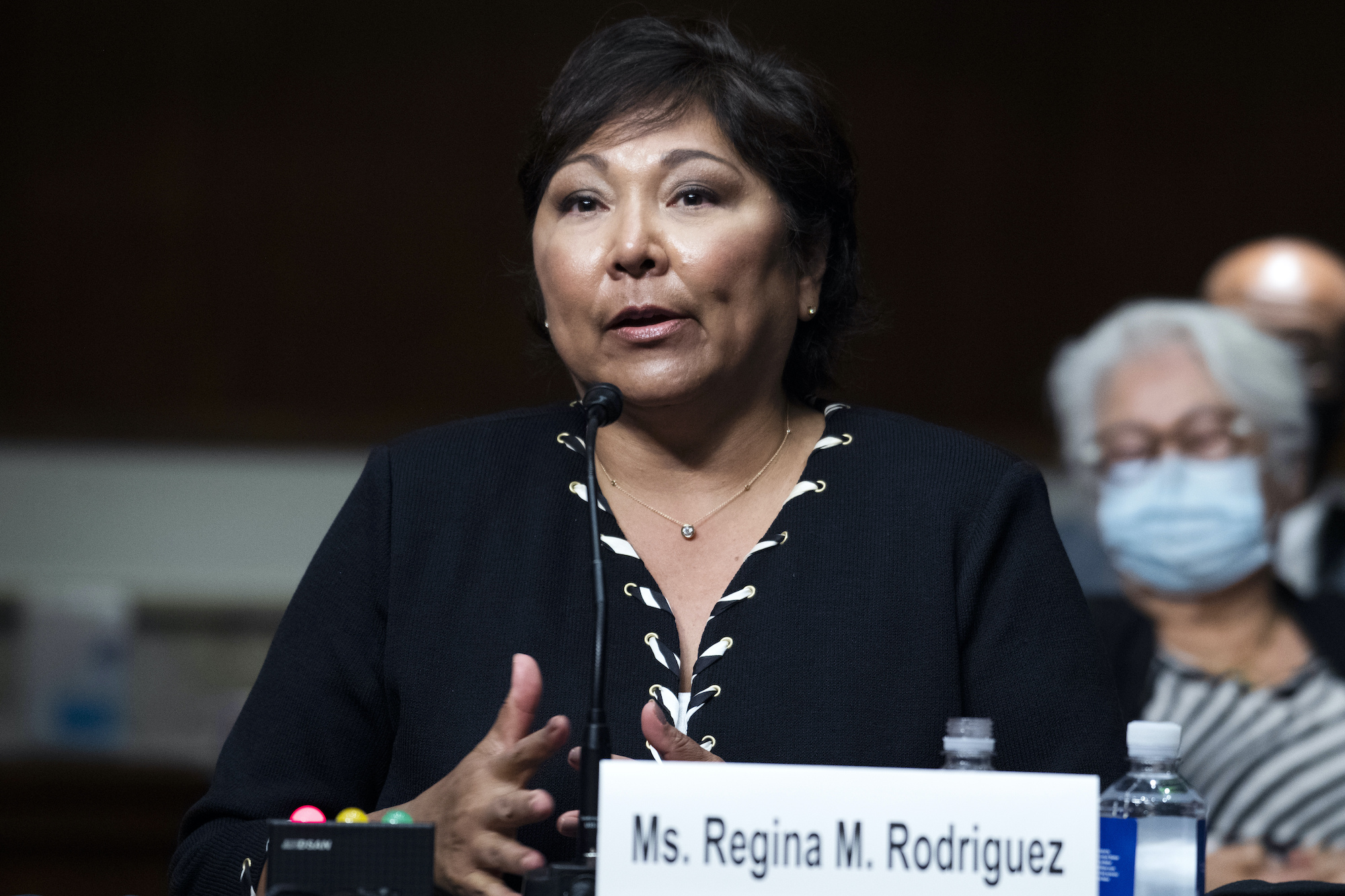
CP: The new additions to the bench include the first openly gay judge, the first Asian American judge, the first former magistrate judge and the first Western Slope resident in 30 years. Are there any backgrounds or “firsts” the district court is still missing that you’d like to see future judicial appointments address?
FK: I would like to see more geographic diversity. The state is bigger than just Denver and Boulder. There has not been a judge from southern Colorado in many years. I believe that Al Arraj was the first. He grew up in Swink, practiced law in Springfield and was a state judge who went on to be a federal judge. Some say he was the best federal judge that has served on that bench. As a testament to his service, the courthouse is named after him.
Judge (Robert) Blackburn was both a judge and a district attorney and county attorney in Las Animas. He was appointed to the bench in 2002. As a member of the ABA Standing Committee, I did the investigation on Judge Blackburn. Bob did an outstanding job – he took great joy in the work and the processes.
I mention these judges because in the past, there has been a path to the federal bench from the rural communities in southeastern Colorado, but for some reason, the committee did not see applications from these communities.
There has never been a judge from Pueblo, my hometown. By that I mean someone who practiced in the community. That is surprising.
I think that the federal court is well served by having judges who have grown up and practiced law in the smaller communities in our state. They bring a different perspective from the Denver-centric “Big Law” folks.
I know that applying to be a federal judge can be a daunting task. What happens after we make our decisions and after the senators nominate is a political process. There have been a number of excellent candidates that were never confirmed. Greg Goldberg is one who comes to mind. He would have made a great federal judge but was not given the opportunity. Bruce Pringle, a former magistrate judge, would have also been a great federal judge but at that time – 2001 – magistrate judges were not taken seriously as candidates in Colorado.
Anyone who applies, anyone who got an interview, anyone who was recommended by the senators should be proud to have been part of the process.

Colorado’s incoming chief appeals judge lays out agenda | APPELLATE UPDATE
Michael Karlik
michael.karlik@coloradopolitics.com
Updated 19 hours ago
The incoming chief judge of Colorado’s Court of Appeals told lawyers on Friday that his goals for his four-year term include figuring out why criminal cases are taking nearly 1.5 years on average to reach appellate judges’ desks. “Criminal briefing...

Colorado appeals judges give tutorial on friend-of-the-court briefs | APPELLATE UPDATE
Michael Karlik
michael.karlik@coloradopolitics.com
Updated 18 hours ago
Two members of the Colorado Supreme Court and Court of Appeals described to attorneys on Friday how and when to submit advocacy briefs from outside entities — and the tactics that turn off the judges who read them. “I get...
Colorado appellate judges, lawyers hold annual conference | APPELLATE UPDATE
Michael Karlik
michael.karlik@coloradopolitics.com
Updated 11 hours ago
Appellate judges and attorneys gathered in Denver on Friday to discuss recent trends, exchange tips, and clarify confusing areas of practice. “One of the things I really had to focus on, coming from the trial court, is that my inclination...
Divided appeals court finds no prosecutorial misconduct in prison assault case
Michael Karlik
michael.karlik@coloradopolitics.com
Updated 2 days ago
Colorado’s second-highest court concluded last week that a Lincoln County prosecutor did not misstate the law to a degree that undermined a jury’s assault verdict against the defendant. During closing arguments in Phillip Archuleta’s 2023 trial, the prosecutor suggested to...
Boulder County prosecutor improperly used defendant’s silence as guilt, appeals court finds
Michael Karlik
michael.karlik@coloradopolitics.com
Updated 1 day ago
Colorado’s second-highest court reversed a Boulder County defendant’s sexual assault conviction last week after concluding that a trial judge should have intervened to stop the prosecutor from inappropriately using the man’s constitutional right to silence to suggest he was guilty....
Appeals court upholds discipline for Denver officers’ inadequate domestic violence investigation
Michael Karlik
michael.karlik@coloradopolitics.com
Updated 13 hours ago
Colorado’s second-highest court last week upheld Denver’s discipline of two officers whose investigation of a domestic violence report was brief, failed to separate the victim from her abuser, and overlooked the victim’s severe injuries. Officers Cory Stuper and Brian Finneran...
Colorado Supreme Court rebuffs DA’s office over evidentiary appeal
Michael Karlik
michael.karlik@coloradopolitics.com
Updated 2 days ago
The Colorado Supreme Court rebuffed a district attorney’s office on Monday for immediately pursuing an appeal of a trial judge’s evidentiary decision that the court had no authority to hear. State law authorizes prosecutors to file a mid-case, or “interlocutory,”...
Colorado justices recognize limited right to evidence in postconviction challenges
Michael Karlik
michael.karlik@coloradopolitics.com
Updated 3 days ago
The Colorado Supreme Court ruled on Monday that defendants challenging their convictions may, in certain circumstances, be entitled to receive the information the prosecution already handed over for trial at no cost. The justices rejected the argument that defendants seeking...
Colorado justices confirm water-related enterprises may condemn private property
Michael Karlik
michael.karlik@coloradopolitics.com
Updated 3 days ago
The Colorado Supreme Court confirmed on Monday that water-related enterprises have the legal authority to exercise the governmental power of eminent domain over private property. An enterprise is a government-owned business that provides fee-based services. In 1993, lawmakers authorized the...

Judge’s students create AI apps, solicitors general gather for group discussion | COURT CRAWL
Michael Karlik
michael.karlik@coloradopolitics.com
Updated 3 days ago
Welcome to Court Crawl, Colorado Politics’ roundup of news from the third branch of government. A federal judge’s law students created artificial intelligence-powered apps to address access-to-justice issues, plus half a dozen current and former solicitors general of Colorado spoke...
PREV
PREVIOUS

US moves to protect wolverines as climate change melts their mountain refuges | OUT WEST ROUNDUP
MONTANA US moves to protect wolverines as climate change threatens extinction BILLINGS – The North American wolverine will receive long-delayed threatened species protections under a Biden administration proposal released on Nov. 29 in response to scientists’ warnings that climate change will likely melt away the rare species’ snowy mountain refuges and push them toward extinction. […]
Judge allows wolf reintroduction program to proceed; 2024 is a critical year for the Colorado River | WHAT YOU NEED TO KNOW
Today is Dec. 18, 2023, and here’s what you need to know: The opening day of the annual Colorado River Water Users Association on Dec. 13 featured the signing of an agreement for Lower Basin states to conserve 1.6 million acre-feet of water over the next three years. It’s no small feat, according to representatives […]