

Why Colorado needs accountability and transparency in AI decision making | GUEST COLUMN
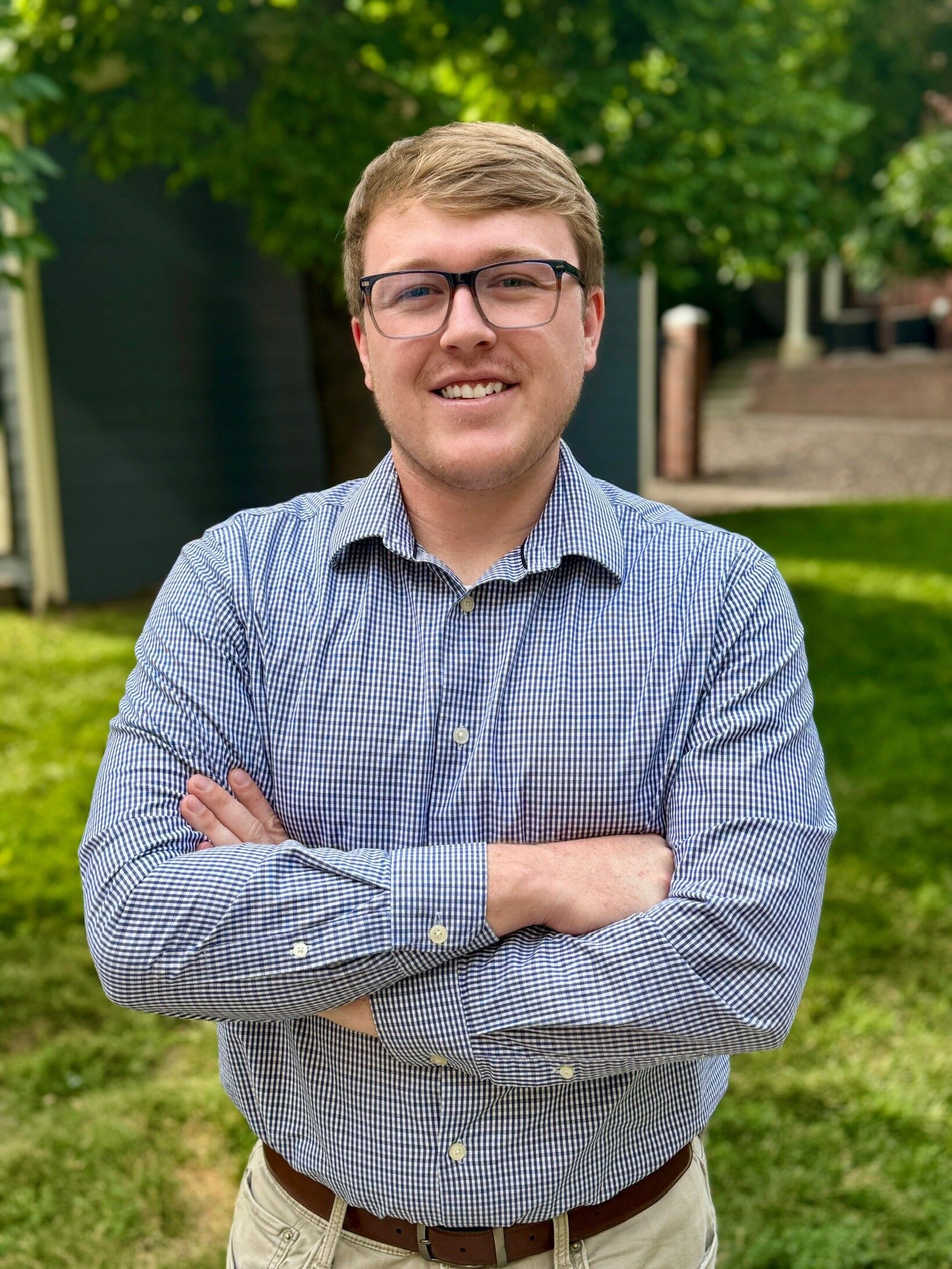
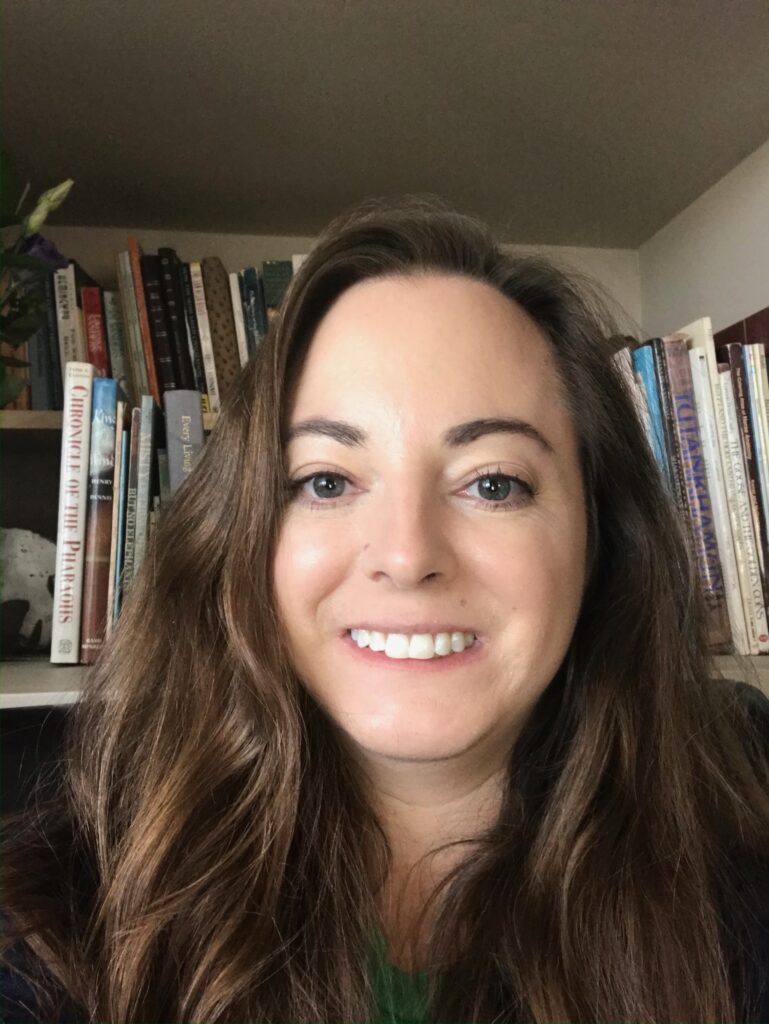
By Jack Johnson and Hillary Jorgensen
There are always pros and cons with advances in technology. Cars revolutionized transportation, allowing their owners unprecedented mobility — but also increased accidental death and air pollution. Chemotherapy can shrink or eliminate cancer — but it also damages healthy cells and makes patients feel ill.
Artificial intelligence is no different. AI promises unparalleled efficiency and productivity — but it’s important to recognize the risks, like potential discrimination and loss of privacy.
Across the country, states are grappling with how to regulate AI responsibly, and Colorado has an opportunity to lead nationally on ethical AI policy. This year, SB26-189 is an important first step in providing protection for everyday Coloradans while ensuring innovation aligns with civil rights and accessibility principles.
Too often, people with disabilities are excluded from the design and testing of new technologies, leading to products and systems that unintentionally create barriers. This bill offers a necessary guardrail that helps ensure AI systems don’t quietly institutionalize discrimination against people with disabilities.
AI is already making critical decisions about our lives and futures in the areas of employment, housing, health care, education, insurance and public benefits. For people with disabilities, AI systems can determine whether someone gets hired, receives accommodations, qualifies for services, or gains access to essential support.
This technology “learns” from historical data, often replicating and amplifying existing discrimination. This data can reflect longstanding societal biases against disabled people and other marginalized communities. If unchecked, automated systems can scale discrimination faster and more invisibly than traditional decision-making processes.
People with disabilities are especially vulnerable since many tools are designed around “average” patterns of speech, movement, communication, or behavior. That means voice recognition systems may misunderstand speech impairments, hiring algorithms may misinterpret autistic communication styles or facial expressions and chatbots and digital systems may not work with assistive technologies like screen readers.
It’s essential consumers receive notice when AI affects consequential decisions, and that there’s recourse when the technology causes harm, such as denying someone a job, housing or health care. Meaningful human review provisions are an important safeguard against harmful automated errors and unintended discrimination because algorithms cannot fully understand context, nuance, disability, or lived experience.
Strong guardrails don’t stop innovation, they build public trust in emerging technologies. Businesses and developers benefit when AI systems are transparent, fair and responsibly deployed. Clear standards can also help reduce legal and reputational risks.
Civil rights protections must evolve alongside technology. As AI becomes more embedded in everyday life, our laws must keep pace. Existing anti-discrimination protections mean little if harmful decisions are hidden. Colorado lawmakers have an opportunity to ensure technological progress does not come at the expense of equity, accessibility and fundamental fairness.
SB26-189 is a good start. It establishes reasonable expectations around consumer notice, documentation and transparency, as well as provides opportunities to correct inaccurate personal data. These are practical, common-sense protections that support both innovation and accountability, correcting what has been an opaque decision-making process.
Artificial intelligence should expand opportunity, not quietly automate exclusion. We hope Colorado legislators embrace the opportunity to ensure innovation and civil rights move forward together.
Jack Johnson is Disability Law Colorado’s public policy liaison and Hillary Jorgensen is Colorado Cross Disability Coalition’s co-executive director. Both are members of the People’s Alliance for Responsible Technology (PART) and tireless advocates for Coloradans living with disabilities.


Road-funding initiative in Colorado qualifies for November ballot
Marissa Ventrelli
marissa.ventrelli@coloradopolitics.com
Updated 2 hours ago
A measure that would dedicate all transportation-related revenue to Colorado’s roads and bridges has officially qualified for the November ballot after it cleared the state’s signature threshold, according to election officials. Backed by the coalition Restore Our Roads, Initiative No....

Judge blocks Colorado’s proposed ban on using SNAP benefits for soda
Marissa Ventrelli
marissa.ventrelli@coloradopolitics.com
Updated 2 hours ago
A federal judge has temporarily blocked Colorado and several other states from enforcing a proposed “Healthy Choice Waiver” that would have barred Supplemental Nutrition Assistance Program (SNAP) recipients from using their benefits to buy soda and other sugary drinks. Under...

Colorado has a playbook for youth mental health — our next governor must use it | GUEST COLUMN
Colorado Politics
colorado-politics@coloradopolitics.com
Updated 20 hours ago
By Karen Ron-Li Liaw From the rural communities on the western slope to the eastern plains, to the major urban regions on the Front Range, Colorado families are navigating an all-too-familiar crisis: kids are struggling, and Colorado’s mental health system...

Colorado chamber: 2026 legislative session marked ‘significant progress’ for business
Marissa Ventrelli
marissa.ventrelli@coloradopolitics.com
Updated 9 hours ago
This year’s legislative session produced some big wins for the state’s business environment, according to the Colorado Chamber of Commerce’s annual report. The report measured the progress in the chamber’s legislative agenda across policy areas like labor and employment, technology...

Colorado House ethics committee delays hearing to allow Rep. Lindsay to seek legal counsel
Marianne Goodland
marianne.goodland@coloradopolitics.com
Updated 1 day ago
The Colorado House ethics committee voted Monday to pause the ethics complaint against Rep. Mandy Lindsay while she seeks legal counsel. The hearing was scheduled to begin with two days of testimony, during which Lindsay could present evidence and call...
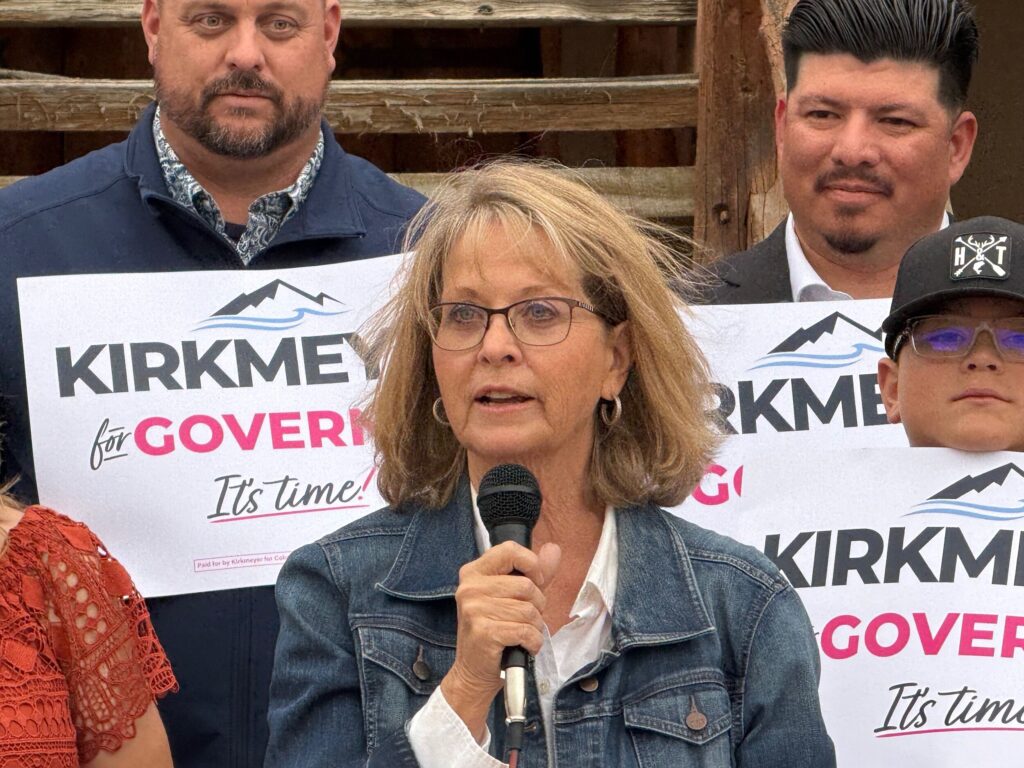
‘Peaking at the right time’: Barbara Kirkmeyer is confident as ballots go out
Thelma Grimes
thelma.grimes@coloradopolitics.com
Updated 1 day ago
Calling 2026 an “interesting” year, Sen. Barbara Kirkmeyer said the race for the Republican nomination has taken her from a “bizarre debate” to a broader effort to maintain the party’s integrity, while making the case that she’s ready to lead...
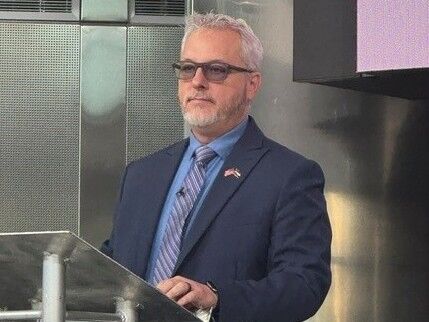
Rural frustration, parental rights shape Scott Bottoms’ pitch ahead of Colorado’s gubernatorial primaries
Thelma Grimes
thelma.grimes@coloradopolitics.com
Updated 4 hours ago
With just weeks before Colorado’s June primary, Republican gubernatorial candidate state Rep. Scott Bottoms is spending nearly all his time on the road — literally crisscrossing the Western Slope and Eastern Plains — in a final push to connect with...
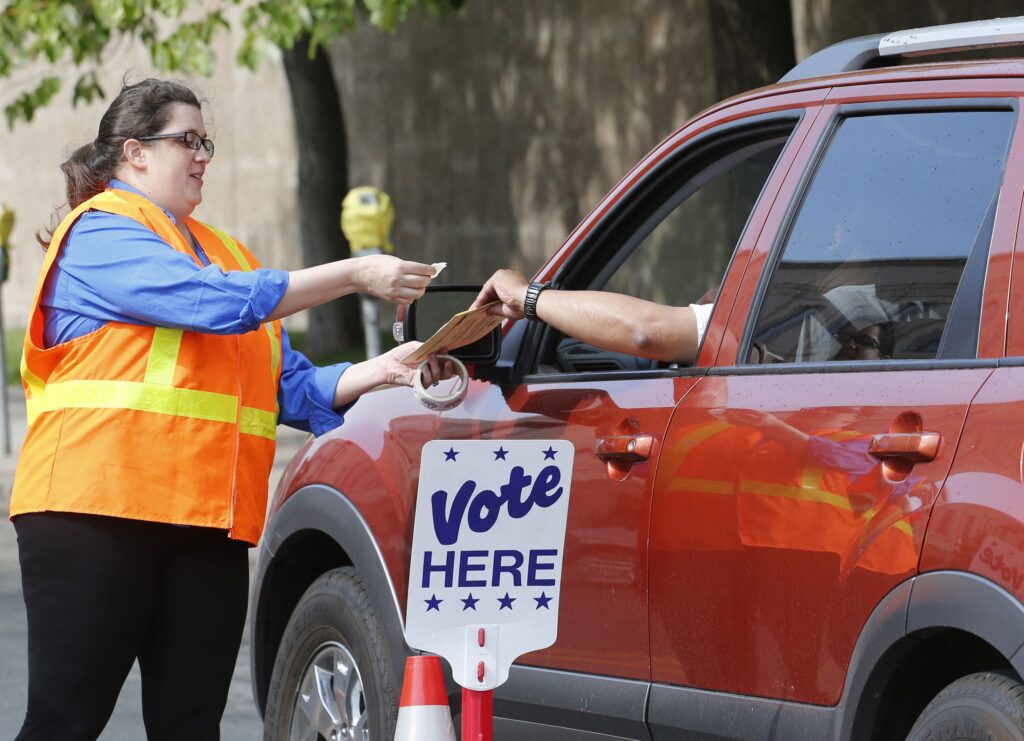
Registered voters on the eve of the 2026 primaries | Cronin & Loevy
Tom Cronin Bob Loevy
tom-cronin-bob-loevy@coloradopolitics.com
Updated 3 days ago
The Colorado Secretary of State’s Office has published the latest voter registration figures for the state and its counties as of June. Colorado ranks among the highest states for independent, or unaffiliated, voters. Only Alaska and Massachusetts have more. New Hampshire, New Jersey, Maine and Oregon also rank highly. So here...

A room for Sundance, a reality check for big-government Boulder | Jon Caldara
Jon Caldara
jon-caldara@coloradopolitics.com
Updated 5 days ago
There are few things more satisfying to watch than socialists getting mugged by reality. The Sundance Film Festival is invading my hometown of Boulder early next year. Sundance drew 85,000 attendees last year in Park City, Utah. Boulder’s hotel room...
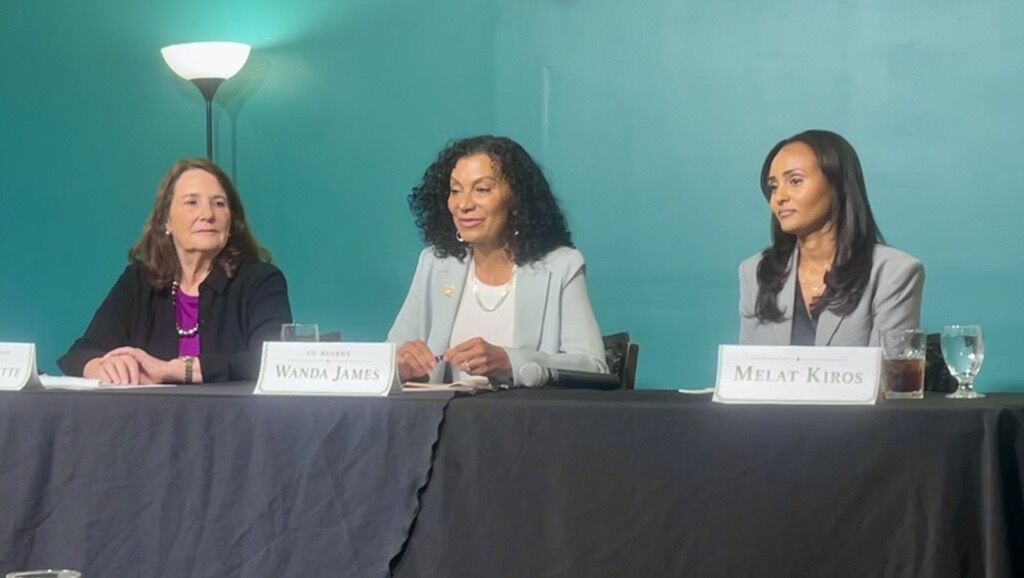
Democratic candidates DeGette, Kiros and James clash in CD1 forum
Marissa Ventrelli
marissa.ventrelli@coloradopolitics.com
Updated 1 day ago
The three Democratic candidates for Colorado’s 1st Congressional District clashed on Friday night over a host of issues, even as they expressed frustration with their party. The candidates — U.S. Rep. Diana DeGette, doctoral student Melat Kiros and university regent...
PREV
PREVIOUS
Colorado bill redirecting $300M in TABOR refunds raises legal concerns, sparks budget committee dispute
A discussion about a proposal to eliminate $300 million in taxpayer refunds over the next two fiscal years quickly shifted into a strategy session — and a tense exchange among members of a budget committee — over what would happen if a lawsuit were filed to stop it. House Bill 1419 attempts to take $300 […]
From Antero to Trump, gaslighting too often more common than accountability | Paula Noonan
Gaslighting has become a contagious political virus. The contagion has spread from the White House to state, county and school-board government. Shame doesn’t prevent its spread. President Donald Trump fails to justify his attacks on Iran to Congress or to the American people. Gov. Jared Polis is stiff-arming the General Assembly with his bill to […]