

Colorado lawmakers to get automatic pay increase as $1.5B shortfall forces cuts to Medicaid, other services
Colorado’s $1.5 billion budget deficit is driving widespread cuts across state services, including reduced reimbursement rates for Medicaid providers and steep income losses for families caring for relatives with intellectual and developmental disabilities.
However, as those reductions take effect, an automatic pay increase for state lawmakers — triggered by a 2024 change in law — remains scheduled to begin in 2027.
When Gov. Jared Polis signed House Bill 1333 on Monday, the measure included a salary increase for legislators. The bill does not reference this pay raise directly, nor is it mentioned in either of the bill’s fiscal analyses.
The increased salary, along with higher per diem and mileage rates, is expected to cost approximately $470,000 in the 2026–27 budget.
That includes a pay increase on Jan. 1, 2027 of 2.8% for House members and 4.5% for members of the Senate, based on a recommendation from a commission, which never appeared at the legislature to explain it.
That 2024 change in state law made salary adjustments for lawmakers automatic. This means there is no longer a stand‑alone bill requiring legislators to vote on or approve their own pay raises.
An automatic pay raise for Colorado lawmakers
At the start of the 2025 session, lawmakers earned $47,561 a year. Under the scheduled increase, House members will make about $48,893 in 2027, and Senate members about $49,701.
The salary does not include mileage reimbursement and per diem allowances.
Still, some are asking if lawmakers could have stopped the pay hike.
In earlier years, salary increases required a public vote and lawmakers debated each proposal. Only once did they reject a raise: in 2020, when both chambers voted to postpone a scheduled increase during the pandemic.
One lawmaker argued that the pay hike set to begin Jan. 1, 2027, should receive a similar discussion. That effort was quickly dismissed.
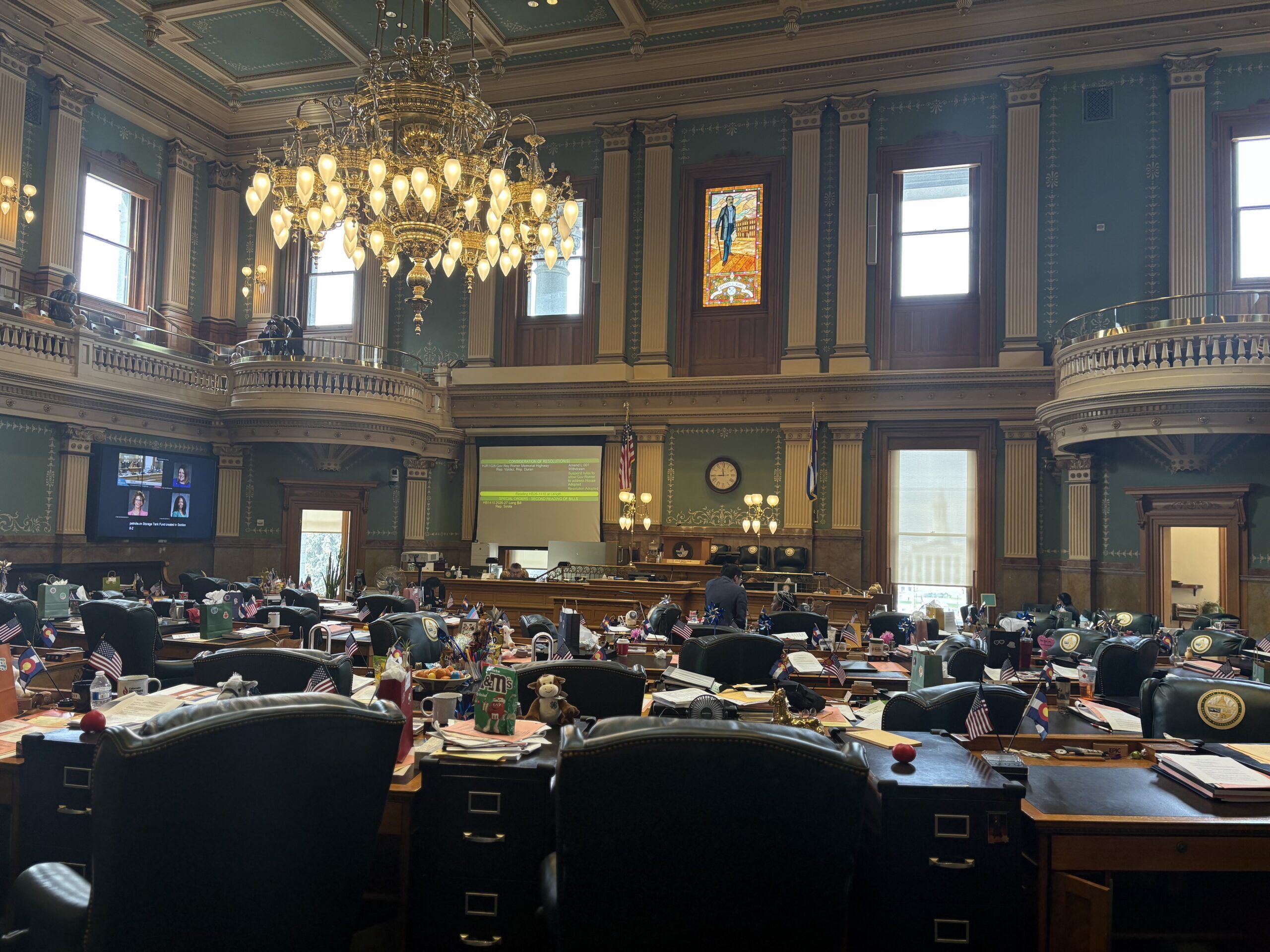
Rep. Bob Marshall, D-Highlands Ranch, said he considered asking for a late bill that would have brought the issue into the sunlight.
Instead, he offered an amendment on May 1 to House Bill 1289, a bill on modifying tax expenditures that would change state income taxes, sales and use taxes, cigarette and tobacco excise taxes, and motor fuels taxes.
The bill addresses tax deductions tied to the federal budget by repealing certain tax deductions allowed in current state law and requiring new state income tax additions to offset certain federal deductions.
His amendment would have imposed a 100% tax on any increase in lawmakers’ pay for a year.
Marshall told the House during the May 1 debate that the pay increase goes into effect at the exact same time that Medicaid providers face rate cuts of 2% across the board, the intellectual and developmental disability community stare at a 25% cut in income, even as Medicaid benefits are going away.
Taking a pay increase while so many are suffering is “not good leadership,” Marshall told the House.
“If we cannot share the pain with our constituents, we really shouldn’t be here,” he said.
Republicans agreed with Marshall.
Rep. Ken DeGraaf, R-Colorado Springs, called the amendment “good leadership.”
“We’re cutting off other people’s budgets” and “telling everyone tighten your belt, do less with more,” said Rep. Matt Soper, R-Delta.
And yet, he added, the Colorado General Assembly is getting the biggest pay increase in state history.
“As we’re facing tough economic times, we shouldn’t be accepting a massive pay raise for doing the work,” he said.
Rep. Lorena Garcia, D-Adams County, the sponsor of HB 1289, said the amendment violates the Taxpayer’s Bill of Rights by asking for a tax increase without voter approval.
DeGraaf said that as a TABOR defender, he would be happy to offer an amendment to put the salary increase tax in front of voters to fund services on intellectual development and disability.
Marshall’s amendment lost.
‘Without undue economic hardship‘
In 2024, the Colorado General Assembly approved House Bill 1059, which created an independent body to examine the pay of elected officials and how it compares to that of other states. The commission was established in 2025, with its first report due at year’s end.
A December, 2025 report issued by the pay commission said lawmakers, at $47,561 per year, were paid about 6.38% below the median and recommended a pay bump to $50,802.
The commission recommended raising the amounts lawmakers receive for mileage and per diem, as well as increasing the pay legislative leaders receive for expenses when one of them is serving as “acting governor.”
The commission also recommended pay increases for the governor (by $14,598), lieutenant governor (by $4,059), secretary of state (by $26,594), treasurer (by $28,358), and attorney general (by $52,323).
The commission based its recommendations on 15 states similar to Colorado and on 10 key data points.
The commission report acknowledged that budget constraints affected its recommendations and noted that compensation will be in place for four years, not just one.
HB 1059 disbanded the commission after the report was issued and it would reconvened in three years.
The report noted one of the commission’s goals is to set salaries at a level “that will allow a broad range of Coloradans to pursue an elected office.”
“There is a need to ensure that working people can hold these positions without undue economic hardship,” the report said.
Lawmakers have complained for years that their pay is too low. Most recently, Sen. Dafna Michaelson Jenet, D-Aurora, resigned her Senate seat, citing the low legislative salary as one reason.


Democratic group aims Spanish-language TV ad at Gabe Evans in Colorado’s battleground 8th CD
Ernest Luning
ernest.luning@coloradopolitics.com
Updated 1 day ago
A national group tied to House Democratic leadership launched a six-figure Spanish-language TV ad in Colorado this week targeting Republican U.S. Rep. Gabe Evans and the GOP’s signature budget legislation. The 30-second spot is part of $15 million in new...

Colorado School of Mines lands major share in Trump’s $100M mining-education plan
Thelma Grimes
thelma.grimes@coloradopolitics.com
Updated 1 day ago
President Donald Trump on Friday named the Colorado School of Mines among roughly a dozen institutions that will share in a $100 million commitment “to train the next generation of American miners.” Paul Johnson, the university’s president, said he is...
Judge dismisses lawsuit seeking records from Colorado Democratic group
Marianne Goodland
marianne.goodland@coloradopolitics.com
Updated 1 day ago
A lawsuit seeking to obtain records from Democratic lawmakers affiliated with a caucus has been thrown out by a Denver District Court judge. On July 17, Judge Ericka Englert dismissed the April lawsuit filed by progressive activist Derrick Blanton, who...

DOJ official decries ‘nonsense’ in Jeffco schools at fundraising gala
Matt Kyle
matt.kyle@denvergazette.com
Updated 19 hours ago
Amid a legal battle between Jeffco Public Schools and the federal government, a Department of Justice official spoke at a fundraising gala and decried “crazy stuff” and “nonsense” in the school district. The gala was for Jeffco Kids First, an...
Colorado Springs mother Deborah Nicholls’ murder conviction overturned
Nick Smith
nick-smith@coloradopolitics.com
Updated 2 days ago
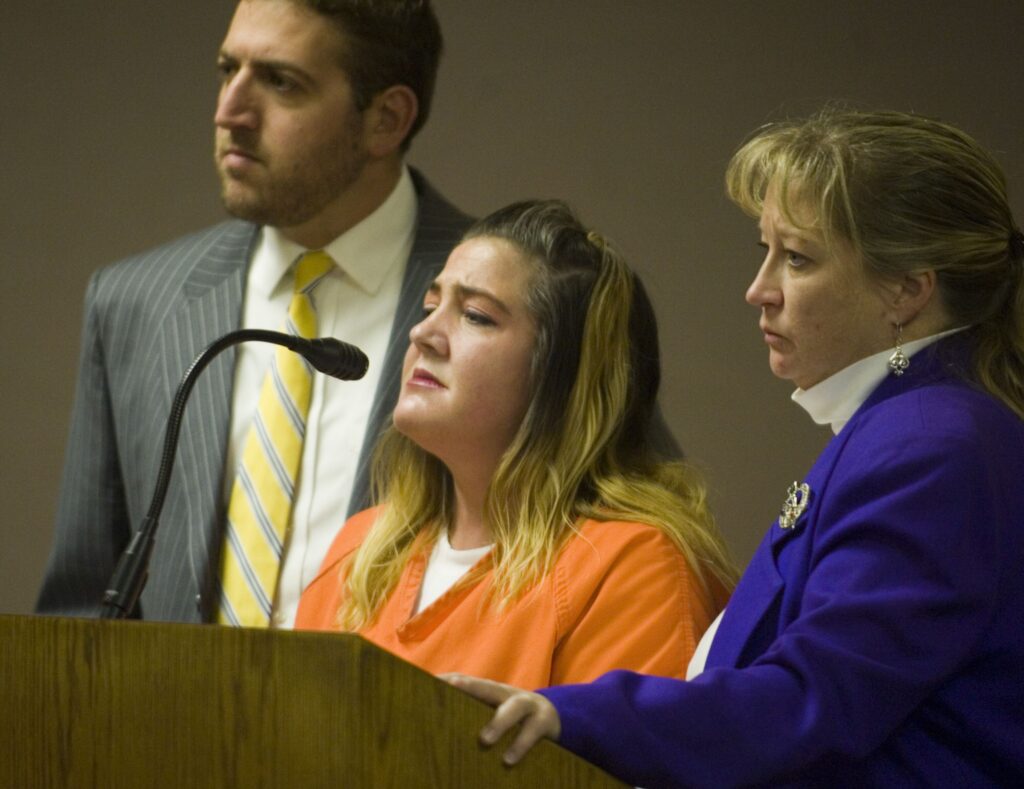
A Colorado Springs mother convicted in 2008 of murdering her three children in a house fire might get a new trial after a judge ruled that prosecutors withheld key evidence that could have impacted the jury’s verdict. Deborah Nicholls, whose...

Aurora Community College student journalist accuses college of ‘unconstitutional gag order’
Kyla Pearce
kyla.pearce@gazette.com
Updated 2 days ago
An Aurora Community College student is accusing the college of putting an “unconstitutional gag order” on his student-run publication, saying the college banned it from publishing until students jumped through “countless bureaucratic hoops.” A college spokesperson said the college is...
Polis administration relaunches Colorado e-bike rebates with $3 million
Scott Weiser
scott.weiser@gazette.com
Updated 2 days ago
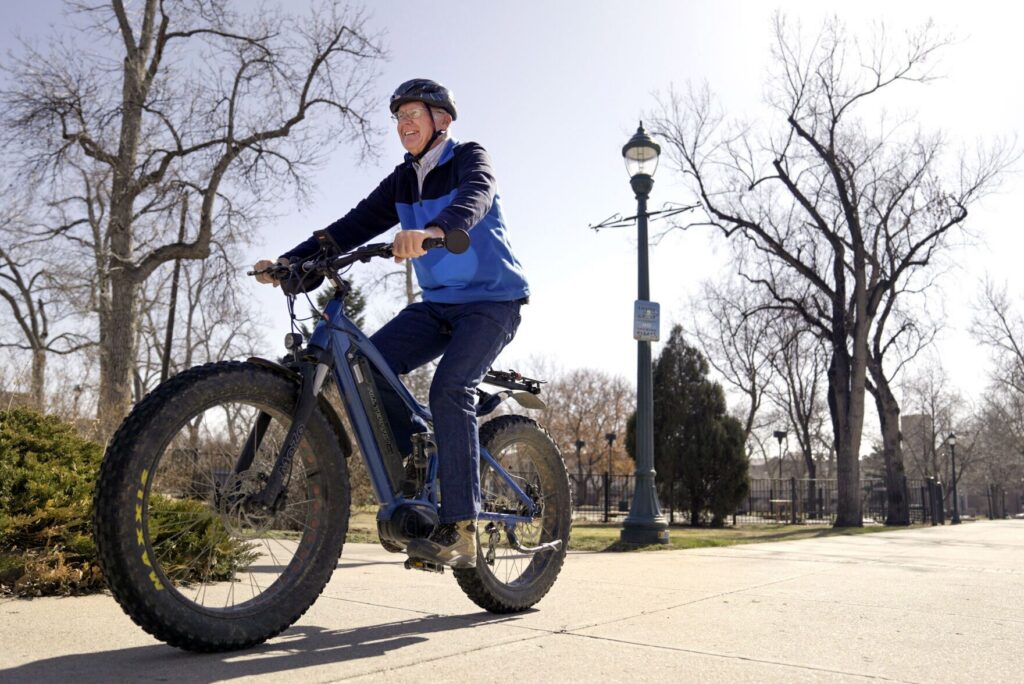
Gov. Jared Polis and the Colorado Energy Office announced Thursday the return of the state’s popular e-bike rebate program, with registration set to open later this month. The office plans to provide point-of-sale rebates totaling $3 million from the Community...
Appeals court rejects former DougCo commissioner’s legal fee claim
Nicholas Fogleman
nicholas.fogleman@denvergazette.com
Updated 2 days ago
The Colorado Court of Appeals rejected a former Douglas County commissioner’s bid for reimbursement of attorney fees she incurred while responding to multiple investigations into her conduct. The dispute stemmed from a 2019 anonymous letter sent to county officials alleging...

Right-to-natural-gas proposal in Colorado qualifies for ballot
Marissa Ventrelli
marissa.ventrelli@coloradopolitics.com
Updated 2 days ago
A citizen initiative that seeks to enshrine the right to natural gas has qualified for the November ballot, Colorado’s election office confirmed on Thursday. Petitions containing signatures for Initiative No. 177 were turned in to the Secretary of State’s Office for review...

Emerald ash borer confirmed in Colorado Springs, ‘pest is here to stay’
Brennen Kauffman
brennen-kauffman@coloradopolitics.com
Updated 3 days ago
Colorado Springs is asking residents to be on the lookout for an invasive beetle species that has jumped down the Front Range and into local ash trees. City officials said Wednesday that a confirmed emerald ash borer infestation had been...
PREV
PREVIOUS
Lone Tree City Council to welcome 2 new members
Lone Tree City Council elections concluded Tuesday, with two new members set to join the council once final results are certified later this month. Michelle Béchamps and Tara Meekma Collins defeated their opponents to serve as District 1 and District 2 representatives, respectively. The Lone Tree City Council is composed of four councilmembers representing two […]
Colorado enacts new laws on nursing home staffing, housing eligibility
Gov. Jared Polis on Wednesday signed two bills aimed at easing Colorado’s workforce shortages in nursing homes and expanding access to affordable homeownership, marking the state’s latest efforts to address long‑standing gaps in these two areas. House Bill 1244, sponsored by Reps. Junie Joseph, D-Boulder, and Scott Slaugh, R-Johnstown, and Sens. Lisa Frizell, R-Castle Rock, […]