

Colorado on the hook for $1 million in costs to pay for wolves’ livestock kills
After paying more than $700,000 in March to ranchers for livestock lost to wolves, the Colorado Parks and Wildlife Commission is poised to approve two additional claims totaling $262,000 at its meeting this week.
Those approvals would bring total payouts to about $970,000 with another $56,000 in claims rejected across the March and May meetings.
And that figure only reflects claims requiring commission approval.
Colorado Parks and Wildlife (CPW) staff can sign off on claims under $20,000, and the state’s wolf‑depredation website shows that, in 2025, the agency received 32 such claims totaling $47, 142.55, ranging from $88.50 to $3,500.
That’s a total of $1.072 million for 2025 alone.
In 2025, CPW received claims totaling $649,765.90 and paid out at least $425,478.61. That brings the total damages for just the first two years after wolves were released in Grand, Pitkin, Eagle and Summit counties to $1.722 million.
The state’s wolf compensation fund is appropriated $350,000 annually. CPW must find other sources to pay those claims — because Proposition 114 required damage claims to be paid for wolf depredations.
To do so, CPW has tapped the state’s Species Conservation Trust Fund, which receives $5 million annually. The agency can also use funds from the Colorado Nongame Conservation and Wildlife Restoration Cash Fund, which is funded by a tax-deductible contribution through state income tax returns and other unidentified sources within Colorado Parks and Wildlife. The nongame fund has generally received less than $200,000 in contributions per year.
Beyond wolf ndepredation payouts that are now nearly five times the state budgeted amount, the program’s total cost is projected to exceed $10 million in its first six years.
Originally, Proposition 114 estimated the program would cost $800,000 per year.
Last July, a Colorado Parks and Wildlife official told the CPW Commission that the Blue Book — the voter guide explaining ballot measures — noted that “actual state spending will depend on the details of the plan” the commission developed and on the cost of compensating ranchers for wolf‑related livestock losses.
Since voters approved the measure in 2020, those additional costs have included funding to establish the range‑rider program, hiring staff for conflict‑minimization work, and conducting “extensive public outreach.”
The 2026–27 budget allocates $2.1 million for the wolf‑restoration program, but a footnote prohibits the wildlife agency from using taxpayer dollars to acquire additional wolves.
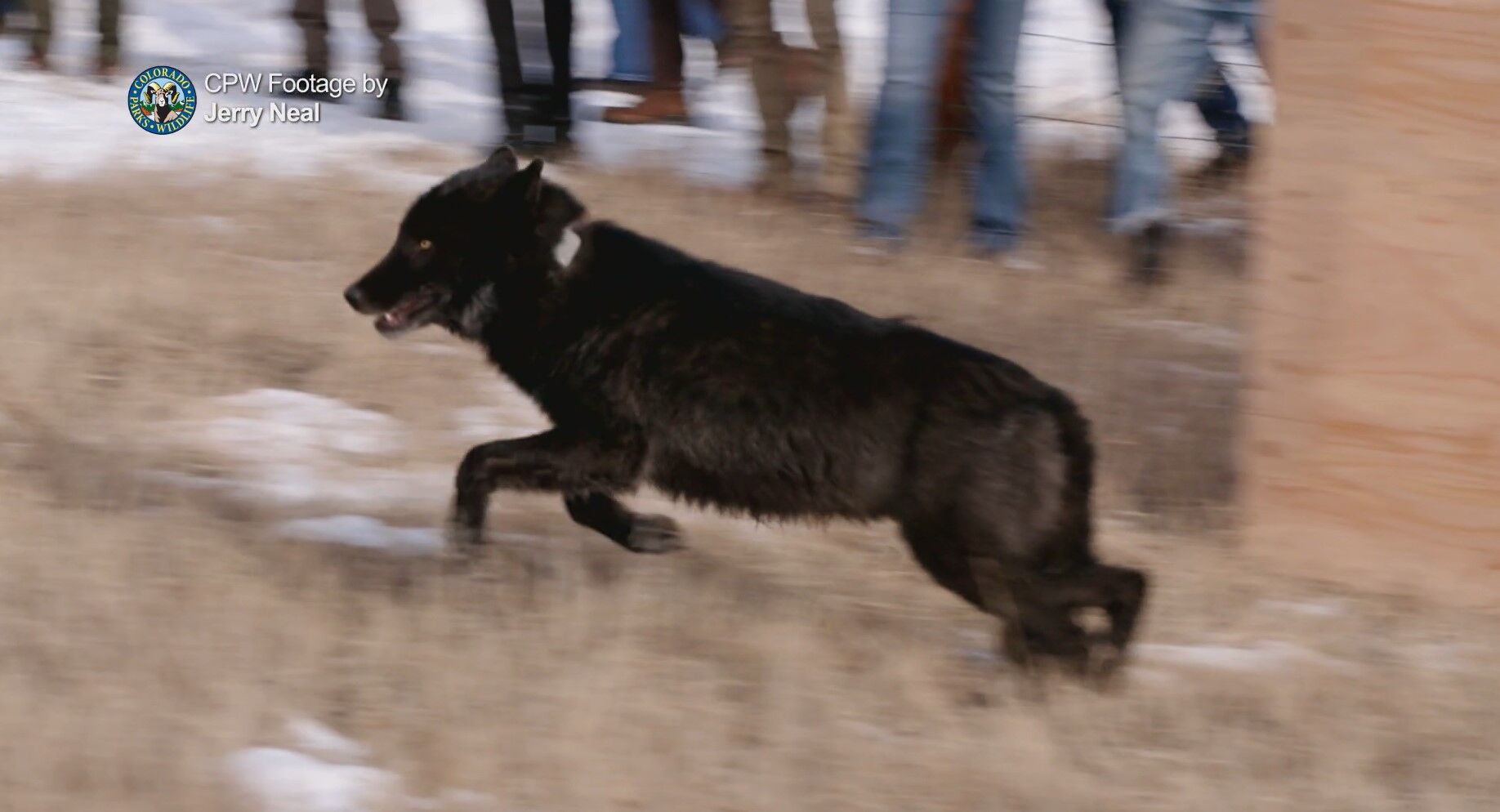
The agency has not brought in any more wolves since January 2025, when 15 were brought in from British Columbia. Seven of those 15 wolves have since died, including two that migrated into Wyoming. One was shot by staff from the U.S. Fish & Wildlife Service for killing sheep.
The federal agency has since told Colorado it can no longer bring in any more wolves from British Columbia or elsewhere outside a six-state Western region: Wyoming, Montana, Idaho, eastern Washington, eastern Oregon, and eastern Utah.
Five of the six states have refused to allow Colorado any wolves. Oregon allowed Colorado to take 10 wolves in 2023, including several that came from packs with a history of killing livestock. That’s despite the state wolf plan recommending against taking wolves with that kind of history.
Wolves relocated to Colorado began killing livestock in April 2024. The most recent death was a calf in Pitkin County on April 23, 2026.
For the first “biological year” for wolves, between April 1, 2024, and March 31, 2025, CPW reported 30 livestock and one dog were killed by wolves. In the second year, CPW reported another 44 livestock were killed, along with a dog.
That doesn’t acknowledge the trauma livestock experience when wolves are in the area, according to ranchers, which has led to hundreds of thousands of dollars in claims tied to lower birth rates and lower market weights.
Last month, the state Senate Agriculture and Natural Resources Committee rejected two of three gubernatorial appointments to the CPW commission, in part because of a lack of experience with the constituents the appointees were intended to represent. The nominees, James Emerick and Christopher Sichko, withdrew their nominations moments before the Senate could vote on them.
Gov. Jared Polis now has five commission appointments he can make before he leaves office next January. They include three commissioners whose appointments expire in June.
However, any appointments made after the end of the 2026 legislative session can be voided and replaced by the next governor, something Polis did with three CPW appointees nominated in 2018 by then-Gov. John Hickenlooper.


Colorado farmers, ranchers wrestle with hurdles amid extreme drought conditions
Shen Wu Tan (Special to The Denver Gazette)
shen-wu-tan@gazette.com
Updated 1 week ago
Some producers take drastic steps to adapt to dry climate, record-low snowpack This is the first time that Jim Magnuson, who operates a family farm in the rural town of Eaton, can ever recall planting only 75% of his acreage. ...
Colorado produce not tied to nationwide cyclospora outbreak, agriculture officials say
Marissa Ventrelli
marissa.ventrelli@coloradopolitics.com
Updated 3 weeks ago
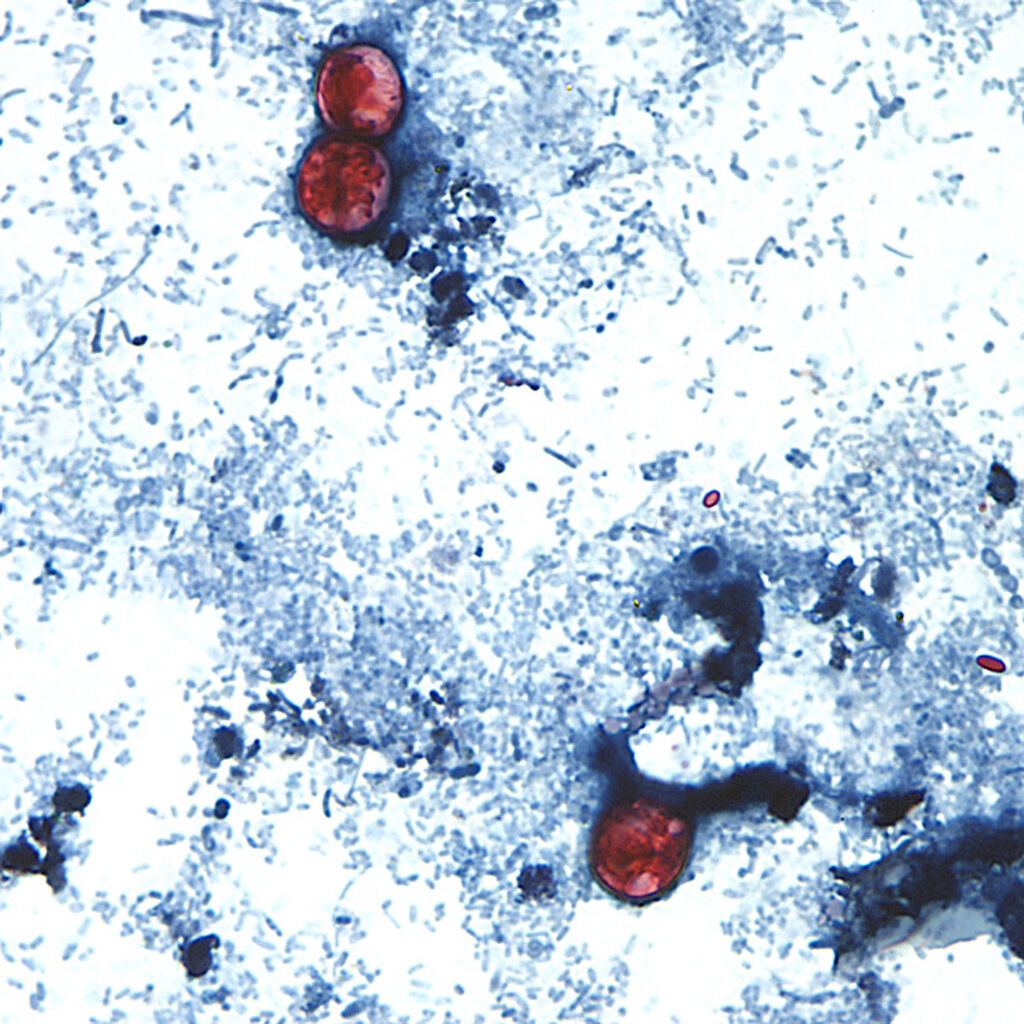
There is no indication that the recent outbreak of cyclospora, a fecal parasite that has contaminated food and water across nearly every state, can be linked to produce grown in Colorado, according to the state’s Department of Agriculture. “Colorado growers...

With no 7-state deal, federal agency turns to 10-year Colorado River strategy
Marianne Goodland
marianne.goodland@coloradopolitics.com
Updated 2 months ago
The U.S. Department of the Interior is moving forward with a 10-year framework for managing the Colorado River after 2026, outlining a plan to issue new operating guidelines every two years as the seven basin states remain unable to reach...
Overtime for farms, school safety, public office rules: What’s new in Colorado law
Marianne Goodland
marianne.goodland@coloradopolitics.com
Updated 3 months ago
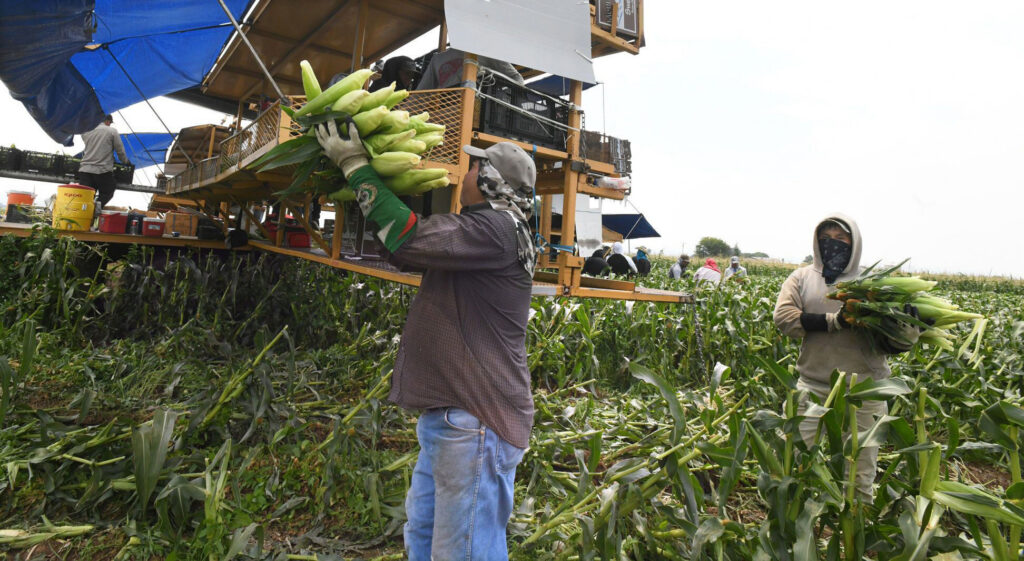
Gov. Jared Polis signed 25 bills into law Monday, bringing changes that will affect workers, families, schools, and local governments across Colorado. The new laws deal with a range of issues – from overtime rules for farmworkers to limits on...
While growth slows statewide, small-town populations in Colorado boom
Savannah Eller
savannah-eller@coloradopolitics.com
Updated 3 months ago
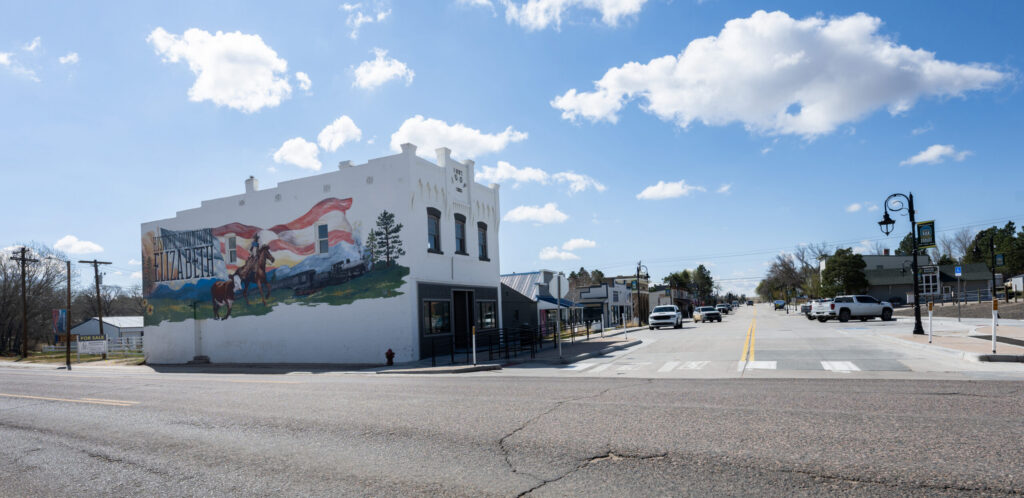
A proposed housing project could more than double the population of Calhan, a town of just 760 on the Eastern Plains outside Colorado Springs. For some small towns on the Front Range, it’s a familiar situation. Colorado’s overall population growth...
Governor’s wildlife commission picks face pushback ahead of Colorado Senate hearing
Marianne Goodland
marianne.goodland@coloradopolitics.com
Updated 4 months ago
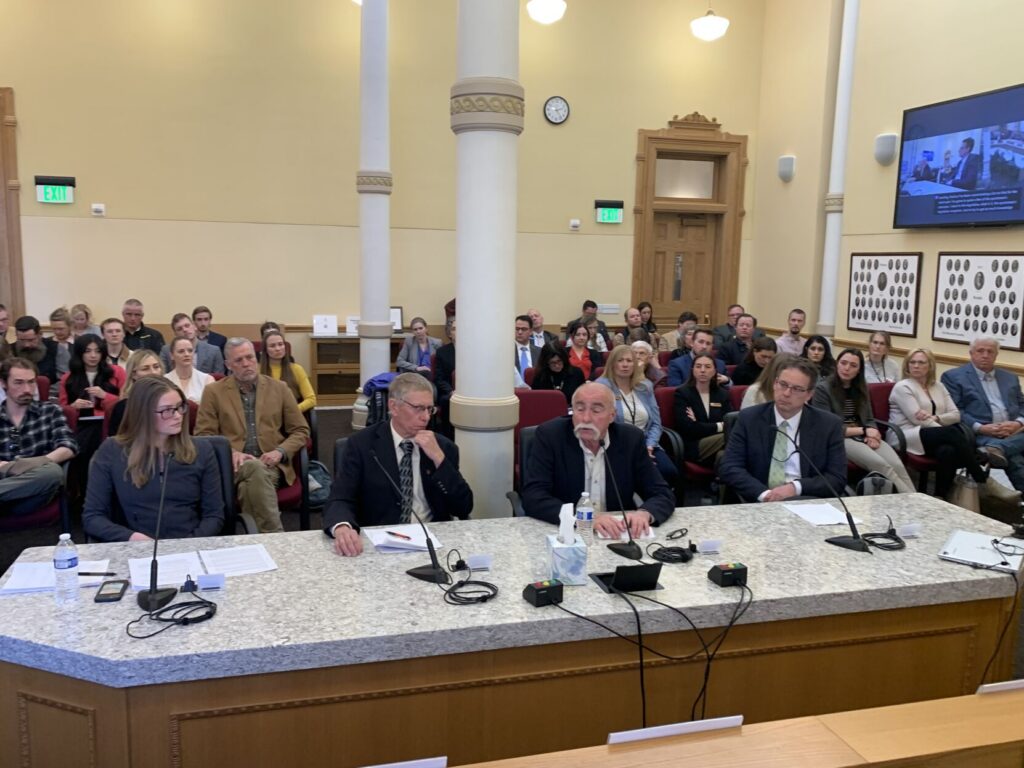
Colorado’s largest coalition of hunters, anglers, and wildlife conservation groups is urging state lawmakers to reject two of Gov. Jared Polis’ latest nominees to the Colorado Parks and Wildlife Commission, setting up a contentious confirmation hearing before the Senate Agriculture...
Cannabis overhaul introduced in Colorado Senate
Chris Osher
chris-osher@gazette.com
Updated 4 months ago
Colorado lawmakers on Wednesday introduced a measure that, if approved, would place a ballot proposal before voters this fall that contains changes backers say would improve consumer safety and overhauls how the marijuana industry is taxed. The proposed ballot initiative would fund a testing...

Colorado House passed a bill raising threshold for agriculture overtime by one vote
Marianne Goodland
marianne.goodland@coloradopolitics.com
Updated 4 months ago
The bill that would raise the overtime threshold for overtime pay for certain agricultural workers won the narrowest of votes Thursday in the Colorado House. Senate Bill 121 won a 33-32 vote, a dramatic difference from votes cast Wednesday on...

Colorado marijuana regulators pledge crackdown on intoxicating hemp
Christopher Osher
chris.osher@gazette.com
Updated 4 months ago
Citing potential tax avoidance, ‘serious risk to public safety,’ Marijuana Enforcement Division warns companies about swapping illegal chemically converted hemp for marijuana This article was produced for ProPublica’s Local Reporting Network in partnership with The Denver Gazette. Colorado regulators announced...
Senate-passed farmworkers overtime bill easily clears Colorado House committee
Marianne Goodland
marianne.goodland@coloradopolitics.com
Updated 4 months ago
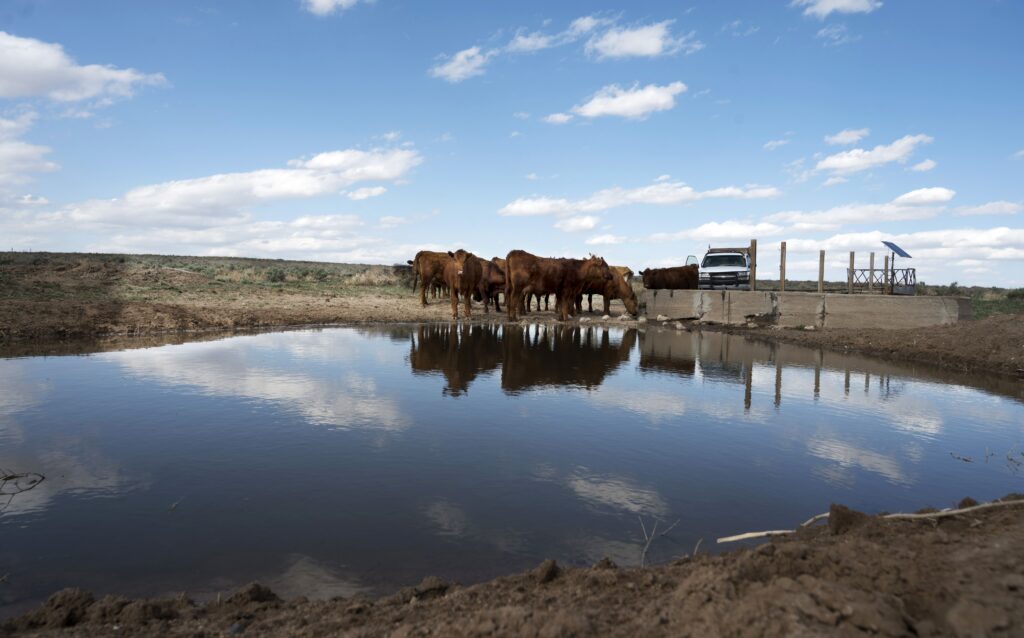
A proposal to ease Colorado’s overtime requirements for agricultural employers cleared a key House committee Monday, setting up a broader fight over whether the state should scale back a labor policy adopted just five years ago. The House Agriculture, Water...
PREV
PREVIOUS
Oil prices sink and stocks rally worldwide on hopes for a reopening of the Strait of Hormuz
NEW YORK (AP) — Oil prices are sinking Wednesday, and stock markets are bursting higher worldwide with hopes that the United States and Iran are nearing a deal to allow ships to deliver crude from the Persian Gulf once again to their customers. The price for a barrel of Brent crude oil, the international standard, […]
Fight over road funding intensifies as Democrats seek to negate citizen initiative
The battle over road funding intensified at the state Capitol this week, where legislators are seeking to negate an initiative that supporters say is sorely needed but which critics insist would divert money from other state priorities. Supporters of the initiative questioned the timing of new legislation that emerged in the waning days of the […]