

Hickenlooper hears stories on Medicaid, health costs at Denver Health
U.S. Sen. John Hickenlooper went to Denver Health on Tuesday to hear how rising health care costs and federal policy changes are affecting patients.
He got an earful.
Hospital staff shared stories about Medicaid patients who lost eligibility — and then a limb or their life.
Dr. Stephanie Augustine, a family medicine physician, told of a patient who could not afford his medication and how his diabetes went unchecked. She didn’t see him again for several years. Instead of discussing medications or screenings, they talked about an amputation.
“This is more than about losing Medicaid,” Augustine said. “It’s about losing a limb — and even life.”
For providers like Denver Health, the challenge is compounded by the realities many patients face: mental illness, substance use, and food and housing insecurity.
Where is a hospital supposed to discharge a patient who is homeless?
Andrea Castro Love, who works in inpatient care management, said she encounters patients daily who live in motels, under bridges and in their cars.
She described a patient she met in November with anaphylaxis. He had been intubated so many times he required a tracheostomy and a ventilator to breathe at night.
“We could not successfully discharge him to his car, knowing he needed a home ventilator,” Love said.
Last month, he accidentally coughed out his tracheostomy.
“He died on April 11, and I will never forget him,” Love said.
Nearly half of the patients at Denver Health — the region’s safety-net hospital — are on Medicaid.
Jointly funded by the state and federal government, Medicaid provides health coverage to low-income residents, including children, pregnant women, seniors and people with disabilities.
In Colorado, Medicaid covers one in four residents — about 1.2 million people.
The state’s Medicaid program has nabbed headlines in recent months with allegations of a fraudulent billing ring, improper payments for autism therapy and exploding cost in a relatively new program meant to provide health care to pregnant women and children illegally staying in the U.S.
While acknowledging the federal policy changes on eligibility, others have blamed mismanagement of the state Medicaid program, noting the explosive growth in both enrollment and spending. Some also said the state could have done a better job of cushioning the impact of losing hundreds of thousands of people from the Medicaid rolls during the “unwind” period.
An analysis by the Common Sense Institute suggested another culprit for Medicaid’s woes — the legislature, where Democrats have solidified their majority control following the 2018 elections. The authors argued much of the Medicaid spending growth in Colorado stems from expansive policy choices, rather than enrollment or medical inflation. They attribute about $858 million in annual costs to more than 180 health care bills enacted since 2019.
Denver Health officials said they expect to lose about 20,000 Medicaid patients next year when provisions from HR 1 — also known as the “One Big Beautiful Bill,” signed into law by President Donald Trump — take effect.
Last year, Denver Health provided $140 million in uncompensated care.
Uncompensated care includes services that are provided but not reimbursed, often because patients lack insurance or cannot afford the cost.
“We fully expect that to go up as this law goes into effect,” said Dr. Steve Federico, a hospital spokesperson.
Unforeseen medical emergencies are inevitable.
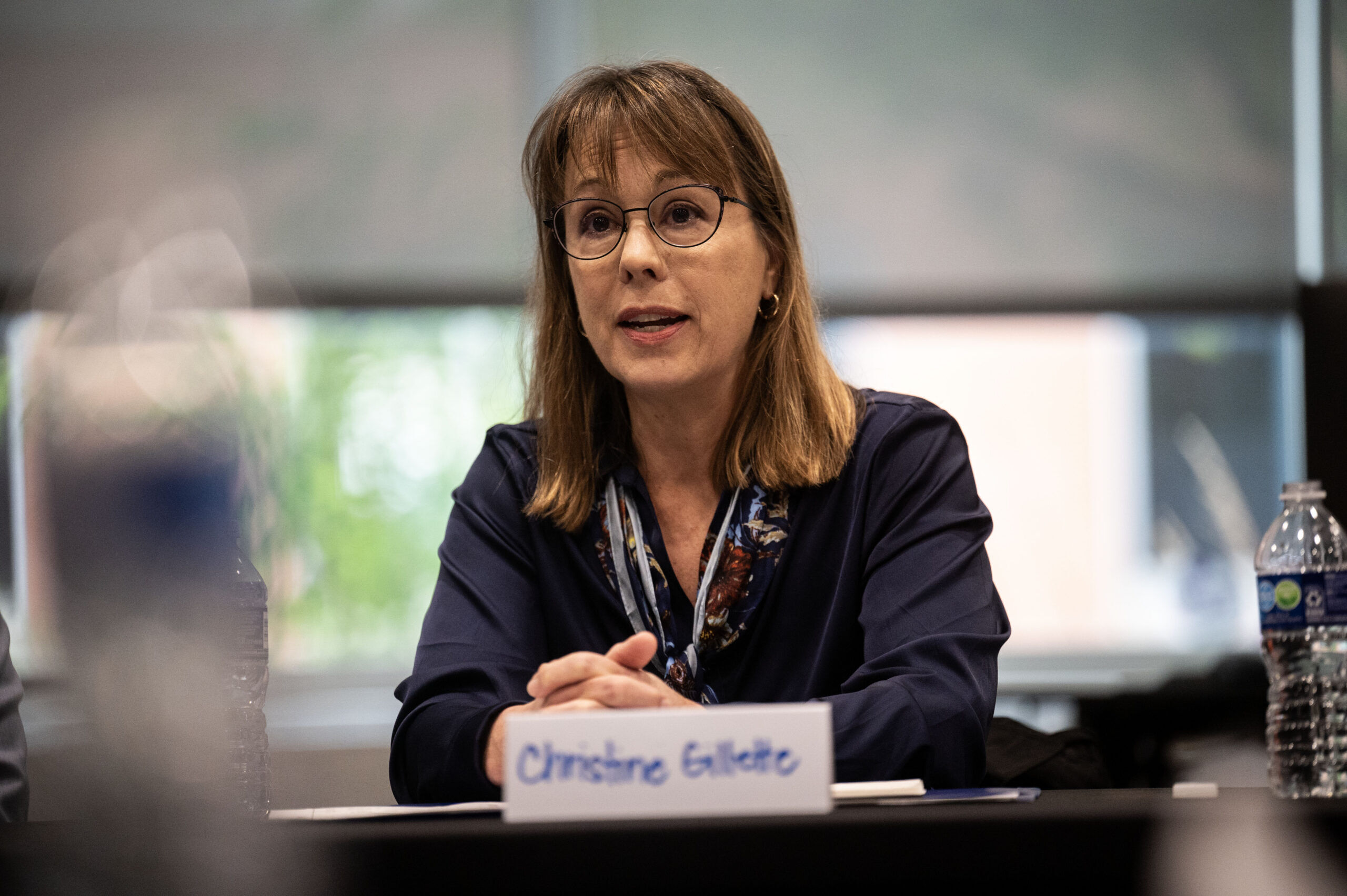
That’s why Christine Gillette’s 70-year-old husband has no plans to retire. Gillette, who became unemployed at 58 after staying home to raise their children, does not have health insurance without his job.
“He’s afraid to retire,” Gillette said.
Most Americans get their coverage through employer-sponsored health plans.
In Colorado, about half of residents receive health insurance through an employer, according to the state health department. About 500,000 have no health insurance at all.
That has implications for all Coloradans, experts and policymakers said.
People without insurance often delay preventive care and instead rely on emergency departments — driving up costs across the system.
Hickenlooper said he hopes the stories shared Tuesday will help persuade his Republican colleagues — he needs to sway at least a dozen — of the urgency of addressing Medicaid and rising health care costs.
Following the hourlong event, Hickenlooper called the state of health care in the U.S. troubling, saying “there’s a lot on the line.”
“This is what I call a cost-of-living emergency,” he said.


New Colorado laws going into effect cover AI disclosures, medical marijuana access and gambling limits
Marissa Ventrelli
marissa.ventrelli@coloradopolitics.com
Updated 1 day ago
More than 100 new Colorado laws take effect Aug. 12, bringing changes to chatbot safety rules, psychedelic research, campus wellness checks and sports betting restrictions. Here is a look at some of those laws set to take effect. The law:...

Colorado to implement new laws on jail standards, safe haven rules, and agricultural labeling
Marissa Ventrelli
marissa.ventrelli@coloradopolitics.com
Updated 53 minutes ago
In mid-August every year, a slew of recently passed laws in Colorado go into effect 90 days after the end of the legislative session. This year, all bills without a specified effective date or safety clause — a provision stating...

‘Explosive’ diarrhea-causing parasite cyclosporiasis cases nearly triple in Colorado
Nico Brambila
nico.brambila@denvergazette.com
Updated 1 day ago
Cases of the “explosive” diarrhea-causing parasite cyclosporiasis nearly tripled in Colorado over the past month, prompting renewed attention after related deaths were reported in Michigan. Twenty-nine counties in Colorado have reported cases, according to the Colorado Department of Public Health...

U.S. News names Saint Joseph best hospital in Colorado, ending University of Colorado Hospital’s 13-year streak
Nico Brambila
nico.brambila@denvergazette.com
Updated 3 days ago
University of Colorado Hospital is no longer Colorado’s top-ranked hospital for the first time in more than a decade, with Intermountain Health Saint Joseph Hospital taking the No. 1 spot in U.S. News & World Report’s latest rankings. Located on...
Colorado lawmakers start crafting strategy to manage $200 million in federal rural health funds
Marissa Ventrelli
marissa.ventrelli@coloradopolitics.com
Updated 5 days ago
Colorado officials have begun to strategize as the state is set to receive hundreds of millions of dollars from a federal program meant to boost rural health. Cristen Bates, deputy Medicaid director at the Department of Health Care Policy and...
Fauci’s private COVID-19 diaries: Six takeaways on fame, prize money and the lab leak debate
The Washington Examiner
the-washington-examiner@coloradopolitics.com
Updated 1 week ago
Anthony Fauci’s private writings from 2020 and beyond portray a public health official who was fixated on his growing celebrity while privately grappling with a pandemic response he believed was chaotic, leaderless and consumed by internal rivalries. The writings of...
Colorado board permits state to appeal injunction against arthritis drug price cap
Marissa Ventrelli
marissa.ventrelli@coloradopolitics.com
Updated 1 week ago
A Colorado board voted Friday to allow the Attorney General’s Office to fight an injunction against a price cap on a drug that treats arthritis. A U.S. district court judge had granted the company Amgen a preliminary injunction, temporarily blocking...

Colorado districts prepare for school year amid mental health worries — will fewer cellphone distractions help?
Marissa Ventrelli
marissa.ventrelli@coloradopolitics.com
Updated 5 days ago
The signs of a new school year are everywhere — buses in the shop, teachers unpacking boxes, families ticking through supply lists — and behind the familiar rituals, Colorado districts are preparing for a year defined less by routine than...
Colorado produce not tied to nationwide cyclospora outbreak, agriculture officials say
Marissa Ventrelli
marissa.ventrelli@coloradopolitics.com
Updated 2 weeks ago
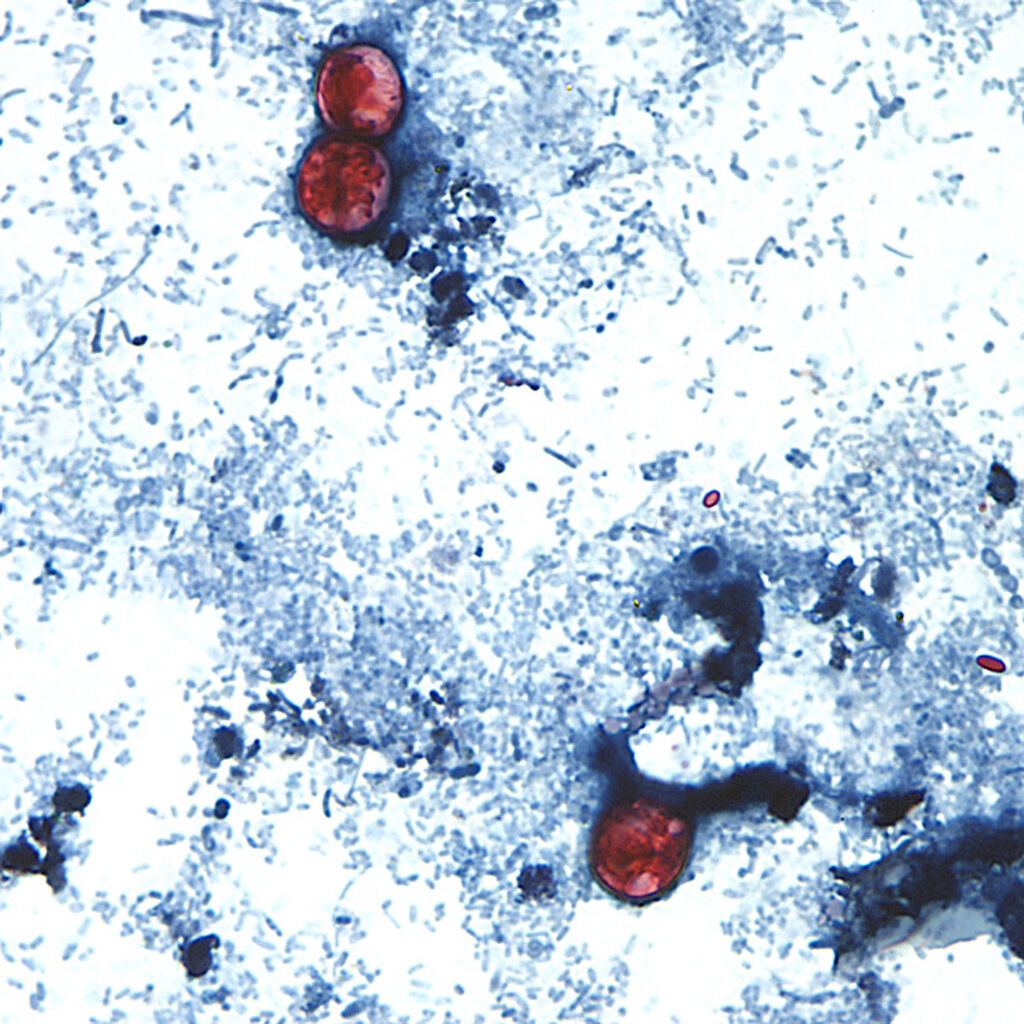
There is no indication that the recent outbreak of cyclospora, a fecal parasite that has contaminated food and water across nearly every state, can be linked to produce grown in Colorado, according to the state’s Department of Agriculture. “Colorado growers...

UNC opens College of Osteopathic Medicine
Marissa Ventrelli
marissa.ventrelli@coloradopolitics.com
Updated 1 week ago
The University of Northern Colorado held a grand opening for its new College of Osteopathic Medicine on Friday, with Gov. Jared Polis in attendance to celebrate the culmination of a two-year, $127.5 million project. The project was funded through legislation...
PREV
PREVIOUS

Divided appeals court finds no prosecutorial misconduct in prison assault case
Colorado’s second-highest court concluded last week that a Lincoln County prosecutor did not misstate the law to a degree that undermined a jury’s assault verdict against the defendant. During closing arguments in Phillip Archuleta’s 2023 trial, the prosecutor suggested to jurors that Archuleta did not have to make contact with a corrections officer during a […]
Oil prices sink and stocks rally worldwide on hopes for a reopening of the Strait of Hormuz
NEW YORK (AP) — Oil prices are sinking Wednesday, and stock markets are bursting higher worldwide with hopes that the United States and Iran are nearing a deal to allow ships to deliver crude from the Persian Gulf once again to their customers. The price for a barrel of Brent crude oil, the international standard, […]