

Colorado’s incoming chief appeals judge lays out agenda | APPELLATE UPDATE
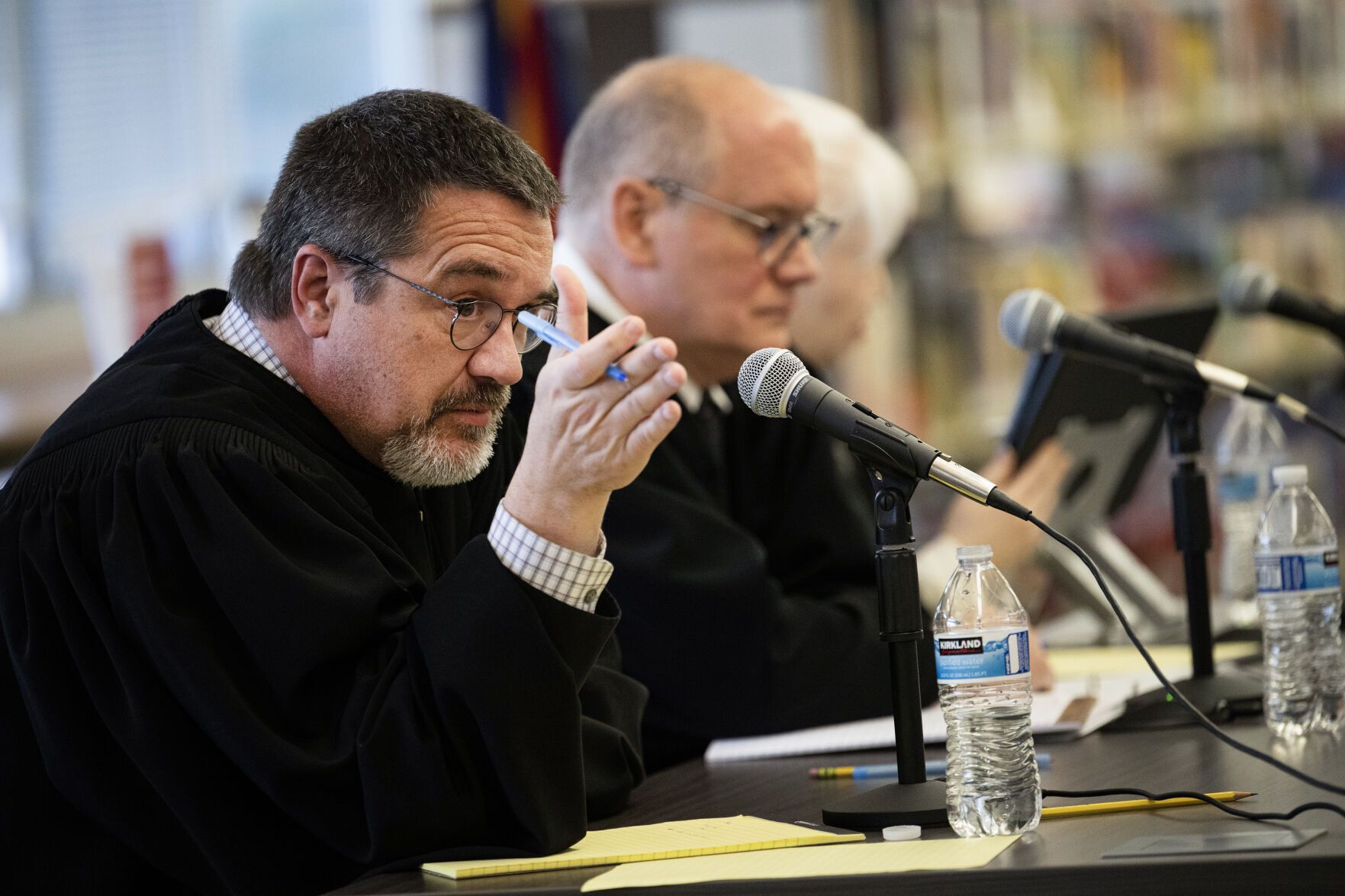
The incoming chief judge of Colorado’s Court of Appeals told lawyers on Friday that his goals for his four-year term include figuring out why criminal cases are taking nearly 1.5 years on average to reach appellate judges’ desks.
“Criminal briefing is one of my biggest focuses, to be blunt,” said Judge Ted C. Tow III.
Tow will become the chief appellate judge this summer, succeeding Gilbert M. Román. Although the chief judge also hears cases and authors decisions, the role involves heavy administrative duties on the 22-member Court of Appeals.
Tow spoke at the annual appellate practice update, sponsored by the Colorado Bar Association. He said he hopes to use his interest in statistics to anticipate and adjust to trends affecting the court.
Looking at direct criminal appeals that were ready for a decision between January-April 2026, Tow said that the average time between the initiation of the appeal and the filing of an opening brief was just short of one year on average. The time from initiation to the completion of briefing was 543 days.
That number “is unacceptable. It is 50% higher than it was in 2024. And I don’t know why,” said Tow. “But that is gonna be my primary focus, to figure out why and to work with our partners about how to address it.”
He added: “I don’t like delay. Particularly, avoidable delay.”
Tow also shared that in the first four months of 2026, case filings in his court increased by 2% over the prior year, but direct criminal appeals and domestic relations cases increased by 9%.
With Román retiring from the court after his term as chief judge ends, plus other potential vacancies in the next four years, Tow said the Court of Appeals has specific personnel needs.
“Not the least of which, to be honest — and this may shock people — is criminal experience. Over half of our docket is criminal,” he said. “It would be nice to have criminal expertise. It would be nice to have probate expertise. It would be nice to have complex construction law expertise.”
Finally, Tow said that by the time he ends his term as chief, he would like to have at least one judge from “greater Colorado.”
“We don’t have a rural perspective on our court,” he said.
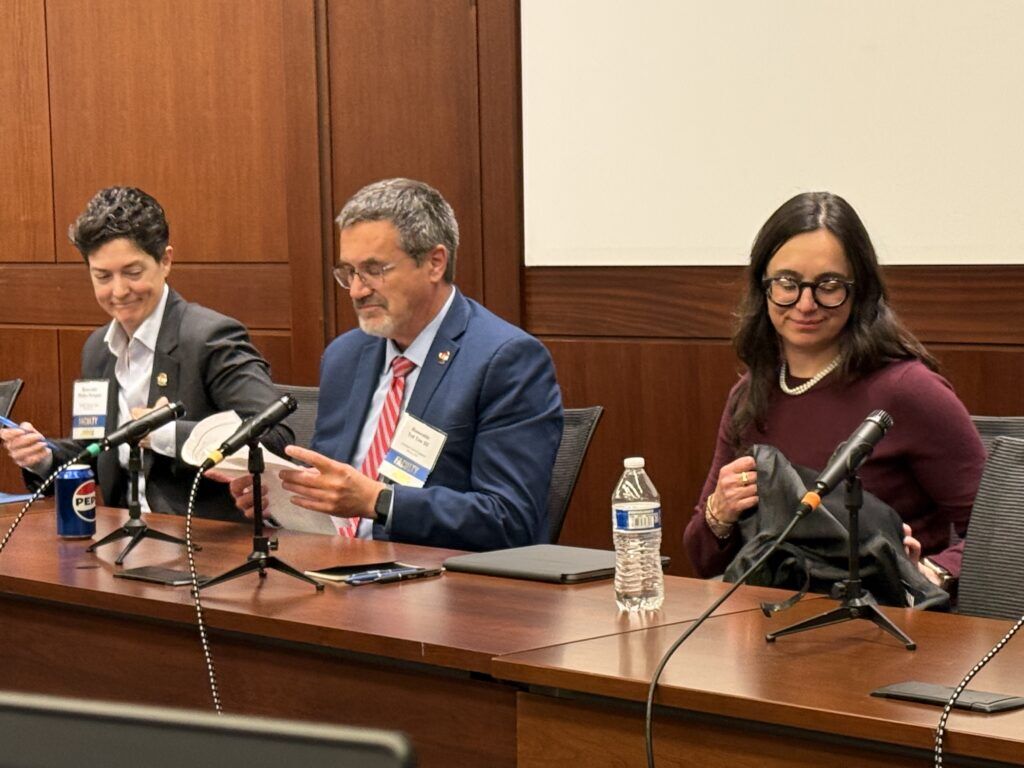
Attendees also heard from Chief Justice Monica M. Márquez, who said the Colorado Supreme Court is experiencing a slight decrease in case filings. In her travels around the state, she has also heard about an increase in trial court filings driven by the use of artificial intelligence tools.
“Some of that is from represented parties. A lot of it is from unrepresented parties,” Márquez said. “We are, right now, trying to get our arms around ways to triage all of that. There are certainly meritorious claims in there. Sometimes, it’s hard to sift through the AI filings for what litigants are asking for.”
She said that the judicial branch’s response could include creating online, fillable forms that litigants would use to generate “a nice, clean motion for judges” after providing necessary information.
Márquez indicated that two dozen courtrooms across the state will start using a new virtual system in June as a pilot program. The judicial branch has been seeking to pivot from Webex, the virtual meeting platform that judges immediately turned to during the onset of the COVID-19 pandemic.
“It was never designed to do court,” said Márquez, as evidenced by the rash of disruptions from malicious actors over several months. She added that the new platform will provide a long-term solution to virtual courtroom disruptors.
Finally, Judge Veronica S. Rossman of the U.S. Court of Appeals for the 10th Circuit briefly spoke about the Denver-based federal appeals court, which hears cases arising from Colorado and five neighboring states.
Rossman said filings in her court have increased slightly from prior years, and the 10th Circuit is holding oral arguments in just under one-third of cases that reach a decision on the merits.
“I learned that’s the highest percentage of cases in our circuit since 2009,” she said.
The 10th Circuit is also trying to schedule more oral arguments outside of its Denver courthouse, and has recently revived its historical practice of inviting trial judges from the six-state region to hear cases alongside the appellate judges.
“I hope we continue to do it. It was wonderful to have members of the trial court on the bench with us,” Rossman said.

10th Circuit sympathetic to Colorado consumer protection law governing interest rates
Michael Karlik
michael.karlik@coloradopolitics.com
Updated 21 hours ago
Members of the Denver-based federal appeals court appeared sympathetic on Tuesday to Colorado’s assertion that it can lawfully require certain out-of-state banks to abide by the state’s own ceilings on interest rates when they lend to consumers in Colorado. The...
Colorado justices to decide insurance companies’ obligation to disclose relevant policies
Michael Karlik
michael.karlik@coloradopolitics.com
Updated 7 hours ago
The Colorado Supreme Court announced on Monday that it will decide whether an insurance company violated state law by withholding an at-fault driver’s policy for nearly a year when there was no dispute that the policy was not in effect...

Judicial performance evaluations released, Montezuma County judge disciplined | COURT CRAWL
Michael Karlik
michael.karlik@coloradopolitics.com
Updated 2 days ago
Welcome to Court Crawl, Colorado Politics’ roundup of news from the third branch of government. Colorado’s citizen-led judicial performance commissions released their voter narratives for the judges standing for retention in November, plus a disciplinary panel imposed consequences on a...

DA justifies CSPD officers in fatally shooting man at McDonald’s
Cleo Westin
cleo-westin@coloradopolitics.com
Updated 23 hours ago
The deadly shooting of a man by Colorado Springs police officers at a McDonald’s was ruled justified by the 4th Judicial District Attorney’s Office on Monday, the office announced in a news release. The ruling determined officers Daniel White, Mitchell...
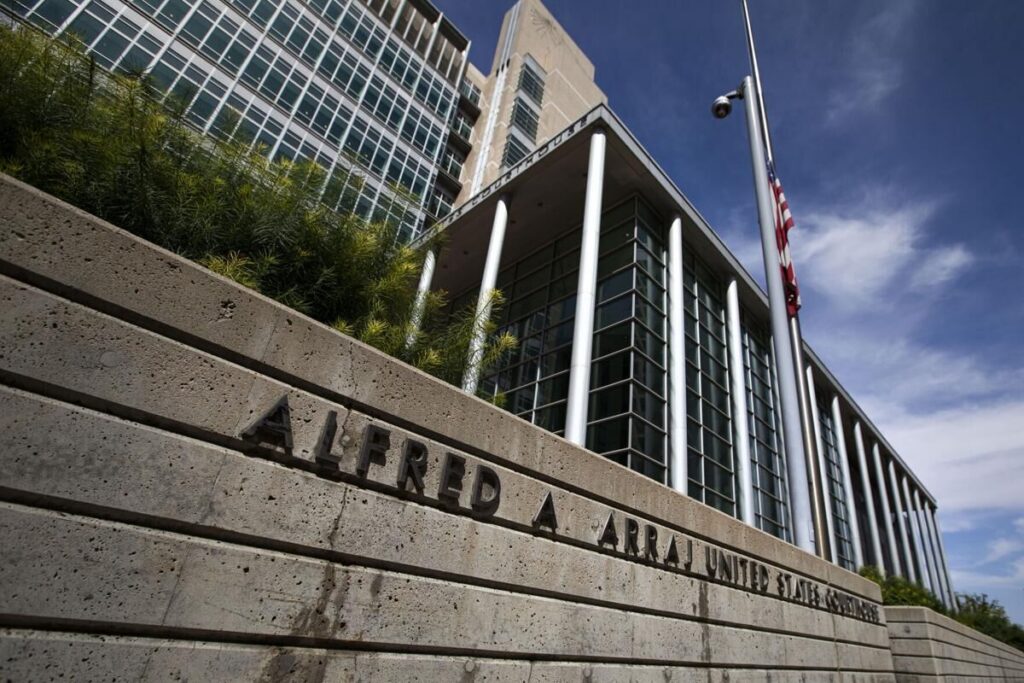
Federal judge holds off on dismissing formerly bankrupt medical contractor from Jeffco jail death lawsuit
Michael Karlik
michael.karlik@coloradopolitics.com
Updated 19 hours ago
A federal judge declined on Monday to dismiss the formerly bankrupt medical contractor from a lawsuit over a detainee’s death in Jefferson County jail, but indicated she would do so if the plaintiffs’ attorneys go through the process to ensure...
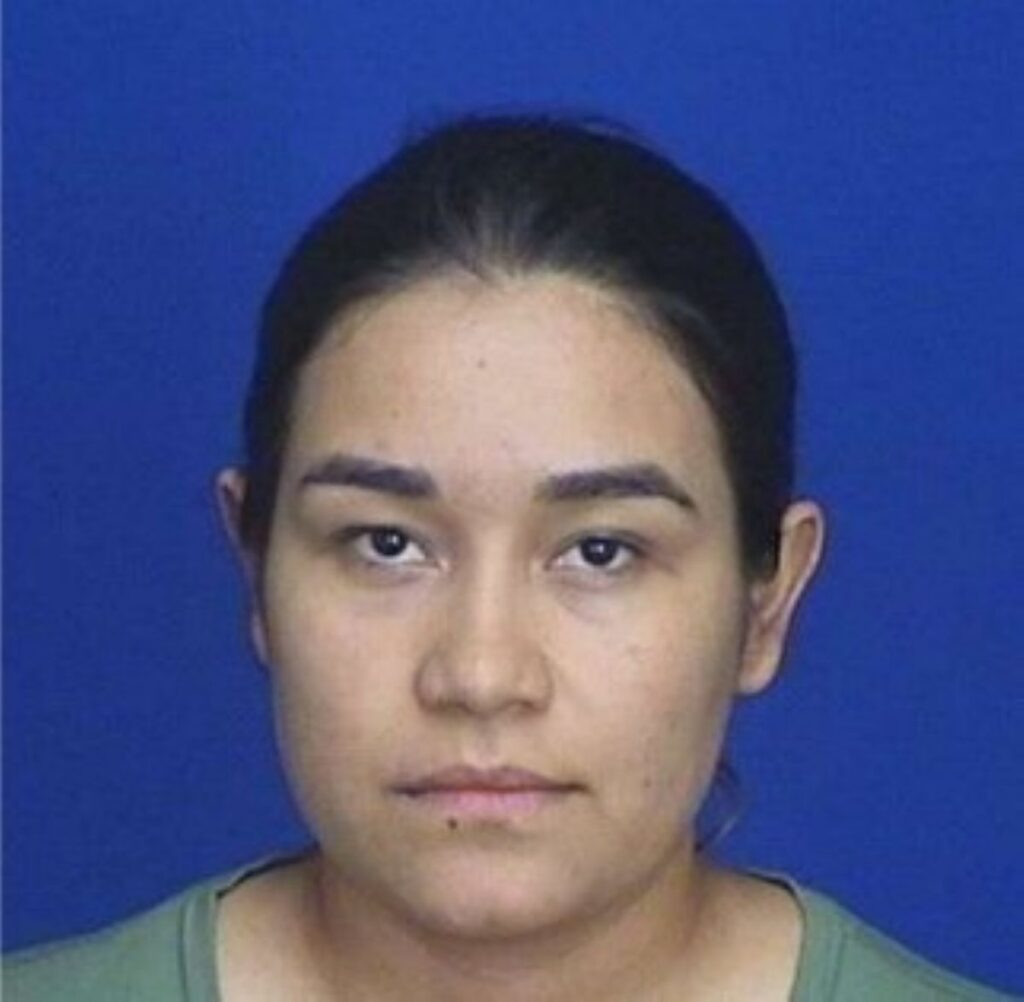
Castle Rock caregiver sentenced after stealing more than $110,000 in jewelry from family
Nicholas Fogleman
nicholas.fogleman@denvergazette.com
Updated 1 day ago
A judge sentenced a Castle Rock caregiver to 90 days in jail after she pleaded guilty to stealing more than $110,000 worth of jewelry from the family of a disabled son under her care. Elsa Montejo-Fuentes, 32, had worked for...
Federal judge green-lights excessive force, retaliation claims for trial against Fort Collins officers
Michael Karlik
michael.karlik@coloradopolitics.com
Updated 4 days ago
A federal judge green-lit a jury trial last week against multiple Fort Collins police officers on claims that they used excessive force on one man who was standing unarmed in his underwear, and retaliated against another man for exercising his...

10th Circuit revives wage violation lawsuit against Papa John’s operator
Michael Karlik
michael.karlik@coloradopolitics.com
Updated 5 days ago
The Denver-based federal appeals court on Tuesday reinstated a former Papa John’s delivery driver’s lawsuit alleging violations of federal and state wage law. Steve Mighell worked for one month at a Denver Papa John’s location in summer 2023. He alleged...
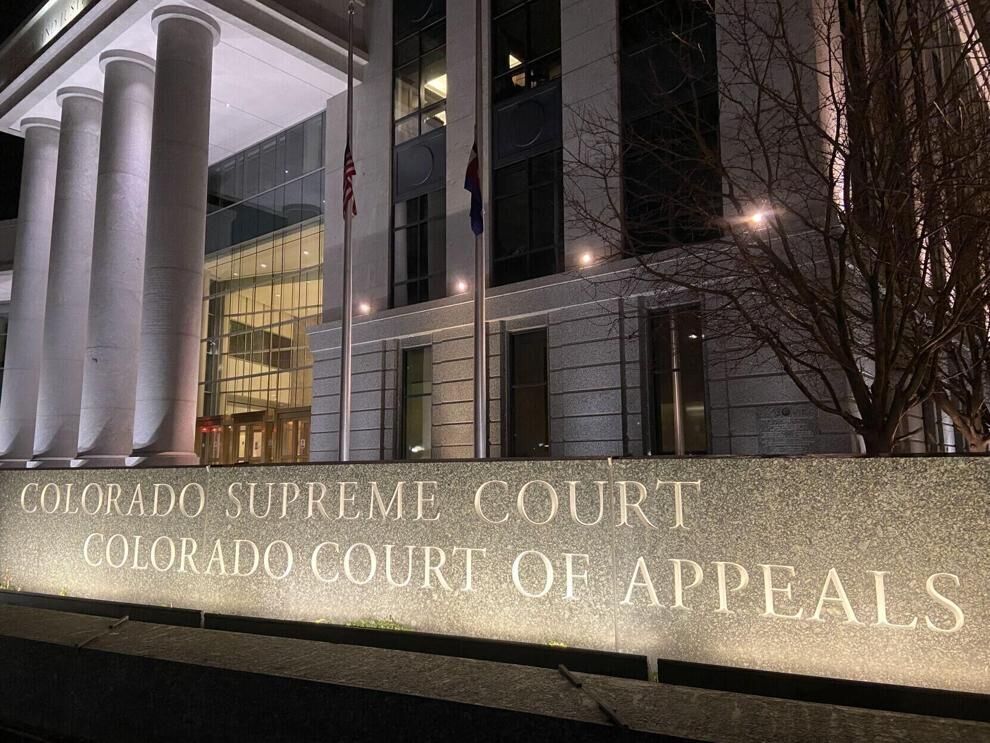
Colorado appeals judge’s delays in releasing opinions noted by performance commission
Michael Karlik
michael.karlik@coloradopolitics.com
Updated 4 days ago
The citizen-led performance commission that provides guidance to voters about whether to retain members of Colorado’s second-highest court raised concerns by judges and attorneys that Judge Elizabeth L. Harris sometimes struggles with releasing opinions promptly. Harris, who joined the Court...
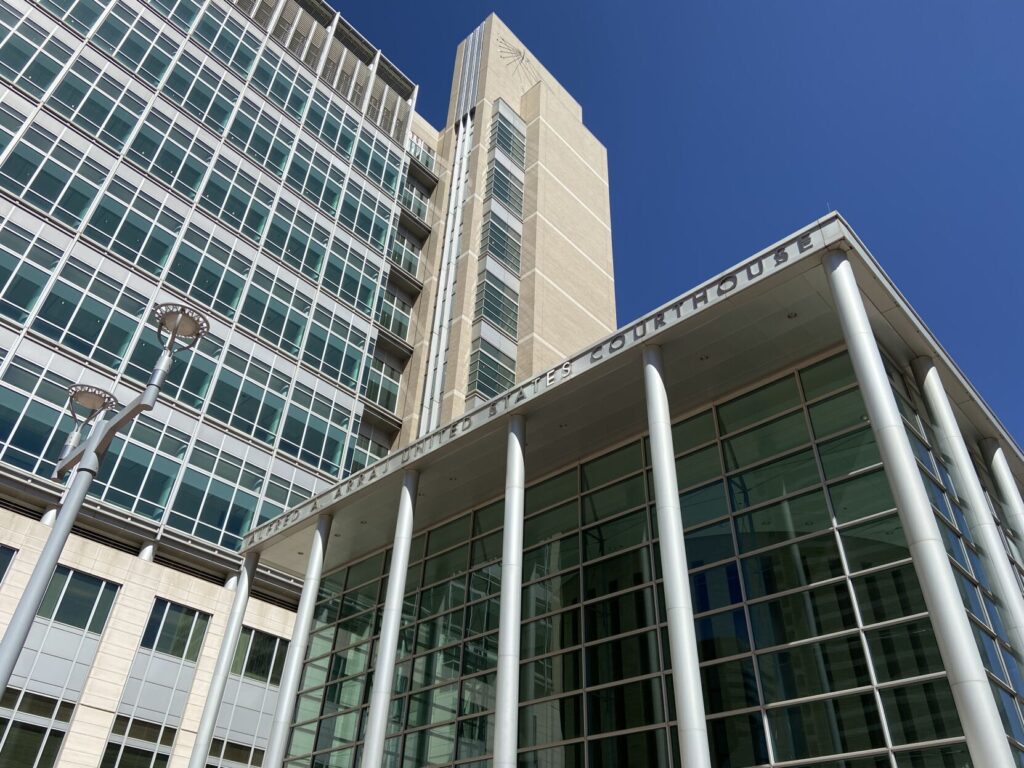
Colorado judge explores sanctions against DOJ, ICE for rearresting man 4 days after release on bond
Michael Karlik
michael.karlik@coloradopolitics.com
Updated 5 days ago
A federal judge in Colorado is considering sanctions against the government after immigration agents rearrested a man four days after an immigration judge found him suitable for release on bond. On July 28, U.S. Magistrate Judge N. Reid Neureiter ordered...
PREV
PREVIOUS
Colorado enacts new laws on nursing home staffing, housing eligibility
Gov. Jared Polis on Wednesday signed two bills aimed at easing Colorado’s workforce shortages in nursing homes and expanding access to affordable homeownership, marking the state’s latest efforts to address long‑standing gaps in these two areas. House Bill 1244, sponsored by Reps. Junie Joseph, D-Boulder, and Scott Slaugh, R-Johnstown, and Sens. Lisa Frizell, R-Castle Rock, […]

Colorado appeals judges give tutorial on friend-of-the-court briefs | APPELLATE UPDATE
Two members of the Colorado Supreme Court and Court of Appeals described to attorneys on Friday how and when to submit advocacy briefs from outside entities — and the tactics that turn off the judges who read them. “I get that there are certain advocacy groups on particular sides. I can pick up a particular […]