

10th Circuit sympathetic to Colorado consumer protection law governing interest rates
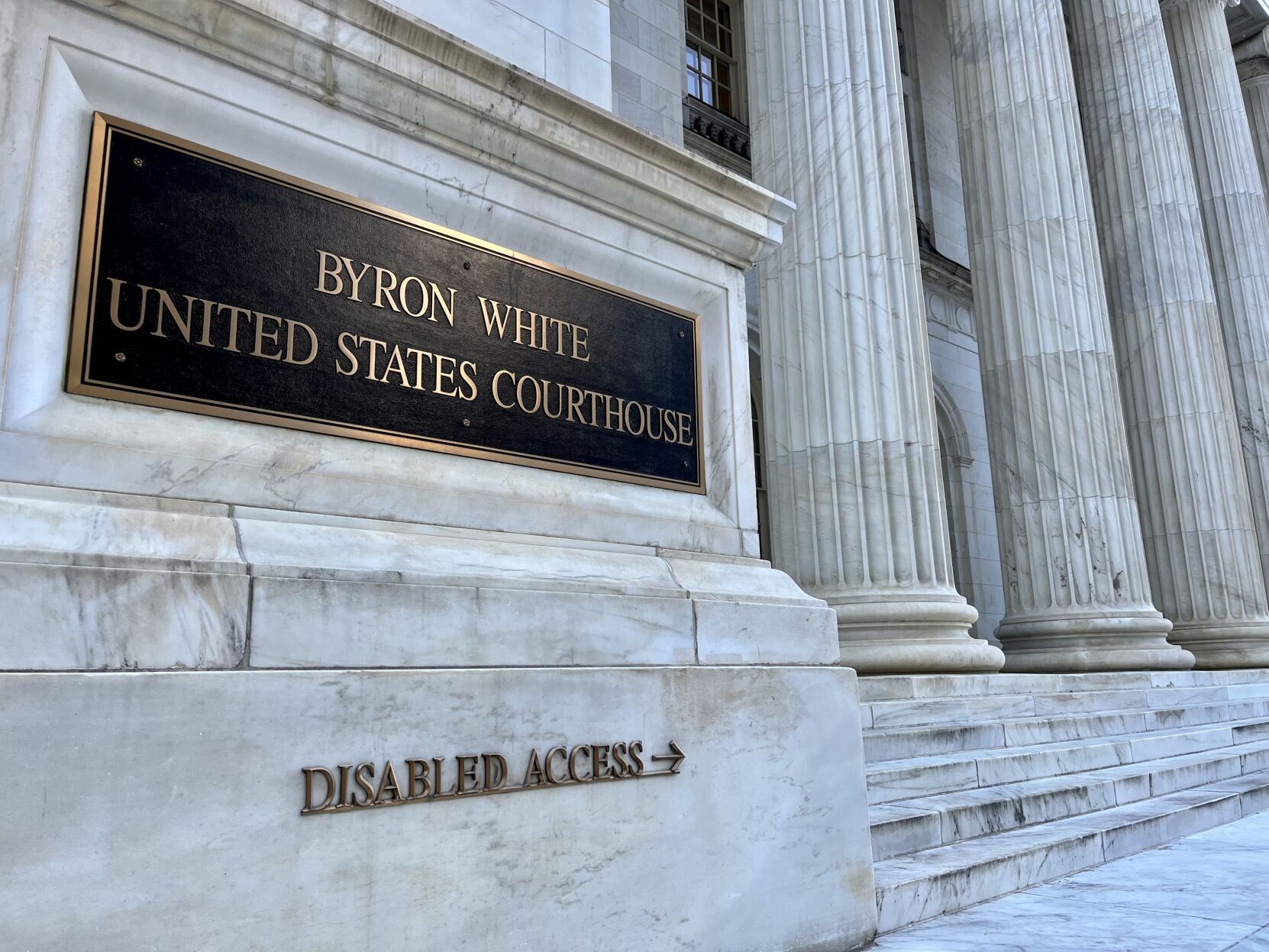
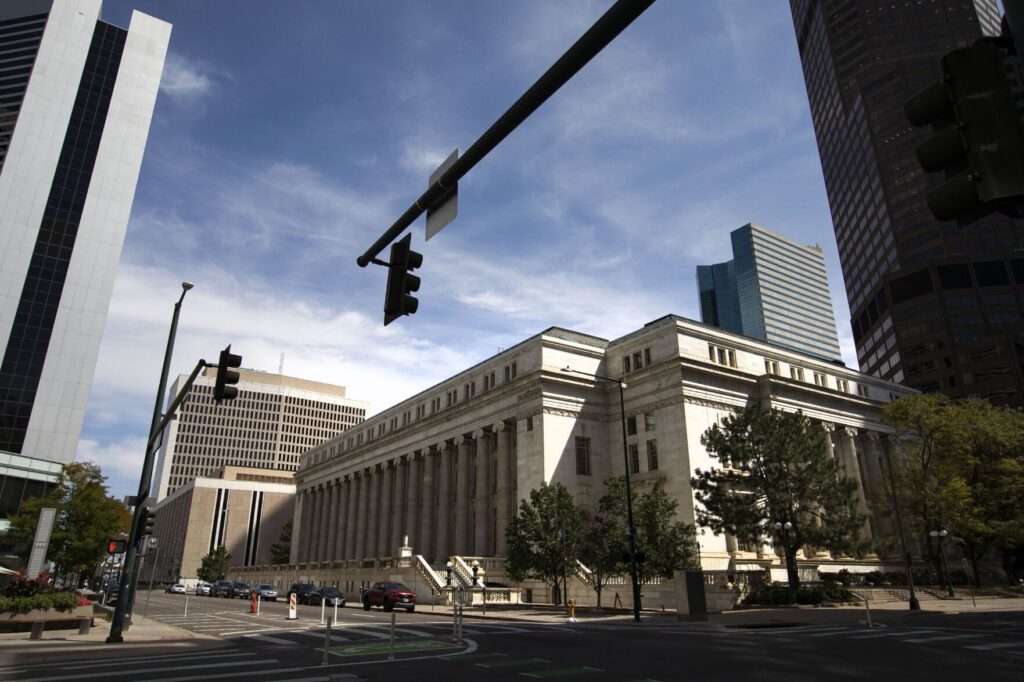
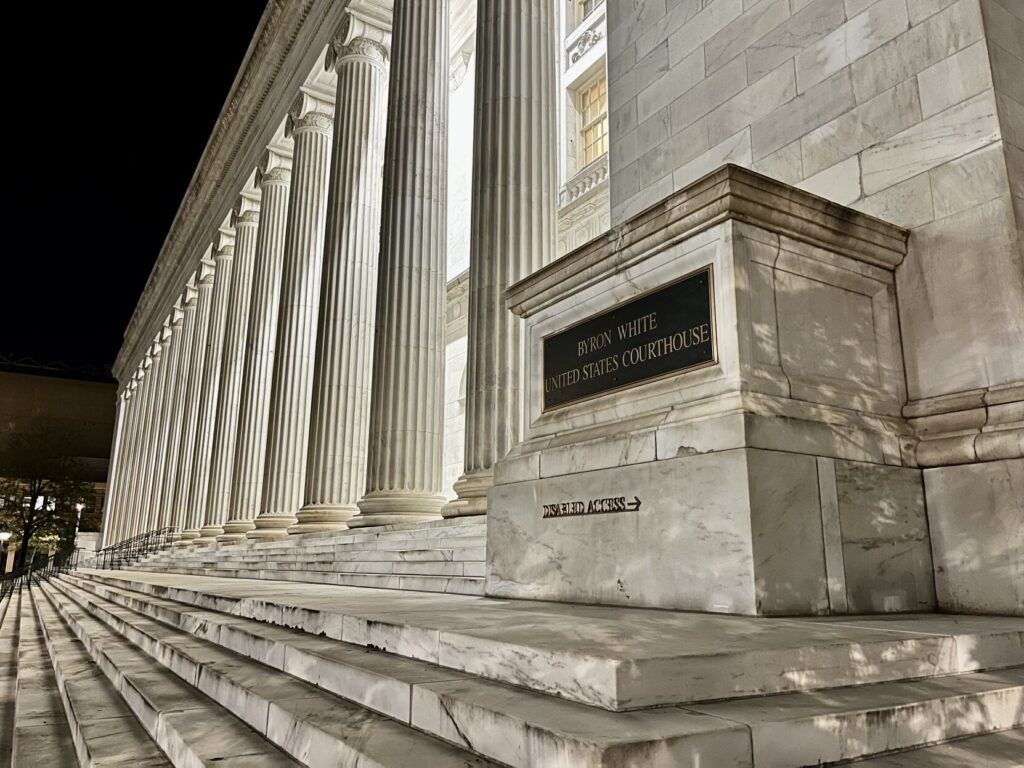
Members of the Denver-based federal appeals court appeared sympathetic on Tuesday to Colorado’s assertion that it can lawfully require certain out-of-state banks to abide by the state’s own ceilings on interest rates when they lend to consumers in Colorado.
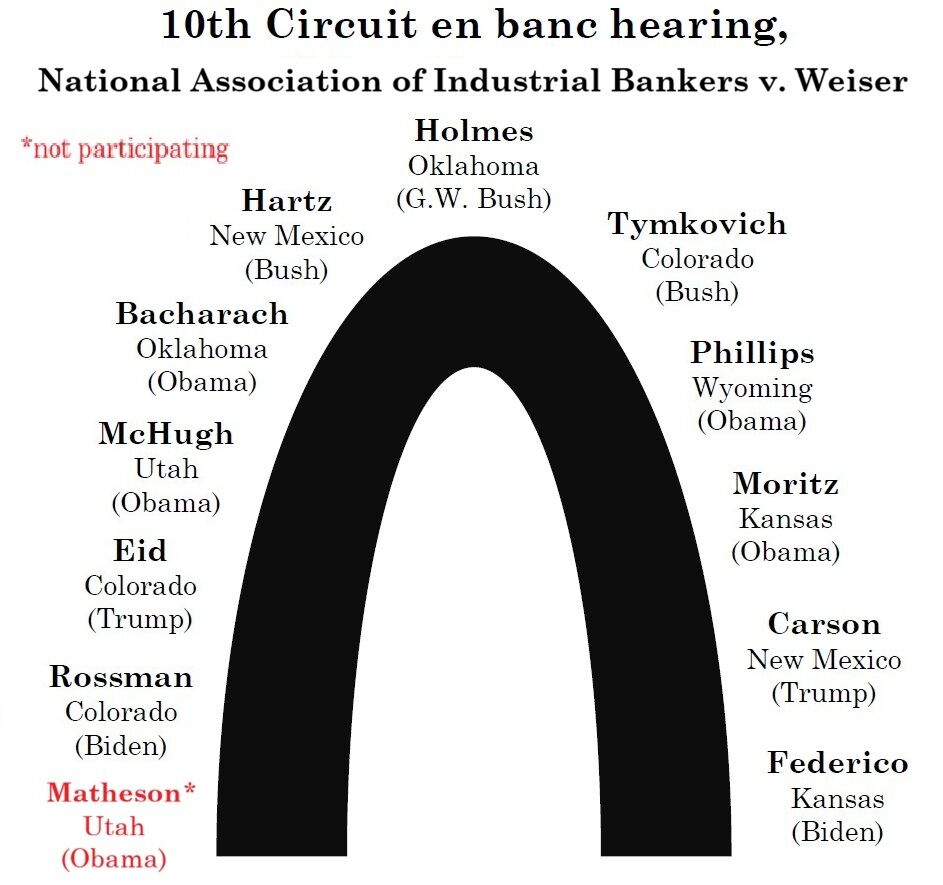
The U.S. Court of Appeals for the 10th Circuit considered the banking industry’s challenge to a 2023 state law in a rare all-judges’ hearing, known as “en banc” review. Federal appeals courts decide the overwhelming majority of cases in three-member panels, but judges can vote to rehear a case en banc and overrule panel decisions and past precedents.
Previously, by 2-1, a panel determined that federal law applicable to loans “made in” Colorado permitted the state to regulate interest rates charged by state-chartered banks elsewhere. Specifically, the majority reasoned that it takes two parties to execute a loan, and loans can be made in Colorado if the consumer, the bank, or both are there.
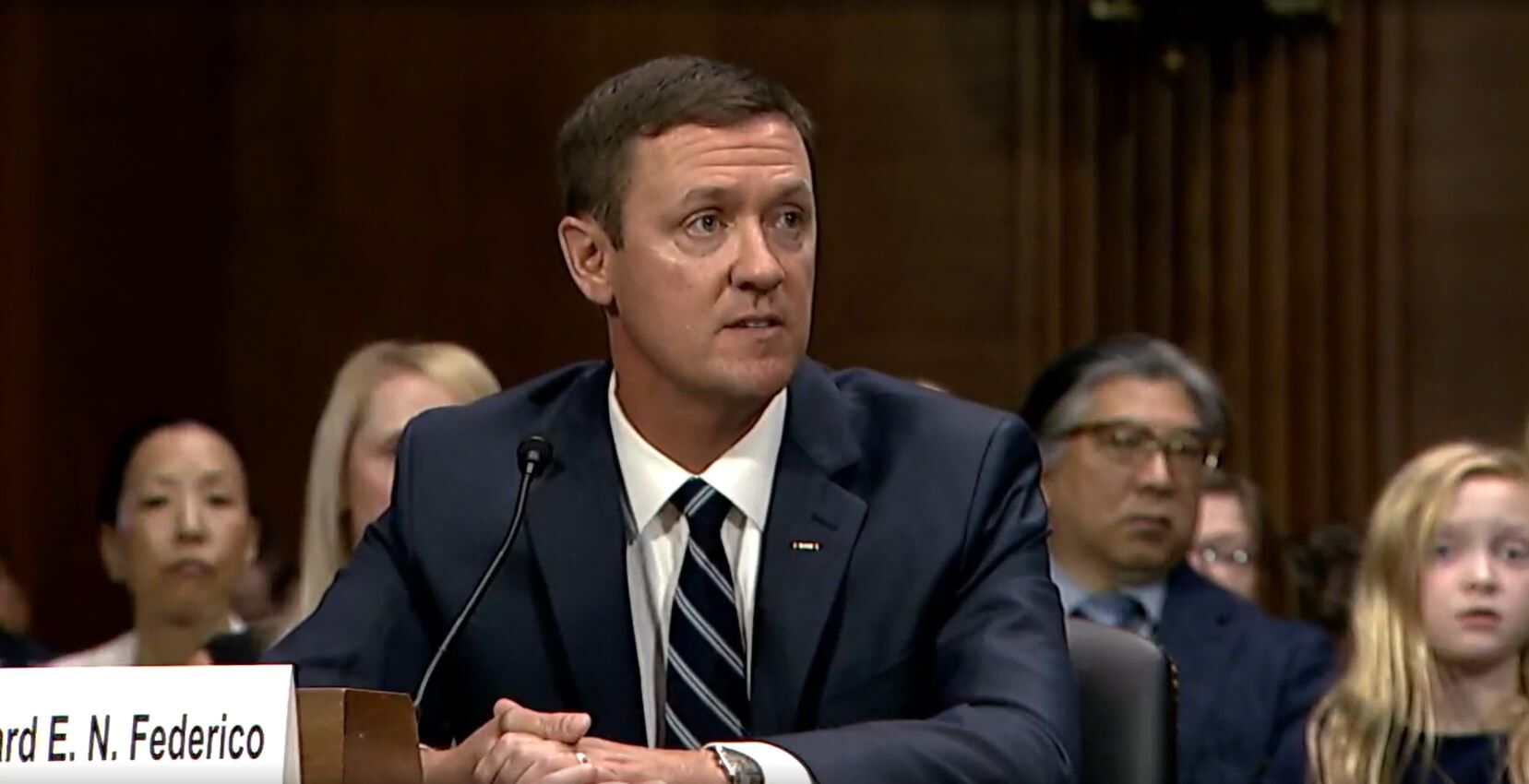
Judge Richard E.N. Federico observed during oral arguments that Colorado was exercising its “police power” to enact consumer protections by extending its interest rate caps.
“If we were to read the statute as the banks propose we do, do you agree that it essentially disallows Colorado from exercising that police power?” he asked.
“I do,” responded Deputy Solicitor General Russell D. Johnson.
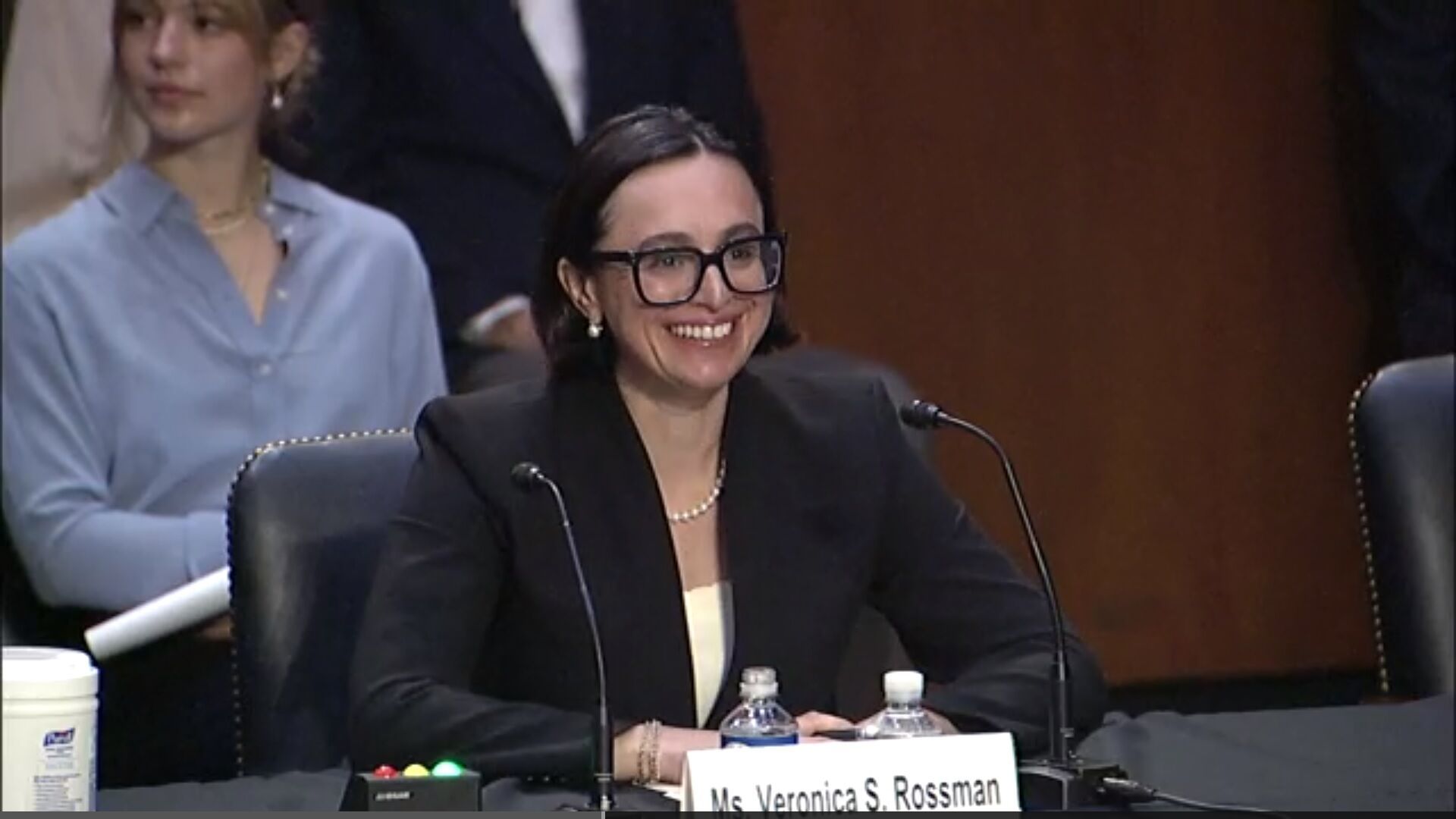
Judge Carolyn B. McHugh added that Congress had elsewhere in federal law referred to the location of a bank but used different language when referring to states’ power to regulate interest rates.
“Three sections, when they drafted this, specifically refer to where the institution or where the bank is located. And then we’ve got this one section that does not,” she said. “And typically, that tells us it means something different.”
The challengers focused on the consequences of Colorado’s interpretation and the seeming unworkability of determining which state a loan is “made in.”
“What if I’m a Colorado resident and I am in New Mexico — Santa Fe — on vacation. And a Wyoming bank sends me some documents to sign by Docusign,” said Judge Joel M. Carson III. “They don’t know where I am. The link comes by my email. I log on and I sign it in Santa Fe, New Mexico. Where am I?”
The loan is made in Santa Fe, replied Johnson.
“How is a bank supposed to know?” pressed Carson.
Following rampant inflation in the late 1970s, Congress passed a provision known as Section 521, which allowed state-chartered banks to lend at interest rates up to their state’s cap or slightly above the federal rate, whichever was higher. The purpose was to ensure state-chartered banks in states with low interest rate ceilings could still afford to lend money and compete with nationally chartered banks.
However, a second provision, Section 525, granted states the power to opt-out and ensure state-chartered banks charged interest rates in line with their state’s usury laws. The opt-out applied to loans “made in” the state.
In 2023, Colorado lawmakers chose to opt out through House Bill 1229. The state joined Iowa and Puerto Rico as the only other jurisdictions in the opt-out category. The bill’s sponsors explained the goal was to prevent out-of-state banks from “hopping around” Colorado’s consumer lending laws by charging higher interest rates for financial products than Colorado law allows for its institutions.
The National Association of Industrial Bankers, a Utah-based trade group, sued Colorado alongside other industry associations over HB 1229. The groups sought to avoid letting Colorado apply its own ceilings on interest rates to banks chartered by other states that lend to Colorado consumers and that may not be subject to any interest rate ceiling where they are headquartered.
In June 2024, U.S. District Court Chief Judge Daniel D. Domenico issued a preliminary injunction barring Colorado from applying its caps to the plaintiffs when they made loans from outside of Colorado to Colorado residents. He rejected the state’s argument that loans “made in” a state referred to either the bank’s state or the borrower’s state. Instead, the language referred to the bank’s location.
But a three-judge 10th Circuit panel overturned his injunction in November.
“Congress could have focused on the lender through language such as ‘loans made by state banks in such State’ or, even better, ‘loans originated by state banks in such State,’” wrote Judge Gregory A. Phillips for himself and Federico. “Instead, Congress included no such language.”
Judge Veronica S. Rossman, writing in dissent, believed the majority incorrectly interpreted the purpose of the law and opened the door to disputes about which state’s rates apply if a loan can be “made in” the bank’s state or the consumer’s state.
“I struggle to see how this patchwork approach — which abides a level of disuniformity Congress never intended — will be administrable in our world of interstate, online banking,” she wrote.
Numerous outside organizations and state attorneys general submitted briefs to the full 10th Circuit. The Federal Deposit Insurance Corporation, a regulatory agency that insures depositors against financial losses, initially supported Colorado, but flipped its position under the Trump administration.
Tom Miller, the former attorney general of Iowa who served almost continuously from 1979 until 2023, wrote that Iowa exercised its opt-out in 1980 and has successfully enforced its usury laws.
“AG Miller is not aware of any circumstances in which Iowa’s opt-out provision has been challenged on the same grounds as Colorado’s,” Amanda J. Krause, an attorney for Miller at the National Association of Consumer Advocates, told Colorado Politics. “Iowa never attracted similar litigation because, until recently, it was clear industry-wide that Colorado’s interpretation of the (federal) opt-out provision was the correct one.”
During oral arguments to the full 10th Circuit, the judges wondered about the additional effort banks would have to undertake to comply with Colorado’s opt-out.
“When they issue a credit card to Bob Bacharach, in order to determine what the interest rate for me would be, they would have to determine where is the bank located, where is Bob Bacharach, where is my domicile,” said Judge Robert E. Bacharach.
“Nothing compels them to offer those loans in Colorado or any other state. They make that choice,” responded Johnson, the deputy solicitor general.
Meanwhile, Judge Harris L Hartz pressed the challengers’ attorney about Congress’ actions during the inflationary period of the late ’70s. He said that Congress initially allowed state-chartered banks to override their states’ interest rate caps, but then restored states’ ability to bring banks back in line within their borders.
“What the opt-out provision does is it says, ‘Well, state, if you don’t like that balance, you can opt-out and we’ll go back to the status quo … before the statute,’” Hartz said. “And that’s when the state could enforce their usury laws against loans made to its residents by banks chartered in other states. Why isn’t that the natural understanding of what ‘opt-out’ means?”
If Colorado cannot stop out-of-state banks from circumventing its interest rate caps when they lend in state, asked Federico, “wouldn’t that render the opt-out effectively meaningless?”
“I wouldn’t go that far,” responded David M. Gossett for the industry challengers. “All this court needs to decide today is whether the location of the borrower matters.”
Judge Scott M. Matheson Jr. has recused himself from the en banc review without explanation.
The case is National Association of Industrial Bankers et al. v. Weiser et al.

10th Circuit grants immunity to officers for fatal Manitou Springs shooting
Michael Karlik
michael.karlik@coloradopolitics.com
Updated 2 hours ago
The Denver-based federal appeals court ruled on Wednesday that responding officers from Manitou Springs and El Paso County cannot be held constitutionally liable for shooting and killing a man after a 20-minute standoff. Wilford Deweese allegedly pulled out a gun...
10th Circuit rejects invitation for full-court review of tax-avoidance case
Michael Karlik
michael.karlik@coloradopolitics.com
Updated 3 hours ago
The Denver-based federal appeals court declined to reconsider the standards for holding entities liable for their tax-avoidance schemes, with a majority of judges voting against full-court review on Monday. In April, a three-judge panel of the U.S. Court of Appeals...
Colorado judge blasts state forensics lab in dismissing child sex case
Jenny Deam
jenny.deam@gazette.com
Updated 13 minutes ago
In a potentially widely consequential action, a Weld County district judge dismissed a child sexual assault case, citing the ongoing scandal at the Colorado Bureau of Investigation’s forensic lab that “has left a dark mark on the history of Colorado...
Colorado justices to decide insurance companies’ obligation to disclose relevant policies
Michael Karlik
michael.karlik@coloradopolitics.com
Updated 6 hours ago
The Colorado Supreme Court announced on Monday that it will decide whether an insurance company violated state law by withholding an at-fault driver’s policy for nearly a year when there was no dispute that the policy was not in effect...

Judicial performance evaluations released, Montezuma County judge disciplined | COURT CRAWL
Michael Karlik
michael.karlik@coloradopolitics.com
Updated 2 days ago
Welcome to Court Crawl, Colorado Politics’ roundup of news from the third branch of government. Colorado’s citizen-led judicial performance commissions released their voter narratives for the judges standing for retention in November, plus a disciplinary panel imposed consequences on a...

DA justifies CSPD officers in fatally shooting man at McDonald’s
Cleo Westin
cleo-westin@coloradopolitics.com
Updated 1 day ago
The deadly shooting of a man by Colorado Springs police officers at a McDonald’s was ruled justified by the 4th Judicial District Attorney’s Office on Monday, the office announced in a news release. The ruling determined officers Daniel White, Mitchell...
Federal judge holds off on dismissing formerly bankrupt medical contractor from Jeffco jail death lawsuit
Michael Karlik
michael.karlik@coloradopolitics.com
Updated 1 day ago
A federal judge declined on Monday to dismiss the formerly bankrupt medical contractor from a lawsuit over a detainee’s death in Jefferson County jail, but indicated she would do so if the plaintiffs’ attorneys go through the process to ensure...
Castle Rock caregiver sentenced after stealing more than $110,000 in jewelry from family
Nicholas Fogleman
nicholas.fogleman@denvergazette.com
Updated 1 day ago
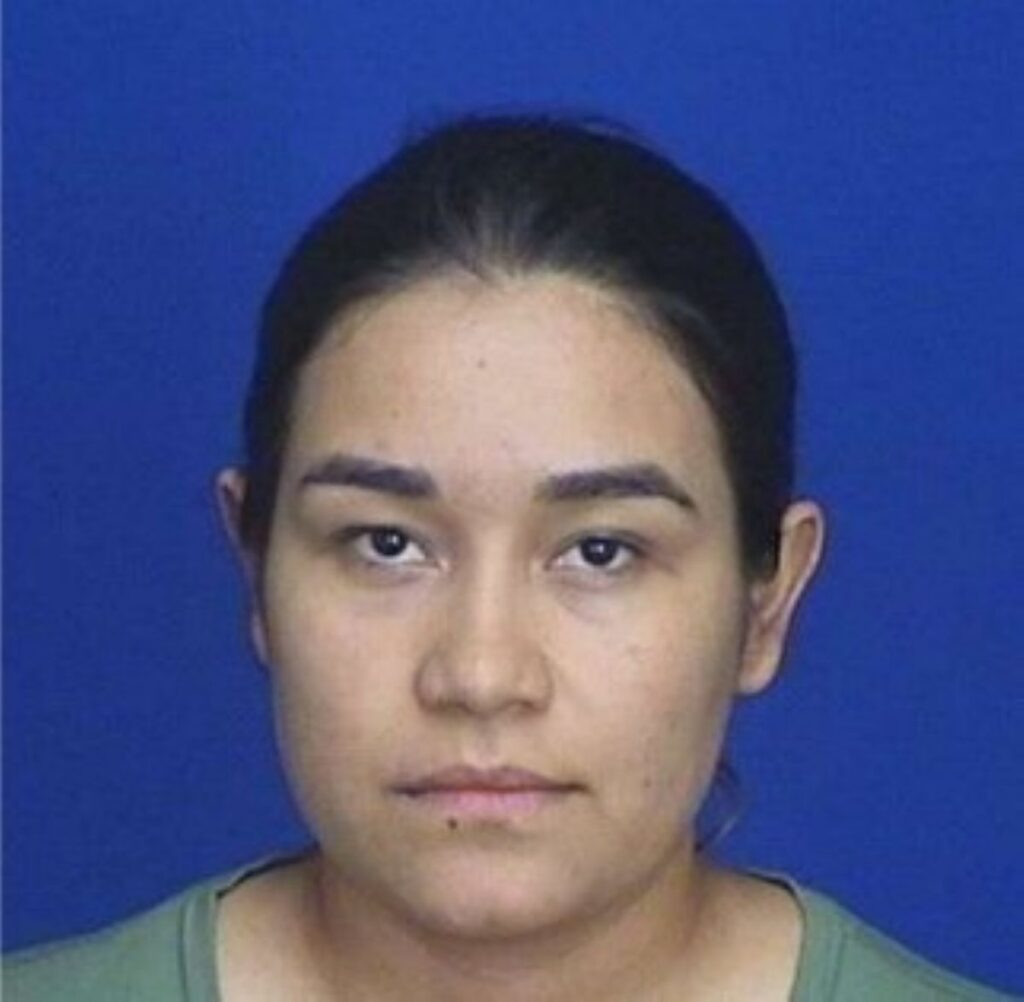
A judge sentenced a Castle Rock caregiver to 90 days in jail after she pleaded guilty to stealing more than $110,000 worth of jewelry from the family of a disabled son under her care. Elsa Montejo-Fuentes, 32, had worked for...
Federal judge green-lights excessive force, retaliation claims for trial against Fort Collins officers
Michael Karlik
michael.karlik@coloradopolitics.com
Updated 4 days ago
A federal judge green-lit a jury trial last week against multiple Fort Collins police officers on claims that they used excessive force on one man who was standing unarmed in his underwear, and retaliated against another man for exercising his...

10th Circuit revives wage violation lawsuit against Papa John’s operator
Michael Karlik
michael.karlik@coloradopolitics.com
Updated 5 days ago
The Denver-based federal appeals court on Tuesday reinstated a former Papa John’s delivery driver’s lawsuit alleging violations of federal and state wage law. Steve Mighell worked for one month at a Denver Papa John’s location in summer 2023. He alleged...
PREV
PREVIOUS

Colorado justices to decide insurance companies’ obligation to disclose relevant policies
The Colorado Supreme Court announced on Monday that it will decide whether an insurance company violated state law by withholding an at-fault driver’s policy for nearly a year when there was no dispute that the policy was not in effect at the time of the accident. At least three of the court’s seven members must […]
Douglas County unveils plan to cut red tape, speed business approvals
Douglas County officials on Monday unveiled a Red Tape Reduction Action Plan aimed at streamlining permitting and development reviews to position the county as “the best place in America to invest.” The plan, developed through a partnership between the Douglas County Board of County Commissioners and the Douglas County Economic Development Corp., is designed to […]