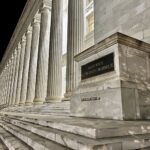
10th Circuit grants immunity to officers for fatal Manitou Springs shooting
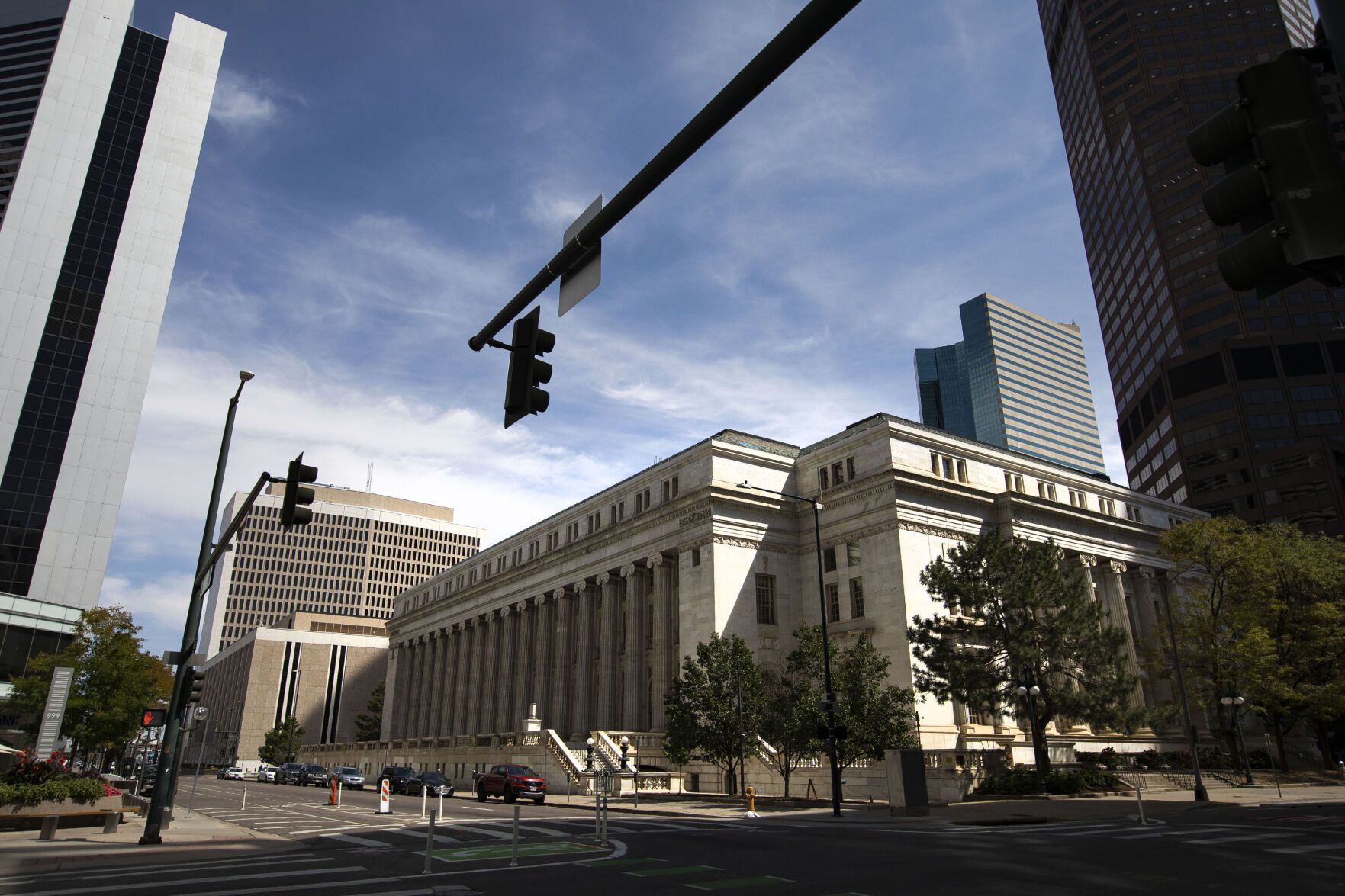
The Denver-based federal appeals court ruled on Wednesday that responding officers from Manitou Springs and El Paso County cannot be held constitutionally liable for shooting and killing a man after a 20-minute standoff.
Wilford Deweese allegedly pulled out a gun in self-defense at a Manitou Springs bar, prompting a call to 911. Officers cornered him next to a building and gave commands, but Deweese stayed put. Eventually, a sheriff’s deputy arrived with a K9 and threatened to use the dog to bite Deweese. Twenty minutes after the standoff began, the dog’s handler ordered the dog to attack and Deweese pulled out his handgun. The officers shot Deweese and Deweese shot the dog. Both died.
Deweese’s surviving relatives sued the officers for excessive force. A trial judge found the defendants were entitled to qualified immunity, a judicially created doctrine that shields government officials from civil liability unless they violate a person’s constitutional rights as clearly established by prior court decisions.
A three-judge panel of the U.S. Court of Appeals for the 10th Circuit upheld that decision. It did not decide whether the officers did, in fact, use excessive force against Deweese as guidance for future cases. Instead, the panel agreed only that there were no similar cases that would have put the officers on notice that their conduct was constitutionally unreasonable.
“Plaintiff cites no case that clearly establishes that shooting a suspect who points a gun at a police canine in the presence of officers is unlawful,” wrote Judge Joel M. Carson III in the Aug. 19 opinion.
Case: Estate of Deweese v. Hancock
Decided: August 19, 2026
Jurisdiction: U.S. District Court for Colorado
Ruling: 3-0
Judges: Joel M. Carson III (author)
Scott M. Matheson Jr.
Allison H. Eid
As alleged, Deweese stopped in Manitou Springs in April 2022 while traveling between California and his home in Florida. After the bartender at the Royal Tavern took offense to something Deweese said, he left and went to another nearby bar, The Keg.
The bartender at The Keg allegedly “decided from Deweese’s appearance that she did not want him in the bar” and ejected him. Deweese walked back to retrieve some items he had forgotten at the Royal Tavern and the bartender there confronted him physically. Another patron knocked Deweese to the ground and Dewese tried to pull out his gun to show he was prepared to defend himself.
The bartender yelled for someone to call 911.
Deweese walked down Manitou Ave. and two Manitou Springs police officers confronted him and pulled out their own guns. They yelled commands, but Deweese responded that “he had done nothing wrong, that he had been assaulted, and that they had no right treating him that way,” the lawsuit alleged.
Deweese remained still for 13 minutes, at which point El Paso County sheriff’s deputies began to arrive. Among them was Deputy Ronnie Hancock and his dog, Jinx. Deweese allegedly remained frozen because Jinx was barking aggressively.
The officers told Deweese that Jinx would bite him if he did not leave his spot. Deweese responded that he would defend himself by shooting the dog.
Twenty minutes into the standoff, Hancock told Jinx to attack Deweese. Deweese pulled out his handgun. The officers shot Deweese, hitting him 22 times. Deweese fatally shot Jinx.
In seeking to dismiss the excessive force lawsuit from Deweese’s surviving family, the defendants invoked qualified immunity. In a March 2025 order, U.S. District Court Chief Judge Daniel D. Domenico agreed that there were no sufficiently similar court cases that established the officers’ actions would clearly violate Deweese’s rights.
“It is no doubt a tragedy that what began as an evening out in a picturesque tourist town wound up with both a police canine and a human being shot dead. And it may be true, as Plaintiff suggests, that both would still be alive had the defendants named here employed ‘other reasonable non-force options’,” wrote Domenico. “With respect to the shooting itself, there is nothing to support the conclusion that it is clearly unreasonable for officers to shoot at an individual who has pulled out a gun and is actively shooting at a police dog.”
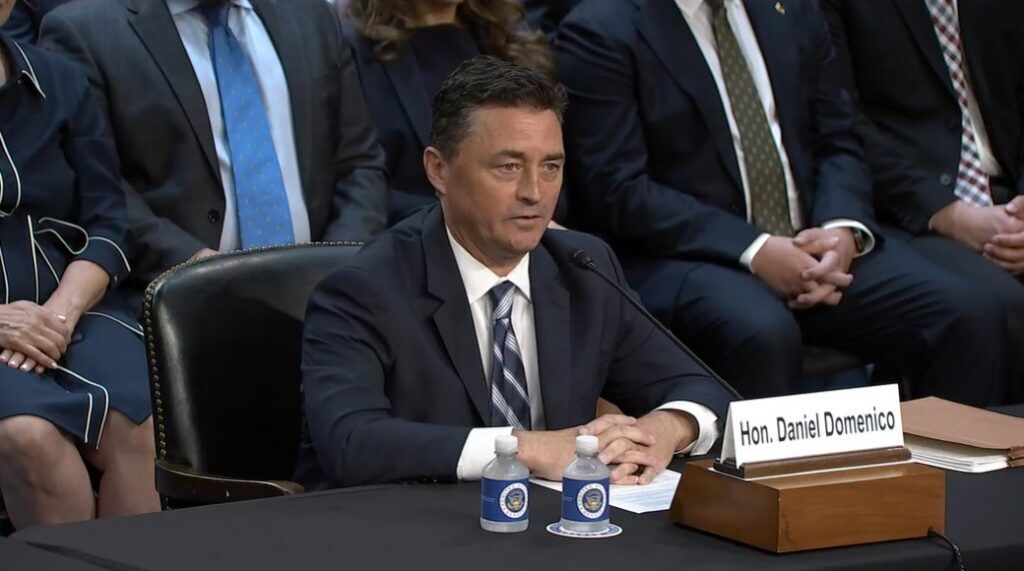
During oral arguments to the 10th Circuit panel, Judge Scott M. Matheson Jr. wondered why the officers acted unreasonably given the sequence of events leading up to the shooting.
“It was more than just that he had a gun. He wasn’t complying with what police were asking him to do … and he threatened to shoot the dog,” said Matheson. “I’m just saying, why couldn’t it be reasonable for them to consider him a threat? You can argue that their response to that threat was excessive. But to dismiss completely that they had a reasonable basis to think it’s a threat doesn’t seem to square with the facts they had in front of them.”
“For 20 minutes, Mr. Deweese remained still,” responded attorney Raymond K. Bryant. “Mr. Deweese only possessed his weapon and displayed it in self-defense.”
“Threatening to shoot the dog — is there a Second Amendment right to shoot the dog?” asked Matheson.
Carson added that police should give suspects an adequate warning and an opportunity to surrender before using a dog, and they did so in Deweese’s case.
“The bottom line is Mr. Deweese was afraid,” said Bryant.
Ultimately, the panel agreed that no prior cases involved the same circumstances as in Deweese’s case.
“Unlike the cases upon which Plaintiff relies, officers here gave Deweese a chance to comply before using force, and Deweese did not comply,” wrote Carson. Prior decisions “would not, therefore, put a reasonable officer on notice that it is unconstitutional to order a police canine to attack an armed suspect who failed to comply with lawful orders after officers warned him of their impending use of force.”
The case is Estate of Deweese v. Hancock et al.

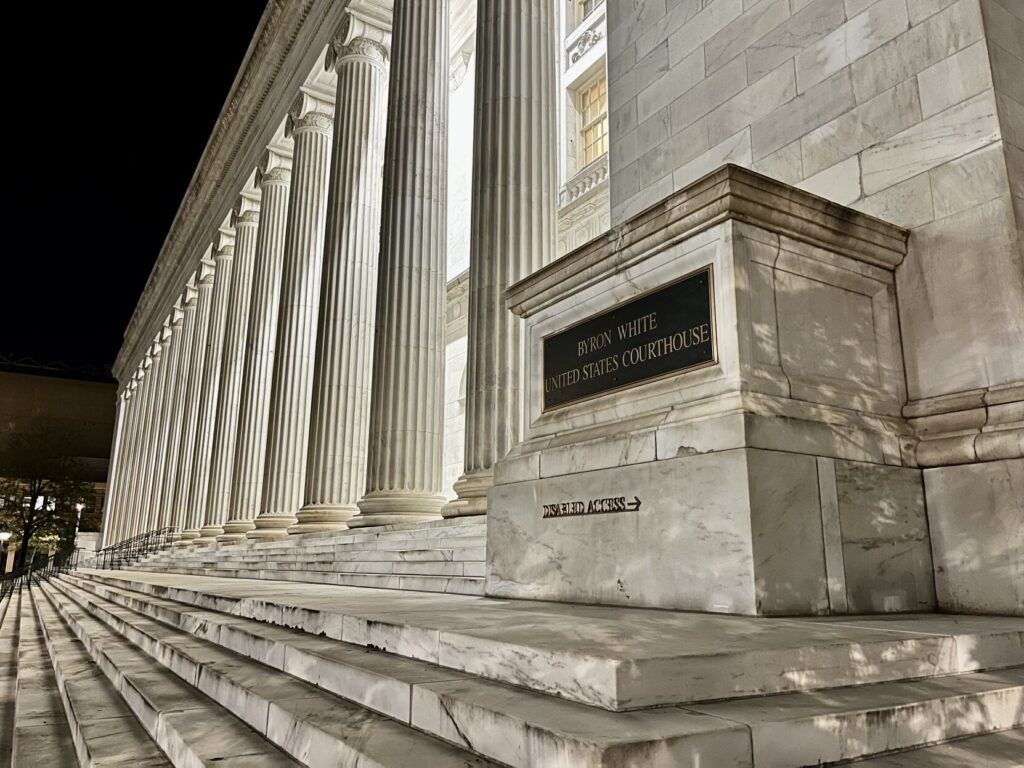
10th Circuit rejects invitation for full-court review of tax-avoidance case
Michael Karlik
michael.karlik@coloradopolitics.com
Updated 1 hour ago
The Denver-based federal appeals court declined to reconsider the standards for holding entities liable for their tax-avoidance schemes, with a majority of judges voting against full-court review on Monday. In April, a three-judge panel of the U.S. Court of Appeals...
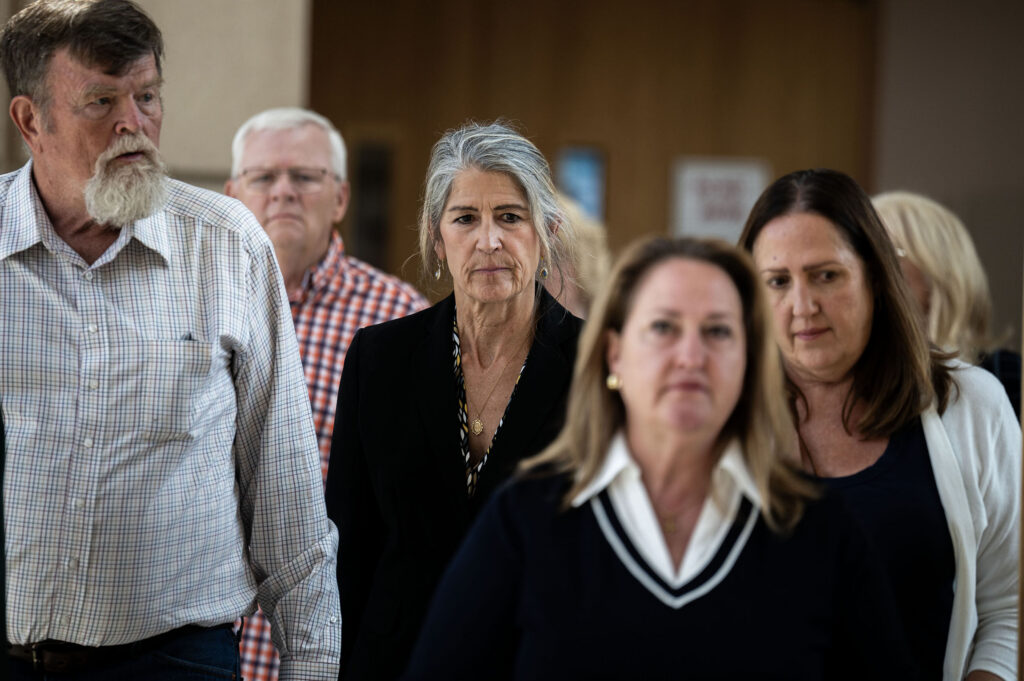
Colorado judge blasts state forensics lab in dismissing child sex case
Jenny Deam
jenny.deam@gazette.com
Updated 5 hours ago
In a potentially widely consequential action, a Weld County district judge dismissed a child sexual assault case, citing the ongoing scandal at the Colorado Bureau of Investigation’s forensic lab that “has left a dark mark on the history of Colorado...
10th Circuit sympathetic to Colorado consumer protection law governing interest rates
Michael Karlik
michael.karlik@coloradopolitics.com
Updated 1 day ago
Members of the Denver-based federal appeals court appeared sympathetic on Tuesday to Colorado’s assertion that it can lawfully require certain out-of-state banks to abide by the state’s own ceilings on interest rates when they lend to consumers in Colorado. The...
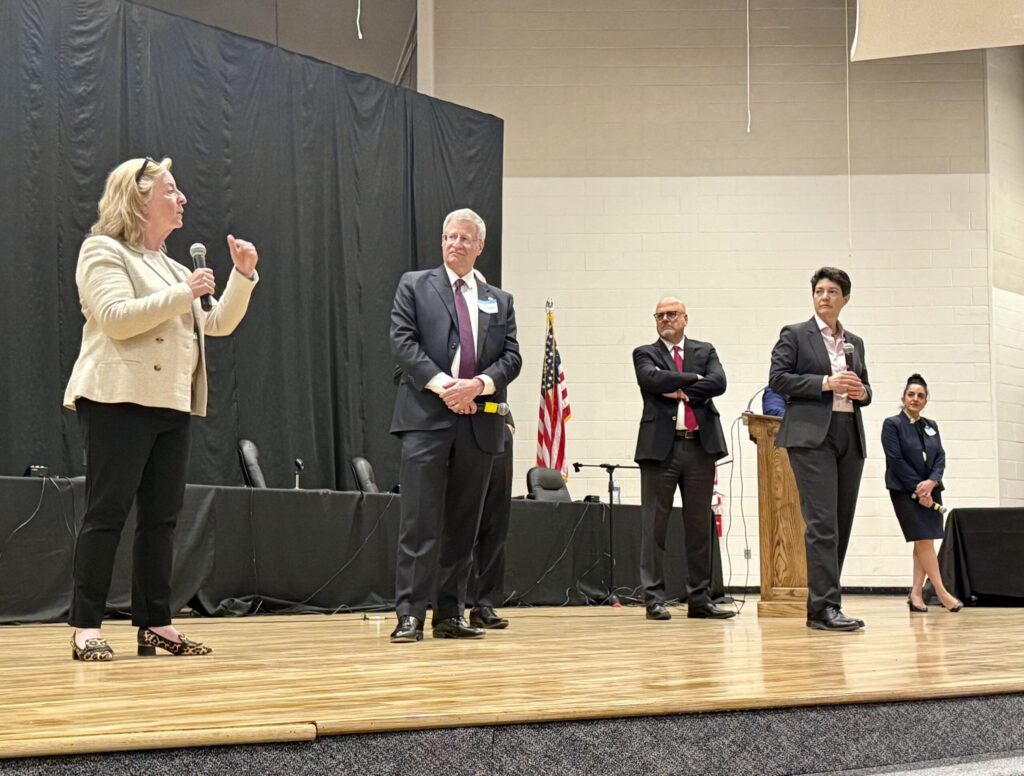
Colorado justices to decide insurance companies’ obligation to disclose relevant policies
Michael Karlik
michael.karlik@coloradopolitics.com
Updated 4 hours ago
The Colorado Supreme Court announced on Monday that it will decide whether an insurance company violated state law by withholding an at-fault driver’s policy for nearly a year when there was no dispute that the policy was not in effect...

Judicial performance evaluations released, Montezuma County judge disciplined | COURT CRAWL
Michael Karlik
michael.karlik@coloradopolitics.com
Updated 2 days ago
Welcome to Court Crawl, Colorado Politics’ roundup of news from the third branch of government. Colorado’s citizen-led judicial performance commissions released their voter narratives for the judges standing for retention in November, plus a disciplinary panel imposed consequences on a...
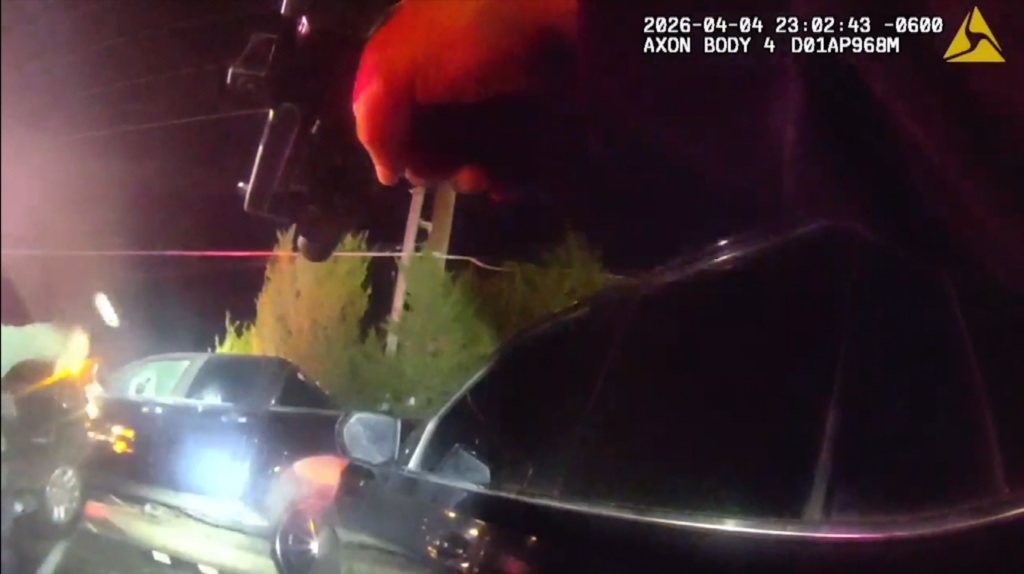
DA justifies CSPD officers in fatally shooting man at McDonald’s
Cleo Westin
cleo-westin@coloradopolitics.com
Updated 1 day ago
The deadly shooting of a man by Colorado Springs police officers at a McDonald’s was ruled justified by the 4th Judicial District Attorney’s Office on Monday, the office announced in a news release. The ruling determined officers Daniel White, Mitchell...
Federal judge holds off on dismissing formerly bankrupt medical contractor from Jeffco jail death lawsuit
Michael Karlik
michael.karlik@coloradopolitics.com
Updated 1 day ago
A federal judge declined on Monday to dismiss the formerly bankrupt medical contractor from a lawsuit over a detainee’s death in Jefferson County jail, but indicated she would do so if the plaintiffs’ attorneys go through the process to ensure...
Castle Rock caregiver sentenced after stealing more than $110,000 in jewelry from family
Nicholas Fogleman
nicholas.fogleman@denvergazette.com
Updated 1 day ago
A judge sentenced a Castle Rock caregiver to 90 days in jail after she pleaded guilty to stealing more than $110,000 worth of jewelry from the family of a disabled son under her care. Elsa Montejo-Fuentes, 32, had worked for...
Federal judge green-lights excessive force, retaliation claims for trial against Fort Collins officers
Michael Karlik
michael.karlik@coloradopolitics.com
Updated 4 days ago
A federal judge green-lit a jury trial last week against multiple Fort Collins police officers on claims that they used excessive force on one man who was standing unarmed in his underwear, and retaliated against another man for exercising his...
10th Circuit revives wage violation lawsuit against Papa John’s operator
Michael Karlik
michael.karlik@coloradopolitics.com
Updated 5 days ago
The Denver-based federal appeals court on Tuesday reinstated a former Papa John’s delivery driver’s lawsuit alleging violations of federal and state wage law. Steve Mighell worked for one month at a Denver Papa John’s location in summer 2023. He alleged...