

Group aims to cap property tax hikes to 4%, begins gathering signatures for 2024 ballot measure
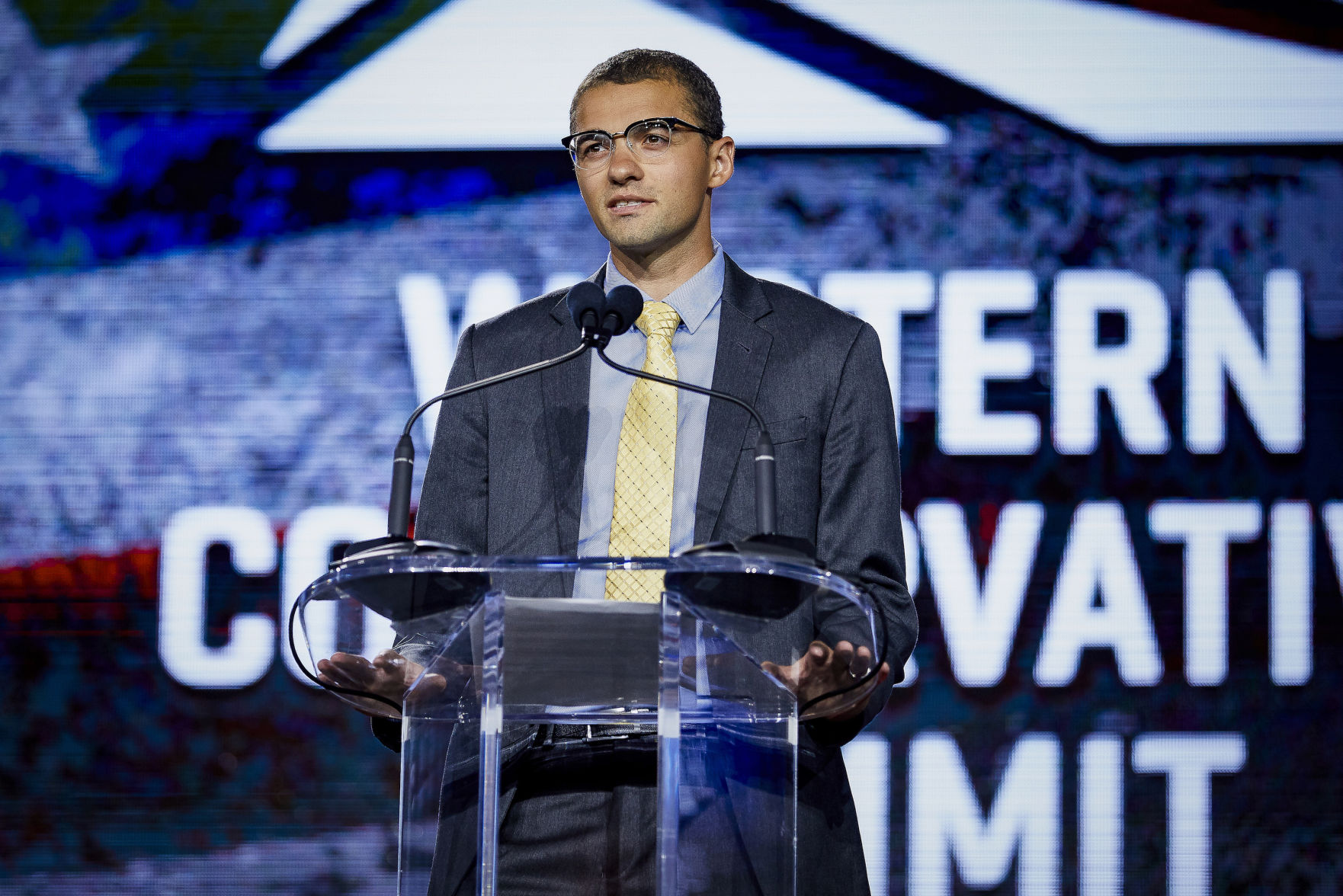
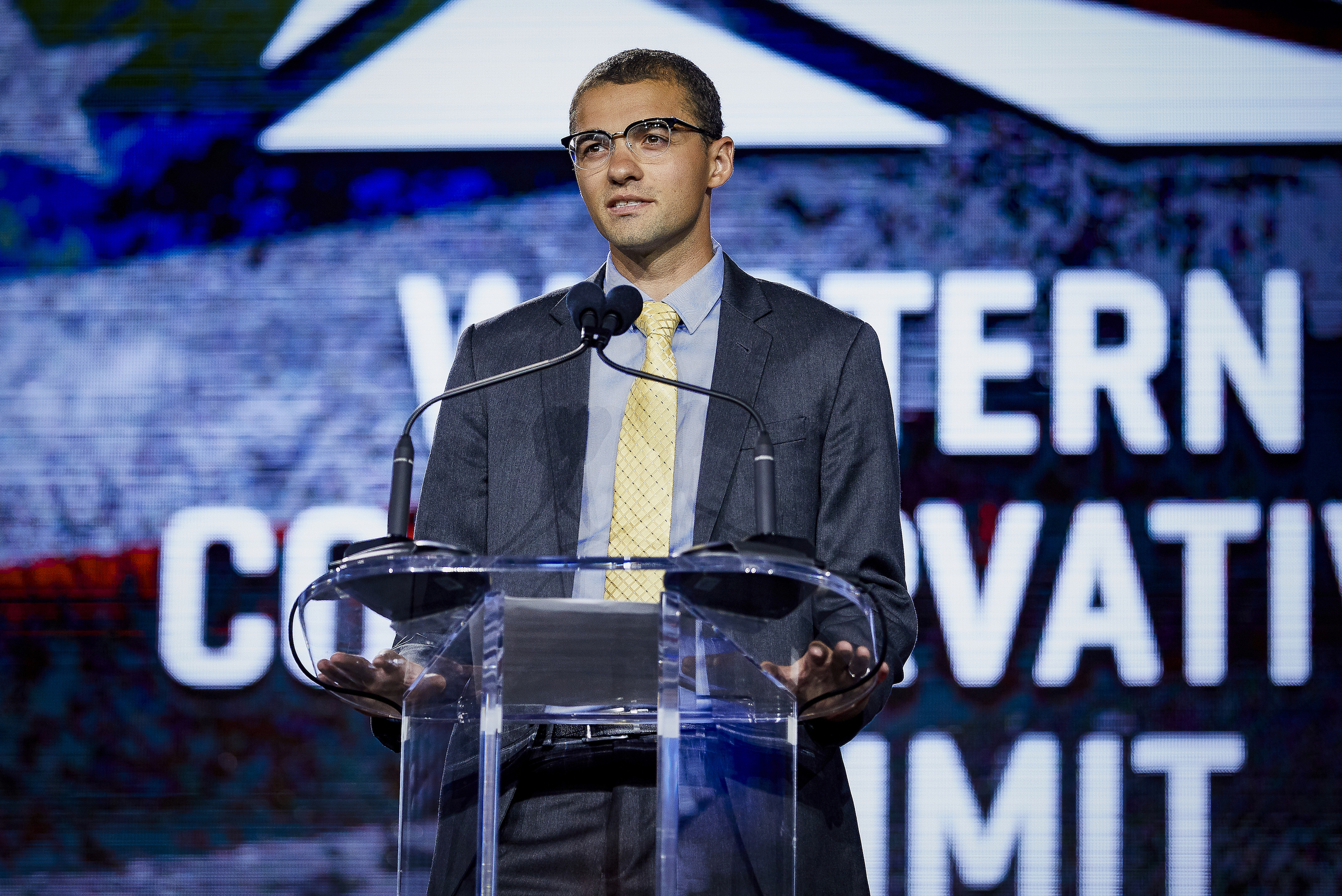
A conservative group on Wednesday launched a new effort to cap property tax increases to no more than 4% statewide – unless voters decide to specifically allow the hike.
The group needs a little more than 124,000 signatures to get the measure on the 2024 ballot, and faces less than six months to do so. If the measure gets on the ballot and voters approve it, it won’t affect the soaring property tax increases already scheduled for next year.
“Coloradans are facing a property tax crisis,” Michael Fields, Advance Colorado Action’s senior advisor, said in a statement. “Since the legislature has failed to act, citizens are moving this measure forward to allow the voters to decide if they want to cap property tax increases. While this measure won’t impact the spike in property taxes next year, it will have a significant impact in future years.”
Fields said the proposal – Initiative 50 – offers state and local governments flexibility, but also “protects Colorado families that are worried about the next 30% or 40% increase to their property taxes.”
Because it’s a proposed amendment to the state constitution, the measure would need 55% of the vote to pass. Its sponsors also must gather a certain number of signatures from every state Senate district in order to make the ballot – potentially an expensive hurdle.
The soaring property valuations were long expected, following the red-hot market of 2021 and early 2022. Consequently, valuation for a median residential house rose by 33% in the City and County of Denver, 42% in Arapahoe County and 47% in Douglas County. Indeed, all nine metro area counties showed double-digit increases hovering near the 40% mark.
Denver and Boulder showed the sharpest rise in valuations for apartments at 45% and 44%, respectively.
Reappraisal of property values occur every two years, and next year’s property tax liability reflects the appreciation through the market’s peak in spring 2022 but little or none of any drop-off in values as the market cooled later in the year.
Scott Wasserman, president of the progressive Bell Policy Center, told Colorado Politics the proposed constitutional amendment is the wrong solution to a problem the state needs to tackle.”
“This is exactly the kind of a train wreck our state is trying to avoid, where there is a hard cap for the entire state’s property tax revenue,” Wasserman said.
“One of the biggest lessons we learned from the Gallagher Amendment was to not use total statewide property tax values as a measure,” he added, referring to a longstanding state constitutional provision that restricted property taxes but was repealed by Colorado voters in 2020.
“It creates a decision where someone from Lamar is making a decision for someone in Glenwood Springs. It’s an example of what happens if we don’t enact balanced property tax reform.”
In a statement, Fields reiterated calls for Gov. Jared Polis to convene a special session to “actually address the property tax crisis for this upcoming year,” saying the legislature’s proposal to curb the tax hikes “doesn’t do it.”
Fields and several other groups oppose Democrats’ proposal to offer tax relief by taking a portion of the Taxpayer’s Bill of Rights surplus, which pays for TABOR refunds, and divert it for at least 10 years to homeowners and commercial property. Voters will have the opportunity to reject or approve this proposal in November.
Democrats also equalized TABOR refunds at $661 per person or $1,322 for joint filers, a one-time change from the current system that bases the TABOR refund, in part, on income levels.
Here’s the language of Initiative 50:
“Shall there be an amendment to the Colorado constitution concerning mandatory statewide voter approval to allow local governments to retain property tax revenue that exceeds 4% growth from the total statewide property tax revenue collected in the preceding year, and, in connection therewith, requiring any referred measure for such approval to be a stand-alone subject with specified language?”


Flesh-eating cattle parasite spreads beyond Texas as new screwworm cases found | OUT WEST ROUNDUP
The Associated Press
the-associated-press@coloradopolitics.com
Updated 3 days ago
NEW MEXICO Screwworm spreads beyond Texas Three more cases of the New World screwworm have been confirmed, including one found in a dog in New Mexico, outside the main cluster in Texas, demonstrating the difficulty of stopping a resurgent pest...

Michael Dougherty is literally running for attorney general in Colorado Democrat’s 1st TV ad
Ernest Luning
ernest.luning@coloradopolitics.com
Updated 20 hours ago
Democratic attorney general candidate Michael Dougherty, the Boulder County district attorney, runs laps around the judicial complex in Denver that houses the office he’s seeking in a TV ad released Friday that includes a subtle dig at one of his...

Group aims to add right to hunt and fish to Colorado Constitution
Marissa Ventrelli
marissa.ventrelli@coloradopolitics.com
Updated 18 hours ago
A group is seeking to make Colorado the 25th state in the nation with an established constitutional right to hunting and fishing through a proposed ballot initiative. Backed by the International Order of T. Roosevelt, a group dedicated to preserving...

Colorado Politics Calendar June 15-21
Rachael Wright, Special to Colorado Politics
rachael.wright@coloradopolitics.com
Updated 4 days ago
CoPo’s weekly political calendar helps you find political and public policy events throughout Colorado. It includes candidate and issue campaign events, public policy meetings, court hearings, state and local party conventions, assemblies, debates, rallies, parades, speaking engagements, traveling dignitary appearances,...

A primary brings out primal instincts | SONDERMANN
Eric Sondermann
eric-sondermann@coloradopolitics.com
Updated 3 days ago
There are no Stanley Cup finals or NBA title showdowns involving local teams this June. In their place, we are inundated with primary election campaign ads. Coloradans can be excused for missing the diversion and alternate programming. But life can...
Dem-GOP tension dominates 1,000-bill legislative session | A LOOK BACK
Rachael Wright, Special to Colorado Politics
rachael.wright@coloradopolitics.com
Updated 3 days ago
Forty-Five Years Ago This Week: “I can honestly say that until now, we got along well with the governor’s office,” said House Minority Leader Federico Peña, D-Denver. “We visited frequently with the staff. And you didn’t see certain legislators speaking...
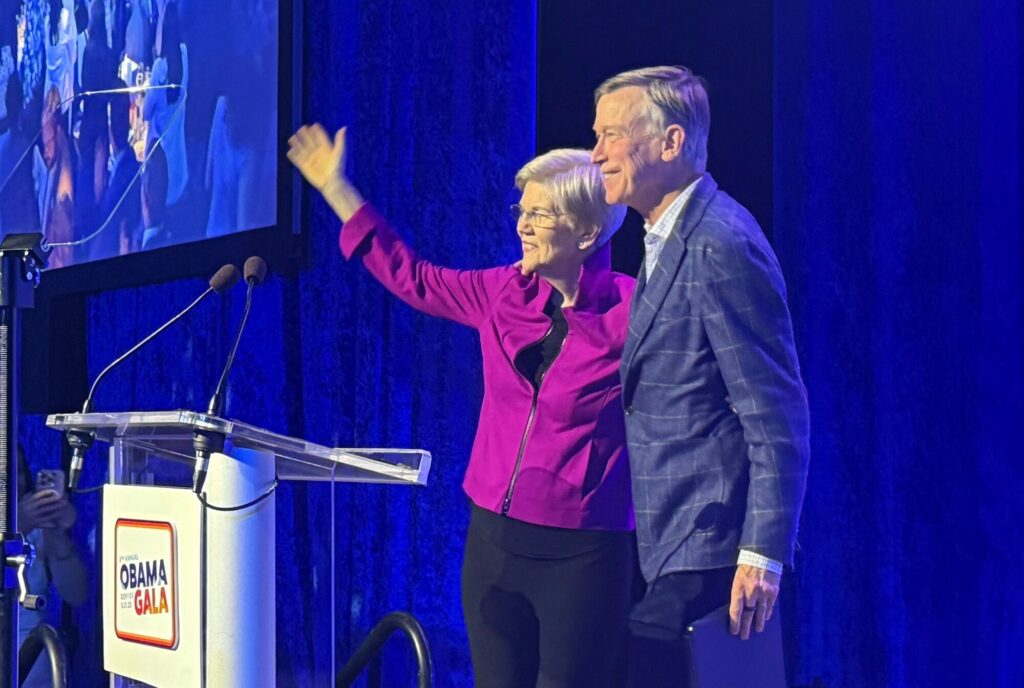
Hickenlooper lands endorsements from Elizabeth Warren, Ministerial Alliance in US Senate primary
Ernest Luning
ernest.luning@coloradopolitics.com
Updated 2 days ago
U.S. Sen. John Hickenlooper won endorsements this week from a progressive Democratic colleague and a coalition of metro-area African American faith leaders as voting began in Colorado’s primary election. U.S. Sen. Elizabeth Warren of Massachusetts and the Greater Metro Denver...
Colorado justices say insurers may access policyholders’ medical info in denied-benefits litigation
Michael Karlik
michael.karlik@coloradopolitics.com
Updated 2 days ago
The Colorado Supreme Court declined on Monday to expand its narrow prohibition on insurance companies accessing policyholders’ medical information, clarifying that a dispute over an insurer’s bad-faith decision to deny benefits is the only situation where a company is limited...

House District 14: Businesswoman, consultant square off in GOP primary
Mary Shinn
mary-shinn@coloradopolitics.com
Updated 2 days ago
Firearms training company owner Ava Flanell will face Troy Vanderhule, the chief fundraising officer for Dobson Philanthropic, in the June 30 Republican primary for state House District 14, an area in northern Colorado Springs. Flanell was appointed to the seat...
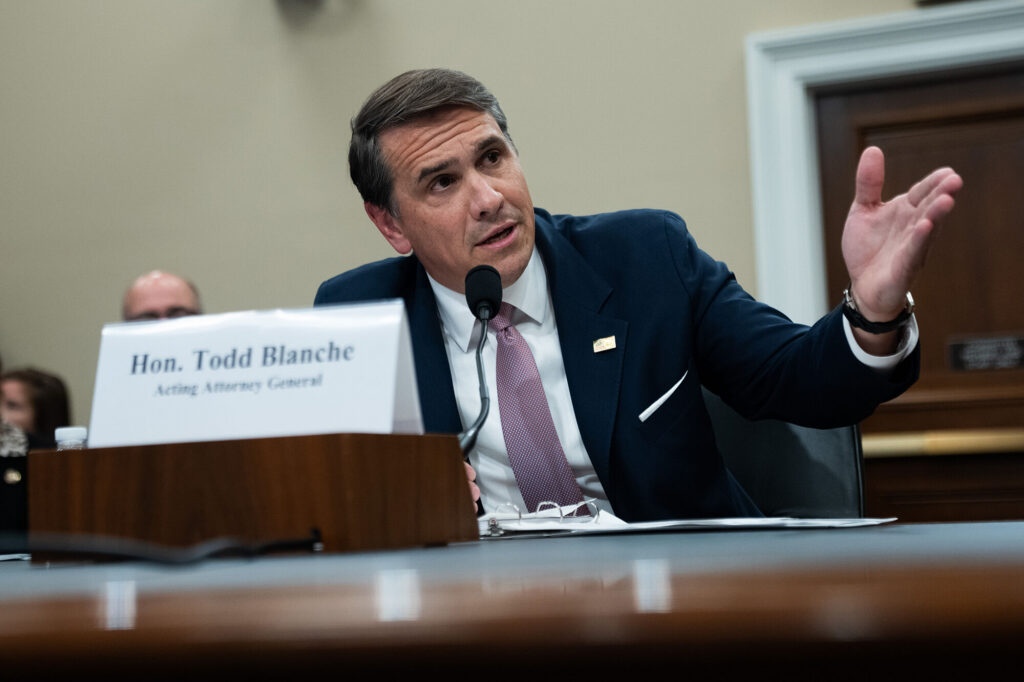
Federal judge wants Todd Blanche to swear in writing anti-weaponization fund won’t be revived
Jack Birle, Washington Examiner
jack.birle.washington.examiner@gazetteedit.wpenginepowered.com
Updated 2 days ago
A federal judge maintained a block on the Department of Justice’s $1.776 billion anti-weaponization fund Friday, despite the DOJ claiming they have abandoned the planned fund aimed at compensating allies of President Donald Trump and others who say they were politically targeted by...
PREV
PREVIOUS

Republican Scott James launches bid in Colorado's 8th CD, challenging Democrat Yadira Caraveo
Weld County Commissioner Scott James on Wednesday announced his candidacy for the Republican nomination in Colorado’s battleground 8th Congressional District, becoming the first declared challenger hoping to unseat Democratic U.S. Rep. Yadira Caraveo. The veteran radio personality and chairman of the county GOP filed paperwork for the seat hours after Republican state Sen. Barb Kirkmeyer, […]

Federal judge throws out Bandimere Speedway's COVID-19 lawsuit against Jeffco health chief
A federal judge on Monday dismissed a lawsuit from Bandimere Speedway that sought to hold Jefferson County’s former public health director liable for his enforcement of COVID-19 protocols against the racetrack in the early months of the pandemic. John Bandimere Jr. and Lorraine Bandimere, who own the speedway near Morrison, alleged Jeffco’s public health director […]