

Colorado justices say insurers may access policyholders’ medical info in denied-benefits litigation
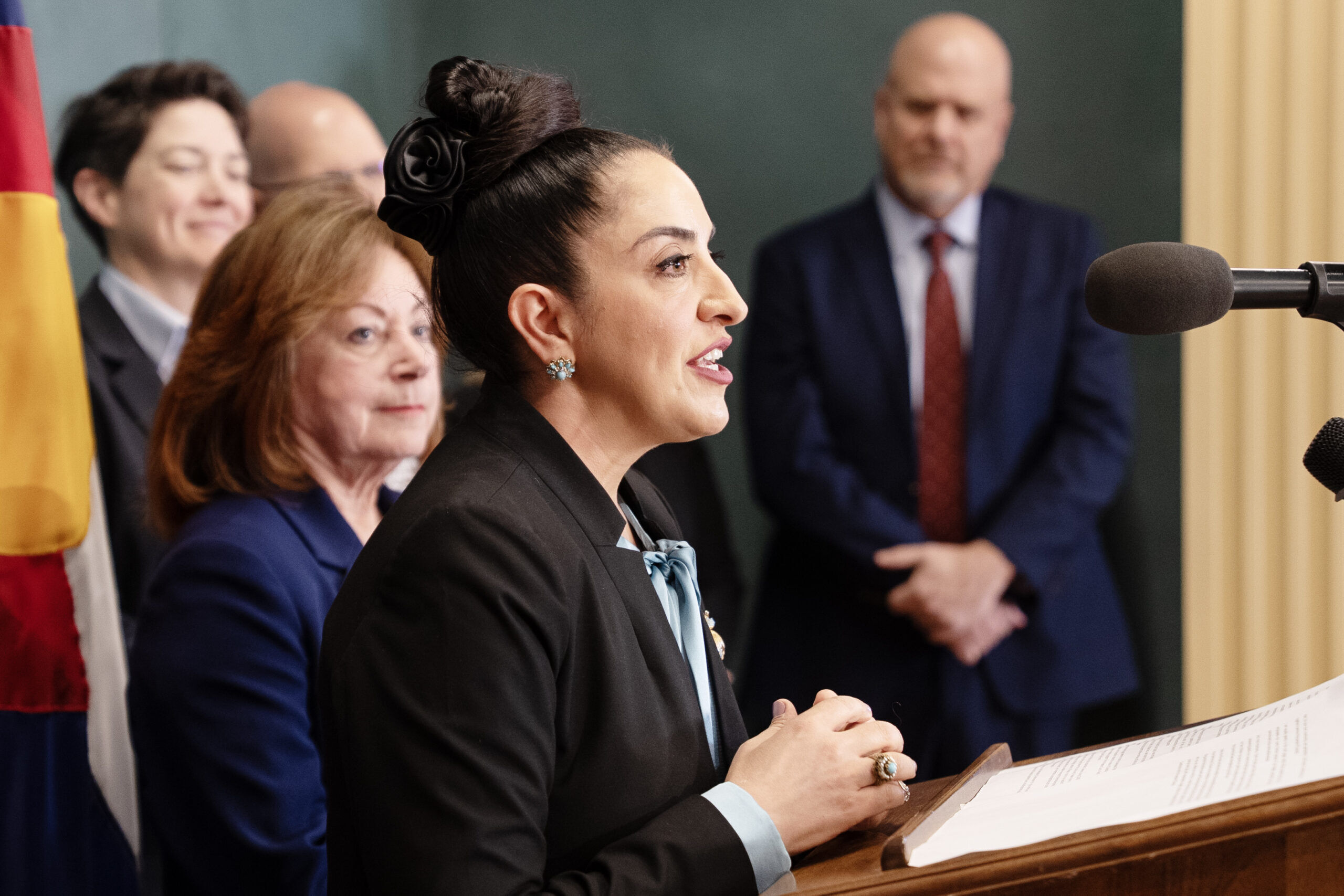
The Colorado Supreme Court declined on Monday to expand its narrow prohibition on insurance companies accessing policyholders’ medical information, clarifying that a dispute over an insurer’s bad-faith decision to deny benefits is the only situation where a company is limited to the information it knew at the time of the decision.
In 2018, the Supreme Court addressed a scenario in which a policyholder sued her insurance company and the insurer sought to dispute the cause of her injuries by obtaining a medical examination. In that case, Schultz v. GEICO Casualty Company, the Supreme Court decided that the reasonableness of an insurance company’s decision to deny coverage “must be evaluated based on the information that was before the insurer at the time it made its coverage decision.”
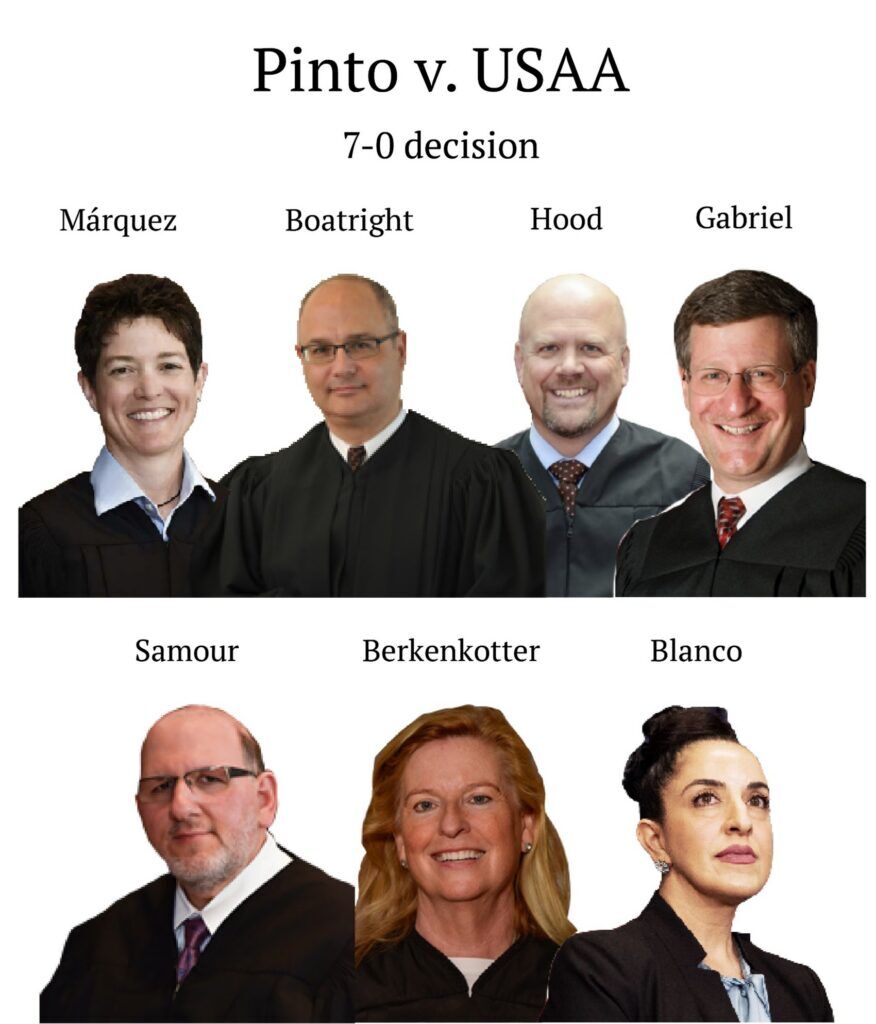
Eight years later, plaintiff Samantha Pinto of Colorado Springs asked the Supreme Court to similarly rule that her insurance company, United Services Automobile Association, was not entitled to obtain her medical records and evaluate her through its medical expert after it decided not to pay benefits for a car accident. Otherwise, USAA would be allowed to “create new medical evidence” to support its decision that it did not have at the time, her lawyers argued.
But the Supreme Court determined its Schultz decision did not apply to Pinto. In Schultz, the question was whether the insurance company acted in bad faith in its decision-making, wrote Justice Susan Blanco in the June 8 opinion. Pinto, on the other hand, was seeking benefits allegedly owed under her policy.
“Schultz does not extend to breach of contract claims because, unlike bad faith claims, the reasonableness of the insurer’s conduct is not a consideration. Instead, the only consideration is whether the insured can establish an entitlement to the benefits under the policy,” Blanco wrote.
Pinto sued USAA after she was injured in a 2020 rear-end accident. The insurer for the at-fault driver paid her $500,000, but Pinto’s estimated losses from her inability to work totaled nearly $1.4 million. Consequently, she sought the maximum of $300,000 under her USAA policy.
In September 2023, the USAA claims department offered her “$0.00 to settle” the claim. Pinto’s lawsuit sought the benefits under her policy and also brought a bad-faith-related claim.
Pinto challenged USAA’s requests for her medical records related to other accidents that happened in 1999 and 2022. Pinto also disputed that she should sit for a neuropsychological exam with USAA’s medical expert.
Her attorney, Timothy G. Buxton, argued USAA was trying to “create new medical evidence that was not before the adjuster at the time the adjuster made her decision and USAA denied the claim,” in violation of Supreme Court precedent.
District Court Judge Eric Bentley noted that Pinto had a bad-faith claim, to which Schultz would apply. But there was also a breach-of-contract claim.
“You’re saying that the damages exceeded the amount paid out on the underlying policy, and so USAA owes your client,” he said. “So, your arguments all may be relevant to the claim number 2 for bad faith, but I am looking at … all claims.”
Bentley ordered Pinto to provide medical records, including documentation from her other accidents, and to sit for a psychological evaluation. Although Bentley referenced a recent Supreme Court decision that shot down a different judge’s order requiring a personal injury plaintiff to be examined by that same doctor, he did not explain why he was ruling differently.
Pinto immediately turned to the Supreme Court.
“It is well settled law in Colorado that a denial of underinsured motorist benefits … is evaluated based on the evidence and information available to the insurer at the time it made its coverage decision, not on evidence developed later during litigation or trial,” her lawyers wrote. “Defendant is doing what this Court has already said it is not allowed to do: attempting to create new evidence to justify its position.”
The Colorado Defense Lawyers Association wrote in support of USAA, arguing the question of whether an insurer acted reasonably in its decision-making was separate from whether benefits were actually owed.
“‘Freezing the frame’ of a breach of contract claim to include only pre-suit (evidence) would encourage insureds to file suit to prevent unfavorable evidence from being discovered by their insurers,” the group wrote. “An insured’s medical records are not ‘newly created evidence’ under Schultz, but rather evidence that should have been shared with an insurer during the claim investigation.”
As for whether Pinto should sit for a psychological evaluation with the defense’s expert, USAA argued that Pinto was asserting a link between the 2020 car accident and her cognitive condition.
“The purpose of the (exam) is to evaluate Pinto’s claimed cognitive impairment, to ascertain its extent and relationship to the December 2022 accident, to rule out other possible causes, and to determine the relationship, if any, between her pre-existing cognitive impairment and the impairment claimed from the subsequent accident,” wrote USAA’s attorneys.
The Supreme Court agreed with the company.
“Pinto placed her mental health at issue when she asserted that her cognitive impairments should be covered,” wrote Blanco. “As a result, USAA reasonably inquired whether causes other than the motor vehicle accident contributed to her alleged cognitive deficits.”
Further, the limitation on medical evidence for to bad-faith claims does not apply elsewhere.
“Accordingly, Schultz does not extend to breach of contract claims that do not involve a reasonableness inquiry,” added Blanco.
The case is Pinto v. United Services Automobile Association.

Federal judge green-lights civil trial against ex-Fort Collins DUI officer
Michael Karlik
michael.karlik@coloradopolitics.com
Updated 1 day ago
A federal judge ruled on Thursday that Fort Collins’ former “DUI officer” will face a civil trial for allegedly investigating a motorist for impaired driving without any reasonable suspicion to do so. In recent years, several people arrested by Officer...

Colorado Supreme Court suspends Mesa County judge pending misconduct investigation
Michael Karlik
michael.karlik@coloradopolitics.com
Updated 8 hours ago
The Colorado Supreme Court suspended Mesa County Court Judge Michael J. Grattan on Thursday amid a misconduct investigation. The court’s Sept. 10 order gave Grattan 21 days to explain why his paid suspension should not continue through the end of...
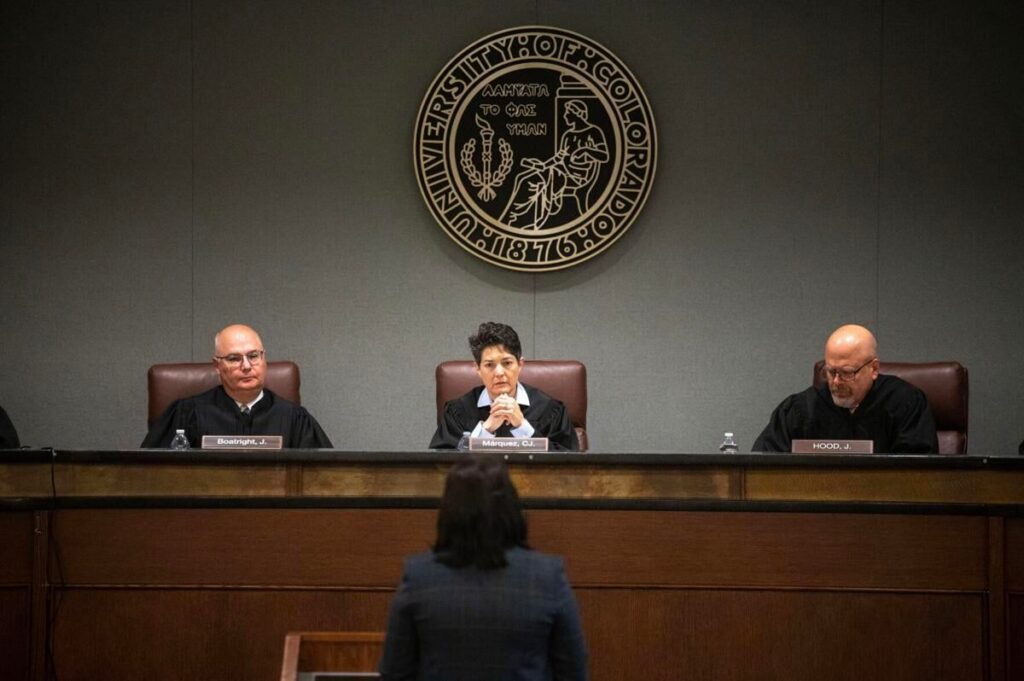
Colorado Supreme Court changes course, dismisses case about special district bonds
Michael Karlik
michael.karlik@coloradopolitics.com
Updated 8 hours ago
The Colorado Supreme Court declined on Friday to decide a dispute between a large-scale Commerce City development and the various districts financing it, after initially showing interest in the ongoing case. Colorado has roughly 2,800 special districts, which are local...
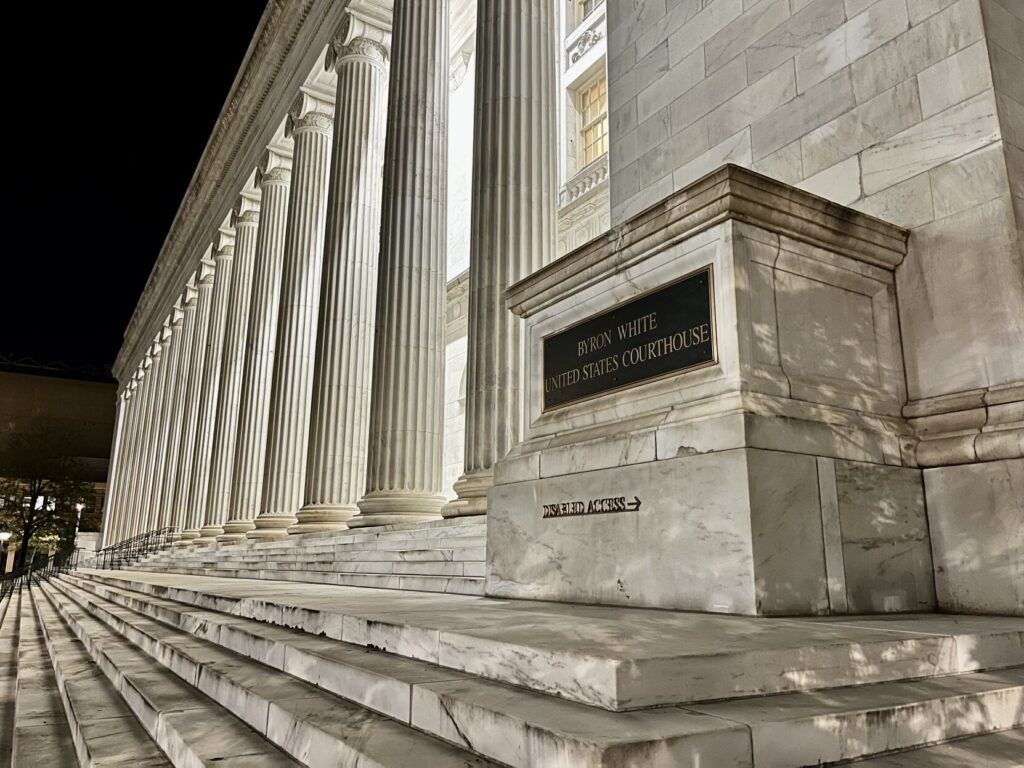
10th Circuit tosses GEO Group’s pretrial appeal in human trafficking lawsuit
Michael Karlik
michael.karlik@coloradopolitics.com
Updated 2 days ago
The Denver-based federal appeals court dismissed an attempt by The GEO Group on Wednesday to appeal a trial judge’s non-existent decision two months before the company is scheduled to face a civil trial over alleged trafficking violations at the Aurora...
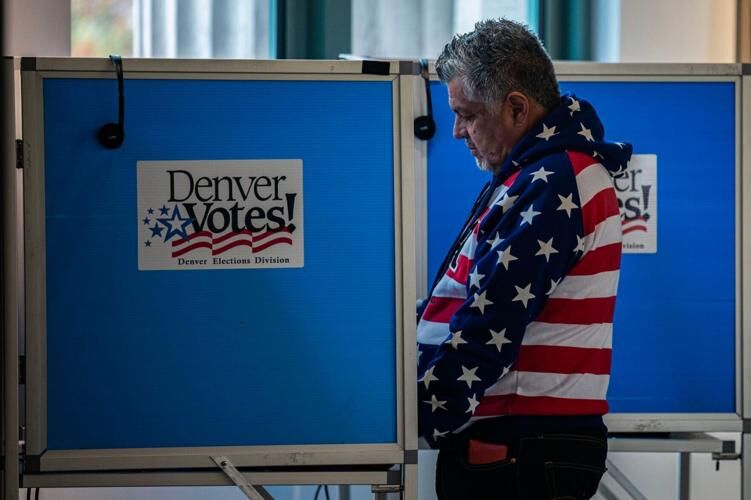
Denver sues Trump to block armed ICE agents from polling sites
Deborah Grigsby
deborah.smith@denvergazette.com
Updated 2 days ago
The city of Denver, along with several groups, sued the Trump administration Thursday, seeking to block U.S. Immigration and Customs Enforcement officers who are armed from polling sites during the upcoming midterm elections. In fact, there are no official orders...
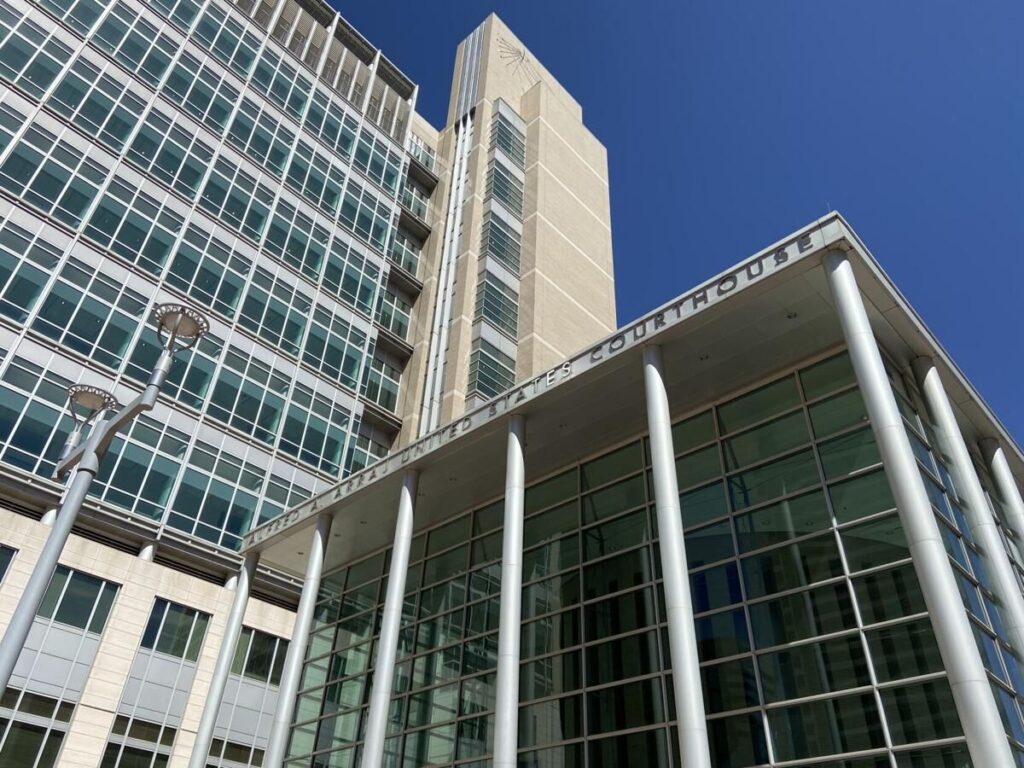
Federal judge takes no action against ICE in Colorado after hearing about mistakes, not ‘blatant violations’
Michael Karlik
michael.karlik@coloradopolitics.com
Updated 6 hours ago
A federal judge declined to take action against U.S. Immigration and Customs Enforcement on Thursday after hearing that a pattern of alleged lawbreaking amounted to mistakes and a misunderstanding of the government’s position in court. For nearly a year, Colorado’s...
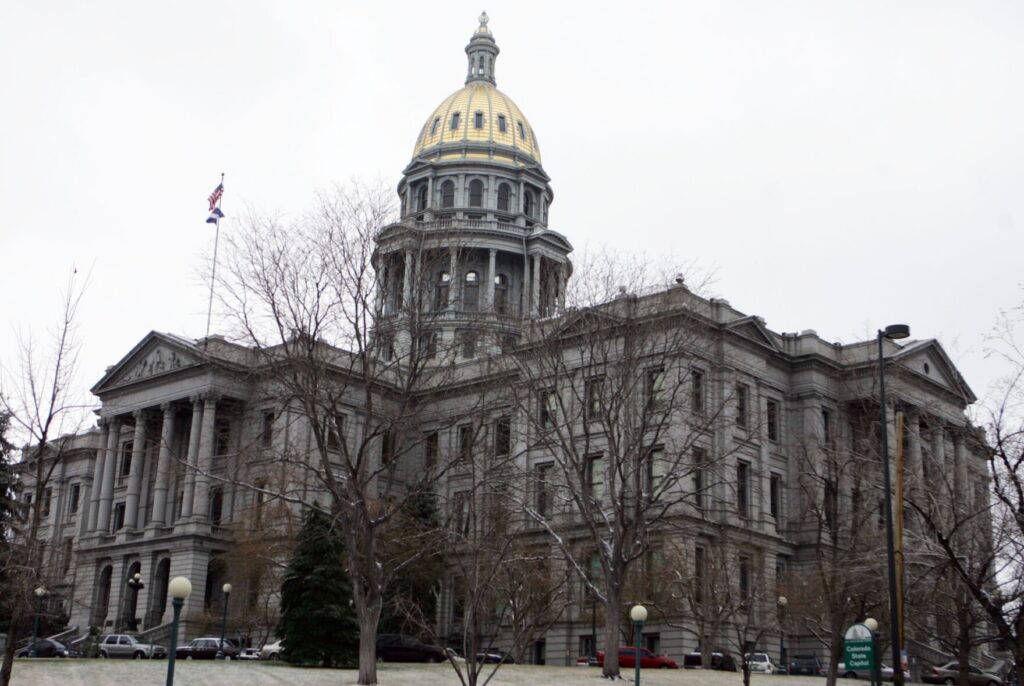
Colorado doctors, dentists challenge state law on gender‑transition services in new federal lawsuit
Marissa Ventrelli
marissa.ventrelli@coloradopolitics.com
Updated 3 hours ago
A group of Christian doctors and dentists has filed a federal lawsuit challenging a Colorado law they say requires them to provide gender‑transition services that conflict with their religious and ethical beliefs. The lawsuit, filed by the Christian Medical and...
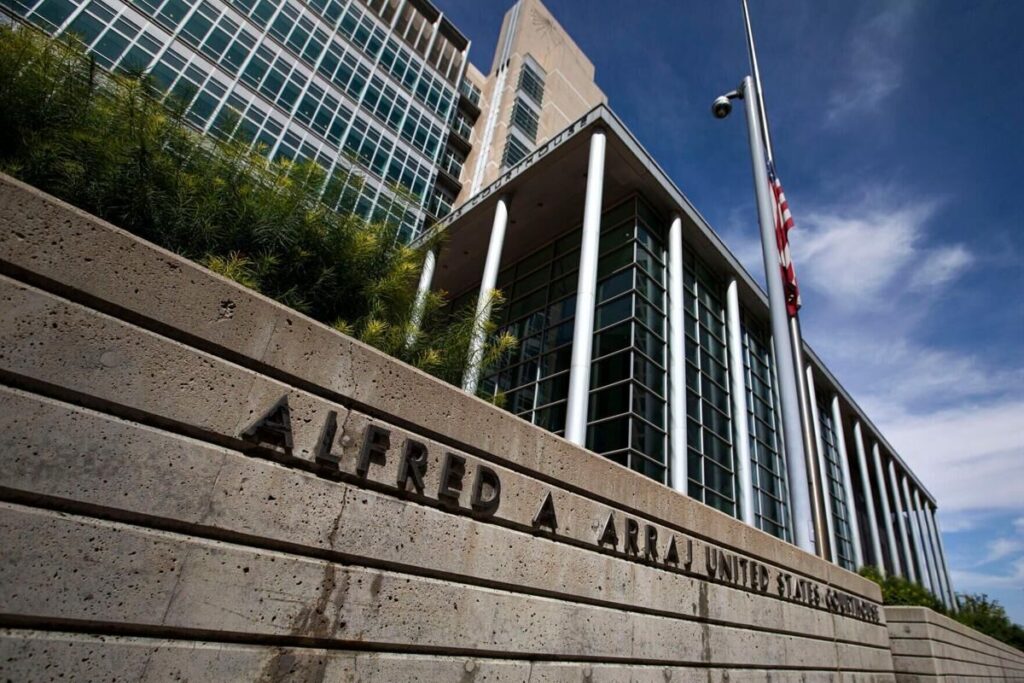
Federal judge directs plaintiff to revise complaint alleging Denver officers’ constitutional violations
Michael Karlik
michael.karlik@coloradopolitics.com
Updated 6 hours ago
A federal judge directed a plaintiff to revise his allegations on Wednesday to more precisely state what two Denver officers and the city itself allegedly did to violate his constitutional rights by facilitating his prosecution for murder until prosecutors dropped...
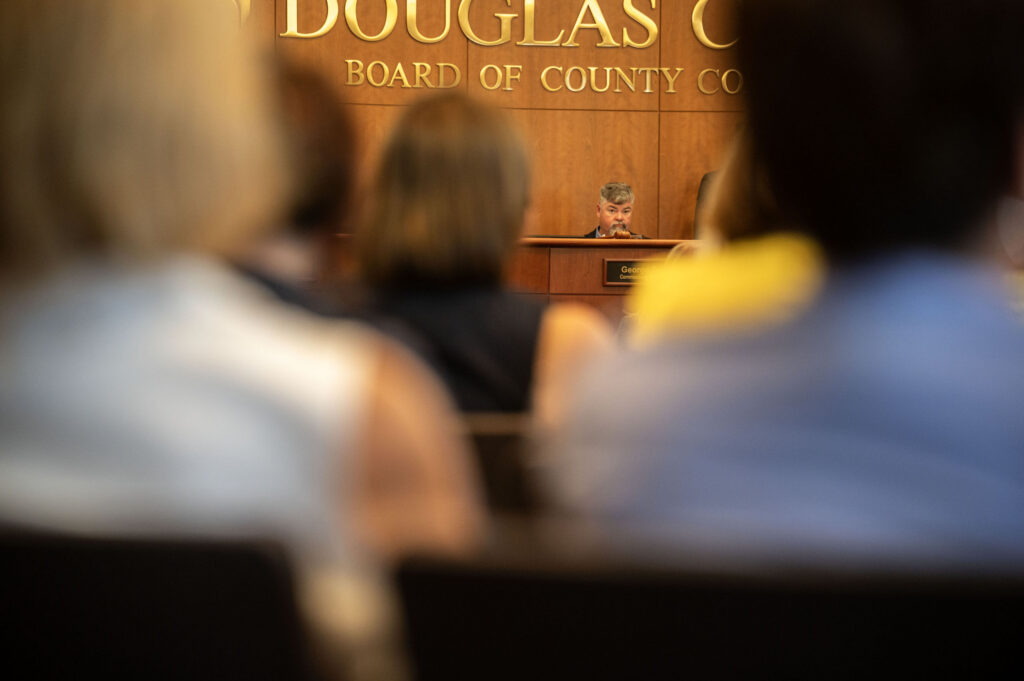
Lawsuit challenges Douglas County commissioners’ ballot actions
Nicholas Fogleman
nicholas.fogleman@denvergazette.com
Updated 2 days ago
A new lawsuit against Douglas County commissioners seeks to invalidate the board’s intervention in efforts to expand the commission from three members to five and restore the original ballot language approved by more than 20,000 petition signers. The suit marks...
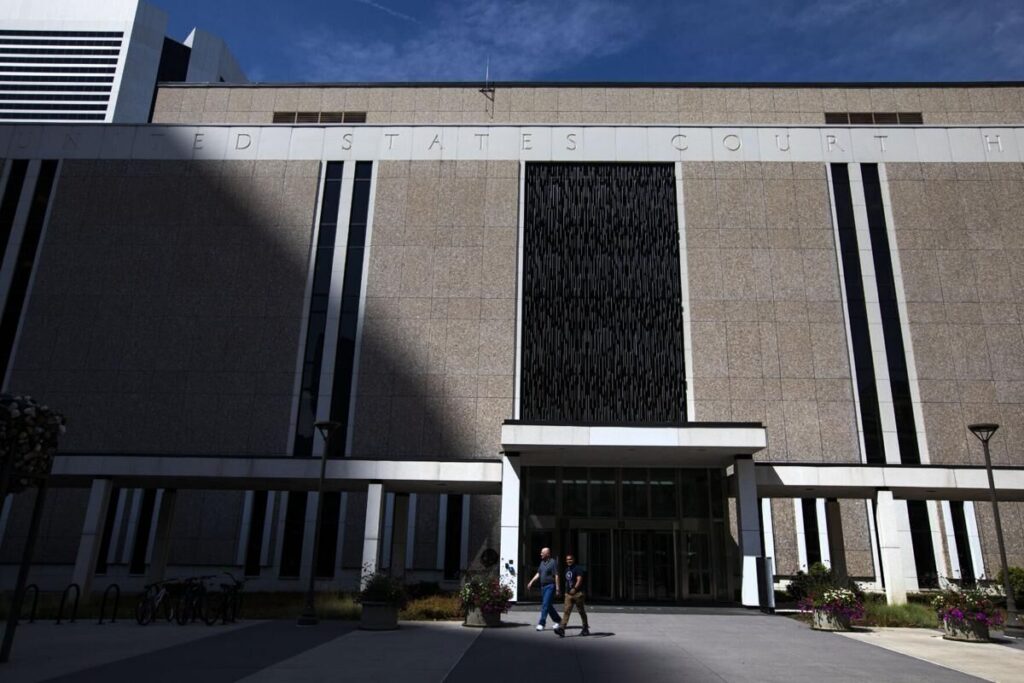
Federal judge explores new sanctions against ex-Colorado judicial discipline director
Michael Karlik
michael.karlik@coloradopolitics.com
Updated 9 hours ago
A federal judge on Wednesday directed Colorado’s former judicial discipline director, for the third time this year, to explain why she should not sanction him for his latest conduct in his litigation against the state’s judiciary. Christopher S.P. Gregory, who served...
PREV
PREVIOUS

House District 14: Businesswoman, consultant square off in GOP primary
Firearms training company owner Ava Flanell will face Troy Vanderhule, the chief fundraising officer for Dobson Philanthropic, in the June 30 Republican primary for state House District 14, an area in northern Colorado Springs. Flanell was appointed to the seat in the fall after Minority Leader Rose Pugliese stepped down from her position representing the […]

Grand Junction roundtable spotlights public access while Interior faces scrutiny over targeted land sales
U.S. Health and Human Services Secretary Robert F. Kennedy Jr. and Interior Secretary Doug Burgum joined Bureau of Land Management Director Steve Pearce in Grand Junction Wednesday for a roundtable focused on linking public land access to improved physical activity and public health outcomes. The officials promoted new initiatives including GetActive.gov, a website aimed at […]