

Dem-GOP tension dominates 1,000-bill legislative session | A LOOK BACK

Forty-Five Years Ago This Week: “I can honestly say that until now, we got along well with the governor’s office,” said House Minority Leader Federico Peña, D-Denver. “We visited frequently with the staff. And you didn’t see certain legislators speaking out publicly against the governor. We worked together harmoniously.”
Peña spoke to The Colorado Statesman after a long session marked by increasing inter-party turbulence. Peña’s frustration with Gov. Dick Lamm stemmed from Lamm’s changes to a bilingual bill, effectively replacing it with an English language proficiency tutorial program.
“All the work I’ve done to keep the party together is now in jeopardy,” Peña said. “I had anxiously looked forward to working with the governor on veto overrides in a cooperative spirit. Now that is in jeopardy as well. Senate Minority Leader Regis Groff (D-Denver) and I are very upset. I feel as if the rug has been pulled out from under us.”
But Peña also criticized GOP legislators and labeled their management of the session as “inefficient” and said that Senate Republicans had shown a “lack of consideration.”
Peña added that over the course of the legislative session, there was little discussion between House and Senate Republicans on congressional reapportionment, interim committees, or hazardous waste.
“House Majority Leader Ron Strahle (R-Fort Collins) only recognized the importance of the latter issue at the end of the session, then was forced to scramble,” Peña said. “House Speaker Bev Bledsoe probably saw me as obstructionist, and this might have contributed to Bledsoe’s guarded feelings about me.”
Meanwhile, Bledsoe, R-Hugo, told The Colorado Statesman that he felt that “overall the session went smoothly,” and while the House and Senate had some difficulty agreeing on several issues, “that’s typical of government.”
Bledsoe said that the conflicting opinions reflected independent thinking and said that communication between the leadership of the two houses was good.
“Republicans didn’t loathe each other’s plans for reapportionment,” Bledsoe said. “I don’t know how Groff could be an adequate judge. He wasn’t involved with any reapportionment.”
Bledsoe also disagreed with Peña and Groff that the 1981 session was mean and reckless.
“It wasn’t that much different from any other session,” Bledsoe said. “We had 1,000 bills from 65 people. The session went fairly efficiently thanks to the lawmakers’ dedication. There really was not a breakdown in communications.”

Twenty Years Ago: According to Colorado AFL-CIO’s secretary/treasurer and political director, Ellen Golumbek, the labor organization was thrilled with an that appeared in the 5280 Magazine showing Gov. Bill Owens being given the reader’s choice award for Colorado’s “Top Political Slacker” and the “Top Politician Who Should Consider Early Retirement” award.
“Gov. Owens was recently on the Mike Rosen radio show whining, incorrectly as usual,” Golumbek said, “about the extraordinary amounts of money labor put into his opponent’s past campaign.”
Golumbek said that the figures Owens quoted were not only “inaccurate but illegal as well.” According to Golumbek, in 1998, Owens was elected under the “most restrictive campaign laws” ever faced.
“Bill’s recent letters soliciting contributions have also highlighted the effort of ‘Big Labor’ to elect someone else to the governor’s office,” Golumbek said. “Also, consequently, his need for even more money than the $1.5 million he’s already raised. At least the governor thinks we are good for something — even if it is his own fundraising — of course, he hasn’t hurt our fundraising efforts either.”
Rachael Wright is the author of several novels, including The Twins of Strathnaver, with degrees in Political Science and History from Colorado Mesa University, and is a contributing columnist to Colorado Politics, the Colorado Springs Gazette, and the Denver Gazette.


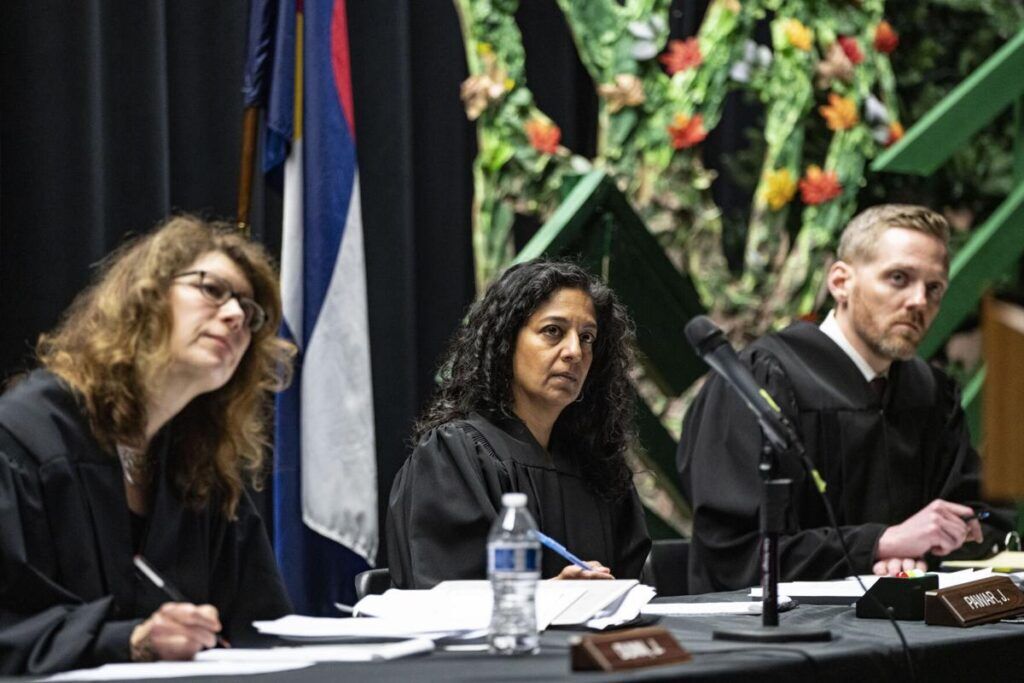
Colorado Springs mother Deborah Nicholls’ murder conviction overturned
Nick Smith
nick-smith@coloradopolitics.com
Updated 13 hours ago
A Colorado Springs mother convicted in 2008 of murdering her three children in a house fire might get a new trial after a judge ruled that prosecutors withheld key evidence that could have impacted the jury’s verdict. Deborah Nicholls, whose...
Colorado court overturns illegal $7,000 restitution order
Michael Karlik
michael.karlik@coloradopolitics.com
Updated 13 hours ago
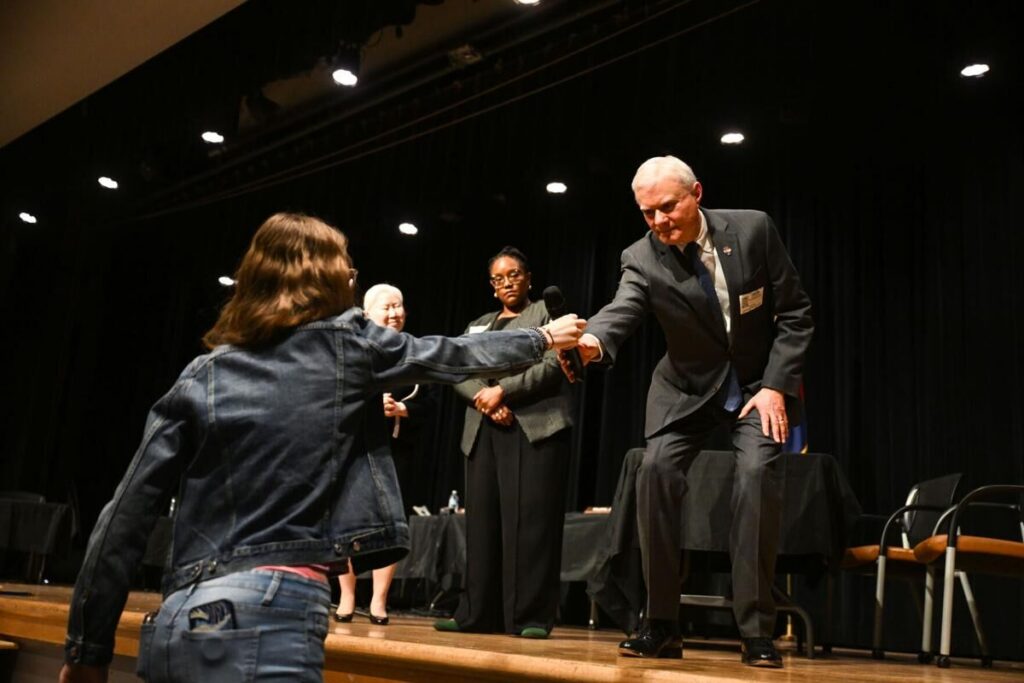
Colorado’s second-highest court overturned a Weld County defendant’s obligation to pay more than $7,000 in crime victim restitution on Thursday because a trial judge failed to issue a legally compliant restitution order at the time of sentencing. In Colorado, as...
Appeals court orders second look at Denver Water’s immunity for cyclist’s injury
Michael Karlik
michael.karlik@coloradopolitics.com
Updated 13 hours ago
Colorado’s second-highest court ordered another look at a bicyclist’s negligence lawsuit against Denver Water on Thursday, concluding that a trial judge needed to evaluate the utility’s potential immunity using the state Supreme Court’s new guidance. Joseph A. “Joey” Scott alleged...

Right-to-natural-gas proposal in Colorado qualifies for ballot
Marissa Ventrelli
marissa.ventrelli@coloradopolitics.com
Updated 14 hours ago
A citizen initiative that seeks to enshrine the right to natural gas has qualified for the November ballot, Colorado’s election office confirmed on Thursday. Petitions containing signatures for Initiative No. 177 were turned in to the Secretary of State’s Office for review...
Labels, duration not definitive proof of ‘intimate relationship,’ Colorado court rules in domestic violence case
Michael Karlik
michael.karlik@coloradopolitics.com
Updated 13 hours ago
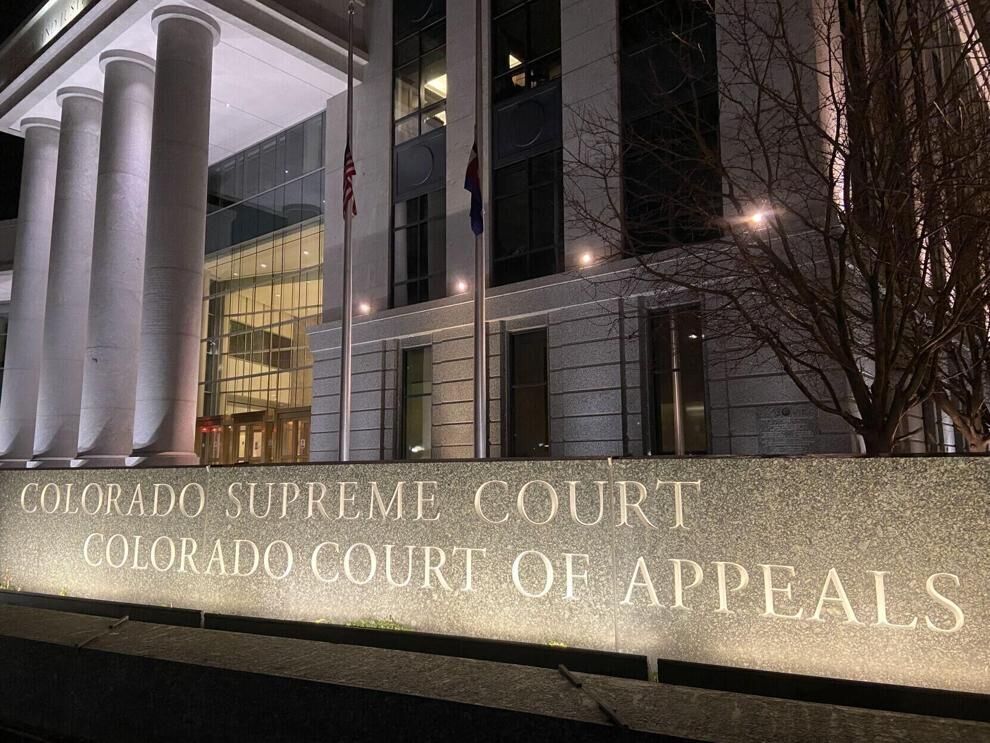
Colorado’s second-highest court clarified on Thursday that the length of a couple’s relationship and the labels they attach to it are not conclusive evidence of whether it is an “intimate relationship” that can give rise to a domestic violence prosecution....
Former VP Mike Pence joining Colorado Christian University faculty
Marissa Ventrelli
marissa.ventrelli@coloradopolitics.com
Updated 15 hours ago
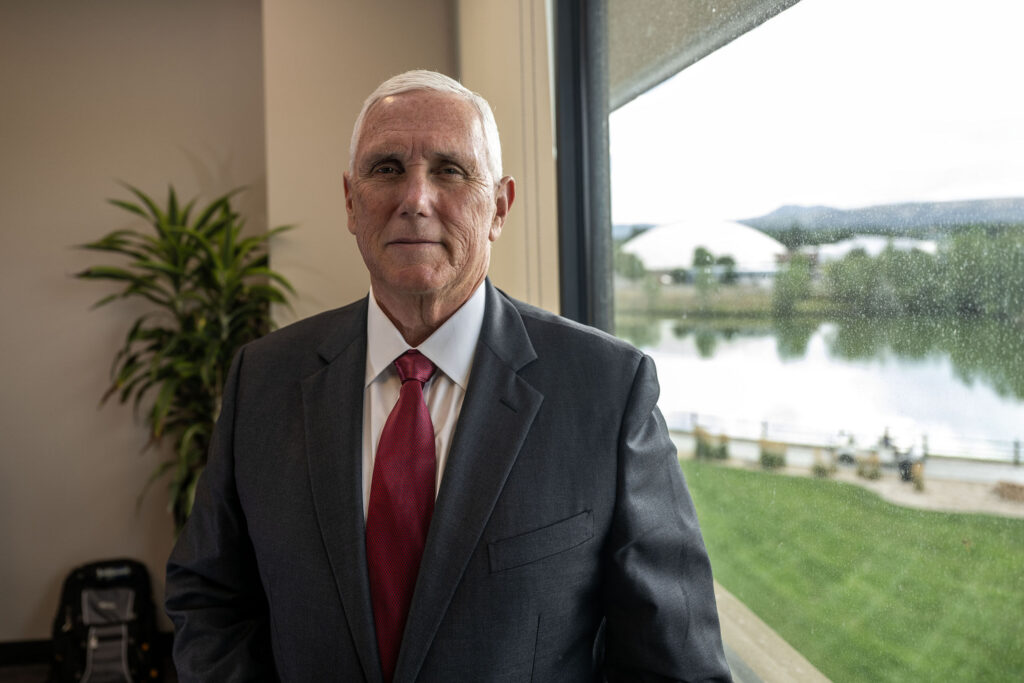
Former Vice President Mike Pence has been hired as a visiting faculty member at Colorado Christian University, the Lakewood-based private evangelical university announced Tuesday. Pence will be on campus about once a month during the 2026-2027 school year to give...
White House launches Fraud.gov to track fraud cases
Adisa Hargett-Robinson
adisa.hargett-robinson@washingtonexaminer.com
Updated 22 hours ago
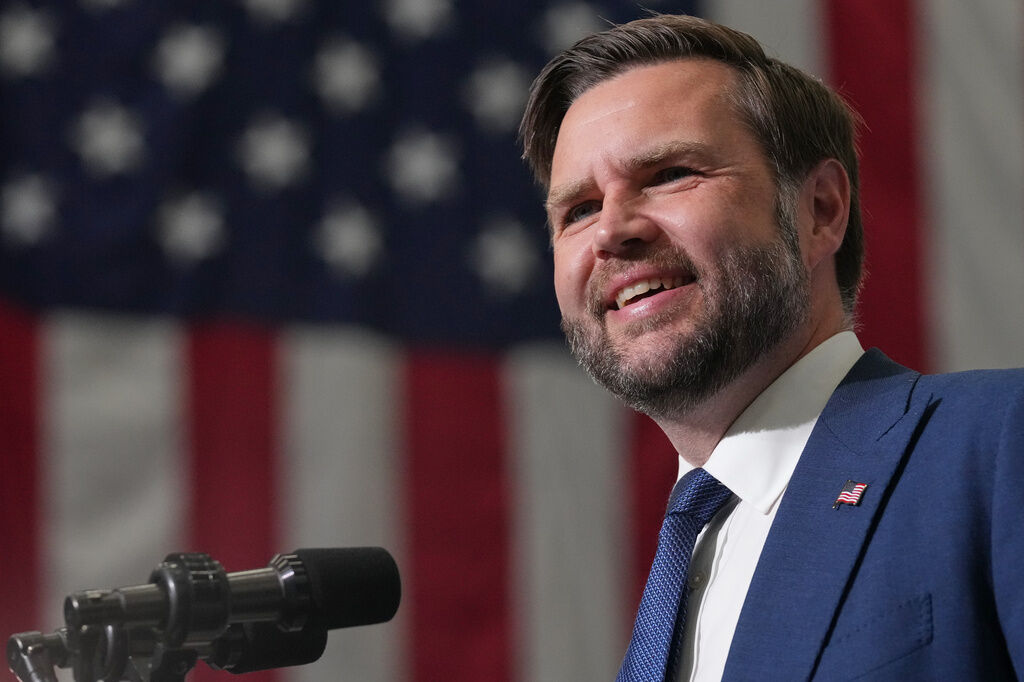
The White House launched Fraud.gov on Thursday, a website tracking the administration’s crackdown on fraud across federal agencies. According to the White House, the website serves as a public dashboard that highlights investigations, criminal charges, funding suspensions, recoveries, and enforcement...

Democrats from opposite sides of the party all rally behind a ‘big tent’
Rena Rowe
rena.rowe@washingtonexaminer.com
Updated 22 hours ago
Since their losses in the 2024 election, Democrats have struggled to settle on a clear message ahead of the 2026 midterm elections. As the party fights to reclaim control of Congress, primaries in New York, Michigan, and Colorado have exposed...

Emerald ash borer confirmed in Colorado Springs, ‘pest is here to stay’
Brennen Kauffman
brennen-kauffman@coloradopolitics.com
Updated 24 hours ago
Colorado Springs is asking residents to be on the lookout for an invasive beetle species that has jumped down the Front Range and into local ash trees. City officials said Wednesday that a confirmed emerald ash borer infestation had been...
US Senate panel votes to hold Fauci in contempt of Congress
Reuters
reuters@gazette.com
Updated 18 hours ago
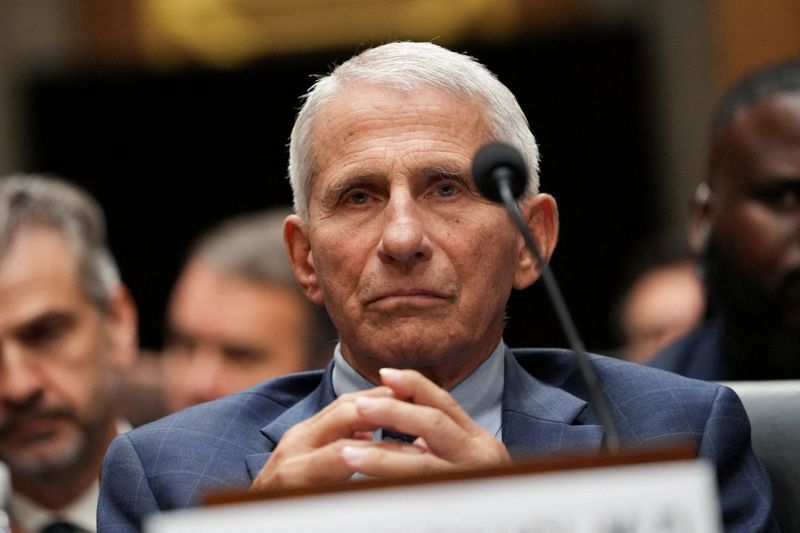
By Ahmed Aboulenein WASHINGTON, Aug 6 (Reuters) – A U.S. Senate committee voted on Thursday to hold Dr. Anthony Fauci in contempt of Congress after the former top U.S. infectious disease official refused to answer questions about his handling of...
PREV
PREVIOUS

A primary brings out primal instincts | SONDERMANN
There are no Stanley Cup finals or NBA title showdowns involving local teams this June. In their place, we are inundated with primary election campaign ads. Coloradans can be excused for missing the diversion and alternate programming. But life can be cruel and reality bites. The primary elections are upon us. Ballots are now sitting […]
Group aims to add right to hunt and fish to Colorado Constitution
A group is seeking to make Colorado the 25th state in the nation with an established constitutional right to hunting and fishing through a proposed ballot initiative. Backed by the International Order of T. Roosevelt, a group dedicated to preserving the North American Model of Wildlife Conservation, Initiative 302 would amend the Colorado Constitution to […]