

BIDLACK | Some romanticize wild horses’ plight
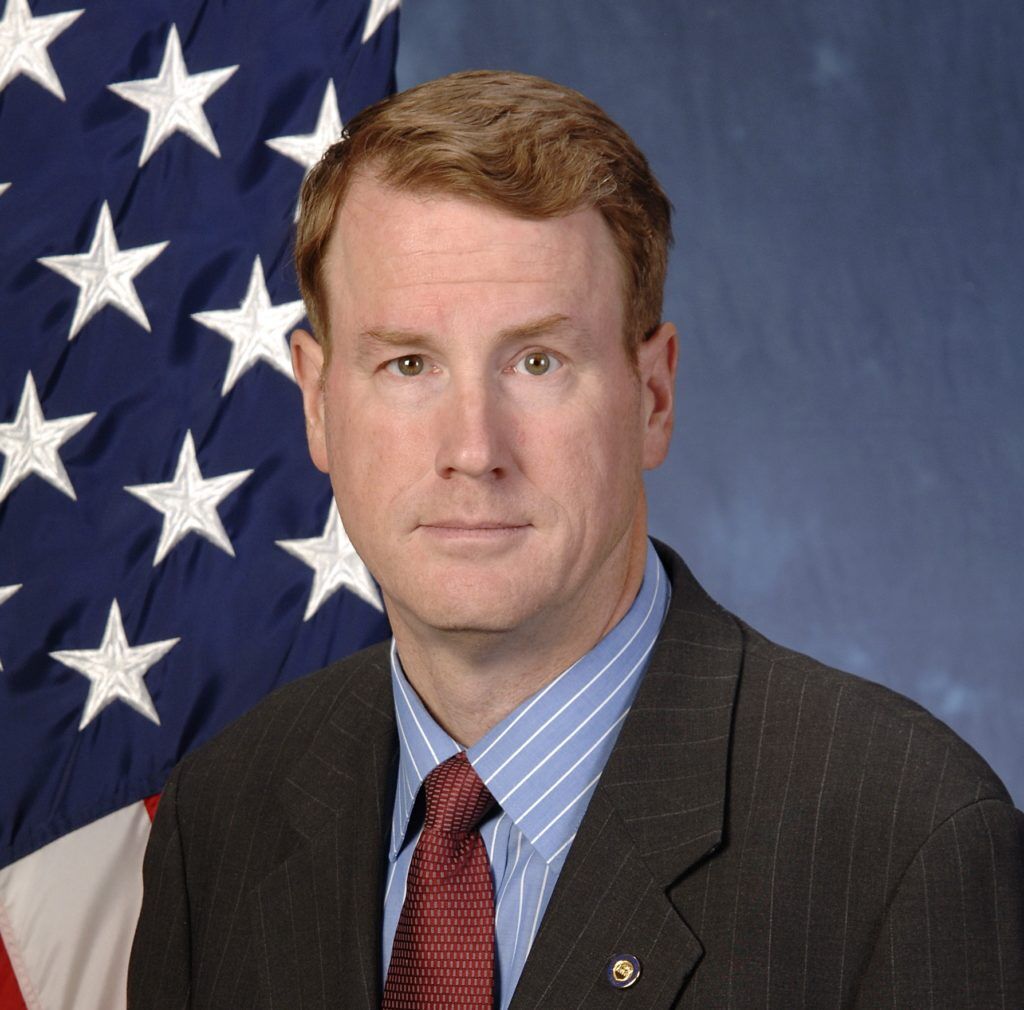
Back before I retired from the Air Force, and when I was patrolling the Air Force Academy as a cop, we had a deer problem. The Academy is a gorgeous place, spread over nearly 19,000 acres, or just under 30 square miles. Once, when I had the honor of escorting a visiting dignitary, she remarked, upon learning that I then lived on the base, that it was like living in a national park. The Academy is again open to tourists and I recommend you drop by to see that extraordinary place. You’ll see very cool aircraft on display and if you time it right, you can watch about 4,000 of the best young people in America march to lunch.
And you will likely see lots of deer wandering around.
It isn’t much of a surprise to learn that the deer population on the Academy is (or at least was, back when I was a cop there) quite large. I always claimed that the world’s smartest deer lived there, as they know there is watered green grass and no hunting. But as a result, there were lots of times deer got hit by cars, which is bad for the cars and is just terrible for the deer. And so it was proposed that a very limited and highly regimented deer hunt be allowed to thin the herd and reduce damages and injuries to both people and deer.
As you can imagine, there was quite a range of opinion on whether there should be a deer hunt or not. Some argued yes, and others argued that such a hunt was morally wrong. Smart and good-hearted people can disagree, but there were some folks that were, well, a tad extreme in their views. One suggestion I remember was that the Academy string a series of bright lights through the woods, in hopes of attracting the deer away from roadways and back into the woods. That suggestion was not followed.
I thought of that situation recently when I read an entry in one of my favorite Colorado Politics sections, the Out West Roundup. The lead entry told the tale of a recent Biden administration announcement that it was going to significantly increase the number of wild horses and burros rounded up across the western U.S., including Colorado. They are calling it an emergency step, given the ongoing draught and climate change issues that grip our region. And not surprisingly, activists who assert they are working on behalf of the horses argue that a larger roundup (or, I suspect, any roundup at all) is a bad idea, done only to support the cattle industry that competes with the horses for foodstuffs that are becoming increasingly hard to find.
As with so many of my columns, I honestly don’t know who is right and who is wrong here (Ed: what a surprise). I’ve always liked horses, having had one as a kid during summers on my grandparents’ Iowa farm. Heck, one of my kids is a professional horse trainer. But I can’t help but wonder if some folks have a rather romanticized idea of what life is like for oversized herds of these wild horses, especially in times of severe challenges brought on by climate change.
The Bureau of Land Management is in charge of such efforts, and the agency notes that, left unchecked by management or predators, wild horse herds can double in size in only four to five years. Horse advocates counter that the animals are terrified by helicopters as they are captured and are forced to live in enclosures, albeit with food and water. Some advocates claim the horses are slaughtered for meat, while the BLM website states that the animals are put up for public adoption, and those not adopted “are cared for on open pastures for the rest of their lives.” Since 1971, the BLM has removed roughly 4,400 horses and burros from Colorado lands.
So, who is right and who is wrong? I dunno.
There seems to be agreement that here in Colorado and in other western states, there simply isn’t enough rangeland with adequate food and water for all the wild horses and for all the cattle. Now, I certainly have problems with the way the BLM has traditionally supported the cattle industry, both in terms of the use of public lands for nearly free grazing and for other issues. But it seems undeniably true that in these difficult times, an overpopulation of horses out here is not good for the land or for the horses. While many may picture noble steeds atop hills at sunset, with their manes blowing in the wind, the reality for many is much harsher, with starvation an ongoing threat and water becoming scarcer.
Had humans not been a primary driver in messing up the ecosystem in which the horses once flourished, it might be best for humans to stay out of trying to mitigate the situation. But given the human-caused challenges the horses face, I admit I lean toward a human and humane response. No doubt the roundups are quite stressful for these wild critters, but such efforts may be the least bad way to deal with yet another consequence of drought and the impacts of climate change. And while that is true, it is also a darn shame.


Which Colorado candidate for governor will commit to the ‘public’ in public education? | Paula Noonan
Paula Noonan
paula-noonan@coloradopolitics.com
Updated 2 days ago
The General Assembly finished its work with a flurry, not a whimper. The Joint Budget Committee (JBC) managed to outplay Gov. Jared Polis with its final amendments to the School Finance Act. Polis is all in on “innovation” with public...
As the AI age evolves, Colorado must step up to protect our kids | GUEST COLUMN
Colorado Politics
colorado-politics@coloradopolitics.com
Updated 2 days ago
By Ann O’Leary Artificial intelligence is creating new opportunities for young people to learn, create, explore and build confidence. It is opening new doors for students in Denver, on the eastern plains and on the western slope. But as our...

Strengthening Colorado’s mental-health workforce | GUEST COLUMN
Colorado Politics
colorado-politics@coloradopolitics.com
Updated 22 hours ago
By Kyle Brown and Lindsay Gilchrist More than 1.2 million Coloradans live with a diagnosed mental health condition, and in 2023, one in five people seeking care were unable to get the treatment they needed. Overwhelmingly, insurance delays and inadequate...
Colorado’s health care cuts are painful — what comes next could be worse | PODIUM
Colorado Politics
colorado-politics@coloradopolitics.com
Updated 1 day ago
By Ross Brooks and Beverly Razon Last December, a broad coalition of consumer advocates, safety net providers, hospitals, health plans and physicians statewide published a warning: our state was facing a health care crisis, and fragmented policymaking would make it...

Gov. Polis, please veto House Bill 1210 | FEEDBACK
Colorado Politics
colorado-politics@coloradopolitics.com
Updated 3 days ago
As Gov. Jared Polis reviews House Bill 1210, I hope he will think about families like mine. For people trying to balance work, parenting and rising costs, discounts from delivery apps are an important part of how I take care...

Superintendent Michael Gaal on why schools work better without union contracts | The OpEdge Podcast
Tony Olivero
tony.olivero@gazette.com
Updated 3 days ago
In the latest episode of The OpEdge — The Gazette’s new opinion podcast — Colorado Springs District 11 Superintendent Michael Gaal reveals why teachers’ union contracts hold schools back. Gaal tells OpEdge host and investigative columnist Jimmy Sengenberger how ending D-11’s...
Solar and wind —what a difference a border makes | Hal Bidlack
Hal Bidlack
hal-bidlack@coloradopolitics.com
Updated 3 days ago
If you ask most Americans where Colorado and Wyoming are on a map, they will likely be able to find us, somewhere out west. A few might be confused by our roughly similar shapes. Sure, Colorado is actually a 697-sided polygon...
The rural voice missing from the Nexstar debate | GUEST COLUMN
Colorado Politics
colorado-politics@coloradopolitics.com
Updated 3 days ago
By Donald Valdez As a former state representative for District 62, in the southern part of the state, I spent years fighting to make sure the voices of rural Coloradans were heard in state decision-making. As a lifelong farmer, I...

Antitrust suit seeks better prices for farmers | Rachel Gabel
Rachel Gabel
rachel-gabel@coloradopolitics.com
Updated 5 days ago
A stack of papers is keeping eastern Colorado and western Kansas farmers out of the lucrative west-coast market and bringing a group together to levy an antitrust suit against the railroads. Stefan Soloviev was an unlikely farmer with his full-sleeve tattoos,...

The community-less, hyper-online citizen is a threat to democracy | Miller Hudson
Miller Hudson
miller-hudson@coloradopolitics.com
Updated 1 day ago
Robert Putnam, a political scientist and sociologist, first came to widespread public attention with his turn-of-the-century tome, “Bowling Alone: The Collapse and Revival of American Community.” There has been frequent debate regarding whether Putnam, who taught for several decades at...
PREV
PREVIOUS

HUDSON | Dick Lamm left Colorado a better place
Miller Hudson If you were born in Colorado after 1960 or moved to the Centennial state since 1980, the bumper sticker “Roll Over, Stand Up and Drop Dead!” likely would puzzle you. It was a succinct and briefly popular rejoinder to several of Dick Lamm’s more memorable first term quips. If it’s true that political […]

SENGENBERGER | Tri-County tramples local control
Jimmy Sengenberger Last week, the duly elected Adams County commissioners voted to opt out of the excessive school mask mandate issued by Tri-County Health Department. The week before, Douglas County’s elected commissioners were the first to opt-out. Today, Arapahoe County’s commissioners were set to vote on the matter – but removed it from their meeting […]