

Antitrust suit seeks better prices for farmers | Rachel Gabel
A stack of papers is keeping eastern Colorado and western Kansas farmers out of the lucrative west-coast market and bringing a group together to levy an antitrust suit against the railroads.
Stefan Soloviev was an unlikely farmer with his full-sleeve tattoos, big-city upbringing, and a last name that looked very different from the primarily German surnames in the area. However, when he was trading commodities full-time, he began purchasing farmland and eventually built a dryland empire along the Kansas and Colorado border. While he was building his land, he admits he wasn’t popular as the New Yorker outbidding the locals at every auction. But when he quit farming and leased all of his farms to young, local producers, he met personally with each one and committed to working with them and for them.

It became clear to him in 2015 if a short rail line called the Towner Line were operational, he and his neighbors would have additional rail access that was more centrally located relative to his farms. The abandoned line was purchased and was to be scrapped. After a long and expensive fight, Soloviev secured an injunction, purchased the line, proved to the Surface Transportation Board he could operate it for the obligatory three-year period, and finally rehabilitated it, making it part of his Colorado Pacific Railroad.
His Weskan Grain, built in 2022, boasts 11 locations with 6.3 million bushels of upright storage, another 6 million of ground pile storage, multiple locations, and an hourly receiving capacity of 70,000 bushels. Weskan’s facilities receive grain and ship train units, which are 110-car trainloads of the same commodity. Paired with the Colorado Pacific Railroad, farmers have a streamlined option for marketing their grain with lower transportation costs. From Weskan facilities, grain moves to Pueblo, where it can be marketed more competitively.
Weskan Grain’s bulk train-loading facility in Stockton stands next to the Colorado Pacific, formerly the Missouri Pacific’s main line from Kansas City to Pueblo. Stockton was home to a pumped water station that supplied water to steam locomotive boilers. The town eventually grew to about 300 residents but dried up and blew away at some point. The Weskan Grain Station now stands in its place, creating its own grain elevator skyline.
In his antitrust suit against Kansas & Oklahoma Railroad (K&O), LLC and Union Pacific Railroad Company (UP), he and 13 farmers in both states allege the railroad engaged in conduct to “stifle competition from a newly rehabilitated rail line and preserve control over westward shipments of grain.”
He said once it became clear Soloviev would operate the Towner Line, Soloviev alleges K&O put a paper barrier in place. According to counsel, the “exorbitant fees on rail traffic from western Kansas to eastern Colorado, Union Pacific Railroad Company has erected competitive and financial barriers on the railroad tracks it owns in the region that increase transportation costs and transit times, making it difficult for local grain farmers to earn a fair price for their crops. Union Pacific Railroad Company is preventing farmers and everyone else from obtaining lower prices.”
The suit also alleges the defendants secretly and unlawfully amended a 1997 lease, imposing an interface fee on any railcar that originated or terminated on the UP Lease Track owned by UP and leased to K&O that connects the K&O-owned Great Bend Line to the east and the Colorado Pacific-owned Towner Line to the west. The interchange fee is believed to be $500 per car, which is cost-prohibitive for farmers shipping grain and for Weskan Grain, and greatly reduces Colorado Pacific’s revenue.
Soloviev said he didn’t set out to fight the railroads but someone had to stand up to the bullies. He said, “Someone had to put their foot down eventually and again we tried working this out. We don’t want any special treatment. We just want to be treated fairly just like any other grain company but when you’re dealing with these secret paper barriers and you’re dealing with this type of bullying, someone’s got to stand up to them and who else is going to do it?” There’s no timeline for the suit to be brought before the U.S. District Court for the District of Kansas. Until then, the basis price in the area has increased between 30 and 40 cents. Local farmers have more options; 50 farmers have leases with Soloviev, and he seems to be proving he’s there to work with and for farmers and the communities they support.
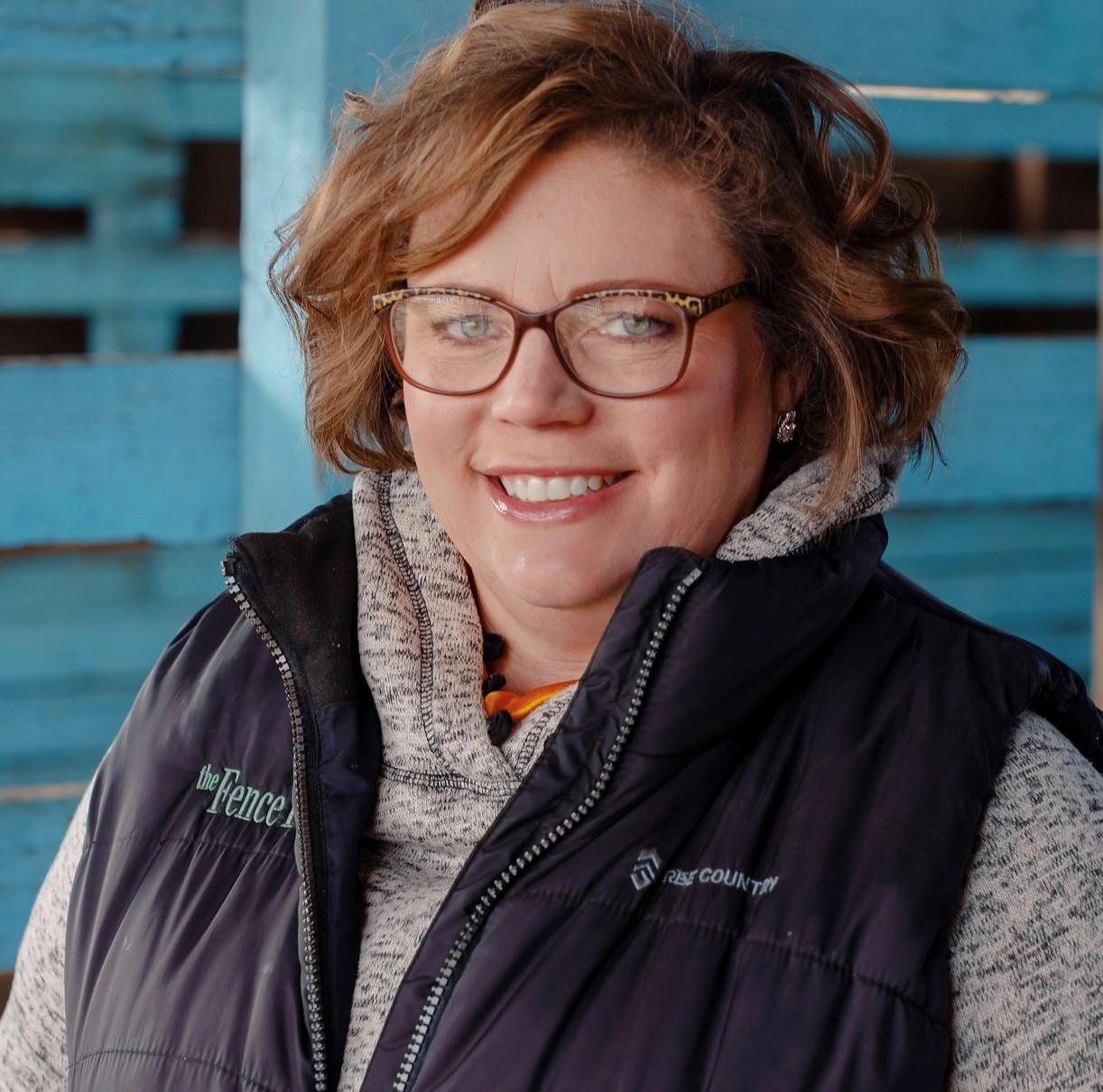
Rachel Gabel writes about agriculture and rural issues. She is assistant editor of The Fence Post Magazine, the region’s preeminent agriculture publication.


A right to buy a product? | Hal Bidlack
Hal Bidlack
hal-bidlack@coloradopolitics.com
Updated 11 hours ago
A recent story in Colorado Politics caught my eye, as I learned of a “citizen initiative” that has qualified for the November ballot. It seems supporters of Initiative 177 have collected enough signatures, 146,165 legitimate ones out of a total...
Fourteen years after Aurora — we can’t afford to go backward | GUEST COLUMN
Colorado Politics
colorado-politics@coloradopolitics.com
Updated 11 hours ago
By John Hickenlooper and Gabby Giffords Two Saturdays ago, a gunman shot and killed three people and wounded several others in Twin Falls, Idaho. This latest deadly shooting comes only days after we remembered the lives we lost 14 years...

U.S. Rep. Lauren Boebert’s son arrested, faces charges of sexual exploitation of minor
Matt Kyle
matt.kyle@denvergazette.com
Updated 15 hours ago
U.S. Rep. Lauren Boebert’s son Tyler Jay Boebert has been arrested and accused of recording and sharing a video depicting himself having intercourse with a minor, according to court records. The case originated in Garfield County in Western Colorado and...
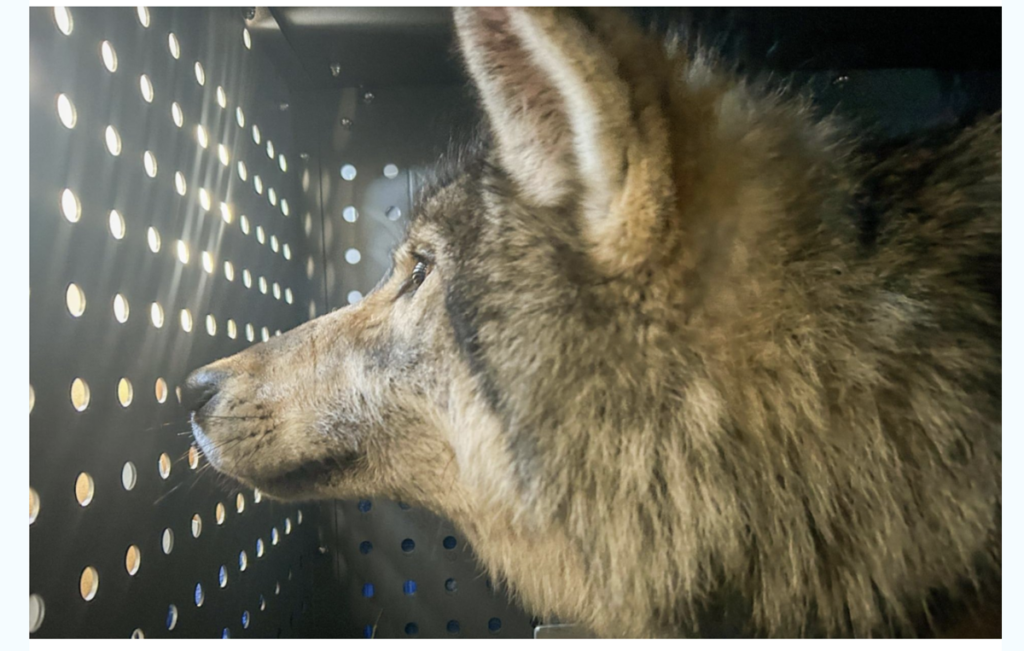
Hunter shot Colorado wolf after mistaking it for a coyote, wildlife office says
Marianne Goodland
marianne.goodland@coloradopolitics.com
Updated 18 hours ago
Colorado Parks and Wildlife said Monday that a female wolf from British Columbia that died in January was shot by a hunter who mistook her for a coyote. The wolf, identified as 2504‑BC, was one of 17 wolves relocated since...

A daring and fearless rescuer — is afraid of a debate | Dick Wadhams
Dick Wadhams
dick-wadhams@coloradopolitics.com
Updated 3 days ago
Victor Marx, the Republican nominee for governor who says he can exorcize demons and who claimed he has fearlessly rescued 45,000 women and children during 150 “high-risk” missions around the world, appears to be intimidated by the notion of debating...
Colorado’s ballot-initiative process again a battleground for deep pockets, special interests — not the people | Miller Hudson
Miller Hudson
miller-hudson@coloradopolitics.com
Updated 23 hours ago
The Oxford English Dictionary defines a constitution as, “The set of fundamental principles according to which a state is constituted and governed, a body of rules prescribing the major elements of the structure and activities of any organization.” Somewhere in...

Colorado’s troubled guardianship office pursues ‘cultural reset’
Marianne Goodland
marianne.goodland@coloradopolitics.com
Updated 14 hours ago
Colorado’s guardianship program, long criticized for mismanagement and high staff attrition, is undergoing a “cultural reset,” as its new director works to repair partnerships and prepare for a major expansion under recent legislation. Created by lawmakers in 2017, the Office...

Colorado Democrats, your time is coming | Jon Caldara
Jon Caldara
jon-caldara@coloradopolitics.com
Updated 3 days ago
Hey, Colorado Democrats! All the fun you’ve had watching Republican dysfunction in Colorado for the last 20 years was just a preview of what is about to happen to you. The Colorado Republican Party no longer exists as a competitive...

Democratic group aims Spanish-language TV ad at Gabe Evans in Colorado’s battleground 8th CD
Ernest Luning
ernest.luning@coloradopolitics.com
Updated 4 days ago
A national group tied to House Democratic leadership launched a six-figure Spanish-language TV ad in Colorado this week targeting Republican U.S. Rep. Gabe Evans and the GOP’s signature budget legislation. The 30-second spot is part of $15 million in new...

Judge dismisses lawsuit seeking records from Colorado Democratic group
Marianne Goodland
marianne.goodland@coloradopolitics.com
Updated 4 days ago
A lawsuit seeking to obtain records from Democratic lawmakers affiliated with a caucus has been thrown out by a Denver District Court judge. On July 17, Judge Ericka Englert dismissed the April lawsuit filed by progressive activist Derrick Blanton, who...
PREV
PREVIOUS

The community-less, hyper-online citizen is a threat to democracy | Miller Hudson
Robert Putnam, a political scientist and sociologist, first came to widespread public attention with his turn-of-the-century tome, “Bowling Alone: The Collapse and Revival of American Community.” There has been frequent debate regarding whether Putnam, who taught for several decades at Harvard’s Kennedy School of Government, is a conservative or liberal. Occasionally mistaken for unquestioned right-winger […]

Fate of new AI regulation bill in Colorado is now in the hands of Gov. Jared Polis
A revised version of Colorado’s artificial intelligence law — among the first in the country to regulate “consequential” decisions by the new technology — cleared both the House and Senate just one week after its introduction and is now headed to Gov. Jared Polis for his signature. Backers framed Senate Bill 189 as the culmination […]