

Trends and challenges in higher education | Tom Cronin
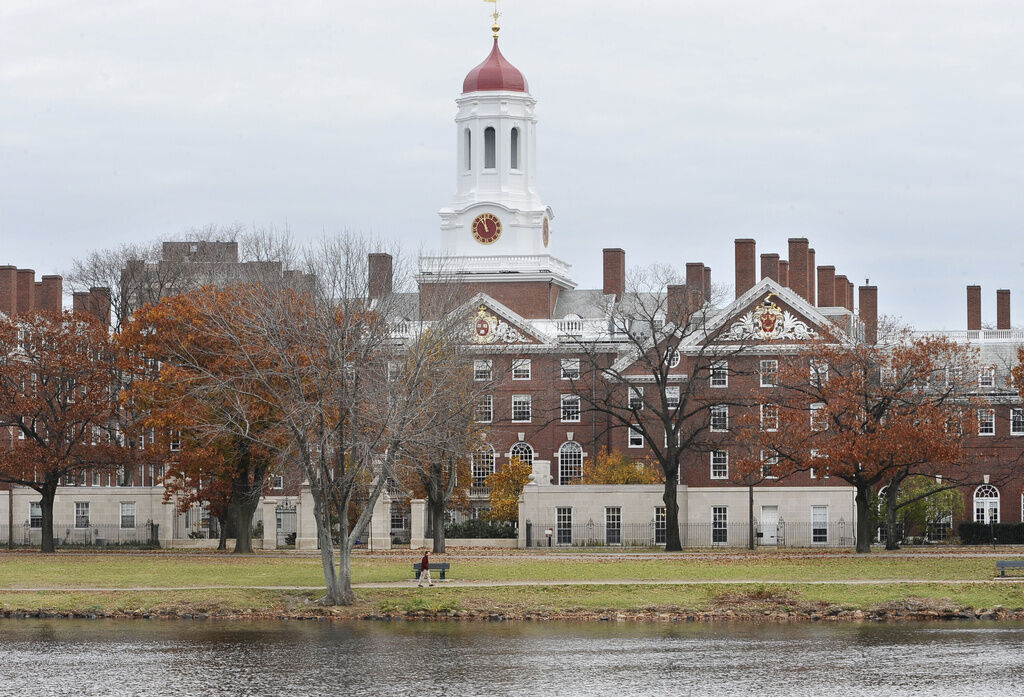
Americans are both proud and critical of our higher-education system. More American universities are highly ranked than those in other countries. More international students come here than to any other country. And basic research at U.S. universities has earned more patents and Nobel Prizes than elsewhere.
Yet trust in colleges and universities has dramatically declined. Costs have dramatically increased and more parents are questioning the return on investment.
Antisemitism and intolerance have been alarming and horrible.
Administrative bloat has ballooned. Student loan defaults are on the rise and undermining home purchases, etc.
Dozens of college presidents have been forced out. Boards of trustees are troubled and confused by the growing list of criticisms from parents, alumni and government officials. Meanwhile, at least 300 colleges have closed or virtually shut down, including Mills College, Goddard College, Hampshire College, Iowa Wesleyan University, Birmingham-Southern and the Monterey Institute of International Studies.
Notable trends:
- One hundred years ago, high school was optional, not the norm. About 20% of teenagers graduated from high school, and only 10% of these grads went on to college. This meant about 3% of their cohort headed for college in the 1920s.
- Today, about 90% of teenagers eventually graduate from high school, and about 60% of those go on to some type of college. At least half of these will earn a four-year degree. One hundred years ago, few women went to college. Nowadays, women make up 58% of college and university classes.
- One hundred years ago, there were virtually no international students. Today, more than 1 million students come from abroad and make up about 6% of the nearly 19 million students attending our colleges. They primarily come to study STEM programs or finance.
- In 1926, there were no online college courses. Now there are as many as 5 million people learning from online courses, including high-school students, college students, people doing graduate degrees or certificates, and people of all ages. It is now common for students at state universities to take some electives online. This trend is likely to revive the idea of earning a college degree in three years or less.
- About 19 million college students are currently enrolled in roughly 4,000 institutions in the U.S., including more than 1,000 community colleges, more than 800 religious-affiliated colleges and as many as 200 Bible colleges. About 33% of community-college students go on to a four-year college; most of them eventually graduate.
- The past generation has seen major shifts in college majors. Humanities — classics, philosophy, English, history — have declined. Students are more career-oriented, majoring in business, computer and data science, health care or education.
- Millions have begun their careers at a community college, including President Jimmy Carter, actor Tom Hanks, director George Lucas, former Arizona Gov. and University of California President Janet Napolitano, Starbucks entrepreneur Howard Schultz and Arizona basketball coach Tommy Lloyd. Millions more, like me, have taken an enrichment course or two at a local community college.
- A variety of companies, such as The Teaching Co., Khan Academy, edX and Coursera, now offer lifelong learning courses that can provide the equivalent of a college experience. Some courses on these platforms are taught by leading professors at MIT, Stanford or Yale. There are also countless lectures and podcasts available online, providing lecture discussions and book reviews. One of my favorites is called “Moonshots,” a twice-weekly panel discussion by leading AI experts. These courses and lectures pose a huge and positive challenge to costly elite colleges. The focused and discipled student can now use online and emerging AI programs to design a “college education” without ever setting foot on campus.
Is American higher education still the best in the world? Probably. But American colleges and universities are expensive, and universities around the world are getting better. In South Korea, more young people are going to university than in the U.S. China notably graduates at least seven times as many engineering students as we do.
A bookcase of recently published studies highlight the challenges facing American higher education. Last month, Yale released a “Report of the Yale Committee on Trust in Higher Education.” Also last month, prominent Republican U.S. Rep. Elise Stefanik, a Harvard graduate, published a stinging attack on America’s most famous universities. Her unsubtle title telegraphs her views: “Poisoned Ivies: The Inside Account of the Academic and Moral Rot of America’s Elite Universities” (NY: Threshold, 2026).
These studies conclude that trust in higher education has declined, while costs have jumped, admission procedures have become opaque, and on many campuses, free speech has become threatened and a sense of community diminished.
Most universities, Stefanik writes, “have succumbed to decades of moral decay, academic laziness, and radical groupthink. They’ve become hollow, empty and soulless.” She criticizes these institutions for being slow to deal with antisemitism, and complains that a majority of the faculty are partisan Democrats.
Stefanik is right to raise these questions, yet Harvard did well preparing her for a career in public service. Ivy League colleges and universities have produced hundreds of Republican and conservative leaders over the past generations. Princeton, for example, has produced Republican Secretaries of State George Shultz and James A. Baker, Defense Secretaries Donald Rumsfeld and Pete Hegseth, conservative Supreme Court Justice Samuel Alito and pro-Trump entrepreneur Jeff Bezos. Were these notable conservatives and capitalists “poisoned” at Princeton?
I was a visiting professor at Princeton several years ago. I saw the opposite of what Stefanik complains about. I encountered hardworking students and faculty, impressive research, and an enormous concern for civility and respect in political discussions. Moral decay and intellectual laziness I did not see.
While it is true that faculty at elite universities are more likely to register as Democrats, boards of trustees and big donors are, in my experience, much more likely to be, or to lean, Republican.
Many Americans believe a college or university education costs too much and takes too long. Higher education needs to be more efficient. Elite colleges and universities have become amenity rich with expanded student services of all kinds. Expanded athletic teams and facilities and technology services have grown disproportionately to classroom teaching. Curbing administrative bloat is critical. Flattening the pyramid is a sensible leadership strategy.
The Yale faculty report deals with a wide range of issues, from grade inflation to the need to ban electronic devices in classrooms. It calls special attention to the vital importance of ensuring that students have the freedom to express contrarian views in the classroom and on campus. The mission at Yale, the report reiterates, is to safeguard “the right to think the unthinkable, discuss the unmentionable, and challenge the unchallengeable.”
Yet the reality in recent years, at Yale and at many colleges and universities, there has been an unfortunate trend of self-censorship where students and faculty alike fear voicing a minority or unorthodox opinion. Students suggest this may be due to fear of grading reprisal, hostile rebuke from other students or compliance officers of various kinds.
The search for truth requires the presence of contending as well as controversial thought. Suppressing the exchange of ideas, whether through censorship or disruption, threatens not only freedom of speech but also the search for truth.
I like the view of University of Chicago scholar Ralph Nicholas, who suggests “Nonsense should be criticized wherever it occurs, but we cannot always be as sure as we would like about what nonsense is.”
Declaring an idea as wrong or foolish does not make it so. Hateful or stupid speech needs to be defeated by argument. Hateful and hurtful actions are a different matter. Campuses can and must ban protesters from disrupting the normal proceedings of classrooms, lectures and campus life in general.
A college ceases to be a special place of learning unless it has a consistent and resilient commitment to free speech, tolerance and open inquiry.
Trust cannot be legislated. It must be earned, again and again, by professors who act professionally and by institutions that do not impose a political litmus test of any kind.
America is blessed with a remarkable range of higher education opportunities and new technologies promise they will get even better. Higher education needs all the reappraisals it is getting. Efficiencies are needed.
Ideological openness and balance are crucial.
Let us, however, beware of being overcritical — there has always been an anti-intellectual, anti-elitist populism in America, which is healthy, up to a certain point. Yale will survive and partly because of its useful self-appraisal become even stronger. And the young Stefaniks of the world will be delighted, I am confident, to be among the 4% of students Harvard admits each year.
News columnist Tom Cronin writes regularly about national and state politics and public policy. He is a former college president and author of “Fireside Chats of a Retired College President.”


Democratic group aims Spanish-language TV ad at Gabe Evans in Colorado’s battleground 8th CD
Ernest Luning
ernest.luning@coloradopolitics.com
Updated 1 day ago
A national group tied to House Democratic leadership launched a six-figure Spanish-language TV ad in Colorado this week targeting Republican U.S. Rep. Gabe Evans and the GOP’s signature budget legislation. The 30-second spot is part of $15 million in new...

Colorado School of Mines lands major share in Trump’s $100M mining-education plan
Thelma Grimes
thelma.grimes@coloradopolitics.com
Updated 1 day ago
President Donald Trump on Friday named the Colorado School of Mines among roughly a dozen institutions that will share in a $100 million commitment “to train the next generation of American miners.” Paul Johnson, the university’s president, said he is...
Judge dismisses lawsuit seeking records from Colorado Democratic group
Marianne Goodland
marianne.goodland@coloradopolitics.com
Updated 1 day ago
A lawsuit seeking to obtain records from Democratic lawmakers affiliated with a caucus has been thrown out by a Denver District Court judge. On July 17, Judge Ericka Englert dismissed the April lawsuit filed by progressive activist Derrick Blanton, who...
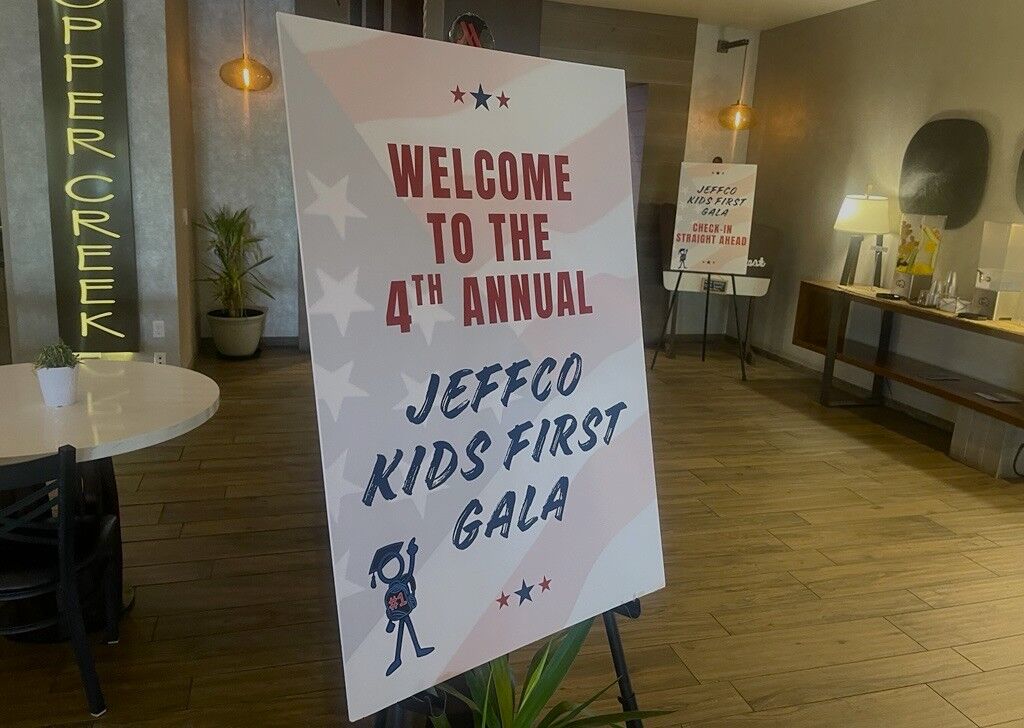
DOJ official decries ‘nonsense’ in Jeffco schools at fundraising gala
Matt Kyle
matt.kyle@denvergazette.com
Updated 15 hours ago
Amid a legal battle between Jeffco Public Schools and the federal government, a Department of Justice official spoke at a fundraising gala and decried “crazy stuff” and “nonsense” in the school district. The gala was for Jeffco Kids First, an...
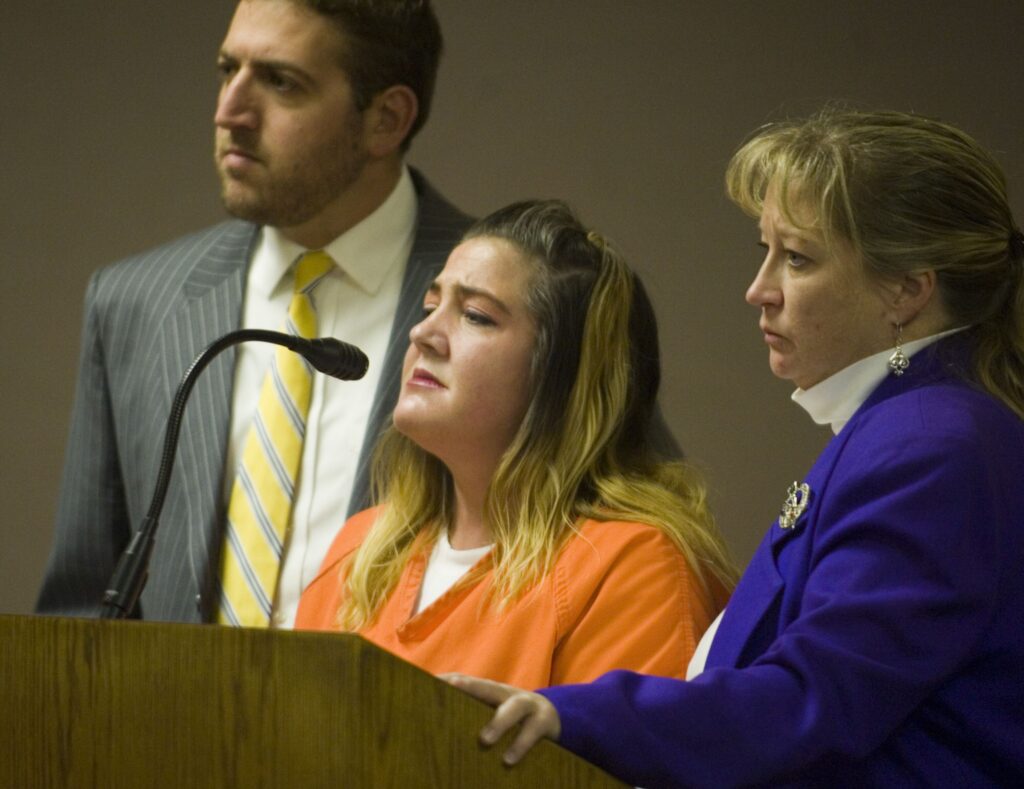
Colorado Springs mother Deborah Nicholls’ murder conviction overturned
Nick Smith
nick-smith@coloradopolitics.com
Updated 2 days ago
A Colorado Springs mother convicted in 2008 of murdering her three children in a house fire might get a new trial after a judge ruled that prosecutors withheld key evidence that could have impacted the jury’s verdict. Deborah Nicholls, whose...
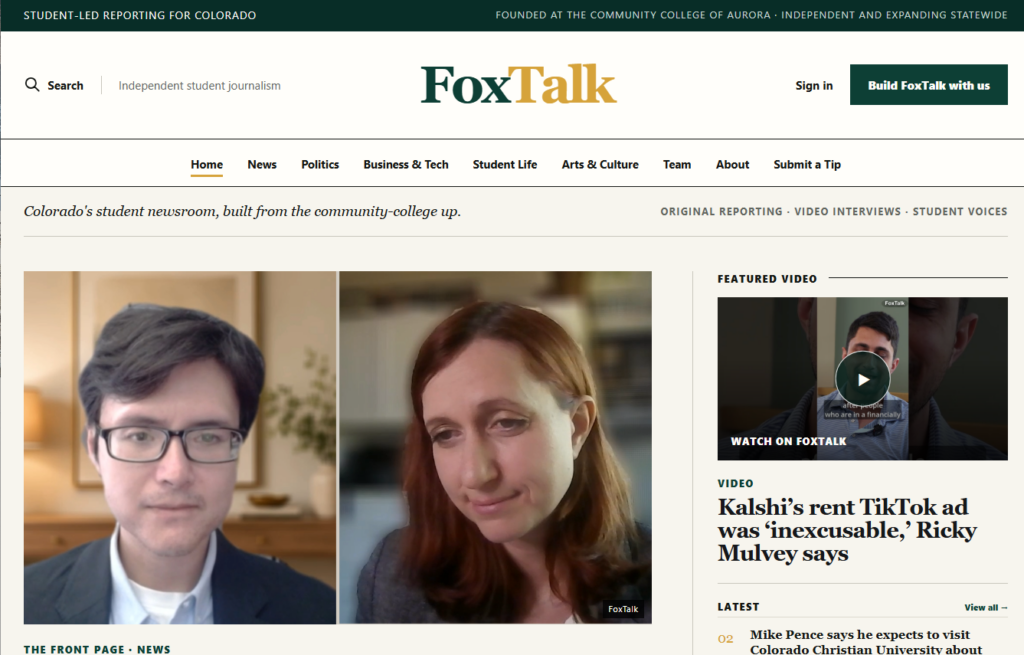
Aurora Community College student journalist accuses college of ‘unconstitutional gag order’
Kyla Pearce
kyla.pearce@gazette.com
Updated 2 days ago
An Aurora Community College student is accusing the college of putting an “unconstitutional gag order” on his student-run publication, saying the college banned it from publishing until students jumped through “countless bureaucratic hoops.” A college spokesperson said the college is...

Polis administration relaunches Colorado e-bike rebates with $3 million
Scott Weiser
scott.weiser@gazette.com
Updated 1 day ago
Gov. Jared Polis and the Colorado Energy Office announced Thursday the return of the state’s popular e-bike rebate program, with registration set to open later this month. The office plans to provide point-of-sale rebates totaling $3 million from the Community...
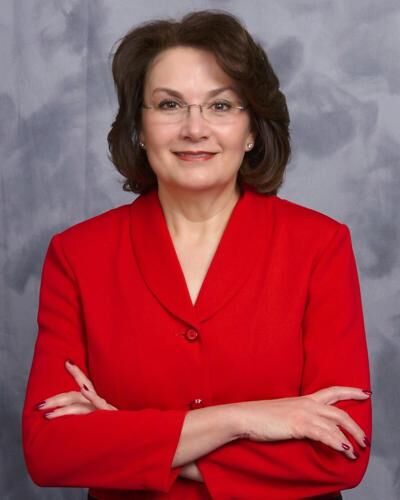
Appeals court rejects former DougCo commissioner’s legal fee claim
Nicholas Fogleman
nicholas.fogleman@denvergazette.com
Updated 2 days ago
The Colorado Court of Appeals rejected a former Douglas County commissioner’s bid for reimbursement of attorney fees she incurred while responding to multiple investigations into her conduct. The dispute stemmed from a 2019 anonymous letter sent to county officials alleging...

Right-to-natural-gas proposal in Colorado qualifies for ballot
Marissa Ventrelli
marissa.ventrelli@coloradopolitics.com
Updated 2 days ago
A citizen initiative that seeks to enshrine the right to natural gas has qualified for the November ballot, Colorado’s election office confirmed on Thursday. Petitions containing signatures for Initiative No. 177 were turned in to the Secretary of State’s Office for review...
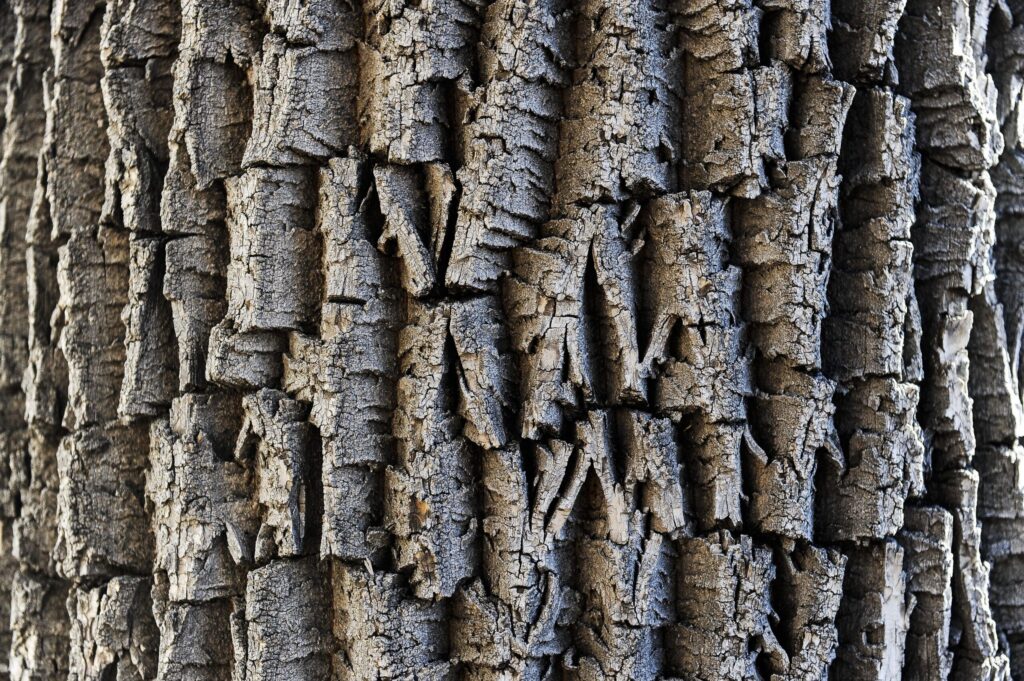
Emerald ash borer confirmed in Colorado Springs, ‘pest is here to stay’
Brennen Kauffman
brennen-kauffman@coloradopolitics.com
Updated 3 days ago
Colorado Springs is asking residents to be on the lookout for an invasive beetle species that has jumped down the Front Range and into local ash trees. City officials said Wednesday that a confirmed emerald ash borer infestation had been...
PREV
PREVIOUS

Colorado's rulers save democracy from the voters | Jon Caldara
Another week, another column about Colorado’s ruling class treating democracy like a state trooper treats the speed limit. It’s for other people. I swear, I want to write about literally anything else — aliens, sports, lab-grown meat, Bigfoot opening a vape shop in Pueblo. But Colorado’s legislature has never been more abusive to the citizenry […]

The community-less, hyper-online citizen is a threat to democracy | Miller Hudson
Robert Putnam, a political scientist and sociologist, first came to widespread public attention with his turn-of-the-century tome, “Bowling Alone: The Collapse and Revival of American Community.” There has been frequent debate regarding whether Putnam, who taught for several decades at Harvard’s Kennedy School of Government, is a conservative or liberal. Occasionally mistaken for unquestioned right-winger […]