

Ron Hanks, Scott Bottoms sue to stop Colorado’s unaffiliated voters from participating in June primary
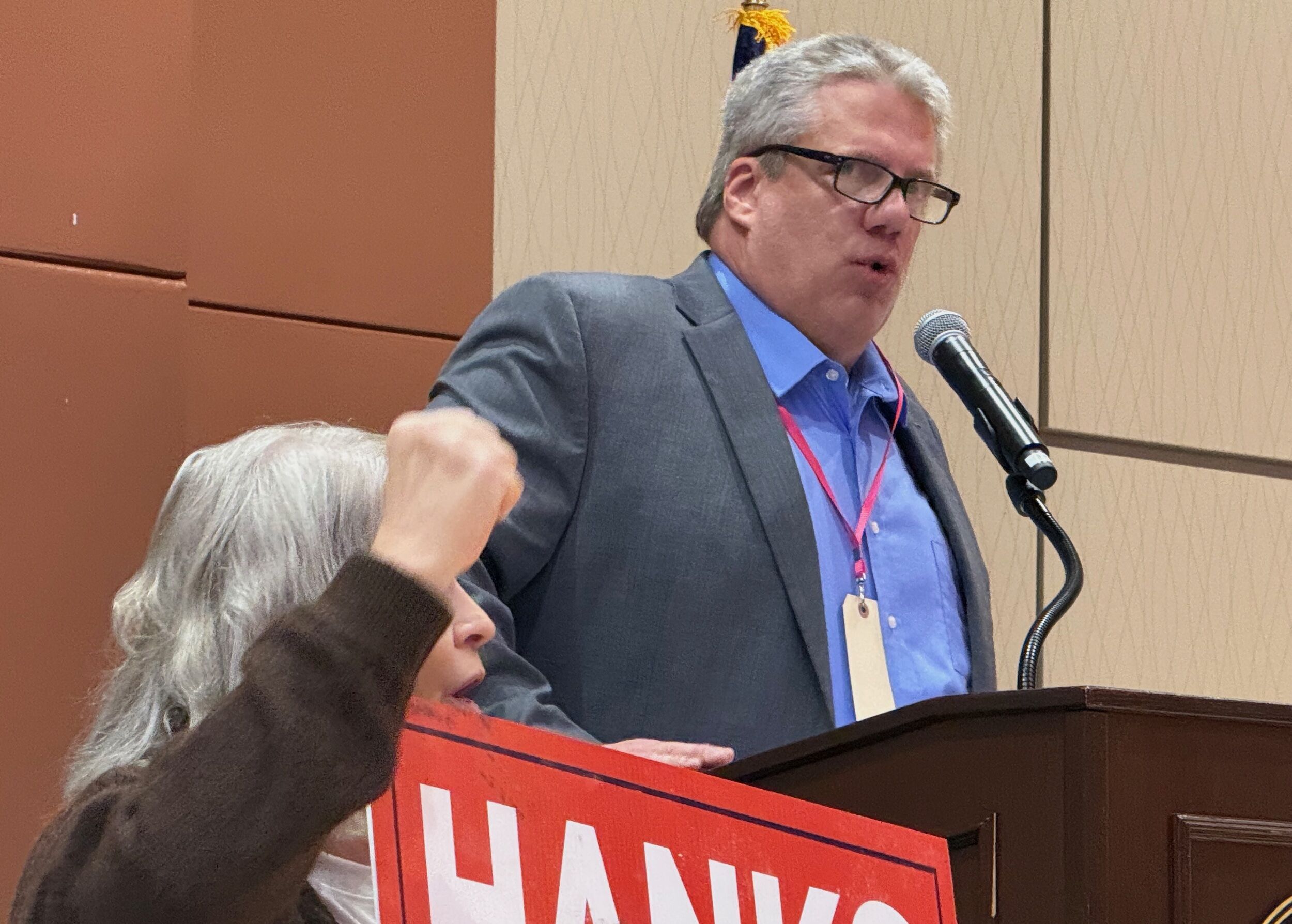
Three Republican candidates in Colorado filed a lawsuit in Denver District Court this week seeking to prevent unaffiliated voters from participating in next month’s primary, arguing that the state’s semi-open primary system violates their constitutional rights by forcing Republicans to let outsiders help choose the party’s nominees.
Ron Hanks, Scott Bottoms and David Willson are asking the court to grant a preliminary injunction barring state election officials from mailing primary ballots to unaffiliated voters for the June 30 election. They’re also asking the judge to declare the voter-approved law establishing Colorado’s primary system unconstitutional.
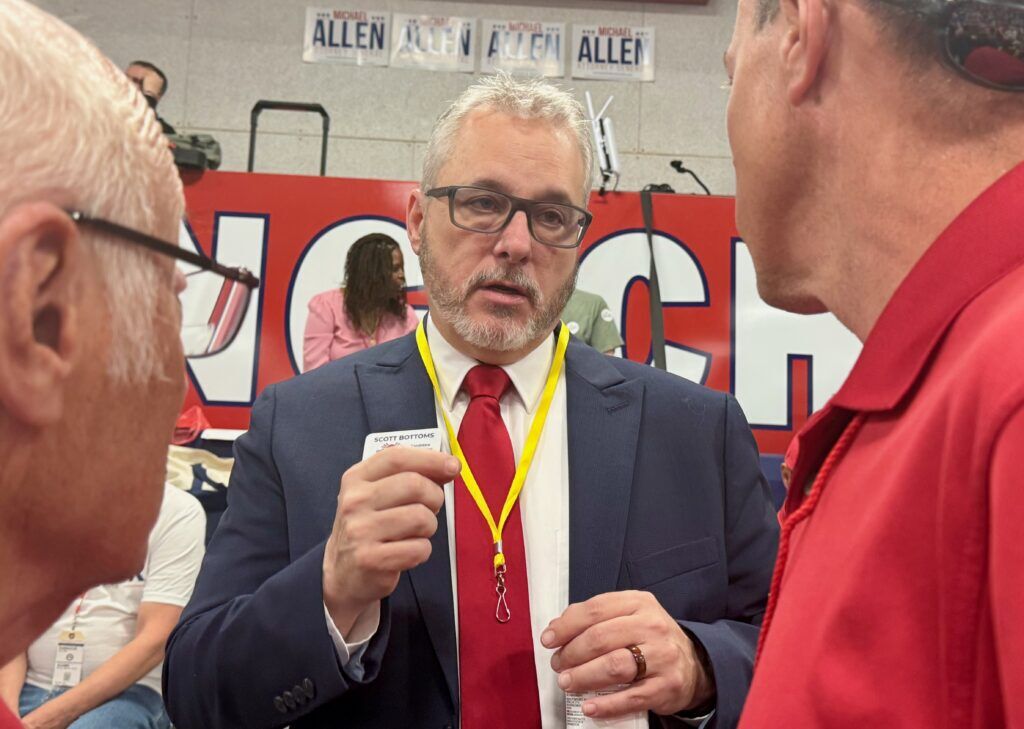
Hanks, a former legislator, is challenging Republican U.S. Rep. Jeff Hurd in the 3rd Congressional District, while Bottoms, a state representative from Colorado Springs, is one of three GOP candidates for governor, and Willson is running in a two-way primary for attorney general.
They argue in a lawsuit filed by Denver attorney Gary Fielder that forcing candidates to seek their party’s nomination through the state’s semi-open primary system violates the candidates’ First Amendment right of freedom of association and the Equal Protection Clause of the 14th Amendment, as well as parallel protections enshrined in the state constitution.
Secretary of State Jena Griswold, the state’s top election official, and Gov. Jared Polis, both Democrats, are named as defendants.
A spokesman for Polis called it “concerning” that the candidates want to prohibit voters from casting ballots in an emailed statement to Colorado Politics.
“Our democracy works best when we have more participation, not less, and it’s concerning that these candidates are trying to exclude voters from participating in elections,” Polis spokesman Eric Maruyama said.
The lawsuit is separate from a years-long attempt by the Colorado Republican Party to overturn the state’s primary system in federal court, though the new lawsuit cites a recent decision in the federal case as a basis for its arguments.
Late last month, a federal judge denied the state GOP’s request to halt unaffiliated voters’ participation in this year’s Republican primary, ruling in part that altering the balloting system just weeks before the primary would confuse voters and violate a longstanding doctrine that cautions courts against changing election rules “on the eve of an election.”
Denver District Court Judge Jon Jay Olafson this week set a hearing on the new lawsuit’s request for an injunction for May 14, only days before the May 16 deadline for county clerks to send primary ballots to military and overseas voters. The bulk of Colorado voters are scheduled to start receiving their ballots starting on June 8.
Griswold, who has opposed the GOP’s efforts to challenge the primary system, told Colorado Politics that she anticipates that this year’s primary will proceed as the law intends.
“A similar effort from the Republican Party failed in Federal Court just last week,” Griswold said in an emailed statement. “We expect that this will fail, too. The content of the June primary ballot is certified, and unaffiliated voters should be able to make their voices heard in accordance with Colorado law.”
Under the state’s system, established when voters approved Proposition 108 in 2016, unaffiliated voters receive both a Democratic and a Republican primary ballot but can only vote one of them. Unaffiliated voters make up just over 50% of the state’s roughly 4 million active, registered voters, according to the most recent voter registration statistics.
Allowing unaffiliated voters to cast ballots in their primaries, the Republican candidates insist, will lead to “concrete and particularized injuries” by costing their campaigns more money to reach a larger electorate, diluting Republican votes and “(compelling) unwanted association with non-members in the party’s nomination process.”
“These harms are not hypothetical,” the candidates argue. “Absent injunctive relief, Plaintiffs will suffer the very same dilution, increased costs, and outcome-altering effects in the upcoming 2026 primary election cycle.”
The Republican candidates also maintain that a statistical analysis proves that unaffiliated voters have “repeatedly and materially” swung the results in multiple primaries, including when Hanks lost the 2022 U.S. Senate primary and again when he finished behind Hanks in the 2024 congressional primary.
“For years, we have watched unaffiliated voters change the outcomes of Republican primaries — as indicated by the scientific analysis submitted with this filing,” Hanks said in a statement. “That analysis includes my 2022 and 2024 efforts, but it also includes Democrat races that were impacted by unaffiliated voters in their primaries.”
Some of the Republicans who are facing the three candidates suing to close the GOP primary said they’re focused on winning elections.
“This issue has already been litigated and ruled against in court. Bringing it back now is nothing more than a distraction that wastes taxpayer dollars on a fight that has already been settled,” said state Sen. Barb Kirkmeyer, a GOP candidate for governor.
“If Republicans want to win Colorado back, we should be focused on growing the party and welcoming unaffiliated voters into the movement, not pushing them away to vote for Democrats,” she added.
District Attorney Michael Allen, the elected prosecutor in the 4th Judicial District and a candidate for attorney general, said his focus is on solving problems.
“I am laser-focused on the serious problems we face here in Colorado, problems like out of control crime and a soaring cost of living,” Allen said in an emailed statement. “Fixing the mess we’re in starts with winning elections and I am encouraged by the overwhelming support we’ve received from people all over this great state.”

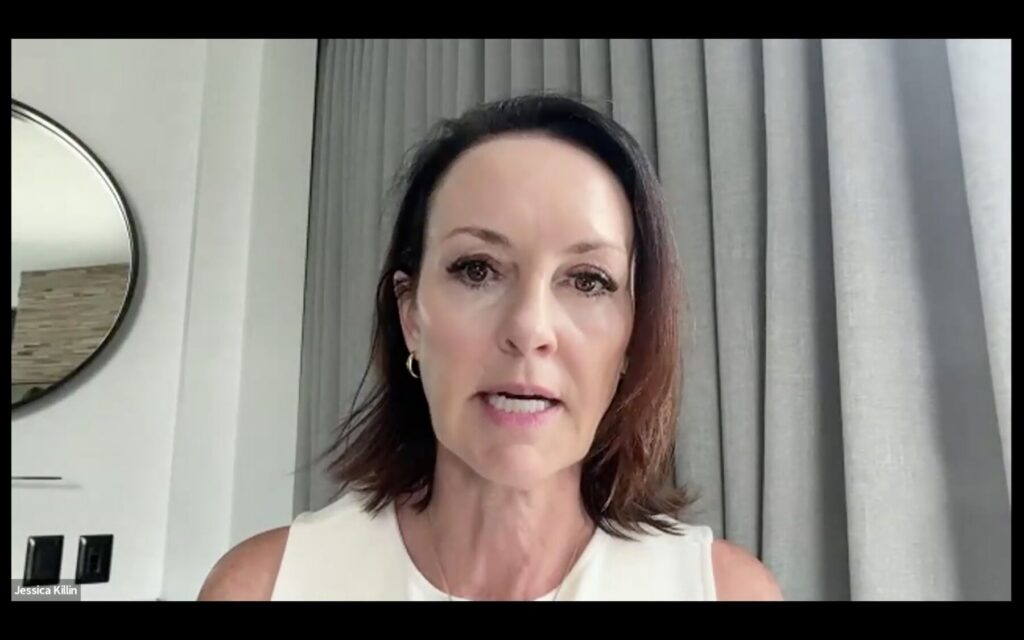
Crank challenger Jessica Killin signs on to new centrist Democratic group’s ‘Promise to America’
Ernest Luning
ernest.luning@coloradopolitics.com
Updated 20 hours ago
Jessica Killin, one of the Democrats running in Tuesday’s primary for the chance to challenge U.S. Rep. Jeff Crank in Colorado’s 5th Congressional District, joined with more than a dozen incumbent Democratic lawmakers and candidates this week signing on to...
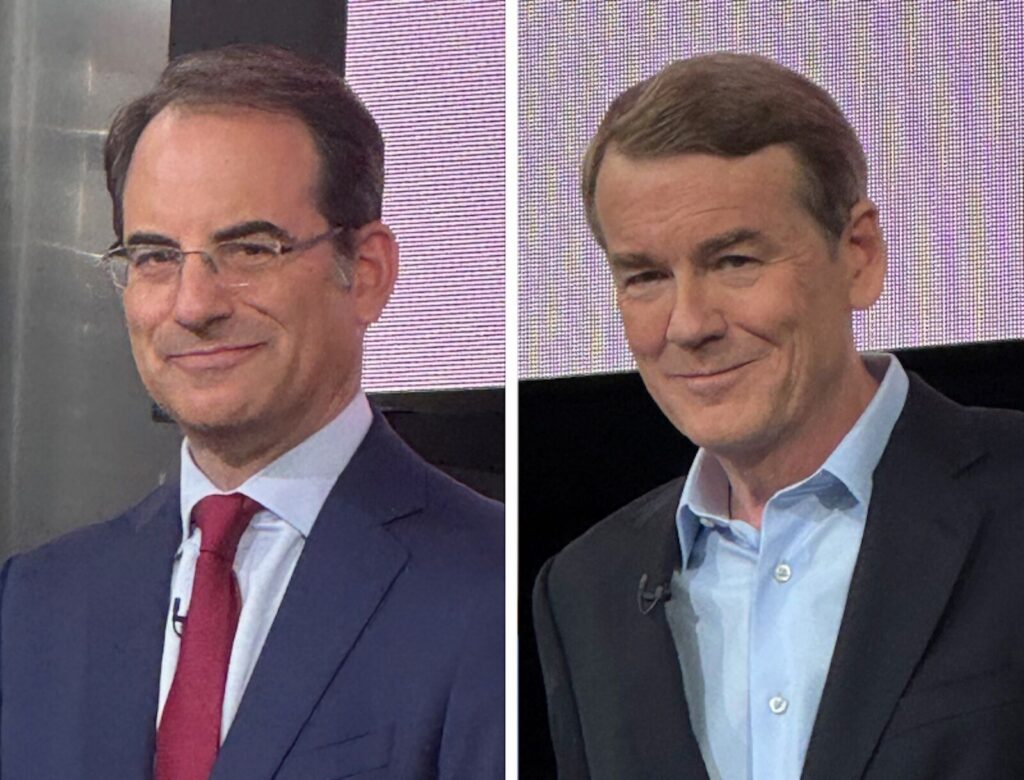
Phil Weiser leading Michael Bennet in Colorado’s Democratic gubernatorial primary, internal poll finds
Ernest Luning
ernest.luning@coloradopolitics.com
Updated 4 days ago
Attorney General Phil Weiser holds a lead over U.S. Sen. Michael Bennet among likely voters less than a week before ballots are due in Colorado’s Democratic gubernatorial primary, according to a new poll released Thursday by a group backing Weiser....
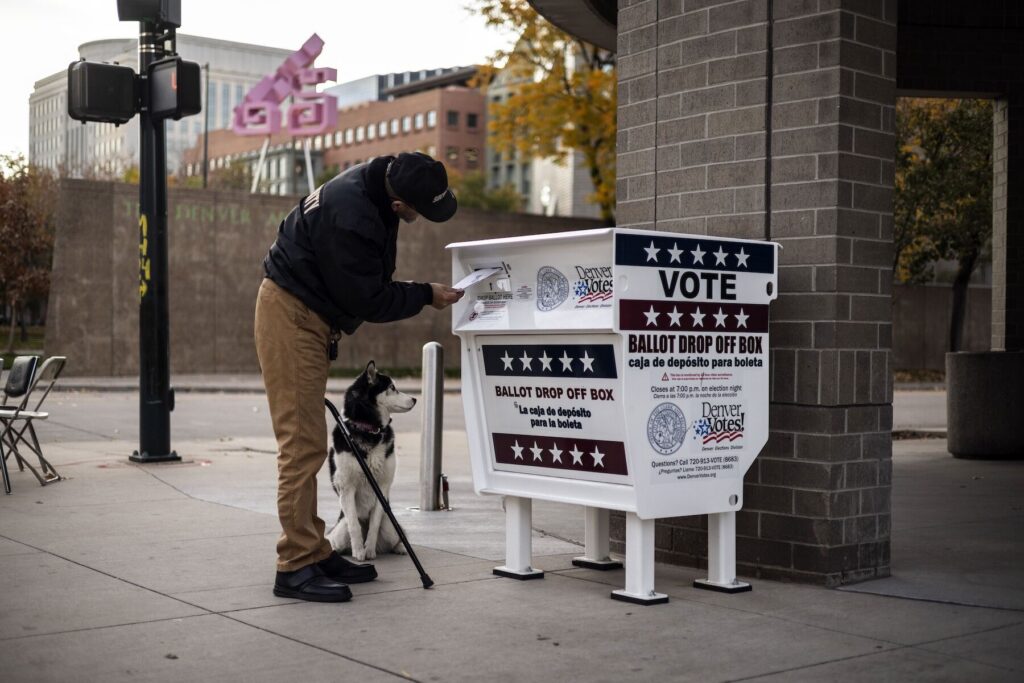
Colorado’s primary turnout tops 10% as election officials warn it’s too late to mail ballots
Ernest Luning
ernest.luning@coloradopolitics.com
Updated 6 days ago
Colorado election officials cautioned on Tuesday that it’s too late to mail ballots for the June 30 primary and urged voters to use drop boxes and their county’s voting centers instead. Secretary of State Jena Griswold said in a release...
Rep. Jeff Crank thinks Democrats are too focused on Trump, not enough on Colorado Springs | Vince Bzdek
Vince Bzdek
vince.bzdek@gazette.com
Updated 1 week ago
For U.S. Rep. Jeff Crank, who’s unopposed in the Republican primary for the 5th Congressional District but the main target of both candidates in the lively Democratic primary, the big question in the midterms is not who will stand up...
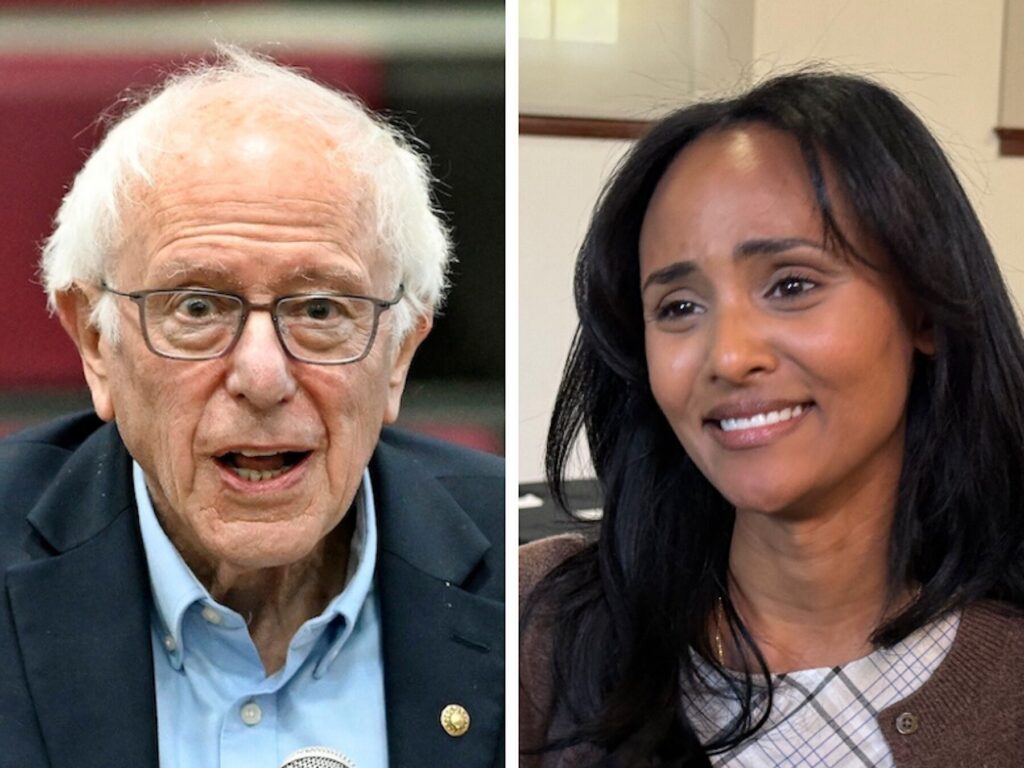
Bernie Sanders endorses DeGette challenger Melat Kiros in Colorado’s 1st CD Democratic primary
Ernest Luning
ernest.luning@coloradopolitics.com
Updated 2 weeks ago
U.S. Sen. Bernie Sanders on Friday endorsed congressional candidate Melat Kiros, one of two Democrats challenging 15-term U.S. Rep. Diana DeGette in Colorado’s June primary. Sanders, a Vermont independent who caucuses with the Democrats, called the 29-year-old Kiros “exactly the...
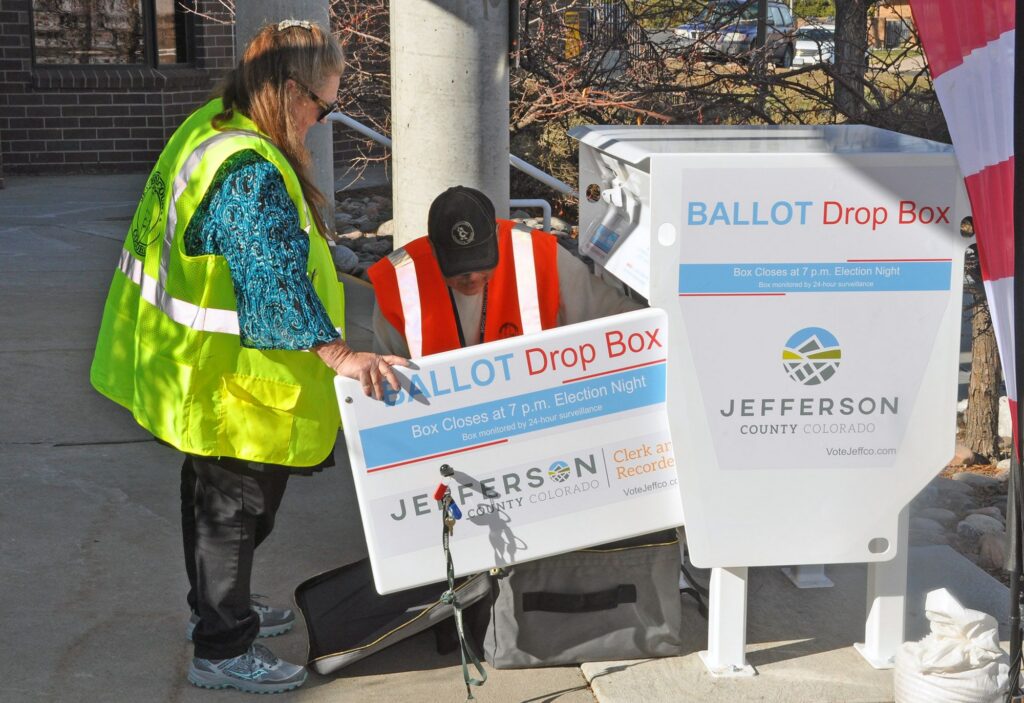
Democratic ballots outpace Republicans’ as Colorado’s primary vote starts to trickle in
Ernest Luning
ernest.luning@coloradopolitics.com
Updated 2 weeks ago
With less than two weeks left before ballots are due in Colorado’s primary election, election officials have logged in ballots from just under 6% of the state’s 4 million active, registered voters, the Colorado Secretary of State’s Office said Thursday....
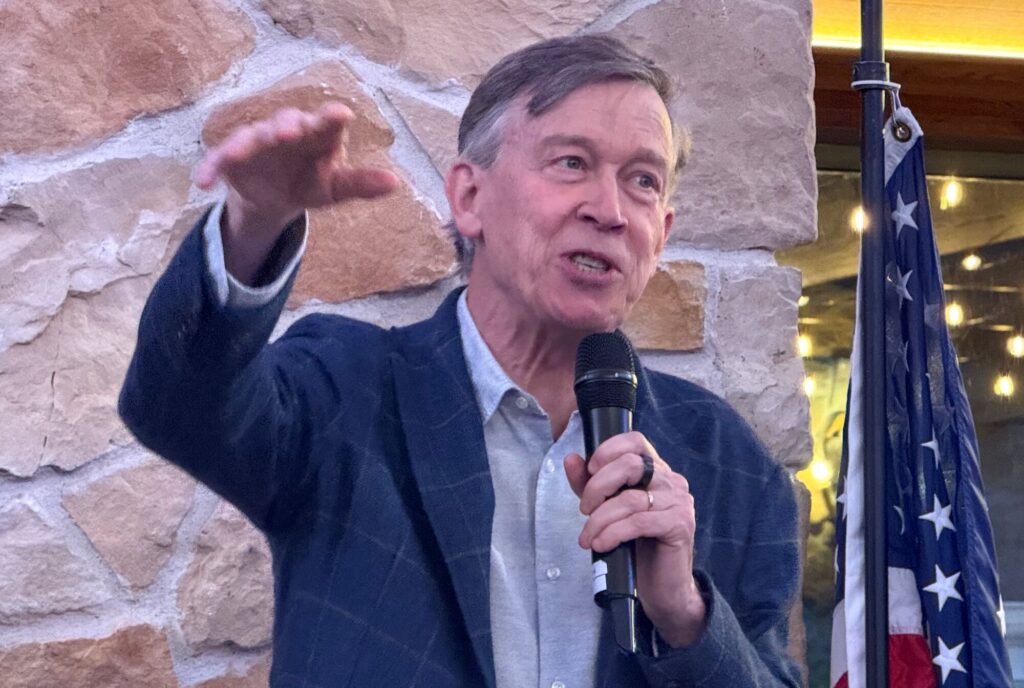
Hickenlooper raises $900K since April, heads into primary with almost $3 million on hand
Ernest Luning
ernest.luning@coloradopolitics.com
Updated 2 weeks ago
U.S. Sen. John Hickenlooper raised just over $900,000 for his reelection bid in the 10-week pre-primary reporting period, the Colorado Democrat’s campaign said Wednesday. The campaign finished the period with almost $3 million in the bank, with more than 80%...
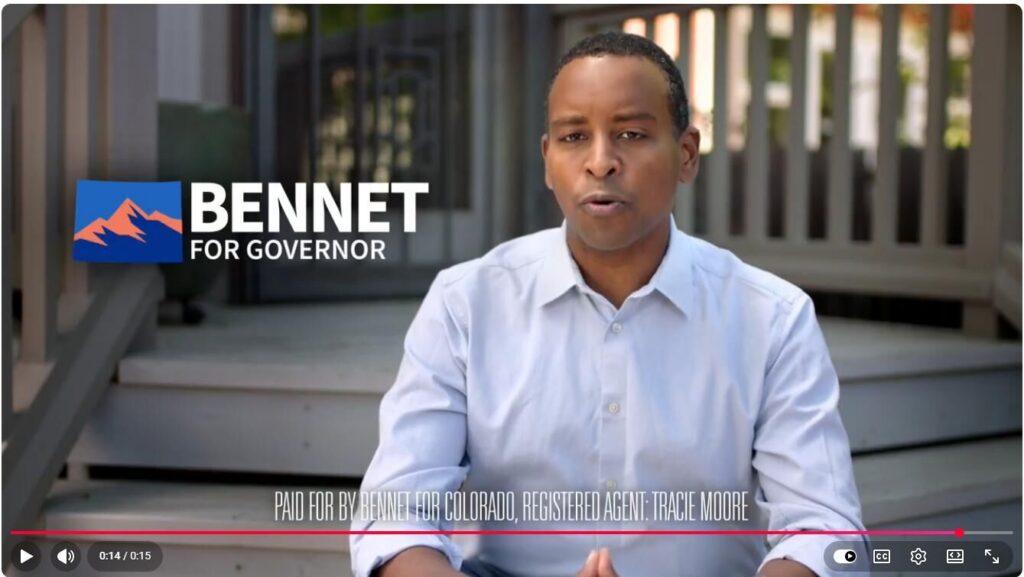
Bennet’s gubernatorial ads say U.S. Senate committee paid for them
Marianne Goodland
marianne.goodland@coloradopolitics.com
Updated 2 weeks ago
Update: as of Wednesday morning, at least one of the ads, featuring Colorado’s Democratic congressional delegation, has been changed to include the disclaimer “paid for by Bennet for Governor.” A series of TV commercials for U.S. Sen. Michael Bennet’s gubernatorial...
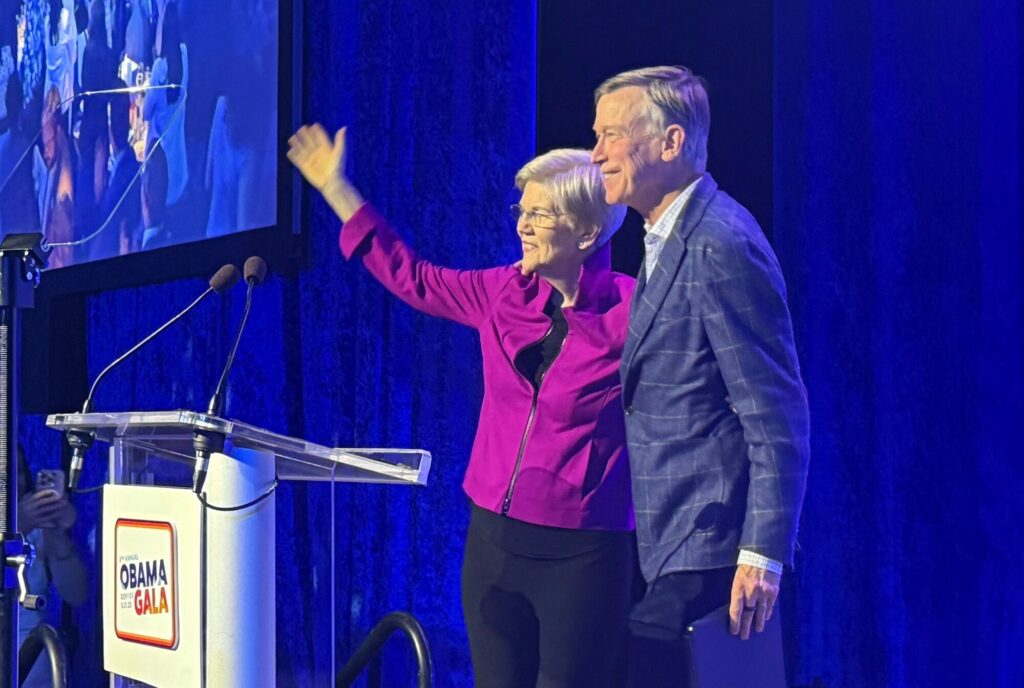
Hickenlooper lands endorsements from Elizabeth Warren, Ministerial Alliance in US Senate primary
Ernest Luning
ernest.luning@coloradopolitics.com
Updated 3 weeks ago
U.S. Sen. John Hickenlooper won endorsements this week from a progressive Democratic colleague and a coalition of metro-area African American faith leaders as voting began in Colorado’s primary election. U.S. Sen. Elizabeth Warren of Massachusetts and the Greater Metro Denver...
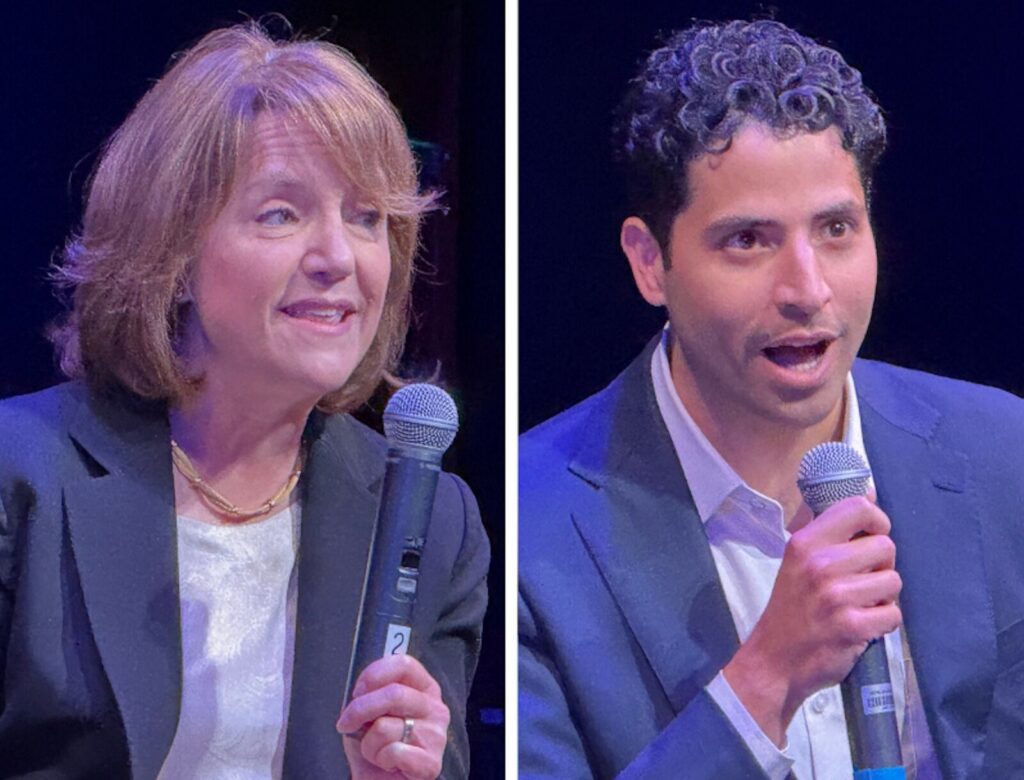
Sparks fly in debate between Democrats in Colorado’s 8th CD primary
Ernest Luning
ernest.luning@coloradopolitics.com
Updated 3 weeks ago
The two Democrats running for the chance to take on the Republican incumbent in Colorado’s most competitive congressional district traded blows during a feisty televised debate Monday night, sparring over their approaches to reining in the Trump administration’s immigration policies...
PREV
PREVIOUS
It's almost Sine Die and it can't come soon enough | Capitol M | Week of May 9, 2026
The lighter side of the state Capitol, usually. At first, May the Fourth might have been a bit of a disappointment. Usually, there’s a lot of Star Wars foolishness on this particular day, but early on, it was low-key. The Senate had nothing. But the House stepped it up, with Rep. Jenny Willford donning the […]

As fuel costs rise further, Coloradans may see impacts beyond the pump
With the price of gas rising with no end in sight, many Coloradans first thought will be about how much more they are spending at the pumps. But rising costs may soon spread to more than just gas, and can have a more all-around impact on your wallet, as spiking diesel prices could lead to […]