

Colorado mosquitos test positive for West Nile virus

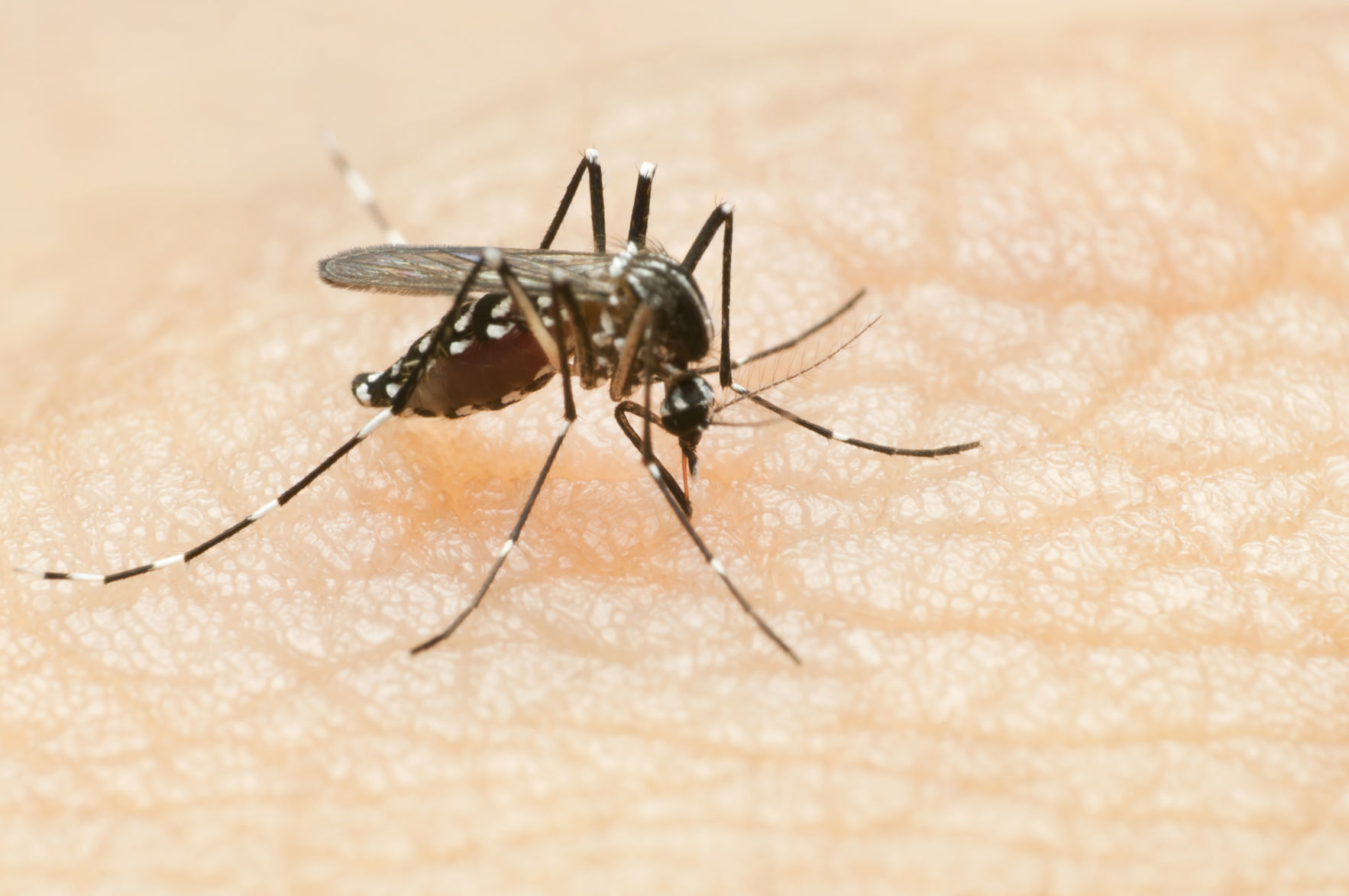
Mosquitos collected in Weld County tested positive for the West Nile Virus, according to the Colorado Department of Public Health and Environment on Thursday, marking the first confirmed case of the disease so far this season statewide, the department reported.
The infected mosquitos were discovered during a weekly mosquito testing for West Nile virus that began in June, and after heavy rains and severe thunderstorms dumped precipitation into the area last week.
West Nile Virus is a mosquito-borne disease that is most commonly spread by the bite of an infected mosquito, the CDPHE said.
Symptoms of the disease can vary, the state health department said.
“Most people infected with West Nile virus don’t have symptoms. About 20% of infected people will have flu-like symptoms, and fewer than 1% develop a serious, potentially deadly illness,” the department said in a release.
According to the Centers for Disease Control and Prevention, around one in five people who have been infected with the virus develop the West Nile fever.
Last year, 35 people in Colorado contracted the virus and one died.
To prevent contracting the virus, the state health department said that people should drain standing water in and around their homes, dress in pants and long sleeves, avoid going outside at dawn or dusk — which are prime hours for mosquitos — and use insect repellant with a minimum DEET content of 25%.
The announcement about the virus-positive mosquitos came just before Gov. Jared Polis ended the public health order on Thursday that began the state’s emergency response to the COVID-19 pandemic.
Older adults are the most vulnerable populations for both the West Nile virus and COVID-19, according to the Centers for Disease Control and Prevention. However, El Paso County public health officials said that the confluence of the two viruses in Colorado shouldn’t worry residents too much.
“Many viruses circulate within Colorado on a routine basis. A lifestyle of keeping ourselves healthy with good food, plenty of rest, exercise and healthy relationships decreases our vulnerability to outside stress and health risks that may emerge,” they said. “What’s important to know is which prevention methods can assist in limiting infection and transmission.”

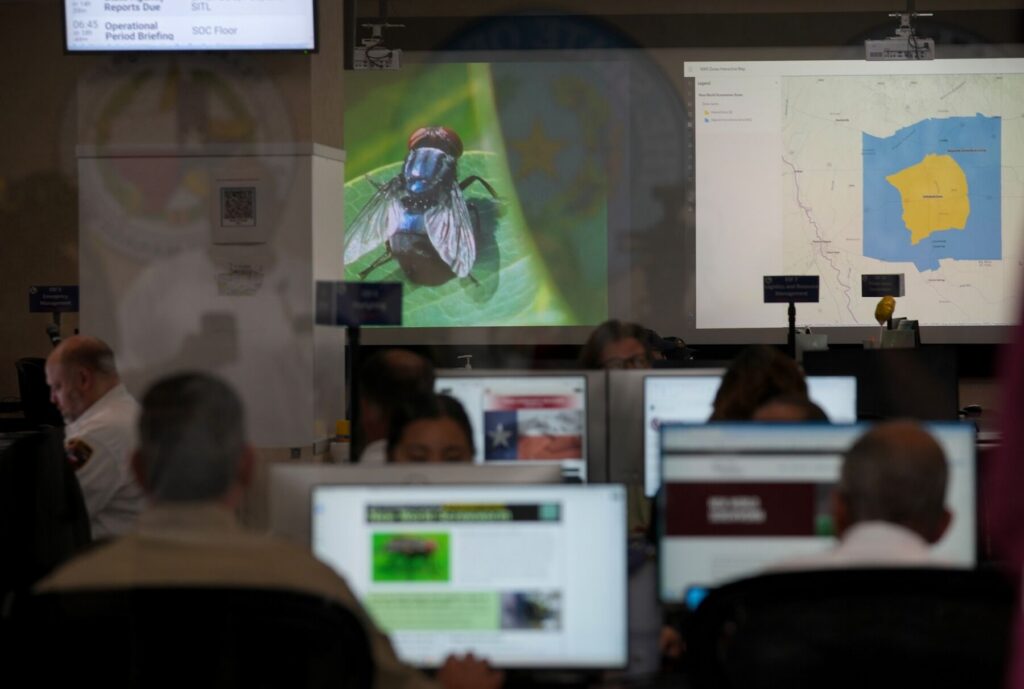
Flesh-eating cattle parasite spreads beyond Texas as new screwworm cases found | OUT WEST ROUNDUP
The Associated Press
the-associated-press@coloradopolitics.com
Updated 3 days ago
NEW MEXICO Screwworm spreads beyond Texas Three more cases of the New World screwworm have been confirmed, including one found in a dog in New Mexico, outside the main cluster in Texas, demonstrating the difficulty of stopping a resurgent pest...
Michael Dougherty is literally running for attorney general in Colorado Democrat’s 1st TV ad
Ernest Luning
ernest.luning@coloradopolitics.com
Updated 1 day ago
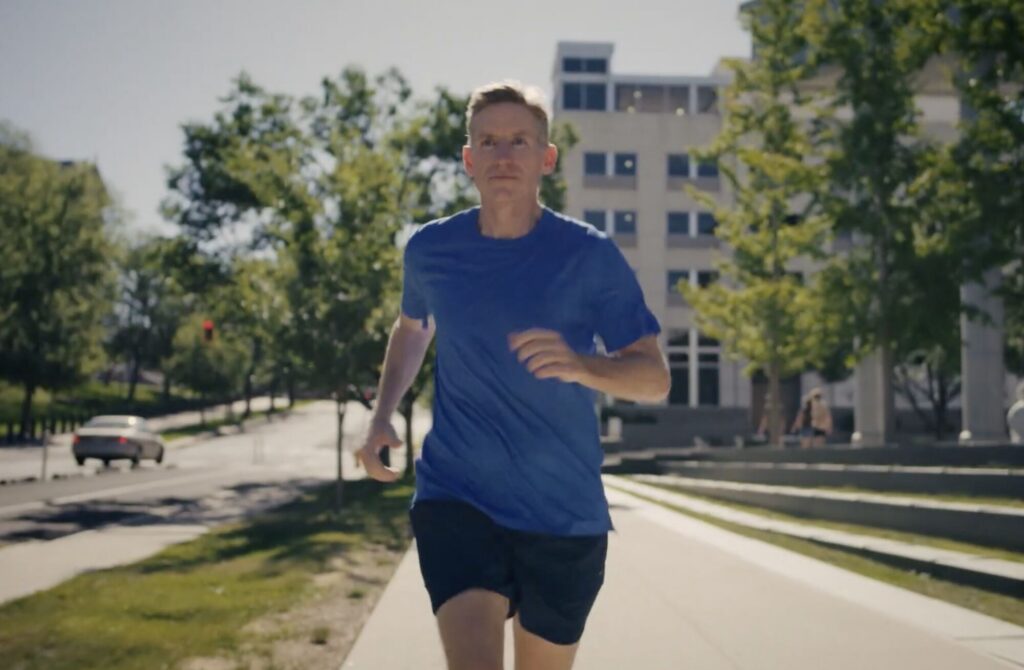
Democratic attorney general candidate Michael Dougherty, the Boulder County district attorney, runs laps around the judicial complex in Denver that houses the office he’s seeking in a TV ad released Friday that includes a subtle dig at one of his...
Group aims to add right to hunt and fish to Colorado Constitution
Marissa Ventrelli
marissa.ventrelli@coloradopolitics.com
Updated 23 hours ago
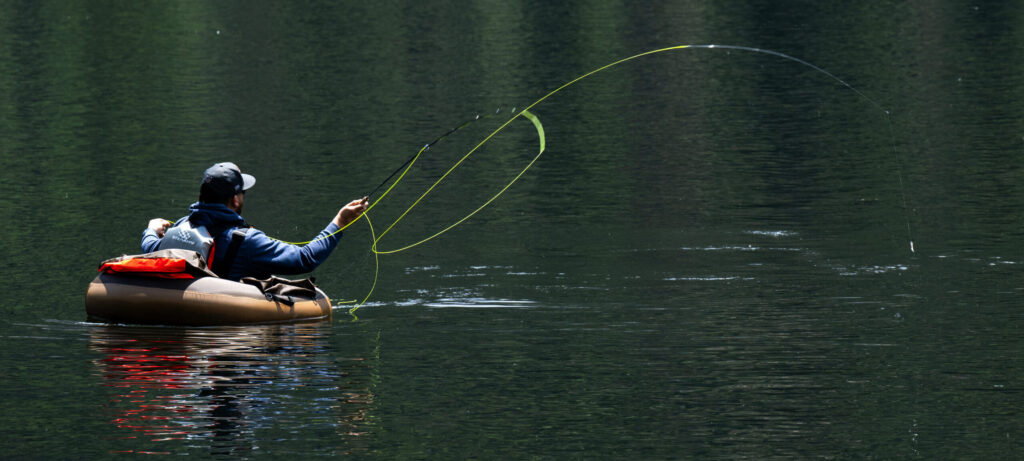
A group is seeking to make Colorado the 25th state in the nation with an established constitutional right to hunting and fishing through a proposed ballot initiative. Backed by the International Order of T. Roosevelt, a group dedicated to preserving...

Colorado Politics Calendar June 15-21
Rachael Wright, Special to Colorado Politics
rachael.wright@coloradopolitics.com
Updated 4 days ago
CoPo’s weekly political calendar helps you find political and public policy events throughout Colorado. It includes candidate and issue campaign events, public policy meetings, court hearings, state and local party conventions, assemblies, debates, rallies, parades, speaking engagements, traveling dignitary appearances,...

A primary brings out primal instincts | SONDERMANN
Eric Sondermann
eric-sondermann@coloradopolitics.com
Updated 3 days ago
There are no Stanley Cup finals or NBA title showdowns involving local teams this June. In their place, we are inundated with primary election campaign ads. Coloradans can be excused for missing the diversion and alternate programming. But life can...

Dem-GOP tension dominates 1,000-bill legislative session | A LOOK BACK
Rachael Wright, Special to Colorado Politics
rachael.wright@coloradopolitics.com
Updated 3 days ago
Forty-Five Years Ago This Week: “I can honestly say that until now, we got along well with the governor’s office,” said House Minority Leader Federico Peña, D-Denver. “We visited frequently with the staff. And you didn’t see certain legislators speaking...

Hickenlooper lands endorsements from Elizabeth Warren, Ministerial Alliance in US Senate primary
Ernest Luning
ernest.luning@coloradopolitics.com
Updated 2 days ago
U.S. Sen. John Hickenlooper won endorsements this week from a progressive Democratic colleague and a coalition of metro-area African American faith leaders as voting began in Colorado’s primary election. U.S. Sen. Elizabeth Warren of Massachusetts and the Greater Metro Denver...
Colorado justices say insurers may access policyholders’ medical info in denied-benefits litigation
Michael Karlik
michael.karlik@coloradopolitics.com
Updated 2 hours ago
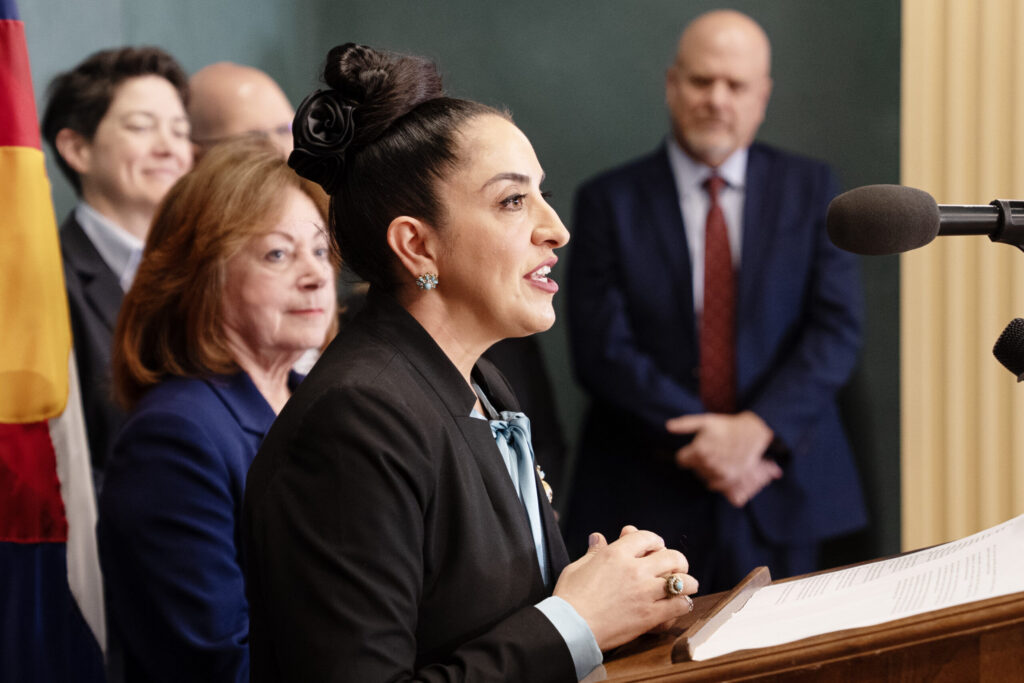
The Colorado Supreme Court declined on Monday to expand its narrow prohibition on insurance companies accessing policyholders’ medical information, clarifying that a dispute over an insurer’s bad-faith decision to deny benefits is the only situation where a company is limited...

House District 14: Businesswoman, consultant square off in GOP primary
Mary Shinn
mary-shinn@coloradopolitics.com
Updated 2 days ago
Firearms training company owner Ava Flanell will face Troy Vanderhule, the chief fundraising officer for Dobson Philanthropic, in the June 30 Republican primary for state House District 14, an area in northern Colorado Springs. Flanell was appointed to the seat...
Federal judge wants Todd Blanche to swear in writing anti-weaponization fund won’t be revived
Jack Birle, Washington Examiner
jack.birle.washington.examiner@gazetteedit.wpenginepowered.com
Updated 2 days ago
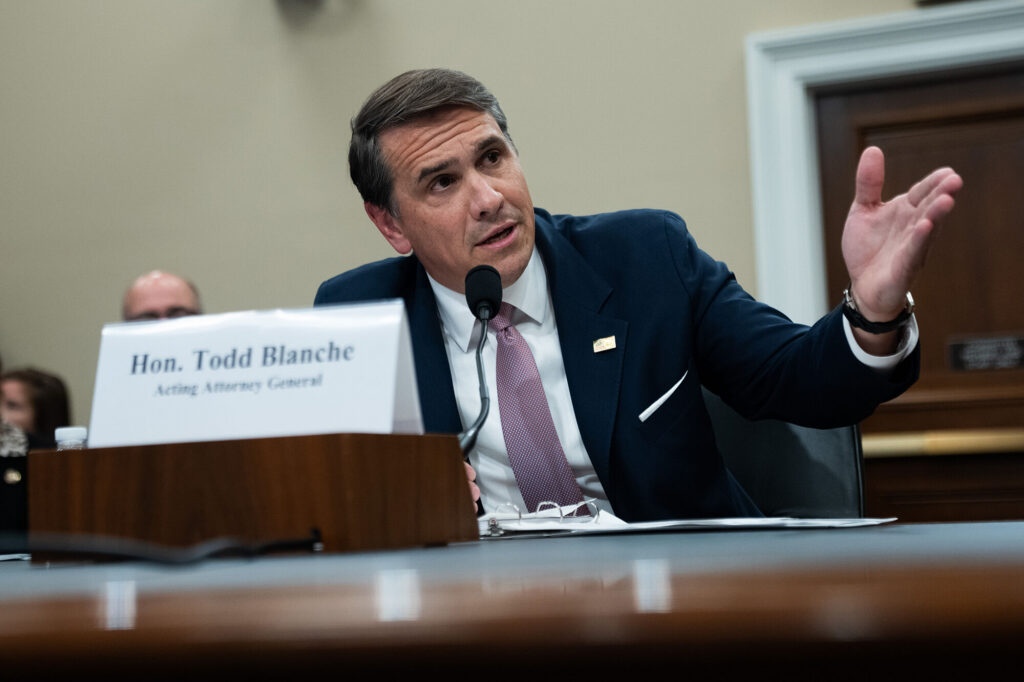
A federal judge maintained a block on the Department of Justice’s $1.776 billion anti-weaponization fund Friday, despite the DOJ claiming they have abandoned the planned fund aimed at compensating allies of President Donald Trump and others who say they were politically targeted by...
PREV
PREVIOUS
Voluntary fishing ban issued near Gunnison
Colorado Parks and Wildlife have enacted a second voluntary fishing ban because of low flows and warm temperatures caused by drought in the western part of the state. Anglers are being asked to not fish in a four-mile section of Tomichi Creek that runs through Tomichi Creek State Wildlife Area, just east of Gunnison, in […]

Appeals court finds no First Amendment violation in restricting sex offenders' Internet access
It does not violate the First Amendment for a court to impose broad restrictions on a sex offender’s use of the Internet and social media during his sentence, the Court of Appeals decided on Thursday. A three-judge appellate panel rejected the claims of Christopher David Landis that such limitations violated Colorado law, as well as […]