

Group submits signatures for proposed Colorado graduated income tax

The measure, which eliminates Colorado’s flat tax, is expected to raise $2 billion in new revenue
The proposal to amend the Colorado constitution to change the state’s flat rate into a graduated income tax came in under the wire Monday, the deadline for groups to turn in petition signatures for November’s ballot, setting up a high-stakes battle over revenue.
Backers of the graduated tax proposal — which would marginally decrease the tax liability for the lower ends of the new bracket, while raising taxes for others — turned in 157,000 signatures with about an hour to go before the 5 p.m. deadline.
The proposal, if approved at the ballot box, is expected to generate $2 billion more in tax revenue for the state.
Dozens of volunteers and coalition members walked the three blocks from the offices of the Bell Policy Center to the Secretary of State’s office, waving signs and chanting campaign messages, as they delivered the 60 boxes of petitions.
Ballot measures need 124,238 valid signatures to qualify for the ballot, though constitutional amendments face an additional requirement. Election officials still need to determine if the measure has met the signature threshold in order to appear on the November ballot.
Initiative No. 195 would set up a six-tier structure for state income taxes. Those earning between $100,000 and $500,000 annually would see no increase in their taxes, while those making under $100,000 annually would see a small decrease.
| Income $0-$25,000 | 3.7% |
| $25,001 to $100,000 | 4.2% |
| $100,001 to $500,000 | 4.4% (state’s current tax rate) |
| $500,001 to $750,000 | 7.4% |
| $750,001 to $1,000,000 | 7.9% |
| $1,000,001 and above | 8.4% |
For taxpayers who earn at least $500,000, their tax liabilities would jump. And those who get $1 million or more would see their tax rate nearly double.
The additional revenue generated, which the Bell Policy Center estimates at about $2 billion per year, would go toward public K-12 education, healthcare and child care.
Because it’s a constitutional measure, the petitions must have valid signatures from 2% of registered voters in each of Colorado’s 35 state Senate districts.
In a statement Monday, Protect Colorado’s Future, the coalition backing No. 195, said the measure would cut taxes for 97% of Coloradans.
Those making over $500,000 would pay a higher tax rate, at a time “when the state has been struggling to overcome the double whammy of federal tax cuts that enrich the wealthy and stranglehold that TABOR has had on Colorado’s budget since its passage in 1992,” the coalition said.
Without the graduated income tax, “Colorado likely will have to take more money out of your neighborhood schools, cut healthcare and continue being unable to invest in affordable childcare so parents can work,” the coalition added.
“Every signature represents a Coloradan who believes our tax system can be fairer,” said Kathy White, executive director of the Colorado Fiscal Institute and a steering committee member of the coalition pushing the tax hike. “No matter what happens at the ballot or before, thousands of people have laid the groundwork for a future where working people pay less and the wealthiest pay their fair share. None of these hours, conversations or miles were for nothing. They showed what we can build when we work together.”
Last month, the group behind a competing ballot measure aiming to cap the state’s income tax at the current rate submitted signatures to election officials for review, part of the tug and pull in Colorado between opposing political forces fighting over state revenue.
That fight is taking shape as the contending sides push their diametrically opposed ballot measures. One side has long sought to raise more revenue, arguing what the state collects is insufficient to pay for services and programs. The other side counters that a flat tax is fair to everyone, producing sufficient revenue for state spending, and what policymakers need is fiscal discipline.
Backed by Advance Colorado, the competing Initiative No. 232 would cap Colorado’s individual and corporate income tax rate at 4.4%. That rate has been in place since 2022. The group said it submitted 190,000 signatures to the Secretary of State’s Office. The proposal needs about 124,000 valid signatures to appear on the ballot.
“This is a clear counter to the far left’s attempt to hike taxes in Colorado, price people out of the state we love, and drive business out. We’ll always fight to protect TABOR and keep our taxes low,” Michael Fields, executive director of Advance Colorado, said in a statement.
Colorado is one of 15 states with a flat income tax rate, meaning all taxpayers pay the same percentage of their income regardless of how much they make.
If both measures receive a passing vote this November, the measure with the higher number of votes, even just by one, would become the controlling law.
The coalition behind the graduated income tax said about 70% of the signatures were collected by grassroots volunteers, with the remainder collected by paid petition companies.
The signatures submitted are the lowest number of any ballot measure headed for the November ballot.
Jon Caldara of the Independence Institute, who has years of experience in the petition side of politics, said the norm is to collect 40% to 50% more than what’s required, although some get by with 25% to 35% over the requirement.
At 157,000, that’s just above 25%.
But the real issue could be whether the petitions were able to get signatures in all 35 state Senate districts.
“It’s not an easy thing to do unless you have a lot of money,” Caldara said.
Using volunteers to collect petition signatures could also be less than ideal, he indicated. Volunteers can be error prone due to lack of experience in doing petition work.
The Protect Colorado’s Future coalition’s issue committee has so far raised more than $647,000, with about $246,000 in non-monetary contributions. As of Monday, when the most recent campaign finance reports were filed, the issue committee showed it had paid about $138,000 in July to the petition firm Ground Organizing.
The largest funders to the issue committee included the Bell Policy Center, which gave $100,000; the Colorado Statewide Parent Coalition, Great Education Colorado and Save the Children (all at $50,000 each), the Colorado Fiscal Institute ($25,000), and the New Era Colorado Action Fund ($102,000 in non-monetary contributions).
The Secretary of State’s list of petition entities shows 18 different groups, mostly nonprofits that are not professional petition companies, collecting signatures for Initiative No. 195.
Caldara said he also believes the big money on the left is headed for a different ballot measure: Proposition NN, the ballot measure sent to voters by Democrats in the Colorado General Assembly.
The measure would raise the state’s Taxpayer’s Bill of Rights cap and allow lawmakers to spend the additional revenue — estimated at $4.6 billion — on K-12 public education.
The issue committee spending on that measure, Yes for Colorado Kids, has already raised $970,000, almost entirely from teachers’ unions across Colorado. Because the proposal was referred to the ballot by the legislature, the committee didn’t have to spend any money for petition signatures.


Former Parker police sergeant pleads guilty to unlawful sexual conduct, misconduct charge
Nicholas Fogleman
nicholas.fogleman@denvergazette.com
Updated 11 hours ago
Former Parker Police Department Sgt. Troy Brienzo pleaded guilty Monday to a felony charge of unlawful sexual conduct by a police officer and first-degree official misconduct in Douglas County District Court. Brienzo entered the guilty pleas before Judge Ryan Stuart,...

U.S. News names Saint Joseph best hospital in Colorado, ending University of Colorado Hospital’s 13-year streak
Nico Brambila
nico.brambila@denvergazette.com
Updated 12 hours ago
University of Colorado Hospital is no longer Colorado’s top-ranked hospital for the first time in more than a decade, with Intermountain Health Saint Joseph Hospital taking the No. 1 spot in U.S. News & World Report’s latest rankings. Located on...

Appeals filed to send Project Taurus decision to the Colorado Springs City Council
Brennen Kauffman
brennen-kauffman@coloradopolitics.com
Updated 11 hours ago
At least one appeal has been filed over the proposed large-scale data center in Colorado Springs, sending the final decision to the Colorado Springs City Council. The filing seeks to overturn the Planning Commission’s decision on July 23 to deny...
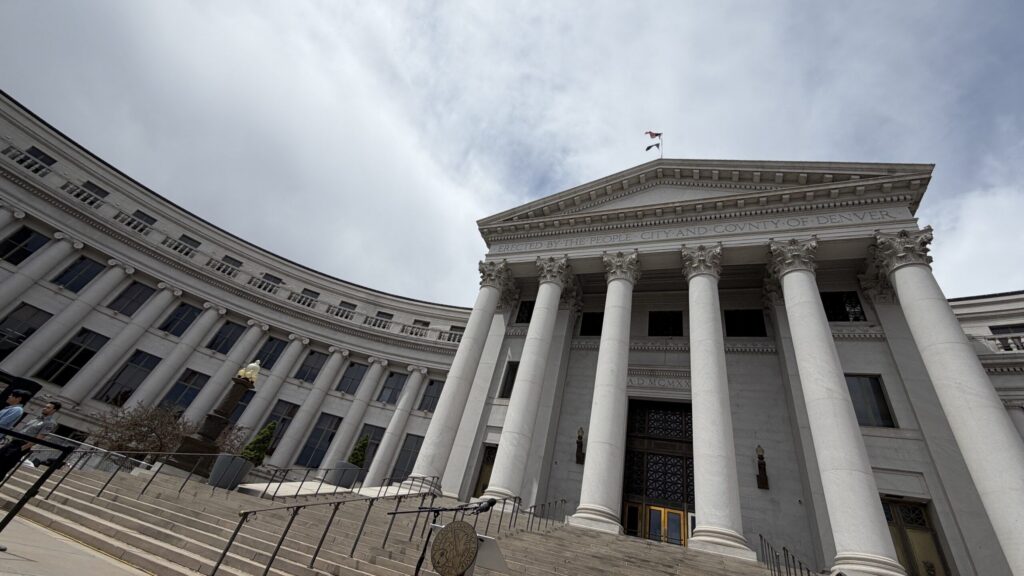
Denver City Council keeps 2 a.m. nightlife cutoff, approves $18 million for George Floyd protest claims
Deborah Grigsby
deborah.smith@denvergazette.com
Updated 12 hours ago
Nightlife establishments will not get a two-hour operating extension after the Denver City Council passed an amended version of a bill that keeps the current 2 a.m. closing time. As originally proposed, venues would have been able to keep music,...

Castle Rock launches Link On Demand rideshare service
Nicholas Fogleman
nicholas.fogleman@denvergazette.com
Updated 11 hours ago
Residents in Castle Rock now have access to Douglas County’s app-based rideshare service Link On Demand. Link On Demand officially began serving Castle Rock Friday, expanding the transportation program which already operates in Highlands Ranch, Lone Tree and select areas...

Aurora police officer charged in Belt-Stubblefield shooting
Kyla Pearce
kyla.pearce@gazette.com
Updated 12 hours ago
The Aurora police officer who shot and killed Rajon Belt-Stubblefield was charged with murder, the 18th Judicial District Attorney’s Office announced Monday morning. A grand jury returned an indictment charging APD Officer Matthew Neely with one count of second-degree murder,...

Tunnel to Towers brings 9/11 steel to Denver
Nicholas Fogleman
nicholas.fogleman@denvergazette.com
Updated 2 days ago
A nationwide tour commemorating the 25th anniversary of 9/11 brought a piece of the World Trade Center to Denver on Saturday as the Tunnel to Towers Foundation hosted a ceremony at the Wings Over the Rockies Air & Space Museum....
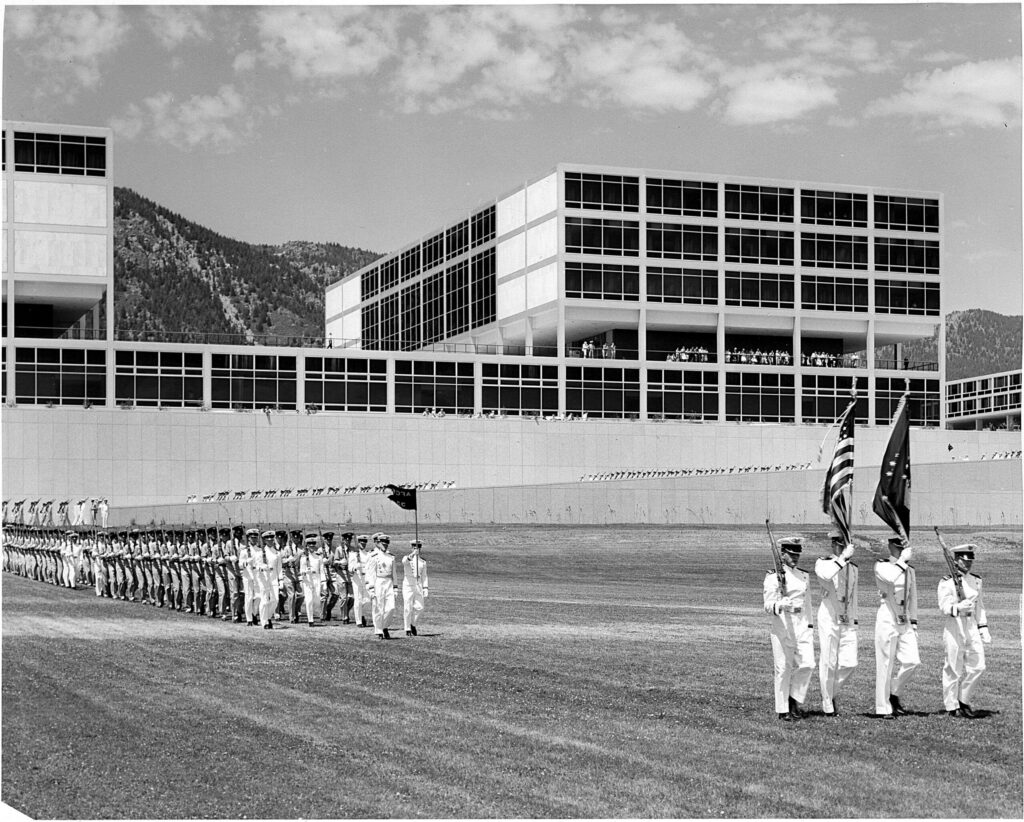
First Air Force Academy class of just 306 cadets started out in WWII barracks, faced high standards
Mary Shinn
mary-shinn@coloradopolitics.com
Updated 2 days ago
When the first class of the Air Force Academy arrived at Lowry Air Force in Denver, they were welcomed with an air show featuring bombers and fighter jets. “Most of us were overwhelmed,” recalled retired Col. Max Miller, the president...
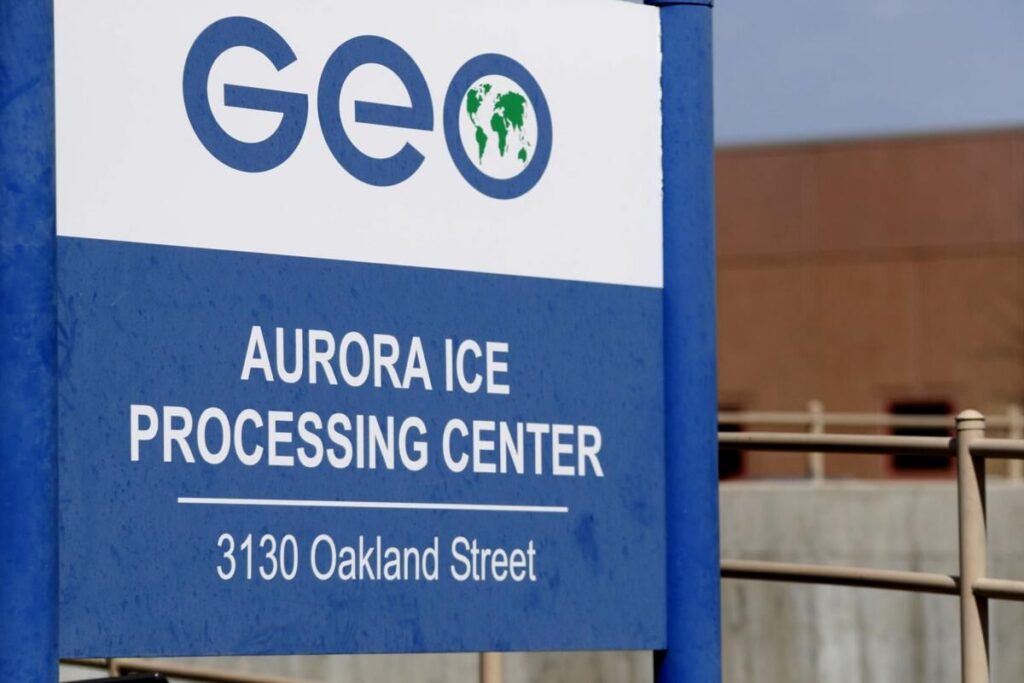
GEO tells judge state law requiring health inspections is ‘unconstitutional’
Kyla Pearce
kyla.pearce@gazette.com
Updated 11 hours ago
GEO Group, the company that operates the U.S. Immigration and Customs Enforcement detention center in Aurora, argued in a court hearing Friday that a state law requiring health inspections is unconstitutional. Judge Daniel Domenico said a decision on whether the...

At conservative summit, Colorado Republican leaders concede Democrats’ election edge
Marissa Ventrelli
marissa.ventrelli@coloradopolitics.com
Updated 3 days ago
Four Republican state lawmakers told attendees at a gathering of conservative leaders on Friday they doubt their party can win statewide races, noting that Colorado’s electorate has been shifting toward Democrats but adding they see an opening in several pockets....
PREV
PREVIOUS

10th Circuit weighs Gross Reservoir expansion, judge’s ‘punishment’ of Denver Water
Members of the Denver-based federal appeals court considered on Friday whether they could intervene in an ongoing infrastructure project to enlarge a Boulder County dam after a trial judge deemed the underlying permit unlawful nearly two years ago. Denver Water has completed construction on the now-471-foot Gross Dam. However, an injunction still prevents the utility […]

Denver City Council keeps 2 a.m. nightlife cutoff, approves $18 million for George Floyd protest claims
Nightlife establishments will not get a two-hour operating extension after the Denver City Council passed an amended version of a bill that keeps the current 2 a.m. closing time. As originally proposed, venues would have been able to keep music, dancing and other entertainment going until 4 a.m., but alcohol service would still have ended […]