

Car rental companies are not ‘insurers,’ Colorado Supreme Court rules
The Colorado Supreme Court decided on Monday that car rental companies offering insurance policies are not also “insurers” under state law, who may be sued for their failure to pay out benefits on claims.
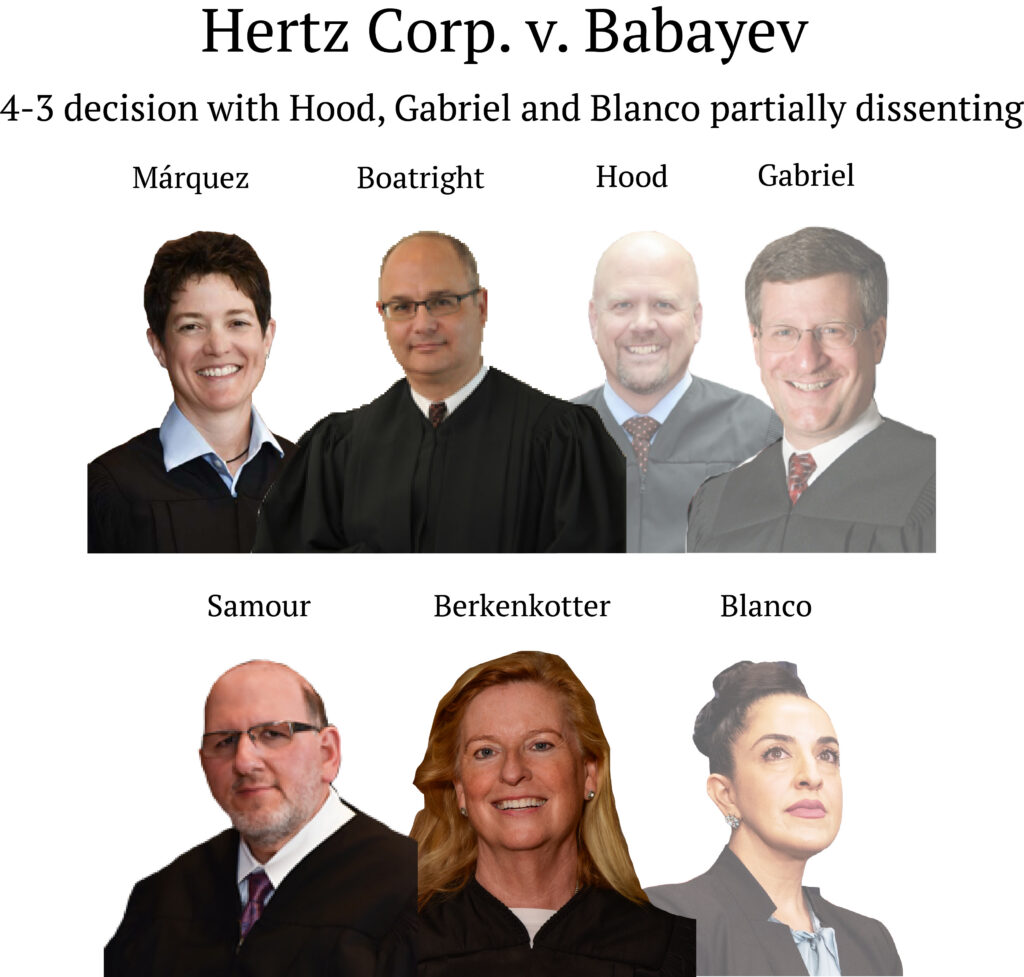
By 4-3, the justices further concluded that Hertz Corp. was not a “de facto” insurer simply because it was heavily involved in the claims process for two injured vehicle occupants covered under a rental policy.
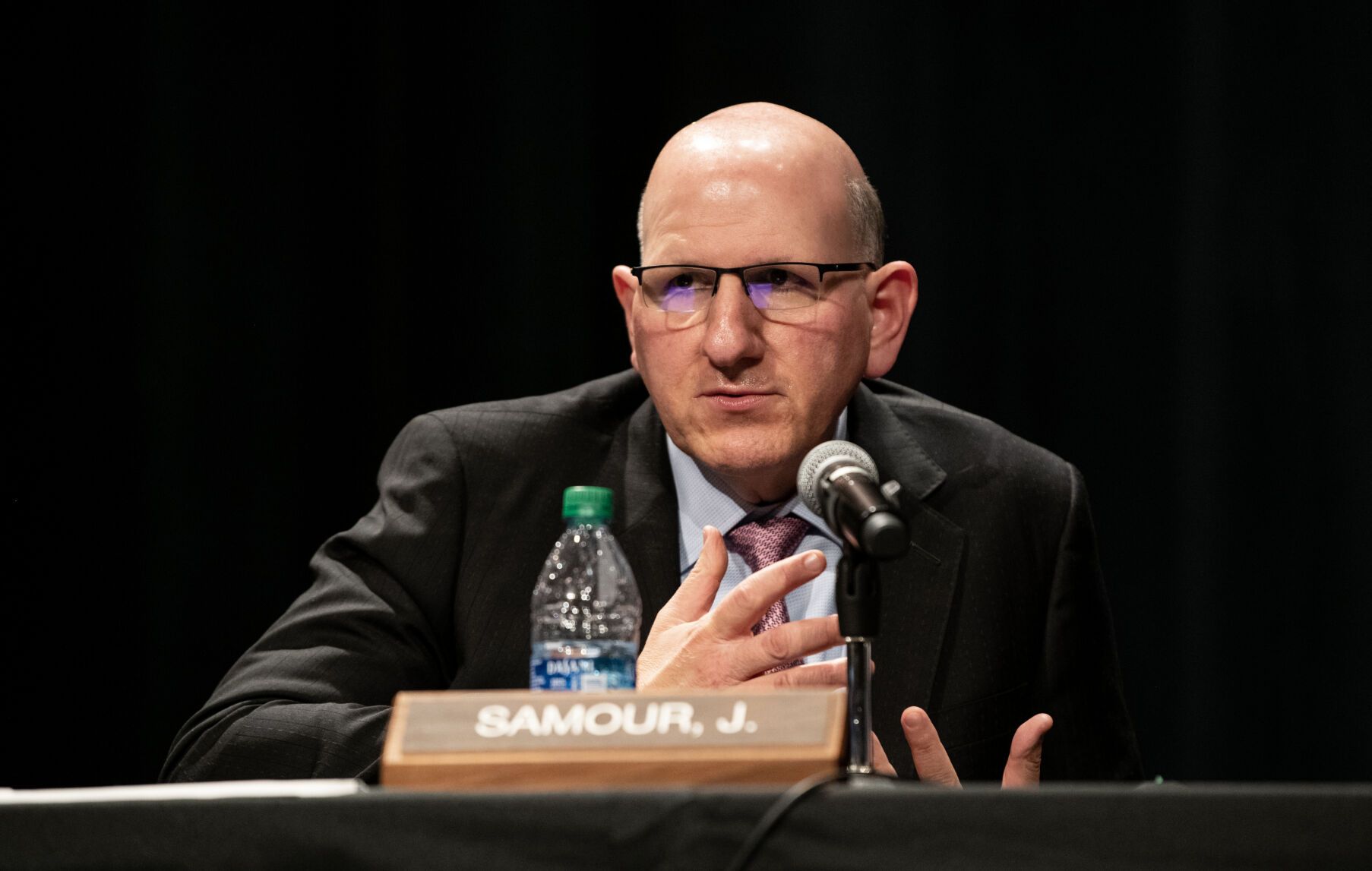
“Hertz rents cars; it doesn’t insure them,” wrote Justice Carlos A. Samour Jr. in the April 27 majority opinion. “True, Hertz participated in the early investigation and adjustment of plaintiffs’ claims and offered input on potential settlement. But those actions pale in comparison” to what an insurer does.
Justice William W. Hood III disagreed that Hertz’s involvement in the claims process was necessarily different from what an insurance company does.
“(W)hen, as here, a rental car company (1) generates revenue from a third-party insurance policy it offers to its customers, (2) assists in adjusting claims under that policy, and (3) assumes complete financial risk for those claims, the rental car company potentially becomes a de facto insurer,” Hood wrote for himself and Justices Richard L. Gabriel and Susan Blanco.
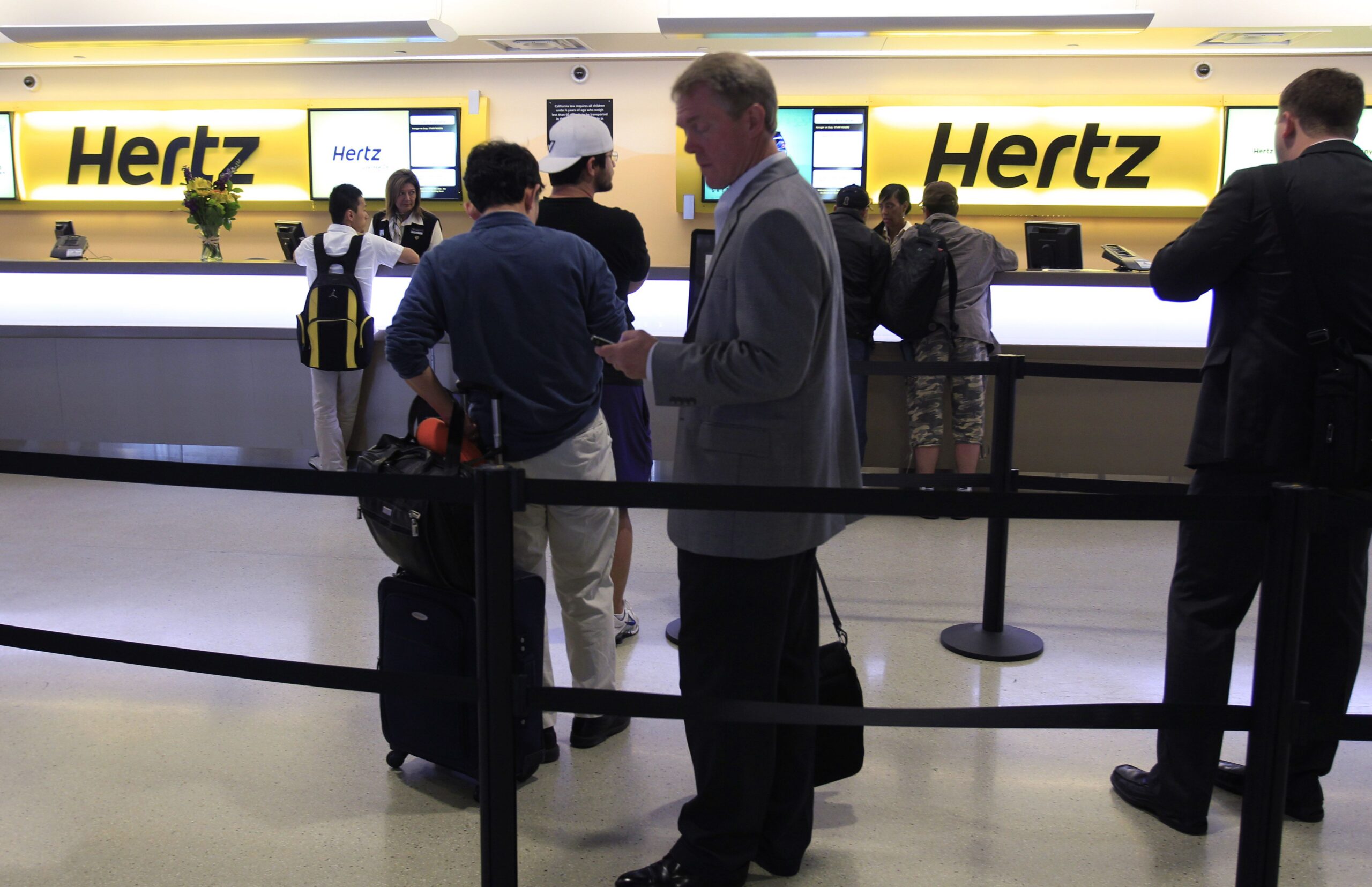
After a hit-and-run driver caused two passengers to incur more than $700,000 in medical bills, they sought payment from the company that owned the rental car they were riding in, Hertz. The driver, upon renting the vehicle, opted to purchase insurance covering injuries up to $1 million, and the injured passengers alleged Hertz breached that contract.
Hertz insisted it was not the insurer, but the entity being insured by its own insurance company, Chubb. By purchasing extra coverage, the driver and the passengers became insured alongside Hertz. A Denver judge sided with Hertz and determined Chubb retained the obligation to pay plaintiffs Stanislav Babayev and Oleg Chikov.
But a three-judge Court of Appeals panel concluded nothing in state law prevented car rental companies from also being recognized as insurance companies.
“Because Hertz offered to and did sell (the driver) two separate insurance coverages for specified prices, we conclude that Hertz was an insurer,” wrote Judge David J. Richman.
To the Supreme Court, Hertz maintained it was not an insurance company based on a sequence of events in the 1990s. The Supreme Court ruled at the time that rental agreements providing insurance rendered companies insurers, and they were required to offer certain coverage. Afterward, the legislature amended the law to walk back that decision.
However, the plaintiffs responded by pointing to the specific actions Hertz took in their case: The company investigated the claim, evaluated the injuries, had final decision-making authority, offered partial payment, and bore the brunt of the financial responsibility.
“I don’t think there can be a realistic argument that what Hertz did in this case isn’t the transaction of insurance business. If it’s not, then nothing is,” attorney Nelson A. Waneka said during oral arguments.
The Colorado Division of Insurance also weighed in to the Supreme Court, cautioning that treating car rental companies as insurers would result in a “significant gap” in the entity’s regulatory authority. Trade groups representing truck and car rental agencies warned that upholding the Court of Appeals’ decision would raise prices and reduce the availability of insurance for customers.
The Colorado Trial Lawyers Association and the American Association for Justice countered that rental car companies offer insurance because it is a “lucrative business,” which would be even more profitable if the rental companies could not be sued as insurers.
Ultimately, the Supreme Court agreed unanimously that the Court of Appeals mistakenly found car rental companies could be liable as insurers under state law.
As for whether Hertz acted as an insurer, Samour also concluded it had not.
“Chubb is the insurer; Hertz is the named insured; and purchasers of supplemental insurance are additional insureds,” he wrote for the majority. “If a car rental company offering incidental access to insurance coverage is an ‘insurer’ potentially subject to liability — notwithstanding the General Assembly’s painstaking efforts to make clear that such a company is not an ‘insurer’ — the same would seemingly be true of any Colorado business that offers access to third-party insurance incidental to the services or products it sells.”
Samour added that the plaintiffs’ claims for benefits were better directed against Chubb and the third-party claims administrator.
Hood, in dissent, would have kept the plaintiffs’ claims alive, with a direction for the trial judge to take another look at whether Hertz’s actions rendered it an insurer.
The case is Hertz Corporation v. Babayev et al.

Federal judge green-lights civil trial against ex-Fort Collins DUI officer
Michael Karlik
michael.karlik@coloradopolitics.com
Updated 2 days ago
A federal judge ruled on Thursday that Fort Collins’ former “DUI officer” will face a civil trial for allegedly investigating a motorist for impaired driving without any reasonable suspicion to do so. In recent years, several people arrested by Officer...

Colorado Supreme Court suspends Mesa County judge pending misconduct investigation
Michael Karlik
michael.karlik@coloradopolitics.com
Updated 1 day ago
The Colorado Supreme Court suspended Mesa County Court Judge Michael J. Grattan on Thursday amid a misconduct investigation. The court’s Sept. 10 order gave Grattan 21 days to explain why his paid suspension should not continue through the end of...
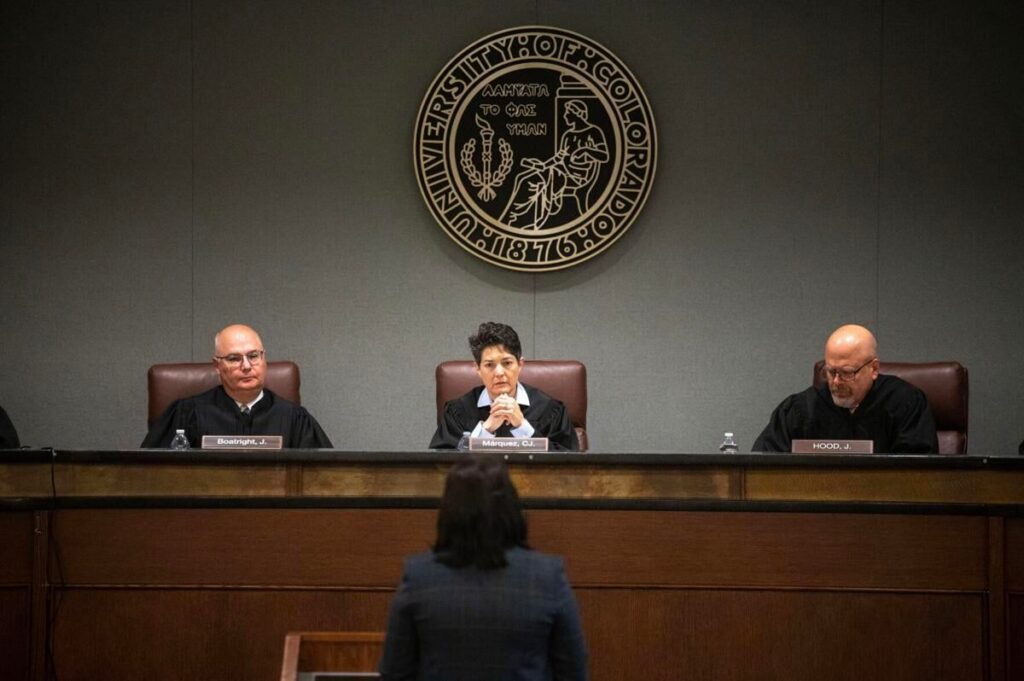
Colorado Supreme Court changes course, dismisses case about special district bonds
Michael Karlik
michael.karlik@coloradopolitics.com
Updated 1 day ago
The Colorado Supreme Court declined on Friday to decide a dispute between a large-scale Commerce City development and the various districts financing it, after initially showing interest in the ongoing case. Colorado has roughly 2,800 special districts, which are local...

10th Circuit tosses GEO Group’s pretrial appeal in human trafficking lawsuit
Michael Karlik
michael.karlik@coloradopolitics.com
Updated 3 days ago
The Denver-based federal appeals court dismissed an attempt by The GEO Group on Wednesday to appeal a trial judge’s non-existent decision two months before the company is scheduled to face a civil trial over alleged trafficking violations at the Aurora...
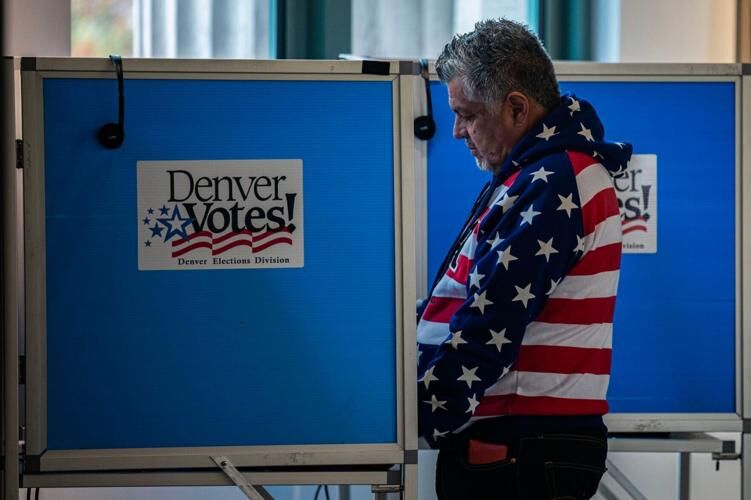
Denver sues Trump to block armed ICE agents from polling sites
Deborah Grigsby
deborah.smith@denvergazette.com
Updated 3 days ago
The city of Denver, along with several groups, sued the Trump administration Thursday, seeking to block U.S. Immigration and Customs Enforcement officers who are armed from polling sites during the upcoming midterm elections. In fact, there are no official orders...
Federal judge takes no action against ICE in Colorado after hearing about mistakes, not ‘blatant violations’
Michael Karlik
michael.karlik@coloradopolitics.com
Updated 24 hours ago
A federal judge declined to take action against U.S. Immigration and Customs Enforcement on Thursday after hearing that a pattern of alleged lawbreaking amounted to mistakes and a misunderstanding of the government’s position in court. For nearly a year, Colorado’s...
Colorado doctors, dentists challenge state law on gender‑transition services in new federal lawsuit
Marissa Ventrelli
marissa.ventrelli@coloradopolitics.com
Updated 21 hours ago
A group of Christian doctors and dentists has filed a federal lawsuit challenging a Colorado law they say requires them to provide gender‑transition services that conflict with their religious and ethical beliefs. The lawsuit, filed by the Christian Medical and...
Federal judge directs plaintiff to revise complaint alleging Denver officers’ constitutional violations
Michael Karlik
michael.karlik@coloradopolitics.com
Updated 24 hours ago
A federal judge directed a plaintiff to revise his allegations on Wednesday to more precisely state what two Denver officers and the city itself allegedly did to violate his constitutional rights by facilitating his prosecution for murder until prosecutors dropped...
Lawsuit challenges Douglas County commissioners’ ballot actions
Nicholas Fogleman
nicholas.fogleman@denvergazette.com
Updated 3 days ago
A new lawsuit against Douglas County commissioners seeks to invalidate the board’s intervention in efforts to expand the commission from three members to five and restore the original ballot language approved by more than 20,000 petition signers. The suit marks...
Federal judge explores new sanctions against ex-Colorado judicial discipline director
Michael Karlik
michael.karlik@coloradopolitics.com
Updated 1 day ago
A federal judge on Wednesday directed Colorado’s former judicial discipline director, for the third time this year, to explain why she should not sanction him for his latest conduct in his litigation against the state’s judiciary. Christopher S.P. Gregory, who served...
PREV
PREVIOUS

Colorado regulators could force Xcel customers to pay for troubled plant for decades
Colorado regulators would gain expanded power to order Xcel Energy to finance major costs for its chronically troubled Comanche 3 coal plant through bonds backed by a decades-long charge on every customer’s monthly electric bill. House Bill 26-1326, the Colorado Public Utilities Commission “sunset bill” that cleared its first committee on April 23, would let […]

Colorado Supreme Court narrows consumer protection law for insurance claims
The Colorado Supreme Court ruled on Monday that the legislature’s consumer protections requiring insurance companies to take certain steps before they allege a policyholder failed to cooperate do not apply to any obligation specifically laid out in the policy. In 2020, the legislature changed state law to limit insurance companies’ ability to assert a failure-to-cooperate defense when […]