

Justice Melissa Hart to step down from Colorado Supreme Court
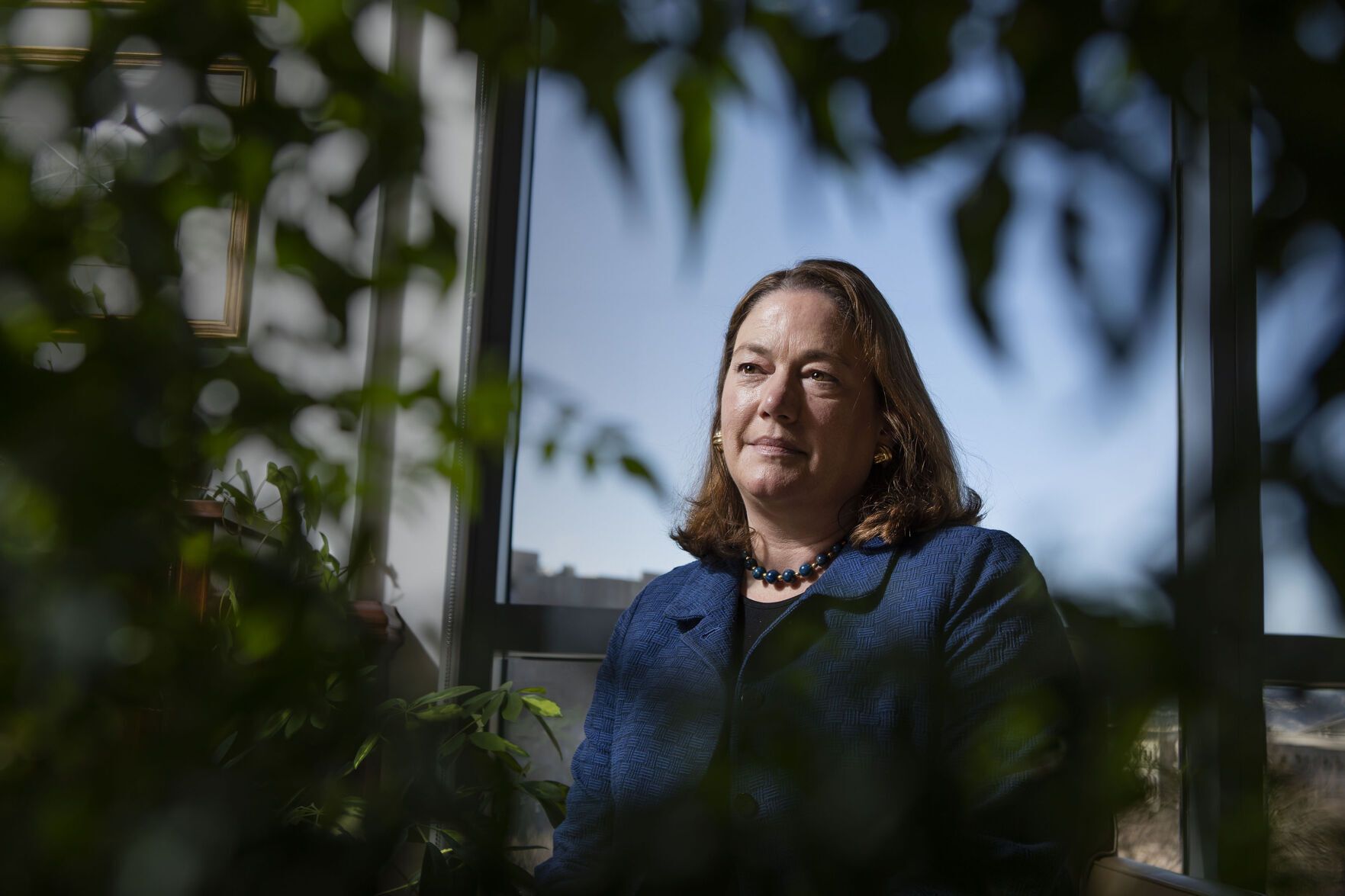
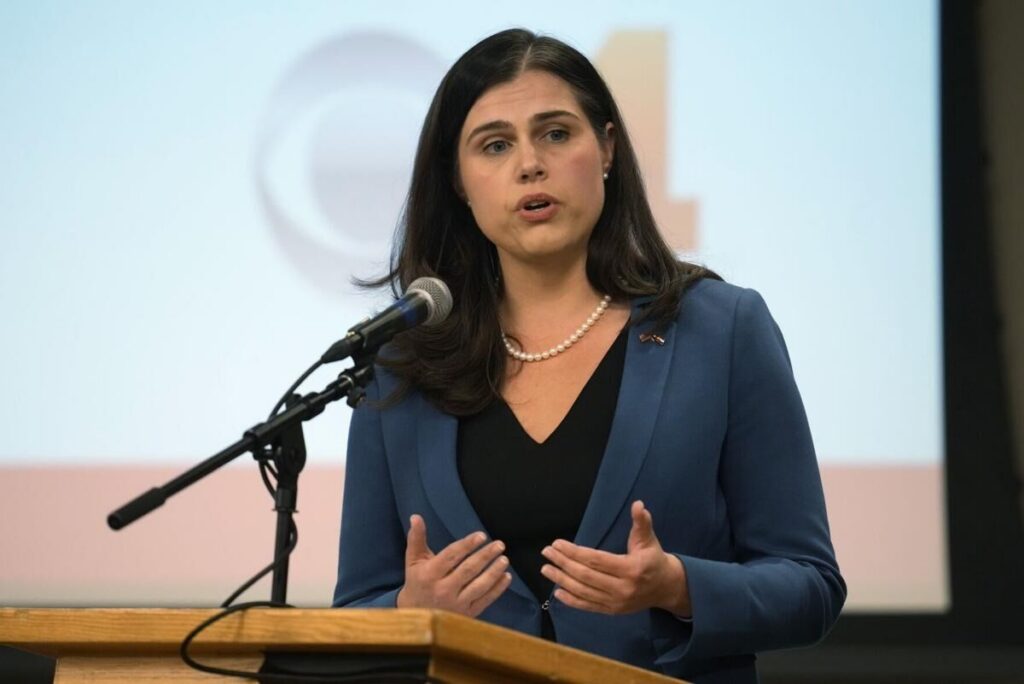
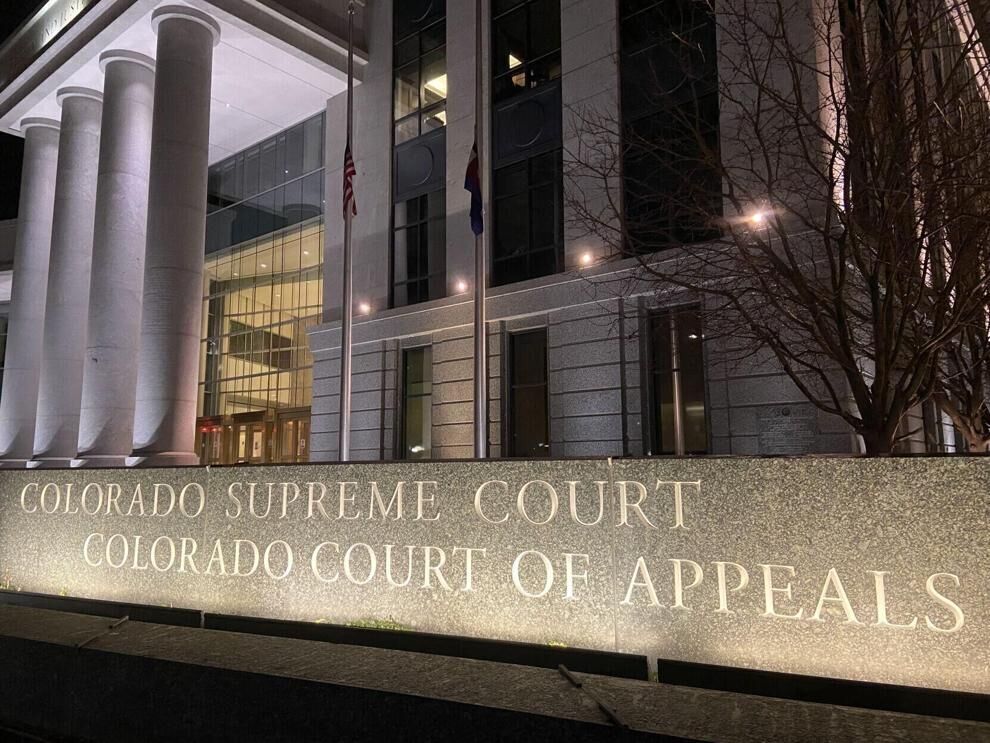
Justice Melissa Hart will step down from the Colorado Supreme Court effective Jan. 5, the Judicial Department announced unexpectedly on Friday.
Hart has been on an unexplained and unusual leave of absence from the court since Oct. 28. She told Colorado Politics in November that the leave was for “family and personal health reasons” but provided no further details.
In her Dec. 19 letter to Chief Justice Monica M. Márquez, Hart acknowledged she has been battling “continuing health concerns arising from the two concussions I suffered in the spring of 2025” and helping with other health challenges with her family.
“I remain deeply committed to the work that is central to Colorado’s Judicial Branch — preserving the rule of law and serving the public,” Hart wrote. “As you know, I am especially concerned about access to civil justice for low and middle-income Coloradans and making the family law system work for unrepresented litigants. … I joined the bench because I felt called to address these issues, and I plan to continue this work after retirement.”
She added that she hopes to “be a change-maker and a partner” with the judicial branch.
“Justice Hart’s absence will be deeply felt throughout the branch,” said Márquez in a statement. “Her legal expertise, steadfast dedication to the rule of law, and significant work on numerous committees will leave a lasting legacy.”
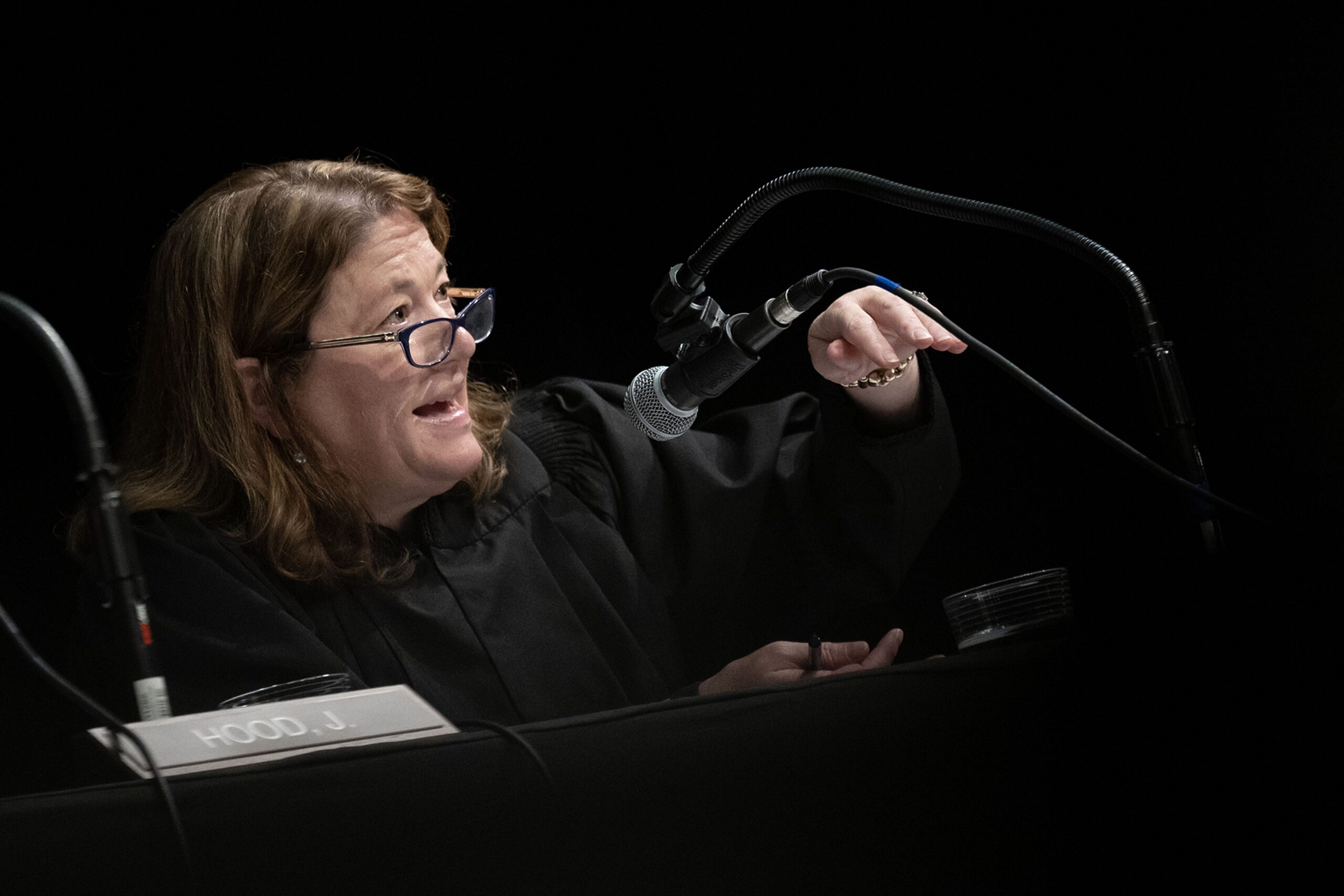
Numerous attorneys who knew Hart or who appeared before her praised her as an access-to-justice advocate and a public servant.
“I have known Justice Hart for 30 years and I’m grateful for her service on the court and commitment to ensuring that all have access to justice,” said Attorney General Phil Weiser, who served as dean of the University of Colorado’s law school while Hart was a professor. “I look forward to seeing how she will continue to make a positive impact on the state and the law.”
“I would say that no justice has impacted our judicial system with more positive change toward access to justice,” said Angela R. Arkin, a retired trial judge from the 18th Judicial District in suburban Denver. “Particularly, the positive change she made in the family law space has been remarkable. She has helped many more Coloradoans receive needed assistance in the family law area.”
Hart, 56, is a 2017 appointee of then-Gov. John Hickenlooper. Her departure creates the first vacancy on the court in five years. The Supreme Court’s membership has been stable since Justice Maria E. Berkenkotter joined in 2021, after a long period of retirement-related turnover.
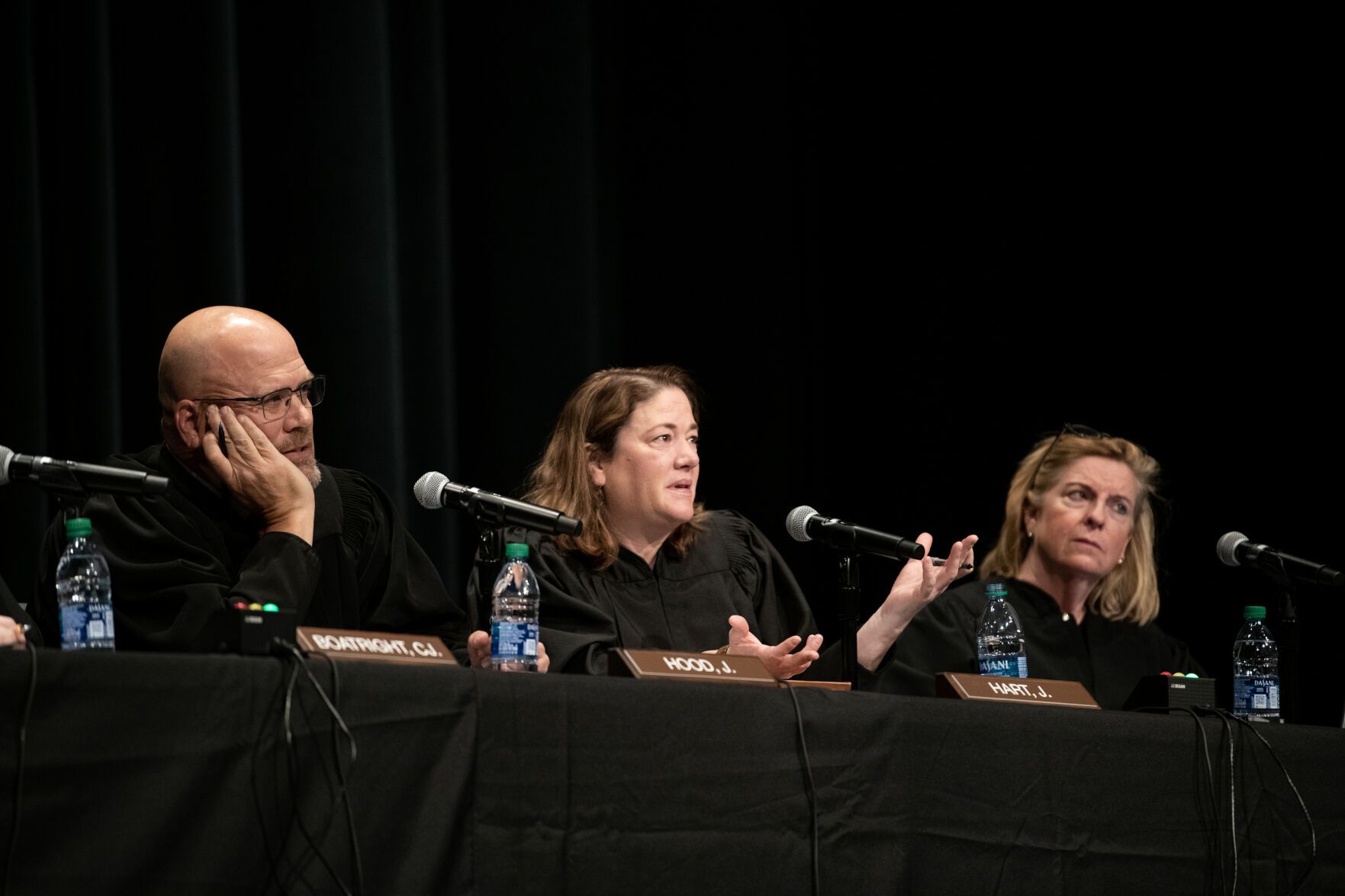
The upcoming appointment to the Supreme Court will be Gov. Jared Polis’ second in his two terms in office. Under Colorado law, a citizen-led commission will choose three finalists and Polis will select from that list. The next justice will serve a provisional term of approximately two years and then be subject to a retention vote.
Hart was a longtime faculty member at CU Law and was director of the Byron R. White Center for the Study of American Constitutional Law. She attended Harvard Law School and was a clerk for U.S. Supreme Court Justice John Paul Stevens and Judge Guido Calabresi of the U.S. Court of Appeals for the Second Circuit.
Her grandfather, Archibald Cox, was the special prosecutor overseeing the criminal investigation into the Watergate burglary. President Richard Nixon ordered Cox’s firing, which led to public outrage and growing support for Nixon’s impeachment.
Hart ran unsuccessfully for the CU Board of Regents as a Democrat in 2010. She applied for the Supreme Court multiple times, ultimately succeeding Justice Allison H. Eid, who is now a judge on the Denver-based U.S. Court of Appeals for the 10th Circuit.
Justice Richard L. Gabriel, who bested Hart for a 2015 appointment, said he has been friends with her for 30 years, and Hart was a summer clerk at his law firm during her time at Harvard.
“She’s a great jurist. She’s contributed a great deal. It’s been a privilege for me to serve as her colleague and I wish her the best in whatever comes next for her,” he said.
As for her legacy, “it’s more than just opinions, so I think of her contributions broadly,” Gabriel added. “All the cases we do are important, but also the vast array of contributions she made to the branch and to the state.”
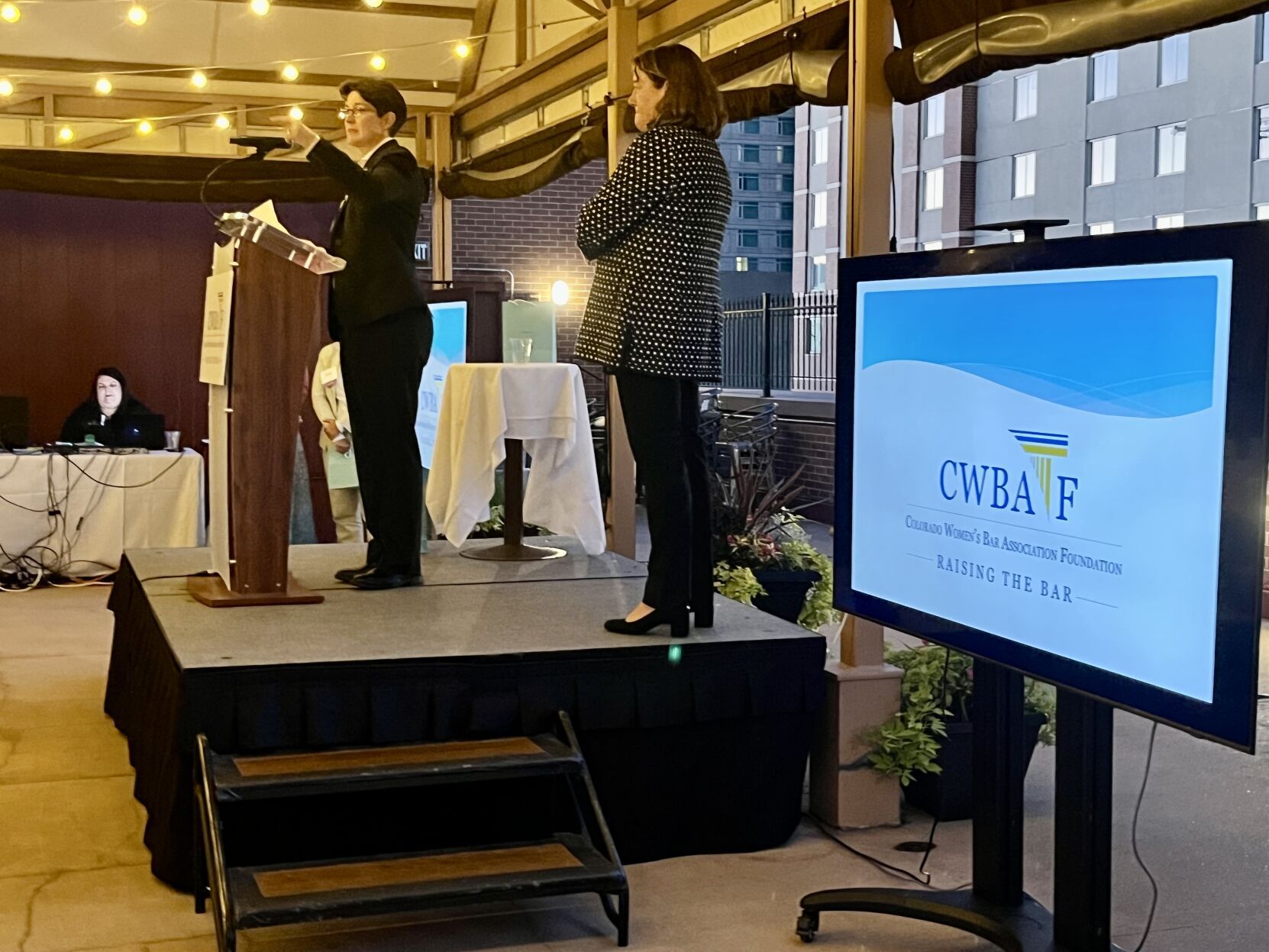
Among other things, Hart helped lead multiple listening tours with the Colorado Access to Justice Commission. The organization recently released a report from its 2025 listening tour, making recommendations for the legislature, judiciary, law firms and others to help self-represented litigants better navigate the civil legal system.
She supported the creation of Colorado’s first licensed legal paraprofessional program, which allows non-lawyers to practice law to a limited extent in family law cases to assist litigants who might otherwise go without representation. Hart told the first cohort of LLPs last year that members of the Supreme Court “have your backs.”
Hart also authored several consequential decisions. In 2023, she wrote the opinion allowing Colorado’s unusual system of private riverbed ownership to continue. In 2021, she wrote that Colorado employers may not require workers to forfeit their earned vacation pay upon termination.
The year prior, Hart authored a dissent, arguing the actions of a mass shooter can be considered the “predominant” cause of victims’ injuries, such that a property owner would not be legally liable. The legislature, in response, changed the law to align with her view.
In late 2023, Hart was part of the court’s 4-3 majority that found President Donald Trump was constitutionally disqualified from appearing on the state’s ballot for engaging in insurrection. The U.S. Supreme Court later reinstated Trump. Hart spoke publicly last fall about the decision’s personal impact on her.
“The consequences of writing the decision in Anderson v. Trump were that my life was threatened, my children’s lives were threatened,” she said at a judicial conference in Colorado Springs. She added that her house was “swatted,” meaning someone called in a fake emergency to police.
“I had nine guns pointed at me by the Denver Police Department. It was the scariest night of my life,” Hart said.
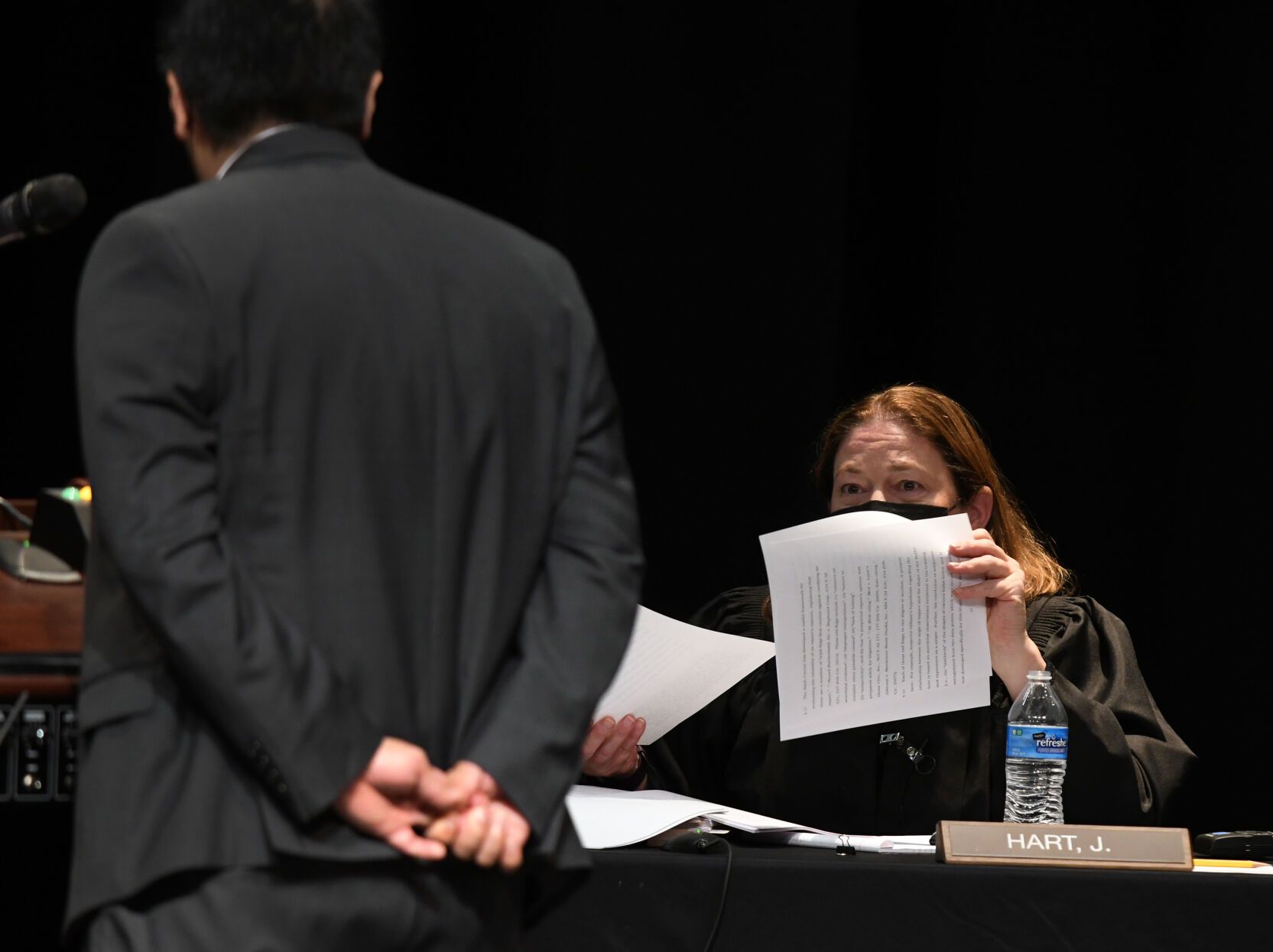
Elisa Overall, the director of the Access to Justice Commission, praised Hart for spending hundreds of hours listening to users of the justice system across the state.
“She now understands Colorado’s justice system from the inside out. I can’t think of a better equipped avatar for access to justice and I’m excited about our work ahead as she continues leading the fight for justice for all,” she said.
Hope Griffin, a former clerk to Hart, called Hart a brilliant legal scholar and a mentor.
“She has always cared deeply about access to justice issues, and I know if anyone can help find a solution to making our justice system more accessible for Coloradans, it’s her,” said Griffin.

Colorado Springs mother Deborah Nicholls’ murder conviction overturned
Nick Smith
nick-smith@coloradopolitics.com
Updated 2 hours ago
A Colorado Springs mother convicted in 2008 of murdering her three children in a house fire might get a new trial after a judge ruled that prosecutors withheld key evidence that could have impacted the jury’s verdict. Deborah Nicholls, whose...
Colorado court overturns illegal $7,000 restitution order
Michael Karlik
michael.karlik@coloradopolitics.com
Updated 3 hours ago
Colorado’s second-highest court overturned a Weld County defendant’s obligation to pay more than $7,000 in crime victim restitution on Thursday because a trial judge failed to issue a legally compliant restitution order at the time of sentencing. In Colorado, as...
Appeals court orders second look at Denver Water’s immunity for cyclist’s injury
Michael Karlik
michael.karlik@coloradopolitics.com
Updated 31 minutes ago
Colorado’s second-highest court ordered another look at a bicyclist’s negligence lawsuit against Denver Water on Thursday, concluding that a trial judge needed to evaluate the utility’s potential immunity using the state Supreme Court’s new guidance. Joseph A. “Joey” Scott alleged...
Labels, duration not definitive proof of ‘intimate relationship,’ Colorado court rules in domestic violence case
Michael Karlik
michael.karlik@coloradopolitics.com
Updated 30 minutes ago
Colorado’s second-highest court clarified on Thursday that the length of a couple’s relationship and the labels they attach to it are not conclusive evidence of whether it is an “intimate relationship” that can give rise to a domestic violence prosecution....

Colorado AG urges Supreme Court to let Boulder climate lawsuit proceed
Marissa Ventrelli
marissa.ventrelli@coloradopolitics.com
Updated 2 hours ago
Colorado Attorney General Phil Weiser has filed a court brief with the U.S. Supreme Court in a lawsuit brought by Boulder city officials seeking to hold oil companies liable for their environmental impact. The case began in 2018, when the...
10th Circuit says landowner cannot sue ex-Routt County judge for statements in decision
Michael Karlik
michael.karlik@coloradopolitics.com
Updated 1 day ago
A Routt County landowner cannot sue a former judge for his allegedly inaccurate statements in a case where the landowner was not a party, the Denver-based federal appeals court decided on Wednesday. Anne Fitzsimmons, who lives in Germany, owns a...
Defendant’s competency in question in El Paso County case involving slain Army police officer
Nick Smith
nick-smith@coloradopolitics.com
Updated 10 hours ago
It will be another 60 days before a 4th Judicial District court determines if a man charged in the shooting death of an Army police officer is competent to proceed in his case. Judge Erin Sokol granted a request Wednesday...
Parole, appeals deadlines and restitution: Colorado justices accept cases
Michael Karlik
michael.karlik@coloradopolitics.com
Updated 2 days ago
The Colorado Supreme Court announced on Monday that it will determine how a defendant’s parole-eligibility date should be calculated in instances where a new trial results in a sentence being imposed retroactively to the date of the original, since-overturned sentence....
Federal judge rejects DOJ bid to force Colorado to hand over voter information
Marissa Ventrelli
marissa.ventrelli@coloradopolitics.com
Updated 23 hours ago
A U.S. district court judge has dismissed a lawsuit filed by the U.S. Department of Justice against Colorado Secretary of State Jena Griswold for refusing to provide the agency with personal voter information. Last December, the DOJ’s Civil Rights Division asked...
3 Colorado judges receive unfavorable retention recommendation as one performance commission violates rules
Michael Karlik
michael.karlik@coloradopolitics.com
Updated 2 days ago
Of the 123 Colorado judges standing for retention on the November ballot, citizen-led performance commissions found that three did not meet the required performance standards. However, in an unprecedented move, the commission charged with evaluating Supreme Court and Court of...
PREV
PREVIOUS
Colorado Supreme Court may address 'new form of representation' in criminal case
The Colorado Supreme Court signaled last week that it may get involved in an ongoing Denver criminal proceeding in which the prosecution alleges a trial judge sidestepped the clear rules for appointing defense counsel. At least four of the court’s seven members must agree to intervene in a case outside the typical appellate process. Clemente […]

Colorado officials stall progressive income tax ballot initiative again by declaring it to have multiple subjects
In a saga offering more twists than a soap opera, Colorado Title Board members reversed course on Wednesday and determined an initiative to establish a progressive income tax doesn’t qualify for the 2026 ballot because it doesn’t have a single subject. The vote comes two weeks after the same board voted to let proponents — a coalition […]