

Federal judges’ financial disclosures reveal frequent travelers, income sources, minor errors
A review of judges’ financial disclosures for the federal trial and appeals courts headquartered in Denver reveals a range of income sources, a handful of judges who are frequent travelers to conferences and seminars, plus one judge’s minor — but repeated — errors in reporting.
Pursuant to federal law, judges must file annual financial disclosures plus periodic reports of certain financial transactions that exceed $1,000. According to the filings through the Administrative Office of the U.S. Courts, judges on Colorado’s U.S. District Court and the U.S. Court of Appeals for the 10th Circuit reported income from sources as diverse as publication royalties, speaking engagements and even a firefighter pension.
For example, U.S. District Court Judges Regina M. Rodriguez and Charlotte N. Sweeney, who were both in private practice prior to their recent appointments by President Joe Biden, reported income in excess of $800,000 upon leaving their firms.
Those who were state judges or held other public sector jobs before taking the federal bench reported continuing compensation, ranging from the $1,500 volunteer firefighter pension for 10th Circuit Senior Judge Paul J. Kelly Jr. of New Mexico to the $123,500 pension of 10th Circuit Judge Nancy L. Moritz, a former state appellate judge and Supreme Court justice in Kansas.
Federal judges’ salaries range from $243,300 to $257,900.
Generally, the only disclosures publicly available in the Administrative Office’s database covered 2021 and 2022. The judicial financial disclosure committee did not respond to an email inquiring about the status of 2023 and 2024 disclosures.
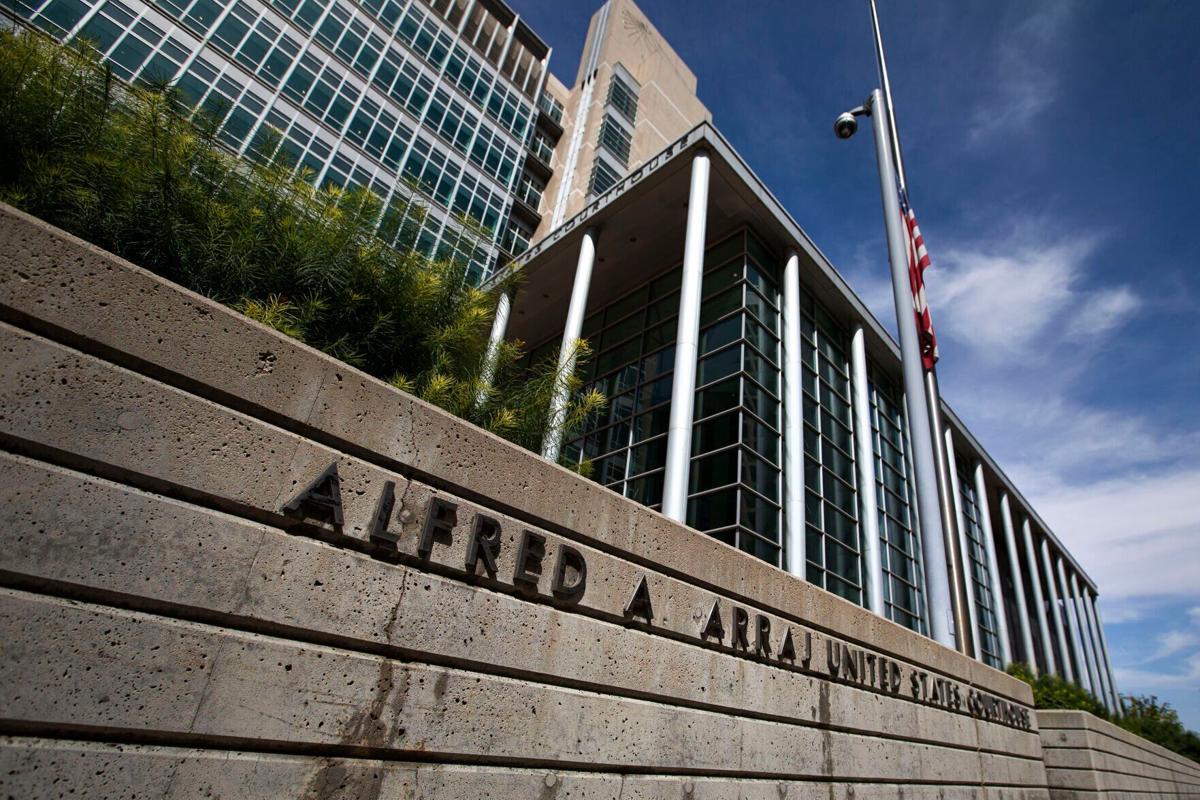
FILE PHOTO: The Alfred A. Arraj federal courthouse in Denver
Timothy Hurst, The Denver Gazette file

FILE PHOTO: The Alfred A. Arraj federal courthouse in Denver
Numerous judges held financial investments, including rental properties. A handful of judges also reported receiving royalties from their published work: 10th Circuit Judges Timothy M. Tymkovich of Colorado and Robert E. Bacharach of Oklahoma, plus U.S. District Court Senior Judge Christine M. Arguello, disclosed between $740 and $5,300 in annual royalties.
The financial disclosures, as well as separate reporting through each court’s website, further illustrate the frequency of judges’ reimbursements for privately held events.
Conferences, seminars, lectures
Some members of the bench — specifically, the appellate judges — had a busier travel schedule than others.
“Circuit judges tend to have more flexible schedules than trial court judges since they aren’t in court every day, and they also tend to have a broader overview of legal trends,” said Jeremy Fogel, a retired trial judge from the Northern District of California. “Beyond that, their position often is seen as more prestigious and influential by many of the people outside the courts who extend the invitations.”
Two appellate judges in particular had frequent out-of-state engagements. Bacharach reported reimbursements or fees from a range of event organizers, including the Arkansas Bar Association, Ohio Courts of Appeals Judges Association and the National Foundation for Judicial Excellence. Largely, Bacharach indicated he gave legal writing presentations, following the 2020 publication of his book on the subject.
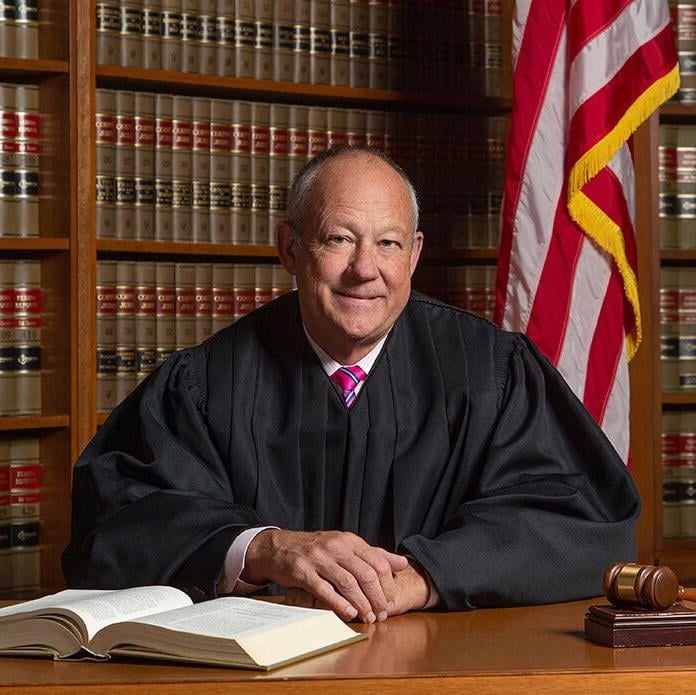
Judge Timothy M. Tymkovich of the U.S. Court of Appeals for the 10th Circuit.
courtesy 10th Circuit Court of Appeals

Judge Timothy M. Tymkovich of the U.S. Court of Appeals for the 10th Circuit.
Tymkovich similarly had an active travel schedule, albeit with events oriented toward conservative legal ideology. In February, he attended the Sixth Annual Antonin Scalia Forum at George Mason University, where U.S. Senate Minority Leader Mitch McConnell, R-Ky., was listed as the keynote speaker. Tymkovich was also one of numerous Republican-appointed judges at Georgetown University’s originalism seminar this year in Sarasota, Fla. The advertised topics included “The Originalist Case for the Color Blind Constitution” and “Frederick Douglass’ Originalism.”
Tymkovich was among the group of 14 judges, largely Republican appointees, who traveled to Israel this March for a “Judicial Educational Mission.” Bloomberg Law reported the judges met with Israeli officials and the families of hostages captured by Hamas fighters on Oct. 7. The World Jewish Congress sponsored the trip.
In April, Tymkovich also went to San Juan, Puerto Rico for the Rodel Institute’s judicial fellowship. The nonprofit described the event as an opportunity to “discuss the role of judges in American democracy, constitutional interpretation, and leadership on and off of the bench.” It added that the programming was “was anchored by 100-120 pages of intense scholarly reading.”
‘I regret this omission’
The filings of 10th Circuit Senior Judge David M. Ebel of Colorado showed him to be a prolific trader of stocks. He filed 42 periodic transaction reports between 2022 and early 2024. Although the worth of the stocks is reported in ranges, Ebel’s transactions encompassed hundreds of thousands of dollars.
On Oct. 13, 2023, Ebel filed a report for a stock purchase that occurred on May 8 — well outside the 45-day disclosure period for transactions. He wrote that the failure to report on time was “inadvertent.” Ebel added that he regretted the oversight and asked for a waiver of any penalties, which can include fines or imprisonment if the violation is willful.
“I believe this is the first and only time that I have failed to report the purchase of a stock in a timely manner. I have established procedures in place that should have caught this, but didn’t,” Ebel wrote. “I have had no cases before me involving this company during the period that I owned the stock.”
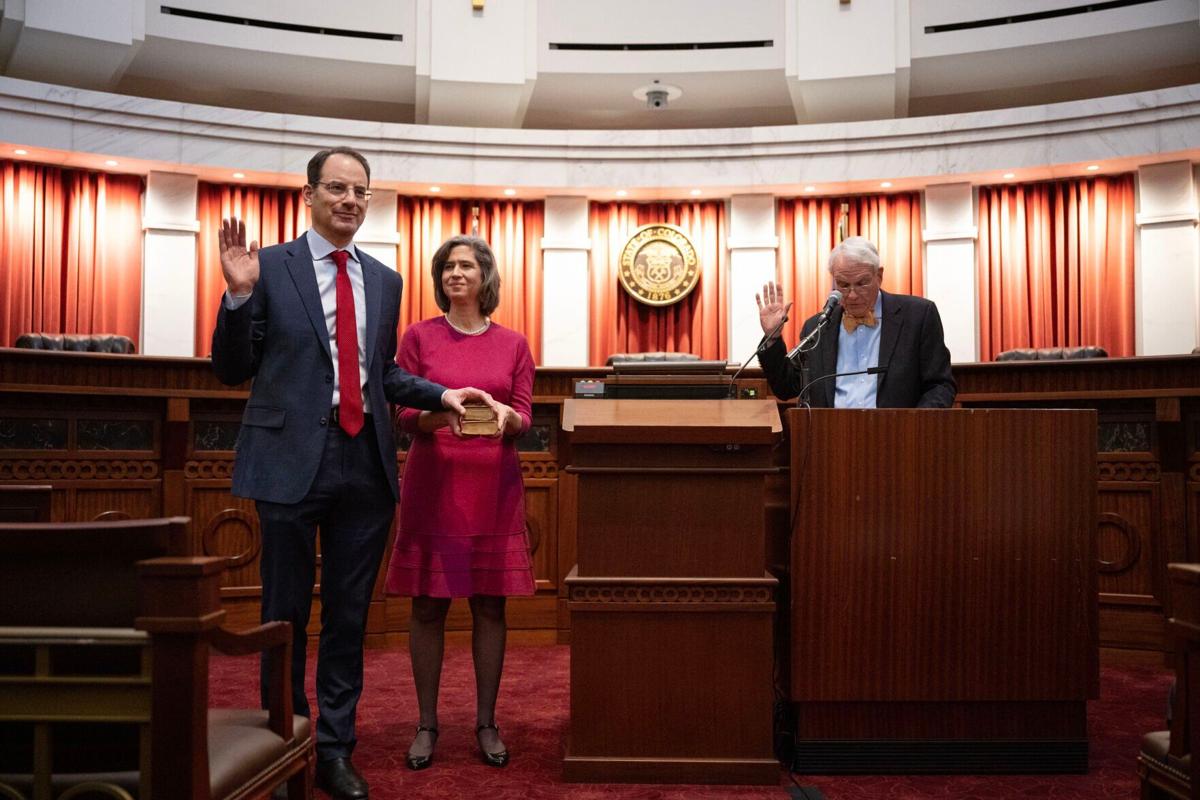
FILE PHOTO: Attorney General Phil Weiser takes the oath of office while placing his hand on two books being held by his wife Heidi Wald, and being administered by Senior Judge David Ebel during the investiture ceremony for Weiser’s second term in the Colorado Supreme Court chambers on Thursday, Jan. 12, 2023, in Denver, Colo.(Timothy Hurst/The Gazette)
Timothy Hurst/The Denver Gazette

FILE PHOTO: Attorney General Phil Weiser takes the oath of office while placing his hand on two books being held by his wife Heidi Wald, and being administered by Senior Judge David Ebel during the investiture ceremony for Weiser’s second term in the Colorado Supreme Court chambers on Thursday, Jan. 12, 2023, in Denver, Colo.(Timothy Hurst/The Gazette)
However, two weeks later, Ebel filed another report admitting to two additional failures to report stock sales from March and April. Then, another report filed on Nov. 14 once again disclosed a stock sale from several months prior.
“I have now sold all stocks to prevent this occurrence from happening in the future,” Ebel wrote on his third filing.
Through the 10th Circuit’s clerk, Chris Wolpert, Ebel said he received a waiver of penalties for the non-compliant disclosures.
“They were minor. They didn’t involve any entities involved in any litigation before Judge Ebel,” said Wolpert. “He said that he does have procedures in place and he’s instituted further procedures in light of these minor omissions that occurred that he thinks are going to be sufficient to prevent any future, further minor omission.”
Fogel, the retired judge who also served on the federal judiciary’s financial disclosure committee, said sanctions for inaccurate reporting are rare.
“Typically, they aren’t considered unless there are willful misstatements or omissions or the filer has made the same mistake repeatedly despite guidance about how to avoid it,” he said.
“It does appear Judge Ebel is acting in good faith,” added Gabe Roth, executive director of the advocacy group Fix the Court. “I’m pleased to see that despite the fits and starts, he’s completely divested from individual stocks.”
Since November 2023, the financial disclosure database lists only two other reports from Ebel: Periodic transactions from February, one week apart, buying and selling stock in the same IT company.
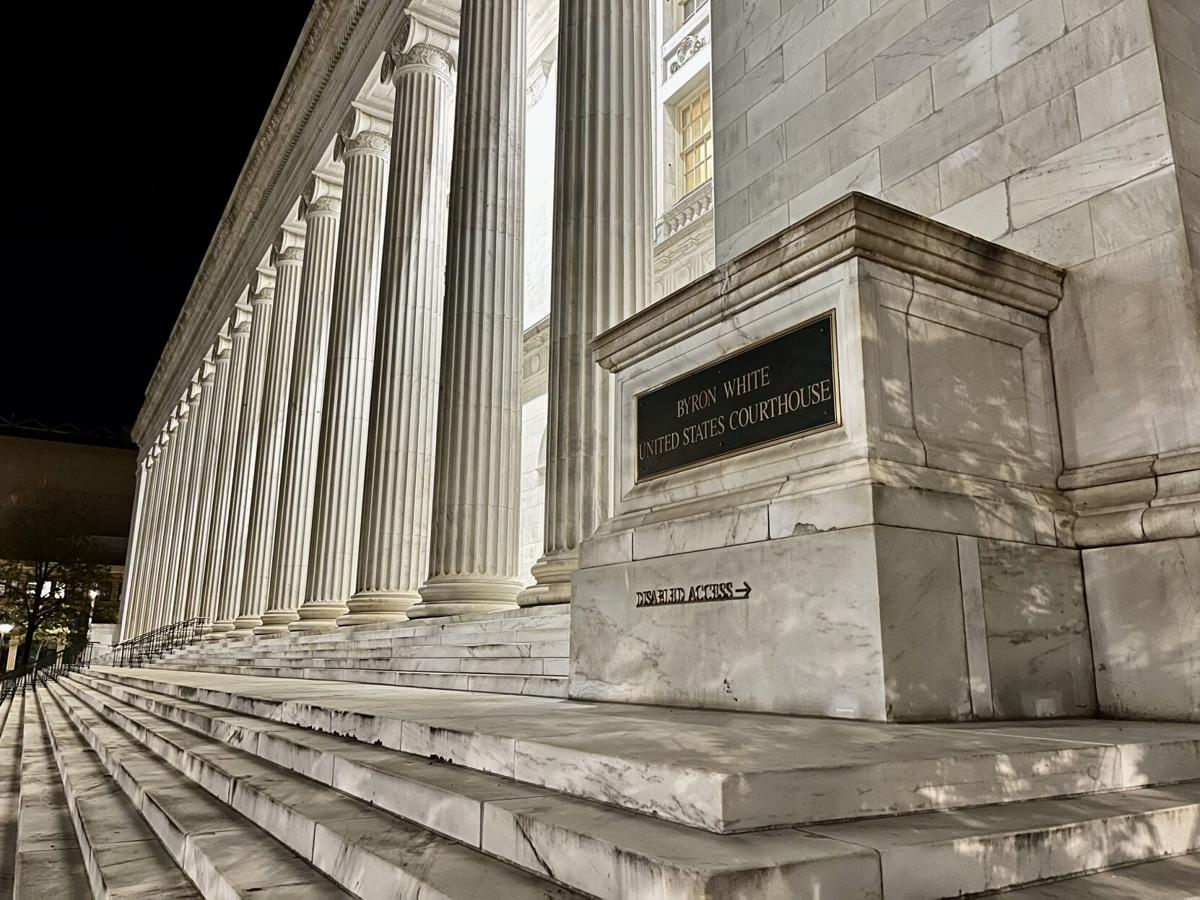
The Byron White U.S. Courthouse in Denver, which is home to the U.S. Court of Appeals for the 10th Circuit.
Michael Karlik michael.karlik@coloradopolitics.com
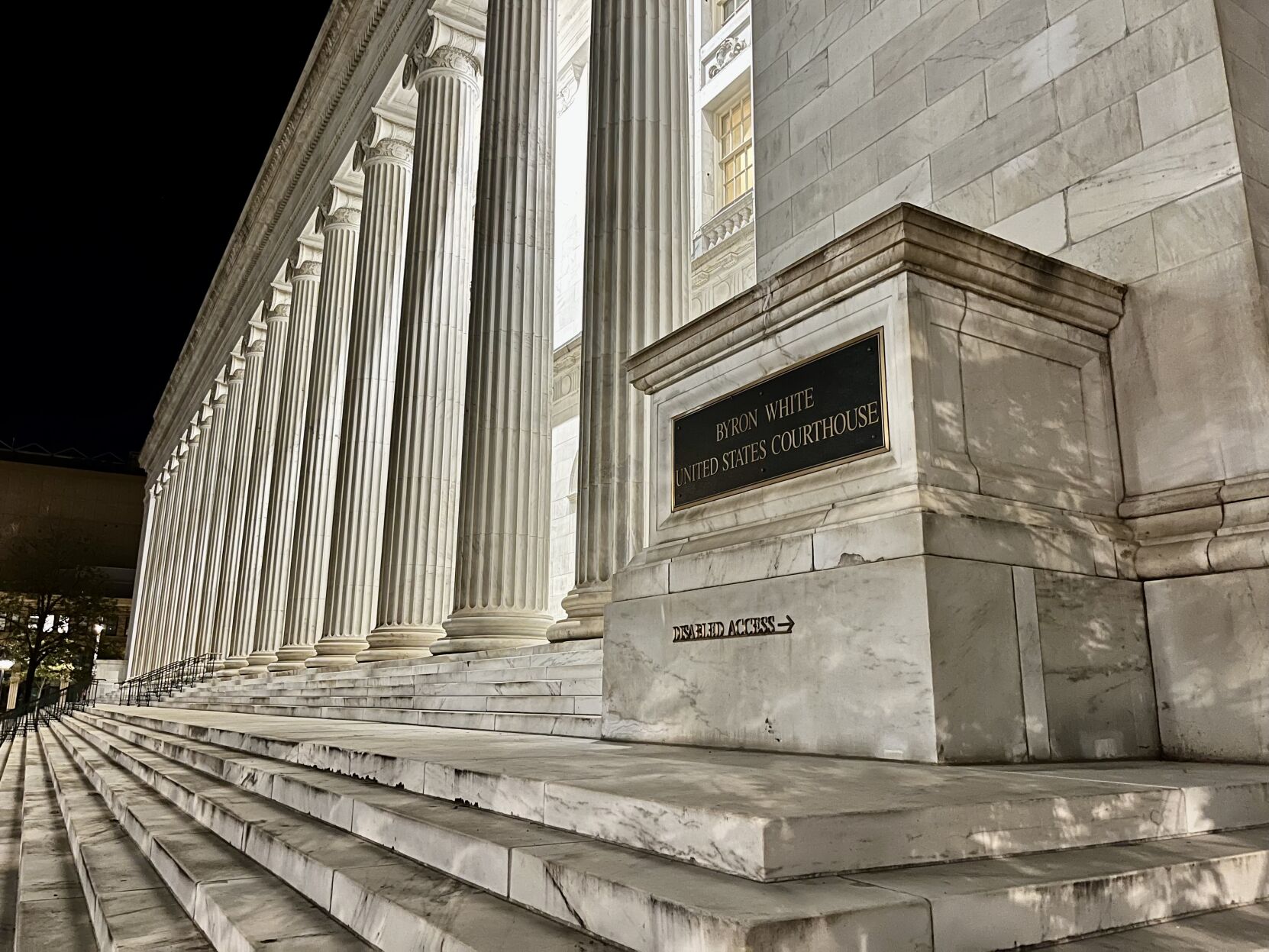
The Byron White U.S. Courthouse in Denver, which is home to the U.S. Court of Appeals for the 10th Circuit.
Items of note
Some judges reported compensation or reimbursements from unusual sources.
The 10th Circuit’s chief judge, Jerome A. Holmes of Oklahoma, and Bacharach both reported reimbursements from officiating the weddings of their former law clerks.
10th Circuit Judge Scott M. Matheson Jr. of Utah reported receiving $18.50 for one day of jury service in 2021. Pursuant to federal regulations, “I turned the check over to the Tenth Circuit budget officer,” he wrote.
10th Circuit Judge Joel M. Carson III of New Mexico disclosed his role as manager, vice president or secretary in multiple limited liability companies operating under the name “Sierra Blanca.” Carson did not respond to an invitation through the clerk’s office to elaborate about the businesses, which include Sierra Blanca Livestock Company, Sierra Blanca Farms and Sierra Blanca Trading.
Rodriguez, the district judge from Colorado, reported $32,297 in gifts from her prior employers, the prominent law firms WilmerHale and Faegre Drinker Biddle & Reath. The 2021 payments were for her ceremonial swearing-in and reception at the Denver Botanic Gardens — the type of function judges have typically paid for themselves. Rodriguez also disclosed the gift of a $600 office chair from WilmerHale.
U.S. District Court Judge S. Kato Crews disclosed gifted tickets to a Denver Nuggets game in 2022 against the Charlotte Hornets, valued at $500.
U.S. Magistrate Judge N. Reid Neureiter, a volunteer photojournalist, received $1,100 over two years for photographing the Triple Bypass charity bicycle ride.
Moritz, the 10th Circuit judge from Kansas, disclosed a single investment: Her bank account.


10th Circuit partially revives lawsuit over 2020 Denver protest injuries
Michael Karlik
michael.karlik@coloradopolitics.com
Updated 24 hours ago
The Colorado-based federal appeals court revived a man’s claims against Denver on Friday after concluding a trial judge resolved the case in the city’s favor without analyzing two of the three instances of alleged excessive force and other constitutional violations....

Federal judges find Colorado immigration judge violated several orders
Michael Karlik
michael.karlik@coloradopolitics.com
Updated 1 day ago
Multiple federal judges in Colorado have freed people from immigration custody after determining that one immigration judge violated their directives for properly conducting bond hearings. For nearly a year, Colorado’s U.S. District Court has faced a flood of “habeas corpus” petitions...

Misconduct complaints from ex-Colorado judicial discipline director dismissed against federal judges
Michael Karlik
michael.karlik@coloradopolitics.com
Updated 2 days ago
The administrative body for the Denver-based federal appeals court upheld a finding last week that misconduct complaints against Colorado’s chief federal trial judge and the chief appeals judge warranted dismissal and appeared to be a “litigation tactic” by the complaining...

First-ever Red Rocks naturalization ceremony draws most diverse group of new citizens
Michael Karlik
michael.karlik@coloradopolitics.com
Updated 1 day ago
Colorado’s federal trial court held its first-ever naturalization ceremony for nearly 300 new citizens on Thursday at Red Rocks Park and Amphitheatre. “We’re doing it to commemorate the 250th anniversary of the Declaration of Independence and the United States. Red...
Jeffco taxpayers could be on the hook for a possible child sex assault settlement
Matt Kyle
matt.kyle@denvergazette.com
Updated 1 day ago
Taxpayers may end up on the hook for a child sexual assault settlement, possibly worth up to $15 million, after Jeffco Public Schools failed to notify its insurance company in a timely manner about the case. The incident stems from...
10th Circuit finds no fair housing violation by Littleton landlord for worker’s alleged rape of tenant
Michael Karlik
michael.karlik@coloradopolitics.com
Updated 23 hours ago
The Denver-based federal appeals court concluded on Monday that Littleton’s housing authority could not be held liable for a maintenance worker’s alleged rape of a tenant, as the worker’s employment did not provide any special access to the victim. A...

Jeffco Public Schools sues Trump administration to protect funding after alleged transgender policies violation
Matt Kyle
matt.kyle@denvergazette.com
Updated 2 days ago
In the wake of several threats by the Trump administration to revoke federal funding, Jeffco Public Schools filed a lawsuit against the Department of Education seeking to protect that badly needed money. Jeffco has been under investigation by the DOE’s...

Denver detox center did not violate man’s rights with 10-hour hold, 10th Circuit says
Michael Karlik
michael.karlik@coloradopolitics.com
Updated 4 days ago
The Colorado-based federal appeals court concluded on Tuesday that Denver’s detoxification facility did not violate a man’s rights by holding him against his will for 10 hours until his blood alcohol content was projected to reach zero. Unusually, Brian Garrett’s...

Federal judge clarifies ex-GOP treasurer candidate’s burden to prove defamation claims
Michael Karlik
michael.karlik@coloradopolitics.com
Updated 4 days ago
A federal judge clarified last week that businessman and former Republican statewide candidate Brian Watson will need to surmount a higher hurdle in proving his claim that a party guest’s alleged description of him as a “criminal” amounted to defamation....
Colorado board permits state to appeal injunction against arthritis drug price cap
Marissa Ventrelli
marissa.ventrelli@coloradopolitics.com
Updated 4 days ago
A Colorado board voted Friday to allow the Attorney General’s Office to fight an injunction against a price cap on a drug that treats arthritis. A U.S. district court judge had granted the company Amgen a preliminary injunction, temporarily blocking...