

State Supreme Court returns for oral arguments, SCOTUS precedent triggers stalking reversals | COURT CRAWL
Welcome to Court Crawl, Colorado Politics’ roundup of news from the third branch of government.
The state Supreme Court is holding its final round of oral arguments before its summer vacation beginning today, and the Court of Appeals recently reversed multiple stalking convictions based on new U.S. Supreme Court precedent.
Oral arguments begin today
• Colorado’s justices are about to take a break from hearing cases in July and August. But first, they have five appeals on the docket starting this morning:
Sellers v. People: Is a life sentence without parole unconstitutional or, at the very least, highly disproportionate for those convicted of felony murder — meaning they were not the one who directly caused the victim’s death?
People v. Eugene: Did the Court of Appeals correctly find an Aurora officer’s failure to give a Miranda warning to a road rage suspect required a new trial?
People v. Segura: Did a trial judge improperly limit the claims a defendant’s attorney could argue when seeking postconviction relief?
Masterpiece Cakeshop, Inc. et al. v. Scardina: Is a cakemaker’s decision not to create a cake for a transgender customer speech protected by the First Amendment or a violation of Colorado’s non-discrimination law?
Niemeyer v. People: Did police need to give a murder suspect a Miranda warning when they detained her, did not let her go to the hospital and asked her questions about the shooting?
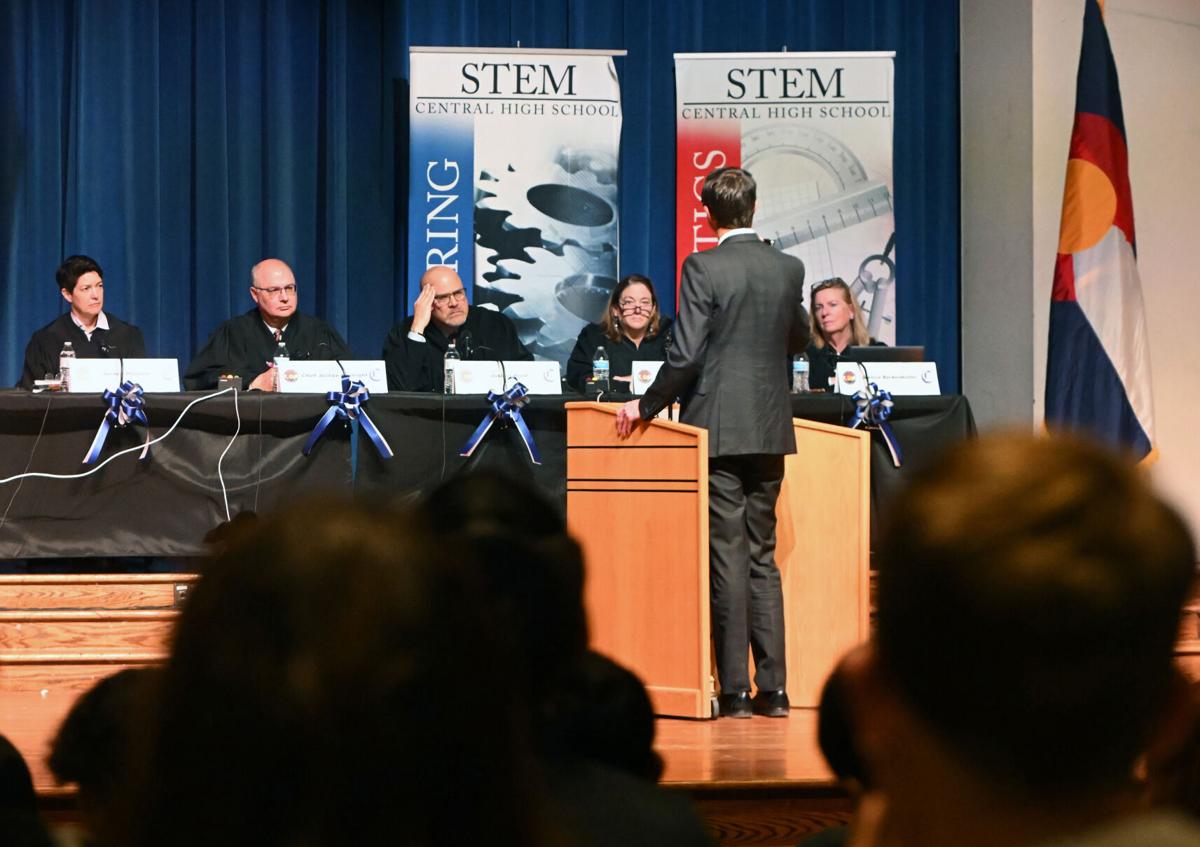
FILE PHOTO: Members of the Colorado Supreme Court listen to arguments from attorney Julian R. Ellis, Jr. during "Courts in the Community" at Pueblo's Central High School on Thursday, May 9, 2024. (Photo by Jerilee Bennett, The Gazette)
Jerilee Bennett/The Gazette

FILE PHOTO: Members of the Colorado Supreme Court listen to arguments from attorney Julian R. Ellis, Jr. during “Courts in the Community” at Pueblo’s Central High School on Thursday, May 9, 2024. (Photo by Jerilee Bennett, The Gazette)
• Also, the Supreme Court will host a swearing-in ceremony in its courtroom on Thursday afternoon for the first class of licensed legal paraprofessionals, a new occupation allowing for the limited practice of family law by qualified non-attorneys.
In other Supreme Court news
• By 4-3, the justices decided a defendant could not challenge for the first time on appeal the fact that his trial judge needed to recuse herself because she was briefly his lawyer. The dissenting members argued there was no proof the defense lawyers knew about the conflict before the appeal, as no one involved in the case ever mentioned the judge’s obligation to recuse herself.
• The Supreme Court took a rare, self-described “U-turn” by concluding felony DUI defendants who were not convicted in accordance with state law are not entitled to automatic reversal of their convictions, contrary to what the court itself said four years ago. Moreover, they are not entitled to the change in legal interpretation while their case is on direct appeal.
• Limited disclosure of a decedent’s medical records is appropriate when there is a challenge to their sound mind or allegations of undue influence in executing their will, the court clarified.
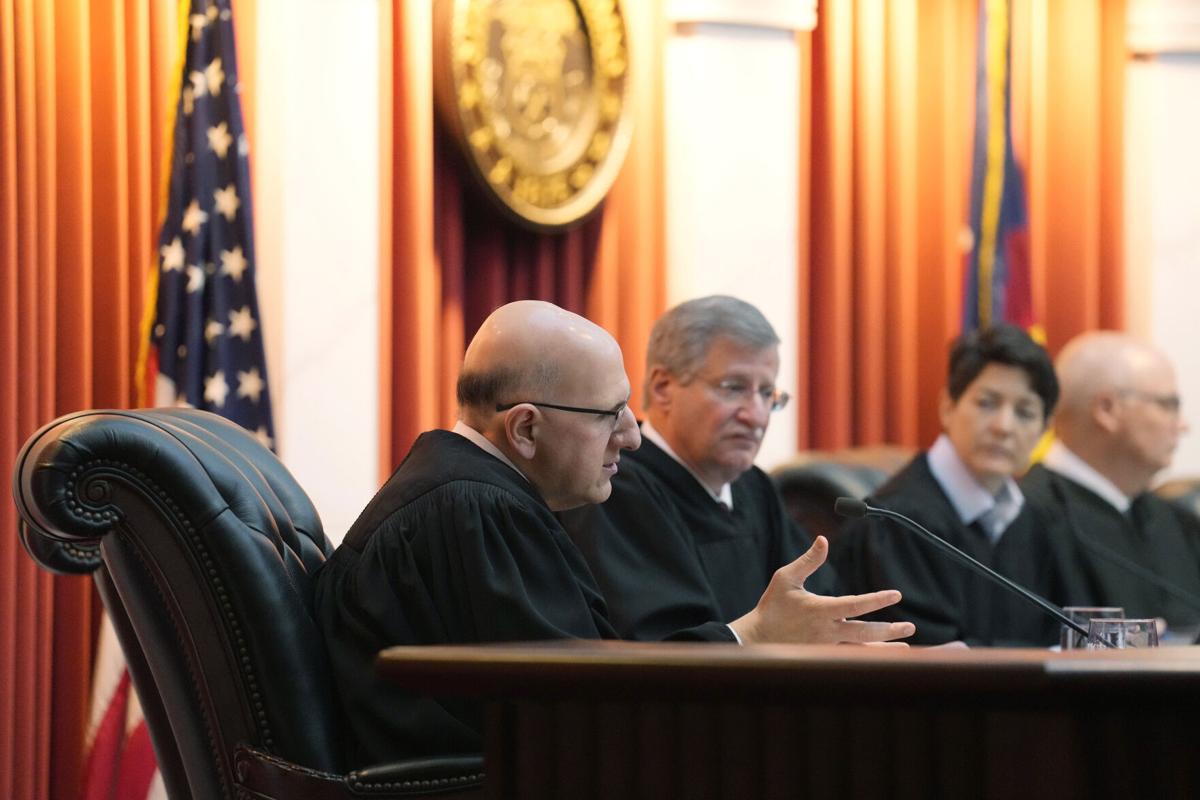
Colorado Supreme Court Justice Carlos Samour, Jr., left, asks a question during oral arguments before the court on Dec. 6 in Denver. Looking on are Justices Richard L. Gabriel, second from left, Monica M. Marquez, third from left, and Chief Justice Brian D. Boatright. Colorado Supreme Court justices have sharply questioned whether they could exclude former President Donald Trump from the state’s 2024 ballot.
the associated press

Colorado Supreme Court Justice Carlos Samour, Jr., left, asks a question during oral arguments before the court on Dec. 6 in Denver. Looking on are Justices Richard L. Gabriel, second from left, Monica M. Marquez, third from left, and Chief Justice Brian D. Boatright. Colorado Supreme Court justices have sharply questioned whether they could exclude former President Donald Trump from the state’s 2024 ballot.
• The justices found a Jefferson County judge incorrectly ordered broad disclosure of the attorney-client communications made by a group of plaintiffs alleging toxic chemical exposure.
• The Supreme Court will decide whether to stand by its 33-year-old conclusion that defendants serving sentences in non-residential community corrections are not entitled to deduct that time should they be resentenced to prison.
Heard on appeal
• Last year, the U.S. Supreme Court took the unusual step of reviewing a decision of Colorado’s Court of Appeals. In Counterman v. Colorado, the nation’s highest court concluded prosecutors need to prove an alleged stalker had some awareness of the threatening nature of his communications, not just that the statements were objectively threatening in context.
• Recently, the Court of Appeals applied Counterman and reversed a stalking conviction for the first time. The Adams County defendant sent several text messages to his alleged victim despite her pleas to stop, but the appellate court concluded a jury might find he did not have the required mental state to be guilty.
In this Oct. 10, 2017, file photo, the Supreme Court in Washington is seen at sunset.
(AP Photo/J. Scott Applewhite)

In this Oct. 10, 2017, file photo, the Supreme Court in Washington is seen at sunset.
• Days later, the Court of Appeals also released its new opinion in the original Counterman case, similarly concluding a new trial was necessary with the correct jury instruction.
• The appellate court ruled that a Larimer County judge did not unconstitutionally penalize a man for expressing his religious beliefs about homosexuality when she awarded parental decision-making responsibility to his ex-wife. Instead, the man’s comments about his ex, who had since begun a same-sex relationship, went “well beyond” religious expression and were outright disparaging.
• The Court of Appeals refused to consider a multimillion-dollar appeal in an oil and gas case because the lawyer’s assistant filed the notice of the appeal in the wrong court the day of the deadline and the lawyer himself did not notice the mistake until it was too late — despite having ample time to intervene.
• 9News may be sued for the actions of a security guard who fatally shot a man outside a 2020 protest while in the process of protecting a journalist.
In federal news
• The U.S. Court of Appeals for the 10th Circuit agreed a jury should decide whether a Saguache County jail supervisor committed a constitutional violation by recognizing a detainee’s suicidality but not doing enough to prevent his death.
• The 10th Circuit upheld a trial judge’s order to forcibly medicate the man accused of killing three people in a 2015 shooting at a Colorado Springs Planned Parenthood facility and who is not yet competent to stand trial.
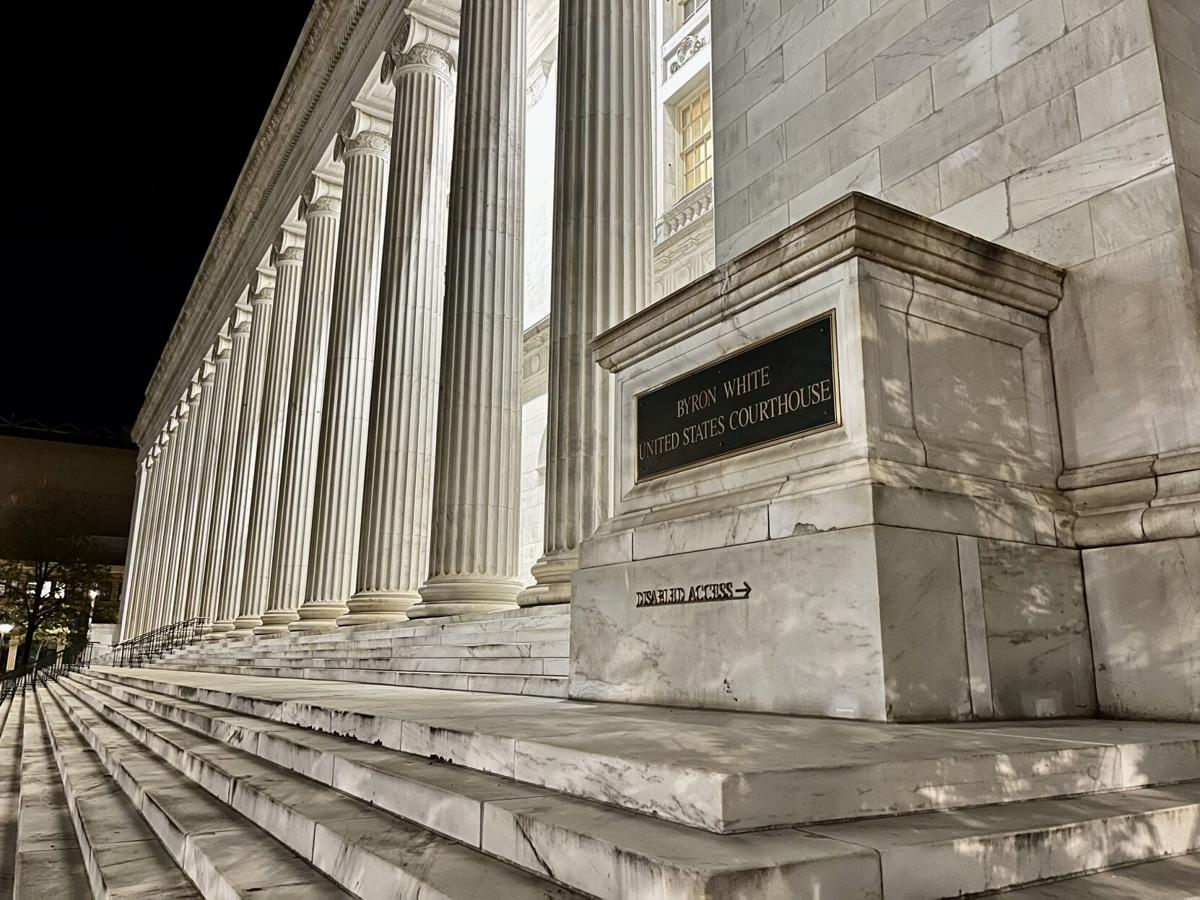
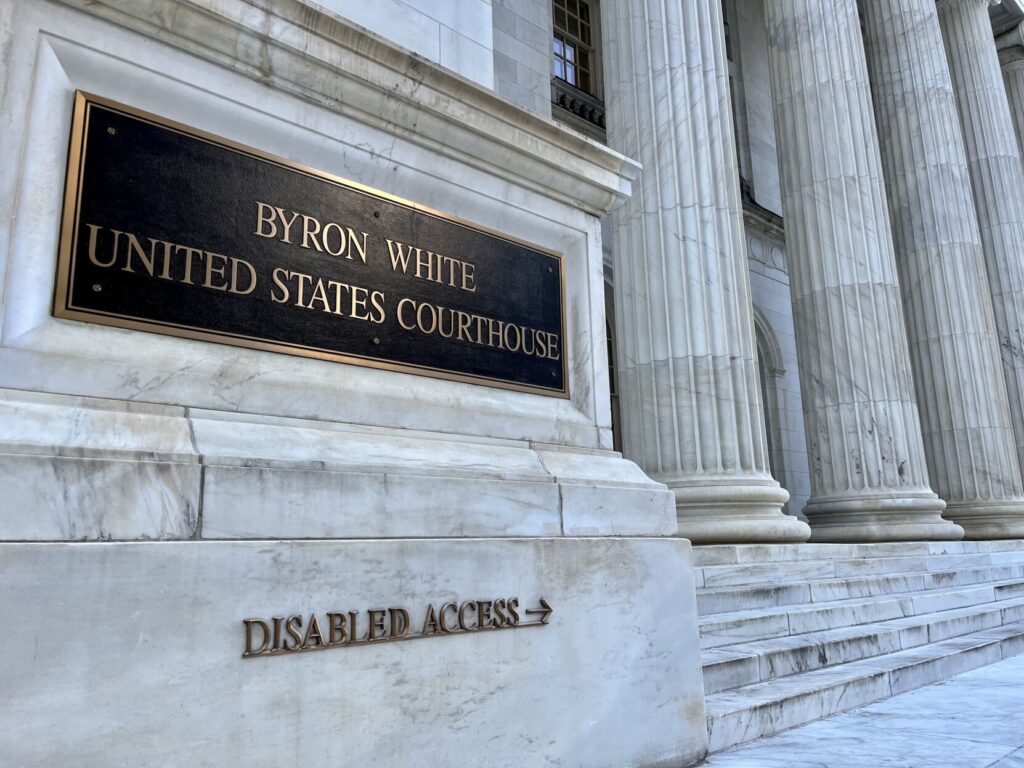
The Byron White U.S. Courthouse in Denver, which is home to the U.S. Court of Appeals for the 10th Circuit.
Michael Karlik michael.karlik@coloradopolitics.com
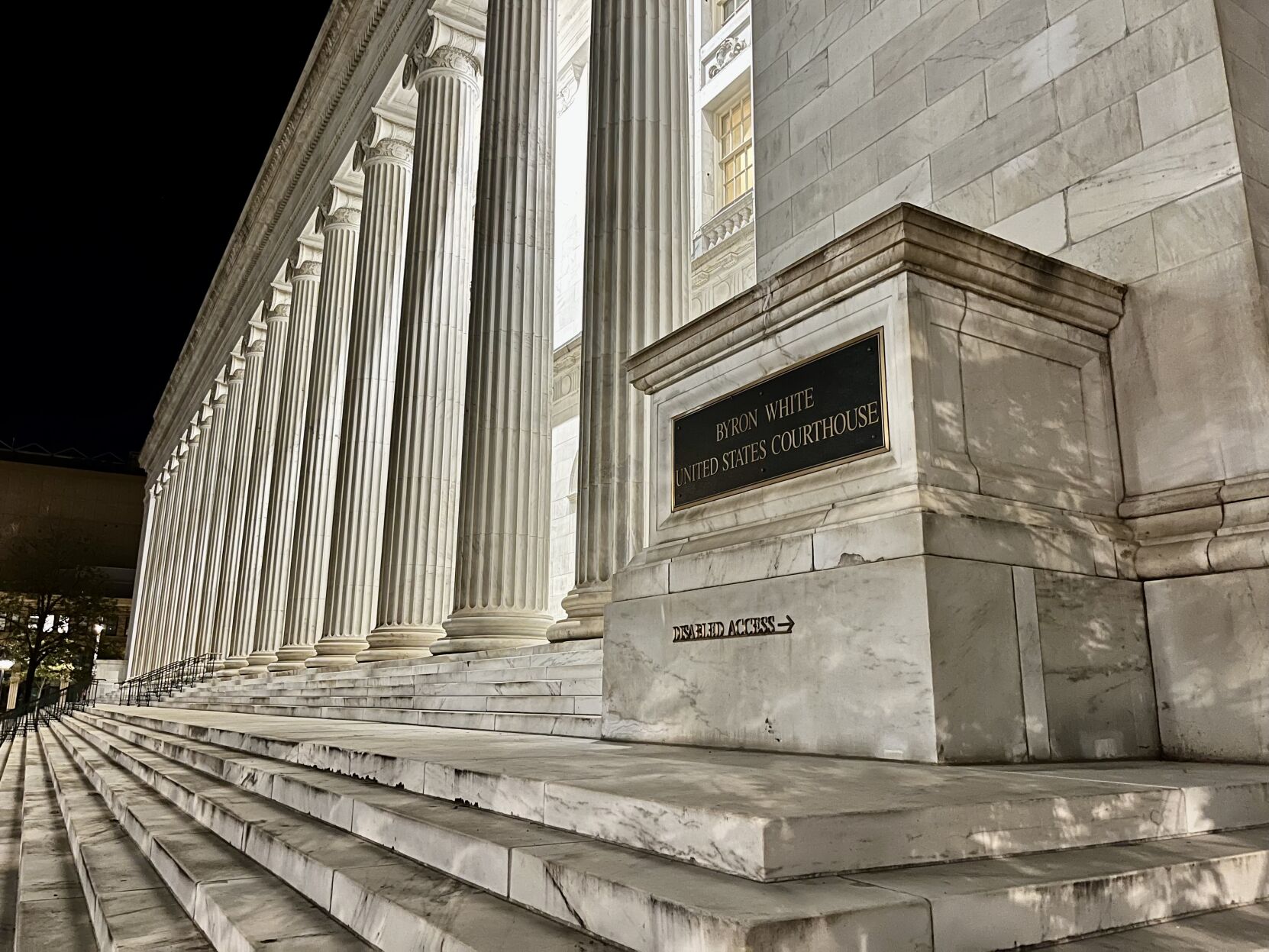
The Byron White U.S. Courthouse in Denver, which is home to the U.S. Court of Appeals for the 10th Circuit.
• Colorado’s chief federal district judge and two attorneys provided a tutorial to practitioners about how to conduct jury selection professionally and effectively.
• The U.S. Senate Judiciary Committee unanimously advanced a bill that would add more than five dozen judgeships to federal trial courts across the country, including two in Colorado.
Vacancies and appointments
• Applications are due by July 12 to succeed retiring District Court Judge Charles M. Hobbs of the 13th Judicial District (Kit Carson, Logan, Morgan, Phillips, Sedgwick, Washington and Yuma counties).
Miscellaneous proceedings
• The Fourth Judicial District (El Paso and Teller counties) reported eight participants recently graduated from the Recovery Court, also called the “drug court,” whose purpose is to divert some defendants into supervised treatment programs.

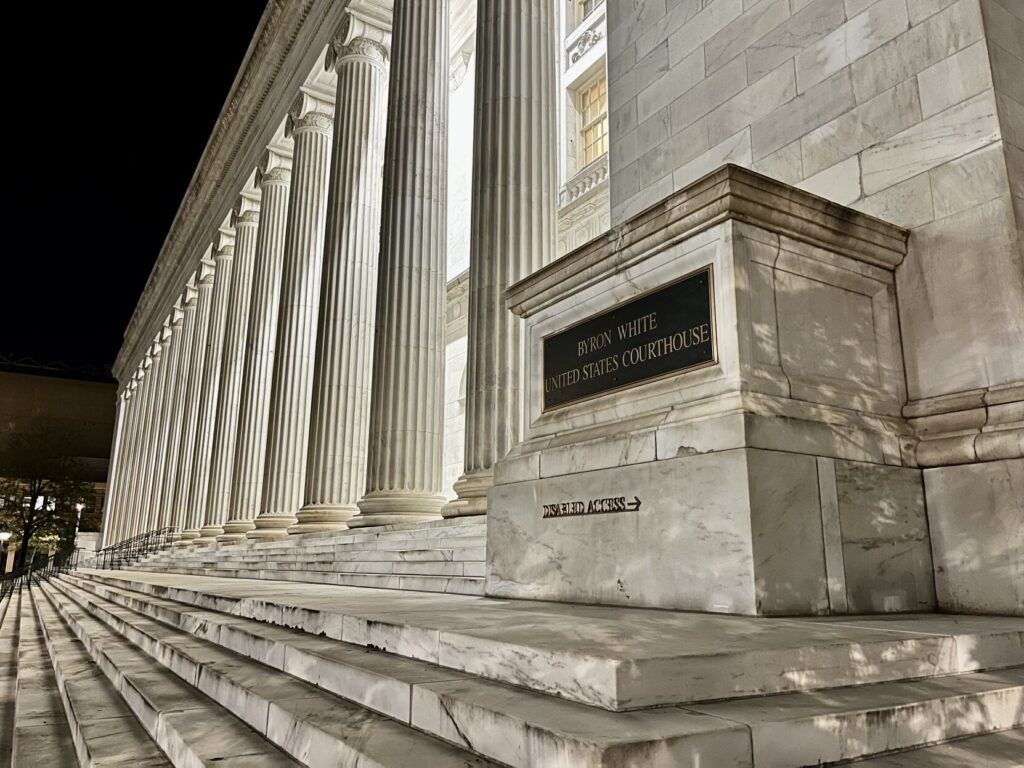
Denver detox center did not violate man’s rights with 10-hour hold, 10th Circuit says
Michael Karlik
michael.karlik@coloradopolitics.com
Updated 15 hours ago
The Colorado-based federal appeals court concluded on Tuesday that Denver’s detoxification facility did not violate a man’s rights by holding him against his will for 10 hours until his blood alcohol content was projected to reach zero. Unusually, Brian Garrett’s...

Federal judge clarifies ex-GOP treasurer candidate’s burden to prove defamation claims
Michael Karlik
michael.karlik@coloradopolitics.com
Updated 15 hours ago
A federal judge clarified last week that businessman and former Republican statewide candidate Brian Watson will need to surmount a higher hurdle in proving his claim that a party guest’s alleged description of him as a “criminal” amounted to defamation....
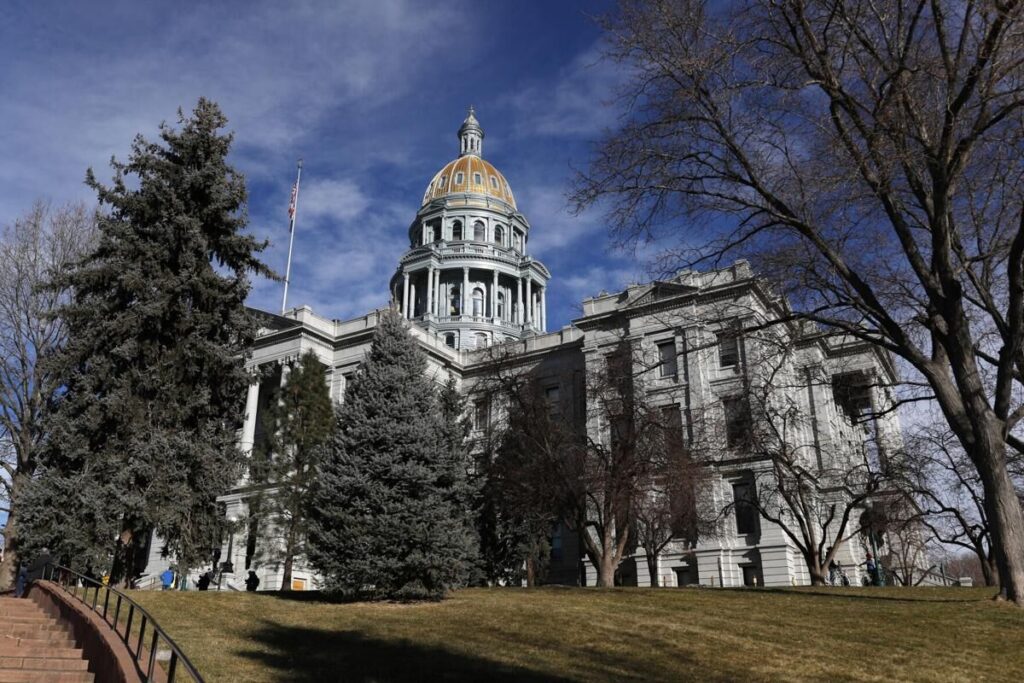
Colorado board permits state to appeal injunction against arthritis drug price cap
Marissa Ventrelli
marissa.ventrelli@coloradopolitics.com
Updated 24 hours ago
A Colorado board voted Friday to allow the Attorney General’s Office to fight an injunction against a price cap on a drug that treats arthritis. A U.S. district court judge had granted the company Amgen a preliminary injunction, temporarily blocking...
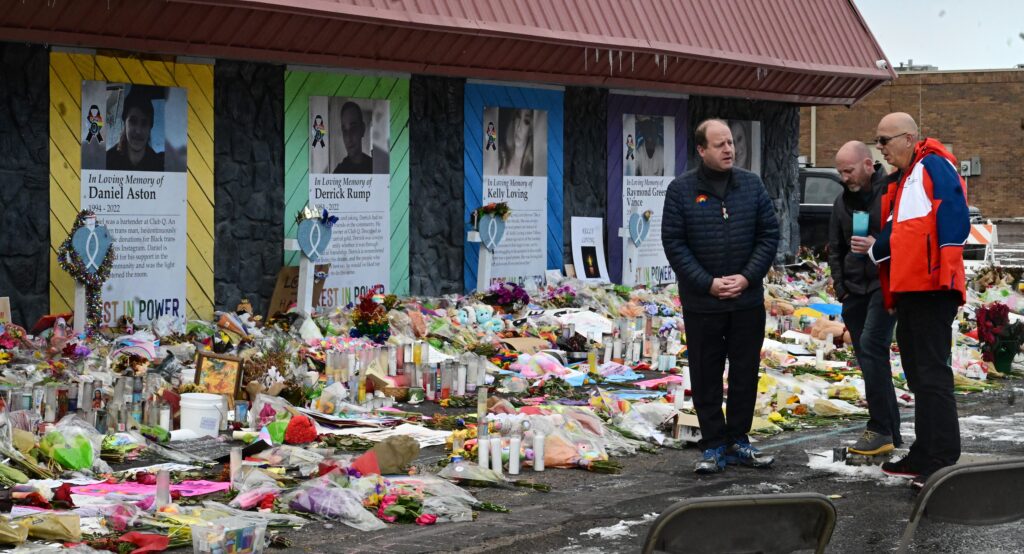
Federal judge rejects constitutional claims, ‘expressions of hatred’ by Club Q defendant
Michael Karlik
michael.karlik@coloradopolitics.com
Updated 2 days ago
A federal judge rejected a defendant’s claims that he received constitutionally ineffective assistance of counsel while facing federal hate crime and firearms charges for murdering five people at a Colorado Springs LGBTQ nightclub in 2022. Anderson Lee Aldrich is serving...

Divided 10th Circuit upholds Colorado congestion fee on car rentals
Michael Karlik
michael.karlik@coloradopolitics.com
Updated 1 day ago
The Denver-based federal appeals court concluded on Monday that a 2024 “congestion impact fee” that lawmakers imposed on short-term vehicle rentals did not conflict with a federal prohibition on certain airport-related charges. Beginning in the 1970s, Congress began limiting the...
10th Circuit dismisses woman’s lawsuit following 10-year attempt to undo restraining order
Michael Karlik
michael.karlik@coloradopolitics.com
Updated 5 days ago
The Denver-based federal appeals court rejected a woman’s challenge on Friday to a restraining order imposed on her more than a decade ago, finding that she cannot credibly claim she will be prosecuted for violating the restraining order through her...
10th Circuit dismisses woman’s lawsuit following 10-year attempt to undo restraining order
Michael Karlik
michael.karlik@coloradopolitics.com
Updated 5 days ago
The Denver-based federal appeals court rejected a woman’s challenge on Friday to a restraining order imposed on her more than a decade ago, finding that she cannot credibly claim she will be prosecuted for violating the restraining order through her...
Colorado equal pay law does not require plaintiffs to allege gender-based retaliation, appeals court finds
Michael Karlik
michael.karlik@coloradopolitics.com
Updated 4 days ago
The 2019 Colorado law aimed at rooting out pay discrimination on the basis of sex does not require a plaintiff to allege their employer retaliated against them for sex- or gender-related reasons, the state’s second-highest court decided on Thursday. Lawmakers...
Hudson faces lawsuit over ICE detention facility
Nicole C. Brambila
nicole-c-brambila@coloradopolitics.com
Updated 5 days ago
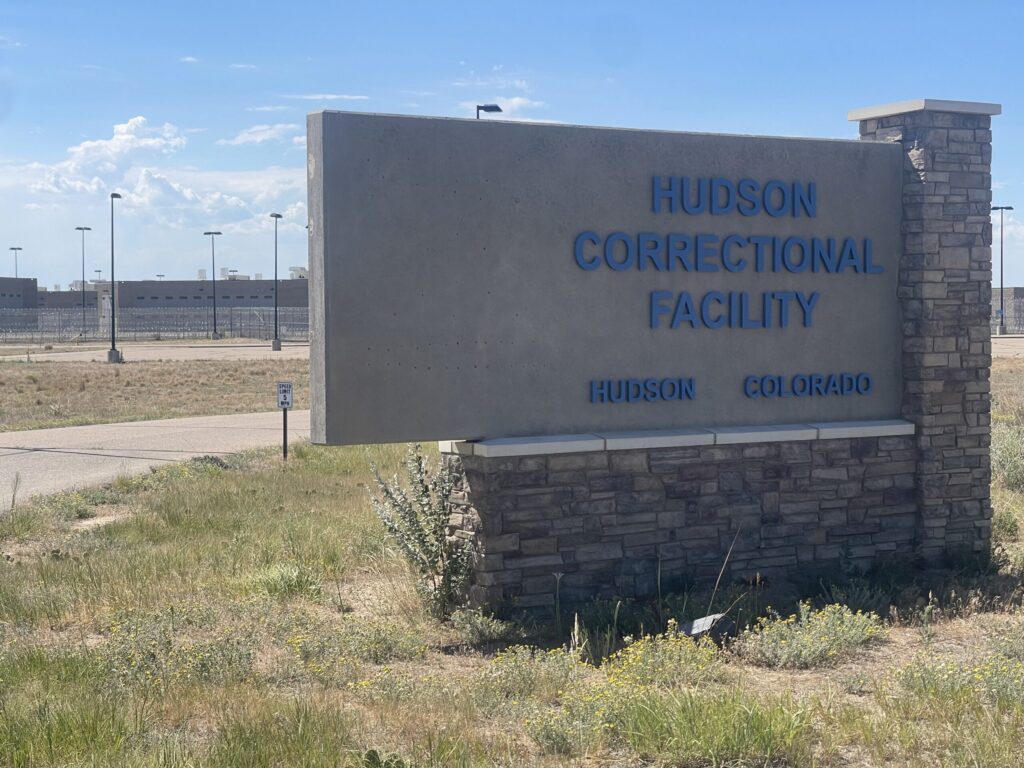
A nonprofit organization filed a lawsuit against the Town of Hudson Wednesday, challenging plans to reopen a former federal prison in the town as a U.S. Immigration and Customs Enforcement detention facility. Together Colorado, along with Janet E. Carlson, filed...
Senate committee advances Trump’s 10th Circuit nominee, as Domenico responds to questions about delays
Michael Karlik
michael.karlik@coloradopolitics.com
Updated 5 days ago
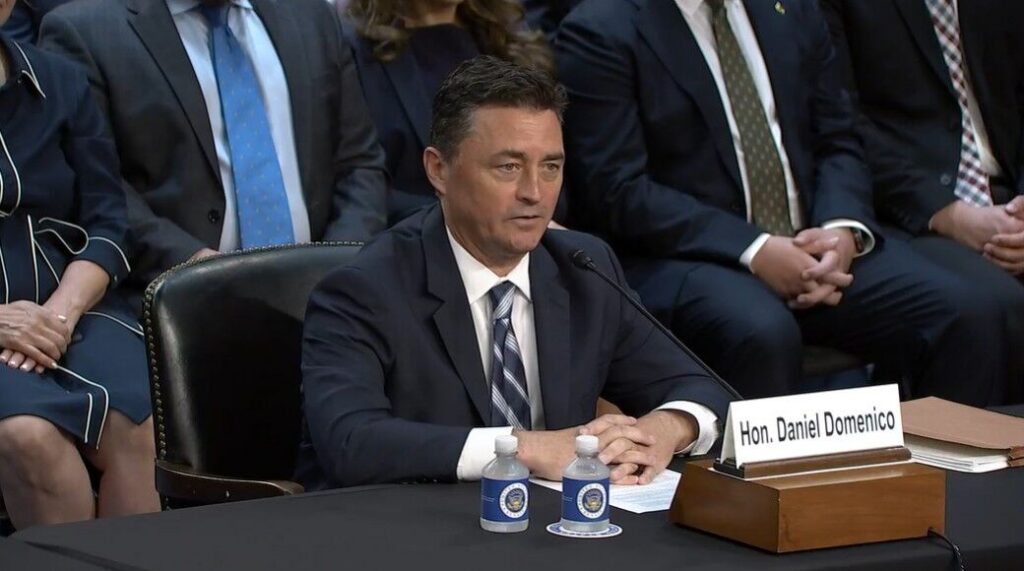
The U.S. Senate Judiciary Committee advanced President Donald Trump’s nominee to the Denver-based federal appeals court on Thursday by a party-line vote of 12-10. U.S. District Court Judge Daniel D. Domenico, who was Trump’s first-term appointee to Colorado’s federal trial...