

Colorado to surpass 2020 overdose death toll

Colorado is on track to surpass its record-breaking overdose death toll from last year, state data show, with fentanyl continuing to play a larger and deadlier role in the state’s spiraling overdose crisis and even as lawsuits against pharmaceutical companies and opioid manufacturers begin to wind down.
Total data for 2021 is not yet available, state officials said, and full statistics are complete only through August. But even with four months of data still to be fully analyzed, preliminary figures show fentanyl has been involved in more overdose deaths in 2021 than in any previous year, outpacing the combined totals from 2015 to 2019.
“If you’re angry, you’ve been paying attention,” said Lisa Raville, who leads Denver’s Harm Reduction Action Center. “People we know, love and serve are dying of preventable overdoses, and it doesn’t have to be this way. The overdose crisis is a public health emergency that demands a public health response.”
The preliminary data, provided Tuesday by the state Department of Public Health and Environment, does not break down how many overdoses various classes of drugs contributed to, and not all are opioid-related. Between Jan. 1 and Aug. 31, 1,230 people fatally overdosed in Colorado. During that same period in 2020, 1,017 people had died of lethal drug doses. In the first eight months of 2020, an average of 4.2 Coloradans fatally overdosed each day. During that same time period in 2021, that number climbed to more than five.
State figures show at least 1,340 Coloradans have overdosed in 2021, though that is not complete for the last third of the year and will increase as more data are received and processed by the state, said Kirk Bol, the manager of the state’s Vital Statistics Program. The total overdose death toll in 2020 was 1,477, itself a significant jump from 2019’s 1,072 deaths.
On Monday, Denver City Attorney Kristin Bronson told members of the City Council that the state’s fatal overdose estimate for 2021 would exceed 1,800. That would surpass 2020’s death toll by at least 22%.
“It doesn’t seem to be getting much better,” Bronson said Monday, adding that 2021 is “another bleak year as far as the human tragedy that this crisis has caused.”
A spokesperson for the state health department did not respond to an email asking about the state’s overdose projections for this year.
Fentanyl has played a role in 643 of 2021’s known fatal overdoses, accounting for about half of the state’s overdose deaths. Even with the limited data that’s available, fentanyl’s lethal role is already more prominent than in the entirety of 2020, when the synthetic opioid contributed to 534 deaths.
In 2015, for comparison, 41 overdose deaths involved fentanyl.
More Coloradans have already died of overdoses involving fentanyl in 2021 than in 2015, 2016, 2017, 2018 and 2019 combined. The state also surpassed that total last year.
Don Stader, an emergency and addiction medicine physician, said he isn’t surprised by the data, given what he sees every day.
“We have seen a dramatic increase in substance use and complications of substance use,” he said. “The numbers reflect the reality we are seeing on the ground.”
He added: “Fentanyl has changed the game.”
In April, The Denver Gazette spoke with 20 providers, advocates, experts and members of law enforcement about the overdose wave. Deaths had spiked significantly in 2020, and various experts said twin crises had hit Colorado at once, fueling the surge in death.
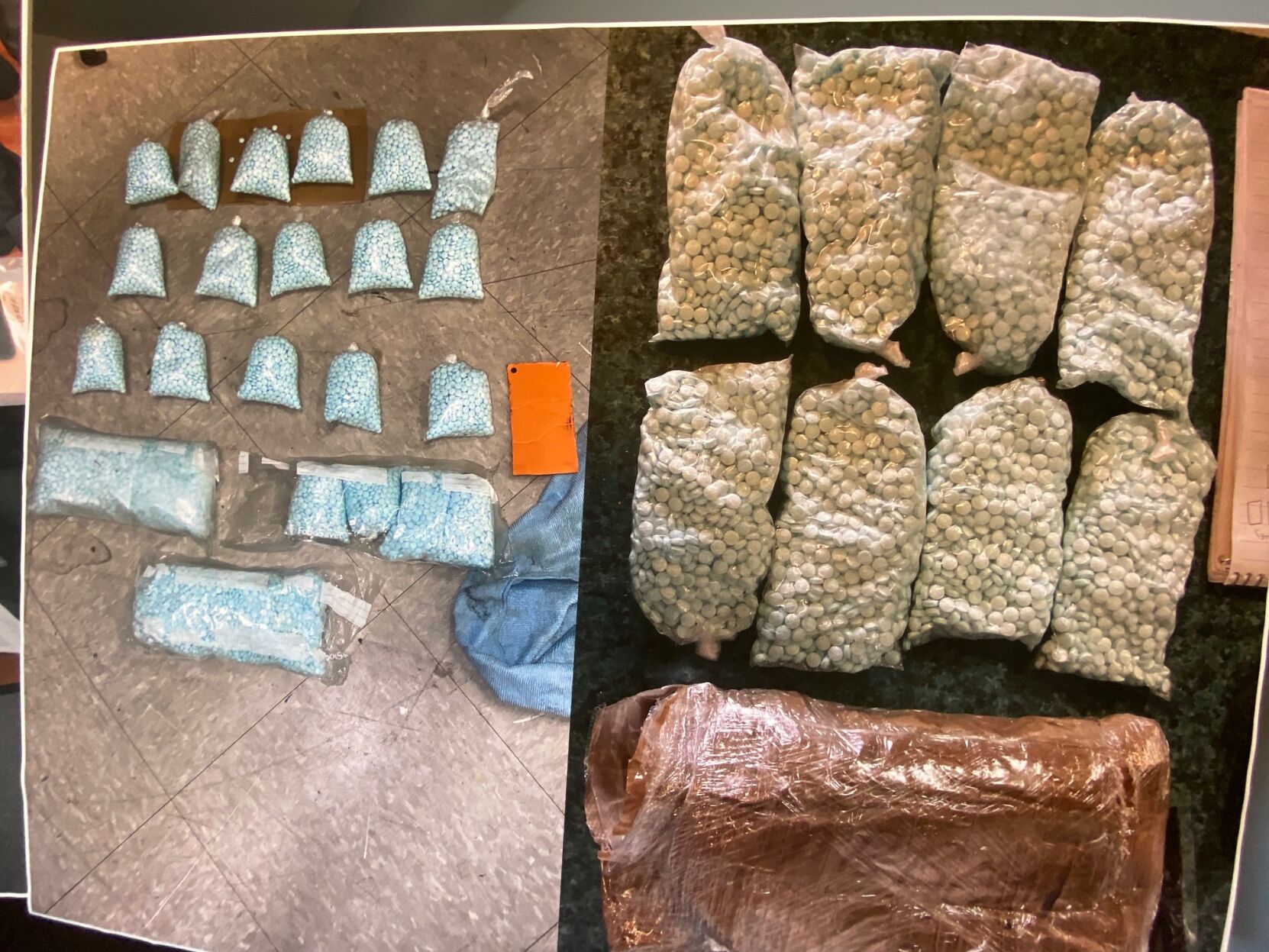
One is the rise in fentanyl. The synthetic opioid, easy to produce and distribute, is highly potent and ubiquitous, officials said. It’s becoming increasingly present in other drugs, including heroin, methamphetamine, cocaine and illicit pills, where it’s mixed with Xanax and pressed to look like legitimate tablets.
The other factor driving the worsening crisis, they said, is the isolation and stress caused by the pandemic, which is nearing its two-year anniversary.
Colorado is not alone in seeing its overdose deaths jump. In November, the U.S. Centers for Disease Control and Prevention said more than 100,000 Americans died of a drug overdose between April 2020 and April 2021, the first time the country had surpassed that threshold in a 12-month period.
“With every overdose statistic, there is a story – loved ones, friends and neighbors who are forever changed by loss,” Madelynn Ruble, spokeswoman for the Colorado Department of Human Services, said in a statement. “The impact is incalculable, and it only underscores the urgency of this challenge we face.”
She and Andres Guerrero, the manager of the state’s overdose prevention unit, both described steps the state is taking to address the crisis. Ruble said the state will receive $113 million over the next four years in federal money to help with prevention, treatment and recovery. Another $114 million has been allocated for state mental health programs, she said.
Colorado will also receive $389 million over the next 18 years from recent settlements with opioid manufacturers and Johnson & Johnson, with more money from other litigation likely to follow.
Guerrero noted the state’s efforts to increase the supply of naloxone – a medication used to reverse opioid overdoses – and support local harm reduction programs. Services like Raville’s provide clean needles, fentanyl test strips and access to treatment for those with substance abuse disorders.
Guerrero said the state is also “supporting our state’s coroners by funding toxicology testing so the state can obtain accurate counts of overdose deaths in order to target our prevention efforts in the geographic areas with the highest need.”


The primary political reform and precondition for all others | SONDERMANN
Eric Sondermann
eric-sondermann@coloradopolitics.com
Updated 3 days ago
In its current state, the American political system has no end of ailments. Far too many factors accelerate polarization and work against moderation and narrowing the differences. Media, and the way so many citizens limit themselves to agreeable, reinforcing sources,...
Susemihl wins surprise victory to replace Steve Durham as Colorado Springs state senator | A LOOK BACK
Rachael Wright, Special to Colorado Politics
rachael.wright@coloradopolitics.com
Updated 3 days ago
Forty-five years ago this week: In a closed session, the vacancy committee for Colorado’s Senate District 12 selected attorney Peter Susemihl to complete Sen. Steve Durham’s, R-Colorado Springs, term. Durham resigned his seat to become Region 8 Director of the...
10th Circuit partially revives lawsuit over 2020 Denver protest injuries
Michael Karlik
michael.karlik@coloradopolitics.com
Updated 15 hours ago
The Colorado-based federal appeals court revived a man’s claims against Denver on Friday after concluding a trial judge resolved the case in the city’s favor without analyzing two of the three instances of alleged excessive force and other constitutional violations....
Federal judges find Colorado immigration judge violated several orders
Michael Karlik
michael.karlik@coloradopolitics.com
Updated 16 hours ago
Multiple federal judges in Colorado have freed people from immigration custody after determining that one immigration judge violated their directives for properly conducting bond hearings. For nearly a year, Colorado’s U.S. District Court has faced a flood of “habeas corpus” petitions...
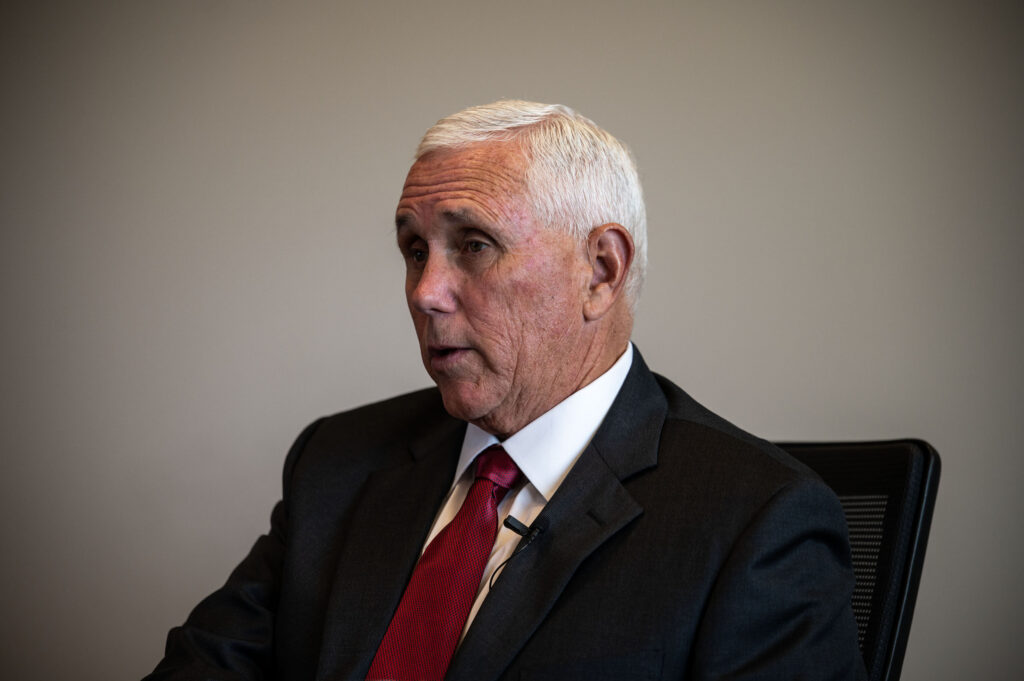
Q&A with Mike Pence | Former vice president says GOP’s populist turn from conservatism isn’t permanent
Ernest Luning
ernest.luning@coloradopolitics.com
Updated 16 hours ago
Former Vice President Mike Pence says he’s concerned that the Republican Party has taken a populist turn away from bedrock conservative principles during President Donald Trump’s second term, but he believes the party will return to its roots when Trump...
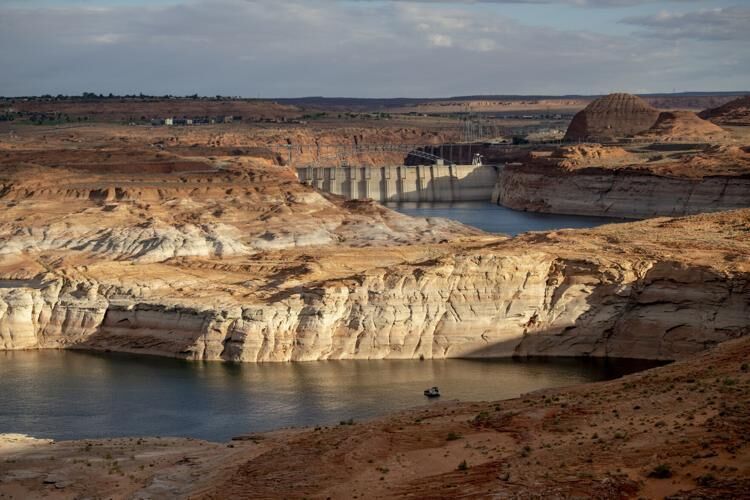
New federal plan sets short-term rules for Colorado River management
Marianne Goodland
marianne.goodland@coloradopolitics.com
Updated 15 hours ago
Interior Department’s plan spares Colorado from mandatory cuts for now After years of stalled negotiations among the seven states that rely on the Colorado River, the federal government on Friday released its own plan for managing the drought-strained system. Calling...
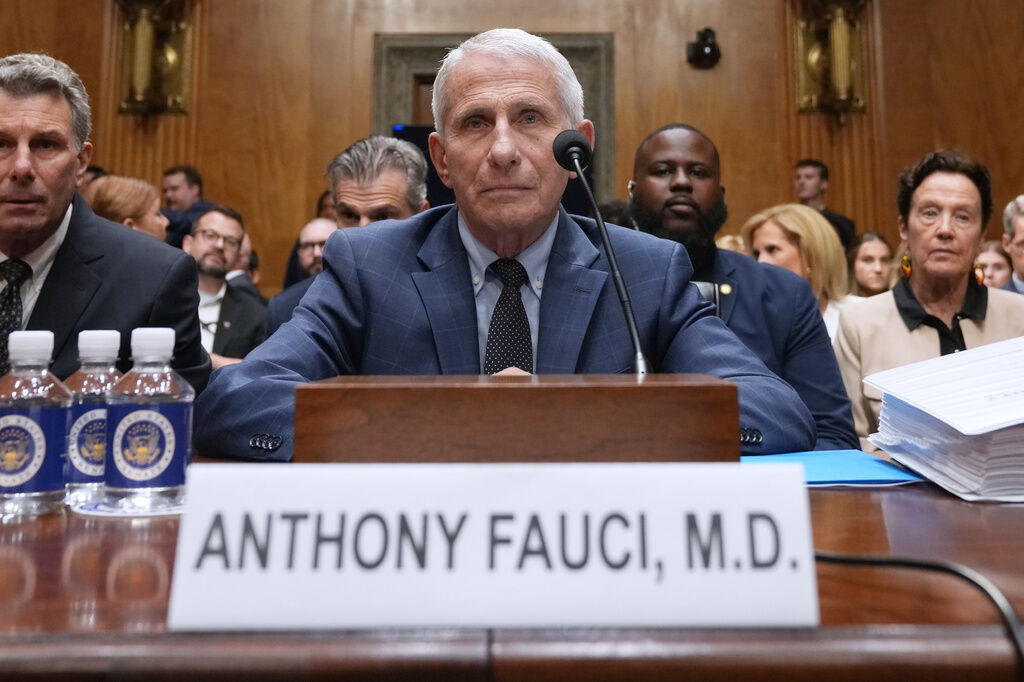
Fauci’s diary details blooming outrage toward ‘far right,’ softness toward Biden and China
Hudson Crozier
hudson.crozier@washingtonexaminer.com
Updated 20 hours ago
Dr. Anthony Fauci increasingly railed against “far right” critics of his approach to COVID-19 issues while describing strong support from the Biden White House in his pandemic-era diary, which was recently released by Congress. The former National Institute of Allergy...

Colorado is spared mandatory cuts under federal Colorado River proposal
The Associated Press
the-associated-press@coloradopolitics.com
Updated 21 hours ago
California, Arizona and Nevada to take less water under plan While Colorado has been spared from mandatory reductions, Arizona, California and Nevada would take less water from the Colorado River under a proposal announced Friday by the federal government to...

Republican Victor Marx taps George Markert as his lieutenant governor pick in Colorado’s gubernatorial race
Ernest Luning
ernest.luning@coloradopolitics.com
Updated 13 hours ago
Colorado Republican gubernatorial nominee Victor Marx named George Markert, a retired Marine colonel, as his running mate for lieutenant governor Friday morning, saying the former U.S. Senate candidate will bring “exceptional character, proven leadership and a lifetime of serving others”...
Misconduct complaints from ex-Colorado judicial discipline director dismissed against federal judges
Michael Karlik
michael.karlik@coloradopolitics.com
Updated 1 day ago
The administrative body for the Denver-based federal appeals court upheld a finding last week that misconduct complaints against Colorado’s chief federal trial judge and the chief appeals judge warranted dismissal and appeared to be a “litigation tactic” by the complaining...
PREV
PREVIOUS

Arapahoe County Commission withdraws from Tri-County Health
The Arapahoe County Commission voted Tuesday morning to withdraw from the Tri-County Health Department next year, marking the final departure from what was once the state’s largest county-level public health agency. The board approved a resolution to withdraw from Tri-County effective Dec. 31, 2022, mirroring action taken by the Adams County Commission in October. Both […]

What is one hotel worth? State Supreme Court wades into dispute over luxury Vail hotel
Vail Resorts and Eagle County hold different views about how much a luxury hotel property in the core of Vail Village is worth – specifically, a difference of $24 million. Now, the Colorado Supreme Court has agreed to decide whether the Fortune 500 company and the state of Colorado are correct that the disputed property should […]