

LEGISLATIVE PREVIEW 2021 | Everything old won’t be new again

A lot got shelved in 2020, including the public option. How many will live again 2021 and how many are dead, dead, dead?
Money will dictate just what gets passed and by whom. Sen. Democratic Sen. Dominick Moreno of Commerce City, chair of the powerful Joint Budget Committee, said spending-plan writers have about $1 billion to work with.
Sounds like a lot, right? Not so much.
It would be if it was money the state could count on past the 2021-22 year, but it’s all one-time dollars. On top of that, revenue forecasts from both the Legislative Council’s economists and the governor’s Office of State Planning and Budgeting say that 2022-23 and for at least the year after that, the state is expected to have more costs than income. That means belt-tightening for the foreseeable future and no new programs that require money after the first year.
In other words, one-time dollars.
Still, those one-time dollars could go a long way toward helping Coloradans struggling through the economic devastation of the pandemic.
That leaves on the floor (or in the wastebasket) practically every other major priority that requires more than one-time funds.
Issues that could see a new look in the new year include:
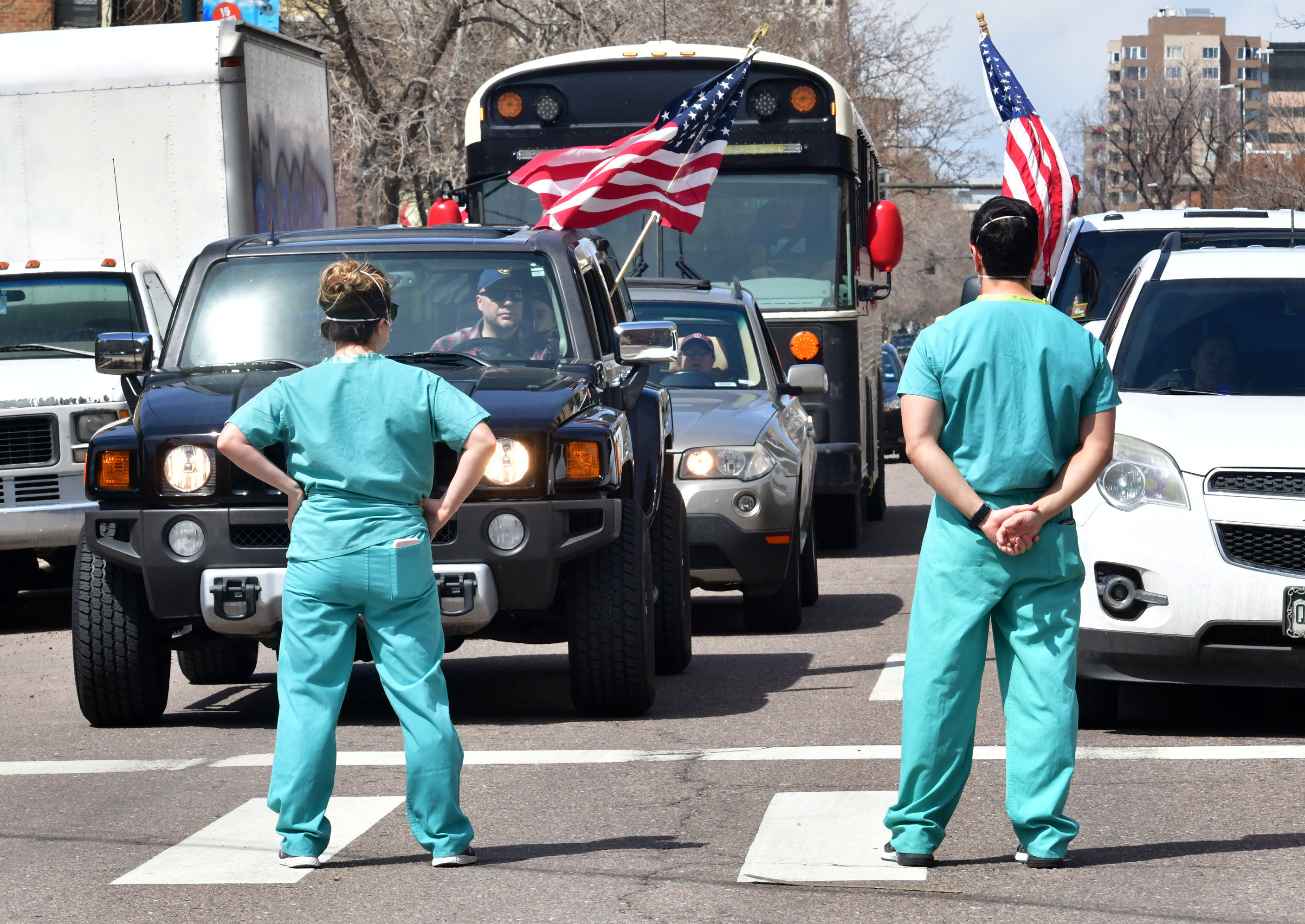
Health care. Transparency on billing and prescription drug pricing, maybe; anything that requires state money, nyet. That would include providing behavioral health professionals in schools or other facilities, for example.
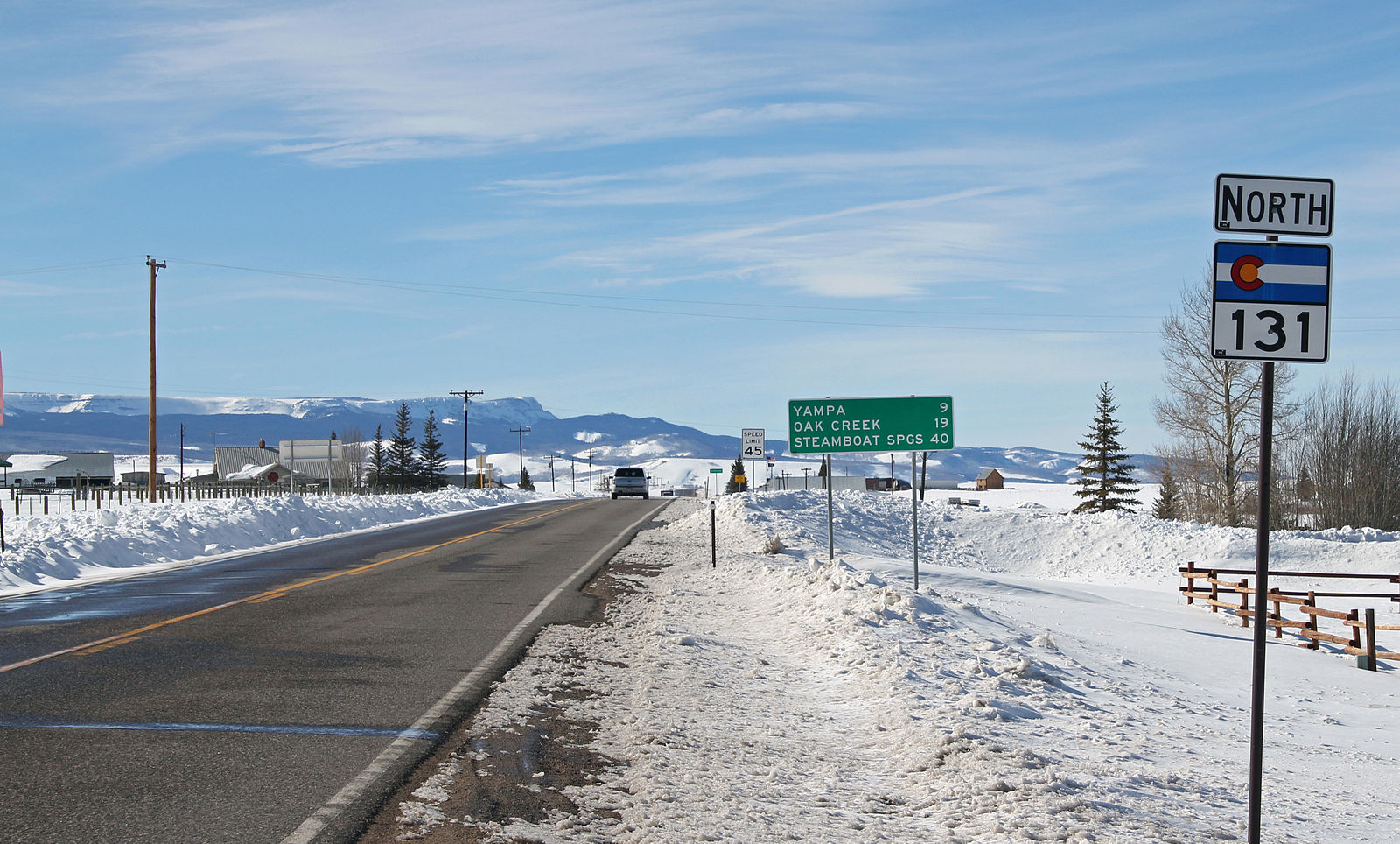
Transportation. The “shovel-ready public works” projects part of the Polis stimulus could provide up to 15,000 temporary jobs, some of that in public construction of infrastructure. But roads are a long-term issue, one that requires long-term funding.

Oil and gas regulations. The state is still under that handshake deal with oil and gas and the environmental lobby to allow Senate Bill 19-181 to be fully implemented before anyone tries to make any other changes. The Colorado Oil and Gas Conservation Commission voted to finalize rule changes in November for implementation in 2021.
Gun control. Do lawmakers have the stomach for a big fight on the issue in 2021? There were two bills introduced late in the first part of the 2020 session, on storing weapons and reporting when a firearm has been lost or stolen. Both were canned by Democrats, again, last session.
Animal rights. Legislation could be pushed by the first gentleman, Marlon Reis, including the Humane Pet Act, which sought to ban the sales of dogs and cats in pet stores (HB 20-1084), and a ban on using “exotic animals” in traveling performances (SB 125).

Plastics ban. This one’s a bit iffy. It doesn’t cost the state any money to put in a ban, but retail stores, restaurants and even long-term care facilities rely heavily on one-time use plastics to help prevent the spread of COVID-19. This could prove a law of unintended consequences.
Handheld devices while driving ban. There’s no state cost involved, but the politics are sticky and could be a symbol of overreach in next year’s elections. The issue has been before the legislature, but always devolves into compromises that water it down, only for it to come back.

Year-round Daylight Savings Time. A bill whose time has come, which sponsors say every year, and gone. Again, there is no state cost. But some see it more as the job of Congress and, again, laden with indirect problems.
Police radio transparency. Could this be the year that Rep. Kevin Van Winkle, R-Highlands Ranch, gets his bill through? He’s tried it three years running, but the issue might get support from Democrats in light of police response to the 2020 protests.
Recycled remains. Allowing the composting of human remains.
Lingering business bill. Arbitration also went by the wayside during the second part of the regular session. No cost to the state involved here, either, and that could easily make a return in 2021. (SB 93)
Barack Obama Highway. Designating a portion of Interstate 25 in Denver to honor the former president could pick up speed with his VP soon to be in the White House.
Extend the statute of limitations for sexual abuse. The bill was pulled in 2020 but could resurface in 2021.
Conservation easements. Reparations for rural Coloradans who lost millions in tax credits are a non-starter in 2021 and likely for the foreseeable future, but there are other elements in the 2020 bill that could go forward and would no cost the state any money, such as rethinking how easements are valued, as well as dealing with abandoned or orphan easements.
BOX:
Gov. Jared Polis has proposed a $1.3 billion stimulus package for 2021-22, focused entirely on programs relying on one-time dollars:
- $168 million for benefits for low- and middle-income workers who are jobless
- $105 million for “winter support” for small businesses, largely restaurants and bars, hit by capacity restrictions
- $220 million for “shovel-ready public works and infrastructure projects” and the “new outdoor economy”
- $160 million for broadband investments, including education and telehealth
- $140 million for “upskilling and investment”
- $78 million for wildfire response
- $50 million for housing eviction prevention
- $4 million in grants to pay for body cams for law enforcement
- $200 million for “one-time stimulus legislative priorities.”

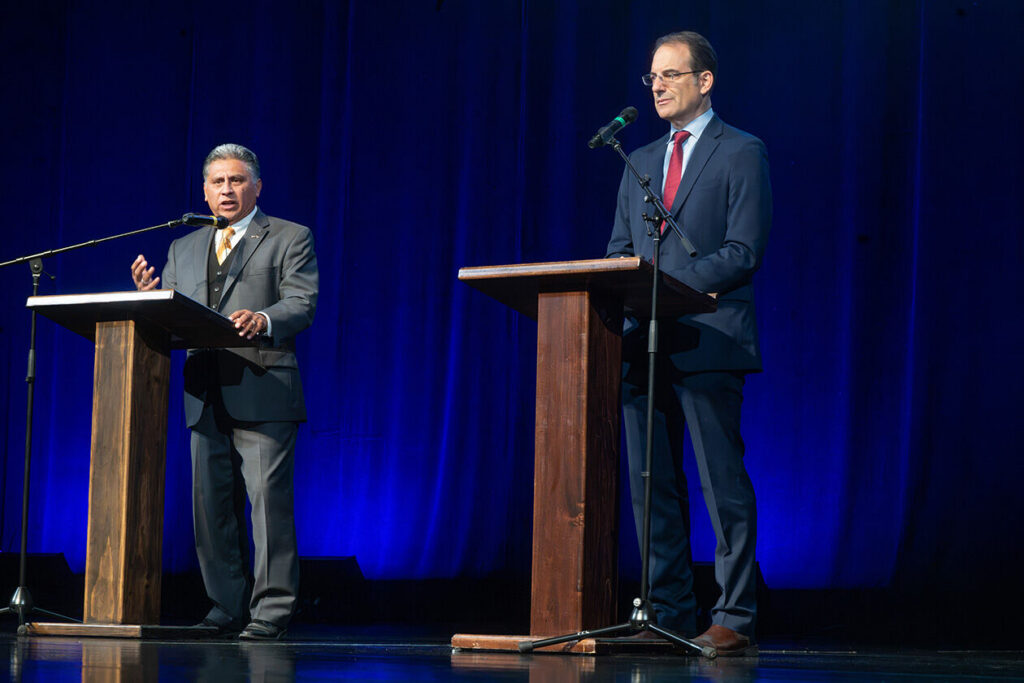
Gubernatorial candidates Phil Weiser, Greg Lopez spar, as Marx skips debate
Deborah Grigsby
deborah.smith@denvergazette.com
Updated 3 hours ago
Two of the candidates for Colorado governor squared off in a televised debate on Thursday night, when Attorney General Phil Weiser, the Democratic nominee, and former U.S. Rep. Greg Lopez, an unaffiliated candidate, delved into issues of affordability, data center...
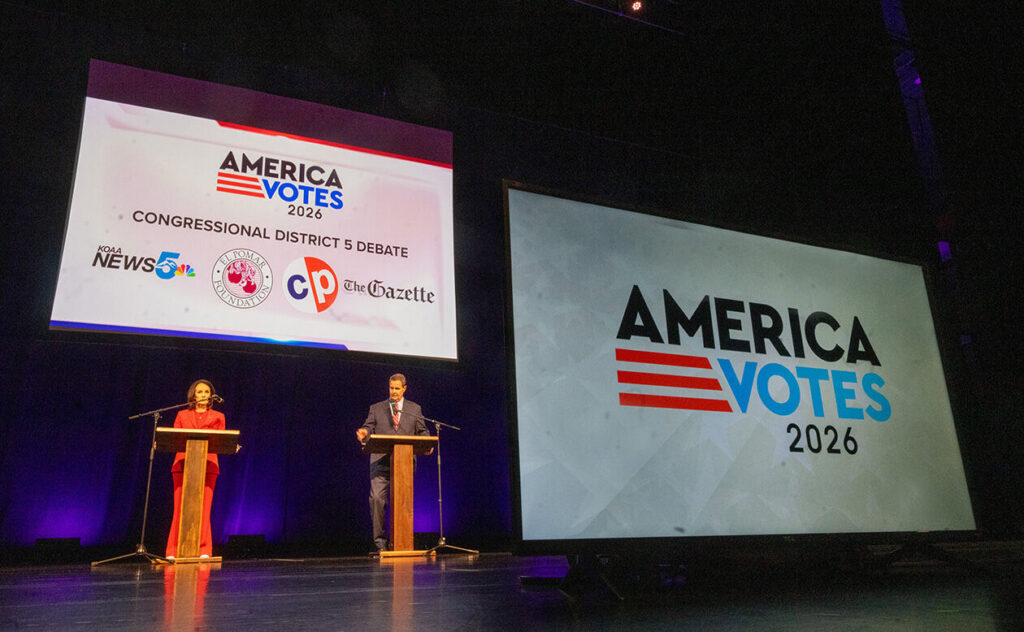
Troops, taxes, war dominate Colorado’s 5th CD debate between Jeff Crank, Jessica Killin
Deborah Grigsby
deborah.smith@denvergazette.com
Updated 4 hours ago
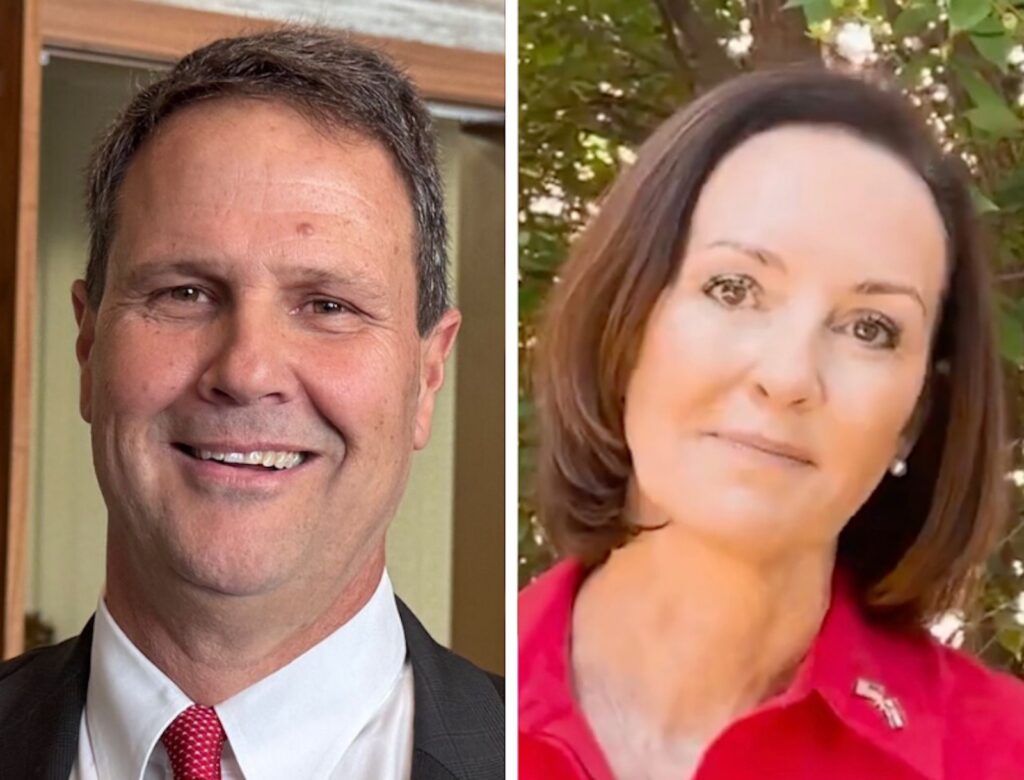
Republican U.S. Rep. Jeff Crank and Democratic challenger Jessica Killin on Thursday night clashed over the war in Iran, the federal budget and healthcare when they took the stage in Colorado Springs for a sold-out debate in the race to...

WATCH: Colorado gubernatorial candidates Phil Weiser, Greg Lopez face off Thursday in televised debate
Ernest Luning
ernest.luning@coloradopolitics.com
Updated 5 hours ago
Two of the candidates for governor of Colorado are set to square off in a televised debate for the first time Thursday night, when Attorney General Phil Weiser, the Democratic nominee, and former U.S. Rep. Greg Lopez, an unaffiliated candidate,...
WATCH: Republican US Rep. Jeff Crank, Democratic challenger Jessica Killin debate in Colorado’s 5th CD
Ernest Luning
ernest.luning@coloradopolitics.com
Updated 6 hours ago
Republican U.S. Rep. Jeff Crank and Jessica Killin, his Democratic challenger, are scheduled to meet for a televised debate in the race to represent Colorado’s 5th Congressional District on Thursday night. The candidates are set to take the stage at...
Democratic-aligned poll shows big majority of swing-seat voters support routine childhood vaccines
Ernest Luning
ernest.luning@coloradopolitics.com
Updated 11 hours ago
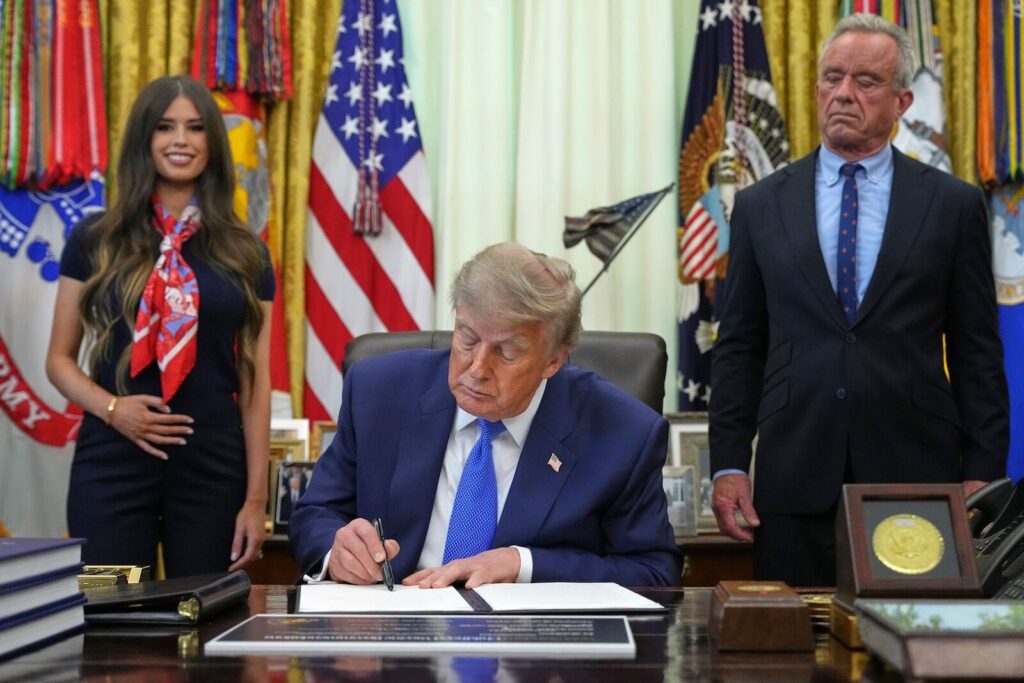
A new poll conducted by Democratic-aligned groups found that voters in competitive U.S. House districts — including a battleground seat in Colorado — support routine childhood vaccinations by a wide margin and oppose a recent order by President Donald Trump...
Coalition drops Colorado transportation ballot measure after securing deal
Marissa Ventrelli
marissa.ventrelli@coloradopolitics.com
Updated 7 hours ago
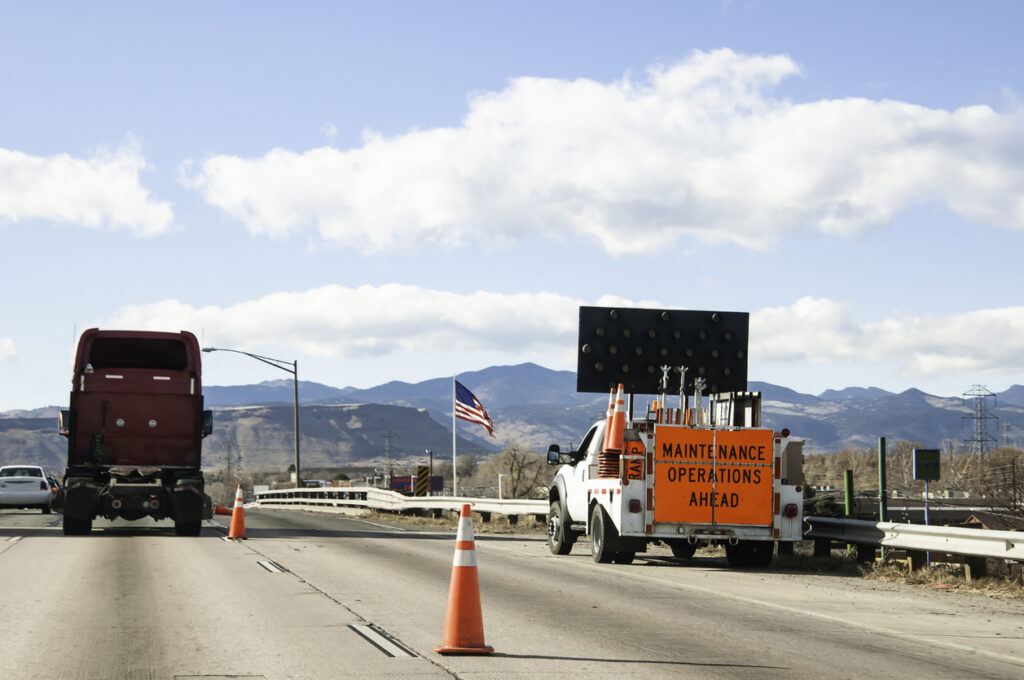
The proposed constitutional amendment seeking to dedicate all transportation-related revenue to Colorado’s roads and bridges will no longer appear in this November’s ballot after its proponents reached an agreement with lawmakers following months of negotiations. Initiative No. 175, backed by...
USPS ballot rule faces lawsuit from Colorado, other states
Thelma Grimes
thelma.grimes@coloradopolitics.com
Updated 14 hours ago
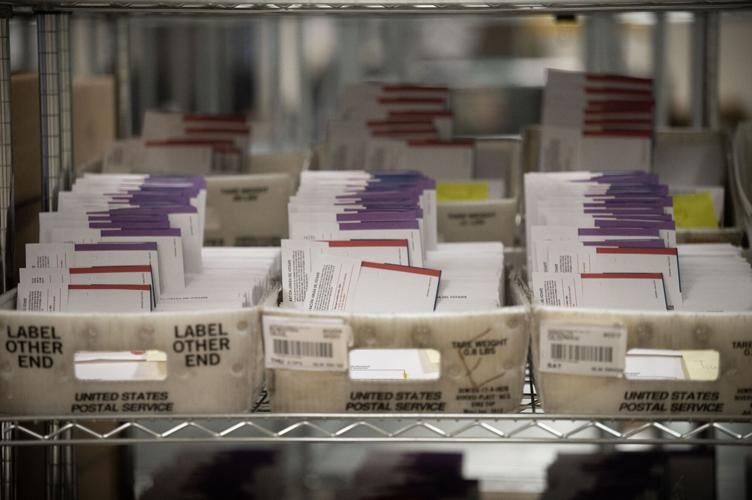
Colorado, along with 25 other states, filed a lawsuit against the U.S. Postal Service to challenge a new rule that seeks to restrict the mailing of ballots to American citizens on an eligible voters list. Colorado relies heavily on the...
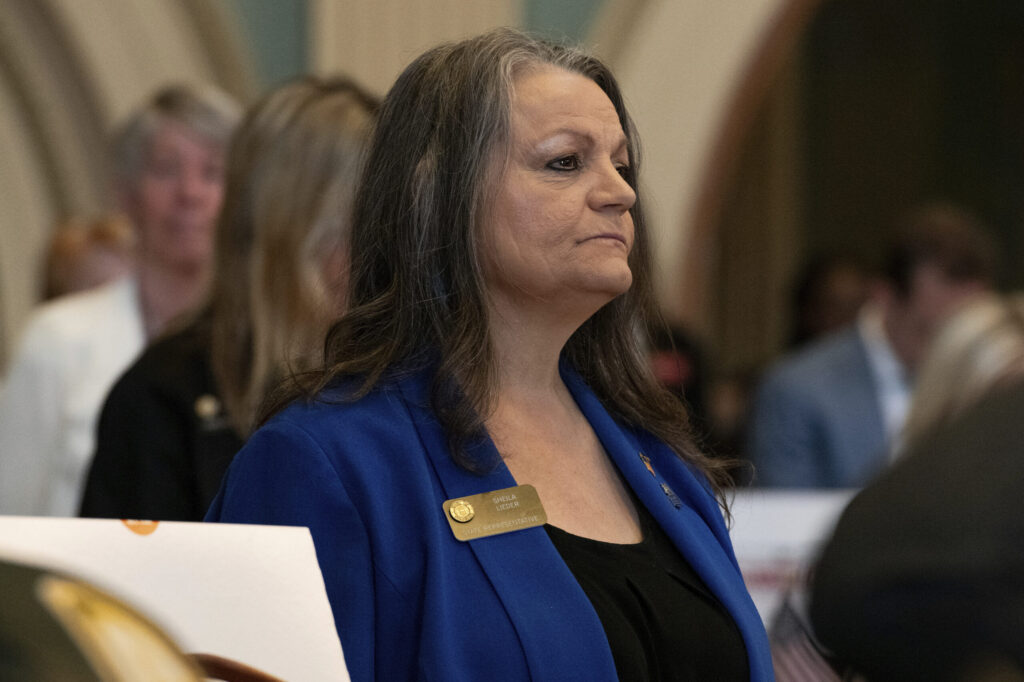
Colorado lawmaker, House leaders named in workplace-retaliation lawsuit
Marianne Goodland
marianne.goodland@coloradopolitics.com
Updated 2 days ago
A former legislative aide has filed a lawsuit alleging she was mistreated, illegally directed to perform campaign work and harmed by a House leadership structure she charged was fragmented, politicized and ineffective at protecting employees. The lawsuit, filed by Jennifer...
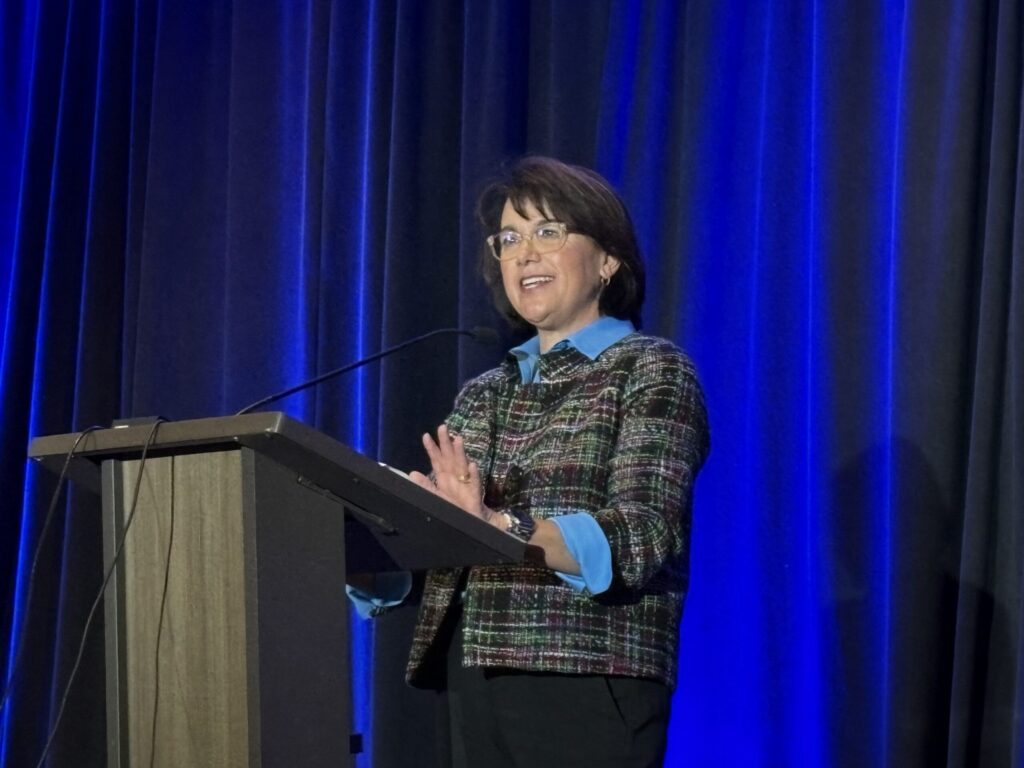
Democratic candidate in Colorado’s 4th CD urges long-term water planning
Marianne Goodland
marianne.goodland@coloradopolitics.com
Updated 5 days ago
The Democrat hoping to become the next representative of Colorado’s 4th Congressional District on Thursday made her case on the final day of Colorado Water Congress in Steamboat Springs. Eileen Laubacher, who spent 34 years in the U.S. Navy and...
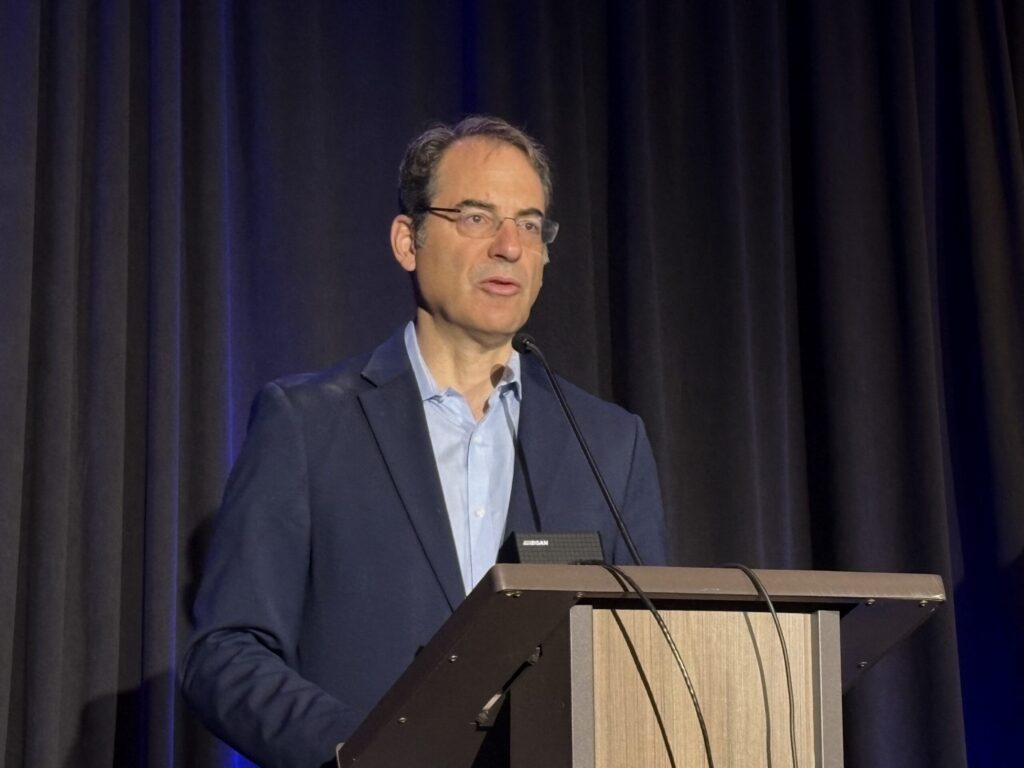
Democratic gubernatorial candidate Phil Weiser promises to appoint rural outreach director, water adviser
Marianne Goodland
marianne.goodland@coloradopolitics.com
Updated 7 days ago
Democratic gubernatorial candidate and current Attorney General Phil Weiser told the Colorado Water Congress Thursday he intends to appoint a rural outreach director and a water policy adviser should he win the election in November. Weiser’s speech at the Steamboat...
PREV
PREVIOUS

Environmentalists laud Xcel's green vehicle plan before PUC
Colorado clearly has the pedal to the metal on electric vehicles, as the state’s Public Utilities Commission approved a plan to allow Xcel Energy to provide 20,000 charging stations and pass the cost on to its ratepayers. The PUC approved the Xcel’s Transportation Electrification Plan, which calls for more than $100 million in investments over three […]

Neguse asks USDA for permission to modify prior school year benefits
U.S. Rep. Joe Neguse has asked the U.S. Department of Agriculture to allow states to provide federally-funded pandemic electronic benefit transfer payments to families of schoolchildren who did not apply in time for the 2019-2020 school years or who went uncovered by Colorado’s program. “States established P-EBT programs quickly and heroically last spring and summer, […]