

State Supreme Court clears way for 2 ballot initiatives, denies Title Board rehearing

The Colorado Supreme Court will allow two out-of-school learning ballot initiatives proposed for the 2020 ballot to continue forward without a rehearing in accordance with state law.
Designated representatives Juliet Sebold and Monica R. Colbert proposed eight ballot initiatives to create an Expanded Learning Opportunities Agency with different funding mechanisms. The state’s Title Board, which advances proposals to the petition-circulating phase upon determination that the ballot initiative covers a single subject, found in April 2019 that initiatives 74 and 75 covered multiple subjects.
Subsequently, at a rehearing, the Title Board reversed its decision and set titles for the two ballot measures.
Kenneth Nova, a Boulder resident, asked the Title Board for a another rehearing, which the Title Board declined to do, citing that only one rehearing is allowed per law. Nova then appealed to the state Supreme Court.
“This prohibition on holding a second rehearing proceeding before the Title Board regarding a proposed initiative is consistent with the ‘stringent time restraints [that] are placed on the proponents and opponents of initiatives, as well as on the Title Board’,” wrote Justice Melissa Hart for the majority.
She added that the process of directing further appeals in the title setting process to the Supreme Court is “quite reasonable.”
The court dismissed Nova’s contention that because the Title Board did not set a title until the rehearing, he should be entitled to a another rehearing to lodge his objection.
Hart wrote that this logic could result in never-ending hearings to tweak title language. “It is not hard to imagine the gamesmanship that could result if a group of objectors wanted to keep a proposed initiative away from the voters,” she explained.
The decision was 4-3, with Justices Richard L. Gabriel, Carlos A. Samour Jr. and Chief Justice Nathan B. Coats dissenting.
Gabriel, writing for the minority, stated that the issue involved whether a person could request a rehearing as a consequence of the Title Board granting another party’s rehearing request and reaching a different decision.
“Petitioner contends that a party aggrieved by such a change of course should have the opportunity to move for a rehearing,” he wrote. “I agree with that.”
Colorado Politics Must-Reads:

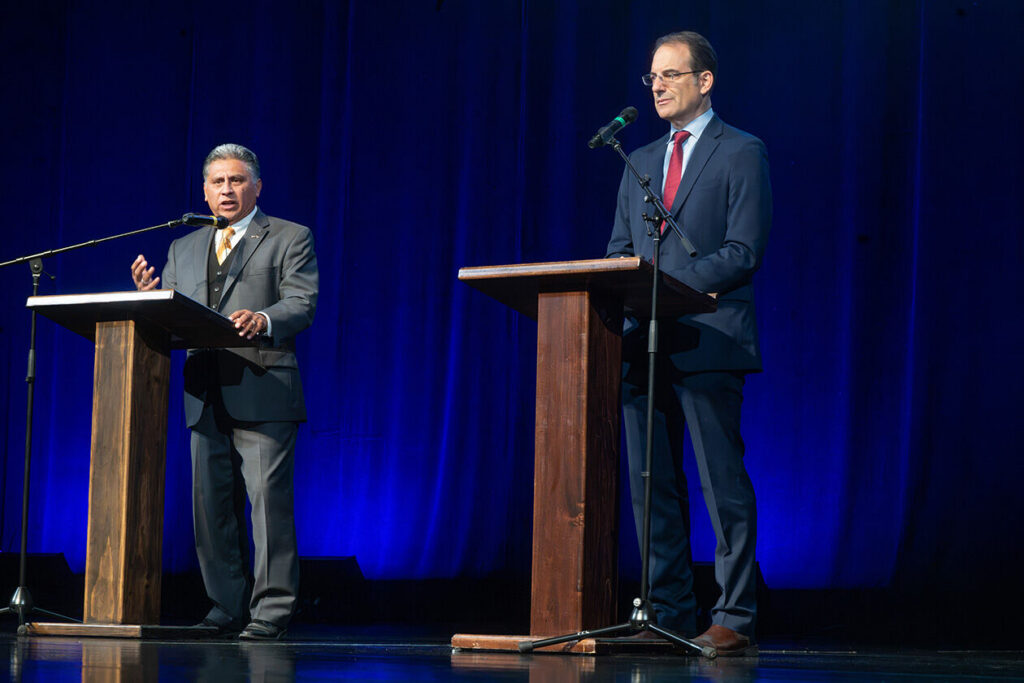
Gubernatorial candidates Phil Weiser, Greg Lopez spar, as Marx skips debate
Deborah Grigsby
deborah.smith@denvergazette.com
Updated 2 hours ago
Two of the candidates for Colorado governor squared off in a televised debate on Thursday night, when Attorney General Phil Weiser, the Democratic nominee, and former U.S. Rep. Greg Lopez, an unaffiliated candidate, delved into issues of affordability, data center...
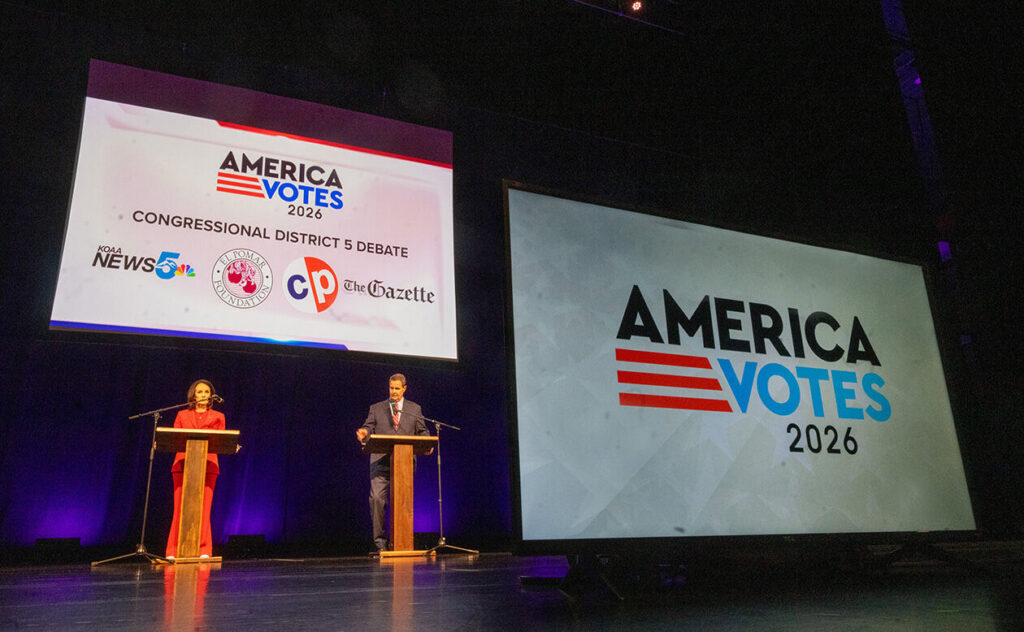
Troops, taxes, war dominate Colorado’s 5th CD debate between Jeff Crank, Jessica Killin
Deborah Grigsby
deborah.smith@denvergazette.com
Updated 3 hours ago
Republican U.S. Rep. Jeff Crank and Democratic challenger Jessica Killin on Thursday night clashed over the war in Iran, the federal budget and healthcare when they took the stage in Colorado Springs for a sold-out debate in the race to...

WATCH: Colorado gubernatorial candidates Phil Weiser, Greg Lopez face off Thursday in televised debate
Ernest Luning
ernest.luning@coloradopolitics.com
Updated 4 hours ago
Two of the candidates for governor of Colorado are set to square off in a televised debate for the first time Thursday night, when Attorney General Phil Weiser, the Democratic nominee, and former U.S. Rep. Greg Lopez, an unaffiliated candidate,...

WATCH: Republican US Rep. Jeff Crank, Democratic challenger Jessica Killin debate in Colorado’s 5th CD
Ernest Luning
ernest.luning@coloradopolitics.com
Updated 6 hours ago
Republican U.S. Rep. Jeff Crank and Jessica Killin, his Democratic challenger, are scheduled to meet for a televised debate in the race to represent Colorado’s 5th Congressional District on Thursday night. The candidates are set to take the stage at...

Colorado officials warn of e-bike safety amid increase in serious youth injuries
Matt Kyle
matt.kyle@denvergazette.com
Updated 1 hour ago
Serious injuries involving e-bikes, e-scooters and children have risen significantly in Colorado over the past year and a half. Traumatic injuries involving e-bikes have risen 184%, according to Alicia Melven, Colorado injury prevention and outreach specialist for Children’s Hospital Colorado’s...

Colorado State Fair youth golf tournament celebrates 11 years
Marianne Goodland
marianne.goodland@coloradopolitics.com
Updated 8 hours ago
Twenty-eight teams tee off Friday at Walking Stick Golf Course in Pueblo for a tournament supporting 4-H, Future Farmers of America and capital improvements at the Colorado State Fair. Now in its 11th year, the Partners of Youth in Ag...

Controversial two-bag furbearer limit heads to CPW meeting under legal threat
Marianne Goodland
marianne.goodland@coloradopolitics.com
Updated 8 hours ago
Next week’s Colorado Parks and Wildlife Commission meeting in La Junta is likely to open under the cloud of threatened legal action. Safari Club International and the Sportsmen’s Alliance Foundation warned the commission this month that its July vote imposing...
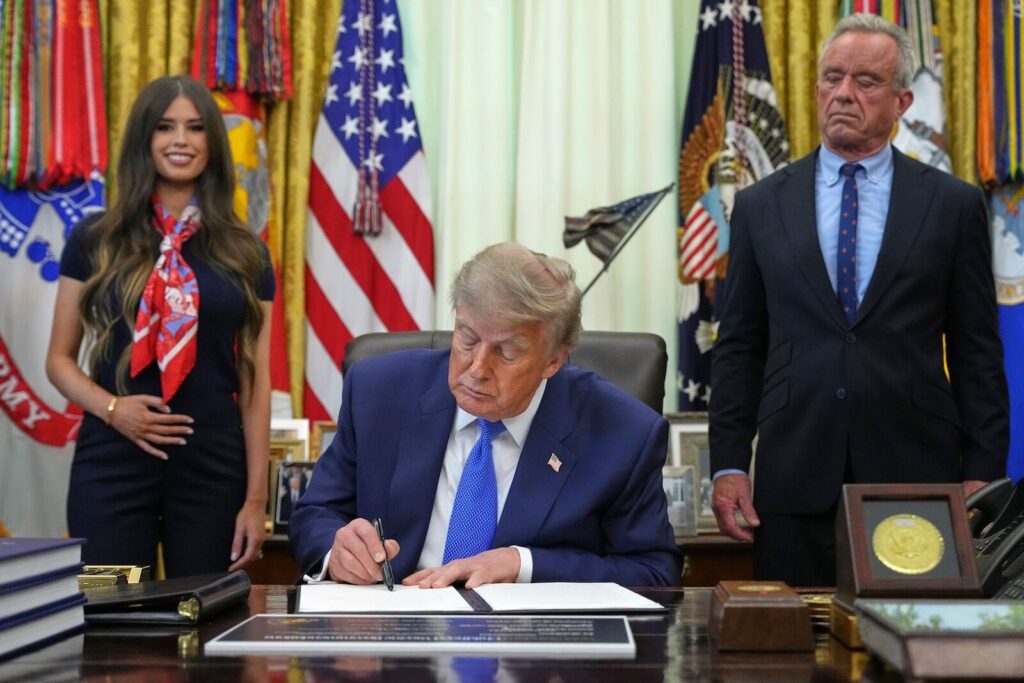
Democratic-aligned poll shows big majority of swing-seat voters support routine childhood vaccines
Ernest Luning
ernest.luning@coloradopolitics.com
Updated 10 hours ago
A new poll conducted by Democratic-aligned groups found that voters in competitive U.S. House districts — including a battleground seat in Colorado — support routine childhood vaccinations by a wide margin and oppose a recent order by President Donald Trump...

Some Colorado hunters oppose measure establishing constitutional right to hunt, fish proposal, group says
Marissa Ventrelli
marissa.ventrelli@coloradopolitics.com
Updated 5 hours ago
A group that says it represents hunters and anglers from across Colorado announced its opposition to a ballot measure that would establish the right to hunt and fish in Colorado’s constitution, saying it could result in the overturning of bans...
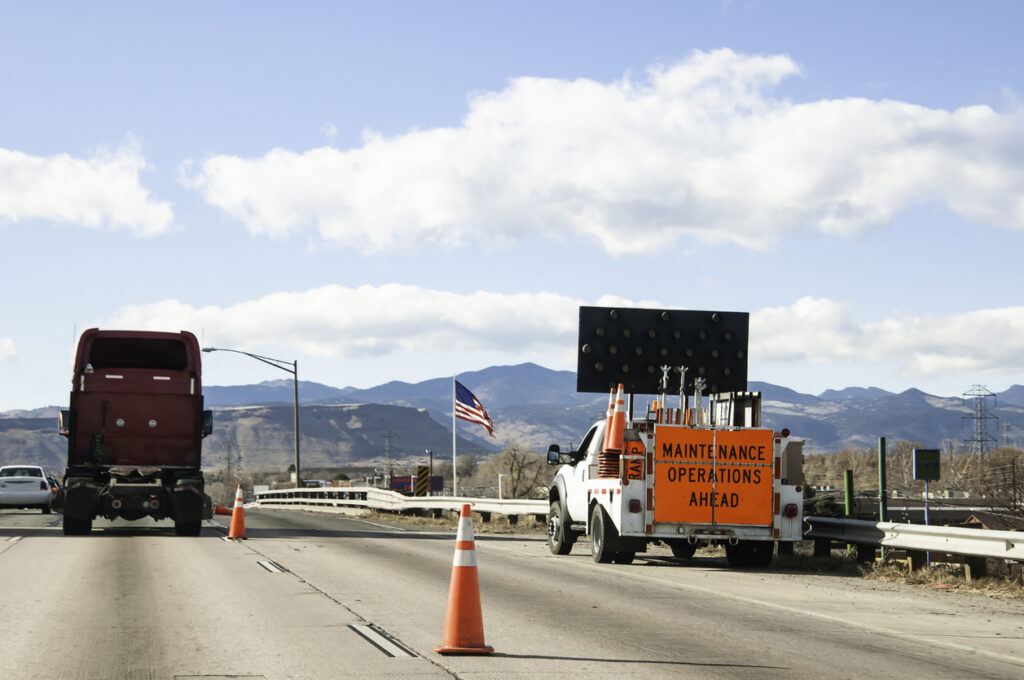
Coalition drops Colorado transportation ballot measure after securing deal
Marissa Ventrelli
marissa.ventrelli@coloradopolitics.com
Updated 6 hours ago
The proposed constitutional amendment seeking to dedicate all transportation-related revenue to Colorado’s roads and bridges will no longer appear in this November’s ballot after its proponents reached an agreement with lawmakers following months of negotiations. Initiative No. 175, backed by...
PREV
PREVIOUS

Pettit hired as state's new technology officer
The Polis administration has announced that Alex Pettit is the state’s new chief technology officer. Pettit, previously the chief information officer for Oregon, will guide the use of cloud services, blockchain and artificial intelligence, a press release stated. “Alex will pursue our passionate purpose of Customer Delight while working to fulfill OIT’s mission of enhancing […]

Title Board to consider 4 proposals to fund new out-of-school learning agency
On Wednesday, the state’s Title Board will consider advancing four similar proposals to create an out-of-school learning opportunities agency, with different funding mechanisms proposed. The Colorado Out-of-School Learning Opportunities Agency as described in Initiatives #168-171 would develop criteria for nonprofits administering academic enrichment, music or arts programming, skills development or technical opportunities to kids out […]