

OUT WEST ROUNDUP | Thousands attend Kanye’s Wyoming worship service; New Mexico enters vehicle-emissions fray

WYOMING
Kanye West attracts thousands for worship service
CODY — Kanye West held an outdoor worship service that attracted thousands of people to the Wyoming city where he owns a ranch.
The Billings Gazette reports West held the free event Sept. 29 on the grounds of The Buffalo Bill Center of the West in Cody.
The center estimates 3,800 people attended the hour-long “Sunday Service” in the Robbie Powwow Garden.
An official says the center was contacted about renting the facility only two days earlier.
West performed with a choir of 80 singers flown from California to Wyoming the morning of the service.
The music included 14 choir pieces focused on worship and nontraditional hymns, as well as reworked versions of songs by No Doubt and Nirvana.
West recently purchased a ranch property south of Cody.
NEW MEXICO
State enters fray over vehicle emission standards
SANTA FE – New Mexico will set its own fuel economy and pollution standards for cars, pickup trucks and SUVs in a break with federal authorities, Gov. Michelle Lujan Grisham announced Sept. 24 from New York where she was participating in climate talks with other governors.
The move aligns New Mexico more closely with states including California that are resisting efforts by the Trump administration to revoke independent state authority to set greenhouse gas emission and fuel economy standards for cars and light trucks.
Lujan Grisham, a Democrat, said new state restrictions on vehicle emissions will start with model-year 2022 vehicles, and that New Mexico fuel economy standards will increase to an average of 52 mpg by 2025. She criticized the rollback of federal fuel economy standards by the federal government as counterproductive.
The Trump administration revoked California’s authority to set its own vehicle emission standards – authority the state has had for decades under a waiver from the federal Clean Air Act.
California in turn has sued the Trump administration over its rollback of environmental and clean air regulations.
Thirteen other states, including Colorado, plus the District of Columbia, have adopted California’s vehicle emission standards.
KANSAS
Governor’s warnings open Medicaid expansion review
TOPEKA – Democratic Gov. Laura Kelly has opened a review of options for expanding Medicaid in Kansas with warnings against work requirements and a limited expansion.
Kelly gave opening remarks Sept. 30 at the first meeting of a council she appointed to provide the Republican-controlled Legislature with policy guidance ahead of next year’s expected debate on the issue.
Kelly said she wants the council to develop “guiding principles” for lawmakers. She described work requirements and a limited Medicaid expansion as ideas that haven’t worked well in other states.
The governor took office in January pushing to expand the state’s Medicaid health coverage for as many as 150,000 additional residents. An expansion plan passed the House, but conservative GOP leaders blocked it in the Senate, expressing concerns about its potential costs to the state.
IDAHO
3 arrested for transporting hemp given probation
BOISE – Three truck drivers who were originally charged with felonies for transporting industrial hemp through Idaho have been placed on unsupervised probation.
The three men, who were charged in two separate cases, all had the felony charges reduced to misdemeanors. The Idaho Press reports Ada County Magistrate Judge Michael Oths also gave the men withheld judgments on Sept. 26, which means the convictions won’t show up on their criminal records.
Denis Palamarchuk was arrested in January when he was stopped while transporting a shipment of industrial hemp from Oregon to Colorado on behalf of Big Sky Scientific. Andrew D’Addario and Erich Eisenhart were arrested in 2018 after Idaho State Troopers found that they were driving industrial hemp plants from Colorado to Oregon.
Though hemp products like lotion and food items are sold in stores throughout the state, the plants themselves are illegal in Idaho because Idaho’s anti-marijuana laws are very broadly written.
UTAH
Artist fixes up ghost town near Colorado state line
CISCO – An artist is trying to revitalize an abandoned old railroad town in eastern Utah by refurbishing dilapidated buildings and converting them into residences for artists.
Eileen Muza is the sole resident of Cisco, a scattering of old buildings in the high desert 30 miles west of the Colorado line, KUTV reports. The town was created in the 1880s as a fill-station for a railroad, but died off when Interstate 70 was built a few miles north.
Muza first became fascinated by the town, about 55 miles west of Grand Junction, when she visited it while on vacation. She purchased it in 2015 and left her life in Chicago to move there.
She is fixing up the buildings to honor the town’s history and so other artists can work from them in a residency project she calls “Home of the Brave.”
Her longtime friend, Lauren Calhoun, recently came to visit and help rebuild the buildings that are falling apart. She laughed when she first heard about Muza’s plan to live there, but said it makes sense for Muza.
Muza is still getting used to living without normal amenities, such as running water, but says she loves the solitude.
WYOMING
City council considers downtown parking meters
CASPER — Parking on certain downtown Casper streets could soon be metered if the City Council moves forward with a proposal made by city staff at a work session.
The proposal would put metered parking along four streets downtown and through the Old Yellowstone District and charge people $1 per hour for parking. The meters would only be in effect during certain daytime hours. Police Chief Keith McPheeters suggested they be active from 7 a.m. to 6 p.m.
The issue comes down to one main problem: Business owners say customers can’t get to them because people will park in front of their businesses and stay there all day.
Downtown has been without parking meters since 1992 when meters were removed to stop employees of downtown businesses from playing “musical cars” and moving from parking spot to parking spot every two hours to not be fined, as reported in a 1992 Star-Tribune article.
At the time, there was reportedly less free parking around the city’s downtown. When the city removed the parking meters it also designated a free parking lot.
Now, more than two decades later, the city’s proposal to reinstitute parking meters would in part seek to address the same issue removing them was meant to solve, the difference being that there is now an abundance of unused free and affordable parking downtown.
The idea to reinstitute the meters comes from the parking study commissioned by the city in 2017 and published in 2018. That study found Casper’s downtown had ample parking. Even at peak times, demand never exceeded more than 50% of parking supply, according to the study. But parking spot turnover was an issue, meaning people would park in front of businesses and stay there all day.
McPheeters said the metering would also create a better enforcement mechanism to address parking violations. Currently downtown parking is limited to two hours, but it’s a difficult rule to enforce, McPheeters said. Under this new proposal, the police department could adopt new technologies to enforce the time limits, like license plate readers integrated with the meters.
Even without those enforcement technologies, metering the streets would help with parking turnover downtown, McPheeters said.

Federal judge hears arguments about Colorado’s 3-day gun purchase waiting period
Michael Karlik
michael.karlik@coloradopolitics.com
Updated 4 hours ago
A federal judge heard arguments on Monday about the constitutionality of a 2023 Colorado law that generally imposes a three-day waiting period on firearm purchases after the initiation of a background check. The test that the U.S. Supreme Court created...
U.S. Supreme Court clears way for Trump mail voting order in advance of midterms
Wire Services
wire-services@coloradopolitics.com
Updated 8 hours ago
WASHINGTON • The U.S. Supreme Court on Monday cleared the way for President Donald Trump to move ahead with an executive order that seeks to restrict the mailing of ballots to American citizens in an eligible voters list. The executive...
Colorado Supreme Court intervenes in Weld County prosecution dismissed due to Missy Woods misconduct
Michael Karlik
michael.karlik@coloradopolitics.com
Updated 7 hours ago
The Colorado Supreme Court ordered a Weld County trial judge last week to respond to the district attorney’s claim that he improperly dismissed a criminal case because of “outrageous” conduct by the Colorado Bureau of Investigation. Daniel Lee Eatinger stood...
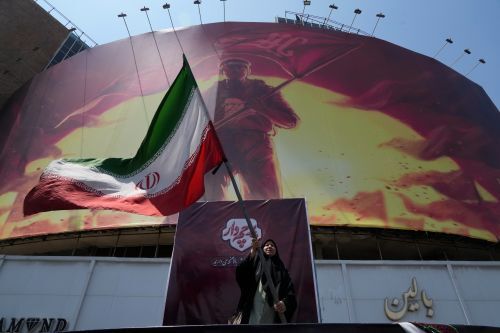
Trump opens ‘economic D-Day’ offensive against Iran as war nears six-month mark
Christian Datoc
christian-datoc@coloradopolitics.com
Updated 12 hours ago
President Donald Trump is seeking to increase the financial pressure on Iran with new secondary sanctions on nations and foreign actors propping up the regime’s economy as the war between the United States and Tehran nears the six-month mark. Treasury...
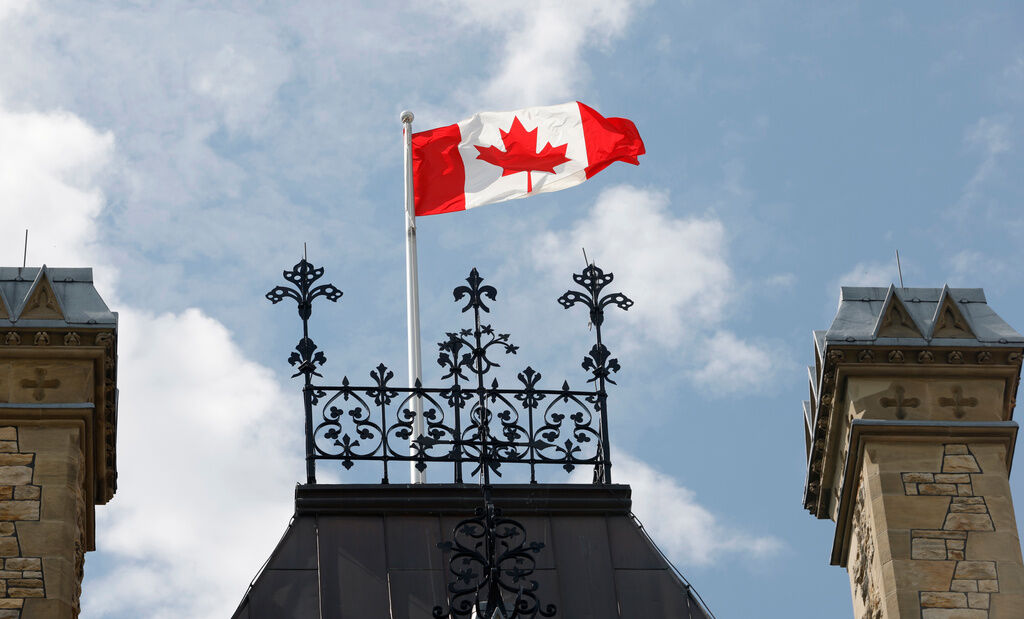
Trump announces 50% tariffs on Canadian cars, auto parts, and steel
Naomi Lim
naomi-lim@coloradopolitics.com
Updated 12 hours ago
President Donald Trump escalated the trade war with Canada after talks collapsed last week, announcing Monday that the United States would impose 50% tariffs on cars, trucks, automotive components, and steel starting Jan. 1, 2027. “Canada has been ripping off...
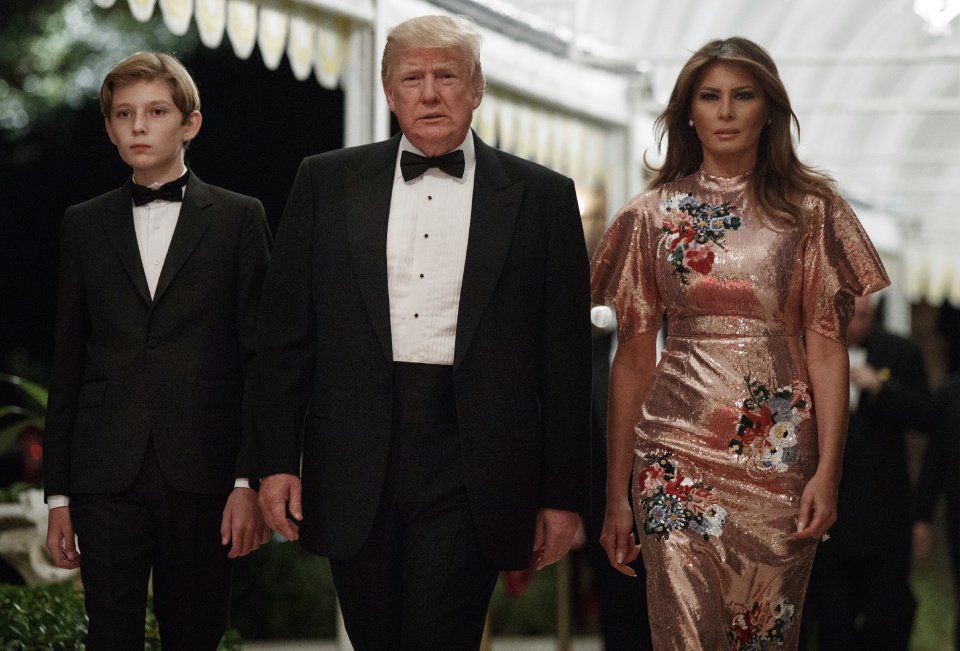
Iran puts out propaganda video tracking Barron Trump’s location, offering $10 million for his assassination
Timothy Nerozzi
timothy-nerozzi@coloradopolitics.com
Updated 14 hours ago
The Islamic Revolutionary Guard Corps is putting a hit out on President Donald Trump’s son, Barron Trump, with an inflammatory video claiming to track his location. State-run television in Iran is broadcasting a propaganda video claiming to show the locations...
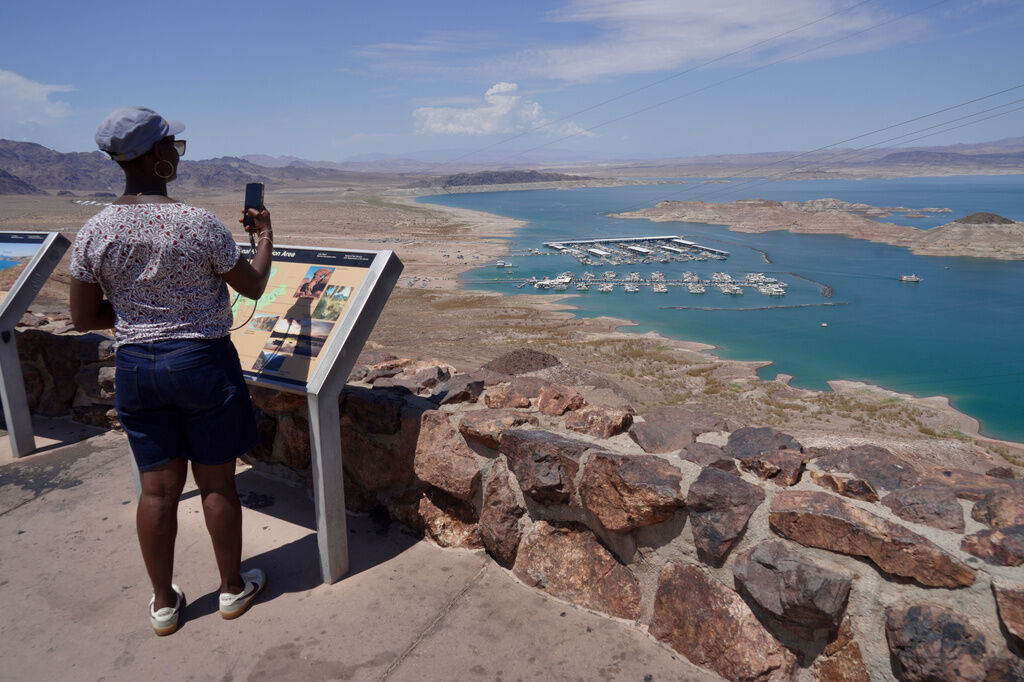
Nevada sues Trump administration over Colorado River cuts
Marianne Goodland
marianne.goodland@coloradopolitics.com
Updated 6 hours ago
On Monday, the state of Nevada filed a lawsuit against the Trump administration and Interior Secretary Doug Burgum, seeking to block the Colorado River management plan. On Friday, Burgum released a “record of decision” that would reduce water allocations to...

Healthcare Freefall: Longer drives, fewer options for maternity care in Colorado
Thelma Grimes
thelma.grimes@coloradopolitics.com
Updated 16 hours ago
Editor’s Note: Colorado’s healthcare system is entering a period of accelerating instability — a “tsunami,” as multiple leaders describe it — driven by collapsing hospital finances, shrinking Medicaid reimbursements, disappearing services and a political fight over who is responsible for...
Polis requests federal disaster declaration for Colorado wildfires and floods
9News
9news@coloradopolitics.com
Updated 9 hours ago
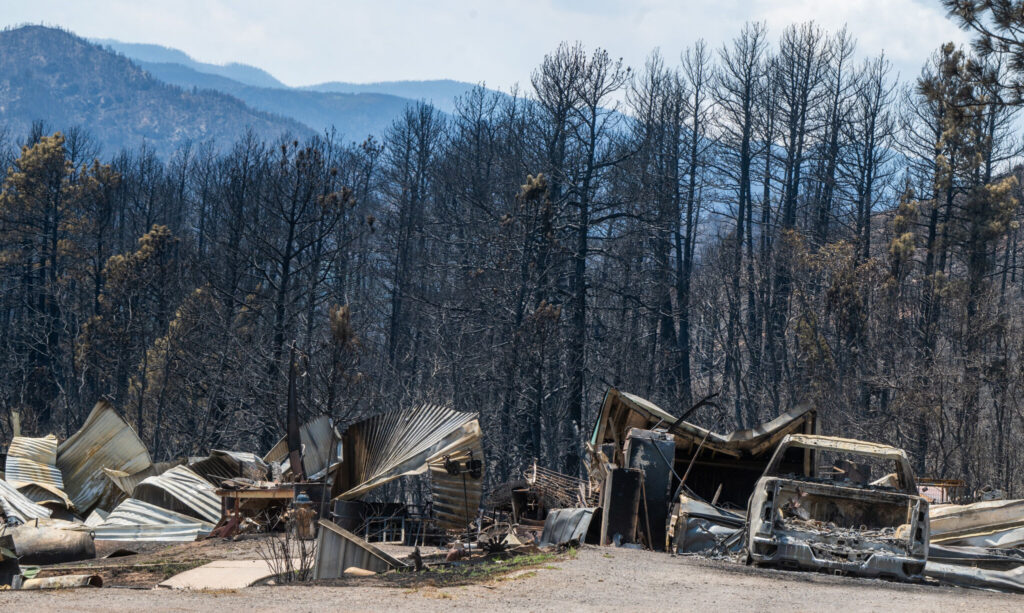
On Sunday, Gov. Jared Polis officially requested a Major Disaster Declaration from President Donald Trump and the Federal Emergency Management Agency to support recovery from two wildfires and the subsequent flooding and debris flows on both burn scars. Polis requested a declaration...
US strikes another boat in eastern Pacific, killing two, Pentagon says
The Associated Press
the-associated-press@coloradopolitics.com
Updated 17 hours ago
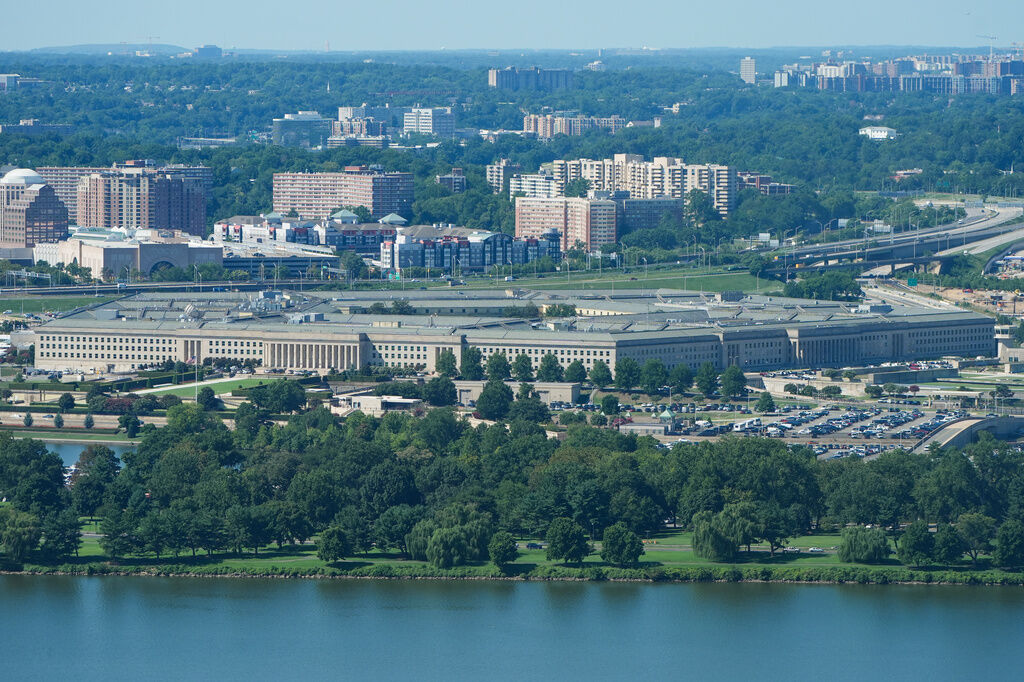
U.S. forces have struck another vessel in the eastern Pacific, killing two people the Pentagon says were trafficking drugs. The U.S. Southern Command announced the strike in a social media post early Monday. The death toll from the Trump administration’s...
PREV
PREVIOUS

Grand jury to investigate fatal Colorado police shooting of De'Von Bailey
A grand jury will decide if two Colorado Springs police officers were legally justified when they shot and killed 19-year-old De’Von Bailey, the 4th Judicial District Attorney’s Office announced Friday. The DA’s Office normally reviews officer-involved shootings and routinely clears the officers of wrongdoing. Friday’s announcement comes nearly two months after Bailey, 19, was shot […]
New top general takes command at Colorado's Fort Carson
COLORADO SPRINGS – The new top general at Fort Carson said that in nearly 30 years in the Army, he has come to prioritize “continuing to learn at every level.” “People sometimes think as you continue through your career that you’ve mastered it all and you need to stop learning, but I can tell you, it […]