

More workers would qualify for overtime pay under state proposals

Several U.S. states are pushing new proposals that would boost the number of workers eligible for overtime pay by hundreds of thousands of people — and Colorado may wind up being one of them.
Washington state is considering a rule that would more than triple the annual salary threshold that determines who qualifies for time-and-a-half pay when working more than 40 hours a week. The state’s Department of Labor & Industries in June announced its proposal to make most workers who earn less than $79,872 eligible for overtime by 2026. Public hearings on the rule are under way.
State legislators in Maine and Massachusetts have floated bills that would sweep more workers into overtime eligibility there, too, and Pennsylvania’s governor issued a proposal to bump up its salary cap.
The state-level efforts come in the wake of former President Barack Obama’s wish to extend overtime pay to an additional 4.2 million workers. His plan called for raising the federal salary threshold for overtime-pay eligibility from the current $23,660 to $47,476 during his tenure. A Texas judge blocked that rule from going into effect in November 2016, shortly after Donald Trump was elected president, citing federal overreach on the issue.
Change is still likely to come on a national level. Federal overtime rules are within the purview of the Labor Department, which in March proposed raising the federal salary threshold nearly 50% to make people who earn up to about $35,300 eligible for time-and-a-half pay.
New state proposals go far beyond that. Detractors of such measures argue that some businesses cannot afford to shoulder the extra costs and that things like people logging in to their work email at night make it hard to calculate how many hours they are working.
“The Trump proposal helped light a fire under state advocates because the threshold is so low,” said Naomi Walker, who directs the Economic Policy Institute’s state research and policy network. She expects to see campaigns to update overtime rules in states such as Colorado and Michigan in the coming months.
Currently, California and New York require employers to pay overtime to workers making far more than the federal ceiling.
In California, the salary threshold is twice the state’s minimum wage. Workers at large employers earning less than $49,920 are paid overtime now; in 2023, workers earning less than $62,400 will be eligible.
New York state is phasing in a $58,500 threshold, and the proposed Massachusetts bill calls for people earning less than $64,000 to be eligible for overtime by 2024. The rules often include exclusions for certain kinds of workers and employers.
Washington state is expected to complete and adopt its rule later this year and begin phasing it in starting in July 2020.
Eli Duffy, who manages a kitchen at a technology company in Seattle, can’t wait. She typically works 50 to 60 hours a week and makes $55,000 a year.
“I’m pretty much always exhausted,” she said.
Duffy estimates that she would have been able to pay off her student-loan debt if she had earned time-and-a-half for her extra hours this past year. Still, she said she would rather work fewer hours than get more money. “I really just want my life back,” she said.
Michael Haith, the chief executive of Denver-based fast-casual chain Teriyaki Madness LLC, called the Washington proposal egregious.
“We don’t do business in Washington state and that’s one of the reasons,” he said of the state’s labor regulations. The recent proposal “validates our decision.”
Still, Haith said he isn’t overly concerned about potential new overtime regulations in other states where Teriyaki Madness does operate, like Colorado. The labor market is already so competitive around the country that his restaurant managers can make up to $60,000, he said, more than the thresholds proposed in Pennsylvania and Maine.
If some of his staff are swept into overtime eligibility by new rules, Haith said he would probably keep them at 40 hours a week and hire more people, which might mean raising menu prices. Another alternative: doubling down on efforts already in motion to automate back-of-house duties, like slicing vegetables and washing dishes.
“We’re entrepreneurial and we’ll react. Will it affect some business models? Sure,” he said. “It will be evolve or die, I guess.”



Victor Marx says he’ll only debate Phil Weiser once in Colorado governor’s race — without a moderator
Ernest Luning
ernest.luning@coloradopolitics.com
Updated 9 hours ago
Colorado Republican gubernatorial nominee Victor Marx said on Tuesday that he will participate in only one debate with Attorney General Phil Weiser before the November election — and he challenged the Democratic nominee to hold the event without a moderator....
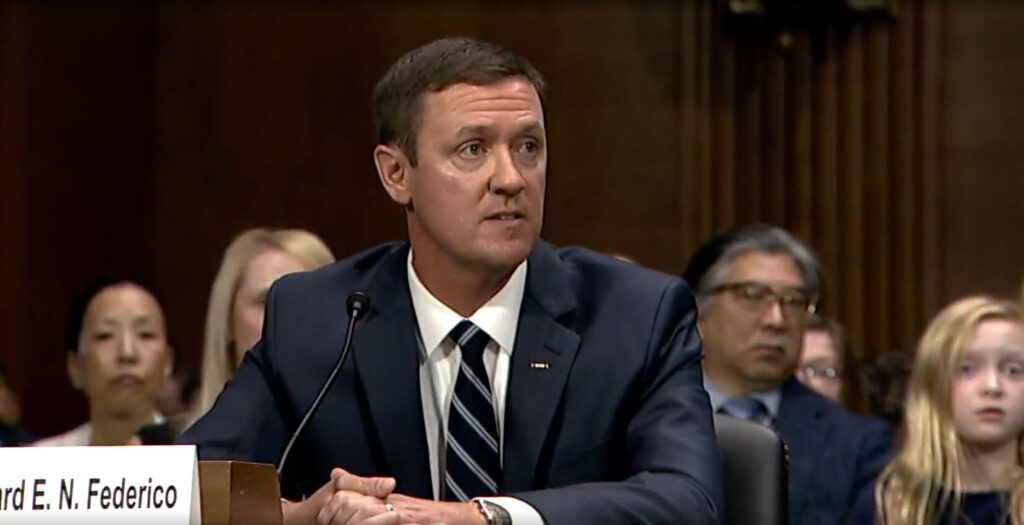
10th Circuit finds no fair housing violation by Littleton landlord for worker’s alleged rape of tenant
Michael Karlik
michael.karlik@coloradopolitics.com
Updated 11 hours ago
The Denver-based federal appeals court concluded on Monday that Littleton’s housing authority could not be held liable for a maintenance worker’s alleged rape of a tenant, as the worker’s employment did not provide any special access to the victim. A...
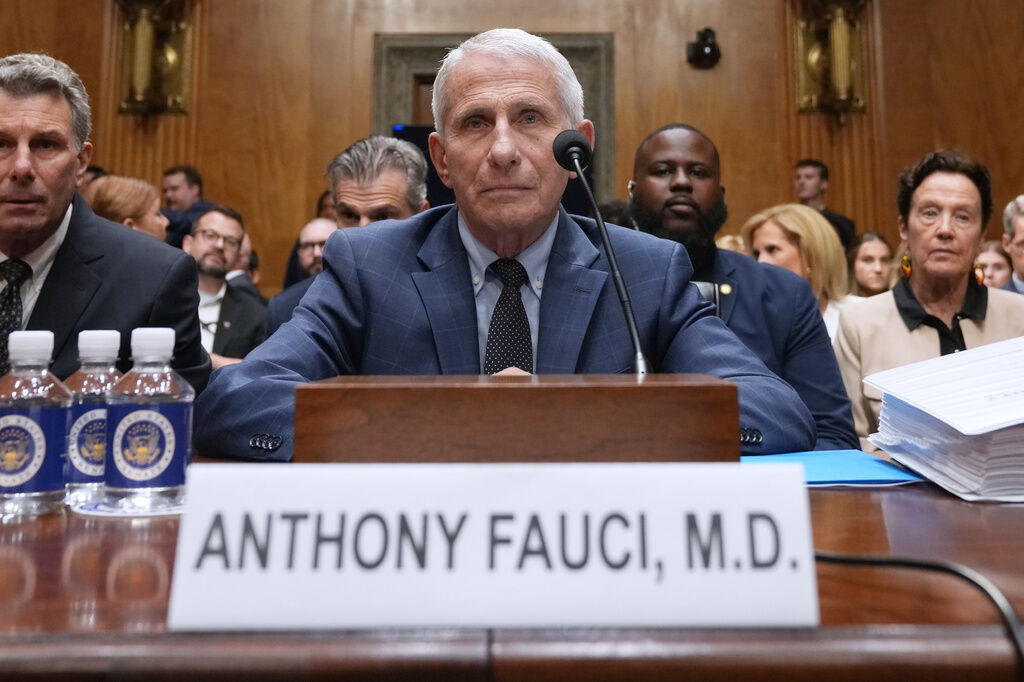
Fauci’s Fifth Amendment answers may test Biden pardon as GOP eyes contempt
Kaelan Deese
kaelan-deese@coloradopolitics.com
Updated 10 hours ago
Dr. Anthony Fauci invoked his Fifth Amendment right against self-incrimination more than 100 times on Wednesday, a move legal experts described as strategically sound despite the politically damaging optics. Sen. Rand Paul (R-KY), chairman of the U.S. Senate Committee on...

Democrats must win 57 out of 77 competitive House seats to take majority: Cook Political Report
Hailey Bullis
hailey-bullis@coloradopolitics.com
Updated 13 hours ago
Democrats’ path to retaking the House in November has significantly slimmed as a result of the mid-decade redistricting war this cycle, a new analysis found. The nonpartisan Cook Political Report found that under the newly drawn maps across 10 states,...
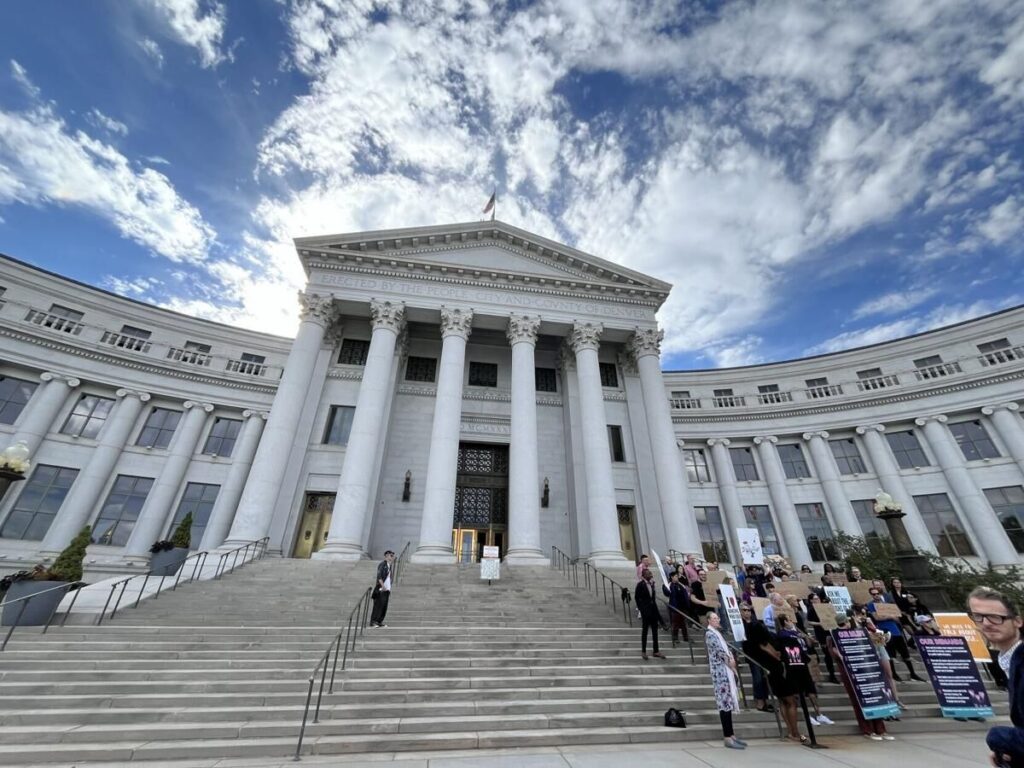
Denver labor acknowledgment proposal faces council committee questions
Deborah Grigsby
deborah.smith@denvergazette.com
Updated 17 hours ago
A proposal to add a labor acknowledgment to Denver City Council proceedings has been delayed by the Finance and Business Committee after members raised questions about its wording, intentions and place in the council’s opening proceedings. The proposal, put forth...
Fauci invokes the Fifth Amendment and declines to testify in GOP-led Senate panel’s COVID-19 hearing
The Associated Press
the-associated-press@coloradopolitics.com
Updated 18 hours ago
WASHINGTON (AP) — Dr. Anthony Fauci on Wednesday invoked the Fifth Amendment and declined to answer questions from senators in a Republican-led committee hearing about his handling of the COVID-19 pandemic. The move injects new drama into the lingering tensions...

Colorado residents rush to buy guns ahead of new restrictions, breaking sales records for several stores
By Debbie Kelley
by-debbie-kelley@coloradopolitics.com
Updated 17 hours ago
Colorado residents are lining up to buy guns ahead of the latest weapons restrictions set to take effect this Saturday. The new law mandates individuals seeking to purchase semiautomatic firearms with detachable magazines to first complete a firearm safety course...

Crime continues to decline in Aurora, police chief says
Kyla Pearce
kyla.pearce@gazette.com
Updated 17 hours ago
Crime in Aurora continued to decline in the first half of 2026, according to Aurora Police Department officials. Crime overall in the city has been on a downward trend since 2024, according to APD. Between Jan. 1 and June 30,...
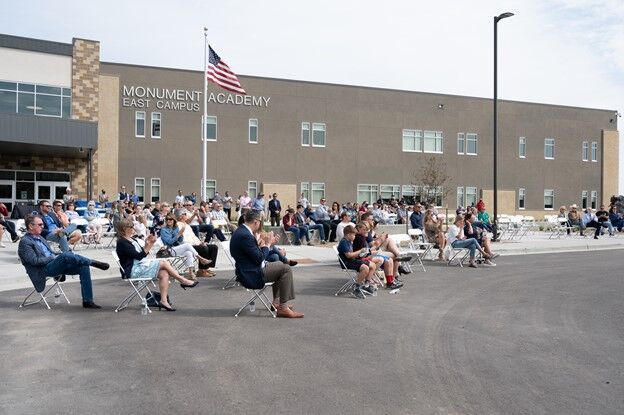
El Paso County rejects multi-family zoning request near Monument Academy
Savannah Eller
savannah-eller@coloradopolitics.com
Updated 16 hours ago
The El Paso County Board of Commissioners narrowly rejected a developer’s bid to convert land from low- to high-density residential zoning. The request, made by MA Infrastructure, LLC, would have allowed 12 units per acre on half of a 14-acre...
Atop taxes, here’s how much each Colorado resident pays in fees
Marissa Ventrelli
marissa.ventrelli@coloradopolitics.com
Updated 1 day ago
Each Colorado resident paid nearly $5,000 in state-sanctioned fees last year, according to a report by a policy think tank. The report, which analyzed how fees have affected Colorado’s economy, found that fee revenue has more than tripled since 2008...
PREV
PREVIOUS

Denver Press Club to remember John C. Ensslin
Colorado Politics reporter John C. Ensslin will be memorialized Monday night by the Denver Press Club, where he twice served as president. The event, 6:30 to 8:30 p.m., will take place at the Press Club, located at 1330 Glenarm Place in Denver. Admission is free, but RSVPs online are advisable due to limited space. To register […]

Denver's Hancock, other mayors urge US Senate to return to Washington for gun bill vote
WASHINGTON – More than 200 mayors, including two anguished by mass shootings in Texas and Ohio, are urging the Senate to return to the Capitol to act on gun safety legislation amid criticism that Congress is failing to respond to back-to-back shootings that left 31 people dead. In a letter Thursday to Senate Majority Leader […]